Dental Implant Materials Demystified: How to Choose the Best Material for Long-Term Success
Dental implants are artificial tooth roots made from durable biomaterials that replace missing teeth and restore chewing, speech, and facial structure. Choosing the right implant material matters because material properties determine how well the implant bonds with bone, resists wear and corrosion, and matches surrounding tissues for a natural appearance. This guide explains implant components, compares titanium and zirconia as leading implant materials, surveys emerging materials, and links material science to clinical outcomes like osseointegration and longevity. Patients will find a practical decision framework covering allergies, bone health, aesthetic priorities, and budget, plus clear questions to ask at a consultation. Throughout the article we emphasize evidence-based trade-offs and practical aftercare so readers can make informed choices and know what to discuss during a Free Dental Implant Consult (valued at $79). The article closes by describing how Affordable Dentist Near Me of Waco supports local patients through affordable options and a straightforward consult process.
What Are Dental Implants and Their Key Components?
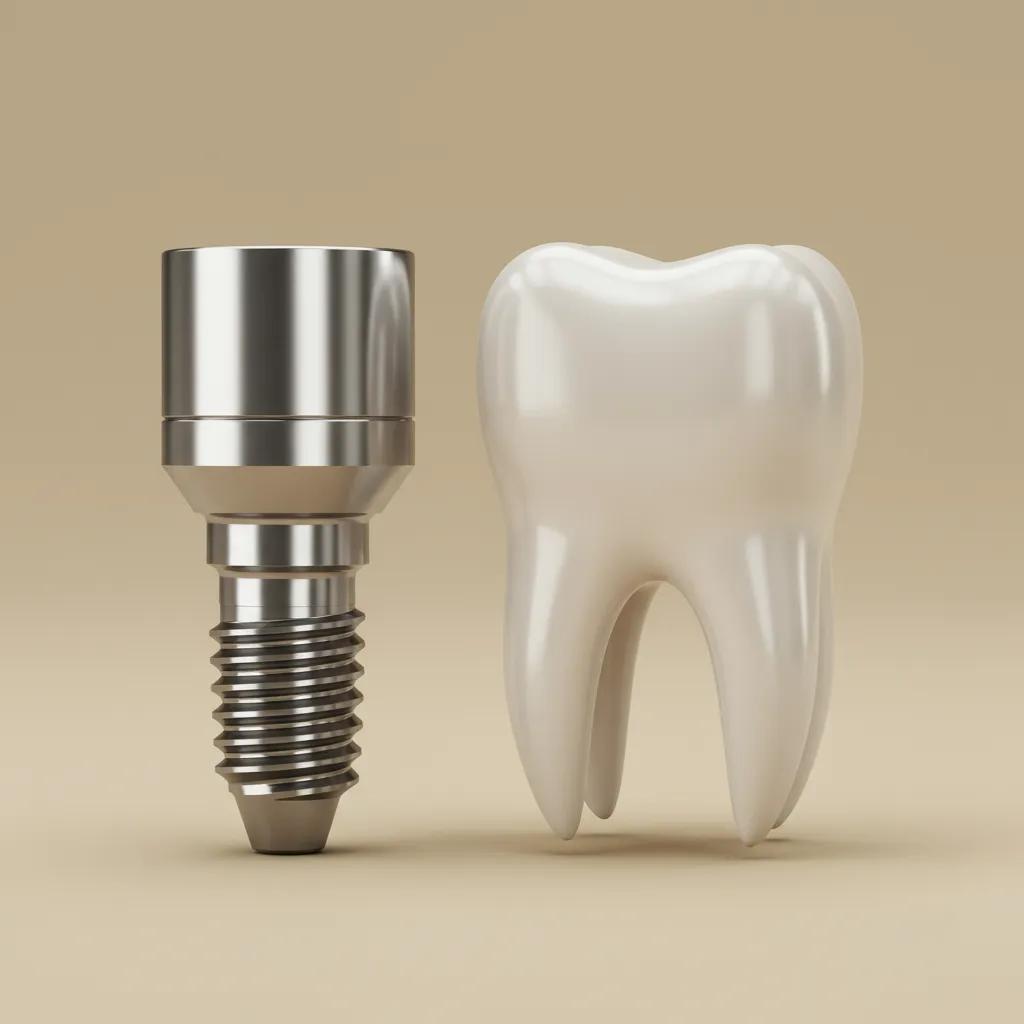
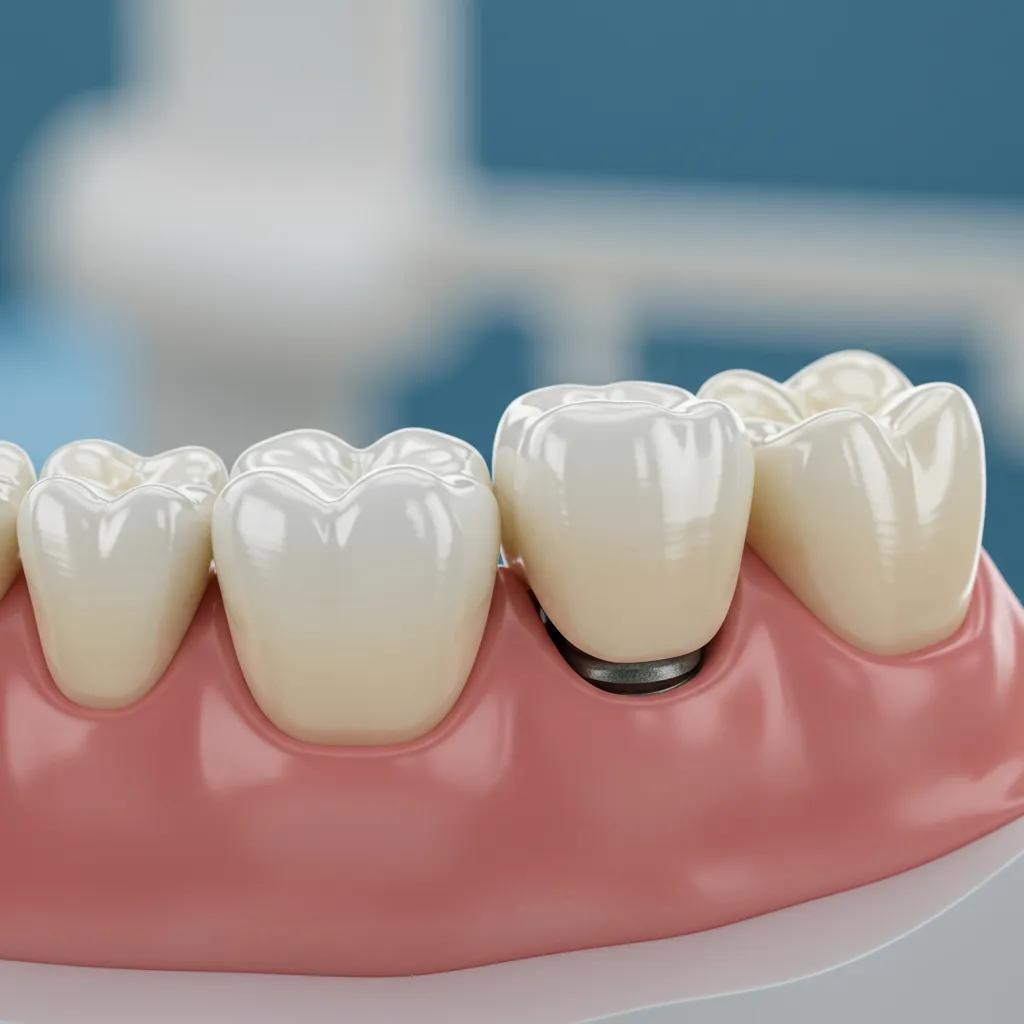
Dental implants are a three-part restorative system: the implant post (fixture) that anchors in bone, the abutment that connects post to restoration, and the crown or denture that replaces the visible tooth. The implant post provides load-bearing support and is designed to osseointegrate—physically and biologically bond—with jawbone to create a stable foundation for chewing and long-term durability. Different components can use different materials: posts are usually metal or ceramic, abutments may be metal or ceramic, and crowns are commonly ceramic or composite for optimal aesthetics. Understanding components helps patients evaluate which material choices affect function, longevity, and appearance for their specific clinical needs. The next subsection summarizes common materials used for each component and their typical applications.
What Materials Are Used in Dental Implant Construction?
Several materials are used across the implant system: titanium and its alloys for posts and abutments, zirconia (a dental ceramic) for metal-free posts and abutments, and a range of ceramic or composite materials for crowns and prosthetic teeth. Titanium posts leverage metallic strength and well-documented osseointegration, while zirconia posts prioritize aesthetics and a metal-free profile. Crowns and restorations commonly use porcelain-fused-to-metal, monolithic zirconia, lithium disilicate, or composite resins depending on strength and translucency needs. Material choice for each component balances strength, biocompatibility, aesthetics, and the planned restoration type. This material overview leads naturally into how implants restore both function and aesthetics for patients.
How Do Dental Implants Restore Function and Aesthetics?
Dental implants restore function by replacing root-level support, which preserves bone through load transmission and enables near-natural chewing efficiency compared with removable dentures. From an aesthetic standpoint, material selection—especially for abutments and crowns—determines whether underlying metal shows through thin gum tissue, how well the tooth color matches adjacent dentition, and the overall lifelike appearance. For anterior teeth where aesthetics are paramount, ceramic abutments and high-translucency crowns can achieve more natural results, while posterior sites often prioritize strength with metal-based abutments and durable crown materials. Functional and aesthetic planning must also consider bone volume, soft tissue thickness, and occlusal forces to ensure that material choices meet both mechanical and cosmetic requirements. With those clinical considerations in mind, the article next examines why titanium has been historically considered the gold standard.
Why Are Titanium Dental Implants Considered the Gold Standard?
Titanium dental implants are considered the gold standard because titanium has excellent biocompatibility, mechanical strength, corrosion resistance, and a long clinical track record of successful osseointegration. Titanium surfaces—especially those treated with roughening techniques or proprietary coatings—promote bone cell attachment and stable bone-implant integration over time, reducing early micromotion and improving long-term success. Clinicians rely on titanium implants when predictable load-bearing capacity and abundant longitudinal outcome data are priorities, particularly in cases requiring grafting or full-arch support. The following subsection breaks down titanium’s key material properties and clinical benefits in detail with a structured comparison table for clarity.
What Are the Properties and Benefits of Titanium Implants?
Titanium combines a favorable strength-to-weight ratio with surface chemistry that encourages osseointegration, making it resistant to fatigue and corrosion in the oral environment. Its porous or roughened surfaces increase surface area and biological anchoring, which accelerates bone remodeling around the fixture and supports high long-term survival rates documented in contemporary literature. Clinically, titanium implants tolerate a wide range of surgical protocols and restorative workflows, and they integrate well with widely available prosthetic components and CAD/CAM workflows. Patients with sufficient bone volume, normal occlusal loads, and no metal sensitivities are frequently ideal candidates for titanium implants because of predictability and cost-effectiveness. To summarize these attributes in an accessible format, the table below compares titanium implant attributes across core performance categories.
Attribute
Characteristic
Practical Value
Biocompatibility
High affinity for bone cells; low systemic reactivity
Promotes reliable osseointegration and stable bond
Strength & Fatigue Resistance
Excellent tensile and compressive strength
Supports single-tooth and full-arch load demands
Corrosion Resistance
Forms protective oxide layer (TiO2)
Durable in the oral environment; resists degradation
Surface Treatment
Roughening, SLA, or proprietary coatings
Enhances initial bone anchorage and healing speed
What Are the Limitations and Ideal Candidates for Titanium Implants?
Despite its advantages, titanium has some limitations: in very thin tissue biotypes it can create a grayish show-through that compromises aesthetics, and rare metal hypersensitivity or patient preference for a metal-free option may preclude its use. Titanium allergy is uncommon but should be considered when patients report unexplained mucosal reactions or have documented metal sensitivities; in such cases, alternative materials may be explored. Ideal titanium candidates include patients with adequate bone volume, higher bite forces, or those needing restorative flexibility and long-term evidence-backed solutions. In scenarios where aesthetics in the anterior zone or complete metal avoidance are primary concerns, zirconia or ceramic alternatives may be preferable; the next H2 will compare zirconia as a metal-free option.
How Do Zirconia Dental Implants Compare as a Metal-Free Alternative?
Zirconia dental implants offer a tooth-colored, ceramic option that appeals to patients prioritizing aesthetics and a metal-free solution, providing low plaque affinity and excellent biocompatibility for many clinical situations. As a dental ceramic, zirconia presents a more natural hue under thin gingival tissues, reducing visible discoloration and improving anterior esthetics compared with metallic posts. However, zirconia has distinct mechanical behavior—high compressive strength but comparatively lower fracture toughness under certain multidirectional forces—and its long-term clinical record is shorter than titanium’s, which affects clinician selection for demanding posterior or full-arch load cases. The following subsection details the primary advantages of zirconia for appearance and peri-oral health, followed by a balanced look at its drawbacks and suitable patient profiles.
What Are the Advantages of Zirconia Implants for Appearance and Health?
Zirconia’s tooth-like white color substantially improves aesthetics where thin gingival tissue permits light transmission, and its ceramic surface tends to show lower plaque accumulation compared with some metallic surfaces, which can be favorable for peri-implant tissue health. Zirconia is also marketed as a metal-free option, which can be reassuring for patients with concerns about metallic implants or potential sensitivities, and clinicians report excellent soft-tissue responses in many anterior cases. The material’s bioinert behavior reduces potential galvanic interactions and contributes to its appeal for patients seeking non-metal restorations. These advantages make zirconia particularly attractive for single-tooth replacements in the esthetic zone, and the next subsection examines mechanical and evidence-based limitations that clinicians must weigh.
What Are the Drawbacks and Suitable Patients for Zirconia Implants?
Zirconia’s drawbacks include a shorter longitudinal evidence base compared with titanium, potential vulnerability to fracture or microcracking under high lateral or impact forces, and more limited prosthetic component options in some workflows. Patients with heavy bruxism, high posterior bite forces, or extensive multi-unit restorations may be better served by titanium solutions because of titanium’s proven fatigue resistance and broader restorative compatibility. Conversely, ideal zirconia candidates are often those with strong aesthetic priorities, thin gingival biotypes, known metal sensitivities, or limited metal tolerance preferences, particularly when restored as single anterior implants. Clinical screening for occlusion, bruxism, and bone support helps determine whether zirconia can deliver both the aesthetic and functional longevity required for the patient’s needs.
What Emerging Materials Are Shaping the Future of Dental Implants?
Research into advanced ceramics, composite biomaterials, bioactive coatings, and polymer-ceramic hybrids is expanding the options for implant designers seeking faster osseointegration, improved soft-tissue integration, and enhanced aesthetics. Emerging directions include surface biofunctionalization with peptides or calcium-phosphate layers to accelerate bone formation, composite frameworks that combine ceramic aesthetics with improved fracture toughness, and polymer-related scaffolds for regenerative interfaces. While preliminary data and laboratory models demonstrate promise for reducing healing time and infection risk, most novel materials remain in early clinical evaluation and require long-term outcome studies before supplanting established options. The next subsections summarize leading material classes under investigation and discuss how these innovations might influence patient choice and clinical practice in coming years.
Which Advanced Ceramics and Polymers Are Being Explored?
Advanced ceramics beyond traditional zirconia—such as stabilized zirconia composites and functionally graded ceramics—aim to improve toughness while preserving favorable aesthetics, and polymer-ceramic composites attempt to combine resilience with biocompatibility. Surface coatings incorporating bioactive glass, calcium-phosphate, or growth-factor delivery systems are being trialed to enhance early-stage bone anchorage and reduce bacterial colonization. Biodegradable polymer scaffolds are under study for guided bone regeneration and may integrate with permanent fixtures to promote native bone formation prior to resorption. These technologies are promising but face regulatory testing and clinical validation hurdles; thus, conventional titanium and zirconia remain the primary clinical choices for most patients today.
How Might These Materials Impact Implant Success and Patient Choice?
If future materials reliably demonstrate faster osseointegration, lower infection rates, and improved mechanical resilience, patients could benefit from shorter treatment timelines, fewer adjunctive procedures, and enhanced long-term aesthetics. For clinicians, materials that reduce grafting needs or tolerate thinner soft-tissue biotypes could broaden treatment eligibility and simplify restorative workflows. However, adoption depends on robust long-term data showing comparable survival and complication profiles to current standards, along with cost-effectiveness analyses. Until such evidence matures, emerging materials should be viewed as promising advancements rather than wholesale replacements, and patients should ask about clinical evidence and expected long-term outcomes when presented with newer options.
How Do Dental Implant Materials Affect Success Rates and Longevity?
Implant success and longevity are primarily driven by osseointegration, material mechanical properties, surface treatments, patient health factors, and maintenance. Materials that promote stable bone-implant contact, resist corrosion or degradation, and match functional load requirements support higher survival rates over decades. Surface roughness and bioactive coatings influence early bone response and can reduce microgap formation that predisposes to peri-implantitis, while material fracture resistance and fatigue behavior determine how well an implant endures repeated mastication forces. Understanding these interrelations helps patients appreciate why specific materials are recommended for different clinical scenarios and sets expectations for maintenance needs. The next subsections define osseointegration and tie specific material attributes to durability and care.
What Is Osseointegration and Why Is It Vital for Implant Stability?
Osseointegration is the biological process by which bone forms a direct, structural, and functional connection with the implant surface, providing the mechanical stability required for lifelong load-bearing. The process begins with a controlled inflammatory phase, followed by bone remodeling and mineralization at the implant interface, and typically requires several weeks to months to reach functional stability. Factors that support osseointegration include adequate bone quality and quantity, minimal micromotion during healing, favorable surface topography on the implant, and patient systemic health (e.g., non-smoking status and controlled metabolic conditions). Clinicians choose implant materials and surface treatments that optimize bone cell attachment and maturation to maximize predictable osseointegration and thereby reduce failure risk.
How Do Material Properties Influence Implant Durability and Maintenance?
Material attributes such as corrosion resistance, fracture toughness, surface roughness, and plaque affinity influence both the mechanical lifespan of an implant and the nature of ongoing maintenance required to preserve peri-implant health. Titanium’s corrosion resistance and fatigue strength make it resilient under cyclical loads, and its surface treatments enhance bone anchorage; regular professional cleanings and home hygiene help prevent peri-implantitis. Zirconia’s smoother ceramic surface can reduce plaque accumulation and may simplify soft-tissue maintenance, but it requires occlusal management to avoid fracture in high-load situations; patients should receive tailored night-guard or bite-management advice if bruxism is present. Preventative steps across materials include consistent oral hygiene, scheduled professional exams and cleanings, and lifestyle modifications like smoking cessation to support implant longevity.
After reviewing maintenance and longevity, it is useful to see how material decisions map to patient-specific factors and how patients can make informed choices at consultation. At this point, Affordable Dentist Near Me of Waco can also assist by personalizing material recommendations during a consultation and offering a Free Dental Implant Consult (valued at $79) to help patients understand how material selection affects their specific case.
For many patients, a clinician-led consult clarifies how bone, tissue, and aesthetic priorities translate into a material recommendation and next steps.
How Can Patients Make Informed Choices About Dental Implant Materials?
Patients can approach material selection with a structured decision framework that weighs medical history, bone status, aesthetic expectations, functional demands, and budget. Key assessments include diagnostic imaging to evaluate bone volume, a review of medical conditions that affect bone healing, evaluation of soft-tissue thickness for esthetic planning, and an occlusal analysis for bite forces and parafunctional habits. Bringing a checklist to the implant consult helps ensure the discussion covers material pros/cons, maintenance expectations, and long-term projections for replacement or complication risk. The next subsections outline core decision factors and provide specific questions patients should ask their dentist to guide a personalized treatment plan.
What Key Factors Should Patients Consider When Choosing Implant Materials?
Patients should consider five primary factors: allergy/metal sensitivity, bone density and volume, aesthetic priorities (anterior vs posterior), bite force/bruxism, and budget or financing preferences. Allergy concerns may steer patients toward metal-free zirconia options, while limited bone volume or complex restorative needs often favor titanium due to its extensive clinical versatility. Aesthetic zones with thin gingival biotype generally benefit from zirconia or ceramic abutments to minimize metal show-through, whereas posterior multi-unit restorations subjected to heavy occlusal loads may be better served by titanium-backed solutions. Evaluating these factors with diagnostic scans and professional guidance allows for a balanced material choice that aligns with both clinical safety and patient priorities.
What Questions Should You Ask Your Dentist About Implant Materials?
Going into a consult with targeted questions helps patients get clear, actionable answers that directly affect outcomes and expectations. Ask about comparative survival rates for the implant materials under consideration, how the clinician assesses suitability based on bone and tissue, what surface treatments or coatings are used and why, and how material choice affects restorative options and future replacement needs. Also inquire about maintenance requirements specific to each material, the clinic’s approach to managing parafunctional habits like bruxism, and available financing options to fit your budget. These questions ensure the consult covers evidence, practical care, and cost considerations so the patient can make an informed decision.
Metal sensitivity or metal avoidance: Favor zirconia or ceramic alternatives.
Thin gum tissue in the smile zone: Prefer ceramic abutments or zirconia posts for aesthetics.
High bite forces or bruxism: Consider titanium-based solutions for durability.
Limited bone volume requiring grafting: Titanium has broader graft compatibility.
Budget sensitivity: Evaluate long-term replacement risk and financing options.
What Are the Cost Differences Between Titanium and Zirconia Dental Implants?
Material choice affects several cost drivers in implant therapy: the implant fixture price, abutment type, laboratory fees for the final restoration, and any adjunctive surgical procedures such as bone grafting or sinus lifts. Titanium fixtures and widely used prosthetic components often benefit from economies of scale and a broader range of compatible restorative options, which can reduce certain lab and component costs. Zirconia fixtures and ceramic abutments tend to carry higher laboratory complexity and material costs, and limited prefabricated components can increase customization fees and technician time. Below is a cost-driver table that clarifies how specific factors typically influence overall treatment cost and why zirconia may be more expensive in practical terms.
Cost Factor
Typical Impact on Treatment Cost
Notes
Implant Material (fixture)
Moderate to high
Zirconia fixtures often cost more than comparable titanium fixtures
Abutment Type
Moderate
Custom ceramic abutments increase lab fees versus prefabricated metal abutments
Restoration Material & Lab Work
High
High-translucency ceramics or complex CAD/CAM restorations raise cost
Surgical Complexity (grafts/sinus lifts)
High
Additional procedures significantly increase total treatment cost
Prosthetic Complexity (single vs full-arch)
Very high
Full-arch restorations multiply lab and component costs
How Does Material Choice Impact Overall Treatment Cost?
Material selection influences not only the fixture price but also abutment customization, lab time for matching adjacent teeth, and potential need for specialized restorative workflows, which together affect the final quote. Choosing zirconia for esthetic reasons may increase lab fees for custom ceramic abutments and crowns and can require additional technician steps to ensure color matching, whereas titanium-based systems often use more standardized components that can reduce fabrication complexity. Long-term considerations—such as the risk of restoration fracture or peri-implant complications—also factor into cost-effectiveness; a cheaper initial solution that requires replacement sooner may be more expensive over a patient’s lifetime. Clear, itemized cost breakdowns at consultation help patients compare upfront fees and projected long-term value.
What Affordable Dental Implant Options Are Available in Waco, TX?
Patients in Waco can access affordability options that combine transparent pricing, financing plans, and a Free Dental Implant Consult (valued at $79) with no exam or X-ray required to evaluate material choices and provide a personalized cost estimate. Many practices offer financing or payment plans that spread surgical and restorative costs over time, making implant therapy more accessible for patients prioritizing long-term tooth replacement. A no-obligation consult gives patients a chance to review imaging needs, discuss material trade-offs, and receive a tailored written estimate that outlines fixture, abutment, restoration, and any necessary adjunctive procedures. After discussing pricing options, readers should understand how local providers can support decision-making and next steps for scheduling a consult.
How Does Affordable Dentist Near Me of Waco Support Your Dental Implant Success?
Affordable Dentist Near Me of Waco provides local patients with implant and denture services while highlighting affordability, accessible financing options, and a Free Dental Implant Consult (valued at $79) with no exam or X-ray required to help personalize material recommendations. The clinic offers general dentistry, cosmetic dentistry, emergency dentistry, and dental implants in a state-of-the-art facility staffed by experienced, caring professionals focused on patient comfort and clear communication. With a high patient satisfaction metric reported in local listings—1470+ Google reviews and an average rating of 4.6—the practice emphasizes approachable pricing plans and financing to accommodate patient budgets while maintaining quality restorative care. For readers seeking a practical next step, the following subsection outlines what patients can expect at a consult and why the clinic’s local presence matters for long-term implant maintenance.
What Makes Our Waco Clinic a Trusted Provider of Dental Implants?
The clinic’s local strengths include everyday low fees and financing options that help make implant therapy feasible for more patients, a modern facility with up-to-date technology to support diagnostics and implant workflows, and staff experienced in explaining material trade-offs and aftercare. During the Free Dental Implant Consult (valued at $79), clinicians assess bone and soft-tissue conditions, review potential material choices tailored to the patient’s aesthetic and functional goals, and outline a stepwise treatment plan including estimated timelines and cost components. These consults are designed as educational, no-pressure appointments where patients receive a personalized recommendation and a written estimate that clarifies fixture, abutment, restoration, and any auxiliary procedures. The clinic’s emphasis on transparent communication and patient education supports informed choices about materials and long-term care.
How Can You Schedule a Free Dental Implant Consultation Today?
Scheduling the Free Dental Implant Consult (valued at $79) at Affordable Dentist Near Me of Waco initiates a personalized planning process where clinicians review your oral health, discuss material options like titanium and zirconia, and provide a tailored cost estimate without requiring an exam or X-ray at the first visit. During the consult you will discuss your aesthetic priorities, medical history, imaging needs, and financing options so the treatment plan reflects your goals and budget. The consult is an educational step that clarifies material pros and cons, potential surgical needs, and a realistic timeline for implant placement and restoration. If you decide to proceed, the clinic outlines next steps for imaging and scheduling surgical and restorative appointments, ensuring continuity of care and a clear pathway to long-term implant success.
What the consult includesA review of medical and dental history to identify factors affecting healing and material choice.A discussion of aesthetic priorities and functional demands to align material selection.A clear explanation of likely surgical steps, potential need for grafting, and restorative timelines.
Why the consult is valuableIt provides a personalized recommendation for titanium versus zirconia based on your specific anatomy and goals.It produces a written cost estimate that breaks down fixture, abutment, lab, and auxiliary procedure costs.It gives access to financing information and affordable pricing plans helpful in decision-making.
Selecting the right material starts with an informed consult that focuses on your unique needs and priorities and Affordable Dentist Near Me of Waco positions that consult as the educational first step toward durable, esthetic implant outcomes.