Gum Disease Treatment in Lake Worth: How It Affects Your Oral Health and Searching for Solutions
Gum disease, also known as periodontal disease, is an inflammatory condition that can silently undermine oral foundation and search satisfaction by causing bleeding, recession, and tooth loss if left untreated. Adults in their 40s to 60s often encounter milder gingivitis that can progress to destructive periodontitis, making early recognition and effective treatment critical. This guide explains common symptoms, root causes, advanced therapies available in Lake Worth, and the impact on dental implants, dentures, and cosmetic options such as dental veneers. Readers will learn how gum health connects to overall well-being and exactly how to schedule a free consultation for personalized care.
What Are the Common Symptoms and Early Signs of Gum Disease?
Early detection of gum disease relies on recognizing subtle changes in tissue health before irreversible damage occurs. Common warning signs include redness, swelling, tenderness, and bleeding during brushing or flossing, which indicate gingival inflammation. Persistent bad breath or a metallic taste can also signal bacterial activity below the gum line. If these indicators are ignored, plaque evolves into tartar, exacerbating gum recession and pocket formation that lead to periodontitis and potential tooth loss. Recognizing these early signs sets the stage for prompt diagnosis and prevents progression into more destructive stages that threaten implants, dentures, and smile aesthetics.
What Are the Symptoms of Gingivitis, the Early Stage of Gum Disease?
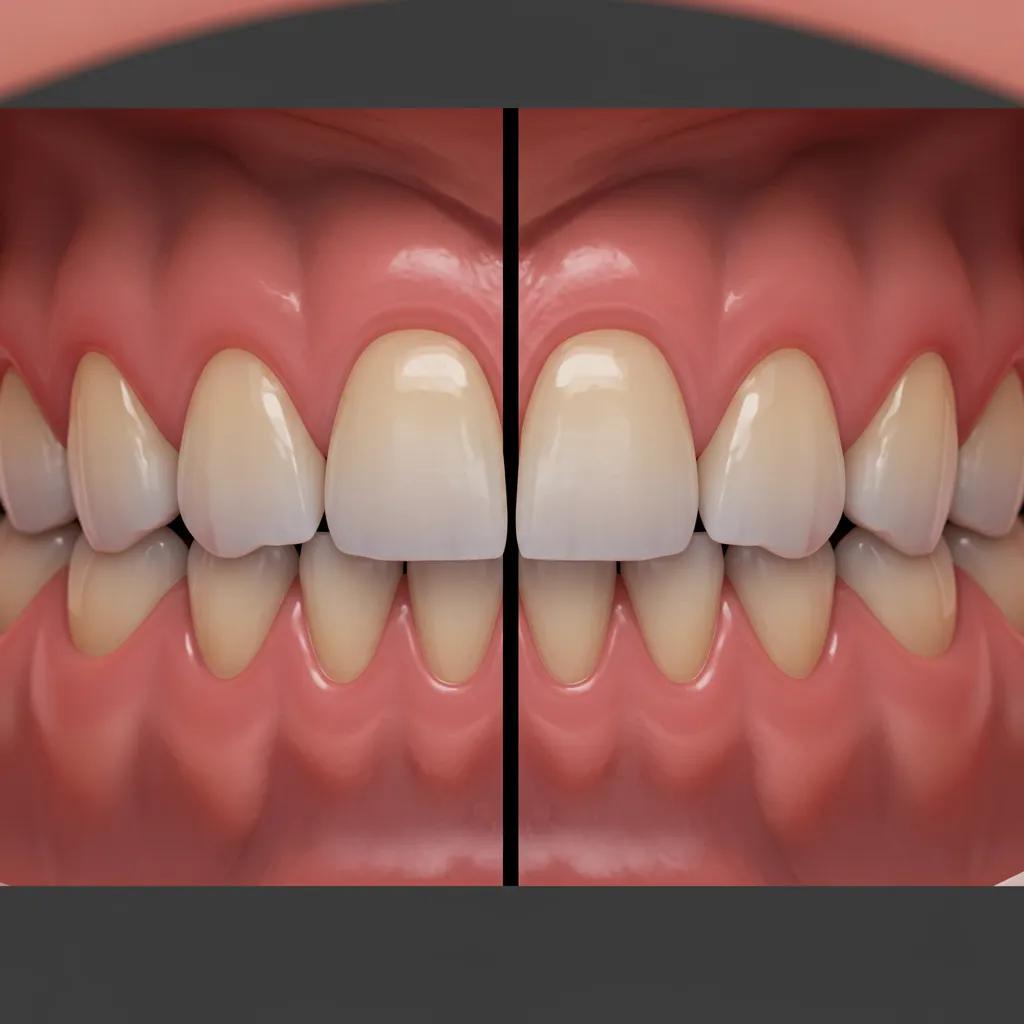
Gingivitis is defined by reversible inflammation of gum tissues caused by bacterial plaque buildup at the gum line. Gums appear bright red or purple rather than healthy pink and often feel tender or sore when touched. Brushing or flossing may lead to easy bleeding and persistent bad breath can accompany these changes. If left unmanaged, gingivitis can advance, creating deeper pockets where bacteria proliferate and trigger bone-damaging periodontitis. Catching gingivitis early through daily oral hygiene and professional cleanings preserves healthy gums and prevents transition to irreversible disease.
How Can You Recognize Periodontitis and Its Advanced Symptoms?
Periodontitis occurs when inflammation extends from the gum margin into supporting bone and connective tissues. Receding gums expose more tooth surface and roots, creating pockets where calculus accumulates. Patients may notice teeth feeling loose or shifting position as bone erodes, and severe cases produce pus or persistent gum pain. Radiographic exams reveal bone loss around tooth roots, confirming the progression from gingivitis. Recognizing these advanced symptoms prompts timely intervention—deep cleaning, antibiotic therapy, or surgical grafts—to halt tissue destruction and safeguard oral function.
What Diagnostic Methods Are Used to Detect Gum Disease?
A periodontal probe evaluates pocket depth around each tooth, identifying pockets deeper than three millimeters as concerning.
Dental X-rays reveal bone levels and hidden calculus below the gum line.
Visual inspection assesses gum color, contour, and bleeding on probing.
These diagnostic methods create a comprehensive picture of periodontal health and guide personalized treatment plans. By integrating probe measurements with radiographic evidence, clinicians in Lake Worth ensure precise staging of disease and optimal therapy selection.
What Causes Gum Disease and Who Is at Risk?
Gum disease arises from a complex interplay of microbial biofilm, host response, and environmental factors. Plaque, a sticky film of bacteria, adheres to teeth and hardens into tartar if not removed daily. Bacterial toxins trigger immune reactions, causing gum inflammation and pocket formation. Systemic factors such as smoking and uncontrolled diabetes impair healing and amplify inflammatory responses, elevating risk of progression. Understanding these causes highlights the importance of targeted prevention for individuals with genetic predisposition, hormonal changes, or chronic conditions that compromise periodontal resilience.
How Do Plaque, Tartar, and Bacteria Lead to Gum Disease?
Plaque is composed of bacteria, salivary proteins, and debris that accumulate on tooth surfaces after meals. When not disrupted by brushing and flossing, minerals in saliva calcify plaque into hard tartar, which shelters pathogens against routine hygiene. Bacterial species such as Porphyromonas gingivalis release toxins that break down gum fibers and provoke tissue-damaging inflammation. This self-perpetuating cycle thickens periodontal pockets and erodes supporting bone without intervention.
What Lifestyle and Health Factors Increase Gum Disease Risk?
Inadequate oral hygiene allows biofilm maturation and toxin release.
Stress compromises immune function, reducing resistance to infection.
By addressing these areas—improving brushing technique, balancing diet, and managing stress—patients can significantly lower their risk for both gingivitis and periodontitis.
How Does Smoking and Diabetes Affect Gum Health?
Smoking introduces nicotine and other chemicals that constrict blood vessels, impairing nutrient delivery and healing in gum tissues. Tobacco users often exhibit deeper periodontal pockets and slower recovery after treatment. Similarly, poorly controlled diabetes elevates blood sugar levels, promoting acidic oral environments and reducing immune effectiveness. High glucose levels in saliva feed bacterial growth and delay tissue regeneration, creating a feedback loop that accelerates gum destruction.
What Are the Most Effective Gum Disease Treatment Options in Lake Worth?
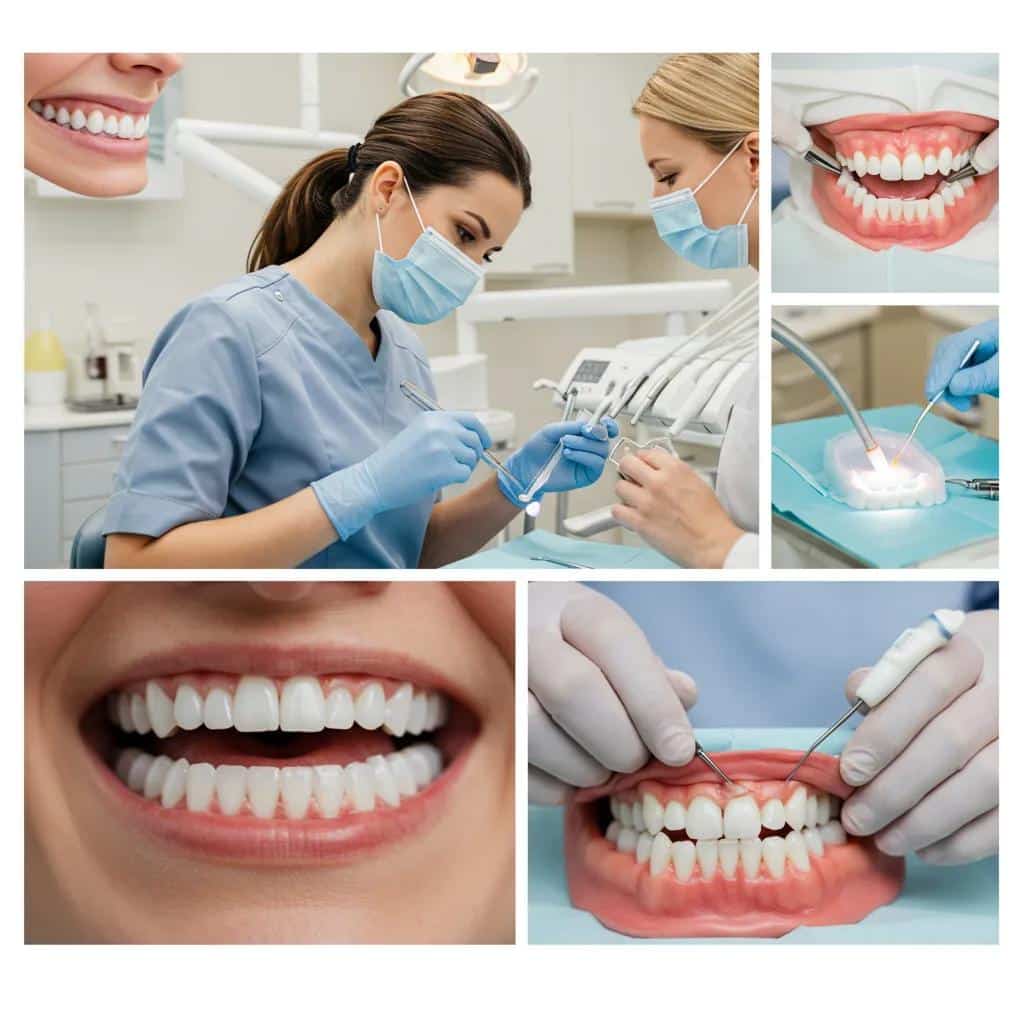
Effective periodontal therapy restores gum health through non-surgical and surgical procedures tailored to disease severity. Scaling and root planing remove tartar and biofilm from deep pockets, promoting reattachment of gums to cleaned root surfaces. Locally delivered antibiotic gels support bacterial control in targeted areas. For resistant cases, laser gum therapy offers minimally invasive pocket reduction and faster healing. When bone or tissue loss is significant, surgical interventions such as gum grafts and bone grafting rebuild structural support and prepare sites for future restorative work like implants or veneers.
How Does Scaling and Root Planing Treat Periodontitis?
Scaling and root planing is a deep-cleaning procedure that smooths root surfaces to remove bacterial toxins and hardened deposits. This process reduces pocket depths, encouraging gum reattachment and arresting bone deterioration. Over several visits, clinicians meticulously clear sites below the gum line using hand and ultrasonic instruments. Successful scaling and root planing alleviates inflammation, improves gum contour, and creates a healthier foundation for daily oral hygiene practices.
What Are the Benefits of Laser Gum Therapy for Gum Disease?
Laser therapy employs focused light energy to vaporize diseased tissue and disinfect periodontal pockets with precision. This method reduces bacterial load while preserving healthy gum tissue, leading to less discomfort and faster recovery compared to conventional surgery. Laser treatment also stimulates collagen regeneration, enhancing tissue reattachment and minimizing bleeding. Patients undergoing laser gum therapy often report reduced post-operative pain and improved long-term periodontal stability.
Er:YAG Laser Therapy for Residual Periodontal Pockets: A Minimally Invasive Approach
The findings of this investigation suggest that Er:YAG laser-assisted therapy is efficacious for managing residual periodontal pockets as a minimally invasive, flapless surgical procedure. Er:YAG laser-assisted comprehensive pocket therapy diminishes the need for more conventional surgical interventions.
When Are Surgical Treatments Like Gum Grafts and Bone Grafts Necessary?
Surgical interventions become necessary when periodontal pockets exceed five millimeters or when significant bone loss has occurred. Gum grafting transplants healthy tissue to cover exposed roots and restore gum architecture, reducing sensitivity and improving aesthetics. Bone grafts rebuild lost jawbone using natural or synthetic materials, creating a stable platform for implants. These procedures not only arrest disease progression but also enable future restorative options by reconstructing lost structures.
What Is the Role of Antibiotic Therapy in Gum Disease Management?
Local antibiotic delivery targets bacterial colonies deep within pockets without systemic exposure. Antibiotic gels or chips placed into cleaned pockets release medication over days, suppressing pathogens that survive mechanical debridement. This adjunctive approach enhances outcomes of scaling and root planing, especially in sites prone to reinfection, and supports faster re-establishment of healthy microbial balance.
How Does Gum Disease Impact Dental Implants and Their Success?
Gum disease around natural teeth and implants involves similar inflammatory processes that threaten osseointegration and long-term stability. Peri-implantitis, a counterpart to periodontitis, destroys bone surrounding implant fixtures and can lead to implant failure if not addressed promptly. Maintaining healthy gums ensures implant materials integrate properly and support chewing forces. Pre-implant periodontal therapy and ongoing maintenance cleanings are essential to preserve implant health and optimize prosthetic function.
What Is Peri-Implantitis and How Does It Affect Implants?
Peri-implantitis is an inflammatory condition characterized by bleeding, swelling, and bone loss around dental implants. Bacterial biofilm accumulation at the implant-gum interface triggers immune responses that degrade supportive bone. Implants with untreated peri-implantitis can become mobile and ultimately require removal. Early identification through probing and radiographs allows targeted interventions—laser therapy, antibiotics, or regenerative procedures—to salvage implant health.
Why Is Healthy Gum Tissue Crucial for Dental Implant Longevity?
Healthy gums form a tight seal around implant abutments, protecting the underlying bone from bacterial invasion. Adequate soft tissue thickness and keratinized gingiva reduce inflammation, minimize recession, and maintain implant stability under functional loads. Without robust gingival barriers, micro-leakage at the implant interface increases risk of peri-implantitis, compromising osseointegration and prosthetic performance over time.
How Is Gum Disease Treated Before and After Implant Placement?
Before implant surgery, gum disease treatment—scaling and root planing, antibiotic therapy, or grafting—eradicates infection and optimizes tissue health. After placement, routine maintenance visits include professional cleanings around implants, plaque control with specialized instruments, and periodic radiographic monitoring. These measures prevent biofilm accumulation, support soft tissue integrity, and ensure the longevity of implant-supported restorations.
How Does Gum Disease Affect Dentures and Their Fit?
Inflamed or receded gums compromise the stability and comfort of removable dentures, leading to sore spots, improper seating, and accelerated bone loss. Healthy tissue contours provide the support needed for dentures to distribute forces evenly across the jaw. When periodontal disease alters gum shape or volume, dentures may rock or require frequent relining. Maintaining periodontal health ensures a consistent foundation for denture fit and preserves chewing efficiency.
What Problems Can Gum Disease Cause for Denture Wearers?
Gum disease leads to tissue inflammation, pain, and receding ridges that disrupt denture suction and retention. Inflamed gums can bleed under prosthetic pressure, causing discomfort and infection risk. Loss of alveolar bone changes jaw anatomy, leaving gaps between the denture base and tissue that diminish stability. These issues undermine confidence in eating and speaking, making routine periodontal care essential for denture wearers.
How Can Gum Health Be Maintained While Using Dentures?
Routine oral hygiene for denture wearers includes daily cleaning of both dentures and gums. Soft-bristled brushes and non-abrasive cleansers remove residual food and plaque without damaging tissues. Soaking dentures overnight in antimicrobial solution helps control bacteria. Regular checkups allow clinicians to adjust fit, inspect gum condition, and perform professional cleanings that extend tissue health and denture lifespan.
What Solutions Exist for Gum Recession Affecting Denture Stability?
Soft-tissue grafts can restore receded areas, rebuilding the gingival margins that support denture bases. Tissue conditioning materials temporarily reshape gums for improved fit, while surgical ridge augmentation reconstructs lost bone volume. These solutions enhance mucosal contours, reestablish denture retention, and reduce sore spots, ensuring comfortable and stable prosthetic function.
What Role Does Gum Health Play in Dental Veneers and Cosmetic Dentistry?
Healthy gum tissue provides a harmonious frame for cosmetic restorations such as dental veneers, ensuring even margins and natural appearance. Gum inflammation distorts soft-tissue contours, making veneer bonding and margin placement unpredictable. Comprehensive periodontal care before veneer placement optimizes tissue tone and supports long-term aesthetics. When gums are balanced, veneers blend seamlessly with surrounding teeth, creating a uniform and attractive smile.
Why Are Healthy Gums a Prerequisite for Dental Veneers?
Healthy periodontal tissue ensures predictable gingival margins and prevents post-operative inflammation that can discolor veneer edges. Adequate keratinized gum width facilitates precise margin placement and reduces risk of tissue shrinkage after bonding. Without stable soft-tissue architecture, veneers may appear asymmetrical or develop gaps that trap bacteria, compromising both aesthetics and gum health.
How Can Gum Disease Treatment Improve Veneer Outcomes?
Treating gum disease before cosmetic procedures eliminates inflammation, allowing accurate gingival contouring and margin definition. Scaling, root planing, and surgical reshaping create a stable soft-tissue environment for veneer bonding. Patients experience fewer post-placement complications, such as bleeding or recession, resulting in veneers that maintain their natural look and integrate seamlessly with healthy gums.
What Is Gum Contouring and How Does It Enhance Veneer Appearance?
Gum contouring reshapes excessive or uneven gingival tissue using laser or surgical techniques to create symmetrical tooth proportions. This process exposes appropriate enamel margins for veneer bonding, improves smile balance, and reduces the “gummy” appearance. By precisely sculpting the gingival outline, contouring enhances veneer aesthetics and supports optimal long-term periodontal health.
How Is Gum Disease Linked to Overall Health and Systemic Conditions?
Periodontal disease is increasingly recognized as a contributor to systemic inflammation that affects cardiovascular, metabolic, and cognitive health. Bacterial toxins and inflammatory mediators from diseased gums enter the bloodstream, exacerbating arterial plaque formation and insulin resistance. Research from 2023–2025 highlights strong associations between periodontal inflammation and heart disease, diabetes control, and even Alzheimer’s risk. Addressing gum disease supports whole-body wellness and may reduce complications in chronic conditions.
Periodontal Disease and Systemic Health: An Overview of Comorbidities
A growing body of evidence suggests an independent association between periodontitis and a spectrum of comorbidities, including cardiovascular disease, type 2 diabetes, rheumatoid arthritis, osteoporosis, Parkinson's disease, Alzheimer's disease, psoriasis, and respiratory infections. Shared inflammatory pathways are likely implicated in this association, although distinct causal mechanisms require further elucidation. Certain comorbid conditions may experience improvement following periodontal treatment, and a bidirectional relationship may exist, whereby, for instance, diabetes management can enhance periodontal status. This article provides an overview of the evidence linking periodontitis with selected systemic diseases and advocates for enhanced collaboration between dental and medical professionals to ensure optimal screening, treatment, and prevention of both periodontitis and its associated comorbidities.
What Are the Connections Between Gum Disease and Heart Disease?
Inflammatory compounds released by periodontal pathogens contribute to endothelial dysfunction and arterial plaque buildup. Studies show that individuals with untreated periodontitis have higher rates of coronary artery disease and stroke. Controlling gum inflammation reduces systemic markers of cardiovascular risk, demonstrating that periodontal therapy can be an integral component of heart-health management.
How Does Gum Disease Influence Diabetes and Blood Sugar Control?
Chronic gum inflammation impairs insulin sensitivity, making blood sugar regulation more difficult for diabetic patients. Elevated glucose levels in saliva promote bacterial growth, creating a cycle of worsening periodontal and metabolic health. Effective periodontal treatment lowers hemoglobin A1c levels and supports better glycemic control, underscoring the importance of integrated dental-medical care.
What Emerging Research Links Gum Disease to Cognitive Health and Alzheimer’s?
Recent investigations suggest that periodontal bacteria may invade neural tissues and trigger neuroinflammation, contributing to cognitive decline. Markers of Alzheimer’s pathology have been detected in the brains of individuals with severe periodontitis. While further studies are ongoing, maintaining gum health appears to play a protective role in long-term brain function and may complement dementia–prevention strategies.
How Can You Prevent Gum Disease and Maintain Healthy Gums in Lake Worth?
Preventing gum disease combines diligent home care with professional maintenance to preserve periodontal health over decades. Brushing twice daily with a soft-bristled brush and flossing once daily disrupts biofilm before it mineralizes into tartar. Antimicrobial mouthrinses support bacterial control in hard-to-reach areas. A balanced diet rich in vitamins C and D, paired with smoking cessation, strengthens gum resilience. Regular professional cleanings in Lake Worth identify early signs and remove deposits, maintaining a healthy oral environment.
What Daily Oral Hygiene Practices Help Prevent Gum Disease?
Effective daily routines include brushing for two minutes twice a day using fluoridated toothpaste and a gentle technique that sweeps bacteria away from the gum line. Flossing once daily removes interdental plaque that toothbrushes cannot reach. Incorporating interdental brushes or water flossers further enhances cleaning in periodontal pockets. Consistent home care maintains tissue health and prevents the inflammation that leads to disease progression.
How Often Should You Schedule Professional Cleanings and Exams?
Professional dental exams and cleanings every three to four months are recommended for individuals with a history of gum disease, while those with healthy gums may benefit from twice-yearly visits. These appointments include periodontal probing and thorough scaling to remove tartar below the gum line. Early detection of recurrent inflammation allows prompt intervention and preserves oral foundation.
What Lifestyle Changes Reduce Gum Disease Risk?
Adopting a nutrient-rich diet supports tissue repair and immune function, while quitting smoking eliminates a major inhibitor of healing and blood flow. Stress management through exercise or mindfulness reduces systemic inflammation that can aggravate periodontal conditions. Staying well hydrated and limiting sugary snacks also disrupts bacterial growth and supports a balanced oral microbiome.
How Can You Schedule a Free Consultation for Gum Disease Treatment in Lake Worth?
Scheduling a complimentary periodontal consultation is the first step toward restoring healthy gums and protecting restorative investments like implants, dentures, and veneers. During this visit, a qualified clinician conducts a comprehensive gum evaluation, including pocket measurements and imaging, to design a tailored treatment plan. The free consult removes financial barriers, allowing patients to explore advanced therapies such as laser gum therapy or grafting without obligation.
What Should You Expect During Your Free Gum Disease Consultation?
During the free consultation, patients receive a thorough periodontal assessment that includes gum coloration review, probing depths, and digital imaging to detect hidden bone loss. The dentist discusses findings, explains recommended treatments, and outlines expected outcomes and costs. This transparent process empowers patients to make informed decisions about non-surgical and surgical options.
How to Prepare for Your First Appointment with a Dentist for Gum Problems?
Before the appointment, gather any past dental records or X-rays and note symptoms such as bleeding or tenderness. Maintain your usual oral hygiene routine to ensure tissues are as healthy as possible. Arrive with a list of questions about treatment options or cosmetic considerations like dental veneers. This preparation fosters a productive dialogue and efficient care planning.
Where Is Our Lake Worth Clinic Located and How to Contact Us?
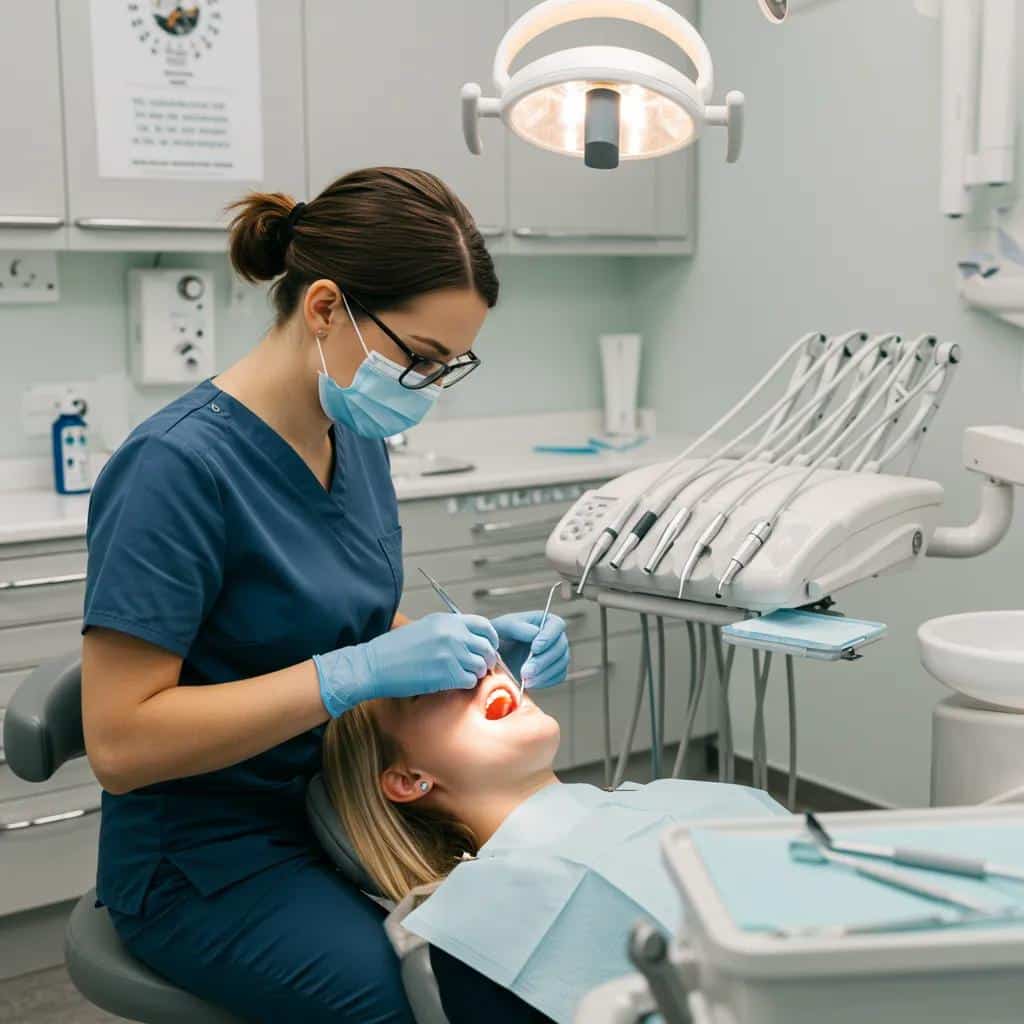
Our Lake Worth clinic offers specialized periodontal care in a comfortable, professional setting. Expert clinicians focus on comprehensive gum disease treatment, dentures, dental implants, and cosmetic solutions. To schedule your free consultation, call the office or visit the new patient page on our website for hours and directions. The clinic’s local expertise ensures personalized care tailored to the needs of adults in their 40s to 60s seeking lasting gum health.
Gum disease is not an inevitable consequence of aging but a preventable and treatable condition when addressed early and comprehensively. By understanding symptoms, risk factors, and advanced therapies—from scaling and root planing to laser treatment and grafting—patients can protect natural teeth, implants, dentures, and cosmetic enhancements like dental veneers. Recognizing the systemic links to heart disease, diabetes, and cognitive health underscores the importance of periodontal wellness for overall well-being. Lake Worth residents can take advantage of a free consult to begin their journey toward healthier gums, improved function, and a confident, lasting smile.