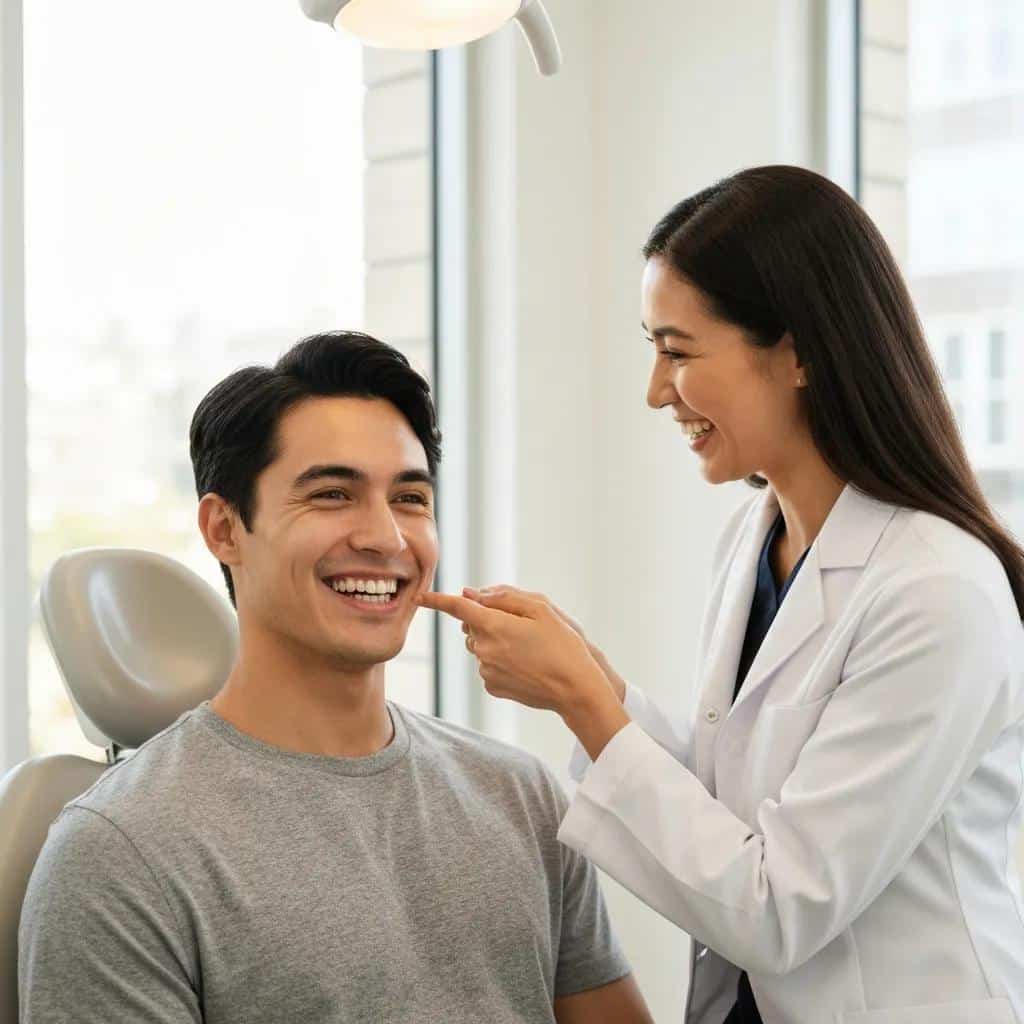
How Do Patients Rate Dental Implants? Discover the Average Success Rate and Patient Satisfaction
Dental implants are a fixed tooth-replacement solution that restores missing teeth by integrating a biocompatible fixture into the jawbone and attaching a crown or prosthesis, and current research and patient reports show exceptionally high survival and satisfaction rates. This article explains what clinicians and patients mean by "success rate" and "survival rate," synthesizes recent clinical evidence from 2020–2023, and pairs that data with patient-reported outcomes such as function, comfort, and aesthetics. Many prospective patients worry about pain, recovery time, cost, and how long implants last; this guide addresses each concern with evidence-based explanations, real-world patient sentiment trends, and actionable maintenance advice. You will find an analysis of long-term implant longevity, a summary of common patient concerns and how clinicians mitigate them, and a practical assessment of whether implants are worth the investment from a quality-of-life perspective. Finally, the article outlines why local patients choose Affordable Dentist Near Me of Tyler and how to schedule a free consult to explore personalized implant options, financing, and next steps.
What Is the Average Success Rate of Dental Implants According to Clinical Studies?
Dental implant "survival" typically refers to the implant remaining in place and functional over time, while "success" additionally encompasses absence of pain, infection, and stable bone levels; recent aggregated clinical data indicate survival rates commonly reported in the mid-to-high 90s across key timeframes. The biological reason implants last is osseointegration: the implant fixture bonds to living bone, creating a stable base for a crown or denture that restores chewing mechanics and aesthetics. Survival rates vary with study design, patient health status, implant location, and prosthetic type, but meta-analyses from 2020–2023 consistently report high multi-year survival that aligns closely with patient-reported longevity. Understanding the distinction between "failure" (loss of implant) and "complication" (e.g., peri-implantitis that can be managed) helps patients set realistic expectations and choose providers who emphasize prevention. The next subsection summarizes recent findings across 1-, 5-, and 10-year windows in an EAV-style table to make those comparative figures easy to interpret.
Timeframe
Typical Clinical Outcome
Approximate Reported Range
1 year
Early survival after placement and restoration
95%–98%
5 years
Short-to-mid-term survival and prosthetic performance
90%–95%
10 years
Long-term survival with maintenance and monitoring
85%–95%
This table summarizes typical ranges reported across recent meta-analyses and cohort studies; the ranges reflect consistent outcomes when patients receive appropriate surgical care and follow-up. These figures indicate that most implants placed today survive well into the long term, and they serve as a baseline for interpreting patient-reported longevity. The following subsection explores which patient and clinical variables most strongly influence those outcomes.
What Do Recent Research and Statistics Reveal About Implant Longevity?
Recent meta-analyses and systematic reviews (2020–2023) confirm that most well-placed dental implants achieve survival rates in the mid-to-high 90s at one year and remain above 85% at ten years when combined with proper maintenance. Studies differentiate "survival" (implant still in mouth) from "success" (no pain, stable bone, esthetic acceptability), and the majority of large-scale datasets show that survival and success converge when implants are placed in healthy patients by experienced clinicians. Research also highlights context: single-tooth implants and implant-retained crowns show slightly different risk profiles than full-arch implant-supported dentures, and posterior implants face different mechanical loads than anterior implants. Interpreting longevity numbers requires looking at the study population—smokers, uncontrolled diabetes, or severe bone loss tend to have lower survival in cohort analyses. Translating these data for patients means that implants offer predictable long-term outcomes for most candidates, provided modifiable risk factors are addressed prior to treatment and ongoing maintenance is followed.
Which Factors Influence the Long-Term Success of Dental Implants?
Long-term implant success depends on a combination of clinician-controlled factors and patient-level variables that affect osseointegration and peri-implant health; addressing these proactively increases the probability of reaching the high survival rates reported in clinical literature. Key modifiable factors include oral hygiene, smoking cessation, control of periodontal disease, and adherence to recall visits, while non-modifiable factors include systemic conditions and certain anatomical limitations that may require adjunctive procedures like bone grafting. Surgical technique, implant surface technology, proper prosthetic design, and clinician experience also influence outcomes—attention to occlusion, adequate bone volume, and correct implant sizing reduce mechanical overload and marginal bone loss. Patients can take practical steps such as quitting tobacco, optimizing systemic health with their medical providers, and committing to regular professional cleanings to support long-term stability. Understanding these variables empowers patients to improve their individual prognosis and aligns expectations with the survival statistics presented earlier.
How Do Patients Rate Their Experience With Dental Implants?
Patients generally rate dental implants highly for restoring function and confidence, and most patient-reported outcome measures (PROMs) emphasize improved chewing, natural appearance, and psychological benefits; aggregated reviews and satisfaction surveys show consistently positive patterns. Patient experience covers both clinical endpoints (how well the implant functions) and service aspects (comfort, communication, staff friendliness, and office environment), all of which shape overall satisfaction. Analysis of large review datasets reveals that early postoperative discomfort is often outweighed by long-term functional gains, and many patients report that implants feel more like natural teeth compared with removable alternatives. Below we summarize recurring review themes and note how client expectations are met or adjusted over the treatment journey, illustrating the experiential side of implant success.
What are common patient review themes and testimonials? The following list highlights frequent patterns observed in aggregated patient feedback and review summaries.
Restored chewing ability: many patients report meaningful improvement in eating hard or fibrous foods.
Natural look and confidence: patients often note better aesthetics compared with prior prosthetics.
Comfortable long-term fit: reports emphasize stability and fewer adjustments than removable dentures.
Manageable short-term discomfort: most reviewers describe limited pain during the immediate recovery period.
Positive office experience: comments frequently mention education-based care and friendly staff.
These themes show that functional recovery and psychosocial benefits dominate positive reviews, while short-term discomfort and cost concerns appear as common caveats. The next subsection breaks down satisfaction across the three pillars patients mention most: function, comfort, and appearance.
What Are Common Patient Reviews and Testimonials About Implant Outcomes?
Across aggregated review data, patients frequently praise the functional restoration implants provide, noting clearer differences when comparing implants to removable dentures or failing teeth; improved mastication and dietary freedom are recurring highlights. A second recurrent theme is aesthetics—patients commonly remark on the natural appearance of implant-supported crowns and their positive effect on self-confidence and social interactions. Service-related feedback complements clinical outcomes, with many patients appreciating education-based treatment, clear communication during planning, and a calm, spa-like environment that reduces anxiety. While cost and recovery are often mentioned as concerns, the dominant narrative in reviews is one of satisfaction and improved daily life. These review patterns reinforce the quantitative survival statistics by demonstrating that high clinical survival often translates to meaningful quality-of-life improvements for patients.
How Do Patients Describe Their Satisfaction Regarding Function, Comfort, and Appearance?
Patient satisfaction clusters around three interrelated dimensions: function (chewing efficiency and durability), comfort (lack of chronic pain, stable fit), and appearance (color, shape, and harmony with surrounding teeth); together these determine whether patients consider implants a successful investment. Functionally, many patients report that implants restore masticatory efficiency to near-natural levels, permitting a broader diet and more confident biting. Comfort feedback emphasizes the stability of implant-supported restorations compared with dentures, noting fewer sore spots and less need for adhesives; initial soreness is typically transient and manageable. Aesthetically, implant crowns that match adjacent teeth boost self-esteem and social confidence, and patients often describe this change as a significant improvement in daily life. These three pillars combine to form the basis for high patient satisfaction scores and explain why aggregated review metrics remain strongly positive.
What Are the Typical Patient Concerns About Dental Implants and How Are They Addressed?
Prospective patients most commonly worry about pain, recovery time, cost, and the risk of failure; evidence-based protocols and patient education effectively address each concern, reducing anxiety and improving outcomes. Clinicians manage pain with modern local anesthesia and sedation options when appropriate, while stepwise recovery plans and clear aftercare instructions minimize complications. Cost concerns are managed through transparent treatment planning, insurance coordination (including most PPO acceptance), and flexible financing options that spread payments over time. Risk of failure is mitigated through preoperative assessment, treatment of active disease, appropriate surgical planning, and regular maintenance visits to detect early peri-implant problems. Below we cover pain expectations and recovery timelines, presenting practical guidance rooted in typical patient experiences and clinical best practices.
How Painful Is the Dental Implant Procedure According to Patients?
Most patients report that implant placement is manageable when performed with appropriate anesthesia and that postoperative discomfort peaks within the first 48–72 hours before subsiding considerably; acute pain is usually controlled with short-term analgesics and local measures. During the procedure, local anesthetic or sedation options ensure the surgery is comfortable, and many patients have little to no awareness of pain while implants are placed. After surgery, swelling and mild-to-moderate soreness are common but typically decline quickly with prescribed pain management, ice, and rest. Clinician practices to reduce pain include atraumatic surgical technique, careful flap management, and clear postoperative instructions regarding diet and oral hygiene. Setting expectations—explaining the timeline and tips to manage discomfort—reduces anxiety and improves perceived experience, which in turn supports positive patient ratings.
What Do Patients Say About Recovery Time and Comfort After Implant Surgery?
Patient-reported recovery follows a predictable timeline: most patients feel significantly better after the first 72 hours and return to routine activities within a week, while full soft-tissue healing and prosthetic completion occur over several months as osseointegration proceeds. Initial recovery includes controlling swelling, eating soft foods, and avoiding heavy exertion; many patients find the first few days the most limiting but describe the overall process as straightforward when proper aftercare is followed. Longer-term comfort is usually excellent once the final restoration is placed, and patients value the stability of implant-supported crowns or dentures compared with removable options. Clinicians support recovery through tailored follow-up visits, clear hygiene instructions, and early intervention for any signs of complication—measures that patients note enhance comfort and confidence through the healing process.
How Long Do Dental Implants Last? Insights From Patient Feedback and Clinical Data
Dental implants can last decades and, in many cases, can function for the remainder of a patient’s life when properly maintained; clinical data and patient-reported longevity both point to lifetime potential coupled with routine care. Longevity hinges on maintaining peri-implant health through daily hygiene, periodic professional cleanings, and management of systemic risk factors such as smoking or uncontrolled diabetes. Patient feedback frequently includes long-term satisfaction comments from individuals whose implants have functioned well for ten years or more, and clinical series corroborate these outcomes for implants placed under appropriate indications. The practical implication for patients is that implants are a durable, long-term solution when chosen and cared for correctly; the next subsection examines patient impressions of long-term durability and common late complications they report.
What Does Patient Feedback Reveal About Implant Longevity Over Time?
Long-term patient narratives often describe implants as stable, low-maintenance restorations that restore normal eating habits and confidence, with many individuals reporting no major issues for a decade or longer when regular maintenance is followed. When late complications do occur, they most often relate to peri-implantitis or prosthetic wear rather than fixture loss, and early detection through routine recall visits allows most problems to be managed successfully. Patients who commit to consistent oral hygiene and professional follow-up tend to report the highest satisfaction and longest-lasting outcomes, reflecting the clinical data linking maintenance to survival. These patient perspectives align with survival statistics and underscore the importance of behavior and maintenance in converting clinical potential into real-world longevity.
How Does Proper Care Affect the Lifespan of Dental Implants?
Proper care extends implant lifespan by preventing inflammatory breakdown of the tissues that support the implant and by minimizing mechanical overload that can damage restorative components; daily brushing, interdental cleaning, and regular professional maintenance are the core behaviors that support survival. Professional recall schedules typically include periodontal evaluation, radiographic checks when indicated, and hygienist visits focused on implant-friendly instrumentation; these visits catch early signs of bone loss or infection that can be treated conservatively. Lifestyle factors such as smoking cessation and glycemic control in diabetic patients substantially reduce long-term risk, while occlusal adjustments and night guards address parafunctional forces. By combining good home care with scheduled professional oversight, patients materially improve the likelihood that implants remain functional and complication-free for decades.
Are Dental Implants Worth It? What Do Patient Reviews Say About Value and Quality of Life?
Short answer: Yes—most patient reviews and outcome studies conclude that dental implants are worth the investment for appropriate candidates because they restore function, speech, and confidence in ways that removable alternatives often cannot. Reviews consistently emphasize three primary benefits reported by patients: improved chewing efficiency that enables a broader diet, clearer speech due to prosthetic stability, and significant gains in self-confidence and social comfort. Cost perception varies, but many patients characterize implants as a valuable long-term investment because the functional and psychosocial gains sustain quality of life over many years. The following EAV-style table compares common outcome domains with patient-reported value to make the return-on-investment case more tangible.
Outcome Domain
Clinical Attribute
Patient-Reported Value
Chewing function
Restored masticatory efficiency and load-bearing
High — allows varied diet and more enjoyment of food
Speech clarity
Stable prosthesis reduces slippage and lisps
Moderate–High — improves communication confidence
Aesthetics & confidence
Natural-appearing crowns and secure fit
High — reported boost to self-image and social ease
This comparison highlights that patients place the greatest perceived value on chewing restoration and aesthetic confidence, with speech improvements also contributing meaningfully to overall satisfaction. The next subsection explains specifically how implants produce those functional and psychosocial benefits from the patient perspective.
How Do Dental Implants Improve Chewing, Speech, and Confidence?
Implants mechanically recreate the missing tooth root, transferring biting forces to bone and supporting a fixed crown or denture that behaves more like a natural tooth; this structural restoration improves chewing efficiency and reduces dietary limitations commonly experienced with removable prostheses. For speech, the stability of implant-supported restorations prevents movement of the prosthesis during talking, which reduces slurring or lisps that patients sometimes experience with unstable dentures. Aesthetically, well-designed crowns match adjacent teeth in shade and form, which restores a natural smile and frequently yields a strong psychological benefit—patients report greater willingness to smile, socialize, and accept public-facing roles. These functional and psychosocial gains explain why many patients describe implants as transformative for daily life, and they factor heavily into patients’ positive reviews and high satisfaction ratings.
What Do Patients Say About the Cost Versus Benefits of Dental Implants?
Patient sentiment about cost often reflects a balance between upfront expenditure and perceived long-term value: while implants typically require a higher initial investment than removable options, many patients report that the functional and lifestyle benefits justify the cost over time. Reviews commonly indicate that when financing or insurance options are available to spread payments, patients find implants more accessible and the perceived return on investment becomes clearer. For patients concerned about affordability, exploring insurance coverage and flexible financing during treatment planning helps create a realistic personal ROI assessment. Below is a short list of practical affordability considerations patients should weigh before deciding.
Obtain a personalized cost estimate during a consultation to compare options.
Confirm insurance coverage details, especially PPO plan acceptance.
Ask about flexible financing to spread payments and make budgeting predictable.
Exploring these affordability levers—transparent pricing, insurance coordination, and financing—often shifts patient perspective from cost worry to investment planning, and the clinic's willingness to discuss options openly is a frequent factor in positive patient reviews.
Why Do Patients Choose Affordable Dentist Near Me of Tyler for Their Dental Implants?
Local patients choose Affordable Dentist Near Me of Tyler for dental implants because the practice combines comprehensive implant and denture services with a patient-centered, education-based approach that reduces anxiety and supports good outcomes. The clinic emphasizes a relaxing, spa-like environment and friendly staff, which reviewers cite as contributing to a comfortable treatment experience; these experiential factors complement clinical care to improve patient satisfaction. Affordable Dentist Near Me of Tyler accepts most PPO insurance plans and offers flexible financing options, making implant care more accessible for many patients who might otherwise defer treatment. The practice's online review footprint shows a 5.0 Google rating based on 150 reviews, which serves as a trust signal that prospective patients frequently reference; the following subsection connects these practice attributes to patient outcomes and satisfaction.
How Does Our Practice Ensure High Success Rates and Patient Satisfaction?
Affordable Dentist Near Me of Tyler promotes education-based treatment planning and a supportive office experience that help patients prepare for surgery and adhere to aftercare, both of which support positive long-term implant outcomes. The clinic offers a full spectrum of restorative options—dental implants and dentures among them—and an emphasis on clear communication and patient comfort reduces the anxiety that can otherwise complicate treatment. Acceptance of most PPO plans and availability of flexible financing help remove financial barriers for many patients, enabling them to pursue recommended care without undue delay. Combined with the reported 5.0 GBP rating and a high volume of favorable reviews, these practice-level elements contribute to a local reputation for dependable, patient-focused implant care that aligns with the outcomes and satisfaction patterns discussed earlier.
What Do Our Patients Say About Their Implant Experience at Our Tyler Clinic?
Patients who choose Affordable Dentist Near Me of Tyler commonly mention feeling well-informed about their treatment options and comfortable during visits, and aggregated feedback emphasizes staff friendliness and a calming office atmosphere. Reviewers note that education-based consultations helped them understand expected outcomes and the maintenance required to protect their investment, which improved treatment adherence and satisfaction. The practice’s documented 5.0 Google rating across 150 reviews indicates strong local consensus about quality of care and positive experiences, and many patients refer others based on functional and aesthetic improvements following implant therapy. For readers considering implants, viewing these local ratings and discussing personalized plans during a free consult is a practical next step to validate expectations and obtain individualized pricing.
How Can You Schedule a Free Consultation to Learn More About Dental Implants?
Scheduling a free consult is the recommended next step for anyone considering dental implants, because a no-cost initial visit allows the clinician to assess oral health, review imaging if needed, and present personalized treatment options without financial commitment. During this consultation, patients receive an education-based review of implant suitability, discussion of prosthetic choices (single-tooth implants, implant-supported dentures, implant-retained crowns), and preliminary planning that clarifies potential adjunctive needs such as bone grafting. Affordable Dentist Near Me of Tyler makes affordability a practical part of the consult by discussing insurance acceptance (most PPO plans) and outlining flexible financing options so patients can compare scenarios. The following EAV-style table compares consultation and affordability options to make the decision pathway transparent and actionable.
Option
Feature
Benefit / Cost
Free consult
Initial evaluation and treatment discussion
No-cost starting point to get personalized recommendations
Insurance coordination
Acceptance of most PPO plans
Potential reduction in out-of-pocket costs for eligible services
Flexible financing
Payment plans discussed during consult
Spreads expense over time to improve affordability
This table clarifies that a free consult is the low-friction step to get personalized information about clinical needs and financial options; the next subsections describe what to expect during the initial visit and how financing works in practice.
What Should You Expect During Your Initial Dental Implant Consultation?
Expect a comprehensive but patient-focused visit that starts with a clinical exam and medical history review, followed by an explanation of implant options tailored to your needs and any imaging or diagnostic steps recommended to finalize a treatment plan. The consultation is education-based: clinicians explain the biological basis for implants, outline surgical and restorative phases, and discuss realistic timelines and maintenance expectations so patients can make informed decisions. You will receive a personalized discussion of applicability—whether a single-tooth implant, implant-retained crown, or an implant-supported denture best suits your situation—which clarifies both clinical benefits and likely steps required. The visit is free, allowing you to explore options without financial pressure, and it serves as the moment to ask about insurance, financing, and scheduling for next steps such as imaging or preoperative preparation.
How Does Our Flexible Financing Make Dental Implants Affordable?
Affordable Dentist Near Me of Tyler supports patient access by accepting most PPO insurance plans and offering flexible financing options discussed during the free consult, enabling patients to compare payment structures alongside clinical recommendations. Discussing financing in-person helps align patient budgets with treatment timelines and avoids sticker-shock by presenting modular approaches—staged treatment or prioritizing critical sites first—when clinically appropriate. The financing conversation typically outlines available payment plan structures and how insurance coordination may reduce immediate out-of-pocket costs, giving patients multiple paths to proceed. For many patients, combining insurance use with a manageable financing plan makes implants a feasible long-term investment rather than an out-of-reach expense.
The free consult is the recommended first step to get a clear, personalized estimate.
Insurance acceptance (most PPOs) may offset portions of treatment cost.
Flexible financing helps distribute payments into manageable monthly obligations.
These practical steps bridge clinical understanding with financial planning, enabling patients to make confident, informed decisions about implant care and move forward when ready.