Can Gum Problems Cause Tooth Pain? Causes, Symptoms, and Treatment Options in Lake Worth
Gum problems such as gingivitis and periodontitis can directly lead to tooth pain by inflaming gum tissues and exposing sensitive nerve endings. Nearly half of U.S. adults over 30 experience some form of gum disease, making oral discomfort a common concern for patients in their 40s to 60s in Lake Worth. Understanding how gum issues trigger dental pain empowers patients to seek timely care and prevent progression. This article defines the most frequent gum conditions that cause toothache, explains the underlying biological mechanisms, outlines key symptoms, advises when to see a dentist, reviews treatment pathways from deep cleaning to grafting or implants, recommends preventive practices, and highlights why selecting a local Lake Worth practice—offering a New Patient Special with a free consultation—ensures expert diagnosis and relief.
What Are Common Gum Problems That Cause Tooth Pain?
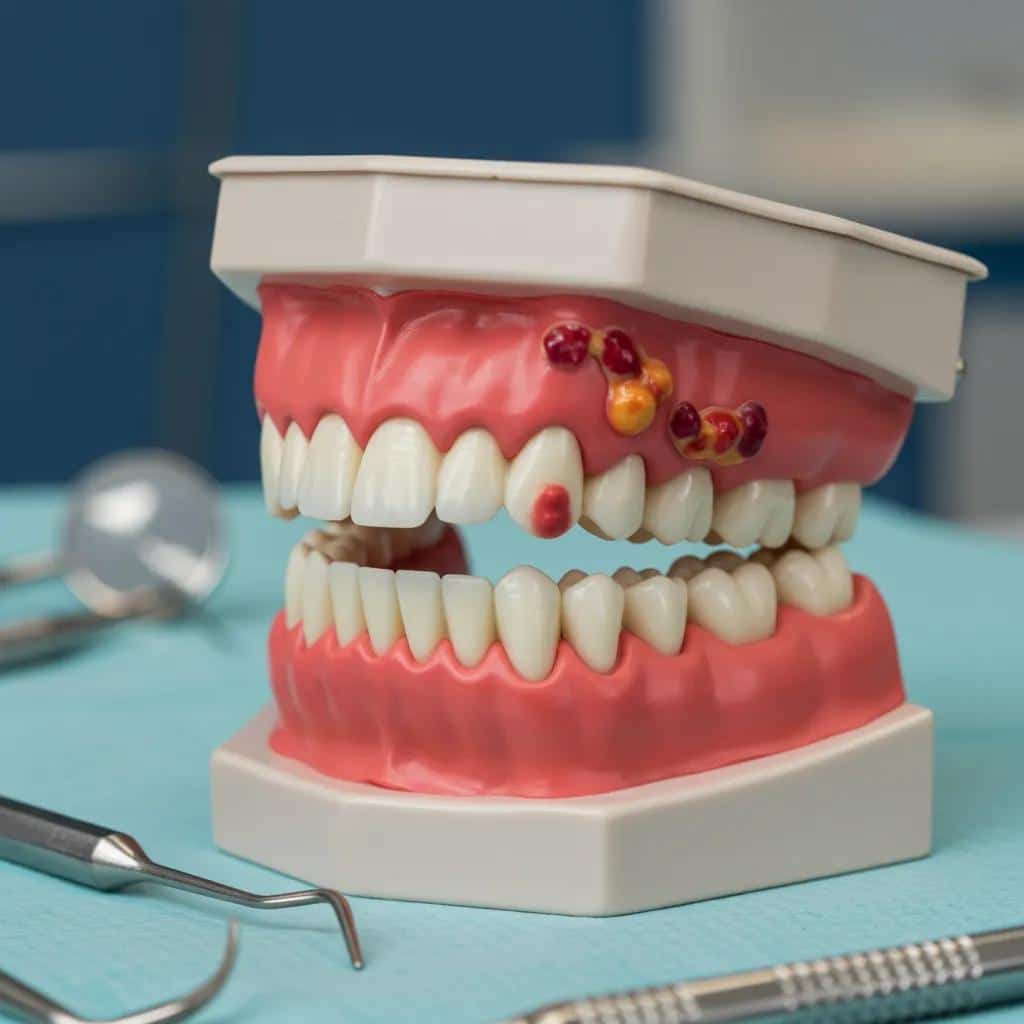
Gum problems encompass several medical conditions that harm gum tissues and lead to dental discomfort. Inflammation, bacterial invasion, and tissue recession all contribute to nerve irritation and sensitivity, so early recognition promotes faster relief. Key gum disorders that most often produce tooth pain include:
Gingivitis as the initial stage of gum inflammation caused by plaque buildup.
Periodontitis as advanced gum disease resulting in bone loss.
Receding gums when gum margins pull away from teeth, exposing roots.
Gum infection when bacteria invade deeper tissues, risking abscess formation.
These four entities form the foundation of gum-related tooth pain and set the stage for exploring each condition in detail.
What Is Gingivitis and How Does It Cause Tooth Pain?
Gingivitis is gum inflammation triggered by plaque bacteria accumulating along the gum line, and it causes tooth pain by irritating soft tissue and activating nerve endings. Early-stage redness, swelling, and mild bleeding indicate that bacterial toxins are penetrating gum tissue, leading to tenderness around teeth. When gums become inflamed, the protective seal around the tooth weakens and exposes sensitive periodontal ligaments, which register sharp discomfort during brushing or chewing. Identifying gingivitis early prevents progression to more destructive conditions. Recognizing these initial signs allows patients to reverse inflammation through professional cleaning and improved hygiene before deeper structures suffer damage.
How Does Periodontitis Lead to Severe Tooth Pain?
Periodontitis is advanced gum disease characterized by chronic inflammation that destroys the supporting bone around teeth, and it leads to severe tooth pain by exposing nerve roots within periodontal pockets. As bacterial toxins erode bone, teeth lose stability and nerves in exposed root surfaces become hypersensitive to temperature and pressure. Deep periodontal pockets fill with debris, perpetuating infection and causing throbbing pain that intensifies when biting or touching the area. Beyond discomfort, untreated periodontitis threatens tooth loss. Effective management hinges on professional scaling and root planing to remove toxins and halt bone destruction, easing pain and restoring gum health.
Can Receding Gums Cause Tooth Sensitivity and Pain?
Receding gums occur when gum tissue pulls away from the tooth, and they cause sensitivity and pain by exposing the underlying root surface, which lacks enamel protection. Acidic foods, aggressive brushing, and gum disease contribute to recession, revealing dentin tubules that conduct stimuli directly to the dental pulp. This leads to sharp, electric-like pain in response to hot, cold, sweet, or acidic triggers. Without covering by enamel, these exposed areas require targeted treatment—such as gum grafting or desensitizing agents—to restore comfort and prevent further recession. Early intervention preserves gum margins and reduces sensitivity.
Gingival Grafting for Root Coverage and Dentin Hypersensitivity
Exposed root surfaces can lead to several complications. Patients commonly report thermal hypersensitivity, and there is an elevated risk of root caries. Furthermore, accelerated loss of supporting periodontal tissues, including alveolar bone, can occur. Consequently, timely gingival grafting is recommended.
What Are Signs of Gum Infection Related to Tooth Pain?
A gum infection arises when bacteria penetrate deeper periodontal tissues, and it causes tooth pain by forming abscesses or pockets filled with pus that press on nerves. Symptoms include persistent throbbing, swollen nodules on the gum surface, warmth, and sometimes fever. Pus drainage may temporarily relieve pressure but indicates ongoing tissue breakdown and risk of systemic spread. Recognizing signs such as constant aching, localized swelling, and lymph node tenderness prompts urgent dental care. Treating infection with drainage, cleaning, and medications eliminates the source of pain and prevents tooth loss and broader health complications.
How Do Gum Problems Cause Tooth Pain?
Gum problems cause tooth pain through inflammatory and structural changes that expose nerves and disrupt normal support mechanisms. When gum tissue becomes inflamed or recedes, it no longer cushions or insulates tooth roots from external stimuli, enabling mechanical or thermal triggers to reach sensitive nerve fibers. In advanced stages, bone loss and pocket formation deepen nerve exposure, amplifying discomfort during everyday activities like eating or brushing.
How Does Gum Inflammation Trigger Toothache?
Gum inflammation triggers toothache by activating immune responses that release inflammatory mediators, which sensitize nerve endings in the periodontal ligament. As cytokines accumulate, they lower the pain threshold of local nerves, causing sharp or dull aches even with minor contact. Swollen gums press against tooth surfaces, further intensifying discomfort when chewing. Controlling inflammation through professional cleaning and anti-inflammatory measures reduces mediator levels and returns nerve sensitivity to normal thresholds.
Can Bone Loss from Gum Disease Expose Tooth Roots?
Bone loss from gum disease exposes tooth roots by eroding the alveolar bone that anchors teeth, resulting in root surfaces becoming uncovered and vulnerable. As bone resorption progresses, the protective barrier around the root diminishes, and nerves within the root canals register pain when exposed to external stimuli. This often manifests as persistent sensitivity and a dull, aching pain that persists until the infection is managed and bony support is halted or rebuilt through therapy.
What Is the Link Between Gum Disease and Tooth Sensitivity?
Gum disease and tooth sensitivity are linked through the gradual destruction of gum tissue and bone that normally protects dentin. Inflammation and recession strip away protective layers, opening dentin tubules that connect to inner nerve channels. When exposed, these channels transmit thermal or chemical stimuli directly to nerves, triggering sharp sensitivity and lingering pain. Addressing underlying gum disease through cleaning, medications, and protective coatings over exposed areas restores insulation and reduces sensitivity.
Gum Health Symptoms and Their Impact on Quality of Life
There has been a paucity of qualitative research examining the effects of the diverse spectrum of gum-related symptoms and their perceived everyday impacts, including on quality of life. While periodontal disease has been demonstrated to significantly affect quality of life, fewer studies have investigated the perceived impacts of gingivitis and symptoms across the entire gum health-disease continuum, despite evidence that these can also negatively influence quality of life. The objective of this study was to investigate perceived everyday impacts and explore the subjective experiences of adults reporting a range of symptoms across the self-reported gum health-disease continuum, and to elucidate how these may affect quality of life.
What Are the Symptoms of Tooth Pain Caused by Gum Problems?
Symptoms of tooth pain from gum problems encompass several interrelated signs that indicate underlying tissue damage and nerve involvement. Recognizing these combined indicators helps patients understand the source of discomfort and seek targeted treatment.
How to Recognize Bleeding Gums and Pain Together?
Bleeding gums accompanied by pain signal active inflammation and compromised periodontal health, and they indicate that plaque bacteria have penetrated gum tissue. Brushing or flossing that results in bleeding—even if mild—paired with tenderness suggests gingivitis or early periodontitis. Persistent bleeding during routine oral care demands professional evaluation to remove irritants and prevent deeper damage that leads to more severe pain.
What Does Tooth Pain from Gum Disease Feel Like?
Tooth pain from gum disease often presents as a dull, throbbing ache or sharp sensitivity when chewing, accompanied by a tender, swollen gum margin. This pain may worsen in response to cold or hot substances and can persist for hours after exposure. The sensation arises from inflamed gum fibers and exposed root structures irritating nerve endings, producing discomfort that fluctuates in intensity throughout the day.
When Do Loose Teeth Indicate Gum-Related Pain?
Loose teeth indicate advanced gum disease when bone loss and ligament destruction weaken the support system, causing mobility and pain with minimal force. Patients may feel teeth shift when biting or experience a floating sensation in the gum socket. Mobility coupled with tenderness suggests that structural integrity is compromised and requires immediate periodontal evaluation to stabilize teeth and halt disease progression.
Can Bad Breath Signal Gum Problems Causing Tooth Pain?
Bad breath signals gum problems causing tooth pain by indicating the presence of bacterial toxins and decomposing debris in periodontal pockets. Chronic halitosis often accompanies gingivitis and periodontitis, reflecting high microbial activity that fuels inflammation and pain. When breath odor persists despite good hygiene, it points to deeper gum issues that require professional cleaning to eliminate odorous biofilm and alleviate discomfort.
When Should You See a Dentist for Gum-Related Tooth Pain in Lake Worth?
Prompt dental care for gum-related tooth pain is essential when symptoms persist beyond a week or intensify despite home remedies. Ignoring warning signs risks irreversible tissue destruction and potential tooth loss. Patients in Lake Worth should seek professional evaluation whenever pain, bleeding, or mobility arise, ensuring early diagnosis and tailored treatment under experienced clinicians.
What Are Warning Signs That Require Immediate Dental Care?
Severe, throbbing pain unresponsive to over-the-counter remedies; acute swelling with fever; visible pus near the gum line; or sudden tooth mobility all warrant immediate dental attention. These signs indicate infection spread or rapid tissue breakdown that can compromise overall health. Timely intervention prevents complications such as abscess formation or systemic involvement.
How Does a Free Dental Consult Help Diagnose Gum Problems?
A free dental consult provides a comprehensive oral examination at no cost, during which a dentist assesses gum health, measures pocket depths, and reviews x-rays to identify inflammation, recession, or bone loss. This initial evaluation clarifies the exact cause of tooth pain and outlines a personalized treatment plan, ensuring patients understand their condition and available solutions without financial barriers.
How to Schedule a Dental Appointment for Gum Pain in Lake Worth?
To schedule a dental appointment for gum pain, call or visit the practice’s New Patient Special page to register for a free consultation. The friendly team will confirm your visit, gather medical history, and prepare a thorough periodontal assessment. This streamlined process ensures patients receive prompt attention and begin relief-focused treatment without delay.
What Treatment Options Are Available for Gum Problems Causing Tooth Pain?
Effective treatments for gum problems causing tooth pain range from non-surgical cleaning to advanced surgical interventions, each aiming to remove bacterial toxins, restore healthy tissue, and alleviate nerve irritation.
Treatment
Scope of Care
Primary Benefit
Deep Cleaning (Scaling and Root Planing)
Removal of plaque and calculus below gum line
Reduces inflammation, promotes reattachment of gum tissue
Gum Grafting
Transplant of healthy tissue to receded areas
Covers exposed roots, decreases sensitivity
Periodontal Surgery
Access and clean deep pockets
Limits bone loss, restores gum contours
Antibiotic Therapy
Targeted infection control
Eliminates bacterial biofilms, reduces pain and swelling
Dental Implants or Dentures
Replacement of teeth lost to disease
Restores function and aesthetics after severe damage
These five therapies offer progressive solutions that address pain, halt disease progression, and rebuild periodontal support.
How Does Deep Cleaning (Scaling and Root Planing) Relieve Gum Pain?
Deep cleaning—known as scaling and root planing—relieves gum pain by removing hardened plaque and bacterial toxins from root surfaces, eliminating sources of inflammation. Smoothing the root surface prevents future bacterial adhesion and allows gum tissues to heal tightly around teeth, reducing pocket depths and nerve exposure. Patients typically notice diminished bleeding and sensitivity within days.
When Are Surgical Treatments Needed for Periodontitis?
Surgical treatments become necessary for periodontitis when deep periodontal pockets exceed four to five millimeters in depth or when conservative therapy fails to arrest bone loss. Procedures such as flap surgery allow direct access to root surfaces for thorough debridement and enable bone grafting where needed. Restoring gum contours reduces pocket size, decreases bacterial harborage, and alleviates chronic pain.
How Can Gum Grafting Help with Receding Gums and Sensitivity?
Gum grafting helps with receding gums and sensitivity by transplanting tissue—often from the palate—to areas of recession, covering exposed root surfaces. This restored tissue barrier protects dentin, blocks external stimuli, and fosters new blood vessel formation that strengthens gum attachment. Patients report significant reductions in sharp pain and improved aesthetic gum line symmetry.
What Role Do Antibiotics Play in Treating Gum Infections?
Antibiotics play a supportive role in treating gum infections by targeting residual bacteria deep within periodontal pockets. Systemic or localized antibiotic delivery helps eradicate pathogens that scaling alone may miss, reducing inflammation and promoting tissue regeneration. Combined with mechanical therapy, antibiotics accelerate pain relief and bolster long-term periodontal health.
When Are Dental Implants or Dentures Recommended After Gum Disease?
Dental implants or dentures are recommended after gum disease when tooth loss has occurred due to advanced bone destruction and conservative measures cannot preserve natural teeth. Implants provide a permanent replacement anchored in bone, maintaining jaw integrity and oral function, while dentures offer a removable solution that restores chewing ability and appearance. Both options relieve pain associated with missing teeth and unstable bites.
How Can You Prevent Gum Disease and Tooth Pain?
Preventing gum disease and the resulting tooth pain involves consistent oral hygiene, regular professional exams, and lifestyle adjustments that maintain healthy gum tissues.
Brush teeth twice daily with a soft-bristled brush to remove plaque without damaging gum margins.
Floss daily to clear interdental debris and prevent biofilm accumulation.
Use an antimicrobial mouth rinse to reduce bacterial load along the gum line.
How Often Should You Have Dental Check-Ups in Lake Worth?
Patients in Lake Worth should schedule dental check-ups every six months to monitor gum health, receive professional cleanings, and address early signs of inflammation or recession before pain develops. More frequent visits may be advised for those with a history of gum disease to ensure ongoing stability and prompt management of any changes.
What Lifestyle Changes Reduce the Risk of Gum Problems?
Lifestyle changes that reduce gum disease risk include quitting tobacco, which impairs gum healing; adopting a nutrient-rich diet high in vitamin C and calcium to support tissue repair; and managing systemic conditions such as diabetes that exacerbate inflammation. Consistent stress management and adequate hydration also bolster immune function, promoting healthier gums.
Can Early Detection Stop Gum Problems from Causing Tooth Pain?
Early detection stops gum problems from causing tooth pain by identifying inflammation, pocket formation, or recession at an initial stage when non-surgical therapies can fully reverse damage. Routine exams, periodontal probing, and radiographic monitoring catch small changes before nerve exposure occurs, preventing chronic pain and preserving natural tooth support.
Why Choose Dentist in Lake Worth for Gum Pain and Toothache Treatment?
Selecting a dedicated Lake Worth dental practice for gum pain and toothache treatment ensures patients receive specialized periodontal care backed by advanced technology and personalized attention. The team’s commitment to comprehensive diagnosis and evidence-based therapy fosters long-term oral health and comfort.
What Makes Our Lake Worth Dental Practice Specialized in Gum Care?
Our Lake Worth practice specializes in gum care through advanced periodontal diagnostics—such as pocket depth analysis and digital imaging—and state-of-the-art treatment options including laser therapy and minimally invasive surgery. This focus enables precise targeting of gum disease while preserving healthy tissue and minimizing discomfort.
How Does Our Free Consultation Benefit New Patients with Gum Pain?
Our New Patient Special with free consultation benefits gum-pain patients by removing financial barriers to an initial comprehensive examination. During this visit, a dentist evaluates gum health, discusses findings in plain language, and outlines a tailored treatment plan that prioritizes pain relief and disease stabilization.
What Do Patients Say About Our Gum Disease Treatments?
Patients report feeling immediate relief after professional cleanings and praise our supportive approach to managing chronic gum issues. Many describe reduced sensitivity, less bleeding, and improved confidence in their smile following periodontal therapy. These testimonials reflect our practice’s dedication to lasting comfort and health.
What Are Frequently Asked Questions About Gum Problems and Tooth Pain?
This section addresses common concerns about gum disease and associated dental pain, clarifying misconceptions and guiding patients toward effective care.
Can Gum Disease Cause Tooth Pain Without Cavities?
Gum disease can cause tooth pain without cavities when inflammation and bone loss expose root surfaces, making teeth sensitive to stimuli despite intact enamel. Nerve endings in the periodontal ligament become irritated by temperature changes and pressure, producing pain independent of decay.
How Do You Stop Gum Pain from Gum Disease at Home?
Stopping gum pain at home involves gentle brushing with a soft brush, flossing to remove food debris, and rinsing with an antimicrobial solution to reduce bacterial load. Applying a cold compress externally can ease inflammation temporarily, but professional cleaning remains essential to eliminate underlying toxins.
What Are the Signs of Gum Infection Spreading to Teeth?
Signs of gum infection spreading to teeth include persistent throbbing pain, visible pus pockets, increased tooth mobility, and localized swelling that extends to adjacent tissues. Patients may experience fever or swollen lymph nodes, indicating the infection is advancing and requires immediate dental intervention.
How Long Does It Take for Gum Treatment to Relieve Tooth Pain?
Gum treatment typically relieves tooth pain within one to two weeks after scaling and root planing, as inflammation subsides and tissues begin healing. More advanced surgical procedures may require a few weeks of recovery before sensitivity fully resolves, with follow-up care ensuring sustained comfort and gum stability.