Dental implants have revolutionized restorative dentistry and serve as a life-changing option for patients seeking to regain a natural, fully functional smile. For new patient inquiries, many are encouraged to schedule appointment early in the process to ensure timely care and consultation. In Lake Worth, TX, patients are discovering that dental implants offer a permanent solution to missing or damaged teeth, supporting both aesthetics and oral health. With advancements in technology and improved surgical techniques, dental implants deliver predictable, long-lasting outcomes. This article provides an in-depth look at why dental implants are necessary, their advantages, the overall procedure, the types of implant services available in Lake Worth, and tips for maintaining your implants for lasting success. By understanding the clinical benefits and essential procedural steps, patients can make informed decisions about their oral rehabilitation.
Patients in the 40‑60 age group, who often contend with tooth loss due to injury, decay, or periodontal disease, can particularly benefit from dental implants. These solutions restore aesthetics and functionality, enabling improved chewing, clearer speech, and increased confidence. For many, regaining a smile is not simply about appearance; it is a significant step toward better overall health. Replacing missing teeth with implant‑supported crowns provides a practical alternative to bridges or dentures, which may come with issues such as discomfort, reduced chewing efficiency, or bone resorption.
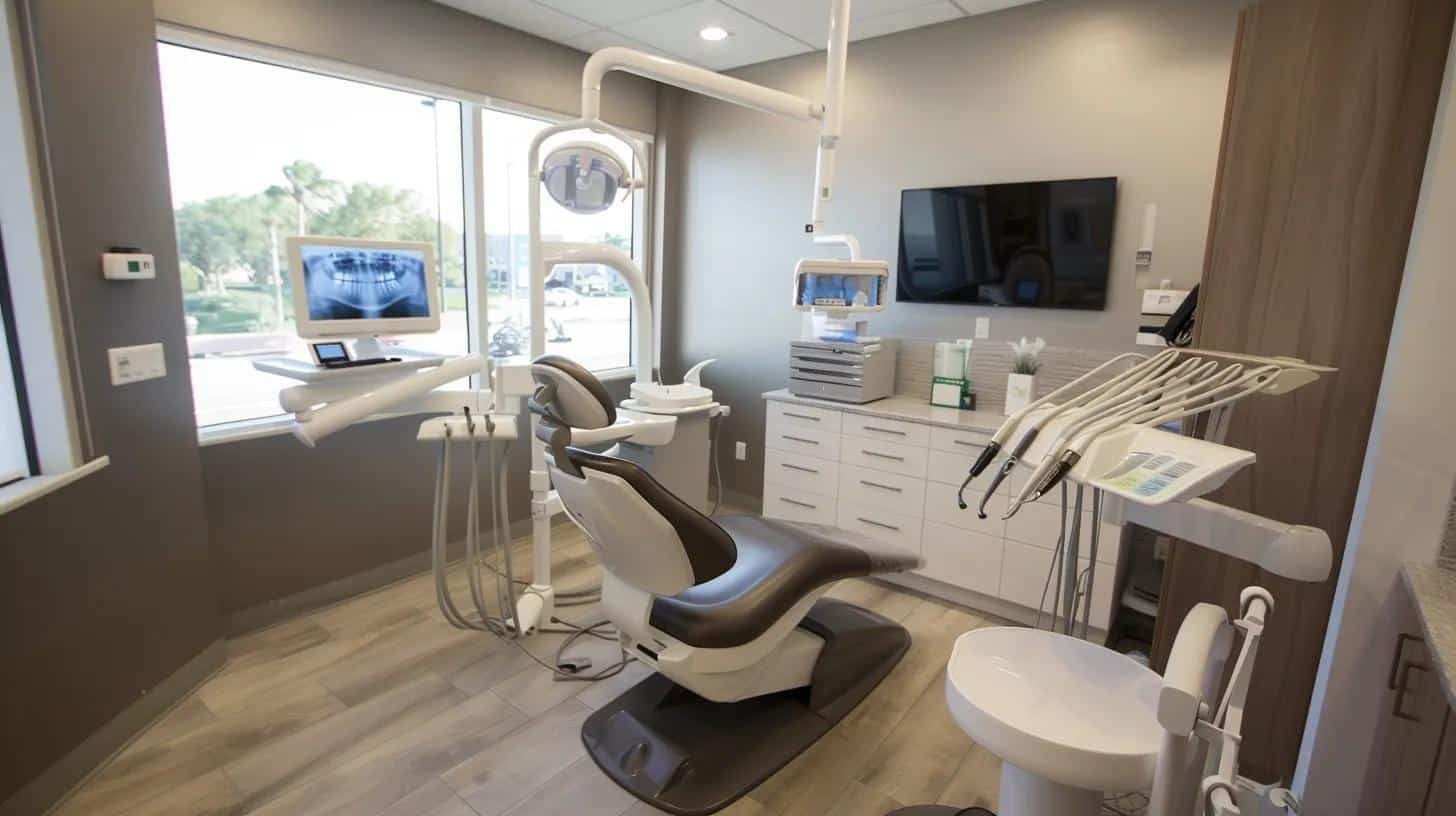
Local dental practices in Lake Worth use state‑of‑the‑art imaging, including the elos scanbody and advanced computer‑guided surgery techniques, to ensure every implant is placed precisely and with minimal invasiveness. This technology helps evaluate bone density and important anatomical considerations—such as the maxillary sinus—reducing complication risks and allowing treatment planning that is customized for each patient’s medical history, oral hygiene habits, and cosmetic goals.
Patients benefit from tailored treatments focused on long‑term durability, comfort, and a natural feel. Financing options and flexible payment plans further enhance access to high‑quality dental care. As implant procedures become more refined, patients experience improved oral health, better aesthetics, and a newfound confidence that extends beyond their smiles. Ready to reclaim your smile? Schedule a free consultation today and discover how dental implant solutions in Lake Worth, TX, can transform your life.
Key Takeaways
Dental implants are a permanent, natural-looking replacement for missing teeth that help maintain jawbone integrity.
The procedure involves careful planning, precise implant placement, and integration with a custom‑made dental crown.
Services include single tooth implants, implant‑supported bridges, and full arch restorations.
Advanced technology ensures patient safety, efficiency, and excellent long‑term outcomes.
Financing options and free consultations make these solutions accessible.
Understanding the Necessity for Dental Implants in Lake Worth
Dental implants have become a cornerstone of modern restorative treatment in Lake Worth, TX, due to their ability to permanently replace missing teeth. A single tooth dental implant mimics the natural appearance of a tooth and integrates with the jawbone through osseointegration, which reinforces jaw strength and helps distribute chewing forces evenly.
Missing teeth can lead to deteriorating bone tissue because the surrounding bone no longer receives stimulation, resulting in shifting teeth and changes in facial structure. Implants act as artificial roots that preserve the jawbone, offering a proven alternative to bridges or dentures that may compromise long‑term oral health. Unlike bridges, which often require the alteration of healthy adjacent teeth, implants are placed independently, while dentures can be unstable and uncomfortable. Their secure placement improves chewing, enhances speech clarity, and preserves jawbone density—factors that support a reliable, long‑term restorative solution.
The Advantages of Choosing Dental Implants
Dental implants offer numerous advantages extending beyond mere tooth replacement. They provide a natural look and feel by closely mimicking real teeth and using custom‑made crowns that match the existing dentition. Because implants are anchored into the jawbone, they deliver durability, stability, and improved chewing and speech functions. Furthermore, implants help maintain proper oral and facial structure by preventing bone resorption—a common issue with alternative treatments.
Patients also enjoy enhanced comfort compared to removable options, as implants eliminate the issues of sore spots, unstable fittings, and the need for adhesives associated with dentures. Their secure integration into the bone creates a natural sensory experience similar to that of real teeth, which in turn boosts confidence and improves overall oral function. Additionally, advancements in imaging and CAD/CAM technology allow for precise, predictable outcomes that ensure robust, long‑lasting restorations.
Achieve a Natural Look and Feel With Tooth Implants
The custom‑made crown on a dental implant is designed to blend flawlessly with natural teeth by matching its shape, size, and color. This seamless integration not only enhances aesthetics but also provides patients with renewed self‑confidence. Functionally, the implant acts like a natural tooth root by becoming firmly embedded in the jawbone, ensuring even distribution of chewing forces. Digital imaging and CAD/CAM technology further assist in planning and simulating the final outcome, ensuring that both appearance and function meet the patient’s expectations.
Long‑Term Durability and Reliability of Dental Implants
Modern dental implants boast long‑term durability with success rates around 95% over ten years or more. Made with biocompatible titanium alloys, implants form a strong bond with the jawbone through osseointegration, providing a stable foundation that withstands everyday chewing forces. Regular dental care and proper oral hygiene further enhance implant longevity, making them a cost‑efficient solution compared to alternatives that may require frequent adjustments or replacements.
Improved Chewing Ability and Speech Clarity
By firmly anchoring a dental crown, implants restore natural chewing ability and improve speech. They enable patients to bite into a variety of foods, including harder textures often challenging with dentures. Additionally, implants support clearer speech by minimizing issues associated with missing teeth, which can cause slurring or difficulty in pronunciation. With better chewing efficiency and enunciation, patients enjoy tangible improvements in daily function and overall quality of life.
Enhanced Comfort Compared to Removable Options
Dental implants provide unmatched comfort as they are permanently fixed in place, eliminating the discomfort and inconvenience often associated with removable dentures. This secure placement means there is no need for adhesives, and patients rarely experience the soreness or slipping typical of other options. The natural feel of implant‑supported restorations leads to improved confidence, allowing patients to eat, speak, and engage socially without concern.
Boosting Your Confidence With a Restored Smile
A complete, natural‑looking smile can transform personal and professional interactions. Dental implants restore both the function and appearance of the mouth, eliminating gaps that may cause embarrassment or social anxiety. Custom‑crafted crowns that harmonize with existing teeth result in an immediate boost in self‑esteem. With improved aesthetics and functionality, patients often experience enhanced confidence that positively affects social relationships and career opportunities.
Your Dental Implant Procedure in Lake Worth
Understanding the dental implant procedure can ease patient concerns and build trust. The process begins with a comprehensive consultation and treatment planning session where a dental specialist evaluates oral health, reviews medical history, and uses advanced imaging to assess jawbone integrity. This examination determines whether the patient is an ideal candidate and helps decide the appropriate type of implant restoration.
During the procedure, a small incision exposes the jawbone, and a titanium implant is carefully inserted into a pre‑drilled site under local anesthesia or sedation. The implant is then allowed to integrate with the jawbone through osseointegration, a process that typically takes several weeks. Once successful, an abutment is attached to the implant, serving as a connector for the custom‑made dental crown. With the crown in place, the restoration not only enhances function but also improves aesthetics and restores a natural smile.
Initial Consultation and Treatment Planning for Your Implants
The journey begins with an initial consultation involving a detailed clinical examination and advanced imaging such as digital X‑rays and 3D scans (often using the elos scanbody). This comprehensive evaluation confirms whether there is sufficient bone density and assesses overall oral health. A personalized treatment plan is then formulated, outlining every step from implant placement to crown attachment and including any preparatory procedures like bone grafting or sinus lifts if necessary. This collaborative planning process sets clear expectations and paves the way for success.
The Dental Implant Placement Process Explained
After the treatment plan is finalized, the surgical placement of the implant follows. Under local anesthesia, a precise incision is made to expose the jawbone, and a small hole is created using advanced imaging and planning tools. The titanium implant is inserted with exact alignment, and the gum tissue is sutured back to cover the site while osseointegration begins. This minimally invasive procedure is designed to ensure optimal stability and comfort.
Healing and Osseointegration After Implant Surgery
Healing after implant surgery is a critical phase during which the implant fuses with the jawbone through osseointegration. This process typically takes three to six months, during which patients may experience mild discomfort and swelling managed with pain relievers and proper oral hygiene. Regular follow‑up visits confirm the progress of osseointegration and help prevent complications through careful dietary and hygiene practices.
Attaching Your Custom‑Made Dental Crown
Once healing is complete, the final step is to attach the custom‑made dental crown. Crafted using state‑of‑the‑art digital techniques, the crown is designed to match the natural teeth in shape, color, and size. A trial fitting ensures that the bite and aesthetics are correct before the crown is permanently cemented or screw‑retained to the abutment. This step restores the full functionality of the tooth and delivers a pleasing, natural appearance.
What to Expect During Recovery From Dental Implant Surgery
Post‑surgery, patients are advised to follow a soft diet and specific oral hygiene practices to allow the implant site to heal properly. During the initial recovery, activity is limited and patients are monitored through regular follow‑up visits. As healing progresses, a gradual return to normal activities is encouraged. With clear instructions and professional care, patients can look forward to a fully integrated implant that enhances both function and overall oral health.
Types of Dental Implant Services Offered in Lake Worth
Lake Worth offers a comprehensive range of dental implant services to suit various clinical needs—including single tooth replacement, implant‑supported bridges, full arch restorations, all‑on‑4 dental implants, and mini dental implants.
Single tooth dental implants are the most common option for replacing an individual tooth. This involves placing a titanium post in the jawbone and attaching a custom‑made crown that replicates a natural tooth. For patients with multiple missing teeth, implant‑supported bridges are used; several implants support a connected prosthesis that restores functionality and aesthetics while preserving the alignment of remaining teeth.
Full arch restorations involve replacing all teeth in one jaw using multiple implants to support a fixed prosthesis. The innovative all‑on‑4 technique requires only four implants to support a full arch, offering a cost‑effective and minimally invasive solution. Additionally, mini dental implants provide an alternative for those with limited bone density or those seeking a less invasive option.
Single Tooth Dental Implants for Individual Tooth Replacement
This straightforward procedure involves placing a titanium implant in the jaw and attaching a custom‑made crown that blends with the natural teeth. It preserves adjacent teeth and maintains the natural structure and function of the mouth, making it an ideal option for localized tooth loss.
Implant‑Supported Bridges for Multiple Missing Teeth
When two or more teeth are missing, implant‑supported bridges can replace them without altering adjacent healthy teeth. Multiple strategically placed implants support a single prosthesis that restores natural chewing and appearance, ensuring that the forces of biting are evenly distributed.
Full Arch Restoration With Dental Implants
For patients who have lost most or all of their teeth in one jaw, full arch restoration replaces every tooth with a fixed prosthesis supported by multiple implants. This comprehensive solution restores facial structure, prevents bone loss, and improves overall oral function.
All‑on‑4 Dental Implants in Lake Worth
The all‑on‑4 procedure uses only four strategically placed implants to support an entire arch of teeth. This method maximizes available bone, minimizes the need for additional grafting, and shortens surgical time while delivering a durable and natural‑looking restoration.
Mini Dental Implants for Specific Cases
Mini dental implants are a less invasive option ideal for patients with limited bone density. These smaller implants help stabilize dentures or replace small, single teeth, offering improved chewing efficiency and stability with a quicker healing time.
Finding Your Dental Implant Specialist in Lake Worth
Choosing the right specialist is crucial to achieving the best outcomes. A skilled implant dentist in Lake Worth will have a robust clinical background, specialized training in implant surgery, and membership in professional organizations such as the American Academy of Implant Dentistry or the American Academy of Periodontology. Patient testimonials, before‑and‑after galleries, and the use of state‑of‑the‑art technology like CAD/CAM and CT scanning can provide further assurance of quality care.
It is also important to understand the cost of dental implants. Prices vary with case complexity, the type of implant, and additional procedures such as bone grafts or sinus lifts. Many practices offer flexible financing options and monthly payment plans, ensuring that patients receive high‑quality care without financial strain.
Qualities of a Skilled Lake Worth Implant Dentist
A reputable implant dentist will possess extensive training, a record of successful cases, and a commitment to patient‑centered care. Effective communication, detailed treatment planning, and compassionate service are key indicators of a specialist who can deliver state‑of‑the‑art dental implant treatments.
Reviewing Patient Testimonials and Before‑and‑After Galleries
Patient reviews and photographic evidence of previous work provide valuable insights into treatment quality and patient satisfaction. These testimonials help prospective patients gauge the effectiveness and aesthetic outcomes of a specialist’s work.
Technology and Techniques Used for Dental Implants in Lake Worth
Modern implant practices leverage digital imaging, 3D scanning, and computer‑guided surgical systems to ensure precise implant placement and predictable outcomes. These innovations minimize surgical risk and enhance overall patient comfort, contributing significantly to the success of the treatment.
Understanding the Cost of Dental Implants in Lake Worth
The financial aspect of dental implants is an important consideration. Costs depend on the complexity of the case, the number of implants, and whether additional procedures such as bone grafts are needed. Transparent pricing, along with flexible financing and insurance consultations, helps ensure that patients are fully informed before proceeding with treatment.
Financing Options for Your Dental Implant Treatment
Many dental offices offer various financing solutions, including monthly payment plans and third‑party financing arrangements, to make dental implants more accessible. These options ease the financial burden and allow patients to invest in long‑term oral health without compromising quality standards.
Maintaining Your Dental Implants for Lasting Success
Proper maintenance is essential for long‑term implant success. This includes daily oral hygiene, regular dental check‑ups, a balanced diet, and professional cleanings. Using a soft‑bristled toothbrush, interdental brushes, dental floss, and antimicrobial mouth rinses helps minimize bacterial buildup around the implant and prevents peri‑implantitis.
Routine dental visits enable early detection of issues such as gum inflammation or implant mobility, allowing for prompt intervention. Additionally, patients are advised to avoid overly hard or sticky foods that may compromise the crown. Adopting these practices, alongside healthy lifestyle choices like quitting smoking and moderating alcohol, maximizes the longevity and function of the implant.
Proper Oral Hygiene for Implant Care
Brushing at least twice a day with a soft‑bristled toothbrush and non‑abrasive toothpaste, along with daily flossing and use of interdental brushes, is crucial. Antimicrobial rinses further reduce bacterial load and help maintain healthy gum tissue around the implant.
Regular Dental Check‑Ups and Professional Cleanings in Lake Worth
Regular six‑month dental visits for check‑ups and professional cleanings ensure that any plaque or tartar build‑up is removed and that the implant remains stable and healthy. These visits provide an opportunity for early detection of potential issues and for patients to receive personalized oral care tips.
Foods to Favor or Avoid After Getting Dental Implants
Immediately after surgery, a soft diet is recommended to avoid stressing the implant. As healing progresses, a balanced diet rich in calcium and vitamin D supports bone health, while hard, crunchy, or sticky foods should be avoided in the early stages to prevent damage.
Longevity and Success Rates of Dental Implants
With proper care, dental implants typically enjoy success rates higher than 95% and can last for several decades. Their durability is supported by biocompatible materials and meticulous surgical techniques. Consistent maintenance and regular dental visits ensure that implants continue to function effectively and look natural over time.
Addressing Potential Complications With Dental Implants
Although highly successful, dental implants may sometimes face complications such as peri‑implantitis or mechanical issues with the abutment or crown. Early signs like discomfort, swelling, or changes in bite should prompt a visit to the dentist. Proactive maintenance and prompt intervention help minimize risks and sustain implant longevity.
Final Thoughts
Dental implants offer a superior solution for restoring both the function and aesthetics of a smile, especially for patients in Lake Worth, TX. With their ability to preserve jawbone integrity, enhance chewing efficiency, and deliver a natural appearance, implants are transforming oral rehabilitation. The comprehensive process—from evaluation and precise implant placement to final restoration and maintenance—ensures lasting benefits and improved self‑confidence. By choosing dental implant solutions and consulting with a skilled specialist, patients can reclaim their smile and overall quality of life. Schedule a free consultation today to explore the transformative benefits of dental implants.
Frequently Asked Questions
Q: How long does the dental implant process take? A: The process typically starts with an initial consultation and treatment planning, followed by implant placement surgery. After the implant is placed, a healing period for osseointegration—usually three to six months—occurs before the dental crown is attached. Overall, the complete process can take several months depending on individual healing and any preparatory procedures like bone grafting.
Q: Are dental implants painful? A: Most patients report minimal discomfort during and after the surgery due to modern techniques, local anesthesia, and sedation options. Post‑operative discomfort is generally mild and manageable with prescribed pain relievers, so pain is usually short‑lived.
Q: How do dental implants compare to dentures in terms of maintenance? A: Dental implants require a daily cleaning regimen similar to natural teeth—brushing and flossing—without the need for adhesives or removal. They help maintain bone density, and with regular check‑ups, they are generally a more stable and long‑lasting solution compared to removable dentures.
Q: Can I eat normally after receiving dental implants? A: After the healing process and once the dental crown is attached, most patients can eat a wide variety of foods just like they would with natural teeth. Although a soft diet is recommended immediately post‑surgery, normal chewing function typically resumes as healing completes.
Q: What financing options are available for dental implant treatment? A: Many dental practices in Lake Worth offer flexible financing options, such as monthly payment plans and third‑party financing arrangements. Additionally, consultations regarding dental insurance coverage help make the long‑term benefits of a restored smile accessible without financial strain.