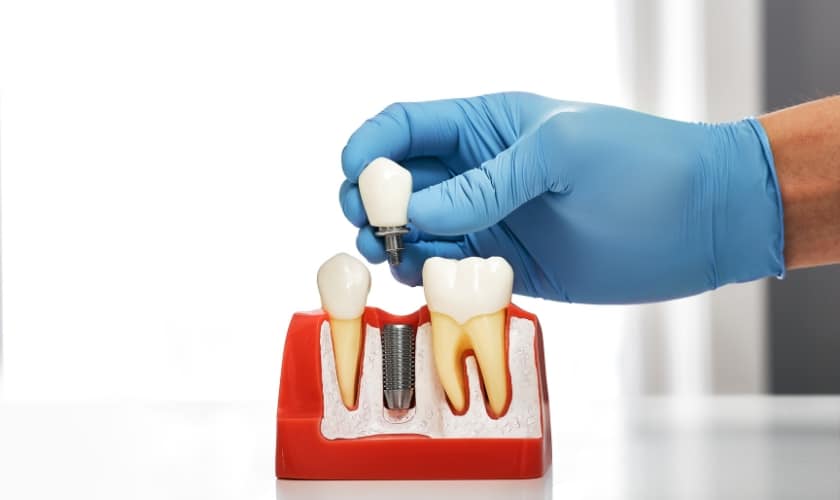
Understanding the Root Canal Procedure
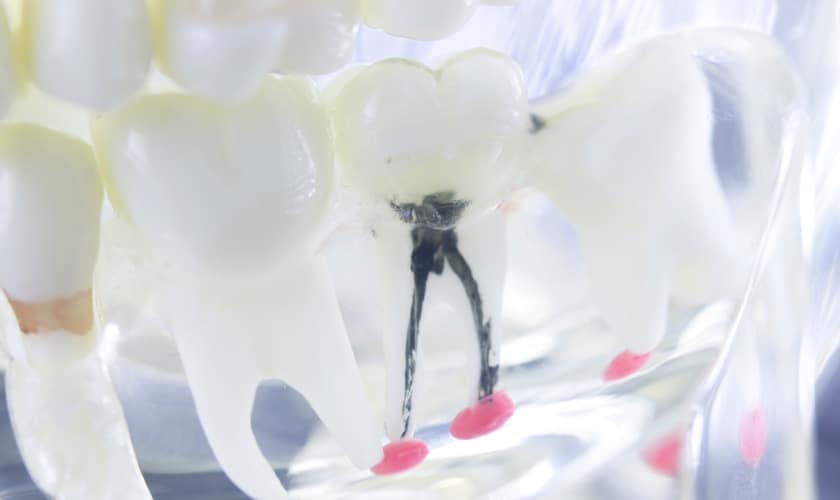
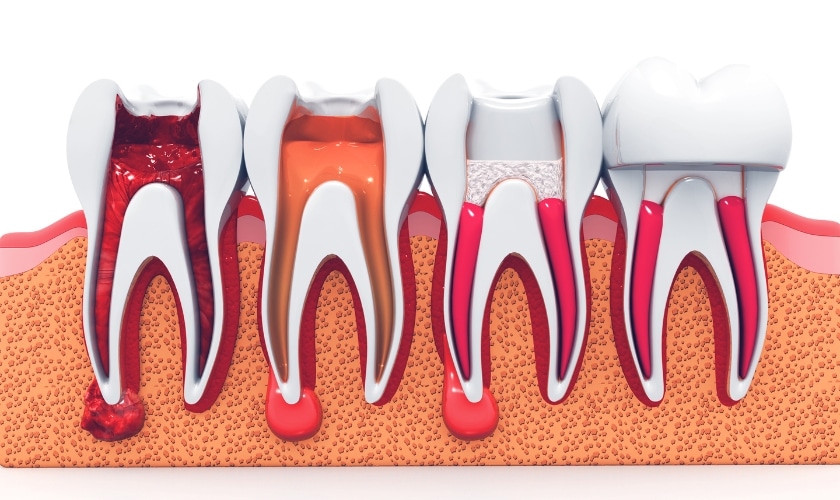
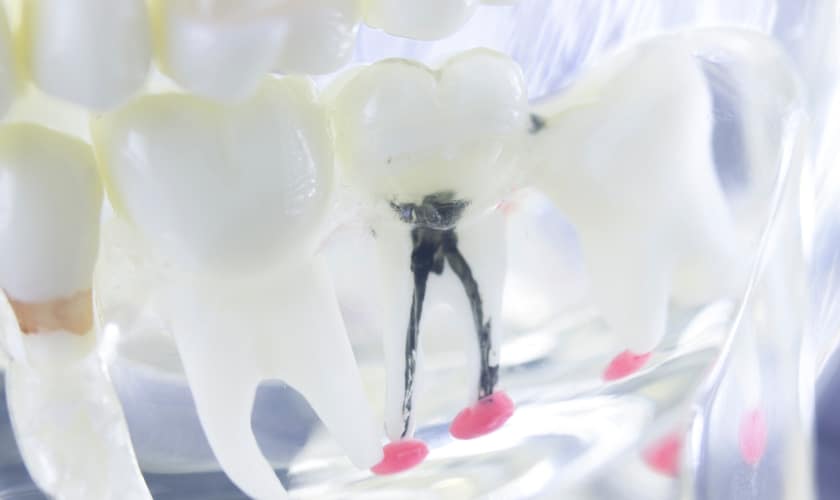
A root canal is a common dental procedure designed to alleviate pain and save a tooth that has become infected or damaged. During the procedure, the dentist removes the infected pulp from the inside of the tooth, cleans the root canals, and then fills and seals the space. This allows the tooth to regain its function and prevents further complications, such as abscesses.
Patients often worry about the pain associated with root canals, but the reality is that modern techniques and anesthesia make the experience much more comfortable. After the procedure, some sensitivity may occur, but this is usually short-lived and manageable with over-the-counter pain relief. Understanding what to expect from a root canal can help ease anxiety, ensuring that patients prioritize their dental health without fear.
Post-Root Canal Care: Essential Tips for Recovery
Recovery after a root canal is crucial for ensuring the success of the procedure and the health of the tooth. It's essential to follow your dentist’s aftercare instructions, which often include avoiding hard foods for a few days and maintaining good oral hygiene practices. Resting and managing pain with prescribed medications can also significantly help in the healing process.
Additionally, watching for any signs of complications, such as prolonged swelling or pain that worsens rather than improves, is vital. Regular follow-up appointments will ensure the healing is proceeding well and that the tooth is stable. Overall, proactive care following a root canal is key to enjoying a healthy, functional smile for years to come.
Importance of Regular Dental Check-Ups
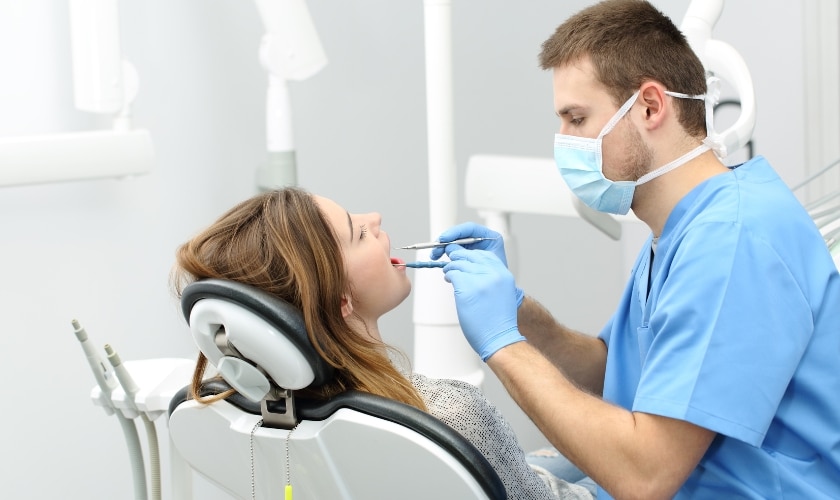
Regular dental check-ups are essential for maintaining optimal oral health, as they allow for the early detection of potential issues, including cavities and gum diseases. During these visits, your dentist can provide professional cleanings that remove plaque and tartar buildup, significantly reducing the chances of requiring more invasive procedures down the line. Establishing a routine check-up schedule can help catch problems while they are still minor, which is more manageable and less costly to treat.
Additionally, dentists can offer personalized advice on home care practices tailored to your unique dental needs. By staying proactive about your dental health, you contribute not only to the longevity of your teeth but also to your overall well-being. Regular visits serve as both a preventative measure and an opportunity to address any concerns, fostering a healthy lifestyle centered around comprehensive oral care.