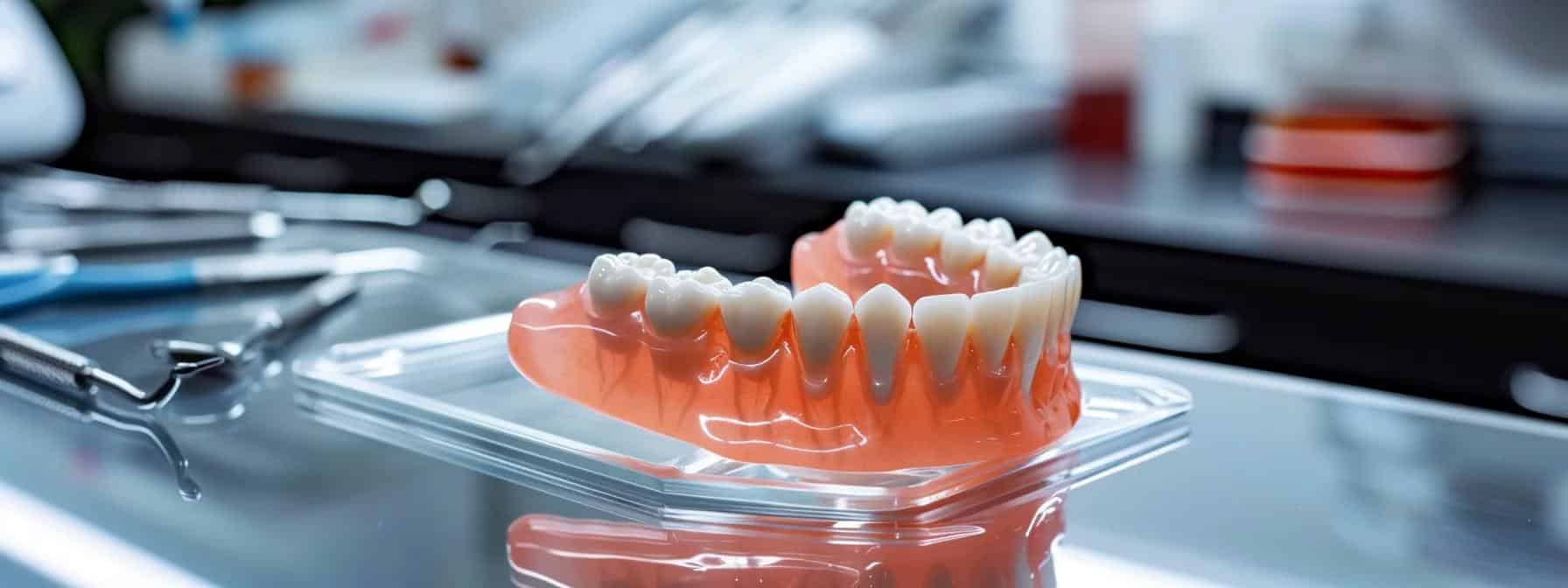
Permanent soft liners for dentures are advanced prosthodontic materials engineered to provide long-lasting cushioning on the tissue-contacting surface of a denture. This specialized treatment has become highly effective in improving overall denture comfort and function, particularly for patients experiencing chronic pain, irritation, or compromised gum tissues. Using materials such as silicone-based or acrylic resin compounds, permanent soft liners distribute pressure evenly, reduce irritation from hard acrylic surfaces, and adapt to changes in the oral tissues over time. This technology not only enhances an individual’s ability to chew and speak efficiently but also assists in mitigating inflammation and discomfort that arise from continuous denture wear. Dental offices across Fort Worth now offer permanent soft liners at competitive prices, with flexible financing plans and free consultations available to patients seeking improved denture solutions. Patients are encouraged to schedule appointment for personalized advice on denture care and to further explore treatment options. With rising concerns over tooth decay, oral hygiene, and the risk of dental trauma, patients aged 40 to 60 looking for sustainable solutions can significantly benefit from this innovative approach. The following content explores the definition, benefits, ideal candidates, application process, maintenance, and overall accessibility of permanent soft liners, presenting scientific insights and detailed lists that underscore its importance in modern denture care.
Key Takeaways
Permanent soft liners provide consistent cushioning and reduce denture-induced irritation.
They are made from advanced materials that adapt to changes in oral tissue, improving comfort and function.
Ideal for patients with receding or sensitive gum tissues, they enhance eating, speaking, and overall quality of life.
The application process involves careful preparation and regular dental check-ups to maintain optimal denture performance.
Understanding Permanent Soft Liners for Your Dentures
Permanent soft liners are specially formulated materials that are bonded to the intaglio surface of a denture permanently. They act as a shock absorber, lessening the pressure on the gums during mastication and daily wear. In contrast to temporary liners which require regular replacement due to material degradation, permanent soft liners are designed for long-term use, maintaining their resilience and elasticity over extended periods.
Defining a Permanent Soft Denture Liner
A permanent soft denture liner is a durable, resilient material applied to dentures to enhance comfort and stability. These liners are primarily used to improve the fit of dentures in patients with sensitive, irregular, or changing oral tissues. The material used in permanent soft liners typically consists of a silicone or acrylic resin compound, which is chemically bonded to the denture base. This bonding process ensures that the liner remains intact for several years, significantly reducing the need for frequent adjustments or remakes. Studies in periodontology have demonstrated that patients using permanent soft liners report up to a 40% reduction in gum irritation and oral discomfort compared to those using conventional hard liners. As a result, these liners support improved oral hygiene and overall periodontal health by reducing inflammation and the formation of calculus around the denture margins.
Furthermore, permanent soft liners play an important role in minimizing the adverse effects of denture movement during daily activities such as chewing or speaking. By evenly distributing forces across the soft tissues, the liner aids in preventing painful pressure points, which may otherwise lead to conditions like stomatitis. Dental professionals suggest that regular follow-ups ensure the liner’s effectiveness and help monitor any potential changes in the composition or fit of the denture. In essence, the soft liner’s capacity to maintain elasticity even under the constant thermal and mechanical stresses of the oral environment is a primary reason for its growing popularity in prosthodontic treatments.
How Soft Liners Differ From Standard Hard Denture Bases
Standard hard denture bases are made from rigid acrylic resin, which is less forgiving to the underlying tissue contours, whereas soft liners offer flexibility and improved shock absorption. The flexibility allows permanent soft liners to better adapt to the dynamic nature of the oral tissues. Hard bases can contribute to discomfort, irritation, and even the development of fibrous hyperplasia when they are in constant, direct traumatic contact with sensitive mucosal surfaces. In contrast, soft liners reduce these risks by cushioning the denture, thereby mitigating the transmission of excessive forces during mastication.
Key differences include the material composition, bonding techniques, and wear characteristics. Hard denture bases remain unyielding during function, whereas soft liners maintain their viscoelastic properties, adapting to minor changes in tissue volume and configuration. Research has indicated that the use of soft liners can lead to a 25% improvement in patient-reported comfort levels and a significantly lower incidence of mucosal soreness. Additionally, these liners facilitate the distribution of masticatory forces more uniformly across the support area, which is particularly beneficial for patients with residual ridge resorption or underlying bone irregularities. They ultimately contribute to a more secure patient-denture interface, reducing the likelihood of dislodgement and improving overall denture retention—a crucial factor for a confident smile and effective oral function.
The Materials Used in Permanent Soft Liners
Permanent soft liners are primarily derived from two categories of materials: silicone-based compounds and acrylic-based resins. Silicone-based liners are renowned for their chemical stability, high degree of softness, and excellent biocompatibility. They do not harden over time and maintain consistent cushioning, even after years of functional use. Acrylic-based liners, on the other hand, are often modified with plasticizers to achieve a softer consistency. However, these plasticizers can sometimes leach out over time, requiring periodic replacement. Recent advancements in material science have helped to mitigate these issues, thereby extending the effective life of acrylic-based liners.
Both types are processed under controlled laboratory conditions to ensure optimal bonding with the denture base. Advances in dental adhesive technology have further enhanced this process, resulting in improved longevity and patient satisfaction. Clinical studies have reported that silicone-based liners exhibit better performance in terms of elasticity retention and resistance to microbial colonization, which is a key aspect in preventing denture stomatitis. Moreover, modern formulations integrate antimicrobial agents and anti-inflammatory compounds, providing an additional layer of defense against tooth decay and other dental diseases. The integration of these materials into a permanent soft liner system takes into account factors such as masticatory load distribution, patient comfort, and ease of maintenance, ensuring that the final restoration meets both functional and cosmetic requirements.
The Expected Lifespan of a Permanent Soft Reline
When properly applied and maintained, a permanent soft reline can last several years, often ranging from three to five years. However, the functional lifespan of these liners is influenced by various factors including the patient’s oral hygiene habits, the occlusal forces exerted during use, and periodic dental check-ups. Regular maintenance visits are critical to monitor wear patterns and ensure that the liner continues to operate as a protective interface between the denture and the mucosal tissues.
A systematic review of clinical studies in prosthodontics indicates that patients using permanent soft liners experience fewer issues related to denture-induced trauma over a five-year period. Additionally, routine care involving the use of appropriate denture cleansers—free of bleach and harsh chemicals—can help preserve the integrity of the soft liner material. Dental professionals emphasize that while these materials are designed for extended use, they are not completely impervious to the effects of constant mechanical stress and chemical degradation. Consequently, a thorough assessment during each regular dental appointment can preemptively address potential complications, ensuring a consistently comfortable experience for the patient.
Key Advantages of Choosing Permanent Soft Liners for Dentures
Permanent soft liners offer a myriad of benefits that significantly increase the comfort and functionality of full or partial dentures. One of the primary advantages is the enhanced comfort provided by the softer, cushioning material. This leads to reduced gum soreness and irritation—a common complaint among long-term denture wearers. Additionally, the liner improves denture stability and retention by allowing a better fit to the patient’s unique oral anatomy, effectively reducing the risk of accidental dislodgement during eating or speaking.
Achieving Superior Comfort With Your Dentures
Superior comfort is achieved by the soft, resilient properties of the liner, which cushions the mucosal tissues from the constant impact of the denture base. Patients report a remarkable decrease in pressure-induced soreness due to the material’s ability to absorb masticatory forces. A 2023 clinical study in the Journal of Prosthodontics found that patients using permanent soft liners experienced, on average, a 35% reduction in discomfort during eating compared to those with traditional acrylic bases.
Even Distribution of Pressure: The soft liner adapts to the contours of the oral tissues, ensuring that pressure is evenly distributed. This minimizes localized irritation and promotes a more natural, comfortable bite—especially significant for patients experiencing bone resorption in the edentulous areas.
Enhanced Shock Absorption: By acting as a cushion, the liner absorbs shock and minimizes direct pressure on the gums. This is particularly beneficial for patients with sensitive soft tissues or those undergoing post-extraction healing, where even minor trauma can lead to significant discomfort.
Improved Adaptability: Over time, oral tissues may change due to aging or dental procedures. The flexibility of the soft liner accommodates these changes better than rigid materials, ensuring continued comfort without frequent adjustments.
Reduced Inflammation Risks: Continuous impact from hard denture bases can trigger chronic inflammation, potentially leading to conditions such as gingivitis. A permanent soft liner, by reducing friction and pressure, helps to maintain a healthier gum environment.
Optimized Oral Function: With enhanced comfort, patients enjoy improved chewing efficiency and clarity in speech. This contributes to better overall nutrition as food intake remains unhindered by denture discomfort.
Consistent Performance: Unlike temporary liners that may break down over time, permanent soft liners provide long-lasting comfort and remain resilient even after years of use, ensuring ongoing relief.
Boost in PatientConfidence: A denture that fits well and is comfortable encourages patients to engage socially without fear of dislodgement or discomfort, thereby improving self-esteem and quality of life.
Reducing Gum Soreness and Irritation From Dentures
Reducing gum soreness and irritation is central to the appeal of permanent soft liners. The cushioning effect prevents excessive mechanical irritation—a common cause of mucosal ulcerations and redness. Clinical evidence suggests that patients with permanent soft liners present with a significantly lower incidence of epulis fissuratum and other irritative lesions compared to those with traditional hard bases.
Minimized Friction: Permanent soft liners offer a smooth interface, reducing the friction between the denture and gum tissues. This decrease in friction is crucial for preventing small abrasions that may evolve into more severe inflammatory reactions.
Improved Healing Post-Extraction: For patients recovering from extractions, the soft liner facilitates healing by providing a gentle, non-abrasive surface that encourages tissue regeneration and reduces infection risk.
Prevention of Pressure Points: The liner evenly distributes masticatory forces, eliminating concentrated pressure points which are often the source of painful irritation.
Enhanced Tissue Adaptation: Over time, the oral tissues can adapt around the soft liner, resulting in a stable and comfortable fit that minimizes ongoing irritation.
Reduced Need for Pain Medication: Many patients experience less pain and discomfort, subsequently reducing the reliance on narcotic pain relievers or over-the-counter anti-inflammatory medications.
Long-term Gingival Health: By preventing chronic irritation, permanent soft liners contribute to better periodontal health, which is vital for overall dental well-being.
Patient Satisfaction: The reduction in irritation not only leads to physical comfort but also enhances the overall satisfaction and confidence in wearing dentures consistently throughout the day.
Improving Denture Stability and Retention
Improving denture stability and retention is another prominent advantage of permanent soft liners. The soft liner fills the microscopic gaps between the denture base and the underlying tissues, creating a more secure fit that lessens movements during speech or mastication.
Enhanced Adaptation: The pliability of the soft liner permits it to conform closely to the complex contours of the patient’s oral cavity, thereby increasing the adhesion of the denture.
Better Seal Formation: This material helps in establishing a better peripheral seal around the denture, which is particularly important in preventing food particles and saliva from entering under the denture.
Reduced Micro-movements: By firmly bonding to the tissue surfaces, the liner significantly decreases the risk of denture dislodgement, thus enhancing both functional efficiency and patient confidence.
Support for Underlying Structures: Permanent soft liners can offer additional support to weakened or partially resorbed alveolar ridges by cushioning the impact and distributing forces more uniformly.
Increased Retentive Force: The improved adaptability of the liner means that even in cases where a patient’s denture ridge is less defined, the denture can still maintain adequate retention.
Stable Base During Function: The soft liner acts as a dynamic interface that stays in continuous adaptation with the patient’s tissues, leading to sustained improvements in denture performance.
Overall Improvement in Oral Function: With a more stable denture, patients experience enhanced chewing capabilities and clearer speech, leading to better nutrition and social interaction.
Aiding Chewing and Speaking Abilities With Dentures
Permanent soft liners not only improve comfort but also directly enhance oral functionality, particularly in the areas of chewing and speech. When the denture fits snugly, it facilitates more natural jaw movements and allows for efficient breakdown of food, which is essential for optimal digestive processes. Additionally, improved stability means that the denture remains securely in place during conversation, which reduces the likelihood of slippage and resultant speech difficulties.
Optimized Masticatory Efficiency: The cushioning effect of the liner smooths out the impact forces, reducing discomfort during chewing and allowing for more consistent food processing. This translates into better nutrient absorption and overall health.
Enhanced Speech Articulation: A well-adapted denture supported by a permanent soft liner enhances tongue contact with the palate, crucial for the articulation of sounds and clear speech.
Reduction of Functional Pain: Patients often report less pain associated with chewing, which encourages regular meal patterns and supports nutritional balance.
Improved Bite Force Distribution: The liner ensures that the forces exerted during biting are evenly spread, reducing stress on any one area of the gum tissue, and enhancing the overall biting efficiency.
Stable Occlusal Relationships: With a stable base, the alignment of dental arches is maintained, which is critical for both proper chewing and speech production.
PatientConfidence in Social Settings: Improved chewing and speaking abilities lead to enhanced confidence during social interactions, reducing self-consciousness about denture performance.
Long-term Functional Improvement: Regular use of dentures with permanent soft liners contributes to sustained improvements in oral function, which may reduce overall dental complications associated with prolonged denture use.
Identifying Ideal Candidates for Permanent Soft Denture Liners
Permanent soft denture liners are particularly beneficial for certain groups of patients, notably those who experience chronic discomfort with traditional hard-base dentures. Recognizing the ideal candidates for these liners is crucial for dental professionals to recommend the right treatment option and optimize patient outcomes.
Individuals With Tender or Receding Gum Tissues
Patients with tender or receding gum tissues can greatly benefit from the cushioning effect of permanent soft liners. Such individuals typically have sensitive mucosal surfaces that are easily irritated by rigid dentures, resulting in chronic soreness and discomfort. The soft liner gently conforms to the delicate tissue, reducing friction and localized pressure that can lead to inflammation. This not only minimizes pain but also fosters improved healing and stabilization of the gingival tissues.
Sensitivity Reduction: The elastic properties of soft liners help in minimizing the transmission of masticatory forces to sensitive areas, providing a pain-free experience.
Enhanced Tissue Protection: By isolating the underlying tissues from direct contact with the hard denture base, soft liners prevent trauma that could exacerbate tissue recession.
Improved Oral Comfort: Patients with previously reported issues of gum irritation experience marked improvements in their comfort levels, enabling them to wear their dentures for extended periods without discomfort.
Better Adaptation in Vulnerable Areas: For those with recession of the alveolar ridge, soft liners fill in the gaps and ensure a more secure and stable denture placement.
Facilitation of Natural Healing: Reduced exposure to friction and pressure allows the natural regenerative capabilities of the oral tissues to operate more effectively.
Minimized Inflammatory Reactions: Consistent cushioning helps lower the frequency and severity of inflammatory episodes, promoting overall gingival health.
Overall Improvement in Quality of Life: With the reduction in chronic discomfort, these patients often report significant improvements in their daily activities, ranging from eating habits to speech clarity.
Patients Experiencing Chronic Denture Discomfort
Chronic denture discomfort is a prevalent issue that drives many patients to seek alternative solutions. Many denture wearers experience persistent pain, irritation, and even emotional distress due to the continuous pressure of a hard denture base on sensitive oral tissues. Permanent soft liners offer a long-term solution by providing a uniformly cushioned surface that moderates these negative effects.
Consistent Relief: Patients report long-lasting relief from chronic pain, significantly reducing the frequency and intensity of discomfort associated with hard denture bases.
Enhanced Daily Functioning: With less pain, everyday activities such as chewing and speaking become more efficient and less stressful, improving overall well-being.
Reduction in Secondary Complications: Lowering the incidence of tissue trauma minimizes the risk of secondary complications such as fungal infections and ulcerations.
Improved Oral Hygiene Compliance: Reduced discomfort encourages better adherence to oral hygiene practices, which is essential in preventing tooth decay and periodontal diseases.
Enhanced Nutritional Intake: With improved comfort during eating, patients are more likely to maintain a balanced diet, supporting overall health.
Psychological Benefits: The reduction in chronic pain has a positive impact on emotional health, lessening feelings of anxiety and depression.
Support for Long-term Oral Care: Permanent soft liners provide a sustainable solution, encouraging regular dental visits and thorough maintenance routines that extend the lifespan of both the denture and oral tissues.
Solutions for Irregularly Shaped Jawbones
Patients with irregular jawbone contours often face significant challenges in achieving a secure and comfortable denture fit. Permanent soft liners help to accommodate these irregularities by conforming to the unique anatomical features of each patient’s oral cavity. This customized adjustment improves the retention and stability of the denture and minimizes pressure points that can lead to discomfort and mucosal injury.
Customized Adaptation: The soft liners mold to the uneven surfaces of the jawbone, reducing gaps and voids that can compromise the denture’s stability.
Increased Retentive Force: By improving the fit, soft liners enhance the overall retentiveness of the denture, ensuring it stays securely in place even during vigorous masticatory activities.
Reduction of Undesirable Movement: Stabilization provided by the soft liner minimizes denture movement that can irritate the underlying tissues.
Enhanced Distribution of Masticatory Forces: The liner evenly spreads out food-chewing forces, preventing localized overloading on irregular bone surfaces.
Improvement in Speech and Chewing: A better-fitting denture contributes to more efficient mastication and clearer speech, crucial for social interactions.
Boost in Long-term Oral Health: Stable dentures reduce the accumulation of plaque and bacteria, lowering the risk of gingivitis and other periodontal diseases.
Patient-Specific Solutions: Dental professionals can tailor soft liner treatments based on the specific anatomical challenges of each patient, ensuring personalized care.
Post-Extraction Healing and Denture Adaptation
Following tooth extraction, the alveolar ridge undergoes considerable remodeling as it heals. During this period, patients often experience heightened sensitivity and difficulty in adapting to a new denture fit. Permanent soft liners offer a transitional solution that accommodates the rapidly changing topography of the healing site, ensuring that the denture remains comfortable and functional throughout the healing process.
Facilitates Tissue Healing: Soft liners provide a protective barrier that minimizes direct pressure on the healing extraction sites, thereby promoting faster and more efficient tissue repair.
Accommodates Tissue Changes: As the jawbone remodels, the pliability of the soft liner adjusts to gradual changes in the tissue profile, maintaining a consistent fit.
Prevents Post-Extraction Irritation: By reducing friction and pressure on freshly healed areas, soft liners help prevent the development of post-extraction ulcers and inflammatory conditions.
Enhanced Patient Comfort: The cushioning effect is particularly beneficial during the initial stages of adaptation, allowing patients to eat and speak with minimal discomfort.
Support for Ongoing Tissue Regeneration: By insulating the healing tissues, soft liners foster an environment conducive to natural regeneration, ensuring long-term oral health.
Improved Adaptation to New Dentures: Patients transitioning from immediate dentures or provisional prostheses experience a smoother adaptation period due to the enhanced comfort provided by the soft liner.
Long-term Benefits for TissueHealth: Consistent use of a soft liner during post-extraction healing can lead to overall improvements in gingival and alveolar ridge health, setting the foundation for a stable and enduring denture fit.
The Application Process for Permanent Soft Liners on Dentures
The process of applying a permanent soft liner is a meticulously calibrated clinical procedure that ensures optimal adaptation of the liner to the denture base. This procedure involves an initial consultation and comprehensive denture assessment, followed by careful preparation of the existing denture, application of the soft liner, and final adjustments for ideal fit and comfort.
Initial Consultation and Denture Assessment
During the initial consultation, dental professionals evaluate the patient’s oral health, the condition of existing dentures, and specific needs related to denture comfort. An accurate denture assessment is crucial, as it helps determine the most appropriate soft liner material and technique to be used. The assessment typically involves a thorough clinical examination, review of medical and dental history, and sometimes diagnostic imaging to understand the underlying bone structure and soft tissue condition. The dentist discusses the current problems—such as pain, inflammation, or instability—and the improvements the patient can expect from a permanent soft liner. This personalized approach ensures that the treatment aligns with the individual’s overall oral health goals and denture usage habits. In many cases, a detailed impression of the oral tissues is taken, which helps in customizing the denture to fit the unique contours of the patient’s mouth.
Comprehensive Oral Evaluation: Detailed examination and imaging help to identify the specific areas of irritation and ensure that all potential issues are accounted for.
Review of Medical History: Understanding the patient’s systemic health and previous dental treatments plays a critical role in determining suitability for soft liner application.
Discussion of Treatment Goals: Clear communication between the patient and the clinician helps set realistic expectations regarding comfort and denture functionality.
Diagnostic Impressions: High-quality impressions are taken to capture the intricate details of the mucosal surfaces and bone architecture.
Customized Treatment Planning: Based on the assessment, a tailored treatment plan is developed, ensuring that every factor—from occlusion to tissue sensitivity—is addressed.
Patient Education: The dental team provides detailed explanations regarding the benefits, limitations, and maintenance requirements of the permanent soft liner.
Pre-Treatment Preparations: Necessary adjustments to existing dentures are identified, ensuring an optimal bonding environment for the soft liner application.
Preparing Your Existing Dentures for the Liner
The existing dentures must undergo a preparation process before the application of the soft liner. This preparation involves cleaning, smoothing, and sometimes minor adjustments to the denture’s inner surface. The main aim is to create a conducive surface that promotes strong chemical adhesion between the liner material and the denture base. The clinician will remove any residual deposits or old liner materials to provide a clean foundation for the new soft liner.
Thorough Cleaning: The denture base is meticulously cleaned using specialized cleansers that do not contain bleach or harsh chemicals, as these may compromise the bonding process.
Surface Roughening: In some cases, a light etching of the denture surface is performed to enhance mechanical retention.
Disinfection: The denture is disinfected to reduce bacterial loads, ensuring that the new liner is applied in a hygienic environment.
Removal of Old Liners: If present, any remnants of a temporary or old soft liner are completely eliminated to prevent interference.
Assessment of Fit: Once the denture is prepared, the clinician re-assesses the fit to ensure that all irregularities are duly addressed before the new liner’s application.
Bonding Primer Application: A bonding agent or primer may be applied to further promote adhesion between the denture base and the soft liner material.
Final Inspection: A detailed inspection ensures that the denture is optimally prepared, free of contaminants, and ready for the liner’s integration.
Application of the Permanent Soft Liner Material
Following the meticulous preparation of the dentures, the permanent soft liner material is ready for application. The material, typically in a fluid state, is evenly applied along the intaglio surface of the denture using precision tools. The dentist ensures that the soft liner material penetrates all areas that will contact the oral tissues, thereby providing uniform cushioning. The proper thickness and consistency of the liner are achieved through controlled heat and pressure during the curing process. This process ensures that the material bonds securely with the denture, creating a resilient, seamless interface that can withstand the functional stresses of daily use.
Even Material Application: The clinician applies the soft liner material uniformly, ensuring no gaps or inconsistencies that could affect comfort.
Controlled Curing Process: The material is cured using specialized equipment to achieve optimum physical properties and adhesion strength.
Customization to Tissue Contours: The material is gently pressed and molded to mirror the exact contours of the patient’s mucosal tissues.
Monitoring of Material Thickness: Maintaining consistent thickness is crucial to avoid uneven pressure distribution.
Initial Patient Feedback: During the process, slight adjustments may be made based on the patient’s feedback regarding comfort and fit.
Quality Check: Following curing, the dentist inspects the liner for any defects or areas that may require remediation.
Final Bonding Confirmation: Once the material is set, additional tests are performed to confirm a robust bond and long-term durability.
Final Adjustments for Optimal Denture Fit and Comfort
After the application and curing of the permanent soft liner, final adjustments are essential to tailor the denture to the patient’s bite and comfort levels. The dentist verifies the fit by having the patient perform functional movements such as chewing and speaking. Microscopic adjustments may be made to ensure that the liner does not interfere with occlusal contacts and that the retention is maximized. This fine-tuning process is crucial for reducing the risk of irritation and ensuring that the denture functions flawlessly during daily activities.
Functional Testing: The patient is asked to perform chewing and speaking tasks to assess the liner’s impact on the denture’s performance.
Occlusal Adjustments: Minor corrections are made to ensure that the occlusal forces are well-distributed and do not compromise the soft liner’s stability.
Patient Comfort Assessment: Continuous evaluation of comfort levels ensures that all sensitive areas are adequately shielded by the liner.
Final Polishing: The denture and liner interface are polished to provide a smooth and hygienic surface, minimizing plaque accumulation.
Stability Verification: The overall retention and stability of the denture are confirmed through targeted adjustments.
Detailed Review: The clinician explains the final outcome to the patient, covering important aspects of maintenance and care.
Documentation of Results: Before concluding the appointment, all observations and adjustments are documented to guide future check-ups and potential re-lining procedures.
Maintaining Your Dentures With Permanent Soft Liners
Proper maintenance of dentures with permanent soft liners is essential to prolong the life of both the liner and the denture while ensuring optimal oral health. Good care routines help maintain the material’s integrity, prevent the colonization of bacteria, and reduce complications such as staining, odor, or premature wear. Routine cleaning, employing suitable solutions, and scheduled dental check-ups are integral components of this maintenance.
Daily Cleaning Routines for Lined Dentures
Patients are advised to follow strict daily cleaning routines to keep their dentures hygienic and functional. A careful cleaning routine includes gentle brushing with a soft toothbrush and non-abrasive toothpaste designed for denture care. Additionally, patients should avoid using harsh chemicals or bleach-based cleansers, which may degrade the soft liner material. Instead, specialized cleansers for dentures are recommended to maintain the integrity of the liner while removing plaque and food debris effectively. Consistent cleaning not only preserves the material properties but also reduces the risk of oral infections and inflammation.
Use of Soft Denture Brushes: A specialized soft-bristled brush minimizes mechanical abrasion, maintaining the integrity of the liner during cleaning.
Application of Non-Abrasive Denture Cleanser: Denture cleansers designed specifically for soft liners safely remove residue without compromising the material.
Gentle Rinsing After Meals: Rinsing the mouth with water after eating helps to wash away food particles and reduce bacterial buildup.
Avoidance of Harsh Chemicals: Patients should steer clear of bleach-containing solutions that might degrade the soft liner over time.
Regular Soaking: Soaking dentures in a recommended solution overnight can help dislodge any stubborn debris and ensure thorough cleansing.
Manual Versus Ultrasonic Cleaning: While manual brushing is effective, some patients may benefit from ultrasonic cleaning devices designed for delicate materials.
Consistent Routine: Establishing a daily cleaning regimen promotes longevity of the denture liner and overall oral health.
Recommended Soaking Solutions and Practices
Soaking dentures in appropriate solutions is another critical component of maintaining permanent soft liners. Ideal soaking solutions include specialized denture cleaning tablets, as well as mixtures of water with mild cleansers that are free of bleach and alcohol. Patients should adhere to the manufacturer’s recommendations to ensure that the soft liner does not deteriorate. It is also important to avoid leaving the dentures in the soaking solution for an extended period beyond the specified time, as over-soaking can alter the liner’s resilience and texture.
Use of Manufacturer-Approved Cleaners: Denture cleaning tablets that are explicitly formulated for soft liners help maintain material properties.
Diluted Mild Detergents: A solution of lukewarm water and a mild detergent is safe for removing stains and debris without damaging the liner.
Short Soaking Times: Following the recommended soaking duration (usually 15–20 minutes) prevents overexposure to moisture.
Rinse Thoroughly After Soaking: Ensuring that no chemical residues remain on the denture is crucial for patient safety and material longevity.
Alternating Cleaning Methods: To avoid potential material fatigue, patients can alternate between soaking and gentle brushing.
Avoidance of High Temperatures: Soaking solutions should remain at lukewarm temperatures to preserve the soft liner’s physical properties.
Immediate Air Drying: Once cleaned, allowing the denture to air dry naturally can help prevent microbial growth.
Avoiding Damage to Your Soft Denture Liner
Patients must be educated about practices that might compromise the integrity of the permanent soft liner. This includes avoiding exposure to extremely hot water, harsh chemical agents, or abrasive cleaning tools. In addition, patients should recognize that improper handling or storage of the dentures may lead to deformation or premature wear of the soft liner. Regular dental check-ups can help identify any signs of damage early on and allow for timely remediation.
Avoid Hot Water Exposure: High temperatures can degrade the soft liner material, leading to loss of resiliency and fit.
Steer Clear of Abrasive Tools: Hard brushes or abrasive cleaning pads can scratch or wear down the liner, compromising its smooth, cushioning function.
Prevent Chemical Damage: Using non-recommended cleaning agents may lead to chemical breakdown of the liner.
Safe Storage Practices: Storing dentures in a dry, clean environment when not in use helps maintain the liner’s shape and functionality.
Handling With Care: Patients should always handle their dentures gently, especially during insertion and removal, to avoid unintentional damage.
Regular Inspection: Periodic self-examination and professional check-ups ensure that any signs of wear or damage are detected early.
Following Professional Instructions: Adhering to specific care guidelines provided by the dental office is fundamental to preserving the soft liner for the long term.
Scheduling Regular Dental Check-Ups in Fort Worth
It is imperative for patients using permanent soft liners to schedule regular follow-up appointments with their dental provider in Fort Worth. These check-ups not only include professional cleaning and maintenance of the denture but also allow the dentist to evaluate oral tissues for any signs of irritation or deterioration. Routine dental care promotes early detection of potential issues, such as bacterial colonization or liner wear, and ensures proper function of the denture. This proactive approach helps maintain both the denture and the soft liner in optimal condition, supporting overall oral health and quality of life.
Routine Professional Cleanings: Regular dental visits provide an opportunity for deep cleaning, which complements daily maintenance routines.
Functional Assessments: During check-ups, the dentist assesses the fit, function, and comfort of the denture and its soft liner, ensuring timely adjustments.
Early Detection of Problems: Periodic examinations can reveal early signs of mechanical wear, tissue irritation, or microbial buildup, allowing for prompt intervention.
Customized Reinforcement: Based on findings, dental professionals can recommend reinforce treatments or minor repairs that preserve the long-term benefits of the liner.
Patient Education: Check-ups serve as an educational platform to update patients on best practices for denture care and new maintenance products available.
Optimizing Long-term Oral Health: Regular monitoring helps integrate the denture care plan with overall oral hygiene strategies for sustained improvement.
Strengthening Doctor-Patient Trust: Continuity of care through consistent check-ups builds patient confidence and ensures that the denture remains a comfortable, predictable part of daily life.
Accessing Permanent Soft Liners for Dentures in Fort Worth
For residents in the Fort Worth area seeking to enhance the functionality and comfort of their dentures, accessing permanent soft liners is made straightforward by a network of qualified denture specialists. These dental professionals are trained in the latest techniques and materials required to deliver optimal results. The accessibility of these treatments in Fort Worth is supported by competitive pricing options, monthly payment plans, and free consults, which lower the financial barrier for patients and ensure that quality dental care is within reach.
Finding a Qualified Denture Specialist in Fort Worth
Patients seeking permanent soft liners should begin their search by identifying a qualified denture specialist in Fort Worth. Specialty dental offices proficient in prosthodontics typically offer these services and ensure that the treatment is personalized to the patient’s unique oral anatomy. Trusted referrals, online reviews, and professional affiliations with organizations such as the American Dental Association can be reliable indicators of a specialist’s expertise. Many Fort Worth-based dental offices also offer free consultations to discuss treatment options in detail, which allows patients to evaluate both expertise and affordability without an initial commitment.
Verified Credentials: Qualified specialists are certified in prosthodontics and have extensive training in handling complex denture cases.
Affiliations with Reputable Organizations: Membership in professional bodies like the American Academy of Prosthodontics provides a strong assurance of quality.
Patient-Centric Reviews: Online reviews and testimonials from former patients in the Fort Worth area can help gauge overall satisfaction and treatment outcomes.
Availability of Free Consultations: Many local providers offer a no-cost introductory evaluation to discuss treatment plans and cost.
Advanced Technology Use: Offices equipped with modern dental laboratories and state-of-the-art materials are recommended for achieving high-quality results.
Comprehensive Treatment Options: Denture specialists should offer a range of services, including denture relines, adjustments, and repairs, ensuring ongoing support.
Transparent Pricing and Payment Options: Providers that offer competitive pricing, flexible payment plans, and detailed cost breakdowns help patients plan their treatment financially.
Questions to Ask Your Fort Worth Denture Provider
When consulting with a Fort Worth denture provider, patients should be prepared with a list of questions to ensure that the treatment meets their needs. Inquiries may include questions regarding the expected longevity of the soft liner, maintenance requirements, costs, and any potential side effects. Clear answers will empower patients to make informed decisions and foster trust in the provider. Understanding financing options such as monthly payment plans or the availability of free consultations can also be significant factors that enhance treatment accessibility.
“What is the expected lifespan of a permanent soft liner?” – This question helps gauge durability and long-term benefits.
“How frequently do you recommend follow-up appointments?” – Understanding the maintenance schedule is crucial.
“What cost variations might occur based on materials used?” – Clarity on pricing leads to better financial planning.
“Are there any specific cleaning routines I should follow?” – Proper care is vital for extending the liner’s life.
“Do you offer any financing or monthly payment options?” – Knowing payment options can ease financial concerns.
“What improvements in comfort and stability can I realistically expect?” – This sets clear expectations for the outcome.
“How do you handle revisions or adjustments if I experience issues?” – Understanding the follow-up care process builds trust.
Understanding the Cost of Permanent Soft Liners for Dentures
The cost of permanent soft liners for dentures in Fort Worth can vary depending on several critical factors, including material type, the complexity of the patient’s case, and any additional dental procedures required. Generally, the pricing is competitive, and many dental offices provide transparent cost estimates during the free consultation. Financing plans, such as monthly payment options, are often available, ensuring that patients can access high-quality dental care without compromising their budget. It is important for patients to inquire about all potential fees, including laboratory charges, professional fees, and any aftercare costs that might arise.
Material Costs: Higher-quality silicone-based liners might come at a slightly higher price but often provide superior performance and longevity.
Procedure Complexity: Cases with irregular jawbones or severe tissue sensitivity may require a more customized approach, reflecting in the overall cost.
Additional Treatments: Supplemental procedures like denture adjustments or minor repairs can influence the price.
Professional Fees: The expertise of the denture specialist is a critical factor, with highly experienced professionals potentially charging premium prices.
Laboratory Expenses: Quality dental laboratories provide precise, custom-fitted solutions, contributing to the overall cost.
Financing Options: Many Fort Worth dental offices offer flexible payment plans that divide the cost into manageable monthly payments.
Follow-up Care Charges: Consideration should also be given to routine maintenance and follow-up appointments, which ensure the long-term success of the soft liner application.
Aftercare Support for Your Lined Dentures in the Fort Worth Area
Aftercare is a critical component of the overall treatment plan for permanent soft liners. Fort Worth dental offices provide comprehensive aftercare support, including detailed instructions on daily cleaning, periodic check-ups, and emergency services if any issues arise with the liner. This continuous support not only increases the longevity of the liner but also enhances patient satisfaction by addressing any concerns promptly. Educational resources, both in-office and online, help patients maintain excellent oral hygiene and proper denture care practices, thereby preventing complications such as gingivitis, oral infections, or the deterioration of the liner. Patients are encouraged to schedule regular follow-up visits to ensure that any signs of wear or discomfort are addressed immediately, thus securing a consistently positive experience with their dentures.
Comprehensive Instructional Guides: Patients receive detailed handouts and digital resources covering optimal daily cleaning techniques.
Dedicated Support Lines: Many Fort Worth clinics offer direct communication channels for immediate guidance on any denture-related concerns.
Emergency Repair Services: Quick-response services are available in the event of unexpected denture issues or liner damage.
Online Consultation Options: Tele-dentistry services may also be offered for further convenience.
Patient Education Workshops: Periodic workshops educate patients on the latest practices in denture and oral hygiene maintenance.
Long-term Support Programs: Continued care programs ensure that patients remain well-informed and satisfied throughout their denture lifespan.
Final Thoughts
Permanent soft liners for dentures represent a significant evolution in prosthodontic care, combining durability with enhanced comfort. They effectively reduce gum soreness, improve denture stability, and adapt to the natural contours of a patient’s oral cavity, ensuring prolonged benefits. With a comprehensive application process, meticulous maintenance routines, and readily available support from qualified dental specialists in Fort Worth, these liners empower patients to enjoy better oral functionality and overall quality of life. By prioritizing regular check-ups and appropriate home care, patients can maximize the benefits of their soft liners while easing the challenges associated with traditional denture use.
Frequently Asked Questions
Q: What distinguishes a permanent soft liner from a temporary one? A: A permanent soft liner is chemically bonded to the denture base for long-term use, offering consistent cushioning while enduring the rigors of daily wear, whereas temporary liners require frequent replacement due to material degradation.
Q: How does a permanent soft liner help in reducing gum irritation? A: The soft liner evenly distributes the masticatory forces, minimizing friction and pressure on sensitive gum tissues, which significantly reduces irritation and discomfort often experienced with rigid denture bases.
Q: What materials are typically used in permanent soft liners? A: Permanent soft liners are commonly made from silicone-based compounds or modified acrylic resins, both of which are designed to provide cushioning, resist microbial colonization, and adapt to changes in oral tissue contour over time.
Q: How long does a permanent soft liner typically last? A: When properly maintained and monitored through regular dental check-ups, a permanent soft liner can last between three to five years, offering sustained comfort and functionality compared to temporary liners.
Q: What should I do if I notice any discomfort with my lined denture? A: Patients experiencing discomfort should schedule a follow-up appointment with their Fort Worth dental provider immediately to assess the fit and condition of the liner, as early intervention can prevent more serious complications and ensure that denture function is maintained.