By Affordable Dentist Near Me Editorial Team · Updated 2026-08-27
Effective dental implant maintenance requires daily brushing, flossing designed for implant care, and regular professional cleanings. Patients benefit from routine dentist visits. Implants develop plaque buildup similar to natural teeth, risking inflammation and bone loss without proper attention. Following a periodontist’s complete hygiene protocol ensures long-term implant health, function, and durability.
Key Takeaways
Plaque accumulation causes greater inflammation and bone loss around implants than natural teeth.
Follow a comprehensive maintenance protocol provided by your periodontist for implant longevity.
Brush and floss dental implants daily using techniques recommended by your dental professional.
Schedule regular implant check-ups with your periodontist to monitor health and prevent complications.
Why does dental implant care matter?
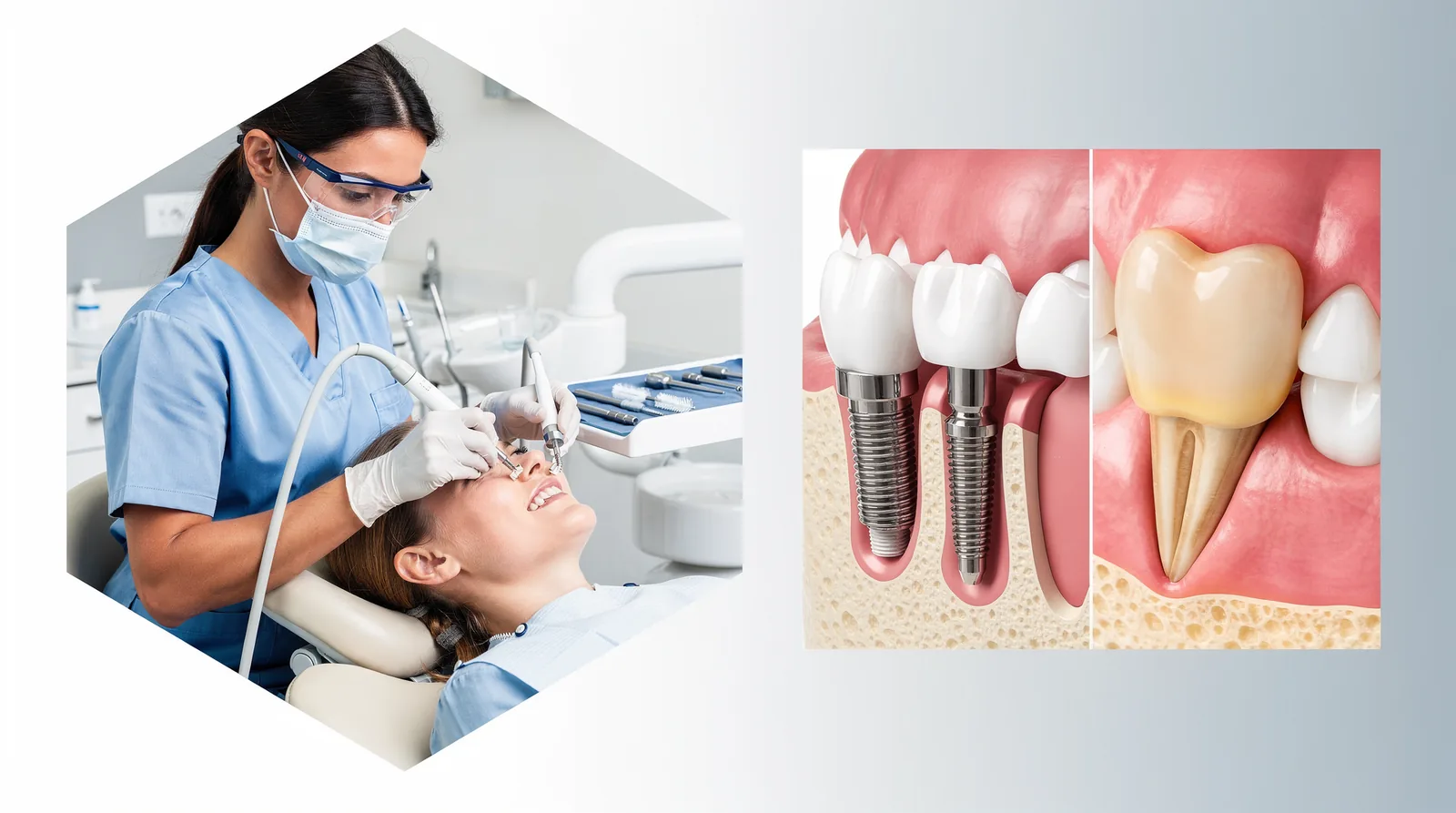
Dental implants require diligent care to ensure their longevity and prevent complications. Unlike natural teeth, implants are not susceptible to decay, but the gum tissue surrounding the area can develop periodontal disease known as peri-implantitis. This localized inflammation may result in loss of bone support around the implant. Poor care can lead to peri-implantitis, an inflammatory condition that threatens implant success by affecting the gums and bone surrounding the implant, potentially causing implant failure.
What happens if peri-implantitis goes untreated?
Peri-implantitis progresses silently. The condition destroys the bone that anchors the implant in place. Without intervention, the implant loosens and may need removal. This outcome defeats the purpose of the investment in implant treatment.
How long can a dental implant last with proper maintenance?
With proper care, a dental implant restoration can last as long as natural teeth. The key difference is that implants need specific cleaning tools and techniques. Standard brushing alone does not reach the crevices around implant abutments. Patients must use specialized floss, interdental brushes, or water flossers to disrupt biofilm accumulation.
Care Factor
Natural Teeth
Dental Implants
Decay risk
High
None
Gum disease risk
Moderate
High (peri-implantitis)
Lifespan with good care
Lifetime
Lifetime
Cleaning tools needed
Standard brush/floss
Specialized implant tools
Routine professional cleanings are equally critical. A dentist identifies early signs of implant inflammation before bone loss becomes irreversible. Skipping these appointments increases the risk of complications that shorten implant lifespan.
What are the best daily cleaning habits?
Daily cleaning habits for dental implants mirror the routine required for natural teeth. Plaque, a sticky colorless film of bacteria, constantly forms on both teeth and implant surfaces. Removing this film every day protects the gum tissue surrounding the implant from inflammation and disease.
Why does plaque removal matter for implants?
Dental implants are not susceptible to decay like natural teeth. The gum tissue around the implant, however, remains vulnerable to infection. Plaque accumulation triggers inflammation in this supporting tissue, a condition called peri-implantitis. Proper care of dental implants significantly reduces the risk of this complication.
What tools should a patient use for daily implant cleaning?
Soft-bristle toothbrush: Brushes away plaque from all implant surfaces without scratching the titanium or ceramic components.
Floss designed for implants: Standard floss may not reach beneath the implant crown. Special implant floss or super floss cleans the tight spaces between the gum and the restoration.
Interdental brushes: These small brushes clean the gaps between implants and adjacent teeth where plaque hides.
Water flosser: A targeted stream of water flushes food debris and bacteria from around the implant abutment.
How does the brushing technique differ for implants?
Brushing an implant requires the same thoroughness as brushing natural teeth. Patients should brush for two full minutes, twice daily, angling the bristles toward the gumline. The focus stays on the area where the implant meets the gum tissue, as this junction traps the most plaque. Gentle circular motions remove the biofilm without irritating the surrounding gums.
How often should you visit the dentist?
Patients with dental implants should schedule professional visits as recommended by their dental team. A dentist or oral surgeon can catch the earliest warning signs of implant trouble during these appointments, preventing small issues from becoming costly failures. A standard maintenance session for implant patients varies. Consult your dental team for specifics, giving the hygienist enough time to evaluate oral health changes thoroughly.
Routine cleanings deliver two critical benefits that home care alone cannot achieve. First, the hygienist carefully removes plaque that has built up around the gum line and implant surfaces. Second, the dentist identifies any early signs of implant failure, potentially making a decisive intervention before bone loss or infection progresses. Affordable Dentist Near Me provides professional [How to Maintain Oral Hygiene Post Dental Implant Surgery: Affordable](https://affordabledentistnearme.com/how-to-maintain-oral-hygiene-post-dental-implant-surgery-affordable/) services as part of this maintenance protocol, ensuring that all implant surfaces stay free of biofilm and calculus.
What happens during a one-hour implant maintenance visit?
The 60-minute appointment includes a review of the patient’s oral. General medical history to spot any changes since the last visit. The clinician then performs a targeted cleaning using instruments designed specifically for implant surfaces, which are softer than enamel and more vulnerable to scratching. This full hour allows the team to address every implant site, check for inflammation, and confirm that the restoration is functioning correctly.
Why are 3-month intervals recommended instead of 6-month intervals?
Implants have a different supporting structure than natural teeth, making them more susceptible to inflammation and bone loss when plaque accumulates. A 3-month schedule disrupts the bacterial lifecycle before it triggers peri-implantitis, a destructive infection that progresses faster around implants than around natural teeth. Shorter intervals also give the clinician more opportunities to reinforce at-home care habits. Adjust [How to Maintain Your Dental Implants for Long-Lasting Results](https://affordabledentistnearme.com/how-to-maintain-your-dental-implants-for-long-lasting-results/) if needed.
What tools help with implant cleaning?
Specialized tools remove plaque from implant surfaces more effectively than standard brushes alone. The supporting structure around implants differs from natural teeth, making these areas more susceptible to inflammation when plaque accumulates. A comprehensive maintenance protocol protects implant longevity and prevents complications.
Why do implants need different cleaning tools?
The implant-tissue interface lacks the same ligament attachment found in natural teeth. This structural difference means plaque buildup triggers inflammation faster around implants. Standard toothbrushes cannot reach the microscopic gaps between the implant and surrounding gum tissue. Specialized instruments, including soft-bristled interdental brushes and water flossers, access these vulnerable zones without scratching the implant surface.
What does a professional cleaning involve?
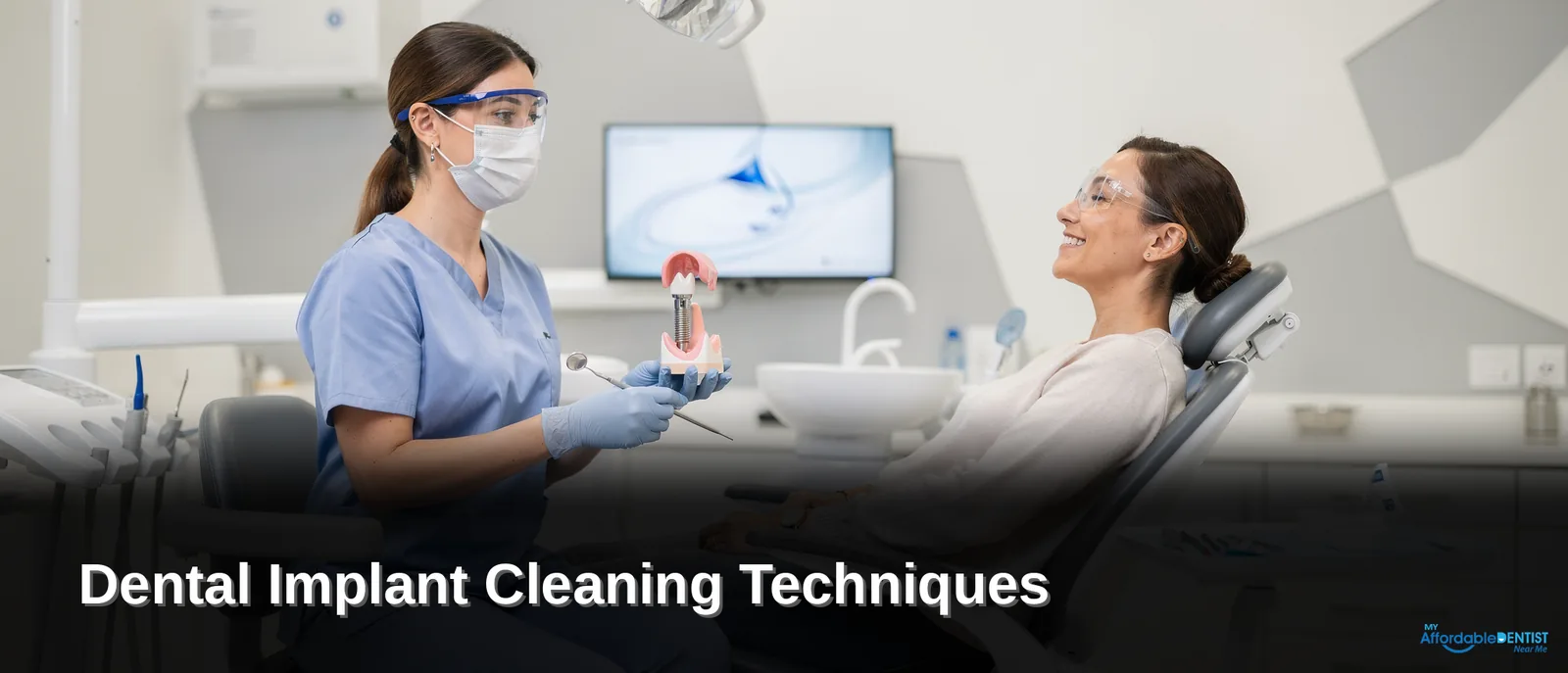
Dental teams demonstrate proper techniques for keeping tissues surrounding the implant healthy during routine visits. The clinical team uses instruments made from materials softer than titanium, such as plastic or carbon-fiber curettes, to avoid damaging the implant surface. A typical professional maintenance appointment includes:
Plaque and tartar removal with implant-safe scalers
Assessment of gum pocket depths around each implant
Evaluation of implant stability and bite pressure
Demonstration of home care techniques tailored to the patient’s specific implant type
Patients who follow a consistent home routine with the right tools reduce their risk of peri-implantitis, the leading cause of implant failure. The investment in proper cleaning tools pays dividends in avoiding costly replacement procedures later.
How can you prevent peri-implantitis?
Peri-implantitis is a localized inflammation that can result in loss of bone support around implants. Preventing this condition requires a consistent daily hygiene routine combined with professional oversight. Without proper care, the inflammation progresses silently, destroying the bone that anchors the implant in place.
What daily habits reduce peri-implantitis risk?
Proper care of dental implants significantly reduces the risk of peri-implantitis. Patients should follow a structured home-care regimen that includes:
Brushing twice daily with a soft-bristle brush to remove plaque from the implant surface
Flossing with unwaxed tape or implant-specific floss to clean the gum-implant junction
Using an antimicrobial mouth rinse as recommended by the dental team to reduce bacterial load
These Dental Implant Cleaning Techniques target the vulnerable tissue-implant interface where inflammation begins. The gum tissue surrounding an implant attaches differently than natural tooth tissue, making plaque removal more critical.
How do professional cleanings help prevent bone loss?
Routine dental visits allow the dentist to identify early signs of implant failure, potentially making a decisive intervention before bone loss becomes irreversible. During these appointments, the hygienist carefully removes plaque that has built up in areas a toothbrush cannot reach. Affordable Dentist Near Me provides expert Essential Questions to Ask Your Implant Surgeon Before Getting Dental Implants to save damaged or infected teeth. Prevention through regular maintenance remains the superior strategy. Patients should schedule professional cleanings every three to six months, depending on individual risk factors assessed by the dental team.
FAQ
What causes peri-implantitis?
Plaque buildup around dental implants triggers inflammation in the surrounding gum tissue, leading to peri-implantitis, which can cause bone loss and implant failure if untreated.
What tools help with daily implant cleaning?
Patients should use a soft-bristle toothbrush along with specialized floss, interdental brushes, or water flossers designed to disrupt plaque buildup around implant abutments.
How long do dental implants last with proper care?
With proper maintenance, including daily cleaning and regular professional visits, a dental implant restoration lasts as long as natural teeth.
Conclusion
In closing, maintaining your dental implants requires consistent daily care, regular professional checkups, and a commitment to your oral health routine. By brushing, flossing, and attending scheduled appointments, you protect your investment in a lasting, natural-looking smile. At Affordable Dentist Near Me in Fort Worth, our team stands ready to support your implant maintenance journey with expert guidance and compassionate care every step of the way.