How to Get an Implant if Your Gums Have Sunken In?
Dental implants offer a transformative solution for replacing missing teeth, restoring not only function but also confidence in one’s smile. However, a common obstacle many patients face is sunken or receded gums, which can complicate the implant process. This article explores why gum recession is a critical factor in dental implant success, the methods used to assess a patient’s suitability for implants, and the advanced grafting techniques available for rebuilding gum and bone structures. It also details the implant placement process, how providers secure implants in cases where gums have receded, and long-term maintenance strategies to ensure implant longevity and optimal oral health.
Extensive research in periodontology indicates that healthy gum tissue provides a robust foundation for dental implants; without it, the implant may not integrate properly with the jawbone. For patients aged 40 to 60, factors such as previous periodontal disease, inadequate oral hygiene, and even systemic conditions can lead to gum recession, ultimately compromising the success of dental implants. Therefore, understanding the relationship between gum health and implant stability is vital for anyone considering this restorative option.
This article is designed to guide patients through every step, from the initial consultation to aftercare. It explains the significance of diagnostic imaging in identifying the degree of bone loss, the role of grafting procedures in replacing missing tissue, and the precise surgical process that follows successful gum restoration. Additionally, readers will learn how to select experienced dental implant providers in the Mansfield area and what questions to ask during consultations to ensure they receive tailored, high-quality care.
Ultimately, this comprehensive guide aims to empower patients with the knowledge needed to navigate the challenges of gum recession and achieve a successful dental implant outcome. With a combination of modern technology, surgical expertise, and thorough aftercare, even those with significant gum loss can enjoy a restored smile and renewed confidence.
Key Takeaways
Healthy gums are essential for dental implants, as they provide a stabilizing foundation for osseointegration.
Diagnostic measures and grafting procedures can effectively prepare patients with receded gums for successful implant placement.
Selecting an experienced Mansfield dentist is crucial for ensuring quality implant placement and long-term maintenance.
Consistent oral hygiene and regular dental check-ups support implant health and overall gum stability.
When gums recede or sink, the stability of a dental implant is compromised because the soft tissue and underlying bone provide the necessary anchorage for the implant’s integration. Healthy gums do more than just cover the jawbone; they act as a protective barrier against bacteria, contribute to the aesthetics of the smile, and ensure that the implant is securely fixed.
The Connection Between Gum Recession and Jawbone Density
Gum recession is intricately linked with jawbone density, as the gums rely on the underlying bone for support. When the gum tissue recedes, it often indicates that the bone itself has experienced some degree of resorption. This reduction in bone density can result in insufficient support for implants, leading to stability issues and potential implant failure. Modern diagnostic imaging, such as CBCT scans, allows dentists to assess the bone density accurately and determine if additional procedures like bone grafting are necessary before an implant can be placed.
How Gum Loss Impacts Dental Implant Stability
The success of a dental implant primarily depends on osseointegration – the process by which the implant fuses with the jawbone. When gums have sunk, the diminished bone mass fails to fully embrace the titanium implant, reducing the surface area available for integration. This lack of stability may result in micro-movements that prevent proper healing. Clinical studies have shown that patients with adequate gum volume exhibit higher implant success rates, while those with significant recession may experience complications such as implant mobility or loosening over time.
Common Causes of Gum and Bone Recession
Multiple factors contribute to gum and bone recession. Periodontal disease is the leading cause, resulting in chronic inflammation and the gradual breakdown of both soft and hard tissues. Other contributors include aggressive brushing, smoking, aging, systemic health conditions like diabetes, and even genetic predisposition. In some cases, trauma from an accident or prolonged use of ill-fitting dental appliances can accelerate tissue loss. By understanding these causes, dental professionals can better tailor preventive strategies and treatment plans for individuals seeking implants.
Recognizing Signs Your Gums Are Not Ready for Dental Implants
Patients should be vigilant about signs that their gum tissue may not be adequate for implant placement. Indicators include chronic gum bleeding, persistent sensitivity, visible recession (often noticed as longer teeth or exposed tooth roots), and discomfort while chewing. Advanced periodontal examinations and imaging help identify these issues early, ensuring that necessary procedures like gum grafting are performed before implant surgery. Recognizing these signs early can mitigate complications and improve the overall treatment outcome.
The Importance of Healthy Gums for Long-Term Implant Success
Healthy gums play a pivotal role in ensuring the longevity of dental implants. Not only do they protect the underlying bone from infection, but they also contribute aesthetically to the overall smile. Continuous care, including professional cleanings and strict home oral hygiene practices, supports the implant’s function and maintains the natural appearance. Research indicates that patients who maintain healthy gum tissue after implant placement are less likely to experience peri-implantitis – an inflammatory condition that can lead to implant failure. Consequently, a comprehensive treatment plan that includes ongoing gum care is essential for the long-term success of dental implants.
Assessing Your Suitability for Dental Implants With Receded Gums
Evaluating whether a patient with sunken gums is a good candidate for dental implants requires a multifaceted diagnostic approach. An initial consultation with a dentist often involves a comprehensive evaluation of the patient’s oral and medical history, physical examination, and advanced imaging studies. These assessments help determine the severity of gum recession and the health of the supporting bone structure, which are vital factors for implant success.
Initial Consultation for Dental Implants When Gums Have Sunken
During the initial consultation, patients can expect a detailed examination that may include periodontal probing, gum tissue measurement, and visual assessments. The dentist discusses the patient’s dental history and any previous treatments that may have contributed to gum recession. This consultation is also an opportunity for the patient to voice concerns and establish expectations, as implant therapy involves a tailored treatment plan that addresses individual needs. Additionally, the dentist provides an overview of potential preparatory procedures—such as gum grafting or bone augmentation—that may be necessary to create a viable environment for the implant.
Diagnostic Imaging for Gum and Bone Health Evaluation
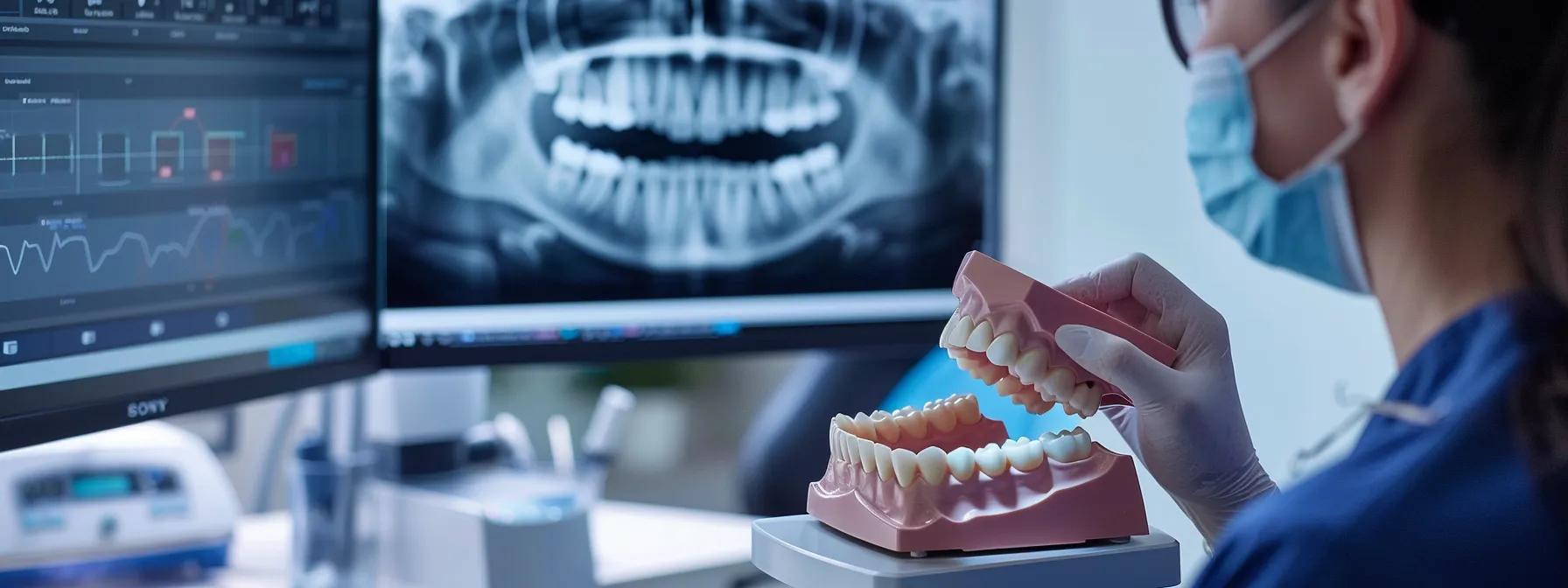
Diagnostic imaging plays a critical role in determining the suitability of a patient’s gums and jawbone for implant placement. Tools like X-rays and Cone Beam Computed Tomography (CBCT) scans offer a detailed view of the bone’s volume and density, as well as the extent of gum recession. These images allow dentists to pinpoint areas of bone loss and plan precise surgical interventions. For example, if significant bone resorption is detected, a bone graft may be recommended to rebuild the necessary foundation for the implant. This step ensures that the implant has adequate support for long-term stability and function.
Determining the Extent of Gum and Bone Loss
Accurate assessment of gum and bone loss involves both clinical and radiographic evaluations. Clinically, the dentist measures the depth of the recession and examines the gum’s consistency and color, as these factors can indicate overall tissue health. Radiographs complement this assessment by revealing the underlying bone structure’s integrity. By combining these data points, dental professionals can categorize the severity of gum recession and bone loss, which in turn informs the treatment approach. In some cases, minor recession may not interfere with implant success, while more pronounced loss could necessitate additional interventions prior to even considering an implant.
Reviewing Your Medical History for Dental Implant Procedures
A thorough review of the patient’s medical history is essential because systemic conditions can affect healing and the success of dental implants. Chronic illnesses such as diabetes, osteoporosis, or autoimmune disorders may influence the body’s ability to regenerate tissue and integrate the implant. In addition, patients who have undergone radiation therapy to the head or neck region could have compromised bone health. By understanding the full spectrum of a patient’s health background, the dentist can mitigate risks and tailor the treatment plan to enhance the likelihood of success.
Discussing Your Tooth Replacement Goals With a Mansfield Dentist
Open communication between the patient and the Mansfield dentist is key to aligning treatment outcomes with patient expectations. During this discussion, the dentist explains the implant options available and how preparatory procedures like grafting may extend the treatment timeline but are critical for success. Patients are encouraged to ask questions about the process, potential risks, and the anticipated recovery period. By discussing both the functional and aesthetic goals, patients can achieve a realistic expectation of their dental implant journey, ensuring that every step is transparent and understood.
Gum and Bone Grafting Procedures to Prepare for Dental Implants
When gum and bone loss threaten the success of dental implants, grafting procedures become necessary to rebuild a stable foundation. These preparatory techniques are designed to restore the lost tissue and improve the density of the jawbone, ensuring that implants can be securely anchored and remain stable over time. Grafting not only enhances the success rate of implant surgeries but also contributes to the overall aesthetics of the dental restoration.
Rebuilding Jawbone Volume With Bone Grafting Techniques
Bone grafting involves the addition of bone material to areas of the jaw where bone loss has occurred. This procedure is critical for patients with significant resorption, as it rebuilds the structural integrity required for implant stability. The graft can come from various sources, including the patient’s own bone (autograft), donor bone (allograft), or synthetic materials. During the procedure, the graft is carefully placed and secured within the jaw, where it gradually integrates with the existing bone through a process known as osteoconduction. Studies have demonstrated that successful bone integration improves the osseointegration of implants, leading to higher long-term success and stability.
Restoring Gum Tissue Through Gum Grafting Surgery
Gum grafting surgery focuses on restoring the soft tissue that has receded from the teeth and jawbone. This procedure typically involves taking a small piece of tissue from another area in the mouth (often the palate) and transplanting it to the site of recession. The newly grafted tissue not only improves the appearance of the gum line but also forms a protective barrier against bacterial invasion and further tissue loss. Patients who undergo gum grafting often experience reduced sensitivity and a more robust environment for future dental implants. The added gum tissue supports the implant by ensuring coverage of the underlying bone and titanium post, which is vital for both functional and aesthetic outcomes.
Healing and Recovery After Preparatory Grafting for Implants
Recovery from grafting procedures is a critical phase that sets the stage for successful implant placement. Healing times can vary depending on the extent of tissue loss and the specific type of graft used. Typically, patients may require several weeks to a few months for complete integration of the graft material. During this period, it is crucial to follow post-surgical instructions carefully, including maintaining excellent oral hygiene, avoiding strenuous activities, and attending follow-up appointments. The healing phase is marked by gradual tissue regeneration, enhanced blood flow, and reestablishment of normal gum contour, which together create an optimal environment for dental implant placement.
Ensuring Sufficient Foundation for Successful Dental Implants
The ultimate goal of both bone grafting and gum grafting is to secure a solid foundation that can reliably support a dental implant. This foundation is essential not only for implant stability but also for the long-term success of the restoration. By reconstructing the lost tissue, dentists can offer patients a predictable treatment outcome with improved functional and aesthetic results. Pre-implant grafting procedures have been shown to significantly reduce the risks of implant failure, as they provide the necessary structural support for osseointegration. This comprehensive approach ensures that patients receive a restoration that will last for many years, restoring both chewing function and a natural smile.
Alternatives to Extensive Grafting for Some Dental Implant Cases
While grafting remains the gold standard for addressing significant tissue loss, alternative approaches exist for patients with milder recession. In cases where gum loss is minimal, less invasive procedures such as soft tissue augmentation or the use of specialized membrane barriers may be sufficient to create an adequate environment for implant placement. These alternatives can reduce treatment time and recovery periods, although they may not be suitable for all cases. A thorough evaluation by a Mansfield dentist will determine whether comprehensive grafting or a less invasive method is appropriate, ensuring that each patient receives a personalized treatment plan that maximizes the likelihood of success.
The Dental Implant Placement Process After Gum Restoration
Once the necessary grafting procedures have restored adequate gum and bone volume, the next step is the dental implant placement process itself. This phase is critical as it involves the precise surgical insertion of the implant into the prepared jawbone. The process is methodical and follows strict protocols to ensure that the implant becomes securely integrated with the bone, thereby mimicking the structure and function of a natural tooth root.
Planning Your Dental Implant Surgery Post-Grafting
After confirming that the gums and jawbone have sufficiently healed, a detailed treatment plan is created. This plan involves scheduling the implant surgery, selecting the appropriate implant size and design, and mapping out the precise location for placement. Diagnostic imaging, including x-rays and CT scans, is used to verify the quality and quantity of the bone. During this phase, the dentist discusses the procedure in detail with the patient, addressing potential risks and outlining postoperative care. This level of planning ensures that every step, from the surgical incision to the final placement of the implant, is executed with precision and care.
Steps Involved in Placing Dental Implants in Rebuilt Jawbone
The dental implant placement surgery typically begins with the administration of local anesthesia, ensuring the patient remains comfortable throughout the procedure. The dentist then makes a small incision in the gum tissue to expose the jawbone. A specialized drill is used to create a precise channel, tailored to the shape and size of the implant. Once the channel is prepared, the implant—usually made of biocompatible titanium—is carefully inserted into the bone. In cases where implant placement occurs after grafting, the precision of the drilling process is especially critical to avoid disturbing the newly integrated graft material. The surgeon may use guided surgery techniques to enhance accuracy. After placement, the gum tissue is sutured back into place, covering the implant and allowing time for healing. This meticulous process is supported by clinical findings that underscore the importance of precise placement for long-term implant stability and success.
Osseointegration: The Fusion of Implant and Bone
Following implant placement, the process of osseointegration commences—a period during which the bone cells gradually fuse with the surface of the titanium implant. This natural integration is critical for anchoring the implant securely, essentially transforming it into a permanent tooth root replacement. Osseointegration can take several months, during which patients must adhere to specific guidelines to protect the implant site. The completion of this process is a major milestone, as it ensures that the implant will function reliably under the forces of chewing and maintain overall stability. Regular check-ups and imaging during this period help monitor the progress of osseointegration, ensuring the treatment moves forward as planned.
Attaching the Abutment and Custom Dental Crown
Once osseointegration is confirmed, the next phase involves the attachment of an abutment, which serves as the connector between the implanted post and the custom dental crown. The abutment is secured to the implant, and impressions of the mouth are taken to design the crown that will closely match the adjacent teeth in color, size, and shape. The custom crown is then fabricated, often using advanced ceramics or porcelain-fused-to-metal, ensuring a natural look and durable function. The final restoration is carefully bonded onto the abutment, completing the dental implant process and restoring both function and appearance. This multi-step approach demonstrates a commitment to precision and aesthetic excellence, ensuring that every component—from the implant fixture to the final crown—is perfectly aligned with patient expectations.
What to Expect During Dental Implant Recovery in Mansfield
Recovery from dental implant surgery is a gradual process that involves both healing of the soft tissue and further integration of the implant with the jawbone. Patients typically experience mild discomfort and swelling for a few days, which can be managed with prescribed medications and proper post-operative care. Adherence to a soft diet, avoidance of strenuous activities, and rigorous oral hygiene protocols are essential during this period. Follow-up visits with the Mansfield dentist help ensure that the healing is progressing well. With proper care, most patients can expect a full recovery within a few months, resulting in a restored smile and improved oral function. This phase is critical as it sets the stage for the long-term success of the dental implant.
Securing Dental Implants in Mansfield When Gums Have Sunken
Securing dental implants in cases where the gums have receded requires selecting a skilled and experienced dental provider who can navigate the complexities of implant placement post-grafting. Mansfield, known for its reliable dental care practices, offers a range of qualified dentists who specialize in managing challenging cases involving gum recession. This section outlines how patients can identify the right provider, the key considerations when assessing potential dental clinics, and the importance of reviewing before-and-after cases to gauge the effectiveness of treatment.
Identifying Experienced Dental Implant Providers in Mansfield
Finding a provider with a proven track record is essential for patients with receded gums seeking implants. Prospective patients should research dentists who specialize in implant dentistry and have specific expertise in handling cases requiring grafting procedures. Look for credentials, years of experience, and patient testimonials that underscore successful outcomes. Many Mansfield dental clinics offer free initial consultations, allowing patients to discuss their concerns and review treatment plans with experts. In addition, professional associations such as the American Academy of Implant Dentistry provide directories of certified practitioners, helping patients find trusted providers in their area.
Questions to Ask Your Mansfield Dentist About Implants and Gum Recession
Before committing to an implant procedure, patients should ask detailed questions to ensure they fully understand their treatment plan. Key questions include: – What is the extent of grafting required for my specific case? – How will the additional procedures affect the overall timeline and cost? – What are the success rates for implants in patients with similar clinical profiles? – Can I see before-and-after photos of previous patients who underwent similar treatments? – What postoperative protocols will be implemented to ensure the longevity of the implant? These inquiries help establish a dialogue that not only clarifies the treatment process but also builds patient confidence in the dental team’s ability to deliver successful results.
Reviewing Before and After Cases of Dental Implants With Gum Issues
Visual evidence can be an invaluable tool when selecting a provider. Many Mansfield dentists maintain detailed case studies showcasing patients with similar issues who have successfully undergone implant and grafting procedures. Reviewing these cases provides insights into both the cosmetic and functional outcomes of the treatment, as well as the provider’s proficiency in managing complex cases. This practice ensures that patients have realistic expectations and a clear understanding of the potential transformations they can achieve.
Understanding the Costs of Dental Implants and Preparatory Procedures
Financial considerations are often a major factor when deciding on dental implants, especially when additional procedures such as grafting are involved. In Mansfield, many dental clinics offer flexible payment plans and affordable treatment options that cater to various budgets. It is important for patients to get a detailed treatment plan that outlines all associated costs—from initial consultations, diagnostic imaging, and grafting procedures to the implant placement, abutment, and crown construction. By having a clear budget and understanding financing options, patients can make informed decisions and avoid unexpected expenses. Monthly payment options and dental insurance partnerships further ease the financial burden, making high-quality implant care accessible for many.
Scheduling Your Dental Implant Treatment in the Mansfield Area
Once a provider has been selected and all questions answered, the next step is to schedule the treatment. In Mansfield, many clinics have streamlined appointment systems that allow patients to book their initial consultation and follow-up procedures promptly. This streamlined scheduling helps minimize treatment delays and ensures that patients begin the restorative process as soon as possible. Establishing a clear timeline—from consultation to treatment and recovery—is crucial for managing patient expectations and ensuring that each phase of the process is executed efficiently.
Maintaining Your Dental Implants and Gum Health Long-Term
Long-term maintenance of dental implants goes beyond the surgical procedure; it involves continuous care and regular monitoring to ensure the longevity and functionality of the implant. For patients who have undergone extensive grafting and implant placement, adopting proper oral hygiene practices and routine dental check-ups are essential to prevent complications and maintain overall oral health.
Proper Oral Hygiene Techniques for Dental Implants and Gums
Effective oral hygiene is critical for preserving the health of dental implants and preventing peri-implant diseases. Patients should use specialized dental floss designed for implants, which is gentler but effective in removing plaque and debris from around the implant site. Additionally, interdental brushes and antimicrobial mouth rinses can help maintain a clean environment. Brushing twice daily with a soft-bristled toothbrush and a non-abrasive toothpaste is recommended. Regular cleaning removes bacterial buildup that could otherwise lead to gum inflammation and implant failure. Consistent adherence to these hygiene techniques supports the integrity of the implant and the surrounding soft tissues.
Regular Dental Check-Ups and Cleanings in Mansfield
Scheduled dental visits are an essential part of long-term implant care. Mansfield dentists advise that patients undergo professional cleanings at least twice a year, during which the dental team inspects both the implant and the surrounding gum tissue for any signs of inflammation or recession. During these visits, the dentist may take periodic radiographs to confirm that the implant is properly integrated with the bone. These routine examinations allow for early detection of potential issues, ensuring timely interventions before any complications compromise the implant’s stability. Regular professional cleanings and assessments contribute significantly to the long-term success of dental implants.
Monitoring Gum Health Around Your Dental Implants
In addition to professional check-ups, patients should actively monitor their own gum health. Look for early signs of gum inflammation such as redness, swelling, or bleeding when brushing. If any of these symptoms are observed, it is important to contact the dental provider immediately for further evaluation. Advancements in diagnostic tools allow for simple at-home assessments that can help track changes in gum health. Early intervention and adjustments to oral hygiene routines can prevent the progression of gum recession and ensure that the implant remains stable and functional.
Lifestyle Choices That Support Dental Implant Longevity
The longevity of dental implants is not solely determined by dental procedures; lifestyle choices play a significant role in maintaining implant health. Avoiding tobacco products and reducing alcohol consumption can greatly enhance the healing process and overall gum health. Additionally, a balanced and nutrient-rich diet supports the regeneration of tissues and bone. Foods rich in calcium, vitamin D, and antioxidants contribute to stronger bones and healthier gums. Patients are encouraged to make these lifestyle changes not only to protect their dental implants but also to enjoy better overall health and well-being.
Addressing Any Future Gum Concerns Promptly
Long-term success with dental implants requires vigilance against potential gum issues. Should any symptoms of gum recession or inflammation develop in the future, patients are advised to seek prompt dental consultation. Early treatment of emerging gum problems is critical to prevent further tissue loss and to safeguard the foundation of the implant. Regular communication with the dental provider ensures that any issues are caught early and managed effectively, thus securing the long-lasting benefits of the implant treatment. Proactive management of gum health is an integral component of preserving the aesthetics and functionality of a dental implant.
Frequently Asked Questions
Q: How do receded gums affect the success of dental implants? A: Receded gums can compromise the stability and integration of dental implants by reducing the amount of supportive tissue and bone available. This can lead to complications such as implant mobility or failure. Proper assessment through diagnostic imaging and potential grafting procedures can help mitigate these risks and ensure long-term success.
Q: What are the common grafting procedures used to prepare for dental implants? A: Common grafting procedures include bone grafting, which rebuilds jawbone volume, and gum grafting, which restores receded soft tissue. These procedures create a stable foundation for dental implants by increasing bone density and improving gum coverage, thereby enhancing implant stability and overall success rates.
Q: How long is the recovery period after grafting and implant placement? A: The healing period can vary based on individual circumstances, but typically, patients need several weeks to a few months to fully recover from grafting procedures. The process of osseointegration, where the implant fuses with the jawbone, may take up to six months. Close follow-up appointments with the dentist help ensure that the healing process is progressing normally.
Q: Can I maintain my dental implants if I have a history of gum disease? A: Yes, dental implants can be successfully placed even in patients with a history of gum disease; however, it is crucial to manage the underlying periodontal issues before and after implant placement. Regular professional cleanings, diligent home care, and routine check-ups are vital to prevent recurrence of the disease and to maintain implant health.
Q: What lifestyle changes can improve the longevity of dental implants? A: Adopting proper oral hygiene practices, avoiding tobacco use, reducing alcohol consumption, and maintaining a balanced diet rich in nutrients that support bone and gum health are key lifestyle changes. These measures not only improve the long-term success of the implants but also enhance overall oral and systemic health.
Final Thoughts
Dental implants offer a reliable and aesthetic solution for tooth loss, yet the presence of sunken gums introduces a level of complexity that requires careful treatment planning and advanced surgical techniques. By understanding the crucial connection between gum health and implant stability, patients can be confident in the procedures available—from thorough diagnostics and grafting procedures to precise implant placement and post-surgical care. In Mansfield, skilled dentists are equipped to address these challenges with personalized treatment plans and flexible payment options. Ultimately, consistent maintenance and healthy lifestyle choices are essential for ensuring that dental implants continue to function seamlessly and enhance quality of life.