Dental Implant Cost Breakdown: A Comprehensive Guide for Your Local Market
Understanding the cost factors associated with dental implants is crucial for anyone considering this dental procedure. Dental implants are a long-term solution for missing teeth, but their costs can vary significantly based on several components. This comprehensive guide will explore the main components of dental implant costs, including materials, surgery fees, and consultation expenses. Additionally, we will discuss available payment plans and financing options that can help manage these costs. By the end of this article, you will have a clearer understanding of what to expect financially when pursuing dental implants.
Further research emphasizes the critical role of a patient’s financial situation and their desire for effective solutions in the decision-making process for dental implant treatment.
When dealing with the replacement of one missing tooth, the patient has the option of choosing between different types of treatment interventions. Several important factors play a role in his decision-making process, including his limited financial means and his efforts to solve the problem of missing teeth as effectively as possible. The main goal of the study is the economic-clinical evaluation of implant treatment, as a surgical-prosthetic method in dentistry, in case of replacement of one missing tooth of the molar area.
Cost-utility analysis of an implant treatment in dentistry, 2021
What Are the Main Components of Dental Implant Costs?
The cost of dental implants is influenced by various components, each contributing to the overall price. Understanding these components can help patients make informed decisions about their dental care. The primary factors include the type of implant materials used, the fees associated with surgery, and the costs of consultations.
Component
Description
Average Cost
Implant Materials
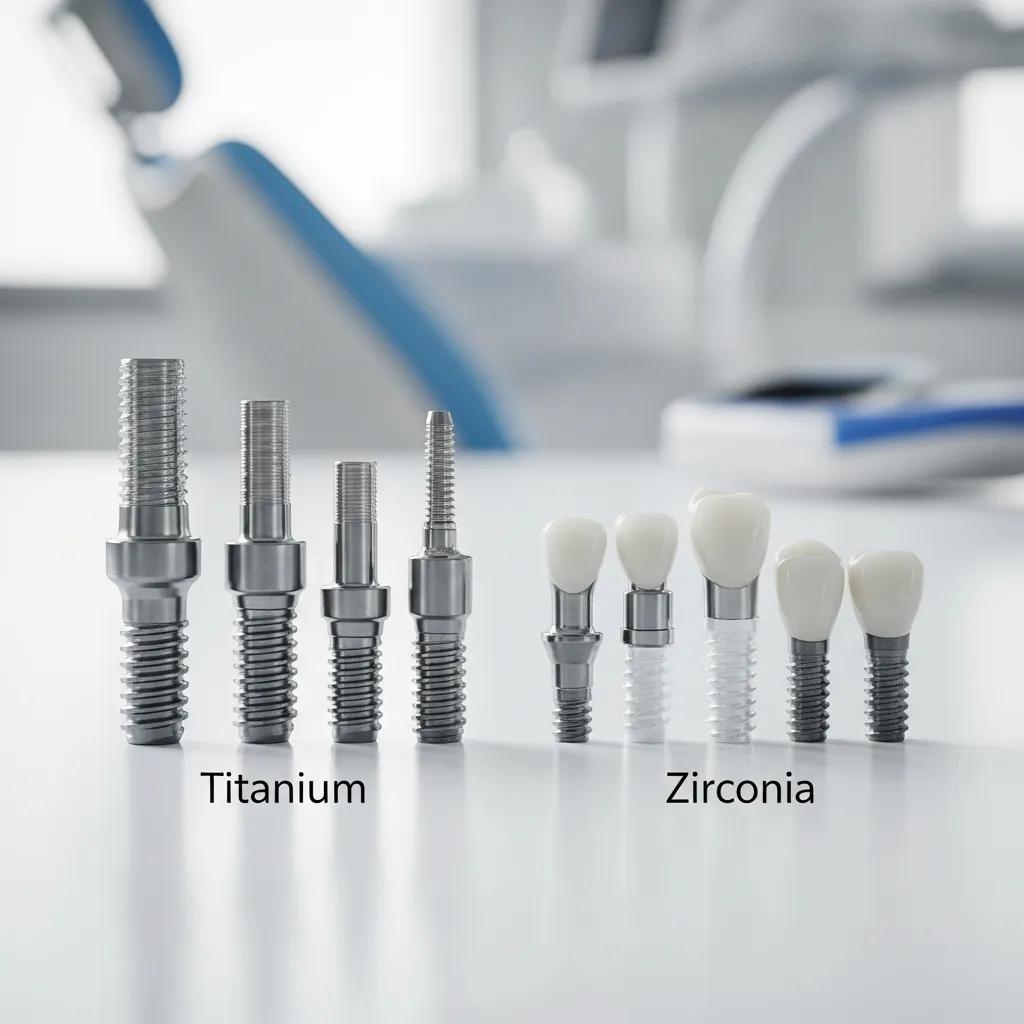
Different materials used for implants, such as titanium or zirconia.
$1,000 – $4,000
Surgery Fees
Costs associated with the surgical procedure to place the implant.
$1,500 – $6,000
Consultation Costs
Fees for initial consultations and follow-up visits.
$100 – $500
This breakdown highlights the significant investment required for dental implants, emphasizing the importance of understanding each cost component.
How Do Implant Materials Affect Overall Pricing?
The choice of implant materials plays a significant role in determining the overall cost of dental implants. Common materials include titanium and zirconia, each with its own price range and benefits. Titanium implants are widely used due to their durability and biocompatibility, typically costing between $1,000 and $4,000. Zirconia implants, while aesthetically pleasing and metal-free, may be priced higher due to their advanced technology and manufacturing processes.
What Are the Typical Surgery and Consultation Fees?
Surgery fees for dental implants can vary based on the complexity of the procedure and the surgeon’s expertise. On average, patients can expect to pay between $1,500 and $6,000 for the surgical placement of an implant. Additionally, consultation fees, which cover initial assessments and follow-up visits, generally range from $100 to $500. These costs can add up, making it essential for patients to budget accordingly.
Which Dental Implant Payment Plans Are Available Locally?
Many dental practices offer various payment plans to help patients manage the costs of dental implants. These plans can significantly reduce the financial burden by allowing patients to pay in installments rather than a lump sum. Understanding the available options can help patients choose the best financial solution for their needs.
How Can Financing Options Reduce Upfront Expenses?
Financing options can make dental implants more accessible by spreading the cost over time. Many dental offices partner with financing companies to offer low-interest or interest-free payment plans. This approach allows patients to receive the necessary treatment without the stress of immediate full payment. For example, some plans may allow monthly payments as low as $100, depending on the total cost of the procedure.
What Are the Steps to Apply for Dental Implant Financing?
Applying for dental implant financing typically involves a few straightforward steps:
Research Options: Look for dental practices that offer financing plans or partner with third-party financing companies.
Complete an Application: Fill out a financing application, providing necessary financial information.
Receive Approval: Wait for approval, which can often be done quickly, sometimes within minutes.
Review Terms: Carefully review the financing terms, including interest rates and payment schedules, before proceeding.
By following these steps, patients can secure financing that fits their budget and allows them to proceed with their dental implant treatment.
How Does Dental Implant Insurance Coverage Influence Costs?
Dental insurance can significantly impact the overall cost of dental implants. While not all insurance plans cover implants, many do provide partial coverage, which can help alleviate some of the financial burden. Understanding how insurance works with dental implants is essential for patients planning their treatment.
Despite potential insurance coverage, the reality for many patients is that dental implants often involve substantial private costs, making financial planning crucial.
Patient Decisions & Private Costs of Dental Implants
The majority of people who receive this treatment therefore pay privately, often at substantial cost to themselves. People are used to paying towards dental treatment costs. However, dental implant treatment is much more expensive than existing treatments – such as removable dentures. We know very little about how dentists make decisions about whether to offer such treatments, or what patients consider when deciding whether or not to pay for them.
Paying for treatments?
Influences on negotiating clinical need and decision-making for dental implant treatment, CE Exley, 2009
What Types of Insurance Typically Cover Dental Implants?
Insurance coverage for dental implants varies by provider and plan. Some common types of insurance that may cover implants include:
PPO Plans: Preferred Provider Organizations often provide partial coverage for dental implants, typically covering a percentage of the procedure.
Dental Discount Plans: These plans offer reduced rates for dental services, including implants, through a network of providers.
Health Savings Accounts (HSAs): Patients can use funds from HSAs to pay for dental implants, providing a tax-advantaged way to manage costs.
Patients should check with their insurance providers to understand their specific coverage options and limitations.
How to Verify Your Insurance Benefits for Implant Procedures?
To verify insurance benefits for dental implant procedures, patients should follow these steps:
Contact Your Insurance Provider: Call the customer service number on your insurance card to inquire about coverage for dental implants.
Ask Specific Questions: Inquire about the percentage of coverage, any waiting periods, and whether there are specific providers you must use.
Request a Pre-Authorization: Some insurance companies may require pre-authorization for dental implants, so it’s essential to request this before proceeding with treatment.
By taking these steps, patients can gain clarity on their insurance benefits and make informed decisions regarding their dental implant procedures.
What Are the Common Hidden Costs in Dental Implant Procedures?
While the primary costs of dental implants are often highlighted, several hidden costs can arise during the process. Being aware of these potential expenses can help patients avoid surprises and better prepare for their financial commitments.
Which Additional Fees Should Patients Expect?
In addition to the primary costs of dental implants, patients may encounter several additional fees, including:
Bone Grafting: If a patient lacks sufficient bone density, bone grafting may be necessary, adding $300 to $2,500 to the total cost.
Sinus Lifts: For implants placed in the upper jaw, sinus lifts may be required, costing between $1,000 and $3,000.
Follow-Up Visits: Additional consultations or follow-up visits may incur extra charges, typically ranging from $100 to $500 each.
These additional costs can significantly impact the overall price of dental implants, making it essential for patients to discuss all potential fees with their dental provider.
How Do Maintenance and Warranty Affect Long-Term Costs?
Maintenance and warranty considerations can also influence the long-term costs of dental implants. Regular check-ups and maintenance are crucial for ensuring the longevity of implants, which may involve additional costs over time. Some dental practices offer warranties on their implants, covering replacement or repairs for a specified period. Understanding these factors can help patients budget for ongoing care and ensure their investment remains protected.
To further assist with managing the financial aspects of dental care, exploring options with affordable dentists can provide cost-effective solutions without compromising quality.