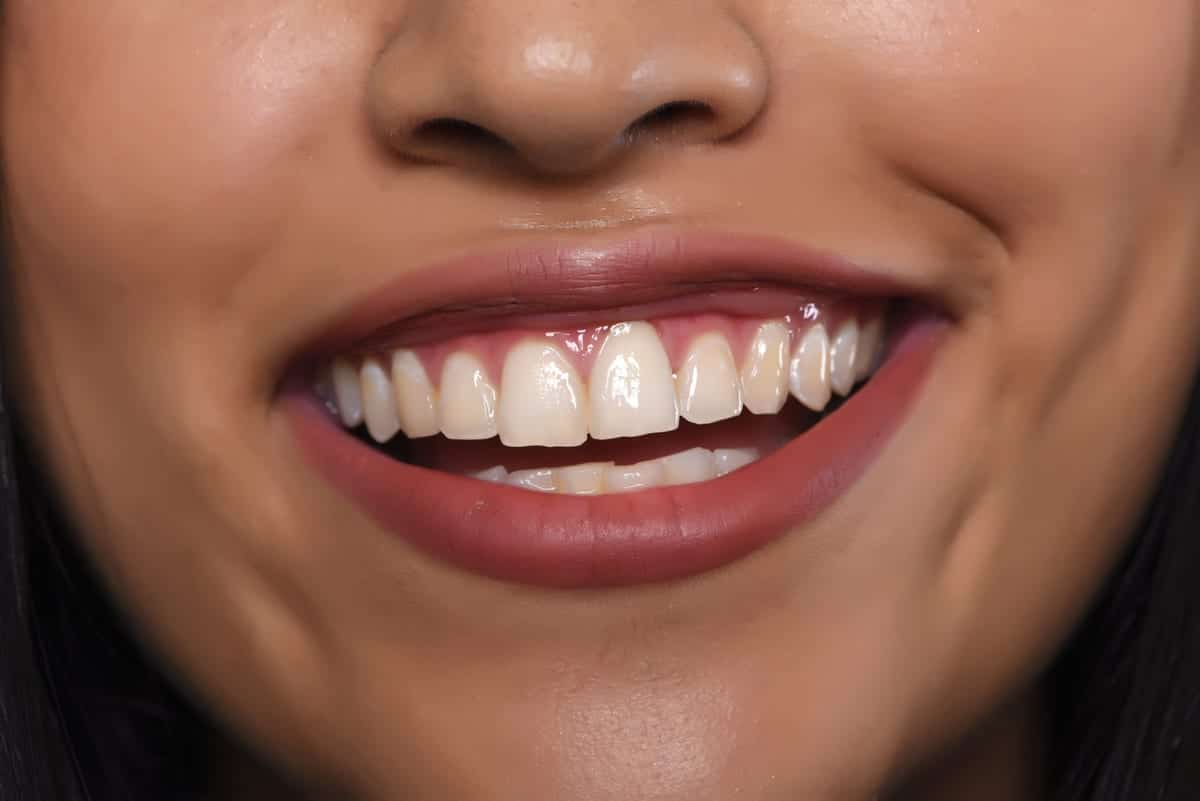
If you’ve recently completed gum disease treatment, you’re probably wondering: how long will these results actually last? Your gum disease treatment results — how long they really last in Dallas — depends on several key factors. The good news is that with the right care, your results can last for many years. Understanding what supports or undermines that longevity puts you in control of your oral health.
What Gum Disease Treatment Actually Does
Gum disease, also called periodontal disease, is a bacterial infection that damages gum tissue and the bone supporting your teeth. Treatment removes harmful bacteria and restores a healthier environment around your teeth. Common treatments include scaling and root planing, antibiotic therapy, and periodontal surgery for advanced cases.
Each of these treatments targets the root cause of infection. Scaling and root planing cleans deep below the gumline. Antibiotic therapy reduces remaining bacteria after cleaning. These treatments halt active disease — but they don’t make you immune to future issues.
Think of it like treating a wound. The wound heals, but you still need to protect the area afterward. The same logic applies to your gums. Ongoing maintenance is what keeps the disease from returning.
How Long Do Gum Disease Treatment Results Last in Dallas?
The honest answer is: it varies. Many patients maintain healthy gums for five, ten, or even twenty or more years. Others see gum disease return within a year or two. The difference almost always comes down to post-treatment habits and follow-up care.
Research shows that patients who attend regular periodontal maintenance visits have significantly better long-term outcomes. In Dallas, our dental team sees patients at every stage of periodontal health. Those who stay consistent with their care tend to keep their teeth longer and experience less bone loss over time.
Factors that influence how long your results last include:
- How advanced your gum disease was before treatment
- Your daily brushing and flossing routine
- Whether you smoke or use tobacco products
- Your diet and overall systemic health
- How consistently you attend follow-up appointments
- Genetic predisposition to gum disease
Some of these factors are within your control. Others, like genetics, are not. Knowing the difference helps you focus your energy where it matters most.
What Shortens the Lifespan of Your Results
Several habits can undo the benefits of gum disease treatment quickly. Skipping daily flossing is one of the most common mistakes patients make. Bacteria accumulate rapidly in areas a toothbrush can’t reach. Without flossing, plaque buildup can trigger inflammation within weeks.
Tobacco use is another major threat. Smoking reduces blood flow to the gums and weakens your immune response. This makes it much harder for gum tissue to stay healthy long-term. Smokers are significantly more likely to experience recurring periodontal disease.
Poorly controlled diabetes also shortens results. High blood sugar creates an environment where bacteria thrive. If you have diabetes, working closely with your medical team is essential for protecting your gum health.
Missing periodontal maintenance appointments is perhaps the most avoidable mistake. These visits aren’t the same as a standard cleaning. They involve deeper monitoring and targeted cleaning to catch early signs of recurrence. Skipping them allows problems to develop silently.
What Extends and Protects Your Results
The most powerful tool you have is consistency. Brushing twice daily with a soft-bristled toothbrush removes surface plaque effectively. Flossing once daily targets bacteria between teeth and just below the gumline. Together, these habits create a strong foundation for lasting results.
An antimicrobial mouth rinse can also help. Your dental team may recommend a specific rinse based on your situation. Used correctly, it reduces bacterial load in hard-to-reach areas. This is especially useful in the months following active treatment.
Diet matters more than most people realize. Foods high in sugar feed the bacteria that cause gum disease. Eating a balanced diet rich in vegetables, lean proteins, and whole grains supports gum tissue health. Drinking plenty of water helps rinse away food debris throughout the day.
Staying on top of related oral health is also important. For example, understanding how Cosmetic Dentistry Maintenance In Grand Prairie Tx Affordable Dentist Near Me Dallas supports long-term dental health can give you a broader perspective on protective oral care habits. Good habits that protect cosmetic work also protect your periodontal health.
Benefits of consistent post-treatment care include:
- Reduced risk of disease recurrence
- Preservation of natural teeth long-term
- Lower likelihood of needing surgical intervention
- Improved overall systemic health outcomes
- Better breath and a more confident smile
Ongoing Maintenance: What to Expect in Dallas
After completing gum disease treatment, most patients move to a periodontal maintenance schedule. This typically means visits every three to four months rather than the standard six-month cleaning. Your dental team will reassess your gum pocket depths at each visit. Pocket depth measurements reveal whether disease is stable or progressing.
During each maintenance visit, your team will remove tartar buildup from above and below the gumline. They’ll also check for any areas showing signs of inflammation or bacterial activity. If early signs of recurrence appear, your team can address them before they become serious. Catching problems early always leads to better outcomes.
Over time, some patients graduate to a less frequent schedule if their gum health stays stable. Others may need to continue with more frequent visits indefinitely. Your maintenance plan will evolve based on your individual response to treatment and your daily habits at home.
If you’re exploring other ways to enhance your smile while maintaining gum health, learning about Smile Confidence Cosmetic Dentistry In Burleson Tx Dallas can help you understand how comprehensive care supports both health and aesthetics. A healthy gum foundation is essential before any cosmetic work.
Conclusion: Take Ownership of Your Long-Term Results
Gum disease treatment is a significant investment in your health and your smile. The results can truly last for decades — but only with active effort on your part. Dallas patients who commit to daily home care and regular professional maintenance consistently achieve the best long-term outcomes. You have more control over your results than you might think. Book Now to schedule your appointment with our team.
Frequently Asked Questions
How often should I see the dentist after gum disease treatment?
Most patients need periodontal maintenance visits every three to four months after completing gum disease treatment. Your dental team will evaluate your specific situation and recommend the right schedule for you. Staying consistent with these visits is one of the most important things you can do for long-term results.
Can gum disease come back after treatment?
Yes, gum disease can return if contributing factors aren’t addressed. Poor oral hygiene, tobacco use, and skipped maintenance visits all increase the risk of recurrence. The good news is that with proper daily habits and regular professional care, most patients can maintain healthy gums for many years.
Is gum disease treatment painful?
Most patients experience minimal discomfort during and after treatment. Scaling and root planing is typically performed with local anesthetic to keep you comfortable. Some mild soreness or sensitivity may occur afterward, but it usually resolves within a few days.
Can I prevent gum disease from returning on my own?
Home care is essential, but it’s not enough on its own. Daily brushing and flossing significantly reduce your risk of recurrence. However, professional cleanings remove hardened tartar that a toothbrush cannot. A combination of strong home habits and regular professional visits gives you the best protection.
How does smoking affect my gum disease treatment results?
Smoking significantly reduces the effectiveness and longevity of gum disease treatment. It impairs blood flow to the gums and weakens your immune response, making it harder for your body to heal. Quitting tobacco is one of the most impactful steps a patient can take to protect their periodontal health long-term.