Dental Implant Anxiety: Common Fears, Facts, and How to Overcome Your Dental Implant Procedure Anxiety
Dental implant anxiety—often rooted in fear of pain, cost uncertainty, or simply the unknown—affects many people considering tooth replacement. This article explains what drives dental implant fear, the factual realities about pain, healing, and long-term success, and practical strategies to reduce worry so you can make an informed decision. You will learn which sedation and pain-control options are available, how osseointegration underpins implant longevity, what to expect step-by-step during treatment, and how to manage recovery effectively. Practical coping techniques, evidence-based reassurance about success rates, and clear information about affordability and payment options are included so you can plan next steps with confidence. By the end, you’ll understand how clinical choices, patient behaviors, and modern sedation approaches work together to make dental implants a low-anxiety option for many patients.
What Are the Most Common Fears About Dental Implants?
Many patients approach dental implant treatment with a set of predictable fears that influence decision-making and may delay care. These fears typically center on pain during surgery, the length and discomfort of recovery, the possibility of implant failure or rejection, cost concerns, and perceived procedural complexity. Understanding each worry and pairing it with concise factual rebuttals helps reduce uncertainty and empowers patients to ask targeted questions. Below we list the most common fears and a brief, evidence-aligned response to each to help readers see which concerns are addressable through clinical choices and personal preparation. This leads naturally into a closer look at pain, recovery timelines, and technical outcomes.
Is Dental Implant Pain a Reason to Fear the Procedure?
Dental implant surgery is performed under local anesthesia and often enhanced with sedation, which renders the procedure uncomfortable at most, rather than painful; patients commonly report sensations of pressure rather than sharp pain. After surgery, some soreness and swelling are normal for 48–72 hours, but routine pain control—over-the-counter NSAIDs or prescribed analgesics—typically manages symptoms effectively. Many patients compare post-implant discomfort to that following a tooth extraction, and clinicians tailor analgesia and anti-inflammatory measures to each case to minimize pain. Knowing the anesthesia and pain-management plan in advance greatly reduces anticipatory fear and prepares patients for a predictable recovery.
The management of pain during dental implant surgery is a critical aspect of patient comfort and procedural success. Research indicates that a combination of local anesthesia and sedation can significantly improve the patient’s experience.
Sedation Options for Managing Pain During Dental Implant Surgery
The patient is expected to lead to better management of pain and discomfort during implant surgery. This review focused on local anesthesia and sedation and the factors related to them.
Considerations for satisfactory sedation during dental implant surgery, 2023
How Long Does Recovery Take After Dental Implant Surgery?
Recovery from the surgical placement of a dental implant involves an initial soft-tissue healing phase over the first 1–2 weeks and a longer osseointegration period lasting several months while bone bonds to the implant. In the first 48–72 hours, swelling and mild discomfort peak, followed by steady improvement; most patients return to normal light activities within a few days and resume routine oral hygiene when comfortable. The critical timeline for implant stability is typically 3–6 months, during which the implant integrates with bone before final prosthetic restoration is placed. Clear expectations about short-term discomfort and the longer biological healing phase reduce anxiety and help patients plan work, diet, and follow-up care.
Can Dental Implants Fail or Be Rejected? What Are the Facts?
True immunologic “rejection” of titanium implants is exceedingly rare; implant failure more commonly results from biological issues like infection, insufficient osseointegration, poor bone volume, or unmanaged systemic risk factors such as smoking or uncontrolled diabetes. Early failure often stems from surgical site infection or overload before integration, while late failure can result from peri-implantitis or prosthetic complications. Risk-reduction strategies—optimizing oral hygiene, controlling systemic conditions, avoiding tobacco, and following clinician instructions—substantially lower failure rates. Presenting this risk-profile clearly helps patients focus on modifiable behaviors and realistic outcomes rather than vague fear.
How Does the Cost of Dental Implants Affect Anxiety?
Cost concerns are a major driver of avoidance and anxiety because implant treatment includes several billable components—surgical placement of the implant post, abutment attachment, final crown, and possible adjuncts like bone grafts or temporary teeth—that vary by clinical complexity. Uncertainty about total cost can lead patients to postpone care or choose inferior alternatives out of fear of financial burden. Transparent cost breakdowns, explanations of typical inclusions, and information about financing options reduce cost-related anxiety and make treatment choices more manageable. Clear financial information also supports more productive consultations where clinical decisions are guided by oral health needs rather than cost uncertainty.
Why Do Patients Fear the Complexity of the Dental Implant Procedure?
The dental implant process combines surgical and restorative steps, which can seem complex to patients unfamiliar with clinical workflows; however, the pathway is a coordinated sequence of planning, placement, healing, and final restoration with predictable checkpoints. Surgeons handle the surgical placement of the implant post while restorative dentists or prosthodontists design and deliver the crown or bridge that restores function and appearance. Explaining which visits are surgical versus restorative, where sedation and local anesthesia are applied, and how imaging and digital planning simplify treatment demystifies the sequence and reduces the intimidation factor. Understanding the coordinated team approach and seeing the procedure as discrete, manageable steps often relieves perceived complexity.
How Does Sedation Dentistry Help Reduce Dental Implant Anxiety?
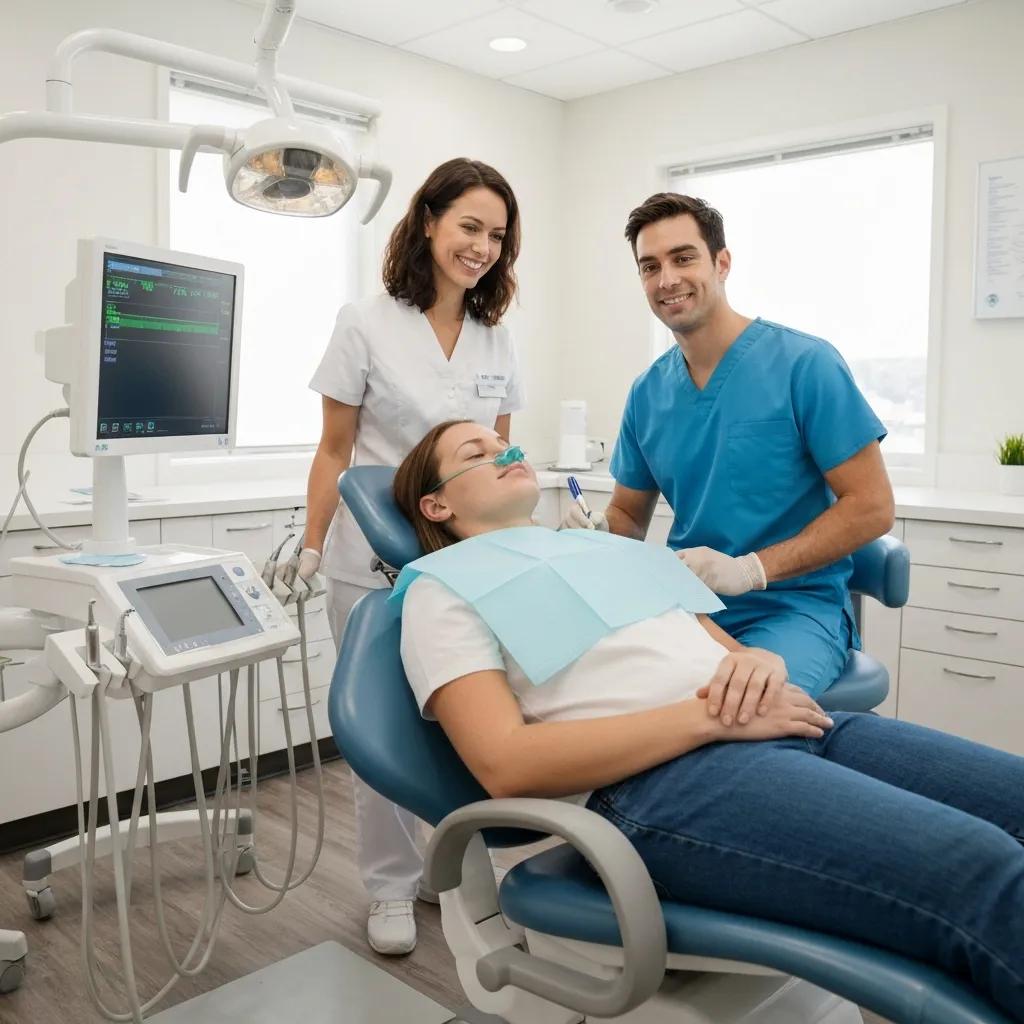
Sedation dentistry reduces anxiety by decreasing awareness, lowering physiological stress responses, and enabling patient comfort during surgical stages; it is a clinical adjunct to local anesthesia rather than a substitute. By allowing patients to relax or sleep through stressful procedures, sedation minimizes memory of the event and reduces anticipatory fear for future appointments. Safety is achieved through appropriate patient screening, dosing, and monitoring by trained staff, and different sedation levels suit different anxiety severities and medical backgrounds. Comparing the common sedation options side-by-side clarifies which choices fit mild nervousness, moderate anxiety, or severe dental phobia and helps patients and clinicians select an appropriate plan together.
Before the comparison table, here is an introductory list describing what the table will cover and why it matters.
This table compares common sedation options by depth, onset, recovery, and suitability for worried patients.
Use the comparison to determine which approach might best fit mild, moderate, or severe dental anxiety.
Discuss sedation preferences during a pre-op visit so clinicians can match medical history and anxiety level to a safe plan.
Sedation Option
Depth of Sedation
Typical Onset & Recovery
Suitability Notes
Nitrous oxide (laughing gas)
Minimal to light sedation
Rapid onset within minutes; quick recovery within minutes after stopping
Ideal for mild anxiety and quick procedures; patient remains responsive and breathes normally
Oral sedation (benzodiazepine)
Moderate sedation
Onset 30–60 minutes; recovery several hours; requires escort home
Good for moderate anxiety; produces drowsiness and reduced recall
IV sedation
Moderate to deep sedation
Rapid onset; variable recovery; monitored in-clinic until stable
Appropriate for severe anxiety or complex surgery; requires trained monitoring team
Essential for pain control during surgery; often combined with sedation for comfort
This comparison highlights how sedation levels, onset, and recovery trade off against convenience and depth of anxiety control. Choosing the right option depends on anxiety severity, medical history, and the complexity of the implant procedure.
What Are the Different Types of Sedation for Dental Implants?
Nitrous oxide, oral sedatives, IV sedation, and thorough local anesthesia represent the main spectrum of options used around implant surgery, each providing distinct patient experiences and monitoring needs. Nitrous oxide is easily titrated, has a short duration, and allows quick recovery, making it suitable for those who want relaxation without heavy sedation. Oral sedatives are convenient but require pre-planning, slower recovery, and someone to escort the patient home; they reduce anxiety and partial recall. IV sedation provides deeper levels of anxiety control and often amnesia for the procedure, and it demands in-office monitoring and trained personnel. Patients with severe fear often combine systemic sedation with local anesthesia so the surgical site is numb while deeper relaxants reduce psychological distress.
How Does Sedation Dentistry Ensure a Comfortable and Anxiety-Free Experience?
Safety and comfort during sedation rely on preoperative screening, clear fasting and medication instructions, continuous monitoring during the procedure, and post-op recovery protocols that include escorting when necessary. The clinical team reviews medical history, current medications, and past sedation reactions to tailor drug choice and dosing; vital signs and oxygenation are monitored throughout high-level sedation. Postoperative instructions specify recovery behaviors, when to resume medications, and red flags to report, which reduces worry about unexplained events. Preparing patients with this structured pathway—what to expect before, during, and after sedation—reduces uncertainty and promotes a controlled, anxiety-minimizing experience.
After explaining sedation choices, many patients ask about local practice options and next steps to discuss sedation with a team; Affordable Dentist Near Me of Dallas offers sedation dentistry options and invites patients to schedule care conversations. Get Patient to schedule an appointment for a Free Dental Consult.
What Are the Facts About Dental Implant Success Rates and Longevity?
Dental implants demonstrate high success rates when placed with appropriate planning and maintained with good oral hygiene and regular follow-up; current research indicates long-term survival rates often exceed 90% when risk factors are managed. Titanium implants integrate with bone through osseointegration—a biological bonding process—and modern implant designs and surface treatments further support predictable outcomes. Success depends on implant material, surgical technique, patient health, and maintenance; comparing implant types and the evidence behind them helps patients understand realistic longevity expectations. Below is a compact table summarizing implant categories, typical success profiles, and evidence notes to clarify the basis for long-term prognosis.
Implant Category
Typical Success Rate
Expected Longevity
Evidence/Notes
Standard titanium screw implants
90–98% over 5–10 years
10–30+ years with maintenance
Strong clinical track record with extensive longitudinal studies
Implant with bone grafting (when needed)
Slightly lower early success if graft needed, but comparable long-term when healed
Comparable if graft integrates
Success depends on graft quality and healing; staged approach can optimize outcomes
All-on-4 / full-arch protocols
High survival for implants supporting prosthesis; prosthetic maintenance may be needed
10–20+ years with maintenance
Prosthetic wear and hygiene influence long-term function
This table highlights that while numbers vary with clinical context, careful planning and patient maintenance are key determinants of durable implant outcomes. Understanding these variables helps reduce fear about unpredictability.
What Is Osseointegration and Why Is It Important for Implant Success?
Osseointegration is the biological process by which bone cells grow tightly around the implant surface, creating a stable, load-bearing interface that mimics a natural tooth root. This process typically unfolds over months as the surgical trauma resolves and bone remodeling establishes bone-to-implant contact; a stable osseointegrated implant can support chewing forces reliably. Clinicians support osseointegration through atraumatic surgical technique, selecting appropriate implant size and surface, and recommending behaviors that optimize bone healing—adequate nutrition, oral hygiene, and avoidance of smoking. Explaining osseointegration in plain terms reassures patients that the healing phase is purposeful and measurable rather than random or risky.
Which Factors Affect the Long-Term Success of Dental Implants?
Long-term success is influenced by patient factors (smoking, diabetes control, oral hygiene), local factors (bone volume and density, periodontal health), procedural factors (implant position, prosthetic design), and ongoing maintenance (recall visits and hygiene). Many of these factors are modifiable: quitting smoking, improving glycemic control, and establishing a rigorous oral hygiene routine markedly reduce complications like peri-implantitis. Regular professional follow-up allows early detection of issues and prosthetic adjustments that prolong function. Emphasizing modifiable behaviors gives patients actionable control over outcomes and reduces the helplessness that often fuels anxiety.
What Should You Expect During the Dental Implant Procedure?
The dental implant process follows a staged, predictable workflow: initial consultation and imaging, surgical placement of the implant post, a healing/integration phase, and final prosthetic restoration.
Clear expectations about timing, sensations at each step, and the typical appointment lengths demystify the journey and encourage adherence to follow-up. Most patients find the actual surgery shorter than anticipated, thanks to efficient clinical processes and modern imaging-based planning. Below is a step-by-step list that summarizes the typical sequence to capture the featured-snippet style quick answer many patients search for.
Consultation and imaging to assess bone, tooth position, and treatment plan.
Surgical placement of the implant under local anesthesia (with optional sedation) and immediate recovery instructions.
Healing period (osseointegration) of several months with periodic check-ins.
Attachment of the abutment and fabrication of the final crown or prosthesis.
Ongoing maintenance visits to monitor peri-implant tissues and prosthetic wear.
This numbered outline clarifies the workflow and introduces the next detailed look at surgical stages and pain management.
What Are the Step-by-Step Stages of Getting Dental Implants?
Initial planning begins with a consultation that includes clinical exam and imaging to map bone and adjacent structures; clinicians discuss options and sequence treatments such as extractions or grafting if needed. The surgical stage places the implant post into prepared bone under local anesthesia, often in a single appointment; sedation may be added for comfort. After the implant is inserted, a healing phase allows osseointegration; provisional teeth may be used for esthetics and function during this time. Once integration is confirmed, the abutment is attached and impressions are taken for the final crown or prosthesis, which is then delivered and adjusted for optimal bite and appearance. Knowing these discrete stages reduces perceived complexity and helps set realistic timelines.
How Is Pain Managed During and After the Procedure?
Pain management combines local anesthesia during surgery, optional systemic sedation for anxiety control, and a tailored postoperative analgesic plan that typically uses NSAIDs and, when indicated, short-course prescription pain relievers. Nonpharmacologic strategies—ice packs, elevation, and rest—augment medication and speed comfort recovery during the first 48–72 hours. Providers give clear written instructions about medication timing, signs that suggest infection or complications, and when to contact the office for worsening pain or swelling. Having a concrete pain-control plan reduces anticipatory anxiety by ensuring patients know how discomfort will be addressed proactively.
Effective post-operative pain management is crucial for a smooth recovery after dental implant surgery. Research has explored various analgesic medications and strategies to mitigate pain and improve patient outcomes.
Post-Operative Pain Management Strategies After Dental Implant Surgery
1. To evaluate the clinical efficacy of various analgesic medications in mitigating orofacial pain following dental implant surgery.
2. A systematic search was conducted to identify randomized controlled clinical trials (RCTs). The primary outcomes examined were post-operative pain (POP) and consumption of rescue analgesics following implant placement; secondary outcomes included adverse effects, post-operative inflammation, infection, swelling, bleeding, patient satisfaction, and quality of life. Random effects meta-analysis was conducted for risk ratios of dichotomous data.
3. Nine RCTs fulfilled the eligibility criteria. Individual studies and meta-analysis of two studies indicated that nonsteroidal anti-inflammatory drugs (NSAIDs) significantly reduced POP and consumption of rescue analgesics after dental implant placement compared to placebo. Transdermal administration of NSAIDs may be superior to the oral route as it was similarly effective for POP control and resulted in fewer side effects. Glucocorticoids administered as primary analgesics or NSAID adjuvants resulted in comparable pain sensation compared to NSAIDs alone. Caffeine-containing analgesics were reported as acceptable and effective for the treatment of POP and swelling when compared to codeine adjuvants. With regard to analgesic dosing schedules, pain modulation may be most critical during the first 72 h following dental implant placement. Risk of bias assessment indicated an overall low risk of bias across the included trials.
4. Within the limitations of this review, POP following implant surgery may be effectively treated with the short-term use of analgesic medications. However, given the heterogeneity in the available RCTs, there is insufficient evidence to recommend an analgesic regimen following dental implant surgery.
5. Short-term use of analgesic medications may be sufficient for post-operative pain management in dental implant surgery. Ultimately, the clinician’s analgesic prescript
Post-operative pain management in dental implant surgery: a systematic review and meta-analysis of randomized clinical trials, I Khouly, 2021
How Can You Overcome Dental Implant Phobia and Anxiety?
Overcoming implant phobia combines psychological strategies, clear clinician communication, and where appropriate, pharmacologic sedation. Patients benefit from preparing mentally with breathing exercises, guided imagery, or short mindfulness practices, and from practical steps like pre-visit orientation and escorted appointments. Clinician behaviors that reduce anxiety include explicit discussion of the plan, demonstration of instruments and monitoring equipment, and staged exposure—starting with a low-pressure consult visit before any commitment to treatment. This integrated approach reduces fear by addressing both the mind’s response to threat and the procedural realities that cause worry.
What Communication and Support Does Affordable Dentist Near Me of Dallas Provide?
Affordable Dentist Near Me of Dallas emphasizes patient education and a compassionate team approach, offering free dental implant consultations to review options, answer questions, and build a treatment plan that matches patient needs and comfort preferences. During the consult, staff explain sedation choices, expected timelines, and affordability options to remove surprises and enable informed decisions. The team’s focus on clear communication and supportive scheduling is designed to reduce barriers for anxious patients and to provide a patient-centered pathway to care. Get Patient to schedule an appointment for a Free Dental Consult.
What Relaxation and Coping Techniques Help During Dental Implant Treatment?
Simple, evidence-informed techniques such as paced diaphragmatic breathing, focused imagery, listening to calming music, and short progressive muscle relaxation exercises reduce physiological arousal and are easy to use before and during visits. Practicing these techniques ahead of appointments increases familiarity and effectiveness; combining behavioral strategies with sedation gives additive anxiety relief for patients with high levels of fear. Additionally, using distraction tools—noise-canceling headphones, guided audio exercises, or a trusted escort—helps patients remain calm throughout visits. Teaching these skills before surgery builds patient confidence and creates predictable coping routines for future dental care.
The following list summarizes practical coping methods worth trying before and during dental visits:
Deep, paced breathing to lower heart rate and tension.
Guided imagery or short recorded meditations to shift attention from the procedure.
Calming music or audiobooks to provide distraction and comfort.
Progressive muscle relaxation practiced briefly in the waiting room.
Bringing a supportive companion when permitted by the clinician.
How Affordable Are Dental Implants in Dallas and What Financing Options Are Available?
Cost transparency and approachable financing reduce one of the largest non-clinical drivers of implant anxiety: the fear of unaffordable care. Typical cost components include the implant post, abutment, final crown, imaging, and any adjunctive treatments like bone grafts; each element contributes to variability in total fees depending on clinical complexity. Presenting typical ranges or examples and offering payment plans makes the financial pathway predictable and lowers the psychological barrier to scheduling treatment. Below is a compact comparison table intended to illustrate cost-related offers, payment plan types, and what a free consultation generally includes so patients can assess options without immediate financial commitment.
No upfront cost for consult; identifies treatment needs and financial estimates
In-house payment plans
Staged payments set up directly with practice
Varies by plan; often manageable monthly payments tailored to treatment
Third-party financing
External loans or leased payment plans
Monthly amounts depend on credit and plan; allows spreading cost over time
What Free Consultations and Payment Plans Does Affordable Dentist Near Me of Dallas Offer?
Affordable Dentist Near Me of Dallas provides Free Dental Implant Consultations that let patients review clinical findings, discuss sedation preferences and payment options, and receive a personalized treatment roadmap without financial commitment at the outset. Payment plans are available to spread costs, and staff review typical monthly ranges and what is included in each phase of treatment to ensure patients understand the financial and clinical picture. Presenting a no-cost consultation as the first step helps patients gather information, compare options, and make a confident decision without immediate pressure. Get Patient to schedule an appointment for a Free Dental Consult.
How Does Affordable Pricing Improve Access to Anxiety-Free Dental Implants?
Making pricing transparent and offering flexible payment options reduces avoidance behaviors by lowering the financial uncertainty that often compounds procedural fear; when cost variables are clear, patients focus on clinical decisions and comfort choices rather than hypothetical expense scenarios. Behavioral evidence supports the notion that predictable, incremental payment structures increase treatment acceptance by reducing perceived risk. Offering a free consult enables patients to learn about sedation, recovery, and expected outcomes before committing financially, which lowers both economic and emotional barriers to care.
What Is the Typical Recovery Timeline and How Can You Manage It Effectively?
The recovery timeline after implant surgery includes immediate post-op care (first 48–72 hours), short-term healing of soft tissue (1–2 weeks), and longer-term osseointegration (typically 3–6 months) before final restoration. Effective recovery management focuses on rest, pain control, oral hygiene adapted to surgical status, and nutrition that supports healing. Knowing daily and weekly expectations—what is normal and what warrants contact with the clinic—reduces worry and helps patients confidently navigate the healing period. Next, concrete dietary and activity guidance shows how to progress safely after surgery.
What Dietary and Activity Guidelines Should You Follow After Implant Surgery?
Immediately after surgery, a liquid-to-soft diet is recommended for 24–72 hours to avoid stress on the surgical site, gradually reintroducing softer solids as comfort allows while avoiding hard, crunchy, or chewy foods that could disturb healing. Gentle activities and short walks are permitted, but strenuous exercise, heavy lifting, and activities that raise blood pressure should be avoided for at least 48–72 hours to limit bleeding and swelling. Hydration and protein-rich, nutrient-dense soft foods support tissue repair, and patients should avoid smoking and alcohol during the critical healing window. Clear, staged diet and activity instructions help patients feel in control and reduce anxiety about inadvertently harming their implant.
How Can You Minimize Discomfort and Promote Healing?
Minimizing discomfort involves following the prescribed analgesic schedule, applying cold packs to control swelling during the first 48 hours, maintaining gentle oral hygiene as instructed, and using short-term antimicrobial rinses if recommended by the clinician. Adequate sleep, proper nutrition, and compliance with follow-up appointments support optimal tissue repair and allow early detection of issues like excessive swelling or infection. Patients are advised to contact their dental team if they experience persistent fever, increasing pain beyond expected timelines, or heavy bleeding—these signs warrant prompt evaluation. Having explicit home-care steps and red-flag symptoms to watch for reduces uncertainty and gives patients a clear action plan for recovery.
Why Choose Affordable Dentist Near Me of Dallas for Anxiety-Free Dental Implants?
Choosing a provider for dental implants is as much about clinical skill as about the practice’s ability to support anxious patients through communication, sedation options, and transparent financing; Affordable Dentist Near Me of Dallas emphasizes all three. The practice offers dental implants, dentures, and sedation dentistry, and provides Free Dental Implant Consultations to help anxious patients explore options risk-free. The team aims to combine affordable pricing, patient-centered scheduling, and sedation competency to create an environment where nervous patients can receive tooth replacement with minimized fear. Below we outline practice-level strengths and patient experience supports that help reduce anxiety while maintaining clinical standards.
How Does Dr. Mike Pham’s Expertise and Compassionate Team Support Nervous Patients?
Dr. Mike Pham leads a team focused on compassionate, patient-centered care that prioritizes clear explanations, individualized sedation planning, and stepwise treatment pacing to keep anxious patients comfortable throughout the implant process. The practice highlights sedation dentistry as an option to reduce fear and offers free consultations so patients can discuss medical history, comfort preferences, and financing before committing to treatment. Staff training emphasizes patient communication, monitoring during sedation, and thorough pre- and post-op guidance to promote safety and reassurance. These practice features help nervous patients feel heard, informed, and supported throughout their treatment journey.
What Patient Testimonials Highlight Success in Overcoming Dental Implant Anxiety?
Many patients describe relief when they experience a structured, communicative approach combined with appropriate sedation and clear financial options; anecdotal reports commonly note feeling less anxious after a detailed consult and when a sedation plan is in place. Summaries of patient feedback often emphasize that pre-visit education, small procedural steps, and a supportive clinical team reduce dread and increase follow-through with recommended treatment. While individual experiences vary, common themes are improved comfort through sedation, clearer expectations from free consultations, and appreciation for affordable payment plans that remove financial pressure. Get Patient to schedule an appointment for a Free Dental Consult.