From X-Rays to Recovery: What Additional Expenses Should You Budget for Dental Implants?
Dental implant costs extend far beyond the implant fixture itself; they include diagnostics, surgical adjuncts, prosthetic restorations, recovery care, and sometimes corrective procedures. Understanding line-item expenses—X-rays and 3D imaging, bone grafting and sinus lifts, temporary crowns and custom abutments, sedation and medications, and follow-up visits—helps patients avoid surprise bills and plan realistic financing. This guide breaks down each stage of the implant timeline, explains why each item matters, and gives concrete cost ranges and mitigation strategies so you can build a comprehensive budget. Readers will learn what diagnostic tests are typically required, which surgical and prosthetic choices drive cost, what to expect during recovery, and how complications or revisions can affect final out-of-pocket expenses. The article then walks through actionable budgeting steps, comparison checklists for quotes, and quality-preserving cost-saving options tailored for adults in their 40s–60s. Throughout, terms like periapical X-ray, CBCT/3D imaging, bone graft, temporary crown, custom abutment, and dental implant financing appear with practical context so you can make informed decisions and ask the right questions of your provider.
What Are the Initial Diagnostic Costs Before Getting Dental Implants?
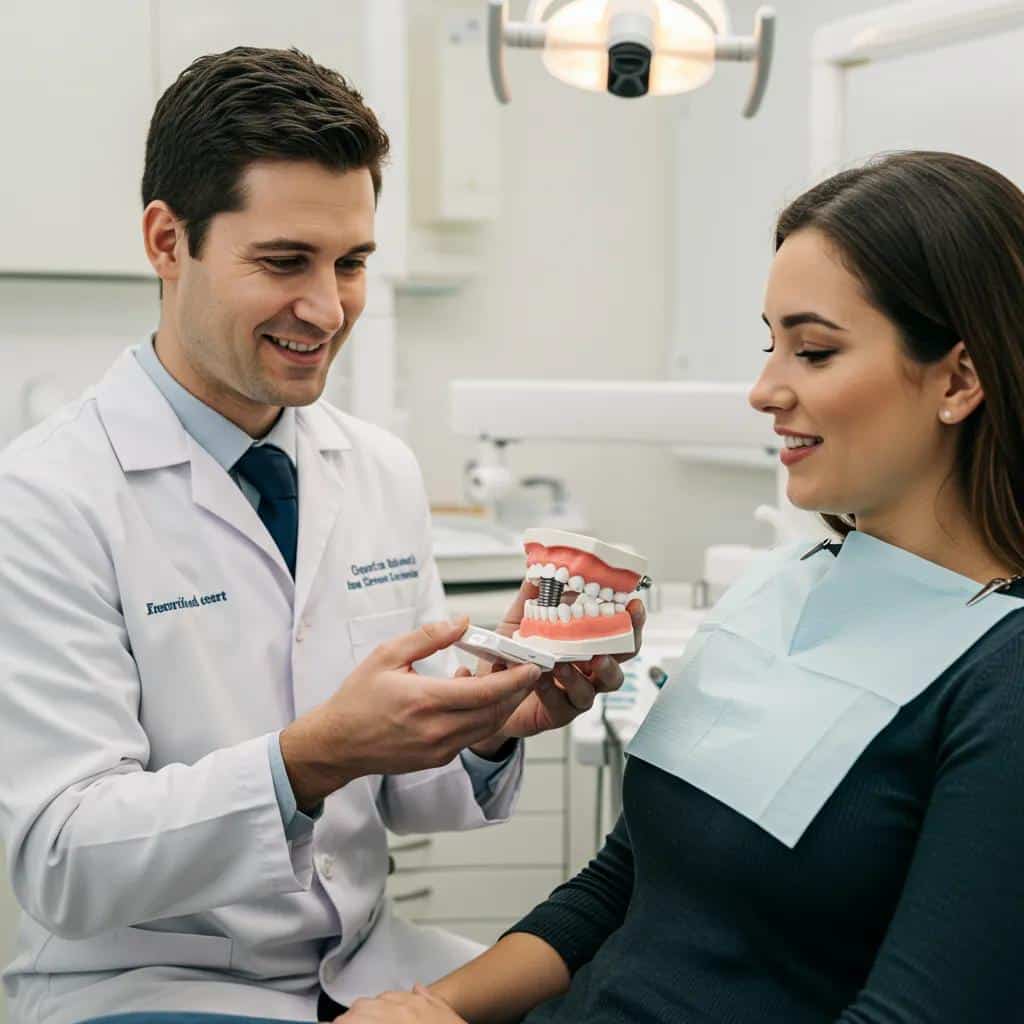
Initial diagnostics establish whether implants are viable and what preparatory work is required, combining imaging, clinical exams, and specialist planning. Diagnostics reveal bone volume, nerve location, sinus anatomy and overall oral health—information that directly influences the need for grafting, the type of implant, and the prosthetic approach. These early steps typically include periapical and panoramic X-rays, CBCT (3D imaging) when bone structure assessment is necessary, and consultations with a restorative dentist or oral surgeon to create a treatment plan. Because diagnostic choices map to downstream surgical and prosthetic costs, an accurate upfront assessment reduces the risk of unexpected procedures. Below is a concise table comparing common diagnostic items, their primary purpose, and typical out-of-pocket ranges to help you estimate initial spend.
The table below summarizes typical diagnostic procedures and their usual cost ranges to aid budgeting and insurance conversations.
Diagnostic Procedure
What It Evaluates
Typical Cost Range (USD)
Periapical X-ray
Single-tooth detail of root and surrounding bone
$20–$75
Panoramic X-ray
Full-arch overview of jaws and teeth
$60–$150
CBCT / 3D imaging
Bone volume, nerve paths, sinus anatomy for implant planning
$200–$700
Specialist consultation
Treatment planning with prosthodontist/oral surgeon
$75–$300
This comparison highlights that 3D imaging gives the most actionable implant planning data but also represents the largest single diagnostic cost. Ask your provider whether a CBCT is necessary for your case and whether consultation fees are bundled or separate, since that affects the initial estimate and pre-authorization needs.
How Much Do X-Rays and 3D Imaging Typically Cost?
Periapical and panoramic X-rays deliver essential radiographic information at lower cost, while CBCT or 3D imaging is used when precise three-dimensional bone assessment is required for implant placement. A periapical X-ray focuses on one or a few teeth and is inexpensive, whereas a panoramic X-ray captures both jaws and helps detect broader pathology; CBCT scans map volumetric bone and critical anatomical structures for implant trajectory planning. Insurers sometimes cover basic X-rays but often treat CBCT as a specialized diagnostic, so coverage varies and pre-authorization may be necessary. Because CBCT provides data that can prevent inappropriate implant choices and reduce intraoperative surprises, its cost should be weighed against the potential savings of avoiding corrective procedures.
When discussing imaging with your clinician, request an itemized estimate noting whether the scan is a separate fee or included in the consultation so you can compare quotes accurately. Clear communication about imaging necessity reduces the chance of repeat scans later in the timeline, which can add unexpected expense.
The use of advanced imaging like CBCT is crucial for accurate implant planning, but its higher cost necessitates careful consideration of its diagnostic value.
CBCT for Dental Implants: Optimizing Dose and Image Quality
The potential of high resolution, three-dimensional (3D) images which overcome limitations such as superimposition and anatomical noise of two-dimensional (2D) conventional imaging, has made cone beam computed tomography (CBCT) an increasingly popular imaging modality in many dental applications. It is in light of the increasingly prevalent use of CBCT, particularly in a primary dental care setting, that the goal of this review is to investigate what evidence-based guidance is available to the clinician to justify and reduce radiation risk of this higher dose imaging modality while maintaining diagnostically acceptable images. To this end, the literature on radiation dose and related patient risk was comprehensively investigated, before an analysis of the ways in which dose can be optimized and the implications that optimization has on image quality was discussed. Finally, although it is accepted that CBCT has the potential to improve diagnosis, it is uncertain if its use has positive
An analysis of effective dose optimization and its impact on image quality and diagnostic efficacy relating to dental cone beam computed tomography (CBCT), HF Duncan, 2018
Are Consultations and Specialist Evaluations Included in Initial Costs?
Consultations establish diagnosis, treatment sequencing, and whether additional specialists—such as a prosthodontist or oral surgeon—are required, with fees that can be separate or bundled depending on clinic policy. A general dentist’s consult may be included in an exam or billed modestly, while a specialist consultation typically carries a higher fee because it includes advanced planning and often the review of 3D imaging. Some practices offer bundled treatment plans that include diagnostic imaging and initial planning, which simplifies billing but can obscure individual line items when comparing providers. Patients should ask upfront whether treatment planning, imaging review, and pre-op assessments are itemized or consolidated into a single package.
Requesting written, itemized estimates for consultations and second-opinion evaluations helps reveal whether follow-up diagnostics or laboratory planning fees will appear later in the invoice. This transparency is especially useful when comparing quotes across practices or when seeking insurer pre-authorization.
What Surgical and Implant Placement Expenses Should You Expect?
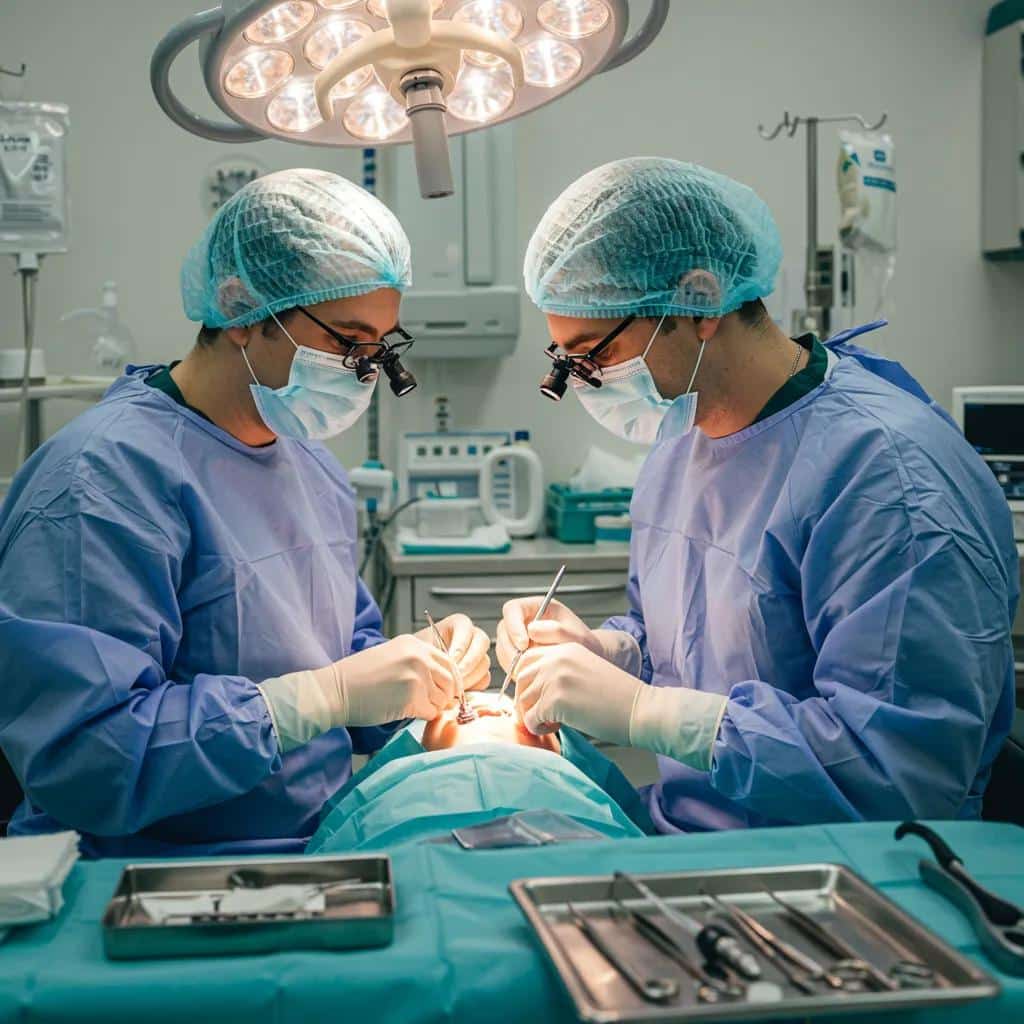
Surgical placement expenses combine the implant fixture cost, surgeon or clinician fees, surgical guides and lab-fabricated components, and any adjunctive procedures like bone grafting or sinus lifts that increase complexity. Implant fixtures themselves vary by design and material, but equally important are the clinician’s operating costs, facility fees, and the use of surgical guides or customized guides that improve accuracy. Adjunctive procedures such as bone grafts—ranging from small socket grafts to larger block grafts—and sinus lifts to augment upper-jaw bone add both time and cost to surgery, and they extend the treatment timeline. Understanding how these components interact clarifies why two implant cases with identical implant fixtures can have very different price tags based on grafting needs and surgical complexity.
Below is a table comparing common surgical and adjunctive items with typical cost ranges to show what primarily drives surgical pricing and where you might expect variability.
Surgical Item
Purpose / Attribute
Typical Cost Range (USD)
Implant fixture (per tooth)
The implanted titanium or zirconia post
$600–$2,500
Surgeon/operator fee
Placement expertise and clinical time
$300–$1,500
Surgical guide
3D-printed guide for precise placement
$150–$600
Bone graft (simple)
Minor socket or ridge augmentation
$200–$1,200
Sinus lift
Elevates sinus to allow implants in upper jaw
$900–$3,000
How Do Implant Materials and Brands Affect Pricing?
Implant fixture price is influenced by brand, design, and material—titanium remains the common standard while zirconia is an alternative with aesthetic and biological considerations—each option carries different price points and clinical trade-offs. Higher-end brands may command premium pricing due to long-term research, proprietary surface treatments intended to enhance osseointegration, and established availability of compatible restorative components. Multi-piece systems that allow custom abutments and angulated solutions can increase lab complexity and cost compared with single-piece implants. Clinically, brand selection can affect component compatibility, warranty policies, and the ease of obtaining restorative parts in the future, which may justify a higher upfront cost for some patients.
When comparing options, evaluate long-term value not just initial price: an implant system that reduces risk of complications or simplifies restoration can save money over time. Ask your clinician for the implant brand and material proposed, why it is recommended for your anatomy, and whether alternatives exist offering similar outcomes at lower cost.
What Are the Costs of Bone Grafting and Sinus Lifts?
Bone grafting and sinus lift procedures restore or augment deficient jawbone to create a stable foundation for implants; costs depend on graft type, the volume needed, use of membranes or biologics, and whether autograft harvesting is required. Graft materials include autograft (patient’s own bone), allograft (donor bone), xenograft (animal-derived), and synthetics—each with distinct cost and healing profiles. Small socket grafts are relatively economical, while large lateral ridge augmentations or staged block grafts incur higher fees and longer healing periods. Sinus lifts, which make implants possible in the posterior upper jaw, are more complex and consequently among the most costly adjunctive procedures.
Because grafting affects both timeline and total expenditure, discuss with your clinician whether a staged approach or simultaneous graft-and-implant placement is clinically appropriate and how that impacts cost and healing expectations. Conservative grafting that targets only what is necessary can reduce unnecessary expense without compromising implant success.
How Much Do Temporary and Permanent Prosthetics Cost?
Prosthetic costs include temporary restorations used during healing and final permanent crowns, bridges, or full-arch prostheses; materials, lab fees, and whether a custom abutment is required strongly influence final pricing. Temporary crowns are designed for short-term function and esthetics while implants integrate and usually cost considerably less than the final restoration. Final restorations range from single crowns to multi-unit bridges or implant-supported overdentures, with ceramic materials and custom shading increasing lab time and cost. The decision between stock and custom abutments, choice of crown material (porcelain fused to metal, monolithic zirconia, layered ceramics), and lab reputation all contribute to the final invoice.
The table below compares common prosthetic types, typical materials, expected cost ranges, and longevity notes to clarify how prosthetic choices affect long-term maintenance budgets.
Prosthetic Type
Materials
Typical Cost Range (USD)
Longevity / Notes
Temporary crown
Acrylic or composite
$50–$250
Used during osseointegration; multiple adjustments possible
Standard single crown
PFM or monolithic zirconia
$800–$2,000
Durable 5–15+ years with good care
Custom abutment + crown
Titanium/zirc. abutment + ceramic crown
$1,200–$3,000
Improved aesthetics and fit; higher upfront cost
Full-arch fixed prosthesis
Multi-material + lab work
$8,000–$30,000+
Long-lasting solution; significant lab fees
What Are the Price Differences Between Temporary Crowns and Final Restorations?
Temporary crowns are less expensive because they are made from lower-cost materials and manufactured quickly to maintain esthetics and function during osseointegration, while final restorations use higher-grade ceramics and more complex lab techniques. Temporaries often cost a fraction of the final crown but can require additional visits for adjustments or replacement if they fail, which adds small costs over time. Final crowns and bridges involve custom shade selection, occlusal adjustments, and precise margins, which increase lab fees and chair time. Although temporaries represent a smaller line item, they are essential to protect soft tissues and ensure a predictable emergence profile for the final prosthesis.
Consider the trade-off between cheaper temporary materials and the cost of potential repeat visits; a modest investment in a well-made temporary may reduce complications and simplify final restoration fit, saving time and money in the long run.
How Do Custom Abutments Influence Overall Expenses?
Custom abutments provide tailored emergence profiles, improved angulation correction, and enhanced esthetics when compared with stock abutments, but they typically carry a material and laboratory premium. Custom abutments—machined from titanium or zirconia—improve crown fit and gingival outcomes in challenging cases, which can reduce chair-time and adjustments at crown delivery. The cost increment for a custom abutment is offset in many cases by better long-term prosthetic stability and reduced need for remakes. In esthetically demanding anterior cases or where implant angulation requires compensation, custom abutments are often recommended despite the added upfront expense.
When budgeting, ask whether the restorative quote includes abutment type (stock vs custom) and whether the clinician anticipates custom components for your case; factoring this into your estimate prevents surprises when final lab invoices arrive.
What Are the Post-Surgery Recovery and Follow-Up Care Costs?
Post-surgery recovery includes scheduled follow-up visits to monitor healing, adjustments to temporaries or occlusion, prescriptions for medications, and potential emergency visits for issues like infection or acute pain; these elements may be billed separately or included in surgical fees depending on practice policy. Typical follow-up schedules include a first-day or first-week check, a one-month review, and a pre-restoration assessment months after placement to verify osseointegration. Routine post-op visits are important for suture removal, soft-tissue management, and early detection of complications that could otherwise require more intensive—and expensive—interventions. Planning for these predictable post-op costs as part of the implant budget reduces the chance of being caught off guard by separate follow-up or medication charges.
Patients should request an itemized post-operative care estimate and clarify what follow-up care is included in the surgical fee. Transparent discussion about post-op expectations and billing practices helps align financial planning with realistic clinical timelines.
The clinic providing implant and denture services also offers follow-up implant visits and emergency contact pathways for post-operative issues; patients are encouraged to consult the practice directly via its website or Google Business Profile for booking and location details. This factual note is provided to help readers locate local follow-up care without making promotional claims.
How Much Do Follow-Up Visits and Adjustments Typically Cost?
Follow-up visits for routine checks—suture removal, soft-tissue assessment, and occlusal examination—often carry modest fees when billed separately, while adjustments to temporaries or minor repairs may be billed per visit or included in a warranty period. Typical follow-up visit fees vary by practice but can range from a minimal co-pay to a full procedure charge if a restorative adjustment or repair is performed. Some clinics offer bundled post-op care for the initial healing period, which simplifies billing; others itemize each follow-up and adjustment. Because minor occlusal corrections or the replacement of a temporary crown are common, patients should budget modest additional funds for these predictable items.
Ask your provider whether follow-up visits for the first 3–6 months are included in the surgical fee, and whether adjustments to temporaries or initial occlusal corrections have separate charges so you can compare provider estimates accurately.
Are Medications and Pain Management Included in Recovery Expenses?
Medications commonly used after implant surgery—over-the-counter NSAIDs, prescription analgesics, and antibiotics when indicated—may be included in a bundled surgical fee or presented as a separate pharmacy expense, depending on the clinic’s billing approach. Over-the-counter analgesics are inexpensive, while prescription pain medications and antibiotics can increase the out-of-pocket cost if not included. Additionally, if a patient requires in-office sedative top-ups or extended post-op monitoring due to medical complexity, these services may carry additional fees. To minimize surprise costs, ask whether prescribed medications are dispensed by the clinic at an added charge or provided as a written prescription filled at an outside pharmacy.
Comparing quotes should therefore include explicit questions about medication inclusion and whether any routine post-op medications are built into the surgical price. This clarity helps create an accurate recovery budget and avoids unexpected pharmacy bills.
What Additional Fees Might Arise During the Dental Implant Process?
Unexpected fees can appear when treatment plans change or complications arise; common additional charges include upgraded sedation, repeat imaging, emergency visits, lab remakes for restorations, and unplanned adjunctive procedures. These fees typically occur when intraoperative findings differ from pre-op expectations, when soft-tissue or bone requires additional management, or when restorations need remake due to occlusion or esthetic mismatch. Some fees—like lab remakes—relate directly to prosthetic quality control, while others—like emergency visits—are unpredictable. Anticipating a contingency fund of a modest percentage of the projected total implant cost provides a practical buffer against such eventualities.
Below is a bulleted list of commonly encountered additional fees and the circumstances that trigger them to help readers prepare contingency planning for their budget.
Additional fees that may arise include sedation upgrades when a deeper level of anxiety control is needed, repeat CBCT scans if treatment plans change, emergency clinic visits for acute complications, and lab remakes for restorations requiring refinement.
Lab remakes often result from occlusal discrepancies or esthetic mismatch and may incur significant lab and chair time expenses depending on the complexity of the restoration.
Emergency appointments can carry urgent-care or after-hours premiums and may be necessary to manage infections, persistent bleeding, or severe post-operative pain.
Proactively asking providers for an itemized contingency estimate—covering likely additional fees and how they are billed—reduces surprises and enables better comparison between clinics.
How Do Sedation and Anesthesia Affect the Total Price?
Sedation options range from local anesthesia (typically included in the surgical fee) to oral sedatives, nitrous oxide, intravenous (IV) sedation, and general anesthesia, with escalating costs reflecting increased monitoring requirements and personnel. IV sedation and general anesthesia require additional clinical staff, monitoring equipment, and sometimes facility fees, which can substantially raise the total procedural cost. Clinically, deeper sedation may be recommended for full-arch procedures, complex grafting, or highly anxious patients, but the clinical necessity should be carefully weighed against the additional expense. Safety and recovery concerns also differ by sedation level, making pre-op medical evaluation and informed consent essential components of the cost-benefit discussion.
When budgeting, ask whether the quoted surgical fee assumes local anesthesia only and whether higher-level sedation options are optional upgrades with separate pricing. Understanding what is included avoids unexpected anesthesia line items on the final invoice.
Are There Costs for Imaging Updates or Additional Diagnostics?
Repeat or updated imaging may be necessary if treatment plans change, if healing does not proceed as expected, or if symptoms suggest a complication; these situations trigger additional diagnostic fees such as an extra CBCT, targeted periapical X-rays, or specialist re-evaluation. Imaging updates provide critical information to guide revision procedures and should be factored into a realistic contingency budget. Practices differ on whether repeat imaging is billed individually or included as part of a follow-up care package, so confirm billing practices ahead of time. Limiting unnecessary repeats—by ensuring thorough initial diagnostics and clear treatment planning—helps control these potential costs.
Ask providers under what circumstances they would repeat imaging and whether a repeat scan would be billed separately so you can account for these possibilities in your financial planning.
How Can You Budget Effectively for Dental Implant Expenses?
Effective budgeting starts with requesting itemized estimates, verifying insurance details for implant exclusions or partial coverage, evaluating financing options, and setting aside a contingency reserve for unexpected costs. Itemized estimates let you compare provider offerings on a like-for-like basis and ensure you understand what is included—imaging, surgical fees, implant fixtures, prosthetics, and post-op care. Insurance for implants is commonly limited; many plans exclude implants or cap prosthetic coverage, so obtaining pre-authorization and an insurance benefits summary is an essential early step. Financing alternatives—medical/dental credit, third-party lenders, or in-house payment plans—help spread cost, but borrowers should compare APRs, fees, and total repayment amounts to avoid hidden charges.
Below is a numbered, step-by-step checklist to guide patients through practical budgeting actions that map to the implant timeline and help secure accurate quotes and financing terms.
Request a fully itemized written estimate covering diagnostics, surgery, grafting, implant fixtures, prosthetics, and post-op care.
Contact your dental and medical insurers for pre-authorization and a written benefits summary that clarifies implant exclusions and prosthetic limits.
Compare financing options by APR, term length, and fees; include in-house plans and third-party credit while calculating total repayment cost.
Set aside a contingency fund equal to 10–20% of the estimated total to cover unexpected imaging, adjustments, or minor revisions.
The dental office providing implants and dentures can assist patients with financing and insurance discussions; individuals are encouraged to consult the practice through its website or Google Business Profile for personalized estimates and to confirm available payment options. This factual mention reflects service availability only and does not constitute an endorsement.
Navigating the financial landscape of dental implants can be complex, as patients often face significant out-of-pocket expenses, leading to a need for careful negotiation and decision-making.
Dental Implant Costs: Patient and Clinician Decision-Making
The aim of this study is to examine how clinicians and patients negotiate clinical need and treatment decisions within a context of finite resources. Dental implant treatment is an effective treatment for missing teeth, but is only available via the NHS in some specific clinical circumstances. The majority of people who receive this treatment therefore pay privately, often at substantial cost to themselves. People are used to paying towards dental treatment costs. However, dental implant treatment is much more expensive than existing treatments – such as removable dentures. We know very little about how dentists make decisions about whether to offer such treatments, or what patients consider when deciding whether or not to pay for them.
Paying for treatments? Influences on negotiating clinical need and decision-making for dental implant treatment, CE Exley, 2009
What Insurance Options and Financing Plans Are Available?
Insurance realities vary: many dental plans exclude implant placement while sometimes covering portions of restorative dentistry, making it essential to obtain a written explanation of benefits and check for pre-authorization requirements. When implants are excluded, patients may still receive partial coverage for adjacent procedures such as crowns or certain prosthetic components, depending on plan specifics. Financing options include third-party dental lenders, medical credit cards, and in some cases, in-house payment plans; each option differs in APR, fees, and qualification criteria. Evaluating total repayment amounts, penalties for late payments, and whether financing covers only the prosthetic portion or entire treatment helps choose the most cost-effective option.
Ask insurers specific questions such as whether they cover implant-supported restorations, require pre-authorization, or limit annual benefits; document responses and request claim examples so there is no ambiguity when treatment begins.
How Can You Compare Quotes and Avoid Hidden Fees?
Comparing quotes requires a checklist that clarifies what each line item covers, distinguishes bundled from unbundled charges, and identifies warranty or maintenance terms for restorations. Key questions to include are: Does the surgical fee include implant fixtures? Are imaging and consults bundled? Do prosthetic quotes include abutments and lab fees? Is post-op care and follow-up included or billed separately? Getting answers in writing and requesting sample invoices from prior cases helps reveal typical additional charges. Negotiating clarity around bundled pricing and warranty terms prevents later disputes and enables apples-to-apples comparisons.
Use the checklist below when comparing providers to ensure consistent comparisons and to uncover potential hidden fees.
Confirm whether imaging, lab fees, and abutments are included in the quoted prices.
Ask about warranty coverage for restorations and the cost of remakes or repairs.
Request a timeline that links each billed item to a clinical milestone to understand when charges will appear.
Consistent use of this checklist reduces the chance of surprise invoices and supports confident decision-making.
What Are Common Cost-Saving Tips Without Compromising Quality?
Cost-saving measures that preserve clinical outcomes include staging treatment to combine procedures when clinically appropriate, choosing material options with proven performance, and obtaining multiple itemized quotes to negotiate better lab or bundled rates. Selecting high-quality but cost-effective restorative materials—such as monolithic zirconia for posterior crowns—can lower lab expenses while maintaining durability. Staging procedures so that grafting and implant placement are combined where appropriate reduces separate anesthetic and facility charges, but this must be balanced against healing biology and risk. Additionally, working with a clinician who provides transparent, itemized pricing enables targeted negotiation on lab fees or implant brands without compromising essential surgical standards.
Below are practical, non-promotional tips to reduce expense while maintaining care quality.
Ask about staged versus combined procedures and the clinical pros and cons of each approach.
Select restorative materials that balance cost with durability—discuss long-term maintenance costs, not just initial price.
Get multiple detailed quotes and compare lab reputations, warranty terms, and included services.
Can Choosing Different Implant Materials Reduce Expenses?
Implant materials—commonly titanium and, increasingly, zirconia—differ in material cost, laboratory compatibility, and clinical indications, and these differences influence price but also clinical suitability. Titanium implants are broadly used, well-supported by clinical evidence, and tend to offer lower-cost options across many brands, whereas zirconia implants carry a premium in many markets due to material processing and fewer long-term studies. While choosing a lower-cost brand or material may reduce initial expenses, consider potential trade-offs in prosthetic compatibility and long-term parts availability. Clinical suitability should drive material selection; cost reductions that compromise biological fit or restorative support risk creating future expenses.
Discuss with your clinician whether a given material is appropriate for your anatomy and esthetic goals; selecting the right balance between initial cost and long-term reliability optimizes the overall value.
How Does Timing and Treatment Planning Impact Overall Costs?
Timing and strategic treatment sequencing—such as consolidating procedures or choosing immediate-load protocols versus delayed restoration—affect the number of surgical events, anesthesia sessions, and separate lab costs, thereby influencing the final price. Combining grafting with implant placement when clinically feasible reduces duplicate anesthesia or facility fees, but it can complicate healing if bone volume is marginal. Immediate-load implants shorten the timeline but may increase prosthetic complexity and lab costs, whereas a delayed approach can simplify restorative steps at the cost of longer treatment time. Thoughtful planning that balances clinical risk with cost efficiency reduces redundant procedures and overall spend.
Work with your treatment team to map a timeline that minimizes separate billable events without increasing complication risk; this coordination is a key lever for cost-effective implant care.
How Do Recovery Time and Complications Influence Additional Costs?
Recovery duration and the occurrence of complications such as infection, peri-implantitis, or implant failure can substantially increase total costs through removal procedures, additional grafting, and replacement implants; timely aftercare reduces these risks and associated expenses. Implant failure scenarios typically require removal of the failed fixture, site management including debridement and possibly additional grafting, and later re-implantation with associated surgeon and lab fees. Insurance coverage for failures or revisions is inconsistent, and warranty coverage from manufacturers or labs rarely covers biological failure, making out-of-pocket planning essential. Preventive aftercare—good oral hygiene, adherence to dietary recommendations during healing, and timely follow-up—reduces complication rates and the probability of costly corrective interventions.
What Are the Financial Implications of Implant Failure or Revisions?
Correction of implant failure can involve multiple billable steps: removal of the failed implant, site cleaning and possible grafting to restore lost bone, and later placement of a replacement implant and final restoration—each step carrying surgeon, lab, and material costs. Revision procedures can therefore approach or exceed the original treatment cost depending on the extent of bone loss and the need for complex grafting. Causes such as unmanaged peri-implantitis, insufficient initial bone, or systemic health factors can increase failure risk and hence potential revision expense. Some warranties may cover prosthetic remakes but rarely cover biological failure or additional grafting, so financial responsibility often remains with the patient.
Prioritizing prevention—meticulous hygiene, regular maintenance visits, and prompt treatment of early signs of inflammation—limits the likelihood of expensive revisions and preserves long-term value.
How Can Proper Aftercare Minimize Unexpected Expenses?
Consistent aftercare—daily oral hygiene adapted for implants, adherence to soft-food protocols during healing, and scheduled maintenance visits—reduces the incidence of complications that drive unexpected costs such as infections or prosthetic remakes. Maintenance visits include professional cleaning to manage peri-implant biofilm and periodic occlusal checks to prevent mechanical overload on restorations, both of which protect implant longevity. Early recognition and treatment of redness, bleeding, or mobility often avert progression to costly peri-implantitis treatments or removal. A modest ongoing maintenance budget for hygiene visits and occasional adjustments is therefore an economical investment compared with major corrective surgeries.
Establish a maintenance schedule with your clinician and document what routine care is included versus billed separately to sustain implant health and limit future financial surprises.