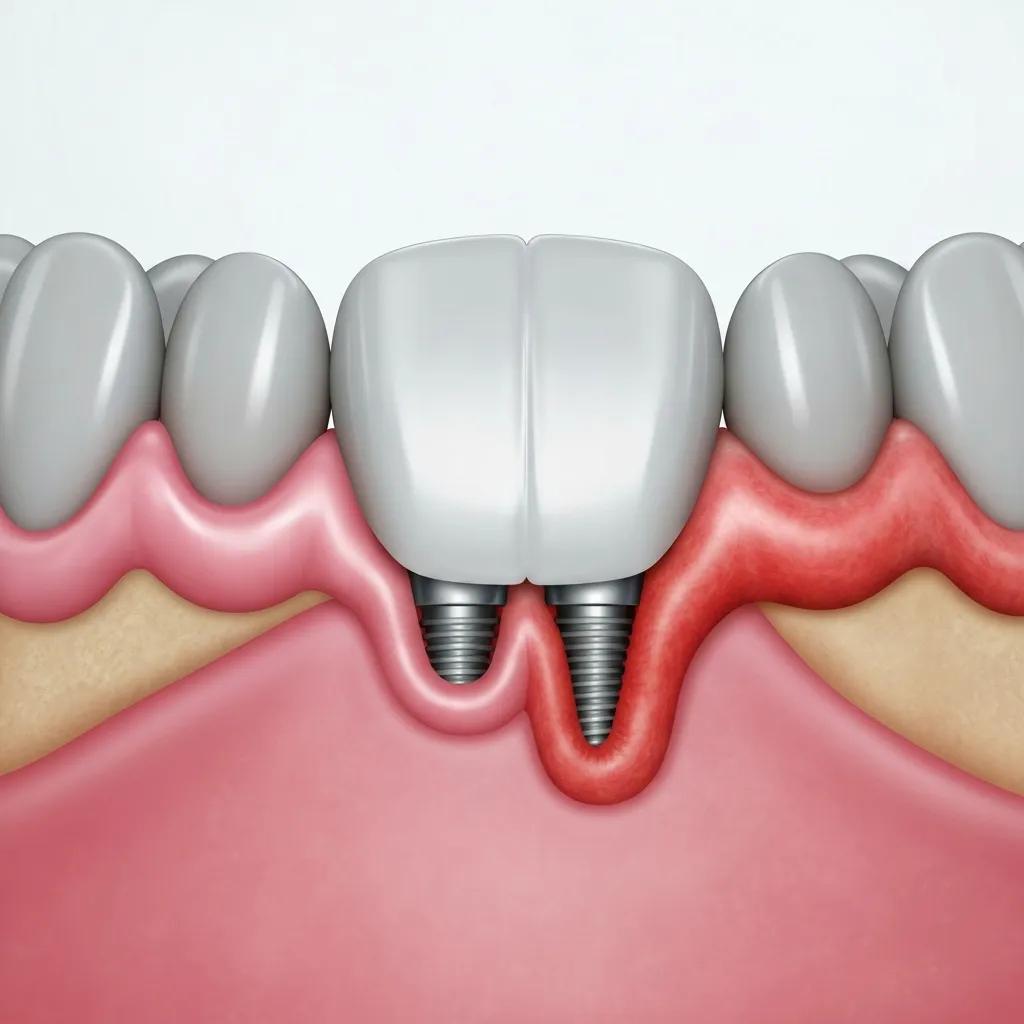
6 Health Conditions That Might Keep You From Getting Dental Implants: Understanding Eligibility and Risks
Dental implants replace missing teeth by integrating a titanium implant fixture into the jawbone to support an abutment and prosthetic crown, restoring function and esthetics. Certain health conditions—systemic illnesses and local oral problems—can interfere with osseointegration, healing, or long-term stability, and may make immediate implant placement unsafe or less predictable. This article explains six common health conditions that often influence implant eligibility, how each condition affects the biology of healing and load-bearing, and practical steps patients can take to improve candidacy. Early evaluation and coordination with medical providers frequently convert conditional contraindications into treatable risk factors, while specific dental therapies (for example, periodontal therapy or bone grafting) address local barriers to implant success. A free consultation is available to assess candidacy and plan next steps, and this guide will walk you through the medical and dental assessments, typical mitigation strategies, timelines, and what to expect at that consult. Read on to learn how diabetes, osteoporosis, gum disease, bone loss, autoimmune conditions, cardiovascular issues, and common medications or behaviors can change your implant pathway and what proactive steps you can take to qualify.
What Are the Most Common Health Conditions That Affect Dental Implant Eligibility?
Health conditions that affect dental implant eligibility fall into two categories: systemic illnesses that impair healing and local oral conditions that compromise the jawbone or soft tissues. Systemic problems such as uncontrolled diabetes and active autoimmune disease increase infection risk and delay wound repair by altering immune function and vascular responses, which reduces predictable osseointegration. Local conditions—most notably active periodontal disease and severe jawbone resorption—remove the bony foundation needed to anchor an implant fixture, creating mechanical and biological barriers to long-term stability. Understanding both systemic and local mechanisms helps patients and clinicians plan interventions like improved metabolic control, periodontal therapy, or bone augmentation to convert a high-risk case into a viable implant candidate. Below are two of the most frequently encountered systemic contributors, explained with their mechanisms and practical management.
How Does Diabetes Impact Dental Implant Success and Healing?
Diabetes affects implant outcomes primarily through hyperglycemia-driven impairment of immune cell function and microvascular circulation, which slows soft-tissue repair and bone remodeling. Elevated blood glucose impairs neutrophil chemotaxis and macrophage activity, increasing infection risk at surgical sites and reducing the cellular processes that support osseointegration. Clinical evidence indicates that well-controlled diabetes (stable HbA1c and absence of frequent hyperglycemic episodes) results in implant success rates approaching those of non-diabetic patients, while poorly controlled diabetes shows higher early failure and infection rates. Practical steps for diabetic patients include coordinating care with the primary care physician or endocrinologist, optimizing glycemic control before surgery, reviewing medications that impact healing, and scheduling closer postoperative follow-up with possible prophylactic antibiotics when clinically indicated. Patients who bring recent lab results and a current medication list to their consults enable the dental team to tailor timing and perioperative precautions, improving the chance of predictable implant integration.
Why Is Osteoporosis a Concern for Jawbone Support in Dental Implants?
Osteoporosis reduces bone mineral density and alters bone microarchitecture systemically, which can affect the jaw by reducing cortical thickness and trabecular support needed for primary implant stability. Osseointegration depends on the bone remodeling cycle—osteoblast and osteoclast activity—to form intimate contact between bone and the implant surface; systemic bone loss can slow or alter this process and may require alternative planning. Assessment often includes clinical evaluation and imaging to evaluate ridge quality, and collaboration with medical providers to confirm that osteoporosis management (e.g., bisphosphonate or other antiresorptive therapy) is optimized and safe relative to surgical procedures. Interventions to address jawbone concerns include grafting or choosing implant designs that maximize surface contact, and in some cases delaying surgery until systemic therapy is stabilized; follow-up imaging helps confirm successful integration. Clear communication between dentist and physician reduces risk, and patients with treated, stable osteoporosis frequently receive implants successfully with appropriate planning.
Before moving to local oral disease, it is important to recognize that systemic control often dictates whether local treatments—like grafting or periodontal therapy—are offered and how they are sequenced.
How Does Gum Disease Prevent Successful Dental Implant Placement?
Periodontal disease is a chronic bacterial infection of the gums and supporting bone that directly undermines the tissues implants rely on for long-term success. Active periodontitis creates a pathogenic biofilm, inflamed soft tissues, and progressive bone loss; placing an implant into an infected site risks immediate contamination and later peri-implantitis, a destructive inflammatory condition around implants. Treating periodontal disease prior to implant surgery reduces local microbial load, halts progressive bone loss, and establishes a healthy soft-tissue environment that supports osseointegration and long-term maintenance. Standard pre-implant protocols include non-surgical therapy (scaling and root planing), localized or systemic antimicrobials when indicated, and surgical periodontal procedures for regenerative or resective needs; adequate healing time and maintenance are required before proceeding with implant placement. Effective periodontal control also reduces the chance of future peri-implant infection and improves prognosis, so clinicians emphasize stabilization and ongoing periodontal maintenance as integral steps toward implant candidacy.
What Are the Risks of Active Periodontal Disease on Implant Failure?
Active periodontal disease increases the risk of implant failure by maintaining a reservoir of pathogenic bacteria that can colonize implant surfaces and trigger peri-implantitis, which resembles periodontitis but can progress faster around implants. The inflammatory environment leads to marginal bone loss around the implant, loss of soft-tissue seal, and eventual failure if left untreated, because implants lack the periodontal ligament that helps natural teeth resist infection. Studies show that a history of severe periodontitis raises the risk of peri-implant disease, making meticulous decontamination, surgical correction, and postoperative hygiene essential for long-term success. Management includes aggressive infection control, enhanced oral hygiene instruction, and scheduled supportive periodontal therapy to preserve the peri-implant tissues. Early intervention and consistent maintenance convert many cases from high-risk into successful long-term outcomes.
How Can Gum Disease Be Treated Before Getting Dental Implants?
Pre-implant periodontal treatment follows a stepwise approach that begins with thorough non-surgical therapy to reduce bacterial load and inflammation, followed by reassessment and targeted surgical procedures if pockets or bone defects persist. Non-surgical therapy typically involves scaling and root planing combined with patient-level behavior change—improved brushing and interdental cleaning—to reduce plaque biofilm and pocket depth. If significant bone defects or recession remain, periodontal surgery such as flap access with regeneration or recontouring can re-establish favorable architecture and facilitate stable soft-tissue seals around future implants. Clinicians typically allow a recommended healing interval—often several months—during which clinical and radiographic markers are monitored before proceeding to implant placement. Successful pre-implant periodontal therapy not only reduces infection risk but also improves aesthetic outcomes and long-term tissue stability around implant-supported restorations.
To summarize, controlling local infection lays the foundation for any subsequent bone grafting or implant placement and connects directly to the next major constraint: jawbone quantity and quality.
Condition
How It Affects Implant Eligibility
Typical Management / Next Steps
Diabetes (uncontrolled)
Impaired wound healing, higher infection risk, altered bone remodeling
Coordinate with physician, optimize HbA1c, consider prophylactic antibiotics, close post-op monitoring
Osteoporosis
Reduced bone density and altered remodeling can affect primary stability
Local infection and bone loss increase peri-implantitis risk
Non-surgical and surgical periodontal therapy, maintenance program, reassess before implantation
Can Bone Loss or Low Jawbone Density Disqualify You From Dental Implants?
Insufficient jawbone volume or poor bone quality can limit the mechanical stability necessary for an implant fixture to osseointegrate and withstand functional loads, making bone assessment a core part of pre-implant planning. Bone deficits can arise from long-term tooth loss, periodontal disease, trauma, congenital anatomy, or sinus pneumatization in the upper posterior jaw; clinicians use clinical exam and radiographic imaging to quantify height, width, and density for planning. When deficiencies are present, augmentation techniques—such as ridge augmentation, block grafts, or sinus lift procedures—restore volume and create a scaffold for new bone formation, enabling delayed implant placement with improved prognosis. Timing and technique selection depend on the type and extent of the deficit, patient medical history, and whether simultaneous implant placement is feasible; healing timelines vary but are predictable with appropriate graft material and stabilization. Clear expectations about additional procedures and realistic timelines help patients plan financially and medically, and many patients who begin with insufficient bone ultimately receive durable implant restorations after augmentation.
When Is Bone Grafting Necessary to Support Dental Implants?
Bone grafting is indicated when ridge width or height is inadequate to achieve primary implant stability or when a sinus cavity has expanded into the vertical space needed for implants in the upper jaw. Grafting options include autograft (patient bone), allograft (donor human bone), xenograft (animal-derived graft), and synthetic bone substitutes; each option has trade-offs in availability, remodeling rate, and morbidity. The choice of graft depends on defect size, desired healing characteristics, and patient preferences; small defects may be managed with particulate grafting and membranes, whereas larger defects sometimes require block grafts or staged reconstruction. Typical healing windows before implant placement range from a few months for particulate grafts to longer for larger reconstructions; follow-up imaging confirms bone volume and density before surgical implant placement. Proper graft selection and stabilization reduce the risk of resorption and provide a stable platform for osseointegration when the implant is placed.
How Does Bone Loss Affect Long-Term Implant Stability?
Bone loss alters load distribution around an implant and increases susceptibility to marginal bone loss under occlusal stresses or peri-implant inflammation, leading to late complications if not monitored. Mechanical factors—such as implant diameter, prosthetic design, and occlusal scheme—interact with biological factors like bone remodeling and infection control to determine long-term outcomes; compromised bone demands careful prosthetic planning to minimize overload. Early signs of marginal bone loss include increased probing depths, bleeding, and radiographic changes; these signs trigger interventions ranging from occlusal adjustment and protective devices to surgical correction and grafting. Long-term stability requires routine clinical and radiographic follow-up, tailored maintenance intervals, and rapid response to inflammatory signs to preserve supporting bone. With proper planning, load management, and maintenance, many patients with prior bone loss achieve durable implant solutions.
Bone Deficit Type
Recommended Augmentation Option
Typical Timeline to Implant Placement
Narrow ridge (width loss)
Ridge expansion or particulate graft with membrane
3–6 months healing before implant placement
Vertical deficiency
Block graft or guided bone regeneration
4–6+ months, depending on graft source
Maxillary posterior vertical loss (sinus pneumatization)
Lateral or crestal sinus lift with grafting
4–9 months before reliable implant placement
What Role Do Autoimmune Disorders Play in Dental Implant Candidacy?
Autoimmune disorders and their therapies can alter host defense mechanisms and wound-healing dynamics, increasing infection risk and affecting bone remodeling necessary for implant integration. Conditions such as rheumatoid arthritis, systemic lupus erythematosus, and inflammatory bowel disease vary widely in activity and treatment; medications like systemic corticosteroids or biologic immunosuppressants blunt inflammatory responses and may delay or complicate healing. Assessment focuses on disease stability, timing relative to medication cycles, and obtaining medical clearance when indicated to balance infection risk and treatment benefits. Modifications to the implant plan might include staged procedures, antibiotic coverage, altered timing of surgeries, or enhanced postoperative monitoring; multidisciplinary coordination ensures the safest path to implant therapy. Patients with well-controlled autoimmune disease who provide up-to-date medical documentation often proceed successfully with tailored perioperative strategies.
How Do Autoimmune Diseases Affect Healing After Implant Surgery?
Autoimmune diseases impact healing both through the underlying inflammatory process and the medications used to control it, which can suppress immune function and reduce the body’s capacity to fight local infection or mount a normal reparative response. For example, chronic systemic inflammation diverts resources from tissue regeneration, whereas long-term corticosteroid therapy impairs collagen synthesis and angiogenesis—both essential for stable soft-tissue and bone healing. Clinicians evaluate disease activity and collaborate with specialists to determine if temporary medication adjustments or specific timing around biologic therapy can minimize surgical risk without compromising systemic disease control. Perioperative strategies may include prophylactic antibiotics, staged surgical approaches, and more frequent follow-ups to detect early signs of complications. With deliberate planning and physician input, many patients achieve predictable outcomes despite autoimmune diagnoses.
Dental Implant Success in Immunocompromised Patients: A Systematic Review
Impaired health conditions and related lack of adequate host healing are among the most important conditions that account for dental implant failure. Today clinicians face an increasing number of immunocompromised patients requesting implant-based rehabilitation. To provide clinical evidence for prospective decision-making, the aim of this systematic review and meta-analysis was to analyse the influence of immunodeficiency on dental implant survival.
Dental implants in immunocompromised patients: a systematic review and meta-analysis, F Duttenhoefer, 2019
When Should Patients With Autoimmune Conditions Consult Their Physicians?
Patients should consult their physicians well before scheduled implant surgery to obtain documentation of disease stability and to discuss safe perioperative medication management, which helps the dental team plan timing and risk mitigation. The medical clearance typically addresses current disease activity, recent flares, medication types and schedules, and any lab values or infection risk indicators the dentist should consider. Specific questions to ask the physician include whether immunosuppressive therapy can be safely paused or timed around surgery, what prophylactic measures are recommended, and whether additional laboratory testing (for example, markers of inflammation or basic metabolic panels) is advisable. Clear written guidance from the treating clinician allows the dental team to proceed with a coordinated plan that balances systemic disease control and surgical safety. This multidisciplinary approach reduces surprises and supports a safer surgical course.
Coordination with medical providers transitions naturally into consideration of cardiac health, which also frequently requires medical clearance and modified perioperative planning.
How Do Heart Conditions and Cardiovascular Health Influence Dental Implant Surgery?
Cardiovascular conditions influence dental implant care through perioperative hemodynamic risks, infection concerns, and interactions with anticoagulant therapies that affect bleeding control. Patients with significant heart disease need individualized risk assessment because anesthesia, surgical stress, and potential bacteremia are considerations when planning oral surgery. Anticoagulant or antiplatelet medications pose bleeding challenges that must be balanced against thrombotic risks if altered; coordination with the prescribing cardiologist determines safe perioperative strategies. The dental team often requests medical clearance for patients with active cardiac conditions to confirm stability and to obtain guidance on perioperative medication management. When clearance is obtained and plans are coordinated, many cardiac patients proceed to implants with adjustments such as local hemostatic measures, staged surgery, or modified sedation to minimize physiologic stress.
What Are the Surgical Risks for Patients With Heart Conditions?
Surgical risks for cardiac patients include hemodynamic instability during sedation or anesthesia, increased susceptibility to infection that could theoretically contribute to endocarditis in high-risk individuals, and excessive bleeding in those on anticoagulant therapy. To mitigate these risks, clinicians perform careful preoperative assessment, choose sedation levels that match the patient’s cardiac tolerance, and employ local measures like suturing techniques and hemostatic agents to control bleeding. For patients at higher cardiac risk, the team may schedule shorter procedures, stage surgical steps across visits, or use minimal sedation while ensuring continuous monitoring. Communication with the cardiologist and adherence to evidence-based perioperative medication guidance reduces adverse events and supports safe implant surgery in many patients with stable cardiac conditions.
Why Is Medical Clearance Important Before Dental Implant Procedures?
Medical clearance documents the patient’s cardiovascular stability, details current medications (especially anticoagulants and antiplatelets), and provides recommendations about perioperative management that directly influence surgical timing and approach. Typical clearance content includes confirmation of disease control, allowable sedation options, instructions on medication continuation or temporary interruption, and any required lab tests or follow-up obligations. This clearance informs decisions such as whether to use general anesthesia, postpone elective surgery, or adjust hemostatic strategies, ensuring patient safety while preserving implant treatment goals. Obtaining clearance creates a clear, shared plan between dental and medical providers, reducing the chance of perioperative complications and supporting predictable clinical outcomes.
A careful medical clearance process dovetails with attention to lifestyle and medication-related risks that also affect candidacy and healing.
What Other Factors and Medications Might Prevent Dental Implant Success?
Beyond chronic diseases, several behaviors and medications materially influence healing, infection risk, and implant longevity; prominent examples include smoking, bisphosphonate use, anticoagulants, and bruxism. Smoking causes vasoconstriction, impairs oxygen delivery to healing tissues, and increases the risk of early implant failure and peri-implantitis. Antiresorptive medications such as bisphosphonates are associated in rare cases with medication-related osteonecrosis of the jaw, creating a higher-stakes decision-making environment for surgical procedures. Anticoagulants change bleeding risk and may require a coordinated plan for perioperative management, while bruxism subjects implants and prosthetics to excessive mechanical loads that can lead to hardware fracture or marginal bone loss. A thorough medication and habit review at the consult stage identifies these risks so that clinicians can recommend cessation strategies, medication coordination, protective appliances like nightguards, or alternative prosthetic plans to reduce complications.
How Does Smoking Increase the Risk of Dental Implant Failure?
Smoking increases implant failure risk through several mechanisms: nicotine and combustion by-products cause local vasoconstriction, reducing blood flow and oxygen delivery essential for wound healing, and smoking promotes a pro-inflammatory microenvironment that hinders osseointegration. Epidemiological studies consistently show higher rates of early failure and peri-implantitis among current smokers compared with non-smokers, while cessation before and after surgery reduces but does not fully eliminate this increased risk. Practical recommendations typically include stopping smoking several weeks before surgery and maintaining abstinence during the healing period; clinicians may also use adjunctive measures like enhanced oral hygiene and more frequent follow-ups for patients who smoke. Counseling and support for cessation are important because modifying this behavior materially improves surgical outcomes and long-term implant prognosis.
Which Medications, Like Bisphosphonates, Affect Healing and Implant Eligibility?
Certain medication classes influence bone healing, bleeding, and immune competence, and must be disclosed during evaluation; examples include bisphosphonates and other antiresorptives, anticoagulants, and systemic immunosuppressants. Bisphosphonate-related osteonecrosis of the jaw (MRONJ) is a rare but serious complication primarily associated with high-dose or intravenous antiresorptives used in oncology, and it requires careful risk assessment and physician collaboration when considering elective implant surgery. Anticoagulants and antiplatelet agents increase perioperative bleeding risk; the dental and medical teams must weigh the risks of stopping versus continuing these drugs and plan local hemostatic strategies accordingly. Immunosuppressive drugs reduce infection resistance and may necessitate timing adjustments and prophylactic measures. Full disclosure of all medications at the consult enables clinicians to request medical input, adjust surgical timing, and implement targeted precautions to reduce adverse outcomes.
Impact of Systemic Diseases and Medications on Osseointegration for Dental Implants
This research investigates the impact of systemic diseases and medications on the process of osseointegration—where bone tissue adheres to implant surfaces during oral rehabilitation. It highlights the challenges posed by factors such as age, hormonal changes, and specific medications like calcium-channel blockers and cyclosporine, emphasizing the increasing importance of understanding these impacts as the demographic for implant-based treatments ages. The study concludes that while many systemic contraindications are relative, careful evaluation of each patient’s condition is vital, especially as those most in need of rehabilitation often have pre-existing systemic health issues.
Impact of systemic diseases and medication on osseointegration, M Quirynen, 2003
How Can Bruxism Lead to Implant Complications?
Bruxism applies excessive cyclic forces to implants and prosthetic components, potentially causing mechanical overload, screw loosening, fracture of prosthetic material, and progressive marginal bone loss. Unlike a natural tooth, an implant relies on rigid osseointegration and lacks a periodontal ligament, so it can be less forgiving of high parafunctional forces if not planned for. Diagnosis involves clinical signs—wear facets, muscle hypertrophy, and patient report—and sometimes sleep or bite analysis; management includes occlusal adjustment, designing restorations to distribute forces, and fabricating protective nightguards to mitigate load. Proactive planning and monitoring reduce the chance of prosthetic failure and preserve supporting bone, enabling implants to function successfully despite bruxism when appropriate protective measures are used. Patients with significant parafunction may require more durable restorative materials and closer maintenance schedules.
Because many of these medical and behavioral factors are detectable and manageable at an early visit, the next section explains the practical, stepwise assessment process that determines candidacy.
What Steps Can You Take to Assess Your Dental Implant Candidacy?
A structured, step-by-step assessment clarifies candidacy and creates an individualized plan that addresses medical and dental risk factors before implant surgery. The evaluation sequence begins with a comprehensive medical history and medication review, proceeds to a focused dental exam and periodontal assessment, and includes imaging—typically radiographs or CBCT—to measure bone volume and anatomic constraints. Based on findings, the clinician recommends pre-treatment such as periodontal therapy, bone grafting, smoking cessation support, or physician coordination for medical clearance; these steps are prioritized to reduce risk and optimize timing. Clear communication, bringing current medical records and medication lists to the consult, and following preoperative instructions help patients move efficiently from assessment to treatment. Below is a practical checklist patients can follow to prepare for a candidacy evaluation.
Bring an up-to-date medication list and relevant medical records to your appointment so the dental team can assess systemic risks.
Be prepared to discuss current smoking habits, sleep issues (such as suspected bruxism), and prior dental history including periodontal treatment.
Expect imaging requests (radiographs or 3D scans) and a periodontal chart as part of the candidacy assessment to quantify bone and soft-tissue status.
Why Is a Free Dental Implant Consultation Important for Patients With Health Conditions?
A free dental implant consultation provides a structured opportunity for a medical and dental risk review, targeted imaging, and a personalized plan that outlines necessary pre-treatments, timeframes, and coordination with medical providers—Affordable Dentist Near Me in Crowley offers free dental implant consultations. During the consult, clinicians evaluate systemic disease control, review medications, perform a periodontal exam, and order imaging to quantify bone volume and locate anatomical constraints that influence implant design. The consult produces actionable next steps, such as referring for medical clearance, scheduling periodontal therapy, planning bone grafting, or initiating smoking-cessation support; it also clarifies prognosis and expected timelines so patients can make informed decisions. By offering this no-cost assessment, clinicians reduce barriers for patients with complex health histories and enable a coordinated, stepwise route toward safe implant therapy.
How Does Affordable Dentist Near Me in Crowley Support Patients With Complex Health Issues?
Affordable Dentist Near Me in Crowley offers free dental implant consultations and emphasizes affordability with “EVERYDAY LOW FEES,” while operating in a state-of-the-art facility staffed by experienced professionals; these attributes help patients with medical complexity access evaluation and coordinated care. During the free consult, the practice screens medical history and medications, evaluates oral health and bone needs, and outlines next steps—such as periodontal therapy, imaging, or medical clearance—so patients understand what is required before implant surgery. The clinic’s affordability focus and experienced team allow patients to explore staged treatment options that fit their clinical needs and budgets, and the modern facility supports diagnostic imaging and procedural planning. Patients with medical concerns benefit from the practice’s emphasis on clear communication and interprofessional coordination to create safe, individualized implant pathways.
After understanding candidacy steps and local clinic support, patients often have specific, short questions — the next section addresses the most common ones succinctly.
What Are the Most Frequently Asked Questions About Health Conditions and Dental Implants?
This FAQ-style section answers common patient queries with clear, concise responses optimized for quick understanding and featured snippets. Short answers emphasize that many contraindications are conditional, not absolute, and they point readers to the free consultation for personalized assessment when appropriate. Below are the most frequent questions patients ask when concerned about medical eligibility for implants.
What Medical Conditions Commonly Prevent Dental Implants?
A small group of conditions can be absolute or relative contraindications depending on severity; absolute contraindications are rare, while many conditions are conditional and manageable with medical coordination. Absolute contraindications include active, severe systemic disease where surgery would pose undue risk, while relative contraindications include uncontrolled diabetes, active periodontal disease, recent cancer therapy affecting the jaw, or certain high-dose antiresorptive therapies. The practical course is evaluation rather than assumption—many conditions become treatable barriers through disease stabilization, medication review, or staged dental therapy. Discussing your full medical history and medication list at the consult determines whether a condition prevents implants or simply requires extra planning.
Can Patients With Diabetes or Osteoporosis Still Get Dental Implants?
Yes—patients with diabetes or osteoporosis often qualify for dental implants if their conditions are medically controlled and appropriate precautions are taken; the key determinant is disease stability rather than diagnosis alone. For diabetes, control demonstrated by stable HbA1c and coordination with the treating physician reduces infection and failure risks; for osteoporosis, understanding antiresorptive medication history and jawbone status guides the surgical plan. Additional measures—such as extended healing periods, bone grafting, or modified implant designs—address localized anatomic needs and improve prognosis. Scheduling a consult allows clinicians to review individual labs, medication regimens, and imaging to create a safe, evidence-based treatment plan.
Is Bone Grafting Always Required for Patients With Bone Loss?
No—bone grafting is not always required; the necessity depends on the type and extent of bone loss and the desired implant configuration. Minor ridge deficiencies may be corrected with local augmentation at the time of implant placement, while larger vertical defects or extensive resorption often need staged grafting before implants. Alternatives such as narrower implants or implant-supported removable prostheses can sometimes avoid complex grafting when patient preference or medical risk makes grafting less desirable. The consult and diagnostic imaging determine whether grafting is recommended, what type would be used, and the expected timeline to proceed to implant placement.
Below are three brief steps to prepare for a consult that addresses these FAQs:
Gather current medical records and a medication list to bring to your free consultation.
Note any history of periodontal disease, jaw surgery, or chronic conditions that might affect healing.
Be ready to discuss lifestyle factors—smoking, bruxism, or bisphosphonate use—that influence the treatment plan.
Factor
Impact on Implants
Clinic Action / Patient Expectation
Smoking
Impairs healing and increases failure risk
Counsel for cessation, possible delay of surgery until abstinence
Bisphosphonates
Small risk of osteonecrosis in certain regimens
Obtain medication history and medical input; may avoid elective implant placement in high-risk scenarios
For personalized assessment and to discuss whether you qualify for dental implants, Affordable Dentist Near Me in Crowley offers free dental implant consultations. Call (817) 984-5431 or visit the clinic at 200 E Main St, Crowley, TX 76036 to schedule an assessment and learn which next steps are recommended for your situation.