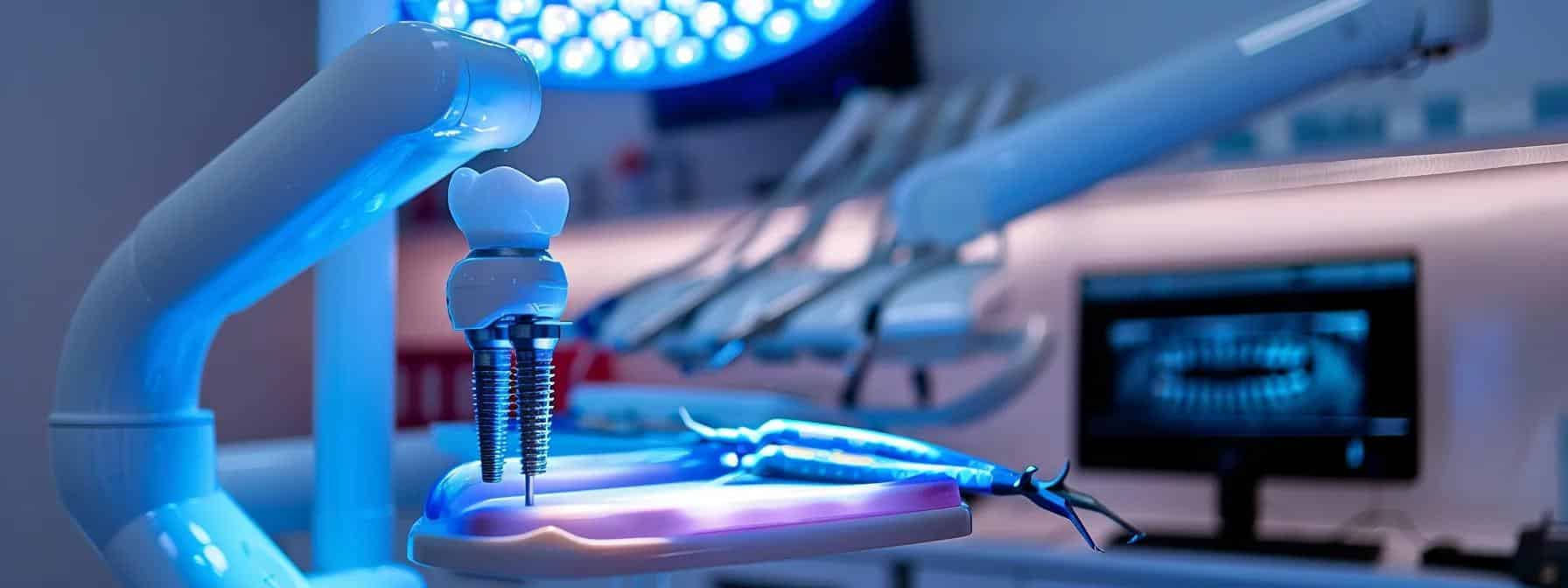
Dental implants in Mansfield offer a long-term solution to tooth loss with natural-looking aesthetics and improved oral function.
Advanced technology and a well-structured treatment process ensure successful osseointegration and enhanced durability.
Comprehensive care from your Mansfield dental implant specialist includes consultation, surgery, recovery guidance, and long-term maintenance.
Financing options and insurance coverage can make dental implant treatment an accessible investment in your smile.
Understanding Your Options for Dental Implants in Mansfield
Dental implants are a modern solution for replacing missing teeth in Mansfield. They involve inserting a titanium post into the jawbone to serve as the root for a crown, bridge, or denture. This method of tooth replacement restores function and aesthetics by mimicking natural tooth structure, resulting in improved chewing, speaking, and overall oral health.
What Are Dental Implants?
Dental implants are small, biocompatible titanium posts that are surgically inserted into the jawbone. They serve as a stable base for affixing artificial teeth. This process is supported by osseointegration, where the implant fuses with the bone tissue. Studies indicate that osseointegration contributes to a success rate exceeding 95% when proper care is maintained. Dental implants are designed to look, feel, and function like real teeth while also preventing the bone loss that can occur with traditional dentures.
Who Is a Good Candidate for Dental Implants in Mansfield?
Good candidates for dental implants are individuals with adequate bone density and overall good oral health who desire a long-term solution for missing teeth. They should not have any uncontrolled systemic diseases that might impair healing, such as uncontrolled diabetes. Additionally, patients who demonstrate a commitment to maintaining high standards of oral hygiene and regular dental visits benefit most from dental implant treatments. In Mansfield, dentists perform an initial exam to assess bone quality, gum health, and other factors, tailoring treatment plans to each patient’s unique medical history and lifestyle.
Different Types of Dental Implants Available
There are several types of dental implants available, including endosteal implants (placed directly in the jawbone), subperiosteal implants (placed on top of the bone under the gum tissue), and zygomatic implants (used in cases of severe bone loss). Additionally, specialized systems such as the All-on-4, All-on-6, and screw-retained overdentures provide innovative ways to support full arch restorations. Each type is designed to offer advantages depending on the patient’s bone volume, placement needs, and desired outcome. With advanced technology like the Elos scanbody and smartpeg osstell testing, practitioners in Mansfield are able to ensure precise implant positioning and long-term stability.
Comparing Dental Implants to Other Tooth Replacement Solutions
Dental implants stand out compared to bridges and dentures. Unlike bridges, implants do not require the alteration of adjacent natural teeth. They also offer superior stability compared to conventional dentures, which can slip or cause discomfort. Moreover, implant-supported prostheses contribute to bone preservation by stimulating the jawbone, reducing the risk of bone resorption over time. Clinical data shows that dental implants can last over 20 years with proper care, making them one of the most durable tooth replacement solutions available.
The Success Rate of Dental Implants
Dental implants have one of the highest success rates in restorative dentistry. Reports from the American Dental Association indicate that implants report success rates of 90–95% over a 10-year period. This high rate is due to factors such as biocompatible materials, state-of-the-art surgical techniques, and the strict adherence to post-operative care recommendations. Modern technology such as 3D imaging and computerized surgical planning helps predict outcomes accurately and minimize risks during the procedure.
Key Advantages of Selecting Dental Implants in Mansfield
Choosing dental implants in Mansfield provides numerous benefits for both the appearance and functionality of your smile. Aside from restoring a natural-looking set of teeth, implants are designed to be a definitive tooth replacement solution that improves oral health, supports proper chewing, and enhances self-confidence. The process not only limits the risk of bone loss but also supports nerve function and gum health over the long term.
Achieve a Natural-Looking Smile With Dental Implants
Dental implants are crafted to match the shape, size, and color of your natural teeth. The custom-made crown that sits atop the implant is designed using porcelain or ceramic materials to mimic natural tooth enamel, ensuring a seamless integration with adjacent teeth. This method eliminates the “fake” look often associated with removable dentures, permitting patients to smile, speak, and eat with confidence. The precise fabrication and personalized design mean that every crown is tailored specifically to the patient’s facial structure and dental arch.
Improved Chewing and Speaking Abilities
Implants function like real tooth roots, thereby enhancing chewing efficiency and speech clarity. Traditional dentures may shift or cause slippage, which can interfere with clear speech and effective chewing. Implants, however, are stable, fixed structures that allow patients to bite into food without discomfort or the fear of the appliance becoming loose. Clinical evidence demonstrates that implant-supported restorations help maintain proper digestion by allowing for a more varied diet, which is crucial for maintaining overall health.
Long-Term Durability of Dental Implants
The materials used in dental implants, specifically titanium, offer unmatched durability and strength. Once osseointegration is complete, dental implants can function for decades, often outlasting other forms of tooth replacement. With proper care and regular check-ups, the longevity of implants can surpass 20 years. This durability makes implants a cost-effective long-term solution, reducing the need for repeated replacement procedures and the associated discomfort and anxiety.
Preventing Bone Loss With Dental Implants
One of the standout benefits of dental implants is their ability to prevent bone resorption. Traditional dentures, when not used, can accelerate jawbone deterioration. Implants stimulate the jawbone during chewing and biting, maintaining bone density and structure. This biologic response not only preserves the facial structure but also facilitates better oral health outcomes over time. Many Mansfield dentists emphasize the importance of this natural stimulation to ward off the sagging and loss of bone that can lead to further dental complications.
Boosting Confidence With Mansfield Dental Implants
A restored smile can significantly boost self-esteem and overall quality of life. Patients often report feeling more confident when their smile is intact, which improves social interactions and even professional opportunities. The secure fit of implants also eliminates the worry of embarrassing dental mishaps. As patients regain functionality and aesthetics simultaneously, the psychological benefits are profound. A confident patient is more likely to engage in meaningful social and career activities, ultimately enhancing overall well-being.
The Dental Implant Journey With Your Mansfield Specialist
Embarking on the dental implant journey in Mansfield involves a multi-step process guided by your dental specialist. From the initial consultation to the final attachment of the custom crown, every step is designed to ensure a safe, effective, and comfortable transition to a restored smile. With careful planning, state-of-the-art tools, and a personal touch from experienced practitioners, patients receive comprehensive care every step of the way.
Your Initial Dental Implant Consultation in Mansfield
During the initial consultation, your dentist will evaluate your oral health, review your medical history, and take diagnostic images, often using advanced techniques like cone beam CT scans. This thorough assessment helps the specialist determine the bone quality, quantity, and overall feasibility of implant placement. The dentist will also discuss your treatment goals, potential risks, and expected outcomes. Patients are encouraged to ask detailed questions regarding post-surgical care, recovery time, and costs. This stage sets the foundation for all subsequent procedures and is crucial for customizing a treatment plan that fits your specific needs.
The Dental Implant Placement Process
The placement process begins with the surgical insertion of the implant into the jawbone. Local anesthesia is typically used to ensure patient comfort. In some cases, sedation may be offered—especially for procedures involving multiple implants or patients with anxiety. The implant is positioned carefully using a guided surgery approach, aided by digital imaging to ensure precision. This step is critical for achieving optimal angulation and depth, ensuring that the subsequent abutment and crown offer natural function. Surgeons also pay close attention to the surrounding tissue, maintaining soft tissue integrity to preserve gum health and aesthetic appearance.
Healing and Osseointegration for Dental Implants
Post-surgery, a healing phase is essential for osseointegration, during which the implant fuses with the jawbone. This process generally takes three to six months, depending on the patient’s bone density and overall health. During osseointegration, the stability of the implant gradually increases as the bone remodels around it. Your dentist will monitor the process through periodic check-ups and may advise dietary modifications or restrictions to support healing. Proper healing minimizes the risk of implant failure and ensures that the implant can bear functional loads. Maintaining excellent oral hygiene during this period is critical to prevent infection and promote optimal healing outcomes.
Attaching Your Custom Dental Crown in Mansfield
Once osseointegration is complete, the final restoration phase involves attaching a custom-made dental crown to the implant using an abutment. The crown is designed to match the color, shape, and size of your surrounding natural teeth, providing a harmonious and natural-looking smile. The process involves taking dental impressions and using computer-aided design (CAD) to fabricate the crown. Once the crown is ready, it is securely attached to the abutment with dental cement or a screw-retained system, ensuring stability. The result is a fully functional and aesthetically pleasing tooth replacement that integrates seamlessly with your existing dentition.
What to Expect During Recovery From Dental Implant Surgery
Recovery from dental implant surgery includes managing mild discomfort and swelling, typically using prescribed medication and following post-operative guidelines. Patients are advised to maintain a soft diet and to avoid strenuous activity for a few days following the procedure. Oral hygiene practices, such as gentle brushing and the use of antiseptic mouthwash, play a vital role in preventing infection during the healing phase. Regular follow-up visits with your Mansfield dental implant provider help monitor progress and allow for adjustments in care if necessary. Overall, a structured recovery plan, combined with professional guidance, contributes to a successful long-term outcome.
Choosing Your Mansfield Dental Implant Provider
Selecting a provider for your dental implants in Mansfield is critical to ensuring a successful procedure and long-term oral health. A highly qualified provider combines clinical expertise with modern technology and patient-centric care. By reviewing patient testimonials, understanding the technology used, and evaluating the provider’s credentials, you can make an informed decision to restore your smile confidently. The right provider will also offer transparent communication regarding treatment options, financial considerations, and aftercare, tailoring the approach to each individual’s needs.
Qualities of a Top Dental Implant Dentist in Mansfield
A top dental implant dentist in Mansfield possesses extensive clinical experience, advanced training in implantology, and a strong track record of successful outcomes. They maintain certifications from recognized bodies such as the American Dental Association and specialize in restorative and prosthodontic procedures. The dentist should be proficient with digital imaging technology and guided surgery systems, ensuring precision in every implant placement. Additionally, the qualities of empathy, clear communication, and a commitment to continuing education are essential. A reputable dentist will also provide realistic expectations regarding treatment duration, costs, and recovery, thus earning the trust and satisfaction of their patients.
Questions to Ask Your Mansfield Dental Implant Prospective Provider
Before undergoing the procedure, it is important to ask several key questions. Inquire about the dentist’s experience with similar cases, success rates, and any potential risks that might affect your outcome. Ask for details regarding the use of digital imaging and guided surgery if applicable, as well as post-operative care strategies. Discuss the financial aspects, including dental insurance coverage, financing plans, and cost transparency. Patient collaborations such as before-and-after case studies and testimonials from previous implant patients can provide valuable insights into the provider’s competency and reliability. These inquiries help ensure that you are fully informed about the process, reducing uncertainties associated with the treatment.
Reviewing Patient Testimonials for Dental Implants in Mansfield
Patient testimonials are a powerful indicator of a provider’s reliability and success. In Mansfield, many dental practices proudly showcase positive reviews that detail transformative experiences and life-changing results. These testimonials often emphasize the quality of care, personalized treatment plans, and the overall comfort experienced during the surgical and recovery phases. By reading reviews on independent platforms like Yelp and Google, potential patients can gauge the consistency and satisfaction levels of previous clients. Detailed feedback regarding communication, post-operative care, and the aesthetic outcome of the crowns further reinforces the trustworthiness of the dental practice.
Technology Used for Dental Implants in Mansfield Practices
Modern dental implant practices in Mansfield utilize a range of advanced technologies to enhance precision and safety. These include cone beam computed tomography (CBCT) for 3D imaging, digital scanners for accurate impressions, and computer-guided surgical planning systems. Additional tools such as the SmartPeg Osstell are used for monitoring implant stability during the healing phase. The integration of these technologies ensures that implant placement is optimal and minimizes risks. With these high-tech methods, dental professionals can provide quicker recovery times, improved implant integration, and a more predictable outcome for patients. Such technological advancements contribute significantly to the overall success of dental implant procedures.
Scheduling Your Dental Implant Assessment in Mansfield
Scheduling a dental implant assessment in Mansfield is a straightforward process. Many providers offer free initial consultations to thoroughly evaluate your oral health and determine your suitability for implants. During your appointment, you will have the opportunity to discuss your treatment options, review imaging results, and understand the entire procedure timeline. The scheduling process generally involves an initial phone call or online booking, followed by a set appointment where diagnostic tests, including X-rays or 3D scans, may be performed. This initial assessment is a crucial step in planning a personalized treatment plan that aligns with your dental needs and financial considerations.
Caring for Your New Dental Implants in Mansfield
Once your dental implants are successfully placed and restored, proper care and maintenance are essential to ensure their longevity. Your Mansfield dental specialist will provide detailed instructions and recommendations for both immediate post-operative care and long-term hygiene practices. Regular professional cleanings, home care routines, and periodic evaluations are necessary to keep the implants functioning well and prevent complications such as peri-implantitis.
Immediate Post-Operative Care for Dental Implants
Immediately after implant surgery, patients should follow a strict regimen to promote healing and avoid any complications. This includes using prescribed pain medications and anti-inflammatory drugs as directed, adhering to a soft diet to minimize pressure on the implant site, and avoiding smoking, which can impair healing. Ice packs may be used to reduce any swelling, and a gentle rinsing routine with an antiseptic mouthwash is recommended. Detailed instructions from your dental specialist ensure that you minimize the risk of infection and allow for optimal integration of the implant into the bone.
Long-Term Maintenance for Lasting Dental Implants
Maintaining dental implants over the long term requires diligent oral hygiene and regular dental visits. Patients are advised to brush twice daily with a non-abrasive toothpaste and to floss around the implant area using specialized tools, such as interdental brushes or water flossers. Routine professional cleanings and check-ups with your Mansfield dental provider will help identify any early signs of complications. Consistent care also prevents plaque build-up and gum inflammation, ensuring that the implants remain stable and functional for many years.
Recommended Oral Hygiene Practices for Dental Implants
Proper oral hygiene practices are vital for sustaining healthy dental implants. Using a soft-bristled toothbrush and non-abrasive toothpaste daily helps to clean the implant and surrounding gum tissue. Dental floss and interdental brushes are recommended for removing debris from between the implants and natural teeth. In addition, an antibacterial mouthwash can help reduce the bacterial load in the mouth. These practices, combined with regular dental check-ups, assist in preventing infections and ensuring the longevity of the implant-supported restoration.
Regular Check-Ups for Your Mansfield Dental Implants
Scheduling regular dental appointments is essential for monitoring the health of your implants. During these check-ups, your dental specialist will assess the integration of the implant, gum health, and overall oral hygiene. Professional cleanings help remove any plaque or calculus that may accumulate in hard-to-reach areas, and any potential issues can be addressed promptly before they develop into more serious complications. This proactive approach is key to maintaining both the function of the dental implant and the aesthetic appeal of your smile.
Foods to Favor and Avoid After Getting Dental Implants
After receiving dental implants, a balanced diet that supports healing and maintains implant integrity is crucial. It is recommended to favor soft foods that do not require excessive chewing, such as smoothies, soups, and mashed potatoes, initially after the surgery. Over time, reintroducing a variety of foods helps in restoring normal function gradually. Patients are advised to avoid very hard, sticky, or chewy foods immediately after surgery as these can put undue stress on the implant and affect the healing process. Nutrition also plays a significant role in bone health, so a diet rich in calcium and vitamin D can further promote osseointegration and long-term implant success.
Financial Considerations for Dental Implants in Mansfield
When planning for dental implants in Mansfield, understanding the financial aspects is as important as the clinical process. The cost of implants can vary based on complexity, the number of implants placed, and the type of restoration needed. In Mansfield, many dental practices offer affordable solutions with flexible financing plans and options for monthly payments. It is advisable for patients to inquire about dental insurance coverage and any available promotions or discounts that can help offset the overall expenses.
Average Cost of Dental Implants in the Mansfield Area
The average cost of a single dental implant in Mansfield generally ranges between $2,500 and $3,500. This cost often includes the implant fixture, abutment, and crown. Prices may vary depending on the complexity of the procedure and the specific materials used. While this investment might seem high initially, the long-term benefits and durability of the implant often result in lower overall treatment costs when compared to alternatives that require frequent replacements or adjustments.
Factors Influencing Dental Implant Pricing
Several factors contribute to the overall cost of dental implants. These include the level of bone density, the need for additional procedures such as bone grafting or sinus lifts, and the type of implant system selected (e.g., All-on-4 vs. single implant). Additionally, the use of advanced imaging and digital planning technology can sometimes add to the cost, though these measures also increase the predictability and safety of the procedure. Personalized treatment plans and the number of implants required further influence pricing, ensuring that each patient receives the most effective care for their specific condition.
Dental Insurance Coverage for Implants in Mansfield
Dental insurance plans vary widely in their coverage for implants. Some insurance policies classify implants as a cosmetic procedure and may offer limited or no reimbursement. However, many Mansfield dental providers assist patients in navigating insurance claims and may provide detailed cost estimates and financing options to make the procedure more accessible. It is important to consult with both your insurance provider and your dental office to understand what portion of the cost may be covered and what out-of-pocket expenses to expect.
Available Financing Plans for Dental Implants
To make dental implants more financially accessible, many practices in Mansfield offer financing plans that allow patients to pay over time. Options may include low-interest loans, in-house payment plans, or third-party financing arrangements. These flexible payment solutions enable patients to manage the cost without compromising their oral health. Often, these plans require an initial consultation to assess eligibility and provide a clear breakdown of monthly payments. Dental offices strive to ensure that financial considerations do not stand in the way of restoring your smile and function.
Making Dental Implants an Affordable Investment in Your Smile
Investing in dental implants is not only about immediate cost but also about long-term benefits for oral health, aesthetics, and overall quality of life. By choosing implants, patients can avoid additional expenses related to frequent replacements or repair of traditional bridges and dentures. With advanced technology, durable materials, and personalized care, dental implants offer a long-term solution that proves cost-effective over time. Comprehensive consultation and transparent financial planning with your Mansfield dental provider allow you to view implant treatment as a valuable investment in your future smile.
Detailed Lists and Tables
Detailed List: 7 Core Reasons to Consider Dental Implants in Mansfield
Natural Appearance – A Seamless Integration: Dental implants are meticulously designed to mimic natural teeth in both appearance and function. The custom-made crowns are color-matched and sculpted to blend perfectly with your existing teeth, ensuring that your restored smile appears completely natural. Clinical studies affirm that happy patients experience a boost in confidence and social engagement.
Enhanced Chewing Efficiency – Maximizing Nutrition: Implants provide a stable biting surface comparable to natural teeth. This stability allows for effective mastication, which improves digestion and nutrient absorption. Improved chewing function enables patients to enjoy a wider variety of foods, contributing to overall health and well-being.
Bone Preservation – Preventing Deterioration: Unlike dentures or bridges, implants stimulate the jawbone, preventing bone resorption—a common problem when teeth are missing. By maintaining bone density, implants help preserve facial structure and provide long-lasting results. This scientific principle is based on the natural process of bone remodeling stimulated by mechanical forces.
Durability and Longevity – A Lifetime Solution: When properly cared for, dental implants can reliably last for decades. Advanced materials such as titanium have been proven through long-term clinical research to offer exceptional strength and biocompatibility. This longevity not only minimizes the need for repeat dental work but also offers a cost-effective solution over time.
Improved Speech – Clarity and Confidence: The stable foundation provided by dental implants significantly improves speech compared to removable dentures. Patients report clearer pronunciation and reduced slurring because the implants remain firmly in place during conversation, thereby enhancing overall communication and self-esteem.
Ease of Maintenance – Simplified Oral Hygiene: Caring for dental implants involves the same basic oral hygiene routines as natural teeth. Regular brushing, flossing, and routine dental visits ensure the longevity of implants. This ease of care simplifies daily routines and reduces the likelihood of complications associated with traditional dentures.
Enhanced Self-Esteem – Boosting Overall Confidence: A complete smile can dramatically improve self-image and social participation. Patients who have undergone dental implant treatments report renewed confidence in both personal and professional settings. This psychological benefit further supports the decision to opt for implants as a permanent solution for tooth loss.
Detailed Table: Comparison of Tooth Replacement Options
Below is a table comparing dental implants to other tooth replacement solutions:
Before the table, it is important to note that dental implants provide a unique balance between function, appearance, and maintenance. After the table, patients should consider that while the initial cost of dental implants may be higher than other options, the long-term benefits such as bone preservation, natural aesthetics, and overall durability often justify the investment.
Detailed List: 7 Essential Oral Hygiene Practices for Dental Implants
Regular Brushing – Twice Daily Routine: Use a soft-bristled toothbrush with non-abrasive toothpaste to gently clean your implants and surrounding gums. Brushing twice daily helps to remove plaque and prevent bacterial buildup that could compromise the success of your implants. Maintaining a strict brushing routine is essential for long-term effectiveness.
Flossing – Using Specialized Tools: Daily flossing with dental floss or interdental brushes around the implant sites removes debris and plaque that might not be reached by brushing alone. This practice reduces the risk of peri-implantitis and supports healthy gum tissue. Specialized floss designed for implants can offer enhanced cleaning without damaging the soft tissue.
Antibacterial Mouthwash – Rinsing to Reduce Bacteria: Use an alcohol-free, antibacterial mouthwash recommended by your dentist to help lower the bacterial count in your mouth. This rinse plays a crucial role in minimizing inflammation and supporting healing around the implant sites. It is especially beneficial after meals to maintain a clean environment.
Professional Cleanings – Regular Dental Visits: Schedule professional cleanings with your Mansfield dental provider every six months. These visits allow for a thorough examination of your implants and the removal of any plaque or calculus that regular brushing might miss. Professional care is pivotal in preventing complications and ensuring implant longevity.
Avoiding Aggressive Cleaning Tools – Protecting Your Implant: Steer clear of abrasive cleaning instruments or overly vigorous brushing motions that could damage the implant crown or gum tissues. Using appropriate tools safeguards the integrity of your restoration, ensuring the aesthetic and functional quality of the implant remains intact over time.
Dietary Considerations – Supporting Oral Health Through Nutrition: A balanced diet that includes calcium, vitamin D, and antioxidants can promote bone health and overall oral well-being. Avoiding sugary and acidic foods can help minimize the risk of tooth decay and gum inflammation, thereby protecting your dental implants. Thoughtful nutrition choices support the natural processes of osseointegration and tissue health.
Lifestyle Adjustments – Avoiding Tobacco and Excessive Alcohol: Smoking and excessive alcohol consumption have detrimental effects on oral health and can significantly impair the healing process around dental implants. Quitting smoking and moderating alcohol intake improves blood flow and supports tissue repair, which are critical factors for the success and longevity of dental implants.
Detailed Table: Maintenance Schedule for Dental Implants
The table below outlines a recommended maintenance schedule for dental implants to ensure longevity and optimal function:
Timeframe
Action
Purpose
Frequency
Tools/Materials Needed
Expected Outcome
Provider Follow-Up
Immediately Post-Op
Follow dentist instructions, take prescribed medications
Manage pain and prevent infection
Daily during healing
Pain relievers, antiseptic mouthwash
Rapid initial recovery
At-home monitoring
1 Week Post-Op
Soft diet, avoid strenuous chewing
Allow healing of soft tissues
Once a week
Soft foods, dietary adjustments
Reduced swelling and discomfort
Telephone follow-up
1 Month Post-Op
Begin gentle brushing around implant area
Start gentle cleaning routine
Daily
Soft-bristled toothbrush, non-abrasive toothpaste
Initiation of oral hygiene maintenance
In-office check
3 Months Post-Op
Professional cleaning and detailed examination
Check implant integration and gum health
Every 3 months
Dental instruments, ultrasonic scaler
Early detection of complications
Routine dental check-up
6 Months Post-Op
Comprehensive dental exam and radiographic analysis
Monitor bone levels and implant stability
Biannually
X-rays, periodontal probes
Assurance of continued stability
Full evaluation
Annually
Full dental check-up with professional cleaning
Prevent long-term issues and maintain implant longevity
Yearly
Routine cleaning tools, examination tools
Long-term success, prevention of decay
Annual review appointment
As Needed
Immediate appointment if symptoms arise (pain, inflammation)
Early intervention for any complications
On symptom onset
Emergency dental tools
Prevention of implant failure
Urgent care visit
This meticulous maintenance schedule, coupled with patient adherence to recommended hygiene practices, ensures the long-term health and function of dental implants. Regular review and adjustments based on the patient’s progress are essential to prevent complications such as peri-implantitis.
Detailed List: 7 Financing and Insurance Considerations for Dental Implants
Understanding Overall Costs – Know What to Expect: Familiarize yourself with the breakdown of costs associated with dental implant treatment, including the implant fixture, abutment, crown, and any additional procedures such as bone grafts. By understanding each component’s cost, patients in Mansfield can better budget and plan for the entire treatment.
Insurance Coverage – Check Your Policy Details: Many dental insurance plans may partially cover implant procedures if classified as medically necessary. It is important to verify policy details with your provider, as coverage can vary widely. A thorough discussion with your dental office can help determine what expenses may be reimbursed.
Flexible Financing Options – Monthly Payment Plans: Many dental practices in Mansfield offer affordable financing plans that allow patients to spread out the cost over time. Monthly payment options make it easier to manage expenses without a large upfront cost, enhancing accessibility to quality care.
Third-Party Financing – Explore Loan Programs: Some patients opt for third-party financing options, such as personal loans or specialized healthcare credit lines, to cover the cost of dental implants. These options often provide competitive interest rates and flexible repayment terms.
Promotional Discounts – Watch for Special Offers: Dental offices occasionally offer promotional discounts or package deals for implant treatments, particularly during certain times of the year. It is advantageous to inquire about such offers during your consultation.
Transparent Cost Estimates – Request a Breakdown: A reputable dental office will provide a detailed cost estimate, including every component of the implant process. This transparent approach helps patients understand the long-term value and manage their financial expectations.
Value of Investment – Long-Term Savings Over Time: While the initial cost may be higher, dental implants offer durability and minimal maintenance compared to temporary solutions. Many patients find that the investment pays off in the long run due to improved oral function, superior aesthetics, and decreased need for frequent replacements.
Frequently Asked Questions
Q: How long does the entire dental implant process take from consultation to final restoration? A: The process typically takes several months. Initially, the consultation and planning stages may take a couple of weeks, followed by the surgical placement of the implant. The healing phase, during which osseointegration occurs, usually lasts three to six months. Once the implant is stable, the abutment and crown are placed, culminating in a fully functional restoration.
Q: Are dental implants painful after the procedure? A: Most patients report minimal pain post-surgery, as local anesthesia greatly reduces discomfort during the procedure. Post-operative pain is manageable with prescribed medication and over-the-counter pain relief. Most discomfort usually subsides within a few days, allowing patients to resume normal activities shortly after surgery.
Q: What are the risks associated with dental implant surgery? A: While dental implant surgery is generally safe, potential risks include infection, implant failure, nerve damage, or sinus complications. However, with proper planning, advanced imaging techniques, and strict adherence to post-operative care, these risks are minimal. Your Mansfield dental implant specialist will discuss all potential risks and precautions before proceeding.
Q: How do I care for my dental implants in my daily routine? A: Caring for dental implants involves regular brushing, flossing, and periodic dental cleanings. Using a soft-bristled toothbrush, non-abrasive toothpaste, and specialized floss or interdental brushes is recommended. An antibacterial mouthwash can also help reduce bacterial load. Regular dental visits ensure any issues are addressed promptly.
Q: Can dental implants improve my ability to chew and speak? A: Yes, dental implants significantly enhance both chewing and speech by providing a stable and natural replacement for missing teeth. Unlike removable dentures that may slip and affect pronunciation and biting efficiency, implants remain securely in place. As a result, patients experience improved oral function and overall quality of life.
Q: What financing options are available if I cannot pay the full cost upfront? A: Many Mansfield dental providers offer flexible financing plans that allow for monthly payments. Additionally, third-party financing options such as specialty loans may be available. It is important to discuss these options during your consultation to find a plan that fits your budget and financial situation.
Q: Do dental implants require special cleaning products or routines compared to natural teeth? A: Dental implants are maintained using the same oral hygiene practices as natural teeth; however, special care should be taken around the implant site. Using a soft-bristled toothbrush, non-abrasive toothpaste, and interdental brushes is recommended. Your dental professional may also suggest specific products that help prevent plaque build-up and maintain the health of surrounding tissues.
Final Thoughts
Dental implants in Mansfield represent a reliable, long-term solution for restoring a confident, natural smile. This comprehensive treatment supports both functional and aesthetic improvements and is backed by advanced technology and dedicated dental care. By choosing a specialized provider and adhering to a detailed maintenance routine, patients can enjoy enhanced oral health and overall well-being. For those considering dental implants, scheduling a free consultation can be the first step toward a renewed smile and a brighter future.