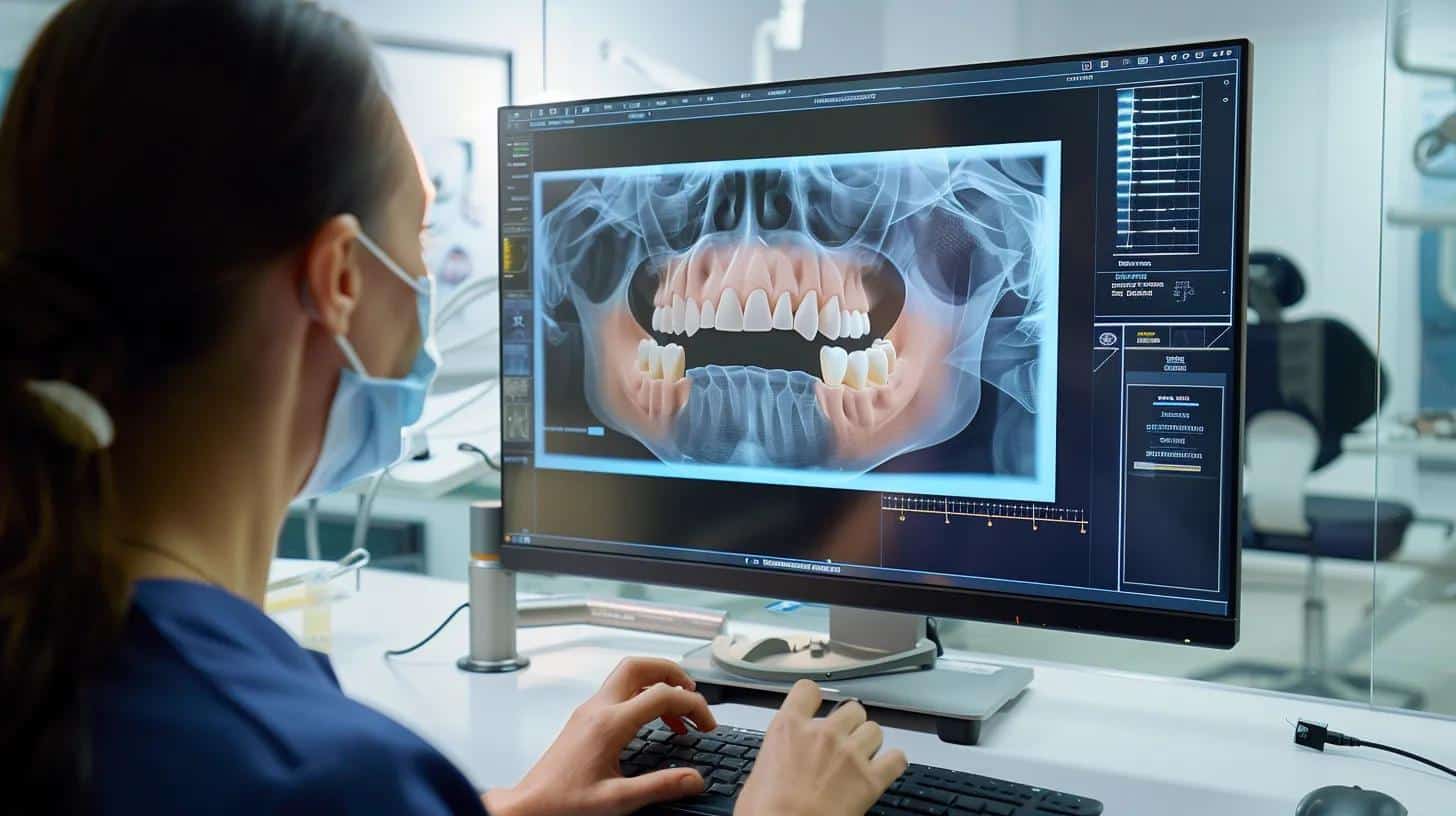
Dental implants have revolutionized modern dentistry by offering new-patient a reliable and durable solution for replacing missing teeth. In Lake Worth, TX, dental implant solutions are prized for restoring both the appearance of a smile and the functionality of chewing and speaking. Many patients in their 40s to 60s face challenges such as tooth loss, compromised jaw structure, and reduced confidence, which can lead to difficulties in daily life. Dental implants overcome these challenges by mimicking natural teeth in function and aesthetics. They are surgically implanted into the jawbone, providing a solid foundation that integrates with the bone over time. With advancements in dental technology and materials like titanium, zirconia, and high-performance ceramics, dental implants have become a cornerstone of cosmetic and restorative dentistry. If you are a new-patient interested in exploring these modern solutions, please schedule appointment with our expert team to discuss your options.
Patients considering tooth replacement are often concerned with the longevity of treatment, potential risks, and recovery. At our Lake Worth office, every dental implant procedure begins with a comprehensive evaluation to determine the best approach for each individual. This personalized treatment planning is paired with state-of-the-art surgical techniques and modern imaging technology to ensure precise implant placement. Our experts also review the full spectrum of replacement options—ranging from single tooth implants to full arch restorations—so that patients can make informed decisions that align with their oral health goals and budget.
The purpose of this article is to provide detailed insights into every stage of the dental implant process as performed in Lake Worth, TX. We will explore the materials used, the benefits of choosing implants over traditional bridges and dentures, the surgical journey including consultation, placement, healing, and final crown placement. Moreover, potential failure factors, lifestyle considerations, and post-procedure maintenance will be discussed. Whether you are a new patient or are considering upgrading your restorations, this article aims to demystify the entire process. By providing clear, comprehensive, and actionable information, dental patients are empowered to schedule a free consultation and explore how dental implants can restore their smile and quality of life.
To summarize the key points: dental implants restore function and aesthetics, preserve jawbone health, and offer an excellent alternative to bridges and dentures. They require a treatment process that starts with proper consultation and ends with smooth recovery. With our expert team in Lake Worth, TX, you can enjoy innovative dental care tailored to your unique needs.
Transitioning to deeper details, the following sections will explore the dental implant process step-by-step, highlighting options, procedures, maintenance tips, and insights into ensuring long-term success in Lake Worth.
Key Takeaways
Dental implants in Lake Worth, TX, offer a natural and long-lasting tooth replacement solution.
The procedure involves consultation, surgical placement, healing, and custom prosthesis placement.
Implants provide functional, aesthetic, and bone-preserving benefits compared to traditional methods.
Understanding potential failure factors and proper maintenance can extend implant longevity.
Our Lake Worth dental providers ensure expert care with advanced technology and personalized treatment.
Understanding Tooth Replacement With Dental Implants
Dental implants are created from biocompatible materials that allow them to integrate with the jawbone, effectively mimicking natural tooth roots. Materials commonly used include titanium, renowned for its strength and corrosion resistance, and zirconia, which offers an aesthetic, metal-free alternative. Their design facilitates osseointegration—a process where the implant fuses with the jawbone—thereby enhancing stability and function.
What Are Dental Implants Made Of
Dental implants are primarily composed of titanium or its alloys, chosen for their ability to form a stable bond with bone. Zirconia implants, increasingly popular for patients seeking a metal-free solution, mimic the natural translucency of teeth and yield minimal allergic reactions. In addition, the abutments and prosthetic crowns may be constructed from porcelain-fused-to-metal or all-ceramic materials, ensuring that the implant not only functions efficiently but also meets a patient’s aesthetic requirements. The materials used are rigorously tested to meet both strength and biocompatibility standards set by global regulatory bodies.
The Advantages of Choosing Dental Implants
Dental implants offer several distinct advantages. They transmit chewing forces directly to the bone, thereby preventing bone resorption—a common consequence of tooth loss. They also offer stability similar to natural teeth, improving chewing ability and speech compared to removable dentures. Furthermore, implants provide a long-term solution, often lasting several decades, which makes them cost-effective over time. Their design helps maintain facial structure and aesthetic harmony, boosting self-confidence and overall quality of life.
How Dental Implants Preserve Jawbone Health
Dental implants play a critical role in preserving jawbone health. When a tooth is lost, the absence of stimulation can cause the alveolar bone to deteriorate. Implants stimulate the jawbone during biting and chewing, promoting bone growth and density through osseointegration. This stimulation mimics the natural forces exerted by teeth, helping prevent the bone loss seen with other tooth replacement methods like bridges and dentures. Maintaining bone volume helps preserve facial structure and offers a robust foundation for future dental procedures if needed.
Comparing Dental Implants to Bridges and Dentures
Unlike traditional bridges and dentures, dental implants do not rely on adjacent teeth for support or require alteration of healthy teeth. While a bridge reshapes neighboring teeth to anchor a false tooth, implants stand alone and integrate with the bone. Dentures may cause discomfort, slipping, and require adhesives for stability. In contrast, implants provide a fixed solution that enhances bite efficiency, comfort, and aesthetics while reducing the risk of bone loss. Research and patient satisfaction studies have shown implants to achieve higher success rates and longer durability compared to bridges and dentures.
Are You a Candidate for Dental Implants
Not every patient is immediately eligible for dental implants; however, most healthy individuals can be good candidates after a comprehensive evaluation. Conditions such as sufficient bone density, controlled systemic health, and good oral hygiene are key for success. Patients with controlled diabetes or mild bone loss may require additional procedures like bone grafting to support the implants. A careful evaluation that includes radiographic imaging and dental history helps determine the ideal treatment plan, ensuring both safety and long-term success.
Exploring Your Options for Dental Implants in Lake Worth
Patients in Lake Worth, TX, have access to a wide range of dental implant solutions tailored to various needs. The versatility of dental implants allows for single tooth replacements, multiple adjacent teeth restorations, or full arch reconstruction. This flexibility ensures that patients—from those with isolated tooth loss to those with extensive dental damage—can regain full functionality and a natural smile.
Single Tooth Dental Implants in Lake Worth
Single tooth dental implants are designed to replace one missing tooth without affecting neighboring teeth. This precise method involves the surgical insertion of one implant into the jawbone, followed by the placement of a custom-made crown. The procedure preserves the surrounding natural teeth and bone structure, allowing for seamless integration within the dental arch. Clinical studies indicate that single tooth implants can last up to 25 years. With treatment plans developed using advanced imaging techniques, patients often experience minimal discomfort and rapid recovery.
Multiple Teeth Replacement With Implants in Lake Worth
For patients missing several teeth, multiple implants can be strategically placed to support a bridge-like structure. This solution offers enhanced stability without compromising healthy adjacent teeth. By distributing chewing forces across several implants, this approach ensures better load management and reduces the risk of individual implant failures. Patients enjoy improved oral function, increased confidence, and natural aesthetics with a design tailored to their dental architecture. The treatment involves detailed planning and precision with modern scanning technology to ensure exact placement.
Full Arch Restoration Using Dental Implants in Lake Worth
Full arch restoration, often referred to as “All-on-4” or similar systems, replaces an entire arch of teeth using just a few strategically placed implants. This procedure is ideal for patients with significant tooth loss and jawbone deterioration. It offers a fixed, stable solution that restores full oral functionality, eliminates the inconvenience of dentures, and provides superior aesthetics. With meticulous planning and temporary prostheses used during healing, patients can return to normal activity quickly. The restoration not only rejuvenates the smile but also reinforces jawbone structure, preventing further bone loss.
Same-Day Dental Implants Available in Lake Worth
Same-day dental implants have emerged as an efficient solution for patients seeking immediate results. Utilizing advanced digital imaging and computer-guided surgery, these procedures allow the placement of implants and temporary crowns in one appointment. While not every patient qualifies for same-day procedures, those with good bone quality and healthy gums can reduce treatment timelines significantly. Rapid restoration of aesthetics and function means reduced downtime and a quicker return to regular activities. This innovative treatment minimizes anxiety and improves satisfaction by offering visible improvements on the day of surgery, supported by structured follow-up.
Materials and Brands of Dental Implants We Offer
Our Lake Worth office works with reputable brands and uses high-quality materials for dental implant procedures. We offer titanium implants known for their excellent compatibility and durability, as well as zirconia implants for patients seeking a metal-free alternative. Additionally, the abutments and crowns are available in varying compositions, including porcelain-fused-to-metal and all-ceramic options. This variety allows us to tailor treatment to each patient’s needs, balancing durability, aesthetics, and cost efficiency. Each material is chosen based on clinical research and long-term performance metrics to ensure the best outcome.
The Dental Implant Procedure Journey in Lake Worth
Understanding the dental implant procedure is essential for patients to overcome fears and embrace the path to restoring their smile. The journey begins with an initial consultation, where comprehensive evaluations determine the best treatment plan. From diagnosis through recovery, each step is carefully executed to ensure the long-term success of the implant.
Your Initial Consultation for Dental Implants in Lake Worth
The initial consultation is the cornerstone of successful dental implant treatment. Our expert team assesses bone density, dental anatomy, and overall oral health through detailed radiographic imaging and examinations. Patients receive a clear explanation of their options, potential procedures, and expected outcomes. This session is designed to answer all questions and develop a personalized treatment plan that prioritizes safety, functionality, and aesthetics. At the end of the consultation, patients can schedule their implant placement and receive preparatory instructions for a smooth surgical process.
The Surgical Placement of Your Dental Implant
During the surgical phase of dental implant placement, local anesthesia or sedation is used for patient comfort. The surgeon makes a small incision in the gum tissue to expose the jawbone and carefully drills a precise socket for the implant. The implant, typically made of titanium, is then inserted into the bone, where it gradually integrates through osseointegration. State-of-the-art computer-guided techniques may be used to enhance accuracy. The procedure is minimally invasive and typically lasts less than two hours for a single implant. Pain management is addressed with post-operative instructions, and most patients return to normal activities within a few days.
Healing and Osseointegration After Implant Surgery
The healing process, crucial for implant success, involves osseointegration—when the implant fuses with the bone. This process can take several months and is supported by proper oral hygiene, a balanced diet, and regular follow-ups with the implant specialist. Temporary prostheses may be used during healing to maintain aesthetics while the implant stabilizes. Detailed care instructions help avoid complications such as infection or implant loosening, and regular monitoring ensures any early signs of issues are promptly addressed.
Attaching Your Custom Dental Crown or Prosthesis
Once osseointegration is complete, the next phase involves attaching the custom dental crown or prosthesis. This restoration is fabricated to match the patient’s natural tooth color, shape, and size, ensuring a seamless result. The crown is securely connected to the implant via an abutment, and meticulous adjustments are made for a natural bite and optimal functionality. The final fitting is guided by digital imaging and lab precision, resulting in a restoration that is both durable and nearly indistinguishable from natural teeth. The completed implant restores chewing efficiency and markedly improves facial aesthetics and patient confidence.
Recovery and Aftercare for Dental Implants
Post-operative recovery and strict aftercare are vital for long-term implant success. Patients are given specific instructions for maintaining oral hygiene, such as gentle brushing and the use of antimicrobial rinses to prevent infection. Regular check-ups and follow-up visits ensure the healing process stays on track and that the implant remains stable. Lifestyle recommendations, including avoiding hard foods and smoking, further support proper healing. Patients typically experience minimal discomfort managed by prescribed pain relievers, and adherence to aftercare guidelines leads to rapid recovery and lasting implant performance.
Understanding How Dental Implants Can Fail
Even with high success rates, dental implants can sometimes fail. This underscores the importance of careful patient selection, precise surgical technique, and strict adherence to aftercare protocols. Understanding the challenges and potential failure causes allows both providers and patients to take preventive steps. The main reasons for implant failure are divided into early-stage and late-stage causes, with some failures linked to peri-implant infections or other systemic conditions.
Early Stage Dental Implant Failure Reasons
Early stage implant failures generally occur before or shortly after osseointegration. Contributing factors include poor bone quality, improper surgical technique, or premature loading of the implant. Inadequate sterilization, patient non-compliance with post-operative care, and unforeseen systemic conditions such as uncontrolled diabetes can also predispose an implant to early failure. Recognizing these factors is essential because early detection allows for prompt intervention. Preventive measures include thorough pre-surgical evaluation and clear post-operative instructions.
Late Stage Dental Implant Failure Causes
Late stage failures tend to occur well after the implant has integrated with the jawbone. Chronic overloading, peri-implantitis (inflammation of the tissues surrounding the implant), and gradual bone loss are major contributors. Long-term wear, poor oral hygiene, and lifestyle factors, such as smoking, can exacerbate these issues. Additionally, systemic conditions like osteoporosis or changes in medication may affect the bone density around the implant. Regular monitoring and early intervention when signs of discomfort or mobility appear can reduce the risk of late-stage failure.
The Role of Peri-Implantitis in Implant Failure
Peri-implantitis is a serious inflammatory process affecting the soft and hard tissues surrounding a dental implant. Bacterial plaque accumulation, if not controlled, can lead to infection and gradual bone loss, compromising the implant’s stability. Early signs include swelling, bleeding, and increased probing depth. Preventive measures such as strict oral hygiene and routine maintenance visits are crucial. Treatment may involve deep cleaning, antibiotic therapy, or surgical intervention to manage the infection. Recognizing and addressing symptoms early is key to preventing complete implant failure.
Medical Conditions Affecting Dental Implant Success
Certain medical conditions can significantly impact dental implant success. Conditions such as uncontrolled diabetes, autoimmune disorders, and osteoporosis can interfere with healing and osseointegration. Additionally, patients undergoing radiation therapy or taking medications that affect bone metabolism may experience reduced implant stability. A thorough pre-surgical evaluation helps identify risks and guide treatment planning. Often, coordinated care with the patient’s physician ensures that systemic conditions are well-managed, thereby enhancing long-term success.
Lifestyle Factors That Contribute to Dental Implant Problems
Lifestyle choices profoundly affect dental implant longevity. Smoking, for example, is a major risk factor as it impairs blood circulation and delays healing. Poor oral hygiene leads to plaque buildup and peri-implantitis, while nutritional deficiencies can compromise bone health. Stress and certain dietary habits may negatively influence healing processes. Educating patients about these factors and providing tailored advice on lifestyle modifications is an essential part of our comprehensive care in Lake Worth. Combined with routine dental check-ups, these interventions can significantly reduce implant-related complications.
Selecting Your Dental Implant Provider in Lake Worth
Choosing the right dental implant provider in Lake Worth is critical to ensuring a successful, long-lasting outcome. Patients should consider multiple factors including the dentist’s expertise, technology usage, patient testimonials, and comprehensive care solutions. A provider with extensive experience in implant dentistry can handle complex cases and offer solutions tailored to individual needs.
Qualities of a Skilled Lake Worth Implant Dentist
A skilled implant dentist possesses advanced certifications, a proven record of successful surgeries, and a strong foundation in modern implantology. They stay updated with the latest technological advancements such as digital imaging and computer-guided surgery to enhance accuracy. Excellent communication skills and a compassionate approach are essential to building patient trust. Reviews, patient testimonials, and participation in continuing education programs also reflect the dentist’s expertise and ability to manage potential complications.
Questions to Ask During Your Implant Consultation in Lake Worth
During an implant consultation, patients should ask about the treatment process, recovery time, and long-term success rates. Inquiries should include the types of implant materials used, the surgical team’s experience, and detailed cost breakdowns. Other valuable questions cover the provider’s approach to handling complications, follow-up care protocols, and how treatment plans are customized based on individual bone quality and overall health. A transparent dialogue ensures that patients feel informed and confident in their treatment decisions. Discussing alternatives to implants and financial options can also help alleviate concerns about cost.
Reviewing Patient Testimonials for Dental Implants in Lake Worth
Patient testimonials offer real-world insights into the quality of care provided. Reading reviews and case studies from previous patients in Lake Worth can help prospective patients gauge the reliability of the practice. Testimonials often detail improvements in function and aesthetics along with the personal care experienced throughout the treatment journey. A clinic that shares before-and-after photos and long-term follow-up results demonstrates its commitment to excellence and patient satisfaction.
Technology Used for Dental Implant Procedures in Our Lake Worth Office
State-of-the-art technology is a key marker of a leading dental implant provider. Our Lake Worth office employs digital imaging systems, 3D cone beam computed tomography (CBCT), and computer-guided surgical tools to enhance precision and predictability. These technologies improve diagnostic accuracy, streamline the surgical process, and ultimately lead to higher success rates. In addition, digital workflows aid in creating custom prosthetic restorations that match the patient’s natural dentition, ensuring a seamless and aesthetically pleasing result. The integration of modern tools directly results in improved patient care and shorter recovery times.
Understanding the Costs of Dental Implants in Lake Worth
Cost transparency is key when selecting a dental implant provider. While dental implants involve a significant initial investment, their long-term durability and effectiveness make them a cost-efficient solution. Detailed cost estimates include surgical placement, abutment, and prosthetic crown, along with follow-up care. Payment plans, monthly financing options, and insurance compatibility are offered to make treatment accessible to a broader range of patients. Patients are encouraged to schedule a free consultation to discuss personalized cost options and financing plans.
Maintaining Your Dental Implants for Long-Term Success in Lake Worth
Ensuring the longevity of dental implants requires a commitment to regular maintenance and proper oral hygiene. While implants are designed to be a permanent solution, active patient participation through routine care is essential. Consistent follow-ups, proper cleaning techniques, and avoiding habits that threaten implant integrity can greatly improve implant lifespan and overall oral health.
Daily Oral Hygiene for Dental Implants
Maintaining daily oral hygiene is critical for healthy dental implants. Patients should use specialized toothbrushes, interdental brushes, and non-abrasive toothpaste to clean around the implant site. Brushing twice daily and regular flossing helps remove plaque buildup that could lead to peri-implant diseases. In addition, antimicrobial mouth rinses are recommended to reduce bacterial load. An effective oral hygiene routine not only preserves the implant’s appearance but also prevents inflammation and supports the surrounding tissue.
Regular Dental Check-Ups for Your Implants in Lake Worth
Regular dental check-ups are essential to monitor the condition of dental implants and surrounding tissues. Professional cleanings and clinical evaluations every six months help detect early signs of complications such as gum inflammation or bone loss. During these visits, the dentist assesses implant stability, measures pocket depths, and inspects the interface between the implant and gum tissue. Advanced diagnostic tools, including X-rays and digital scans, help ensure bone integrity remains intact. These routine assessments allow for prompt intervention if issues arise.
Foods to Approach With Caution With Dental Implants
Diet plays an influential role in maintaining dental implants. While implants are robust, patients should avoid excessively hard, sticky, or chewy foods that might exert undue pressure on the implant or damage surrounding tissues. Foods high in sugar should be consumed sparingly, as they can promote bacterial growth leading to peri-implantitis. A balanced diet that supports bone health, rich in calcium and vitamin D, is recommended. Being mindful of dietary choices not only extends the implant’s life but also enhances overall oral health.
Recognizing Signs of Potential Implant Issues
Early recognition of potential implant issues can prevent long-term complications. Patients should be vigilant for symptoms such as persistent pain, swelling, or redness around the implant site. Additionally, any unexpected mobility or changes in bite should be promptly reported. Regular self-examination and awareness of normal function versus abnormal signs are crucial for timely intervention. If any discomfort or unusual findings occur, patients are encouraged to contact their dental provider immediately.
The Expected Lifespan of Well-Maintained Dental Implants
When dental implants are properly maintained, they can last a lifetime. Long-term success depends on regular professional care and diligent at-home hygiene practices. With periodic check-ups, avoidance of harmful habits, and adherence to lifestyle recommendations, implants often function effectively for over 25 years. This longevity makes them a valuable investment in oral health, and studies have shown high patient satisfaction over decades.
Detailed Lists on Dental Implant Maintenance and Considerations
1. Daily Oral Hygiene Essentials for Implant Care
Soft-Bristled Toothbrush – Gentle Cleaning for Implants: Minimizes abrasion on implant surfaces and gum tissue, ensuring plaque removal without irritation.
Interdental Brushes – Reaching Tight Spaces: Effectively clean between implants and natural teeth, significantly reducing plaque buildup and gingival inflammation.
Antimicrobial Mouth Rinse – Reducing Bacterial Load: Helps control bacterial growth and prevents conditions like peri-implantitis.
Floss – Important for Removing Particle Debris: Specialized floss clears away plaque and particles that brushing might miss.
Water Flosser – An Alternative to Traditional Flossing: Offers an efficient way to clean around the implant site for patients with limited dexterity.
Electric Toothbrush – Consistent Brushing Quality: With a pressure sensor to promote optimal cleaning while preventing over-brushing.
Regular Dental Tools – Calibration and Checks: Using dental picks or stimulators helps maintain implant health between professional visits.
2. Lifestyle Factors That Influence Implant Success
Smoking – Minimizing Blood Flow for Better Healing: Smoking negatively affects circulation and hinders osseointegration.
Nutrition – Supporting Bone Health Through Diet: A balanced, nutrient-rich diet promotes bone density and overall tissue health, crucial for implant stability.
Alcohol Consumption – Moderation to Prevent Dehydration: Excessive alcohol can dry out tissues, compromising healing.
Stress Management – Lowering Inflammatory Responses: High stress can increase cortisol levels, affecting healing and integration.
Oral Hygiene Routine – Consistency is Vital: Regular brushing, flossing, and professional cleanings help prevent complications.
Regular Exercise – Promoting Overall Health: Exercise improves circulation and supports the body’s natural healing mechanisms.
Avoidance of Harmful Dietary Habits – Reducing Sugar Intake: Limiting sugary and acidic foods helps maintain a healthy oral environment.
3. Precautions to Prevent Implant Failure
Pre-Surgical Evaluations – Comprehensive Screening: Detailed evaluations, including bone density scans, ensure implants are placed in suitable candidates.
Post-Operative Care – Strict Aftercare Compliance: Following instructions meticulously helps prevent early complications.
Regular Follow-Up Visits – Monitoring for Early Detection: Routine check-ups allow early detection and prompt management of issues.
Avoiding Excessive Force – Careful Chewing Practices: Education on avoiding hard or chewy foods during healing protects the implant.
Controlled Medical Conditions – Management of Systemic Diseases: Conditions such as diabetes must be well-controlled to promote healing.
Proper Use of Medications – Authorized Pain and Inflammation Control: Using prescribed medications as directed helps manage post-surgery pain.
Adherence to Lifestyle Recommendations – Preventing Early Failure: Following recommended lifestyle modifications is key to implant longevity.
4. Steps for Successful Dental Implant Procedures
Initial Consultation – Comprehensive Patient Evaluation: Involves dental imaging, bone quality assessment, and discussion of treatment options.
Treatment Planning – Customized Approach for Each Patient: A tailored plan that ensures optimal implant placement and restoration.
Surgical Placement – Precision and Surgical Expertise: A skilled surgeon places the implant into the jawbone with the help of modern technology.
Osseointegration Process – Allowing the Implant to Bond with the Bone: A crucial healing phase that ensures the implant becomes durable and integrated.
Abutment Placement – Connecting the Implant to the Prosthesis: An abutment is attached after healing to support the final restoration.
Crown Fabrication – Custom-Made for Natural Aesthetics: The dental crown is designed to match natural teeth in color, shape, and size.
Regular Maintenance – Ensuring Longevity of the Implant: Ongoing care, including professional cleanings and routine check-ups, promotes long-term success.
Comprehensive Tables on Dental Implant Insights
Below is a table summarizing key attributes and benefits of dental implants versus alternative tooth replacement options:
Aspect
Dental Implants
Bridges
Dentures
Longevity
25+ years with proper care
10-15 years
5-10 years
Bone Preservation
Stimulate jawbone, preventing resorption
Can accelerate bone loss
No bone stimulation
Stability
Fixed, similar to natural teeth
Relies on adjacent teeth
Removable and less stable
Aesthetics
Customizable crowns for natural look
May require invasive preparation
Can appear less natural
Functionality
Full chewing efficiency
Limited by reliance on surrounding teeth
Reduced chewing efficiency
Surgical Invasiveness
Invasive surgical placement required
Non-surgical, but modifies natural teeth
Non-invasive, but less durable
Patient Satisfaction
High satisfaction and improved confidence
Moderate satisfaction
Variable satisfaction
Before the table, note that dental implant technology offers several advantages over traditional methods like bridges and dentures. After reviewing the table, it is clear that implants provide superior longevity, function, and aesthetic integration.
Another table compares the steps in the dental implant process:
Step
Description
Duration
Key Considerations
Consultation
Evaluation, scan, and treatment planning
1-2 sessions
Bone density, health status
Surgical Placement
Implant insertion into the jawbone
1-2 hours
Precision, anesthesia choice
Osseointegration
Healing phase where implant bonds with the bone
3-6 months
Post-op care, hygiene
Abutment Placement
Connecting implant with a support structure for the crown
1 session
Stability, proper alignment
Crown Fabrication
Custom-made crown attached to the implant
2-3 weeks
Aesthetic matching, bite accuracy
Final Restoration
Adjustments and final fitting of the prosthesis
1 session
Patient comfort, functionality
Maintenance
Regular check-ups and hygiene reinforcement
Ongoing
Preventing peri-implantitis
A third table addresses lifestyle factors and their impact on implant success:
Factor
Impact on Implants
Recommended Action
Measurable Benefit
Oral Hygiene
Prevents plaque and inflammation
Daily brushing and flossing
Reduced peri-implantitis risk
Diet & Nutrition
Supports bone density
Balanced diet, rich in calcium
Enhanced osseointegration
Smoking
Impedes blood flow
Cease or reduce smoking
Improved healing outcomes
Stress Management
Reduces inflammatory responses
Relaxation techniques, exercise
Better recovery
Regular Check-Ups
Helps early detection
Bi-annual dental visits
Consistent implant stability
Avoiding Hard Foods
Prevents mechanical overload
Modify chewing habits
Reduced implant wear
Medication Compliance
Affects healing
Follow prescribed regimens
Optimized recovery
Prior to this table, note that proper lifestyle—good oral hygiene, balanced nutrition, stress management, and regular dental care—directly contributes to the long-term success of dental implants.
Frequently Asked Questions
Q: What is the success rate of dental implants in Lake Worth, TX? A: Dental implants have a reported success rate of over 95% when performed by experienced implant specialists. Critical factors include proper patient selection, advanced surgical techniques, and diligent post-operative care. Success rates are supported by long-term clinical studies demonstrating excellent integration and low complication rates, especially when patients adhere to follow-up and home care regimens.
Q: How long does the dental implant process take from start to finish? A: The dental implant process typically spans several months. The timeline includes an initial consultation, surgical placement, a healing phase (osseointegration) of about 3 to 6 months, and final restoration placement. Some patients may be candidates for same-day implants, which can significantly reduce treatment time; however, most require a longer period to ensure optimal integration and long-term success.
Q: Are there any risks or complications associated with dental implants? A: Although dental implants are considered one of the safest and most effective treatments, potential risks include infection, implant failure, nerve damage, or peri-implantitis. These risks can be minimized through thorough consultations, proper surgical techniques, and strict adherence to post-surgical care. Patients with certain systemic health conditions or habits such as smoking may face higher risks if not managed appropriately.
Q: What makes dental implants a better option than bridges or dentures? A: Dental implants offer significant advantages over bridges and dentures by providing natural function, improved bone preservation, and long-term durability without compromising adjacent teeth. Implants are fixed, reducing the risk of slipping and discomfort often associated with removable dentures. They also help maintain the natural shape of the jaw and facial structure, which is difficult to achieve with traditional bridges.
Q: How should I care for my dental implants to ensure they last a long time? A: Proper care of dental implants involves daily oral hygiene practices, regular dental check-ups every six months, a balanced diet, and avoiding harmful habits such as smoking. Patients should use soft-bristled brushes, interdental cleaners, and antimicrobial rinses to prevent plaque buildup. These practices help prevent common issues such as peri-implantitis and ensure long-term, optimal implant function.
Q: Can underlying health conditions affect the success of my dental implants? A: Yes, conditions such as uncontrolled diabetes, autoimmune disorders, and osteoporosis can impact implant success. It is crucial for patients to have these conditions well-managed before implant surgery. A comprehensive pre-surgical evaluation ensures the patient is a suitable candidate and helps develop a personalized treatment plan to minimize risks.
Q: Is financing available for dental implants in Lake Worth, TX? A: Many dental offices in Lake Worth offer flexible payment plans and monthly financing options tailored to the patient’s budget. These financing solutions help provide access to high-quality dental implant care without compromising treatment quality. Patients are encouraged to schedule a free consultation to discuss their options and receive a personalized cost estimate.
Final Thoughts
Dental implants provide a transformative solution for restoring dental function and aesthetics, enhancing the quality of life for patients in Lake Worth, TX. By preserving jawbone structure and offering a natural-looking, durable restoration, implants outshine traditional options like bridges and dentures. Through a meticulous process—from initial consultation to post-operative care—patients can achieve optimal outcomes. Scheduling a free consultation with our expert team is the first step toward reclaiming confidence and enjoying a fully functional smile for years to come.