Longevity of Dental Solutions: How Do Implants Stack Up Against Dentures?
Missing teeth create more than a cosmetic concern; they affect chewing, speech, nutrition, and the health of the jawbone over time. This article explains the two primary long-term tooth-replacement strategies—dental implants and dentures—focusing on durability, comfort, oral-health consequences, and practical decision criteria. Readers will learn how implants work biologically to preserve bone, why traditional dentures typically require replacement every few years, and how hybrid options such as implant-supported dentures bridge the gap between stability and cost. We will map out cost components and financing considerations for patients in Tyler, TX, provide age- and health-based guidance for people in their 40s–60s and seniors, and close with clear steps to schedule a consultation. Throughout, the discussion integrates current research context, practical maintenance protocols, and local service options to help you choose the best pathway for long-term oral function and facial structure preservation.
What Are Dental Implants and How Do They Provide Long-Term Tooth Replacement?
Dental implants are anchored tooth replacements composed of a biocompatible root-like post, an abutment, and a prosthetic crown; they replace the tooth from root to visible surface and transmit chewing forces into the jawbone. This transmission—called osseointegration—creates a stable mechanical and biological union between titanium or zirconia fixtures and bone, which preserves bone volume and supports long-term function. Because the implant functions like a natural root, it maintains the stimulation the jawbone needs to avoid resorption, delivering both mechanical stability and anatomic preservation over decades when well cared for. The primary benefits are fixed stability, high chewing efficiency, and lower long-term maintenance compared with tissue-supported prostheses, though initial treatment is more invasive and typically costlier. Understanding the implant components and the biological process of osseointegration clarifies why implants often outlast other prosthetics and why candidate selection and aftercare matter for longevity.
Osseointegration of Dental Implants: A Contemporary Review
Contemporary concepts in osseointegration of dental implants: a review. To identify pertinent articles on osseointegration of dental implants, we searched PubMed, Scopus, and Web of Science databases for articles published from January 2000 to December 2021. The keywords used were “dental implant”, “osseointegration”, “bone regeneration”, and “implant surface”.
Contemporary concepts in osseointegration of dental implants: a review, D Rokaya, 2022
Implant mechanics and material choices directly influence outcomes and guide clinical decisions about when additional procedures such as bone grafting are necessary. With that mechanistic foundation established, the next subsection describes implant materials and the biological process that makes implants a durable option for tooth replacement.
What Are Dental Implants Made Of and How Do They Work?
Dental implants are most commonly made from titanium or zirconia, two materials chosen for strength and tissue compatibility, and each has distinct pros and cons. Titanium has a long clinical track record due to its excellent strength, biocompatibility, and predictable osseointegration; zirconia offers a metal-free alternative with good aesthetics and lower plaque affinity, useful in patients with metal sensitivities or when high translucency is needed. Osseointegration is the key biological mechanism: bone cells form a direct structural and functional connection with the implant surface, creating a rigid interface that resists micromotion and supports prosthetic loads. Surface treatments and microtexturing enhance bone attachment, and modern implant designs optimize load distribution to minimize stress on adjacent bone. When jawbone volume is insufficient, bone grafting procedures augment the site and enable secure implant placement; proper planning with imaging ensures implants are placed where biomechanical forces promote long-term bone maintenance.
These material and biomechanical decisions determine how implants support function and longevity, which leads naturally to understanding expected life span and the behaviors that sustain success over time.
How Long Do Dental Implants Last and What Ensures Their Longevity?
Dental implants can last for decades and, in many cases, a lifetime when integrated with good oral hygiene, regular professional care, and healthy patient behaviors; current research reports high success rates exceeding 90–95% under favorable conditions. Longevity is driven by multiple factors: the quality of the bone at placement, the implant material and surface, surgical technique, prosthetic design, and patient-level variables such as smoking, uncontrolled diabetes, or poor oral hygiene. Routine maintenance—daily cleaning around the implant, periodic professional cleanings, and monitoring for peri-implant inflammation—prevents biological complications that can compromise integration. Mechanical longevity also depends on avoiding excessive forces through bruxism management or appropriately distributing loads with multi-implant support for full-arch restorations. With proper follow-up and risk mitigation, individual implants commonly provide stable, functional service for decades, whereas prosthetic crowns may require periodic replacement due to wear or esthetic changes.
Longevity of Dental Implants in Type IV Bone: A Systematic Review
The aim of this study was to conduct a systematic review of dental implants in type IV bone, with regard to the survival rate of dental implants with surface modifications and the influence of these modifications on the survival rate of dental implants.
Longevity of dental implants in type IV bone: a systematic review, MC Goiato, 2014
Understanding these longevity drivers helps patients weigh implants against alternative prosthetics and prepares them to discuss realistic expectations and maintenance plans at a treatment consult. For those ready to evaluate implant candidacy, a local consult can assess bone, health factors, and personalized options.
After explaining how implants work and why they last, readers who want a practical next step should consider a professional evaluation; Affordable Dentist Near Me of Tyler offers implant expertise and a $79 consultation to help patients review options, imaging needs, and individualized plans.
What Are Dentures and What Is Their Typical Lifespan?
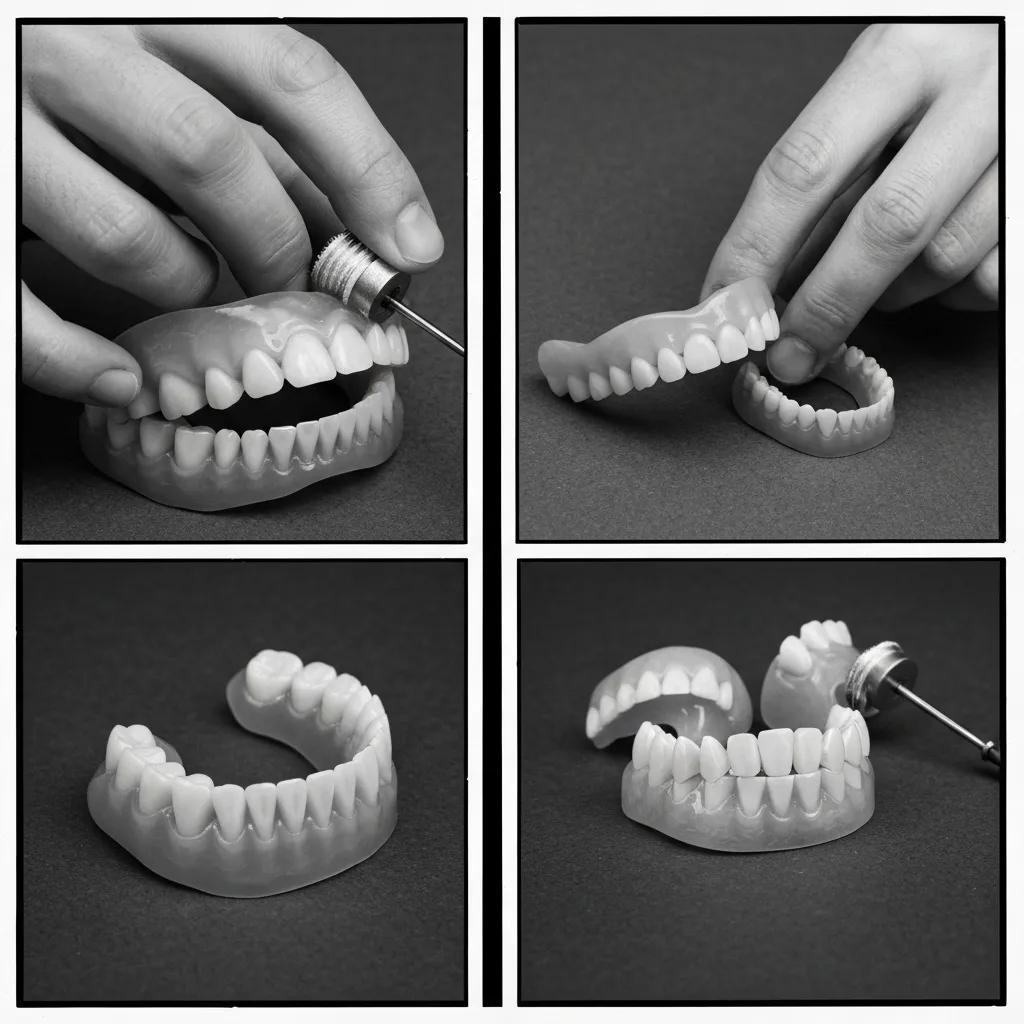
Dentures are removable dental prostheses that restore missing teeth by sitting on the gums and underlying bone, using suction, adhesives, or clasps for retention depending on type and design. They restore appearance and some chewing ability quickly and with less initial cost than implants, but they do not replace tooth roots and therefore do not provide the same jawbone stimulation that prevents resorption. Because the underlying ridge and soft tissues change over time—through atrophy and remodeling—dentures typically require relines, adjustments, or replacement to maintain fit and function; typical full- or partial-denture lifespans are commonly in the 5–8 year range before refitting or replacement becomes necessary. The choice of materials (acrylic base, composite teeth) and the quality of fabrication influence comfort and wear patterns, while patient care, nightly removal, and cleaning extend service life. Knowing these limitations helps patients set expectations and compare long-term value versus more permanent options.
Different denture styles meet different needs and budgets, and implant-supported options offer a hybrid pathway that reduces common denture problems while improving retention.
What Types of Dentures Are Available and How Do They Differ?
Dentures come in several forms—complete (full) dentures, partial dentures, immediate dentures placed at the time of extraction, and implant-supported dentures that anchor to implants—and each has trade-offs in retention, cost, and maintenance. Complete dentures replace all teeth on a jaw and rely on tissue support and suction; partial dentures replace a subset of teeth and use clasps or precision attachments to stabilize against remaining natural teeth. Immediate dentures provide provisional function after extractions but usually need relining as healing and bone remodeling progress; implant-supported dentures attach to implant fixtures and can be removable (overdentures) or fixed, offering much greater stability and preservation of chewing function. Material choices impact weight, esthetics, and wear: acrylic bases are common and economical, while metal frameworks in some partials offer thinner, stronger support. Selecting the right denture type depends on remaining dentition, bone status, patient dexterity, and lifestyle needs.
These distinctions clarify why implant-supported dentures are increasingly recommended for patients who need improved stability and long-term oral-health benefits compared with tissue-supported options.
The following list summarizes key functional differences between denture types:
Complete Dentures: Replace a full arch, rely on suction and tissue support, and require periodic relines.
Partial Dentures: Attach to remaining teeth, preserve some natural function, and are typically less expensive than implants.
Immediate Dentures: Provide short-term aesthetics and function after extractions but need subsequent adjustments.
Implant-Supported Dentures: Anchor to implants for stability, reduce slipping, and improve bite force.
These categories guide patients deciding among short-term affordability and longer-term stability, and they set the stage for maintenance expectations and typical lifespan considerations.
How Long Do Dentures Last and What Maintenance Do They Require?
Typical dentures last around 5–8 years before they need extensive repair or replacement due to wear, pigment changes, and progressive ridge resorption that alters fit and function. Daily maintenance involves gentle brushing with non-abrasive cleaners, overnight soaking to relieve tissues and preserve acrylic, and avoiding hot water that can warp the base; adhesives can assist stability temporarily but are not a substitute for proper fit. Regular dental appointments—at least annually—catch early pressure spots, permit relines or adjustments, and evaluate occlusion and tissue health; relines are commonly needed every 1–3 years as the ridge remodels. Indicators for repair or replacement include persistent soreness, slipping, altered speech, or difficulty chewing; these signs often reflect fit loss from bone changes rather than defects in fabrication. Good maintenance prolongs service life, but patients must anticipate eventual replacement and the functional limitations associated with tissue-supported prostheses.
Recognizing the maintenance cycle for dentures helps patients compare the ongoing costs and functional trade-offs against more permanent solutions such as implants or implant-supported overdentures. Implant-supported dentures, described earlier, offer a hybrid that reduces maintenance burden and improves long-term function, and for Tyler patients concerned about cost, financing and insurance options can make that hybrid more accessible.
How Do Dental Implants Compare to Dentures in Comfort and Stability?
Dental implants provide fixed anchorage into bone, delivering comfort and stability that closely mimics natural teeth, while traditional dentures rely on soft-tissue support and are inherently more prone to movement and associated irritation. Implants transfer occlusal forces to the jawbone, increasing bite strength and enabling a broader diet; they avoid the mucosal pressure, sore spots, and gag reflex that some denture wearers experience. Implant-supported dentures offer a middle ground by combining removable appliance convenience with implant anchorage for enhanced retention and reduced slippage. Patient satisfaction studies and clinical measurements consistently show higher chewing efficiency and improved speech outcomes for implant-based prostheses versus tissue-supported dentures. Understanding these trade-offs clarifies why implants are often recommended for patients prioritizing function, comfort, and bone preservation over initial cost savings.
A direct, scannable comparison helps patients weigh longevity, comfort, maintenance, and oral-health impact when choosing between solutions.
This section includes a scannable semantic comparison table that highlights key attributes patients care about and shows typical values for each solution.
Solution
Primary Support
Longevity
Typical Maintenance
Oral-Health Impact
Dental Implant (single/full)
Bone-anchored post and crown
Decades to lifetime with care
Daily hygiene + periodic checks
Preserves jawbone via load transfer
Implant-Supported Denture
Implants + prosthesis attachments
10–25+ years for implants; prosthesis may need periodic replacement
Hygiene of implants and prosthesis, occasional relines
Substantially reduces resorption vs tissue-supported
Traditional Complete Denture
Tissue-supported on gums/ridge
5–8 years before replacement
Daily cleaning, adhesives, regular relines
No root stimulation; contributes to bone loss over time
Partial Denture
Clasps to remaining teeth
5–8 years; dependent on abutment health
Care for clasps and base, periodic adjustments
Maintains some function but may stress abutment teeth
This table clarifies that implants and implant-supported dentures offer superior long-term oral-health benefits and stability compared with traditional dentures, which rely on tissue support and typically demand more frequent refitting.
Key comfort and stability differences summarized:
Stability: Implants and implant-supported dentures resist micromotion; traditional dentures can move and require adhesives.
Comfort: Tissue pressure and sore spots are common in traditional dentures; implants distribute forces to bone, reducing mucosal trauma.
Function: Bite force and chewing efficiency are higher with implants, improving nutrition and food choices.
Speech: Implants tend to preserve natural speech patterns better owing to fixed prosthesis contours.
These contrasts make clear how implants change day-to-day experiences and long-term oral outcomes.
Why Are Dental Implants Considered More Comfortable Than Dentures?
Implants are considered more comfortable because they recreate the missing tooth root and transmit forces into the jawbone rather than pressing on soft tissues, reducing sore spots and movement that cause gagging and irritation. The rigid fixation provided by osseointegration eliminates the micro-movements that lead to rubbing ulcers and speech changes, allowing patients to eat a wider variety of foods without concern for dislodgement. Implant crowns and fixed prostheses also maintain consistent occlusal relationships, which prevents the uneven pressure points that often arise with dentures as the ridge resorbs. From a sensory standpoint, implants restore proprioception closer to natural teeth, improving bite awareness and control, which contributes to the subjective sense of comfort. Clinical satisfaction measures regularly favor implants for comfort, chewing ability, and self-confidence compared to tissue-supported options.
As comfort is closely tied to long-term oral function, patients whose lifestyle requires reliable chewing and speech often benefit from discussing implant-based solutions during treatment planning.
What Challenges Do Traditional Dentures Present in Comfort and Fit?
Traditional dentures often present challenges such as loss of suction, slipping during speech or eating, sore spots from concentrated pressure, and the need for adhesives to temporarily improve retention—issues that arise because the prosthesis rests on soft tissues that remodel over time. Continuous mucosal pressure without root stimulation accelerates ridge flattening, changing the denture’s fit and requiring frequent relines or even replacement to restore comfort. Additionally, denture thickness and acrylic bases can impact taste perception and tongue space, sometimes impairing speech or causing gag reflex in sensitive patients. For patients with severe ridge resorption, achieving acceptable retention may be impossible without implant support, and adhesives provide only transient relief for functional deficits. When these problems persist despite adjustments, the clinical pathway often shifts toward implant-supported options to restore stability and eliminate recurrent tissue trauma.
Recognizing these limitations helps patients decide whether the lower initial cost of dentures justifies the anticipated maintenance and functional trade-offs or whether investing in implant solutions better meets long-term goals.
What Are the Cost Differences Between Dental Implants and Dentures in Tyler, TX?
The initial financial outlay for dental implants is typically higher than for traditional dentures, but a fuller cost-of-ownership analysis over decades often shows implants can be more economical because they reduce repeated fabrication, relining, and the functional costs of limited diet or oral-health deterioration. Implant costs include surgical placement, the implant post, abutment, and crown or prosthesis fabrication, plus any preparatory procedures such as bone grafting. Dentures have lower up-front fabrication costs but higher ongoing expenses related to relines, adhesives, repair, and periodic replacement; they may also incur indirect costs tied to compromised nutrition or additional dental work on remaining teeth. For Tyler, TX patients, insurance acceptance and financing options can significantly affect out-of-pocket decisions: many local practices accept most PPO plans and offer flexible financing plans to spread implant expenses over time. A $79 consultation can be a practical first step for patients to obtain itemized estimates, verify insurance benefits, and compare scenarios such as single-tooth implant versus partial denture or full-arch implant-supported prostheses.
Breaking costs into components clarifies short-term versus long-term trade-offs and helps patients make financially informed choices.
This section includes a cost-component table showing typical ranges and which costs are one-time versus recurring.
Treatment
Cost Component
Typical Range / Notes
Single-Tooth Implant
Surgical placement + implant post + abutment + crown
Moderate to high up-front; one-time implant plus possible crown replacement over years
Full-Arch Implants (All-on-Implant options)
Multiple implants + fixed prosthesis
Highest initial investment; implants themselves long-lasting; prosthesis may need renewal
Mid-to-high up-front; reduced ongoing relines vs tissue-supported denture
Traditional Denture (Partial/Complete)
Fabrication, relines, adhesives, repairs
Lower initial cost, recurring costs every few years for relines/replacement
This table highlights how implants are capital-intensive initially but often reduce recurring costs and preserve oral health, whereas dentures have lower start costs but ongoing maintenance.
Major cost factors to consider:
Initial procedure complexity: Surgery, grafting, and number of implants increase up-front cost.
Prosthesis type: Fixed crowns and bridges cost more than removable dentures but provide greater function.
Ongoing maintenance: Dentures require more frequent adjustments and replacements over time.
Insurance and financing: PPO plan coverage and financing options can lower immediate out-of-pocket expense.
These components allow patients to model their expected lifetime costs and decide which option best fits their functional and financial priorities.
How Does the Initial Investment of Implants Compare to Dentures?
The initial investment for a single dental implant commonly exceeds the cost of fabricating a single-tooth removable prosthesis, because implants require surgical placement, lab-fabricated components, and a permanent crown; for full-arch replacements, multiple implants and a fixed prosthesis represent a substantial upfront cost. However, when amortized over a lifetime, implant solutions can avoid the repeated expenses associated with denture relines, repair, and replacement, and they reduce indirect costs from limited diet or additional restorative work. Clinical complexity—such as the need for bone grafting, sinus lifts, or staged surgery—also raises initial costs and may extend treatment timelines, but these preparatory steps enable predictable long-term outcomes. For many patients in their 40s–60s who plan long-term oral function, the higher initial investment may be justified by decades of improved chewing, bone preservation, and fewer prosthetic replacements. Itemized estimates obtained during a consult allow direct comparison of single-tooth, implant-supported overdenture, and complete denture scenarios tailored to an individual’s anatomy and goals.
Comparing specific scenarios with a clinician’s estimate helps patients identify the most cost-effective pathway for their circumstance.
What Financing and Insurance Options Are Available for Tyler Patients?
Many practices in Tyler accept most PPO insurance plans and provide several financing pathways—such as in-house payment plans or third-party medical/dental lenders—that let patients spread implant costs across months or years, improving access to implant-based care. Before committing, patients should verify their PPO benefits, ask about deductibles and annual maximums, and request pre-treatment estimates for both implants and denture options to compare net out-of-pocket costs. Flexible financing can make implant-supported solutions feasible for patients who prioritize long-term outcomes over immediate price, and a consultation can reveal which procedures insurance will partially cover and which will require direct financing. Affordable Dentist Near Me of Tyler highlights PPO acceptance and flexible financing as tools to help patients pursue implants or dentures with greater affordability; prospective patients can schedule a $79 consultation to obtain a personalized cost breakdown and learn financing options that match their budget.
Understanding available payment pathways reduces uncertainty and supports an evidence-based decision between implants and dentures.
How Do Dental Implants and Dentures Impact Oral Health and Jawbone Preservation?
Dental implants and dentures have markedly different impacts on jawbone biology: implants stimulate bone via mechanical loading and osseointegration, while traditional dentures do not replicate root stimulation and can accelerate bone resorption through continuous mucosal pressure. Bone preservation affects not only dental stability but also facial aesthetics, chewing capacity, and the feasibility of future restorative options; maintaining bone volume supports long-term prosthetic success. Clinical evidence and biomechanical theory converge on the principle that replacing the root function—either through implants or load-transferring prostheses—helps preserve alveolar bone and prevents the progressive ridge flattening seen with long-term denture wear. This biological difference explains why implant-based solutions are often recommended for younger seniors and patients in middle age who intend to maintain oral function and facial structure over decades. Recognizing these outcomes supports patient choices oriented toward sustaining oral-health resilience rather than short-term cost minimization.
The next subsections explain the mechanisms by which implants preserve bone and why dentures can lead to gradual deterioration.
How Do Implants Prevent Bone Loss and Support Jawbone Health?
Implants prevent bone loss by replacing the tooth root and transmitting occlusal forces into bone, which stimulates osteoblastic activity and maintains bone density through normal functional loading; this mechanotransduction mimics physiological stimulation that natural teeth provide. Osseointegration creates a rigid connection that distributes chewing forces along the implant surface and into surrounding bone, promoting remodeling patterns that preserve alveolar height and width. When necessary, bone grafting and staged augmentation can restore deficient sites so implants can be placed in an optimal biomechanical position, ensuring long-term stability and improved prosthetic outcomes. Clinically, patients with implants show less vertical bone resorption over time compared to those relying solely on tissue-supported prostheses, and maintaining peri-implant health through hygiene and monitoring preserves this protective effect. By acting as artificial roots, implants thus serve both functional and structural roles that support oral health well beyond immediate tooth replacement.
Dental Implants and Jawbone Preservation: A Bone-Preserving Effect
Implant-supported prostheses have a bone preserving effect rather than the continuing resorption and dental implants The placement of dental implants and the insertion of an implant-supported prosthesis can stimulate bone remodeling and preserve the jawbone.
Responses of jawbone to pressure, GE Carlsson, 2004
Maintaining implant health requires consistent hygiene and regular professional assessments to sustain the bone-preserving benefits that implants offer.
Why Can Traditional Dentures Lead to Bone Deterioration?
Traditional dentures can contribute to bone deterioration because they rest on mucosal tissues and do not transmit functional load into the alveolar bone, leading to disuse atrophy and progressive resorption of the ridge over months and years. Continuous pressure from a poorly fitting denture can produce localized bone remodeling and accelerate flattening of the ridge, worsening retention and comfort and creating a cycle of frequent relines and replacements. Over time, this bone loss alters facial proportions—reducing lower facial height and causing a sunken appearance—which may necessitate more complex rehabilitation to restore function and aesthetics. The pace of resorption varies with individual factors such as age, systemic bone health, and denture wear habits, but the absence of root-like stimulation is the central biological reason dentures fail to preserve jawbone volume. Recognizing this mechanism clarifies why implant-based options are often prioritized when long-term structure and function are primary concerns.
Understanding these biological pathways helps patients weigh short-term convenience versus long-term oral-health preservation when choosing between dentures and implants.
Who Is Best Suited for Dental Implants Versus Dentures: Considerations for Seniors and Patients in Their 40s-60s?
Choosing between implants and dentures depends on medical history, bone quality, lifestyle, budget, and long-term goals; patients in their 40s–60s frequently view implants as a durable investment in nutrition, appearance, and oral-health preservation, while older seniors may prioritize less invasive, lower-cost solutions if comorbidities or dexterity limit self-care. Key medical considerations include bone density at proposed implant sites, systemic conditions such as uncontrolled diabetes or osteoporosis that affect healing, medication profiles, and smoking status; these factors alter candidacy and may require medical clearance or pre-treatment optimization. Lifestyle factors—dietary preferences, desire for fixed prosthesis, manual dexterity for prosthesis care, and willingness to undergo surgery—also shape appropriate pathways. For many mid-life patients, implant-supported approaches offer the best long-term value by preserving bone and reducing future treatments, whereas traditional dentures remain a pragmatic choice when surgery is contraindicated or immediate affordability is paramount.
The next table maps common patient profiles to recommended pathways and succinct guidance to help clinicians and patients discuss options during a consult.
Patient Profile
Key Health Factor
Recommended Pathway / Recommendation
Controlled health, adequate bone (40s–60s)
Good bone density
Consider implants or implant-supported prosthesis for long-term function
Low bone density or localized defects
Requires grafting
Bone grafting then implants if patient elects surgical approach
Uncontrolled systemic disease or frailty
Healing risk elevated
Consider non-surgical dentures or stabilized removable options with close monitoring
Smokers or heavy bruxers
Elevated failure risk
Counsel to modify risk (smoking cessation, occlusal guards) before implant placement
This mapping helps patients and clinicians align clinical realities with patient goals to select an appropriate restorative pathway.
Practical checklist for assessing candidacy:
Medical review: Identify systemic conditions that influence healing and infection risk.
Imaging: Evaluate bone volume and quality to determine need for grafting or alternative plans.
Lifestyle assessment: Review patient goals for diet, aesthetics, and maintenance commitment.
Risk mitigation: Discuss smoking cessation, glucose control, and bruxism management.
These steps ensure that treatment planning is personalized and increases the likelihood of long-term success.
What Health and Lifestyle Factors Influence the Choice Between Implants and Dentures?
Specific health issues—such as poorly controlled diabetes, immune suppression, or medications that affect bone metabolism—can increase implant failure risk and often require medical stabilization prior to considering surgery. Smoking reduces blood flow and impairs healing, raising the incidence of peri-implant complications, so cessation is strongly advised when implants are planned. Bone quality and quantity, assessed via imaging, directly determine whether bone grafting or alternative prosthetic strategies are needed; patients with limited ridge volume may still qualify for implants after augmentation. Lifestyle factors such as dietary demands, manual dexterity for cleaning, and expectations for fixed versus removable solutions influence the practical suitability of each option. A thorough pre-treatment evaluation that includes medical history, imaging, and functional goals enables a risk-adjusted recommendation tailored to the individual.
Assessing these factors before treatment fosters realistic expectations and better long-term outcomes, and it leads into how age-specific issues modify these considerations.
How Do Age-Specific Concerns Affect Longevity and Suitability of Dental Solutions?
Age influences bone metabolism, medication exposures, manual dexterity, and coexisting conditions, all of which affect prosthetic selection and expected longevity; patients in their 40s–60s often plan for multi-decade outcomes and may favor implants, while older seniors may prioritize lower procedural burden and simpler maintenance. As people age, decreased bone remodeling capacity, polypharmacy, and conditions like osteoporosis can complicate surgical planning and healing; however, chronological age alone is not a contraindication for implants if health status and bone conditions permit. Dexterity and cognitive factors influence the ability to manage removable prostheses correctly, making fixed implant prostheses advantageous for some seniors. Tailored follow-up schedules—more frequent monitoring for seniors or medically complex patients—help preserve outcomes, and shared decision-making should align restoration type with realistic maintenance capacity and long-term expectations.
Considering age-specific physiologic and functional realities allows clinicians to recommend durable, maintainable solutions that match patient circumstances.
How Can You Schedule a Free Dental Consultation for Implants or Dentures in Tyler, TX?
Scheduling a consultation begins with understanding what the appointment includes: a clinical exam, imaging as needed, discussion of health history, and a personalized treatment plan with cost estimates—designed to translate clinical findings into clear options. For Tyler, TX patients seeking an evaluation, arranging a consult provides the information required to compare implants, implant-supported dentures, and traditional dentures in the context of one’s anatomy and finances. Be prepared to bring any recent dental x-rays if available, a list of current medications, and insurance information to facilitate benefit verification and financing conversations. Affordable Dentist Near Me of Tyler offers a $79 consultation for new patients focused on diagnosis, discussion of options, and initial cost transparency; the practice accepts most PPO insurance plans and provides flexible financing pathways to help patients pursue implant- or denture-based solutions with reduced financial barriers. Choosing a consult location with local expertise and transparent estimates helps convert clinical possibilities into actionable plans.
The following list outlines step-by-step how to prepare for and schedule a consult, and what to expect during the visit.
Steps to prepare for a consult:
Gather medical and dental history: List medications, chronic conditions, and prior dental treatments.
Collect insurance information: Bring PPO details to enable benefit checks and pre-estimates.
Note goals and concerns: Be prepared to discuss functional priorities, budget, and aesthetic preferences.
Plan for imaging: Expect that X-rays or CBCT imaging may be recommended to assess bone.
Preparing in this way makes the consult efficient and ensures you receive a tailored recommendation and accurate cost estimate.
Why Is a Free Consult Important for Choosing the Right Dental Solution?
A consult provides diagnostic clarity—through a clinical exam and imaging—so patients can compare realistic outcomes, procedural steps, timelines, and itemized costs; it replaces uncertainty with data that supports informed decisions. During the visit, clinicians evaluate bone volume, periodontal status, and occlusion, which determine implant candidacy or the design of a denture; they also identify modifiable risk factors and recommend preparatory steps such as smoking cessation or medical optimization. A consult produces a concrete treatment plan that outlines stages, expected recovery, maintenance duties, and long-term prognosis, giving patients a clear picture of benefits and trade-offs. Armed with this information, patients can weigh up-front costs against lifetime value, choose between fixed and removable options, and plan financing if needed. The consult is therefore a pivotal decision point that aligns clinical realities with personal goals.
After the diagnostic workup, the clinician will walk you through treatment sequencing and financial options to ensure the recommended pathway is realistic and achievable.
What Makes Affordable Dentist Near Me of Tyler the Best Choice for Dental Implants and Dentures?
Affordable Dentist Near Me of Tyler provides local access to restorative options including dental implants, dentures, and implant-supported dentures, delivered by clinicians such as Dr. Pham, Dr. Vo, and Dr. Trinh Dinh who tailor care to individual anatomy and goals. The clinic’s local presence at 601 E Dodge St, Tyler, TX 75701, combined with acceptance of most PPO insurance plans and flexible financing, aims to reduce barriers to long-term oral rehabilitation for patients in the area. Their $79 consultation offer for new patients helps people obtain diagnostic imaging, a clear treatment plan, and an itemized estimate—enabling an apples-to-apples comparison of implants versus dentures. For patients balancing function, aesthetics, and cost, the practice’s integrated approach to planning and financing supports evidence-based choices and practical access to implant-supported solutions when clinically appropriate.
Scheduling a consult there can convert the clinical comparison in this article into a personalized plan with clear next steps and cost transparency.
This article has outlined the biological mechanisms, comparative longevity, comfort and stability differences, cost components in Tyler, oral-health implications, age- and health-based decision guidance, and the practical steps for scheduling a consult to move forward with implants or dentures.