Dental Implant Failure Recovery: Effective Solutions and Patient Guidance
Dental implant failure can be a distressing experience for patients, often leading to pain, discomfort, and uncertainty about the future of their oral health. Understanding the recovery process and the effective solutions available is crucial for regaining confidence and comfort. This article will explore the common symptoms of dental implant failure, the causes behind these issues, and the various treatment options available. Additionally, we will discuss the role of bone grafting in recovery, alternative solutions to implants, and the typical recovery timeline. Finally, we will provide insights into the costs associated with treatment and how patients can schedule a free consultation for dental implant failure recovery.
Understanding the potential challenges and complications associated with dental implant treatments is crucial for both patients and practitioners.
Complications of Single Implant Overdenture Treatment
Nevertheless, it is necessary to evaluate the problems associated with the single implant overdenture treatment option, such as the risk of potential vascular damage and increased risk
Prosthetic failures in dental implant therapy, I Sailer, 2022
What Are the Common Symptoms and Signs of Dental Implant Failure?
Recognizing the symptoms of dental implant failure is essential for timely intervention. Common signs include pain, swelling, and inflammation around the implant site, which can indicate underlying issues. Early detection of these symptoms can significantly impact the recovery process and overall treatment success. Patients should be aware of both early and late indicators of implant problems to seek appropriate care promptly.
How to Recognize Pain, Swelling, and Gum Inflammation Around Implants
Pain around dental implants can manifest in various forms, including sharp, throbbing, or persistent discomfort. Swelling and inflammation of the gums are also critical indicators of potential failure. Patients may notice redness or tenderness in the gum tissue surrounding the implant, which can signal infection or other complications. Monitoring these symptoms closely can help patients take proactive steps toward recovery.
What Are the Early and Late Indicators of Implant Problems?
Early indicators of dental implant problems often include mild discomfort and slight swelling, which may be mistaken for normal healing. However, as issues progress, late-stage symptoms can develop, such as severe pain, significant swelling, and even mobility of the implant. Understanding these distinctions is vital for patients to differentiate between normal recovery and potential failure, allowing for timely intervention.
What Causes Dental Implant Failure and How Can They Be Prevented?
Several factors can contribute to dental implant failure, including infection, poor osseointegration, and lifestyle choices. Identifying these causes is crucial for prevention and successful recovery. Patients should be informed about the risks associated with dental implants and the steps they can take to minimize these risks.
What Role Do Peri-Implantitis and Poor Osseointegration Play?
Peri-implantitis, an inflammatory condition affecting the gums and bone around the implant, is a significant cause of failure. Poor osseointegration, where the implant fails to properly bond with the jawbone, can also lead to complications. Both conditions highlight the importance of maintaining good oral hygiene and regular dental check-ups to ensure the long-term success of implants.
Further research elaborates on the specific characteristics and management of peri-implantitis.
Peri-Implantitis: Causes, Symptoms, and Treatment
Peri-implantitis is a site-specific infectious disease that causes an inflammatory process in soft tissues, and bone loss around an osseointegrated implant in function. The etiology of the implant infection is conditioned by the status of the tissue surrounding the implant, implant design, degree of roughness, external morphology, and excessive mechanical load. The microorganisms most commonly associated with implant failure are spirochetes and mobile forms of Gram-negative anaerobes, unless the origin is the result of simple mechanical overload. Diagnosis is based on changes of color in the gingiva, bleeding and probing depth of peri-implant pockets, suppuration, X-ray, and gradual loss of bone height around the tooth. Treatment will differ depending upon whether it is a case of peri-implant mucositis or peri-implantitis. The management of implant infection should be focused on the control of infection, the detoxification of the implant surface, and regeneration of the alveola
Management of peri-implantitis, 2012
How Do Smoking and Medical Conditions Increase Failure Risk?
Smoking and certain medical conditions, such as uncontrolled diabetes, can significantly increase the risk of dental implant failure. Smoking impairs blood flow and healing, while uncontrolled medical conditions can affect the body’s ability to integrate the implant properly. Patients should be encouraged to discuss their medical history and lifestyle choices with their dental provider to develop a tailored treatment plan.
Studies have further investigated these and other factors contributing to early implant failure.
Risk Factors for Early Dental Implant Failure
The aim of the study was to examine articles published on risk factors associated with early failure of dental implants. We conducted a search on PubMed for articles published between January 2000 and December 2009 using the keywords ‘dental implants’ and ‘early failure’. Seven studies that specified the number of early failed implants and studied the associated risk factors were included. Early failures are caused by the inability of tissue to establish osseointegration prior to prosthetic restoration; however the causal factors and mechanisms are unclear. In the reviewed literature there was a higher percentage of early than late failures; nevertheless, few articles were found that analyzed risk factors associated with early implant failure. In the majority of studies, statistically significant factors associated with early implant failure were smoking, quantity and quality of bone, and posterior implant location.
Risk factors associated with early failure of dental implants. A literature review, 2011
What Are the Treatment Options for a Failed Dental Implant?
When a dental implant fails, various treatment options are available to address the issue. These can range from surgical interventions to non-surgical treatments, depending on the severity of the failure and the underlying causes.
When Is Dental Implant Removal Necessary and How Is It Performed?
Dental implant removal may be necessary when there is significant infection, bone loss, or failure of osseointegration. The removal process typically involves local anesthesia and careful extraction of the implant to minimize damage to surrounding tissues. Following removal, patients may need to consider alternative treatments or replacement options.
What Are Non-Surgical Treatments for Peri-Implantitis?
Non-surgical treatments for peri-implantitis may include mechanical debridement (deep cleaning), antimicrobial therapies such as local or systemic antibiotics, and improved oral hygiene practices. These approaches aim to reduce inflammation and promote healing without the need for surgical intervention in early or mild cases. Patients should work closely with their dental professionals to determine the most effective treatment plan.
How Does Bone Grafting Support Recovery and Implant Replacement?
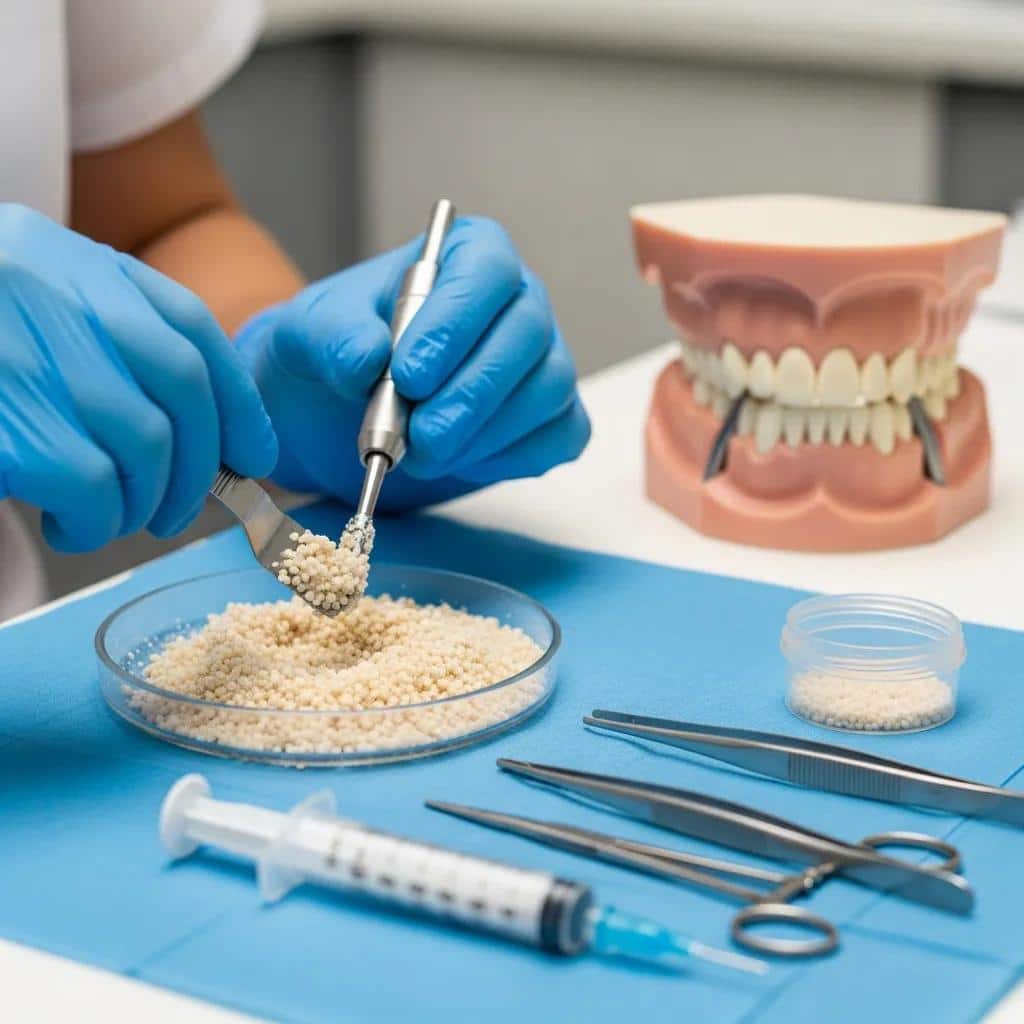
Bone grafting is a critical procedure that can enhance the success of dental implants, especially in cases where there is insufficient bone density. This process involves transplanting bone tissue or bone substitute material to the implant site, providing a stable foundation for the implant.
What Is Bone Grafting and When Is It Recommended?
Bone grafting is recommended when there is inadequate bone volume to support an implant. This can occur due to bone loss from periodontal disease, trauma, or previous extractions. The procedure helps to regenerate bone tissue, creating a suitable environment for successful implant placement.
How Does Bone Grafting Prepare the Jaw for New Implants?
Bone grafting prepares the jaw for new implants by promoting bone regeneration and enhancing stability. The grafted material integrates with the existing bone, providing a solid base for the implant. This process can significantly improve the chances of successful osseointegration and long-term implant success.
What Are Alternative Solutions to Dental Implants After Failure?
If dental implants are not a viable option, several alternative solutions can restore function and aesthetics. These alternatives include dentures and dental bridges, each with its own set of advantages and disadvantages.
How Do Dentures and Dental Bridges Compare as Replacement Options?
Dentures and dental bridges serve as effective alternatives to dental implants. Dentures are removable appliances that replace missing teeth, while bridges are fixed prosthetics that rely on adjacent teeth for support. Each option has unique benefits, such as cost-effectiveness and ease of use, making it essential for patients to consider their individual needs and preferences.
What Are the Pros and Cons of Each Alternative?
When considering dentures versus dental bridges, patients should weigh the pros and cons of each option. Dentures offer a non-invasive solution and are generally less expensive, but they may require adjustments over time and can affect speech or comfort. Bridges provide a more permanent solution but can involve altering healthy teeth for support. Understanding these factors can help patients make informed decisions about their dental care.
What Is the Typical Recovery Timeline After Dental Implant Failure Treatment?
Recovery timelines can vary significantly based on the treatment approach and individual patient factors. Understanding what to expect during the recovery process is crucial for effective management and care.
How to Manage Pain and Discomfort During Healing?
Managing pain and discomfort during recovery is essential for patient comfort. Over-the-counter pain relievers, ice packs, and rest can help alleviate discomfort. Patients should follow their dentist’s recommendations for pain management to ensure a smooth recovery process.
What Are the Key Steps in Post-Treatment Care and Prevention?
Post-treatment care is vital for preventing complications and ensuring successful recovery. Key steps include maintaining good oral hygiene, attending follow-up appointments, and avoiding tobacco use. Patients should be proactive in their care to support healing and prevent future issues.
How Much Does Dental Implant Failure Treatment Cost and Are There Financing Options?
The costs associated with dental implant failure treatment can vary widely based on the complexity of the case and the specific procedures required. Understanding these costs and available financing options is essential for patients.
What Are the Expected Costs for Removal, Bone Grafting, and Replacement?
Expected costs for dental implant failure treatment can include removal, bone grafting, and replacement procedures. Removal may range from approximately $200 to $1,000 depending on complexity, while bone grafting can cost between $300 and $3,000, depending on the extent of the procedure and materials used. Replacement implants typically range from $1,000 to $4,000 per implant. Patients should consult with their dental provider for a detailed estimate based on their individual needs.
How Can Patients Access Free Consultations and Payment Plans?
Many dental offices, including Dentist In Mansfield – Dentures and Dental Implants, offer free consultations to discuss treatment options and costs. Additionally, payment plans may be available to help patients manage the financial aspects of their care. Patients are encouraged to inquire about these options during their initial consultation.
How Can Patients Schedule a Free Consultation for Dental Implant Failure Recovery?
Scheduling a free consultation is a crucial step for patients seeking guidance on dental implant failure recovery. This process allows patients to discuss their concerns and explore potential treatment options.
What to Expect During a Free Implants Consultation at Mansfield Clinic?
During a free consultation at the Mansfield Clinic, patients can expect a thorough assessment of their dental health, including a review of their medical history and current symptoms. The dental team will discuss potential treatment options and answer any questions patients may have.
How to Prepare for Your Appointment and Next Steps?
Preparing for the consultation involves gathering relevant medical information and a list of questions to discuss with the dental team. Patients should also consider their treatment goals and any concerns they wish to address. This preparation will help ensure a productive and informative appointment.