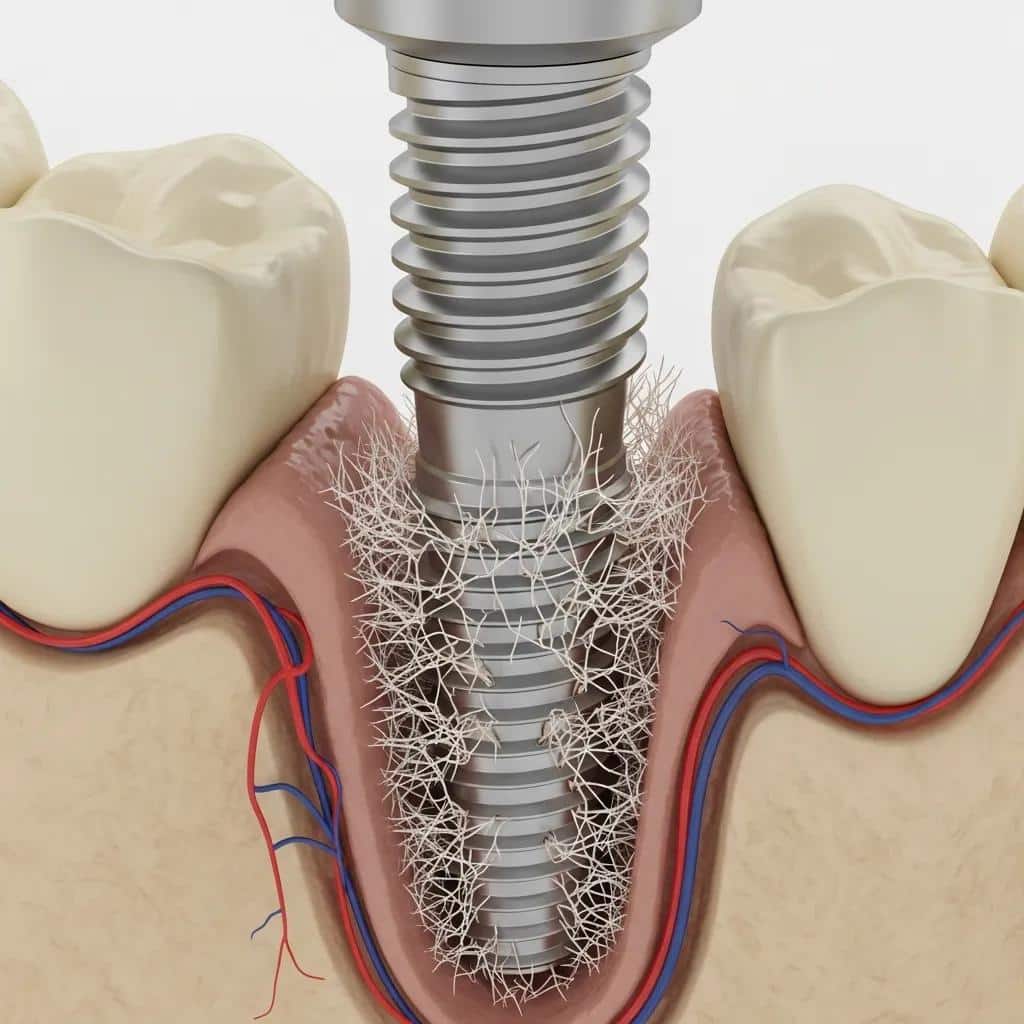
Dental implants are one of the most durable ways to replace missing teeth. They look and function like natural teeth, but it’s normal to have questions. Below we explain how implants stay stable, why they sometimes fail, what warning signs to watch for, and simple steps you can take to keep your smile healthy. A little know‑how goes a long way toward protecting an implant for years.
Implant systems and how crowns attach can differ. Depending on your situation, a crown may be placed immediately or after a healing period. Your dentist will recommend timing based on bone quality, tooth position, and your overall health so the implant has the best chance to succeed.
What Are Dental Implants and How Do They Normally Stay Secure?
A dental implant is a metal post—most often titanium—placed in the jaw to replace a tooth root. A crown or bridge is attached to that post. The implant stays stable because the jawbone grows tightly against its surface in a process called osseointegration. That bone‑to‑implant bond provides the support you need for chewing and everyday use.
What Is Osseointegration and Why Is It Crucial for Implant Stability?
Osseointegration is the healing process where bone grows directly against the implant surface, forming a solid attachment without soft tissue in between. It usually takes about 3–6 months. Success depends on bone quality, implant design and placement, surgical technique, and your overall health. When osseointegration succeeds, the implant behaves much like a natural tooth root.
Your general health plays a role: good nutrition, steady blood sugar control, and avoiding tobacco help bone repair. Some medications and medical conditions slow bone formation, so your dentist may coordinate care with your physician or adjust timing to improve outcomes.
Systemic Health & Dental Implant Osseointegration
This study examines how systemic illnesses and certain medications affect osseointegration. It highlights factors—like age, hormonal changes, and drugs (for example, calcium‑channel blockers or cyclosporine)—that can make bone healing more difficult. The authors recommend careful, individualized evaluation because many implant patients have other health concerns.
Impact of systemic diseases and medication on osseointegration, M Quirynen, 2003
What Differentiates Early and Late Dental Implant Failure?
Implant failure is usually classified as early or late. Early failure (first few months) is often tied to poor osseointegration, infection, or surgical trauma. Late failure (months to years) commonly stems from peri‑implantitis, excessive mechanical stress, or changes in health. Timing helps your dentist choose appropriate treatment and prevention.
Diagnosis relies on clinical exam and X‑rays to check for bone loss, mobility, or infection. Early problems may be treated conservatively; late issues often need more complex planning and possibly surgical intervention.
What Are the Main Causes of Dental Implant Failure?
Several common issues threaten long‑term success. Knowing them helps you and your dental team reduce risk.
Cause
Description
Impact on Implant Success
Peri‑Implantitis
Inflammation and infection around the implant caused by bacteria.
If untreated, it can cause bone loss and eventual implant failure.
Failed Osseointegration
The bone does not properly bond to the implant.
Results in instability and often requires removal or replacement of the implant.
Excessive Load
Too much force on the implant from chewing, grinding, or an uneven bite.
Can cause mechanical damage or loosening of implant components.
Failures often involve multiple interacting factors—smoking combined with a heavy bite, for example. Dentists monitor hygiene, bite, and bone during follow‑ups to catch problems early. Local issues such as thin gum tissue, poor implant positioning, or low initial stability may prompt grafting or a staged approach to lower risk.
How Does Peri‑Implantitis Lead to Implant Failure?
Peri‑implantitis begins as inflammation and can progress to infection and bone loss. Signs include swollen or bleeding gums, pus, and pain. As supporting bone decreases, the implant loses its foundation. Early detection and treatment (non‑surgical cleaning, antiseptics, or local therapies) can sometimes halt progression before surgery is needed.
Prevention centers on lowering bacterial levels and managing risk factors; patients with a history of periodontal disease often need more frequent maintenance and targeted hygiene instruction.
What Role Does Failed Osseointegration Play in Implant Loosening?
If osseointegration fails, the implant never becomes fully anchored. Causes include poor bone quality, infection, smoking, uncontrolled medical conditions, or surgical complications. A loose implant needs prompt evaluation and is often removed and replaced after healing. Staged bone grafting or alternative implant designs may improve success when re‑implanting.
Clinicians watch risk factors like bone density, systemic disease, and prior surgeries to reduce recurrence.
Dental Implant Failure Rates & Risk Factors
A retrospective review summarizes implant failure rates and related conditions. Major risk factors include low bone density (III−IV bone type), prior sinus lift surgery, smoking, surgical site infection, and rheumatoid arthritis. The paper recommends targeted prevention to reduce failure rates.
Implant failure rate and the prevalence of associated risk factors: a 6-year retrospective observational survey, 2022
What Are the Symptoms of a Loose or Failing Dental Implant?
Finding a problem early makes treatment simpler. Watch for these warning signs:
Mobility: The implant or crown feels loose or moves with light pressure.
Pain or Discomfort: Ongoing or increasing pain around the implant site.
Swelling or Inflammation: Red, swollen, or bleeding gums near the implant.
Pus or Discharge: Any drainage or a persistent bad taste that suggests infection.
Many people notice small changes first: food catching, a shift in how the crown meets your bite, or new sensitivity. Report these early—X‑rays and pocket measurements can reveal bone loss or component issues before they worsen.
Which Signs Indicate a Loose Dental Implant?
A loose implant may move when touched, make chewing uncomfortable, or create gaps where the gum no longer fits snugly. If you notice movement or ongoing discomfort, contact your dentist right away. Take photos and note when symptoms began; avoid chewing on that side and keep the area clean until you’re seen.
At appointment, the clinician will check mobility, inspect prosthetic parts, and take X‑rays. Often the crown or abutment—not the implant—feels loose; identifying the true source speeds repair.
How Can You Distinguish Between Crown Issues and Implant Problems?
Visible prosthetic parts commonly cause trouble: chipping, a loose crown, or a backing‑out screw. Biological implant problems more often show bone loss, mobility at the bone level, or infection signs. Your dentist will use clinical exam and radiography to determine the cause and recommend the appropriate fix.
Minor prosthetic repairs are usually quick; biological issues require focused treatment to protect bone and soft tissue.
Research into biomarkers and monitoring tools aims to detect peri‑implant disease earlier than clinical exams alone.
Early Diagnosis & Monitoring of Peri‑Implant Diseases
Current diagnosis relies mainly on clinical exams and radiographs, which can miss subtle early changes. This review suggests biomarkers and advanced monitoring could help detect tissue breakdown sooner—potentially alerting clinicians before clear symptoms appear.
Peri‑implant diseases diagnosis, prognosis and dental implant monitoring: a narrative review of novel strategies and clinical impact, A Correia, 2023
How Can Dental Implant Failure Be Prevented?
Many implant problems are preventable with steady home care and regular visits. Practical steps include:
Keep good oral hygiene: Brush and clean around your implant daily to lower plaque and infection risk.
Avoid tobacco: Smoking slows healing and raises the chance of complications.
Manage chronic conditions: Keep conditions like diabetes under control to support healing.
Reduce excessive force: If you grind your teeth, ask about a night guard and avoid very hard foods.
Professional maintenance uses instruments safe for implant surfaces. Dentists and hygienists set visit intervals based on your risk and may recommend more frequent cleanings if inflammation has been an issue. Small daily technique adjustments—choosing the right interdental brush and angle—often reduce inflammation more than brushing harder.
What Oral Hygiene Practices Help Prevent Peri‑Implantitis?
To lower risk, follow a steady routine:
Brush twice daily with a soft‑bristled brush, focusing on the implant area.
Clean between teeth daily with floss or interdental brushes sized for implants.
Use an antimicrobial mouthwash if your dentist recommends it.
Keep regular professional cleanings to remove buildup you might miss at home.
Ask your hygienist to demonstrate the best angle and pressure and recommend the correct interdental brush size for your restoration.
How Do Lifestyle Factors Like Smoking and Bruxism Affect Implant Longevity?
Smoking reduces blood flow and slows healing, increasing infection risk and lowering success rates. Bruxism (teeth grinding) applies repeated stress that can wear components or contribute to bone loss. Talk to your dentist about quitting resources or a custom night guard. For severe bruxism, clinicians may adjust bite design, choose stronger materials, or use prosthetics that distribute forces more evenly.
What Should You Do If Your Dental Implant Feels Loose or Falls Out?
If an implant feels loose or comes out, act quickly. Contact a dental professional right away—timely care gives you the best chance for a good outcome.
When Is Immediate Professional Consultation Necessary?
Call your dentist right away if you notice any of the following:
The implant or crown feels loose or can be moved.
You have severe or worsening pain.
There is swelling, bleeding, or pus around the area.
The implant or attached prosthesis has detached or fallen out.
Keep any detached crown or prosthesis clean and bring it to your appointment. Don’t try to push an implant back into place. Rinse gently with water and avoid disturbing the socket while you wait. If unsure whether the fixture is loose or the prosthetic has failed, take a clear photo and note when symptoms began to help triage your case by phone.
What Treatment Options Are Available for Dental Implant Complications?
Treatment depends on cause and severity. Common options include:
Reinsertion: A viable implant may be reinserted after underlying issues are resolved.
Bone grafting: Rebuilds lost bone so a new implant can be placed later.
Replacement: If an implant can’t be saved, it may be removed and replaced after healing.
Peri‑implantitis treatment: Professional cleaning, antibiotics, or surgery can control infection and attempt to preserve the implant.
Care is often staged: treat infection or rebuild bone first, allow healing, then plan reconstruction. Reviewing records and imaging helps lower recurrence risk; temporary prosthetics maintain appearance and function during multi‑step care.
How Long Do Dental Implants Typically Last and What Affects Their Longevity?
With proper care, many implants last 20 years or more. Longevity depends on oral hygiene, overall health, habits like smoking, and regular professional care.
What Is the Expected Lifespan of the Implant Post Versus the Crown?
The titanium implant post can last a lifetime if surrounding tissues remain healthy. The crown (visible part) typically lasts 10–15 years depending on wear, materials, and care. Regular check‑ups catch wear early so crowns can be repaired or replaced before they cause bigger problems.
Crown material (porcelain‑fused‑to‑metal, full ceramic, etc.) and how you use them affect longevity; your dentist can recommend the best option to reduce wear and stress on the implant and opposing teeth.
How Do Regular Check‑Ups and Professional Cleanings Extend Implant Life?
Routine exams and cleanings let your dentist spot early issues—plaque buildup, bone changes, or loose parts—before they become serious. Professional care combined with good home hygiene greatly improves the odds your implant will last many years. Follow‑up intervals are personalized: low‑risk patients may be seen every six months, while those with periodontal history or inflammation may need more frequent visits.
What Are the Available Solutions for Dental Implant Falling Out in Grand Prairie?
If you’re dealing with implant trouble in Grand Prairie, local dental offices can evaluate the situation and make a clear, practical treatment plan to restore function and comfort.
How Does Affordable Dentist Near Me – Grand Prairie Support Implant Repair and Replacement?
Affordable Dentist Near Me – Grand Prairie offers implant repair and replacement using current techniques and transparent, budget‑friendly options. Our team evaluates each case and recommends straightforward steps to restore your smile.
Most evaluations include a medical‑history review, an exam of the implant and surrounding tissues, and radiographs or scans when needed. Expect a clear conversation about treatment choices, timelines, and short‑term measures to keep you comfortable right away.
During consultation, staff explain payment options, the sequence of care, and what to bring (recent dental records, a list of medications, and any photos). Clear communication helps you plan logistics and set realistic expectations for recovery and follow‑up.
What Does a Free Dental Implant Consultation Include?
A free dental implant consultation at our Grand Prairie office includes a full oral exam, a review of your implant’s condition, and a clear discussion of recommended next steps and estimated costs. If imaging is needed, the team will explain whether X‑rays or cone‑beam CT will add useful detail and how that shapes the plan.
What Are Common Dental Implant Complications and Their Treatments?
Knowing common complications and treatments helps you make informed choices and spot problems early.
How Is Peri‑Implantitis Treated in Grand Prairie?
Treatment begins with professional cleaning and infection control; dentists may prescribe antibiotics or perform surgery—such as flap surgery, bone grafting, or guided tissue regeneration—to remove infected tissue and rebuild support when needed. Mechanical debridement, antiseptics, and, in selected cases, regenerative techniques are combined based on bone loss and soft tissue condition.
What Are Other Mechanical and Biological Complications Affecting Implants?
Mechanical issues include loose screws, broken abutments, or worn prosthetic parts. Biological problems range from bone loss and infection to gum recession. Each case is assessed individually so dentists recommend the least invasive effective solution. Timely mechanical repairs—tightening a screw or replacing a worn crown—often prevent further biological damage.
Frequently Asked Questions
What Lifestyle Changes Can Improve the Success of My Dental Implants?
Quitting smoking is one of the most important steps. Managing chronic conditions like diabetes, eating a balanced diet, and staying active also support healing. Discuss tailored recommendations with your dentist.
How Often Should I Schedule Dental Check-Ups After Getting Implants?
Most people are seen every six months, but those with prior gum disease or other risk factors may need more frequent visits. Regular check‑ups help catch problems early.
What Should I Do If I Notice Changes in My Bite After Getting Implants?
Contact your dentist promptly. Bite changes can come from the crown, neighboring teeth, or shifts in the implant. Early adjustment prevents uneven wear and discomfort.
Can I Get Dental Implants If I Have Gum Disease?
Gum disease requires proper treatment first (deep cleaning, antibiotics, or periodontal care). Once gum health is restored, your dentist can assess implant suitability. Ongoing maintenance is crucial afterward.
What Are the Financial Considerations for Dental Implant Procedures?
Costs vary by number of implants, materials, and additional procedures like grafting. Many offices offer payment plans or financing; check with your insurer about partial coverage. Discuss financial options with the clinic to plan ahead.
How Can I Prepare for My Dental Implant Surgery?
Follow your dentist’s pre‑op instructions—this may include avoiding certain medications and fasting if sedation is used. Arrange transportation if needed and stock soft foods for recovery. Ask questions so you feel prepared.
What Should I Do If I Experience Swelling After My Dental Implant Procedure?
Mild swelling is normal; manage it with ice (first 24 hours) and keep your head elevated. Over‑the‑counter pain relievers can help. Contact your dentist if swelling is severe, prolonged, or accompanied by fever or discharge.
What Are the Long‑Term Care Requirements for Dental Implants?
Long‑term care means consistent daily hygiene and regular dental visits. Brush twice a day with a soft brush and clean between teeth daily with floss or an interdental brush. Professional cleanings remove plaque and tartar you can’t reach at home. Managing chronic health conditions and avoiding tobacco also support implant longevity.
Beyond daily cleaning, watch for bite changes or new grinding. Your dentist can provide a night guard or adjust restorations to protect implants from excessive force.
Can Dental Implants Be Replaced If They Fail?
Yes. Failed implants can often be removed and replaced after healing; bone grafting may be required if significant bone loss occurred. Your dentist will review causes and adjust the plan to improve success for the new implant.
What Should I Do If I Experience Pain After Getting a Dental Implant?
If pain is ongoing or worsening, contact your dentist. Some discomfort is normal, but severe pain can indicate infection or failed osseointegration. Your dentist will examine you, possibly take X‑rays, and recommend treatment. Keeping a record of symptoms helps assessment.
How Do I Know If I Need a Bone Graft Before Getting Implants?
Your dentist evaluates jawbone quality and quantity during consultation. If there’s insufficient bone due to prior tooth loss, periodontal disease, or anatomy, a graft rebuilds the site and improves integration chances. Graft types and timelines vary by defect size and clinical needs.
What Are the Risks of Dental Implant Surgery?
Risks include infection, nerve injury, sinus complications for upper‑jaw implants, and failure of osseointegration. Smoking, uncontrolled diabetes, and poor oral hygiene increase risks. Discuss your medical history and medications with your dentist to tailor care and reduce complications.
How Can I Manage Anxiety About Getting Dental Implants?
Talk openly with your dentist about worries and sedation options. Relaxation techniques and a pre‑consultation to meet the team can reduce apprehension. Understanding the procedure and recovery builds confidence.
What Factors Can Influence the Success of Dental Implants?
Success depends on jawbone quality and quantity, overall health, daily habits, and the dentist’s planning and skill. Regular follow‑ups, good home care, and careful prosthetic design improve outcomes.
How Can I Tell If My Dental Implant Is Failing?
Look for increased movement, persistent pain, swelling, or discharge. Changes in bite or a loose‑feeling crown also warrant an exam. Early detection often saves the implant or simplifies replacement.
Are There Any Dietary Restrictions After Getting Dental Implants?
After surgery, eat soft foods for a few days to a week and avoid very hard, sticky, or crunchy foods until cleared. Stay hydrated, avoid intense exercise for 48–72 hours if advised, and follow medication instructions to support healing.
What Is the Role of Bone Grafting in Dental Implant Procedures?
Bone grafting rebuilds lost or thin jawbone so an implant has a stable foundation. It’s commonly used when prior tooth loss or disease leaves insufficient bone. Recovery can take several months before implant placement.
How Do I Care for My Dental Implants After Placement?
Treat implants like natural teeth: brush twice daily, clean between teeth every day, and keep regular dental visits. Avoid tobacco and manage chronic health conditions. Follow post‑op instructions on rinses, diet, and activity, and keep scheduled follow‑ups to confirm healing and integration.
What Should I Expect During the Recovery Process After Implant Surgery?
Expect some swelling, bruising, and mild discomfort manageable with rest and pain relief. Initial recovery is a few days, but full healing and osseointegration can take several months. If bone grafting or sinus augmentation is performed, timelines may be longer—your dentist will outline staged milestones.
What Factors Can Influence the Success of Dental Implants?
Implant success is influenced by bone health, overall health, and daily habits. Uncontrolled diabetes, smoking, and certain medications can interfere with healing. The dentist’s skill and implant system used also matter; good case selection and planning reduce complications.
How Can I Tell If My Dental Implant Is Failing?
Watch for mobility, persistent pain, swelling, or pus. If you notice these signs, contact your dentist promptly. Early action often preserves the implant or simplifies replacement.
Are There Any Dietary Restrictions After Getting Dental Implants?
Choose soft foods for a few days to a week after surgery and avoid very hard or sticky items until cleared. Your provider will give personalized guidance for recovery.
What Is the Role of Bone Grafting in Dental Implant Procedures?
Grafting restores lost or thin bone so an implant has adequate support. Recovery can take months depending on graft type and defect size; your dentist will explain expected healing and whether immediate or staged placement is appropriate.
How Do I Care for My Dental Implants After Placement?
Brush twice daily, clean between teeth daily, and keep regular dental visits. Avoid tobacco and manage chronic conditions to support long‑term success. Follow post‑op instructions and attend follow‑ups so your provider can confirm integration.
What Should I Expect During the Recovery Process After Implant Surgery?
Expect swelling, bruising, and mild discomfort that’s usually manageable with rest and over‑the‑counter pain relief. Full bone healing and osseointegration take several months. Follow your dentist’s instructions and attend follow‑ups to ensure a good result.
Conclusion
Dental implants are a reliable option for replacing missing teeth, but they come with risks. By learning common causes, spotting warning signs early, and sticking to daily care plus regular dental visits, you can protect your implant and your smile. If something feels off, contact a dental professional promptly for evaluation and next steps.
Conclusion
Implants offer a lasting way to replace teeth; knowing what can go wrong helps you safeguard your investment. Catch warning signs early, maintain oral hygiene, and attend regular check‑ups to extend implant life. Reach out to a dental professional for options and to schedule a consultation if you notice problems.
Conclusion
Dental implants provide a long‑lasting solution for missing teeth, and awareness of possible complications helps preserve them. Recognize early signs and maintain consistent hygiene to improve long‑term success. Consult a dental professional for a thorough evaluation and personalized advice when concerned.
Conclusion
Dental implants are a durable solution for tooth replacement, but understanding possible complications is essential for long‑term success. By spotting warning signs early and keeping a steady hygiene routine, you can significantly increase the life of your implants. Regular dental check‑ups are important for monitoring health and addressing issues promptly. Take the next step and schedule a consultation to protect your smile.