Dental Implants vs Dentures: Patient Satisfaction and Long‑Term Investment Value
Missing teeth can make eating, talking, and smiling harder — and they can dent your confidence. Choosing the right tooth‑replacement matters for day‑to‑day life and for your mouth down the road. This article lays out the differences between two common solutions — dental implants and dentures — explains the biology behind how each one performs, and links those differences to real patient satisfaction and lifetime cost considerations. You’ll learn how implants use osseointegration, how dentures work and where they fall short, what short‑ and long‑term costs typically look like, and how candidacy and personal goals shape the best choice. We also include quick checklists, side‑by‑side comparison tables, and practical scenarios to help you weigh stability, chewing, bone preservation, maintenance, and cost. If you want a personalized assessment, Affordable Dentist Near Me – Grand Prairie offers a Free Dental consultation and a Free implants consultation to review options and expected costs in a local, low‑stress visit.
Affordable Dentist Near Me – Grand Prairie provides tooth replacement services at the Grand Prairie office and can help you compare implants and dentures during a no‑cost consultation. A simple next step is available: schedule a Free Dental consultation or a Free implants consultation to receive individualized recommendations, any imaging needed, and an estimate of both upfront and lifetime costs. The practice also highlights value offers such as EVERYDAY LOW FEES, a Free whitening pen, and Free laser whitening with cleaning, exam, and X‑ray — helpful if appearance is a priority. Calling the Grand Prairie office or stopping by lets the team review your oral health, explain financing options, and outline a treatment plan tailored to your goals. This low‑pressure step reduces uncertainty and gives you actionable information before you commit to treatment.
What Are Dental Implants and How Do They Improve Patient Satisfaction?
Dental implants act as replacement tooth roots — usually titanium posts — that fuse with the jawbone and support crowns, bridges, or implant‑retained dentures. Osseointegration is the process where bone grows to the implant surface, turning a simple post into a solid part of your jaw. That root‑level support restores bite force, improves chewing and speech mechanics, and usually feels more like a natural tooth than a removable option. For patients, that means greater stability, fewer food limits, more comfort, and slower bone loss than with removable prostheses. Clinical studies and patient surveys consistently show higher satisfaction scores for implant‑supported restorations in both function and appearance. Knowing the parts of an implant and how they work helps set realistic expectations about timelines and likely benefits.
Contemporary Concepts in Dental Implant Osseointegration: A Review
To identify relevant research on implant osseointegration, researchers searched PubMed, Scopus, and Web of Science for terms like “dental implant,” “osseointegration,” “bone implant contact,” “implant stability,” “implant success,” and “implant failure.” They included English‑language studies from 2010–2022 that examined mechanisms, influencing factors, and outcomes of osseointegration, excluding papers limited to animal models or lacking sufficient data on human osseointegration.
What Are Dental Implants and Their Key Components?
An implant restoration has three main parts: the implant body (the titanium post placed in bone), the abutment that connects the post to the visible restoration, and the prosthetic crown, bridge, or denture that replaces the tooth surface. Titanium is used because it bonds predictably with bone and is well tolerated by the body. After placement of the post, a healing period allows osseointegration to occur before the final prosthesis is attached — though immediate or staged approaches are sometimes appropriate based on bone quality and patient needs.
Key components and typical clinical sequence:
Implant body: titanium post placed in the jawbone to provide structural support.
Abutment: connector that secures the prosthesis to the implant.
Prosthetic crown/bridge/denture: the visible piece that restores chewing function and appearance.
These parts explain why implants behave more like natural teeth biologically and functionally, and why they have different maintenance and longevity expectations than removable options.
(Brief EAV table below maps components to mechanisms and patient benefits.)
Component
Clinical/Functional Mechanism
Patient Benefit
Titanium post (implant body)
Osseointegration bonds bone to the implant surface, creating rigid support
Restores bite force and long‑term stability
Abutment
Transfers chewing forces from the prosthesis into the implant
Stable connection reduces movement and discomfort
Prosthetic crown/bridge
Replaces the visible tooth form and occlusal surfaces
Improves chewing efficiency, speech, and appearance
This mapping shows how each implant element contributes to the mechanical and biological results patients notice — and why implants often score higher on satisfaction surveys for the right candidates.
How Do Dental Implants Enhance Chewing, Speech, and Natural Feel?
Because implants anchor directly in bone and resist sideways movement, they restore a greater share of natural bite force than removable dentures. Implant‑supported crowns and bridges can let you chew firmer foods and enjoy a more varied diet. Fixed restorations don’t shift during speech, so many patients report clearer pronunciation and less worry in social settings. The solid, root‑level support also improves sensory feedback compared with bulky denture bases, so implants feel more natural and patients adapt faster. Over time these functional gains translate into better quality of life and higher scores on validated patient‑reported outcome measures.
Patient Satisfaction and Quality of Life 10 Years After Dental Implant Placement
Long‑term studies show implant survival and freedom from biological complications are key to successful therapy, but patient satisfaction — covering phonetics, chewing comfort, stability, cleanability, and aesthetics — is equally important. This study assessed satisfaction and oral health‑related quality of life in patients treated with XiVE and Frialite implants ten years after placement.
Functional outcomes commonly reported after implants:
Restored chewing efficiency — allows firmer, more varied foods.
Speech stability — less movement, clearer pronunciation.
Natural feel — better prosthetic integration and comfort.
Better function often leads to broader lifestyle improvements and fewer long‑term diet compromises, which helps explain why many patients view implants as a worthwhile investment.
How Do Dental Implants Preserve Jawbone Health and Facial Structure?
When a tooth is lost, the surrounding alveolar bone loses mechanical stimulation and tends to shrink over time. Implants restore that stimulus by transferring bite forces into bone, and osseointegration creates a functional connection that helps maintain bone volume. The biggest bone changes happen in the first year after extraction; placing implants when appropriate can slow that resorption and help preserve facial contours. For patients worried about long‑term facial support, implants offer a biological advantage that affects both appearance and future restorative options.
Osseointegration Mechanisms and Implant Surface Innovations
Osseointegration involves a direct structural and functional bond between living bone and the implant surface. Success depends on implant material and surface, surgical technique, and patient factors — all important to optimize implant survival and function.
Bone preservation benefits include:
Slower alveolar resorption compared with sites without implants.
Better long‑term support for prostheses and facial soft tissues.
Easier future restorative planning when bone volume is preserved.
Seeing implants as a regenerative strategy — not just a prosthetic choice — helps patients think long term about oral health and facial appearance.
What Are Dentures and What Should Patients Consider About Their Use?
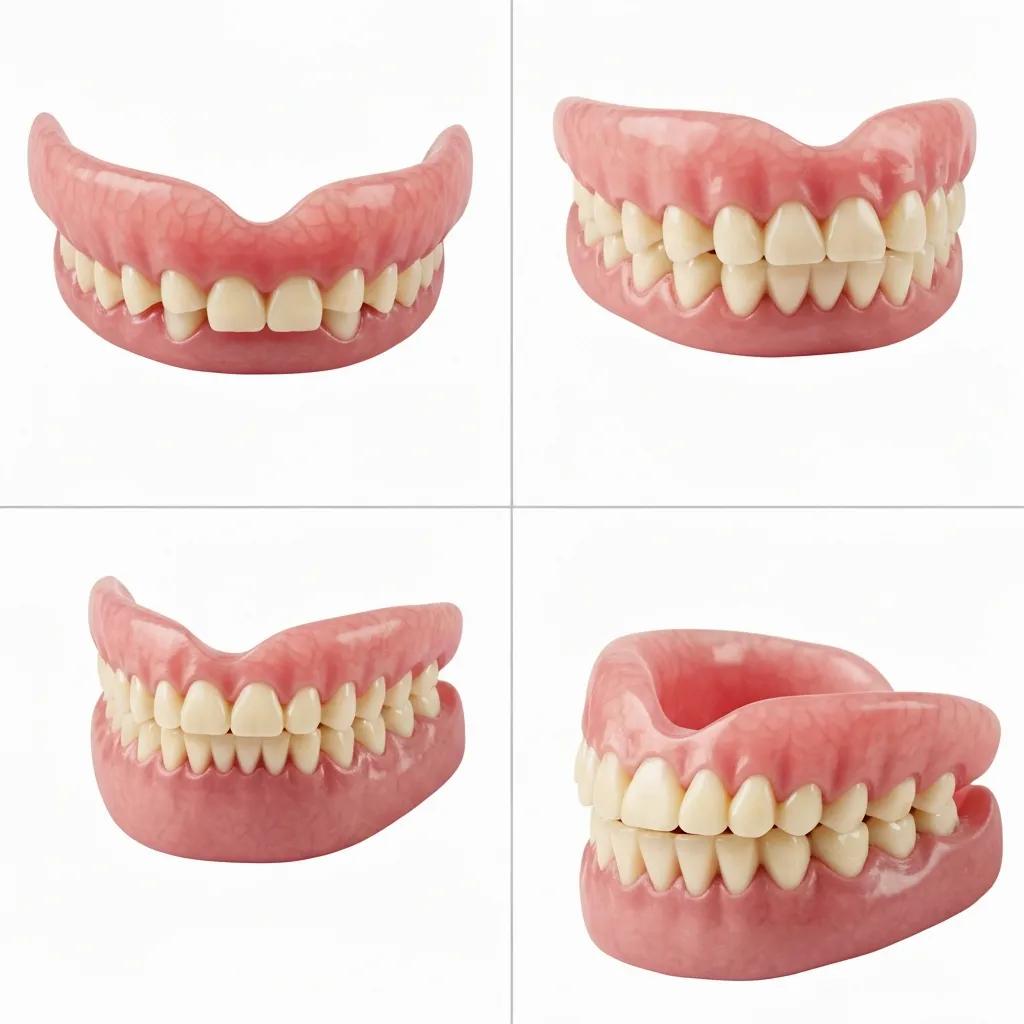
Dentures are removable appliances that replace missing teeth. They can be full or partial, immediate or conventional, and in some cases supported by implants. Dentures restore appearance and basic function quickly and usually cost less upfront than implants, but they rely on soft‑tissue support and suction or adhesive for retention rather than bone integration. When considering dentures, think about fit, upkeep, dietary adjustments, and the fact that relines and replacements are common as oral tissues change. Dentures are often a practical choice when speed, lower upfront cost, or clinical limits (like insufficient bone) steer the decision. Understanding types, trade‑offs, and maintenance helps patients plan for lifestyle and long‑term costs.
What Types of Dentures Are Available and How Do They Work?
Dentures come in several forms: full (complete) dentures replace all teeth in an arch; partial dentures fill multiple gaps and attach to remaining teeth; immediate dentures are made in advance and placed right after extractions; and implant‑supported dentures use implants as anchors to boost retention. Full dentures rely on suction, fit, or adhesive to stay put, while partials use clasps and frameworks attached to natural teeth. Implant‑supported designs reduce movement and improve chewing compared with conventional removable options. Materials such as acrylic, metal frameworks, and different tooth materials influence weight, durability, and cost.
Denture types and key features:
Full (complete) denture: replaces all teeth in an arch; depends on soft tissue and suction for retention.
Partial denture: replaces several teeth; attaches to remaining teeth with clasps or a framework.
Immediate denture: placed at the extraction visit; typically needs adjustments during healing.
Implant‑supported denture: anchored by one or more implants for improved stability.
Comparing these options by retention, timing, and maintenance helps explain why dentures are chosen in certain clinical or financial situations.
What Are Common Patient Challenges with Dentures?
Common complaints with dentures include fit problems, sore spots from pressure, instability when chewing, and trouble with adhesives or speech adaptation. Dentures need relines as the ridge remodels, and replacement every 5–10 years is typical depending on wear and oral changes. Many wearers avoid sticky, hard, or very chewy foods and accept added maintenance like nightly soaking and special cleaners. Psychosocial concerns — worry about slipping or clicking — can affect social eating or speaking. Careful fabrication, close follow‑up, and considering implant‑retained options can reduce these issues for many patients.
Common denture‑related issues include:
Fit and comfort problems: may require several adjustments and relines.
Functional limitations: lower bite force and dietary restrictions.
Maintenance burden: nightly care, adhesives, and occasional professional adjustments.
Addressing these predictable challenges during treatment planning helps set realistic expectations and supports staged approaches, like starting with dentures and later upgrading to implants if desired.
(Brief EAV table below maps denture types to timelines and expected maintenance to aid comparison.)
Denture Type
Typical Fabrication/Adjustment Timeline
Typical Maintenance/Replacement
Full (complete) denture
Made after impressions; adjustments over the first few months
Relines every 1–3 years; replacement every 5–10 years
Partial denture
Fabricated with a clasp framework; periodic occlusal adjustments
Repairs/adjustments as remaining teeth shift; replacement when fit declines
Immediate denture
Delivered at the extraction visit; requires relines during healing
Rebase/reline within months; replacement as the ridge remodels
Implant‑supported denture
Surgical implant phases followed by prosthesis fabrication
Implant hygiene and periodic prosthesis servicing; generally longer service life
This table highlights timelines and maintenance needs that drive lifetime cost and satisfaction decisions.
How Do Dentures Affect Eating, Speech, and Jawbone Health?
Removable dentures restore basic chewing but usually provide less bite force and lower chewing efficiency than natural teeth or implants, which can lead to food choices and slower eating. Speech can change at first because of the denture base; most people adapt in weeks, but problems persist if the fit or design is poor. Importantly, conventional dentures don’t transmit functional loads to bone, so they don’t prevent alveolar resorption — over years this can alter facial contours and ridge shape. Strategies like dietary adjustments, adhesives, and follow‑up appointments help many patients, but they don’t replace the biological benefits that implants can offer.
Functional and biological effects of dentures:
Reduced bite force and chewing efficiency compared with implants.
Speech adaptation period that depends on fit and prosthesis thickness.
No direct stimulus to prevent jawbone resorption; potential for long‑term facial changes.
Knowing these limits helps you weigh immediate affordability against possible long‑term anatomical and functional trade‑offs.
How Do Dental Implants and Dentures Compare in Cost and Long‑Term Investment?
Comparing upfront and lifetime costs depends on assumptions about durability, maintenance cycles, replacement intervals, and complication rates. Implants generally cost more at the start for surgery, imaging, and restorations but tend to last longer — often decades — with good care, which can make them more economical over time. Dentures cost less initially but add up through relines, repairs, adhesives, and replacements, and may incur future costs if bone loss complicates later care. Financing options, transparent pricing, and offers that lower immediate barriers (like everyday low fees and free consults) help patients match clinical value to their budget.
What Is the Upfront and Lifetime Cost of Dental Implants vs Dentures?
Upfront implant costs cover the surgical placement of the post, any healing or grafting needed, and the final crown or prosthesis. Lifespan models typically assume implants last 20+ years — often much longer with proper care — while conventional dentures commonly need replacement every 5–10 years. A lifetime cost estimate should include maintenance visits, possible complications, and replacement frequency. A clear side‑by‑side comparison helps show how an upfront investment and recurring expenses create different long‑term cost profiles.
Implants are long‑lived; prosthesis generally lasts longer than removable‑only
This comparison shows how implants front‑load costs but offer extended service life, while dentures spread lower initial cost across recurring replacements and maintenance.
(Short summary) Projecting replacement cycles and maintenance needs is key; many patients find implants deliver better long‑term value compared with years of relines and replacements for conventional dentures.
How Do Maintenance and Replacement Costs Affect Long‑Term Expenses?
Implant maintenance focuses on daily hygiene, periodic professional cleanings, and occasional component servicing (for example, abutment screws or prosthetic parts). Denture maintenance commonly includes relines, rebases, adhesive purchases, and repairs for fractures or worn teeth. Over 10–20 years, denture‑related costs can approach a significant share of implant costs depending on how often relines and replacements are needed. Indirect costs — such as dietary limitations, social impacts, or future surgical needs from bone loss — are also worth factoring into a holistic cost picture.
Typical maintenance items and frequency:
Implant hygiene visits: periodic professional cleanings plus daily home care.
Denture relines/rebasing: every 1–5 years, depending on tissue changes.
Prosthesis repairs: as needed for broken teeth or base fractures.
Comparing these recurring costs shows how a higher upfront investment in implants can translate into fewer replacement cycles and potentially lower lifestyle costs tied to functional limitations.
What Financing Options Are Available for Implants and Dentures in Grand Prairie?
In Grand Prairie, patients can explore in‑office plans, third‑party dental financing, and insurance coverage if applicable. Affordable Dentist Near Me – Grand Prairie emphasizes accessible care with offers like EVERYDAY LOW FEES and a Free implants consultation to help you understand personalized cost estimates and payment choices during a no‑cost visit. A Free Dental consultation can clarify whether a staged plan (for example, starting with dentures and later converting to implants) or grafting is needed and provide a detailed estimate that includes likely maintenance. Practical steps include asking for a written lifetime cost projection, checking monthly payment plan options, and discussing phased treatment to spread costs without sacrificing long‑term outcomes.
Practical financing steps to consider:
Ask for a detailed treatment estimate that includes maintenance and replacement scenarios.
Inquire about in‑office payment plans or third‑party financing to spread costs.
Use a Free Dental consultation or Free implants consultation to review personalized options and any current offers like EVERYDAY LOW FEES.
Entity
Attribute
Value
Dental implants
Upfront cost driver
Surgery, materials, imaging, and restoration fees
Dentures
Upfront cost driver
Lab fabrication, fittings, and initial adjustments
Long‑term cost driver
Maintenance/replacement
Relines, repairs for dentures; component servicing for implants
This summary clarifies the main financial drivers that shape patient decisions and highlights where ongoing costs are most likely to appear.
What Are the Pros and Cons of Dental Implants vs Dentures for Patient Satisfaction?
Weighing pros and cons turns technical differences into patient‑focused tradeoffs. Implants deliver superior stability, bone preservation, and functional results but require surgery and a higher initial outlay. Dentures provide fast restoration and lower upfront cost but come with limits on comfort, chewing, and long‑term tissue preservation. Your priorities — immediate budget, speed, tolerance for surgery, desire for long‑term stability, and cosmetic goals — should guide the choice. Hybrid options (like implant‑retained dentures) can bridge function and cost for many patients.
What Are the Advantages of Dental Implants Over Dentures?
Implants offer clear satisfaction advantages: stable function that restores chewing and speech, preservation of jawbone that supports facial structure, less need for adhesives and frequent adjustments, and long lifespan that reduces future prosthetic cycles. Aesthetics are often better because crowns are shaped and shaded to match natural teeth, and implant restorations avoid the bulk of denture bases. For patients focused on function, bone health, and low ongoing maintenance, implants often align with those goals. Evidence and patient‑reported outcomes usually show higher satisfaction for implant restorations in both single‑tooth and full‑arch care.
Advantages summarized:
Stability and function: near‑natural bite force and chewing efficiency.
Bone preservation: reduced resorption and improved facial support.
Longevity and fewer replacements: less frequent prosthetic turnover.
These benefits explain why many patients consider implants a worthwhile long‑term investment in oral health and quality of life.
What Are the Limitations and Drawbacks of Dentures Compared to Implants?
Dentures depend on soft tissue for retention, which can lead to slippage while eating or speaking and to sore spots. They don’t prevent bone loss and often require relines or replacements as the ridge remodels. Dietary limits and extra maintenance (cleaning, adhesives) are common and can reduce convenience and confidence. Still, dentures are the right choice when speed, lower upfront cost, or medical constraints make surgery impractical — and they can serve as interim prostheses until implant care becomes possible.
Core drawbacks of dentures:
Instability and functional compromise: lower bite force and food limits.
Ongoing maintenance and replacement: relines, adhesives, and periodic remakes.
No protection against bone loss: risk of progressive facial changes.
Knowing these drawbacks helps you set realistic expectations and explore mitigation strategies such as implant‑retained overdentures when appropriate.
Who Is a Suitable Candidate for Dental Implants or Dentures?
Implant candidacy depends on mouth‑specific factors — sufficient bone volume and healthy gums — plus systemic health considerations like controlled chronic conditions and smoking status. Dentures are often recommended when bone is insufficient for implants without grafting, when immediate full‑arch replacement is needed, or when budget and timing favor a non‑surgical route. A clinical exam is essential to determine candidacy; pre‑treatment procedures (extractions, bone grafting, sinus lifts) can expand implant eligibility. Discussing goals and constraints during a consult helps your clinician recommend the most satisfying and realistic path.
What Oral Health Factors Determine Candidacy for Dental Implants?
Important implant candidacy factors include adequate bone quantity and quality, controlled periodontal health, ability to maintain oral hygiene, and overall health that supports healing. Bone grafting and ridge augmentation can restore volume when needed, and well‑managed systemic conditions often permit safe implant placement. Smoking and uncontrolled diabetes increase risks and can affect osseointegration. A complete exam with imaging identifies anatomical limits and helps plan corrective steps for predictable results.
Candidacy checklist includes:
Adequate bone volume or the possibility of grafting.
Stable gum health without active periodontal infection.
Reasonable overall health and healing capacity.
Willingness to commit to oral hygiene and ongoing maintenance.
When factors aren’t ideal, staged approaches or alternative prostheses can keep future implant options open while meeting immediate needs.
When Are Dentures the Recommended Option?
Dentures are recommended when immediate full‑arch replacement is needed, when bone loss makes implants impractical without extensive grafting, or when time and budget constraints limit access to implant surgery. They’re also useful as interim solutions after extractions or while planning staged implant care. Dentures can be a satisfactory long‑term solution for patients who prefer non‑surgical care, accept maintenance, or have medical reasons that contraindicate implant surgery. They also leave open the option to upgrade to implant‑retained designs later.
Common scenarios favoring dentures:
Immediate replacement after extractions.
Insufficient bone without feasible grafting.
Limited budget or medical contraindications to surgery.
This flexibility lets dentures meet urgent cosmetic and functional needs while preserving future restorative choices as circumstances change.
How Do Patient Experiences and Satisfaction Levels Differ Between Implants and Dentures?
Satisfaction includes measurable outcomes — chewing, speech, and stability — and personal impressions like comfort, appearance, and social confidence. Implant patients typically report faster improvements in diet and self‑image and less worry about slipping, while denture wearers often point to the value of lower upfront cost but note ongoing adaptation and maintenance. Short patient stories and survey summaries show typical timelines for adjustment and the cumulative ways each option affects daily life, helping prospective patients know what to expect emotionally and functionally over months and years.
What Do Real Patients Say About Their Dental Implant Outcomes?
Patient stories commonly highlight regained eating choices, improved confidence, and fewer social interruptions. Many people notice stronger biting power and the ability to eat previously avoided foods within weeks to months after restoration. Satisfaction surveys often show better comfort and function scores for implants compared with prior dentures or missing teeth. While some describe initial surgical anxiety or short‑term healing discomfort, long‑term reports emphasize durable benefits tied to how implants integrate with bone and transfer load.
Common implant patient themes:
Rapid functional improvement with lasting stability.
Greater confidence in social and professional settings.
Willingness to accept a surgical phase for durable, long‑term benefits.
These patterns support quantitative results and explain why implants often rank higher on satisfaction indexes.
How Do Patients Describe Life with Dentures Compared to Implants?
Denture wearers describe a learning curve that includes adjustments, adhesives, and selective eating; many accept these trade‑offs for lower initial cost and fast restoration. Some are satisfied long term with well‑fitting dentures and the non‑surgical approach, especially with regular follow‑up. Others grow frustrated by changing fit and the need for relines or replacements. When finances or health allow, some patients later choose implant‑retained options for greater comfort and function.
Typical denture wearer experiences:
Immediate relief at restored appearance and function, followed by an adaptation period.
Ongoing maintenance obligations that affect convenience.
Occasional desire to upgrade to implant‑supported options when feasible.
Understanding these real‑life experiences helps you predict lifestyle impacts and plan follow‑up care to maintain comfort and function.
How Can You Make an Informed Decision: Scheduling a Free Consultation in Grand Prairie?
A focused consultation turns general information into a personalized plan by assessing your mouth, candidacy, timeline, and costs. During a Free Dental consultation or Free implants consultation, clinicians will examine your oral health, take any needed imaging, review your medical history, outline realistic outcomes, and present financing options that match your priorities. Affordable Dentist Near Me – Grand Prairie offers these free consultations as a low‑friction way to get clear, individualized estimates and answers about procedures, timelines, and maintenance. Ask for a written lifetime cost projection and a step‑by‑step timeline to compare options side‑by‑side.
What to Expect During a Free Dental Implant or Denture Consultation?
A typical free consult follows a clear flow: intake and medical history, a clinical exam, diagnostic imaging if needed (X‑ray or CBCT), a discussion of treatment options and candidacy, an outline of expected timelines (surgical stages or denture fabrication), and a review of costs and financing choices. Bring any list of medications and prior dental records if available, plus questions about recovery, alternatives, and maintenance. The visit usually ends with recommended next steps — imaging, pre‑treatment procedures, or scheduling — and written estimates to help you compare options objectively.
Intake and history: review medical and dental background.
Clinical exam: assess gum health, teeth, and ridge anatomy.
Imaging: take X‑rays or scans if needed for planning.
Treatment discussion: outline implants vs dentures, timelines, and expected outcomes.
Financing and next steps: provide written estimates and scheduling options.
This structured approach ensures you leave with clear, actionable information instead of uncertainty, making the decision easier to manage.
How Does Affordable Dentist Near Me – Grand Prairie Support Your Treatment Choice?
Affordable Dentist Near Me – Grand Prairie helps patients by offering Free Dental consultation and Free implants consultation to remove barriers to an initial evaluation and deliver local, personalized guidance. The practice highlights patient‑friendly features like EVERYDAY LOW FEES, a Free whitening pen, and Free laser whitening with cleaning, exam, and X‑ray — useful if aesthetics matter alongside function. During consultations, the team reviews candidacy, recommends sequencing (including grafting if needed), and explains financing choices so you can balance clinical benefits with budget. The goal is to center your priorities while giving honest timelines and cost projections for both dentures and implant options.
Practice support features:
Free Dental consultation and Free implants consultation for a personalized assessment.
Accessible pricing emphasized through EVERYDAY LOW FEES and current promotional offers.
Clear guidance on treatment sequencing, maintenance, and financing options.
These steps are designed to help you make an informed local decision without pressure, aligning medical advice with your personal goals.
Frequently Asked Questions
What Are the Key Differences in Maintenance Between Implants and Dentures?
Implants need daily home care and periodic professional cleanings, with relatively low ongoing costs for most patients. Dentures require relines, repairs, and adhesives, which can add up over time. Consider maintenance needs when weighing long‑term cost and convenience — implants generally mean less recurring upkeep compared with removable dentures.
How Do Patient Experiences with Implants and Dentures Differ Over Time?
People with implants often report faster improvement in comfort and function after the initial healing phase. Denture users may face a longer adjustment period with occasional fit issues and dietary limits. Over the years, many denture wearers consider switching to implants for added stability and comfort when feasible.
Can Dental Implants Be Placed Immediately After Tooth Extraction?
Yes — in select cases, implants can be placed immediately after extraction (immediate implant placement). This can preserve bone and shorten the overall timeline, but suitability depends on the extraction site condition and your oral health, which a consultation will evaluate.
What Are the Aesthetic Benefits of Choosing Implants Over Dentures?
Implants often provide more natural, tooth‑like aesthetics because individual crowns can be shaped and shaded to match your smile. Dentures can look good too, but they may feel bulkier and can move, which can affect appearance in some situations. If a natural look is a priority, implants are commonly preferred.
How Do Dietary Restrictions Differ Between Implants and Dentures?
Implants restore near‑natural bite force, letting you eat a wider range of foods, including harder and chewier items. Dentures typically require avoiding certain foods that can dislodge the appliance or cause discomfort. This difference has a real impact on daily life and satisfaction.
What Should Patients Expect During the Healing Process After Implant Surgery?
After implant surgery you can expect a healing period of several months while osseointegration occurs and the bone bonds to the implant. Short‑term swelling and soreness are common but usually resolve in days. Following your post‑op instructions closely is important for a successful recovery and strong implant integration.
Are There Any Age Restrictions for Receiving Dental Implants or Dentures?
There aren’t strict age limits for implants or dentures, but candidates should have healthy gums and enough bone. Older adults can benefit from implants if overall health is appropriate. Dentures remain a suitable option for patients of many ages — especially when immediate restoration or non‑surgical care is needed.
Are Dental Implants Better Than Dentures for Patient Satisfaction?
Generally, yes — dental implants tend to deliver higher satisfaction for stability, chewing ability, and long‑term comfort. That said, the best option depends on your clinical picture and budget. Dentures are still appropriate when surgery isn’t feasible or when you need an immediate, lower‑cost solution. Talk over both paths during a Free implants consultation to see which fits your situation.
How Long Do Dental Implants Last Compared to Dentures?
With proper care, implants often last 15–30 years or longer, while conventional dentures usually require replacement every 5–10 years depending on wear and ridge changes. Implant longevity depends on hygiene, overall health, and the absence of complications; denture lifespan is driven by material wear and ongoing bone resorption.
Do Dental Implants Prevent Jawbone Loss Better Than Dentures?
Yes — implants stimulate bone by transferring functional load into the jaw and significantly slow alveolar resorption compared with removable dentures. That bone‑preserving effect helps maintain facial contours and prosthetic support over time, which matters for long‑term aesthetics and function.
Which Option Is More Cost‑Effective Over Time: Implants or Dentures?
For many patients, implants can be more cost‑effective over the long term because they need fewer replacements and may reduce indirect lifestyle costs. The right answer depends on your specific mouth, projected maintenance, and treatment goals. A written lifetime cost projection from a Free Dental consultation will help compare total expected expenses for your situation.
(Short CTA) For a personalized cost model and clinical assessment, schedule a Free Dental consultation or a Free implants consultation at Affordable Dentist Near Me – Grand Prairie to get a custom treatment estimate and next‑step plan.
Comparison Attribute
Dental Implants
Dentures
Typical upfront investment
Higher (surgical + restorative phases)
Lower (fabrication and fittings)
Maintenance frequency
Lower (routine hygiene and component servicing)
Higher (relines, adhesives, repairs)
Bone preservation
Yes (osseointegration stimulates bone)
No (can accelerate resorption)
If long‑term stability and bone health are priorities, implants are often the preferred choice.
If immediate restoration or lower initial cost is the main concern, dentures may be appropriate.
These decision rules, together with a Free Dental consultation, help make sure your choice matches both clinical reality and personal priorities.
Conclusion
Choosing between dental implants and dentures is an important decision that affects both oral health and everyday life. Implants offer superior stability, bone preservation, and long‑term satisfaction for many patients. Dentures provide a faster, lower‑cost option that fits specific clinical or financial needs. To explore which path fits you best, schedule a Free Dental consultation today.