The Facts About Dental Implants: Lifespan, What Affects Them, and When They Need Replacing
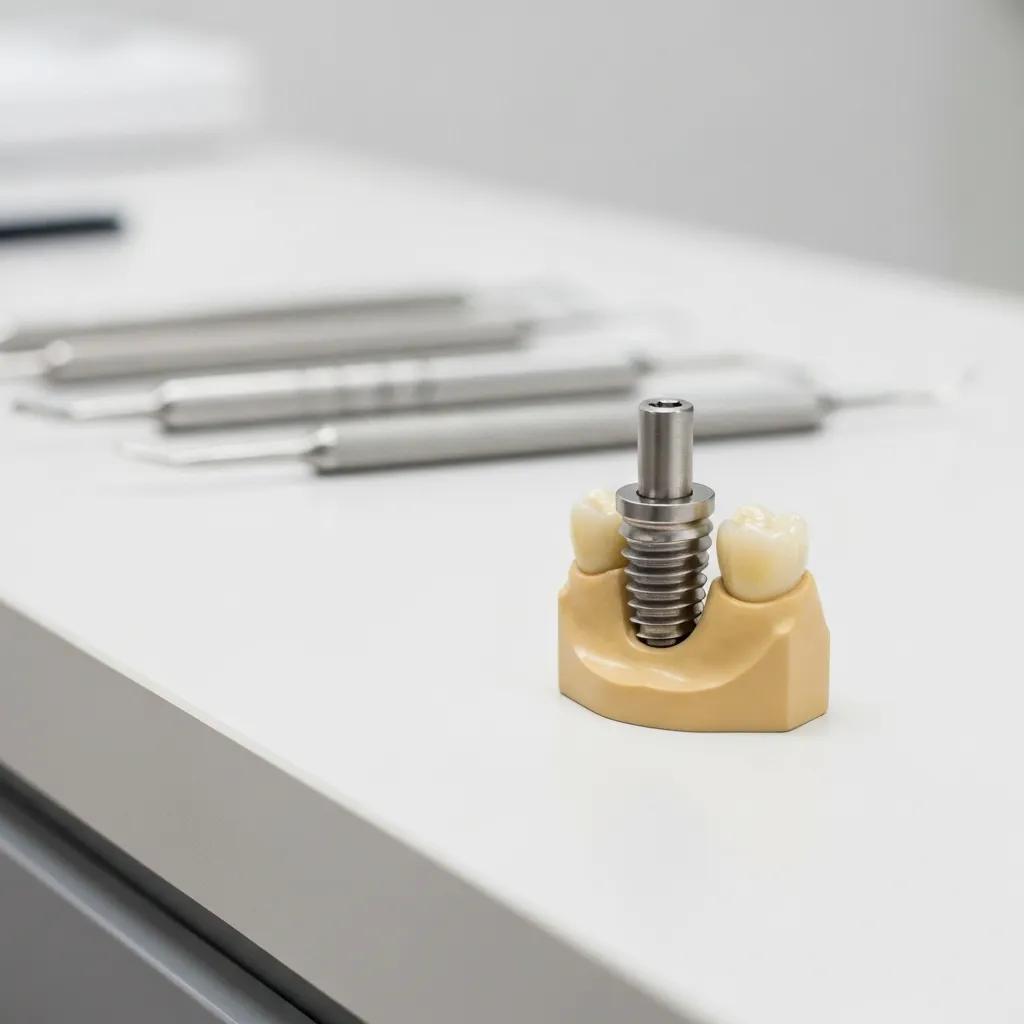
Dental implants replace missing teeth by anchoring a prosthetic crown to a post that bonds with the jawbone. Because that bone‑to‑implant connection (osseointegration) forms a stable foundation, implants commonly last for many years. The practical question is how long each implant component—the post, the abutment, and the crown—will work before repair or replacement is needed. This article breaks down typical lifespan ranges, why implants sometimes fail, clear signs that replacement is needed, and the usual replacement pathways. You’ll also find a comparison of titanium and zirconia, Fort Worth–specific cost drivers, and straightforward maintenance tips. Read on to learn survival rates, component durability, prevention steps, and what to expect during consults and treatment planning.
How Long Do Dental Implants Typically Last?
An implant system has three main parts: the implant post (usually titanium or zirconia), the abutment that connects the post to the prosthetic, and the crown or denture that restores form and function. The post is intended as a long‑term root replacement; crowns and abutments are wear parts that often need periodic attention. To set realistic expectations, it helps to separate implant survival (the post staying integrated) from prosthetic longevity (crowns and connectors wearing over time). Large clinical studies show high implant survival overall, but individual outcomes depend on bone quality, health, maintenance, and mechanical load. The table below gives typical lifespan ranges for each component so you and your clinician can plan effectively.
Component
Characteristic
Typical Lifespan / Range
Implant post (titanium)
Osseointegrated structural anchor
20–30+ years (many lifelong)
Implant post (zirconia)
Ceramic anchor with aesthetic profile
15–25+ years (emerging data)
Abutment (metal or ceramic)
Connector subject to screw loosening/wear
10–20 years depending on load
Prosthetic crown
Occlusal wear, fracture, esthetic change
8–15 years, often replaced sooner
Implant-supported denture
Attachment wear, replacement liners
5–15 years for prosthesis components
In short: the implant post often lasts decades, while crowns, abutments, and attachment systems usually need periodic maintenance or replacement. Keeping this distinction in mind makes it easier to plan preventive care and realistic budgets.
What Is the Average Lifespan of a Dental Implant?
Long‑term studies report high survival rates for implant posts—often above 90% at 10 years and remaining strong at 20 years for many groups. Here, “survival” means the post stays stable and integrated; prosthetic parts follow a different timeline because of wear and esthetic changes. Those averages assume favorable conditions: enough bone, controlled medical issues, and good oral hygiene. Under those circumstances, a titanium post commonly functions well for 20–30 years or more, while the crown may need one or more replacements in that same span. Knowing this helps you weigh the durable structural benefit of an implant against expected prosthetic maintenance.
Osseointegration and Aging: Impact on Dental Implant Success
This review explains how osseointegration—bone bonding to the implant—supports implant success and how aging can reduce that process. In older patients, bone marrow mesenchymal stem cells (MSCs) tend to shift away from forming new bone toward fat cells, which can impair bone healing around implants. The paper examines molecular mechanisms (autophagy, signaling pathways, epigenetics, microRNAs, oxidative stress) that affect MSC behavior and discusses therapeutic ideas to improve osseointegration in aging bone.
Mesenchymal stem cells and dental implant osseointegration during aging: from mechanisms to therapy, 2023
Which Factors Most Influence Dental Implant Longevity?
Several interacting factors determine whether an implant reaches its full lifespan or fails early: local biology (bone quality and volume), systemic health (diabetes control, immune status), behaviors (smoking, grinding), and prosthetic planning and occlusion. Problems such as poor bone support, infection, or mechanical overload from clenching increase the risk of early failure. Peri‑implant health—good plaque control and stable soft tissue—is a leading modifiable factor. With the right planning, materials, and follow‑up care, patients can reduce many risks and lengthen both implant and prosthetic survival.
Factors Affecting Dental Implant Survival Rates: A Retrospective Study
This retrospective study evaluated variables linked to implant survival. Results showed failures across age groups and some differences by patient and implant characteristics. Reported survival rates in the study included roughly 95% in males and 94.7% in females, with slightly higher survival in the mandible than the maxilla. Smokers and patients with certain medical conditions had marginally lower survival in the data.
Factors affecting the survival rate of dental implants: A retrospective study, SK Panda, 2017
What Are the Key Components of a Dental Implant and Their Durability?
An implant is a system made of parts with different jobs: the post replaces the root, the abutment transfers load and supports the crown, and the prosthetic crown restores chewing and appearance. Each piece has its own failure modes and maintenance needs—so lifespan estimates differ by component. Clinicians measure durability by biological integration for posts, mechanical stability for abutments, and material wear for crowns. Choosing the right design and materials for a patient’s anatomy and bite reduces stress and extends service life.
How Durable Is the Titanium Post and Abutment?
Titanium posts are strong and biologically friendly, promoting osseointegration where bone bonds directly to the implant surface. Post failure is uncommon when implants are placed into sound bone and infection is controlled; most late failures are linked to progressive bone loss from peri‑implant disease. Abutments can have mechanical issues—screw loosening or wear—particularly with heavy bite forces or bruxism, but these are usually fixable with repair or replacement rather than removing the implant. Modern surface treatments, thread designs, and connection types help spread forces and reduce harmful micro‑movement.
When Does the Implant Crown Usually Need Replacement?
Crowns take the brunt of chewing, abrasion, and esthetic wear, so they generally need replacement sooner than the implant post. Average crown lifespans are around 8–15 years, depending on material, bite, and hygiene. Ceramic crowns may chip; metal‑ceramic crowns can show wear or margin changes. Signs you need a new crown include visible cracks, recurrent margin problems, ongoing discomfort, or dissatisfaction with how it looks. When replacing a crown, clinicians review occlusion, materials, and abutment condition to help the new restoration last longer.
How Can You Maximize the Lifespan of Your Dental Implant?
Keeping an implant for as long as possible means combining good at‑home care, behavior changes, and regular professional follow‑up. Daily plaque control prevents early inflammation, avoiding tobacco lowers inflammation and bone loss risk, and routine exams with imaging catch problems early. Addressing mechanical wear or soft‑tissue issues quickly preserves both the implant and the prosthetic parts. Below is a simple checklist of high‑impact actions you can take.
Daily meticulous oral hygiene: Use interdental brushes and floss around the implant to remove plaque.
Regular professional maintenance: Keep scheduled exams and cleanings so your provider can spot early bone loss or inflammation.
Risk behavior management: Quit tobacco and protect teeth from grinding with a nightguard when needed.
Systemic health control: Keep conditions like diabetes well managed to support healing and bone health.
What Daily Care Practices Improve Implant Longevity?
Daily care should remove plaque, protect soft tissue, and limit excessive forces on the prosthesis. Use interdental brushes or implant‑specific floss, rinse with a clinician‑recommended antimicrobial when appropriate, and avoid very abrasive toothpaste that can damage prosthetic surfaces. If you grind or clench, an occlusal guard reduces overload that can loosen screws or chip crowns. These habits, combined with professional checks, are the most effective way to preserve osseointegration and prosthetic function.
How Do Regular Dental Check-Ups Prevent Implant Failure?
At check‑ups, your clinician monitors probing depths, tissuehealth, and radiographic bone levels—early signs that can be treated before they cause major bone loss. Cleanings around implants use instruments and techniques that remove biofilm without harming implant surfaces. Clinicians also check occlusion, prosthetic fit, and screw stability and make repairs or adjustments to prevent mechanical failure. Early detection and tailored recall schedules are consistently linked with better long‑term outcomes.
Dental Implant Survival: Influence of Age, Type, and Location
This study examined how age, implant type, length, location and prosthesis type relate to survival. It found variation in survival rates across different groups—for example, lower rates in very advanced age and with certain implant dimensions or locations. The data underline how patient and implant characteristics together influence long‑term success.
A retrospective study on related factors affecting the survival rate of dental implants, 2011
What Are the Signs That a Dental Implant Needs Replacement?
Early recognition of warning signs helps avoid catastrophic loss and simplifies treatment. Red flags include persistent pain, new mobility of the crown or implant, swelling, constant bad taste or pus, and visible bone loss on X‑rays. It’s important to tell prosthetic problems (like a fractured crown or loose screw) apart from structural implant failure (mobility of the post with bone loss) because the treatments differ greatly.
Here are clear warning signs that deserve prompt evaluation.
New or worsening pain around the implant site: Pain after healing can mean infection or overload.
Mobility of the crown or implant: A wobbly crown may mean a loose screw; a moving implant body usually signals loss of integration.
Persistent swelling, drainage, or foul taste: These point to an active infection like peri‑implantitis and need urgent care.
Changes in bite or difficulty chewing: New chewing problems can stem from a fractured prosthesis or occlusal shifts.
Radiographic evidence of bone loss: Progressive bone loss on images requires intervention to prevent further deterioration.
Spotting these issues early increases the chance that conservative care—prosthetic repair, targeted antimicrobial treatment, or localized debridement—can fix the problem without removing the implant.
Which Symptoms Indicate Implant Failure or Damage?
A combination of pain, swelling, pus, and X‑ray bone loss points toward implant failure or active peri‑implant disease. Pain at the implant site after initial healing often means infection or mechanical overload; a loose crown can feel similar but is usually managed prosthetically. Movement of the implant post itself is a definitive sign of lost osseointegration and generally requires removal and planning for replacement or another restorative option. If you notice these symptoms, seek prompt evaluation—earlier care improves the chance of saving the situation.
How Often Do Implant Crowns Require Replacement?
Crown life depends on material, bite forces, and habits; many crowns are replaced every 8–15 years. Bruxism, diets that encourage marginal decay, or trauma can shorten that timeline. Regular checks of crown margins, wear, and esthetics help decide the best time to replace a crown before complications arise. Proactive crown replacement is usually less invasive and less expensive than treating problems caused by neglected prostheses.
What Is the Process for Dental Implant Replacement?
Replacing a failing implant or prosthesis follows staged steps: diagnostic assessment, treatment planning, removal of failed parts if needed, management of bone and soft tissue, and either re‑implantation or an alternate prosthetic solution. The first step is a careful exam and imaging to see if the implant post can be saved. If removal is necessary, bone preservation and grafting techniques are used to rebuild the site before placing a new implant; sometimes bridges or removable options are reasonable when re‑implantation isn’t possible. Timelines vary by complexity, with healing intervals required after grafts before final restoration.
A typical replacement workflow looks like this:
Assessment and imaging: Check bone levels, infection, and prosthetic condition with an exam and radiographs.
Decision and removal: Attempt conservative fixes or remove the implant if integration is lost.
Reconstruction: Perform bone grafting or soft‑tissue augmentation when needed and allow healing.
Re-implantation or alternative restoration: Place a new implant or design a bridge/denture, then restore with a crown or prosthesis.
How Is a Failed Implant Removed and Replaced?
If an implant can’t be saved, clinicians remove it with techniques that protect remaining bone—examples include atraumatic extraction tools or trephine removal in selected cases—followed by cleaning and infection control. When bone volume is insufficient, grafting with particulate grafts and membranes rebuilds the ridge; predictable healing usually takes several months before placing a new implant. In some situations, immediate replacement with a larger or differently designed implant is possible if good primary stability can be achieved. Recovery typically involves staged healing, prosthetic adjustments, and follow‑up to confirm integration and soft‑tissuehealth.
What Should Patients Expect During Implant Replacement Consultations?
A replacement consult starts with your medical and dental history, a focused exam, and targeted imaging to evaluate bone, infection, and the prosthesis. The dentist will explain findings, outline options—from prosthetic repair to implant removal and re‑implantation—and review expected timelines and healing needs. Cost and financing are discussed in general terms, and you’ll leave with a personalized plan that clarifies next steps and likely outcomes.
If you’re ready to move forward, Affordable Dentist Near Me offers straightforward guidance and scheduling. To start planning, schedule your free implant consult.
How Much Does Dental Implant Replacement Cost in Fort Worth, TX?
Replacement costs vary because many factors affect the work needed: whether the implant post must be removed, the need for grafting, the choice of implant material, the complexity of the crown or denture, and lab and provider fees. Local market factors—regional pricing, specialist availability, and access to in‑house labs—also influence estimates. Rather than a single price, most patients receive scenario‑based ranges after a clinical evaluation. The table below summarizes common cost drivers so Fort Worth patients can see why a personalized consult is the best way to get an accurate estimate.
Component
Cost Driver
Estimated Impact on Total
Removal complexity
Simple prosthetic repair vs surgical implant removal
Low to high depending on invasiveness
Bone grafting
Graft type and volume, need for membranes
Moderate to high due to added procedures and healing
Implant material
Titanium vs zirconia selection and specialty components
Moderate depending on system and lab fees
Prosthetic crown
Crown material, lab complexity, esthetic demands
Moderate; repeat crown increases lifetime cost
Provider fees
Specialist vs generalist involvement
Moderate to high based on provider expertise
What Factors Affect the Cost of Implant Replacement?
The biggest cost variables are whether the implant body must be removed, how much grafting is needed, the complexity and materials for the new prosthesis, and whether a specialist is required. Additional procedures—sinus lifts, soft‑tissue grafts, or staged surgeries—raise both time and cost. Insurance and financing can offset some out‑of‑pocket expenses but vary by plan, so discussing coverage during your consult helps set realistic expectations. Because every mouth is different, an individualized consult is the most reliable way to get a Fort Worth cost estimate.
The main cost factors at a glance:
Extent of surgical intervention: Simple repairs cost less than surgical removal and reconstruction.
Grafting needs: Larger or more advanced grafts increase time and expense.
Prosthetic selection: Premium esthetic materials and complex lab work raise the prosthesis portion of the bill.
These items combine with your health and anatomy to determine the final plan and cost.
How Does Affordable Dentist Near Me Offer Value with Free Consults?
Affordable Dentist Near Me in Fort Worth focuses on transparency and access. We offer a Free Dental Implant Consult so you can learn what your case likely requires without an upfront fee. During that consult we review findings, explain options—from simple prosthetic repair to full replacement—and outline the cost drivers specific to your situation. We also offer Everyday Low Fees, a 24/7 emergency hotline, and online scheduling to make care easier to access. If you’re comparing local options, a free consult removes a big barrier and helps you make an informed choice.
How Do Different Implant Materials Affect Longevity and Replacement Timing?
Choice of material—most commonly titanium or zirconia—changes mechanical strength, tissue response, and esthetic outcome, which in turn affects replacement timing and failure patterns. Titanium has decades of long‑term evidence for strength and osseointegration, making it a common go‑to. Zirconia is tooth‑colored and can be helpful in thin tissue zones or for patients preferring metal‑free solutions, but long‑term data beyond the mid‑term are more limited. Properties like corrosion resistance, fracture toughness, and surface treatment interact with a patient’s biology to determine real‑world longevity.
The table below compares key attributes that matter for clinical decisions and expected service life:
Material
Characteristic
Longevity Considerations
Titanium
High strength, excellent osseointegration
Extensive long-term data; 20–30+ year survival common
Zirconia
Ceramic, tooth-colored, good soft-tissue aesthetics
Emerging long-term evidence; favorable in esthetic zones but careful case selection required
Surface treatments
Roughening, coatings
Surface technology promotes faster and stronger osseointegration, improving early stability
Prosthetic interface
Titanium abutment vs ceramic abutment
Choice impacts esthetics, screw mechanics, and replacement needs
What Are the Lifespan Differences Between Titanium and Zirconia Implants?
Titanium implants have the strongest long‑term track record, with many cases lasting more than two decades when other factors are favorable. Zirconia performs well in the short‑ to mid‑term and is useful where a metal‑free or highly esthetic solution is desired, but large‑scale 20‑year studies are still limited. Zirconia’s fracture risk and certain connection designs mean careful case selection and prosthetic planning are important. Material choice should be guided by esthetic needs, soft‑tissue thickness, bite forces, and the patient’s preference for metal‑free options.
How Do Material Advancements Influence Implant Success Rates?
New surface technologies—micro and nano texturing—help bone attach faster and more securely. Digital planning and guided surgery improve placement accuracy and load distribution, reducing mechanical complications. Better prosthetic materials and CAD/CAM workflows give tighter fits that limit micro‑movement and bacterial ingress at interfaces. Together, these advances raise overall success rates and can push replacement timing further out for both posts and prosthetic parts.
What Are Common Causes of Dental Implant Failure and How Can They Be Prevented?
Implant failure usually stems from biological problems—most commonly peri‑implantitis with progressive bone loss—or mechanical issues like overload, poor prosthetic fit, or material fracture. Systemic health and behaviors (uncontrolled diabetes, smoking) make biological problems more likely; occlusal mismanagement and bruxism increase mechanical risk. Prevention is a team effort: careful case selection and planning, precise surgery, appropriate materials, and a strong maintenance program that combines patienthygiene and professional monitoring. The checklist below highlights the most important preventive steps.
Key prevention strategies include:
Pre-treatment optimization: Evaluate and address systemic risks and plan for sufficient bone and soft tissue.
Surgical and prosthetic precision: Use guided planning and the right implant selection to ensure favorable mechanics.
Maintenance program: Set tailored recall intervals and hygiene protocols to prevent peri‑implant disease.
How Does Peri-Implantitis Affect Implant Longevity?
Peri‑implantitis is inflammation around an implant that accompanies progressive bone loss; left untreated it can break down osseointegration and lead to implant mobility and loss. The disease is driven by a microbial biofilm that triggers an immune response, and risk factors include poor oral hygiene, smoking, and a history of gum disease. Treatments range from non‑surgical decontamination and localized antimicrobials to surgical debridement and bone regeneration, depending on severity. Early detection with probing and radiographs greatly improves outcomes and often allows interventions that prevent complete implant failure.
What Lifestyle Factors Reduce Implant Success?
Smoking, uncontrolled diabetes, heavy alcohol use, and untreated bruxism reduce implant survival by impairing healing, increasing infection risk, and accelerating mechanical wear. Smoking lowers blood flow and immune response, increasing peri‑implant disease and bone loss risk; unstable blood sugar slows wound healing and raises infection risk. Parafunctional habits place excessive load on prostheses, speeding abutmentwear and crown fracture. Effective counseling, smoking cessation support, medical coordination for systemic disease control, and occlusal guards for bruxism are all important parts of comprehensive implant care.
Frequently Asked Questions
What are the common causes of dental implant failure?
Implant failure can come from biological issues—most often peri‑implantitis that leads to bone loss—or mechanical problems like overload, poor prosthetic fit, or material fracture. Systemic conditions (for example, uncontrolled diabetes) and lifestyle choices (like smoking) increase risk. Good assessment, careful planning, precise treatment, and ongoing maintenance are key to reducing these risks.
How does smoking affect dental implant success rates?
Smoking reduces blood flow and impairs immune response, which raises the risk of infection and slows healing. Smokers face higher chances of peri‑implant disease and bone loss, which can compromise osseointegration. Quitting before and after implant treatment improves healing and long‑term success.
What role does oral hygiene play in implant longevity?
Excellent oral hygiene is essential. Daily plaque control prevents peri‑implant diseases that can cause inflammation and bone loss. Use interdental brushes and, when recommended, an antimicrobial rinse. Regular professional cleanings and checks let clinicians catch early signs and protect both the implant and surrounding tissues.
Can dental implants be placed in patients with systemic health issues?
Yes—many patients with systemic conditions can get implants, but careful evaluation and management are necessary. Conditions like diabetes, osteoporosis, or cardiovascular disease affect healing and success rates. With proper medical coordination and planning, clinicians can often proceed safely and successfully.
What are the signs of implant failure that patients should watch for?
Watch for persistent pain, mobility of the crown or implant, swelling, unusual drainage or bad taste, and X‑ray evidence of bone loss. Early reporting of these signs lets your dentist intervene sooner and often prevents complete implant loss.
How do lifestyle choices impact the success of dental implants?
Lifestyle matters: smoking, heavy alcohol use, poor diet, and unmanaged stress can harm healing. Parafunctional habits like grinding put extra force on implants. Adopting healthier habits and using protective measures like nightguards improve the chance of long‑term success.
What is the importance of regular dental check-ups after implant placement?
Regular check‑ups let your team monitor tissuehealth, prosthetic fit, and bone levels. Cleanings remove biofilm safely around implants, and early problems can be treated before they cause major damage. Scheduled follow‑ups are one of the best investments in protecting your implant.
Conclusion
Knowing how long implants and their parts typically last—and what affects that lifespan—helps you plan and protect your investment. With proper case selection, good home care, and regular dental follow‑up, most implants provide many years of reliable function. If you want personalized guidance or a cost estimate, schedule your free consult with us in Fort Worth today.