Dental Implant Maintenance Tips: What You Should Know About the Maintenance Effort of Dental Implants vs. Traditional Options
Maintaining dental health is crucial, especially when it comes to dental implants and traditional options like bridges and dentures. This article will explore the maintenance efforts required for dental implants compared to traditional dental solutions, providing insights into daily care routines, cleaning methods, and common challenges faced by patients. Understanding these differences is essential for anyone considering dental implants or traditional prosthetics, as it can significantly impact long-term oral health and satisfaction. We will also discuss the costs associated with maintaining these options and how scheduling a consultation can help ensure optimal care.
How Do Dental Implants Compare to Bridges and Dentures in Maintenance Effort?
Dental implants, bridges, and dentures each require different levels of maintenance, which can influence a patient’s choice of dental solution. Dental implants are designed to be a long-term solution, often requiring less frequent maintenance compared to traditional options. In contrast, bridges and dentures may need more regular adjustments and cleaning to maintain their functionality and appearance.
What Are the Key Differences in Cleaning Dental Implants Versus Bridges?
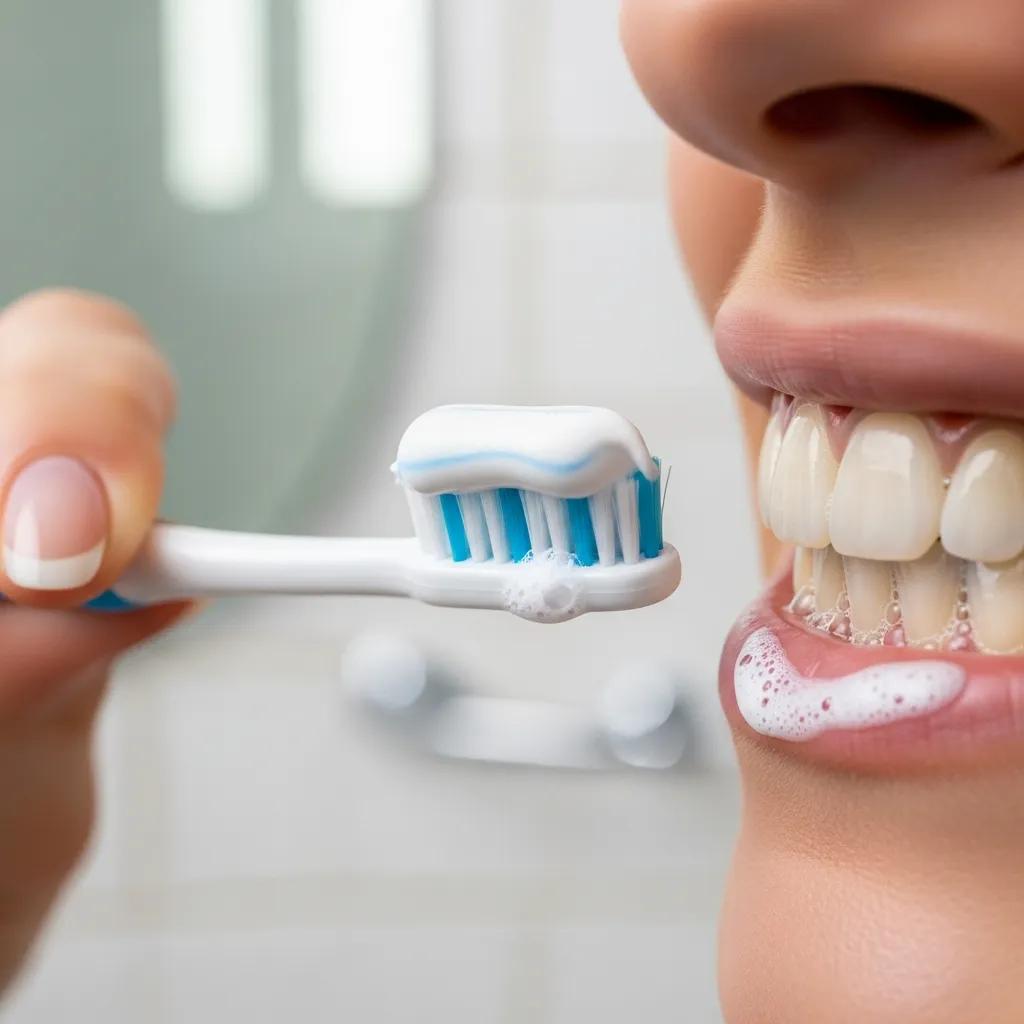
Cleaning dental implants involves a straightforward routine that includes brushing and flossing, similar to natural teeth. Patients are advised to use a soft-bristled toothbrush and non-abrasive toothpaste to avoid damaging the implant surface. In contrast, bridges require more intricate cleaning techniques, including the use of special cleaning devices such as floss threaders or interdental brushes to reach areas that are difficult to access. Regular cleaning frequency is essential for both options, but the methods differ significantly.
Are Dentures Harder to Maintain Than Dental Implants?
Yes, dentures can be harder to maintain than dental implants. While implants are anchored securely in the jawbone and require minimal adjustment, dentures can shift and require regular relining or replacement. Patients with dentures must also clean them daily and soak them overnight to prevent damage and maintain hygiene. This added effort can be a significant consideration for those weighing their options.
The varying maintenance demands of different prosthetic options, such as implant-supported prostheses versus dentures, are well-documented in dental literature.
Implant vs. Denture Prosthesis Maintenance
maintenance of implant supported prostheses: A comparison of twenty complete mandibular overdentures and twenty complete mandibular fixed cantilever prostheses.
Maintenance requirements of implant-supported fixed prostheses opposed by implant-supported fixed prostheses, natural teeth, or complete dentures: a 5-year …, 2003
What Are the Daily Care and Cleaning Routines for Dental Implants?
Daily care for dental implants is crucial for ensuring their longevity and functionality. Patients should establish a routine that includes brushing, flossing, and regular dental check-ups.
Which Implant Hygiene Practices Ensure Long-Term Success?
To ensure long-term success with dental implants, patients should follow these hygiene practices:
Daily Brushing: Brush twice a day with a soft-bristled toothbrush and non-abrasive toothpaste.
Flossing: Use dental floss or interdental brushes to clean between the implant and adjacent teeth.
Mouthwash: Rinse with an antibacterial mouthwash to reduce plaque buildup.
These practices help maintain gum health and prevent complications associated with dental implants.
How Often Should You Clean Dental Implants for Optimal Gum Health?
Cleaning dental implants should be done daily, with professional cleanings recommended every 3 to 6 months depending on individual risk factors. Patients should also monitor their gum health and report any signs of inflammation or discomfort to their dentist promptly. Regular check-ups are essential for maintaining optimal gum health and ensuring the longevity of the implants.
Research further emphasizes the critical link between consistent oral hygiene habits and the long-term health of peri-implant tissues.
Oral Hygiene Habits & Peri-Implant Health
Peri-implant disease and health are associated with microbial dental plaque. Therefore, oral hygiene plays a role in preventing and treating these diseases. This study aimed to determine the relationships among knowledge of peri-implant status, oral hygiene habits, and peri-implant disease and health.
The effect of individuals’ oral hygiene habits and knowledge levels on peri-implant health and disease: a questionnaire-based observational study, 2024
How Should You Clean and Maintain Bridges and Dentures Effectively?
Effective cleaning and maintenance of bridges and dentures are vital for their longevity and functionality. Patients must adopt specific routines to keep these dental solutions in good condition.
What Are the Best Cleaning Methods for Bridges?
Cleaning bridges requires a combination of brushing and specialized tools. Patients should:
Brush Daily: Use a soft toothbrush to clean the bridge and surrounding teeth.
Floss: Employ a floss threader or interdental brush to clean beneath the bridge.
Regular Check-ups: Schedule dental visits to ensure the bridge remains secure and functional.
These methods help prevent decay and maintain oral health.
How Do You Care for Dentures to Prevent Common Maintenance Challenges?
Caring for dentures involves several key practices:
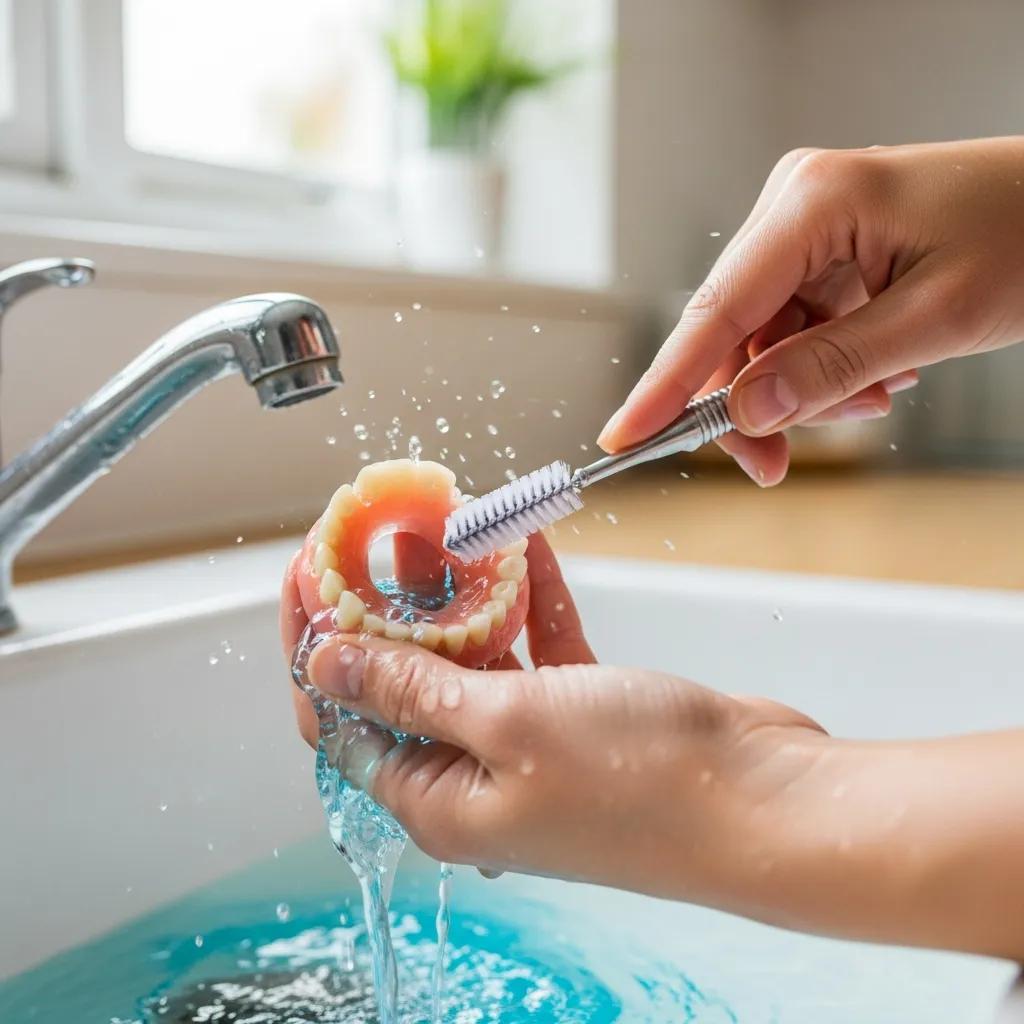
Daily Cleaning: Rinse dentures after meals and brush them daily with a denture brush using a non-abrasive cleaner.
Soaking: Soak dentures overnight in a denture cleaning solution to prevent staining and warping.
Regular Check-ups: Visit the dentist regularly to check for fit and any necessary adjustments.
By following these steps, patients can avoid common challenges associated with denture maintenance.
What Are the Cost and Longevity Differences in Maintaining Dental Implants vs. Traditional Options?
When considering dental solutions, understanding the cost and longevity of maintenance is crucial. Dental implants generally have a higher initial cost but can be more cost-effective in the long run due to their durability.
How Does Maintenance Cost of Dental Implants Compare to Bridges and Dentures?
The maintenance cost of dental implants is typically lower over time compared to bridges and dentures. While implants may require a higher upfront investment, they often do not need replacement or extensive repairs, unlike traditional options, which may incur ongoing costs for adjustments, relining, and replacements.
What Is the Expected Lifespan of Implants Compared to Traditional Prosthetics?
Dental implants can last 20 years or more with proper care, often lasting a lifetime. Bridges typically last 10-15 years, and dentures usually need replacement or relining every 5-8 years. This longevity makes implants a more appealing option for many patients, despite the initial cost.
What Common Maintenance Challenges Do Patients Face with Dental Implants and Traditional Prosthetics?
Patients often encounter various challenges when maintaining dental implants and traditional prosthetics. Understanding these issues can help in making informed decisions about dental care.
Which Issues Are Most Frequent in Implant Care?
Common issues in implant care include:
Peri-implantitis (Gum Inflammation): Patients may experience inflammation around the implant if proper hygiene is not maintained.
Implant Failure: In rare cases, implants may fail due to infection, insufficient bone support, or improper placement.
Sensitivity: Some patients report sensitivity around the implant site, especially shortly after surgery.
Addressing these issues promptly with a dental professional can help mitigate complications.
How Can Patients Overcome Maintenance Difficulties with Bridges and Dentures?
Patients can overcome maintenance difficulties with bridges and dentures by:
Establishing a Routine: Create a consistent cleaning schedule to prevent plaque buildup.
Using the Right Tools: Invest in specialized cleaning tools designed for dentures and bridges.
Seeking Professional Help: Regular dental visits can help identify and address issues early.
These strategies can enhance the longevity and effectiveness of traditional dental solutions.
How Can Scheduling a Free Consultation Help with Dental Implant and Prosthetic Maintenance?
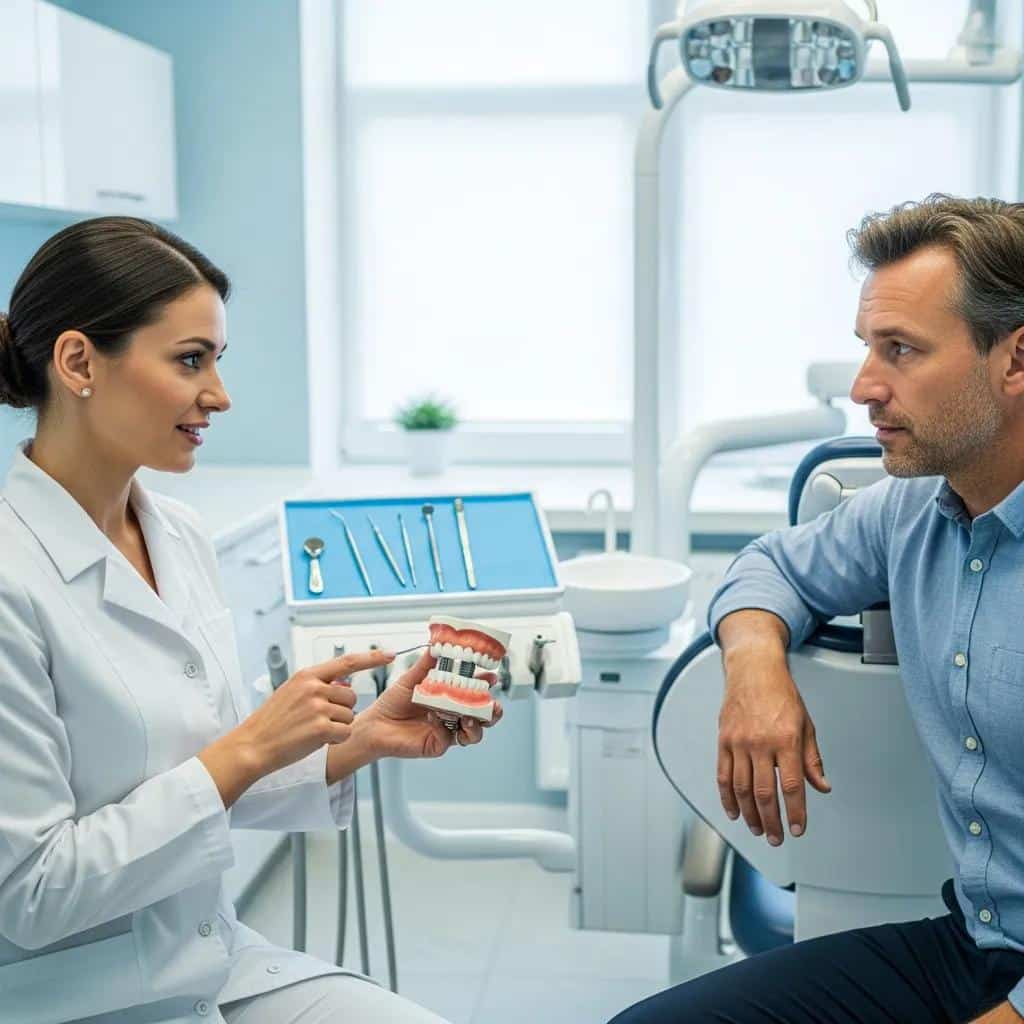
Scheduling a consultation can provide valuable insights into maintaining dental implants and traditional prosthetics. A professional evaluation can help identify specific needs and create a tailored maintenance plan.
What Should Patients Expect During a Dental Implant Maintenance Consultation?
During a dental implant maintenance consultation, patients can expect:
Initial Assessment: A thorough examination of the implant and surrounding tissues.
Discussion of Concerns: An opportunity to discuss any issues or discomfort experienced.
Follow-up Care Recommendations: Personalized advice on maintaining oral health and hygiene.
This proactive approach can significantly improve maintenance outcomes.
How Does Affordable Dental Care in Waco Support Long-Term Implant Maintenance?
Affordable Dentist Near Me in Waco specializes in providing comprehensive dental care solutions, including support for long-term implant maintenance. They offer personalized care plans and regular check-ups to ensure optimal health and longevity of dental implants. By prioritizing patient education and support, they help patients navigate the complexities of dental care effectively.
To further assist you, consider scheduling an appointment for personalized care. Scheduling a consultation ensures you receive tailored advice and support for your dental needs.