Dental Implants vs. Natural Teeth — What to Expect Aesthetically When Choosing Tooth Replacement
How your teeth look affects more than your smile — it shapes how you feel about yourself. If you’re weighing dental implants against keeping or restoring natural teeth, it helps to understand the aesthetic trade-offs. This guide walks through how implants compare to natural teeth in appearance and function, explains customization and material choices, and highlights the role of gum health. We also cover long-term cosmetic benefits, how implants stack up against bridges and dentures, and what patients typically experience. If you live in Denton, TX, we’ll show you how to schedule a free implant consultation at our office.
How Do Dental Implants Mimic the Natural Appearance of Teeth?
Dental implants are built to look and act like natural teeth. A titanium or zirconia post is placed in the jawbone to anchor a custom crown — together they restore shape, color, and chewing function. The final aesthetic depends on careful planning, the material choices, and how well the crown is matched to your remaining teeth.
What Customization Options Ensure a Natural Smile with Dental Implants?
Personalized planning is what makes implants look natural. Typical options include:
Color matching: We match the crown shade to your surrounding teeth so the implant blends in naturally.
Shape and size adjustments: Crowns are shaped to fit your bite and harmonize with the rest of your smile.
Patient input: We involve you in the design so the result fits your preferences and looks like you want it to.
These choices help implants feel and look like a real part of your smile.
Beyond shade and shape, technicians often use layering techniques and surface glazing to reproduce the subtle variations in color and light that natural enamel shows. Provisional (temporary) crowns can be used during treatment to test the shape and contour before the final crown is fabricated. That trial period lets you and your clinician refine the esthetic outcome without committing to the permanent restoration immediately.
How Do Implant Materials Like Titanium and Zirconia Affect Aesthetic Outcomes?
The implant material affects both strength and how natural the result appears. Titanium is proven, strong, and biocompatible. Zirconia is tooth-colored and can be preferable in cases where gum tissue is thin or you want a metal-free option for improved translucency and appearance.
Recent studies show that advanced workflows — for example, CAD/CAM zirconia abutments — are helping clinicians improve soft-tissue outcomes and final esthetics around implants.
CAD/CAM Zirconia Abutments for Implant Aesthetics
Using implants to replace missing teeth addresses both function and appearance. Newer methods, such as computer-aided design and manufacture (CAD/CAM), have been introduced to refine fit and look. A 2023 systematic review compared CAD/CAM zirconia abutments with other abutment types, focusing on peri‑implant tissue health and aesthetic results.
Relation of CAD/CAM zirconia dental implant abutments with periodontal health and final aesthetic aspects; A systematic review, 2023
Material Type
Aesthetic Characteristics
Durability
Patient Preference
Titanium
Metallic tone; may be visible under very thin gums
High
Widely used
Zirconia
White, tooth‑colored; blends naturally with enamel
High
Growing in popularity
Picking the right material with your clinician improves how naturally an implant blends with your smile.
Abutment selection (the connector between implant and crown) also affects the visual result. Custom abutments can be shaped to support the gum in a lifelike contour and reduce shadowing at the gum line. Similarly, the choice between layered porcelain or monolithic zirconia crowns is driven by the specific aesthetic need: layered porcelains can reproduce translucency in the front teeth, while monolithic options can be more durable in areas that require strength.
What Are the Key Aesthetic Differences Between Dental Implants and Natural Teeth?
Implants can look and perform like natural teeth, but they’re not identical. Knowing the subtle differences helps set realistic expectations before treatment.
A recent review underscores the need to plan carefully in the visible (aesthetic) zone to achieve an acceptable final appearance.
Dental Implant Aesthetic Concerns & Success
Achieving a pleasing aesthetic result is central to implant success—especially when teeth in the smile line are involved. A 2024 review examined common aesthetic issues associated with implants placed in this visible zone.
Aesthetic problems related to dental implants in the aesthetic zone: A systematic review, 2024
How Does the Feel of Dental Implants Compare to Natural Teeth?
Implants feel a little different at first because they’re anchored directly to bone and lack the periodontal ligament that gives natural teeth subtle sensory feedback. Most patients adapt quickly, and many find implants feel stable and reliable for chewing.
Over time, the brain adapts to the altered feedback and many patients report near‑normal sensation while eating and speaking. If bite adjustments are needed after crown placement, those are usually minor and can be corrected quickly during follow-up visits.
What Are the Visual Nuances in Color, Shape, and Translucency?
Natural teeth have layers and translucency that can be challenging to copy exactly. Modern porcelains and zirconia are much better than they used to be, but some patients may notice small differences in translucency or color under certain lighting. Skilled technicians and clinicians work to minimize those differences for a natural result.
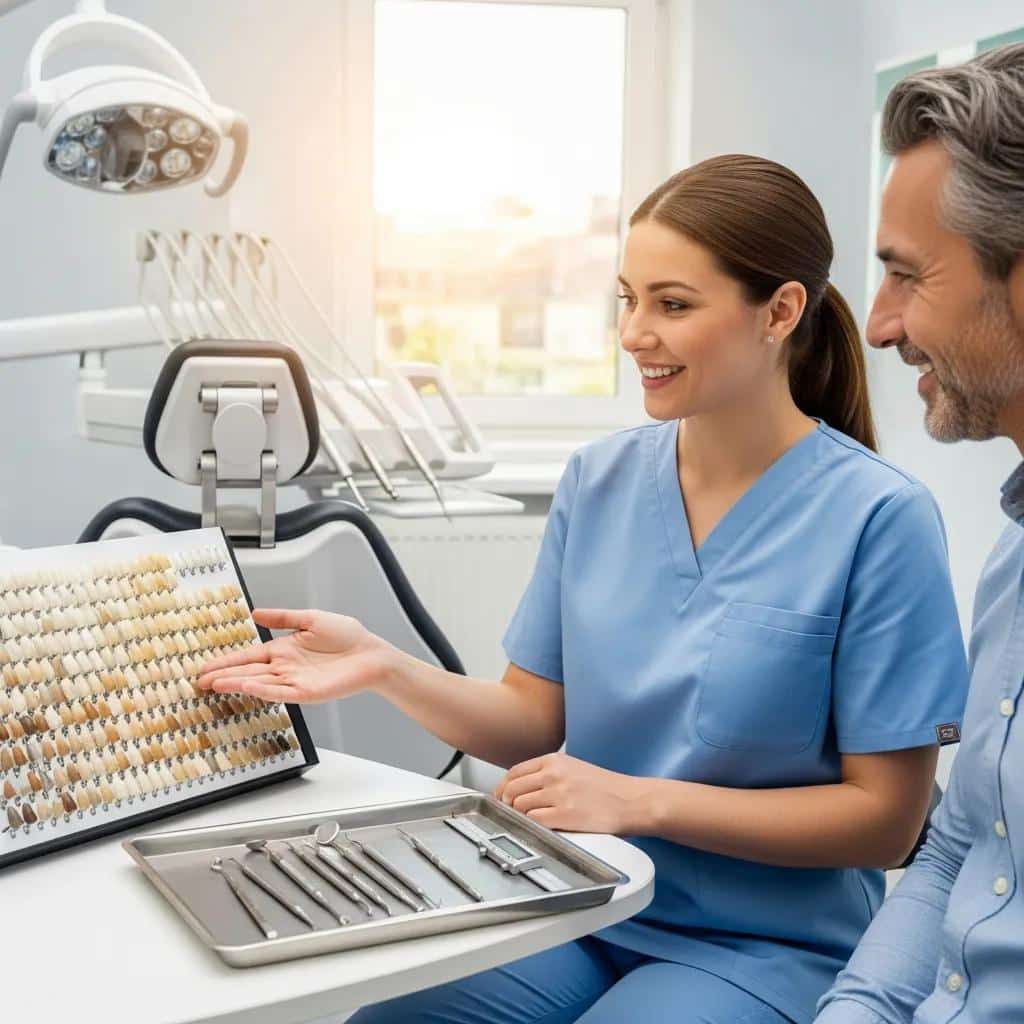
Good clinics photograph cases under standardized lighting and use shade guides and digital color communication to ensure consistency. If you are concerned about matching, ask to see before-and-after cases and to review provisional restorations before final cementation.
How Does Gum Health Influence the Aesthetic Success of Dental Implants?
Healthy gums frame your teeth and are essential to making an implant look natural. Without healthy soft tissue, even the best crown can appear out of place.
What Is the Importance of Maintaining a Natural Gum Line Around Implants?
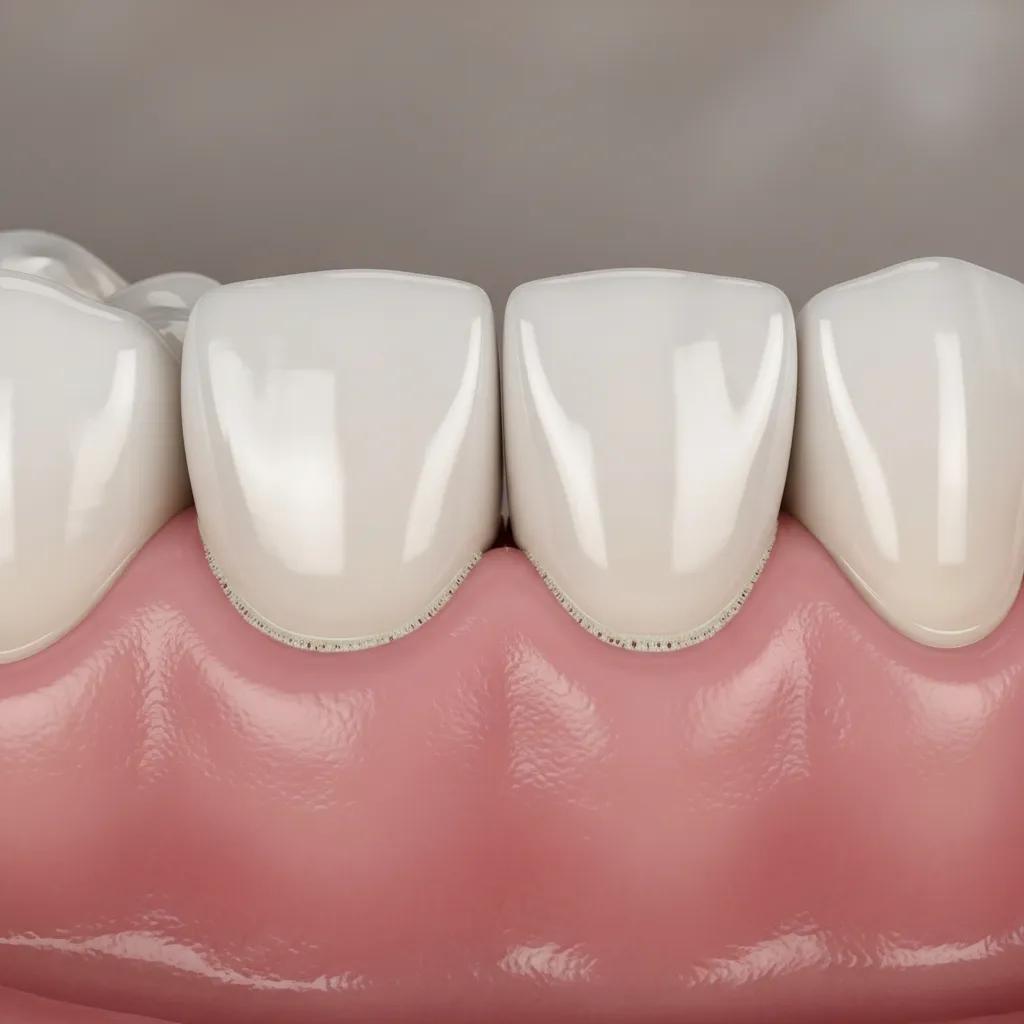
A natural gum contour hides the implant base and creates a smooth transition from tooth to gum. When needed, procedures like gum contouring or soft‑tissue grafts can restore a more natural gum line and improve the final look.
Timing matters: when gum augmentation is combined with staged implant treatment, clinicians can shape the tissue predictably and maintain the esthetic zone. Your clinician will plan the sequence—grafts, provisional shaping, and final restoration—to protect both health and appearance.
How Can Gum Recession Affect Implant Appearance Over Time?
If gum tissue recedes, the abutment or crown margin can become visible, which may look unnatural. Regular dental care, hygiene at home, and routine checkups help prevent recession and protect the long-term appearance of implants.
Patients should also be aware of habits that can contribute to recession, such as aggressive brushing or tobacco use. Maintaining stable gum architecture supports both the esthetic outcome and the long-term success of the implant.
What Are the Long-Term Aesthetic Benefits of Dental Implants Compared to Natural Teeth?
Implants offer lasting cosmetic advantages that often make them a preferred long-term solution for missing teeth.
How Do Dental Implants Help Preserve Jawbone and Facial Structure?
When a tooth is missing, the jawbone can shrink from lack of stimulation. Implants stimulate bone through osseointegration, helping preserve jaw shape and facial contours — an important benefit for maintaining a natural, youthful profile.
By preserving underlying bone, implants can prevent the gradual collapsing appearance that sometimes follows tooth loss. That preservation supports denture stability if other replacements are considered later and reduces the need for major reconstructive procedures down the line.
Can Implants Prevent Adjacent Tooth Shifting and Maintain Smile Integrity?
Implants fill gaps so neighboring teeth don’t drift into empty spaces. That stability keeps your bite and smile alignment intact, which supports both function and appearance over time.
How Do Dental Implants Compare to Bridges and Dentures in Aesthetic Outcomes?
Different replacement options have different cosmetic strengths. Here’s how implants generally compare.
What Are the Visual Advantages of Implants Over Bridges?
Unlike a traditional bridge, implants don’t require reshaping natural teeth next to the gap. Preserving those teeth often results in a more natural overall appearance and better long‑term oral health.
How Do Dentures Different in Appearance Compared to Dental Implants?
Full or partial dentures can sometimes look or feel bulkier and may shift during use. Implants are fixed and typically deliver a more natural look and a secure fit that better mimics natural teeth.
Implant‑supported overdentures, for example, combine the removable prosthesis concept with implant stability, reducing movement and often improving the perceived naturalness of denture teeth and gums.
What Do Real Patients Say About the Aesthetic Results of Their Dental Implants?
Hearing from people who have had implants gives a practical view of expected outcomes. Many patients report renewed confidence and satisfaction with how natural their new teeth look.
Can Before-and-After Photos Demonstrate Natural-Looking Implant Results?
Before-and-after images are a helpful way to see real results and set expectations. They show how implants can transform a smile when matched carefully to surrounding teeth.
How Do Patient Stories Reflect Satisfaction with Implant Aesthetics?
Patient stories often emphasize the emotional impact of a restored smile — from feeling more confident in social situations to enjoying food without worry. A well-done implant can change both appearance and quality of life.
When reviewing patient examples, look for cases similar to your own: same tooth position, similar gum biotype, and comparable spacing. That will give a clearer idea of what is realistic for your situation.
How Can Patients in Denton, TX Schedule a Free Dental Implant Consultation?
What Should Patients Expect During a Free Dental Implant Consult?
At your free consultation, we’ll review your dental and medical history, examine your mouth, discuss options, and outline a personalized plan. We aim to answer your questions so you feel confident about next steps.
Bring a list of medications, recent x-rays if you have them, and photos of smiles you like. If necessary, we’ll take digital scans or x-rays in the office to create a clear treatment roadmap. The consult is an opportunity to review timelines, provisional options, and the steps involved in achieving the esthetic result you want.
How Does Our Denton Practice Ensure a Relaxing and Educational Experience?
Our approach is patient‑first: we explain each step in plain language, offer a comfortable, calm environment, and provide flexible financing so implants are accessible. Our five‑star reviews reflect the care and attention our patients receive.
Frequently Asked Questions
What is the lifespan of dental implants compared to natural teeth?
Implants are intended as a long-term solution. With good home care and regular dental visits, implant posts can last for decades; crowns may need replacement over time. Natural teeth can last a lifetime with excellent care, but issues like decay, gum disease, or injury can shorten their lifespan. Expect implant crowns to last many years, and the titanium post often remains stable for decades when properly maintained.
Are there any dietary restrictions after getting dental implants?
Right after surgery, stick to soft foods for a few days while the site heals. Avoid very hard, sticky, or chewy foods during the initial recovery. Once the implant integrates with the bone, most people return to their normal diet. Keeping a balanced diet high in calcium and vitamins supports oral health and implant longevity.
How do dental implants affect speech compared to natural teeth?
Implants are fixed in place, so they often improve speech compared with loose dentures. Some patients need a short adjustment period to get used to the feel of the new crown, but speech typically becomes clear and natural once you adapt.
What are the potential risks or complications associated with dental implants?
Implants are generally safe, but risks include infection at the site, nerve irritation, sinus complications if placed in the upper jaw, or implant failure if placement or healing is compromised. Choosing an experienced clinician and following post‑operative instructions reduces those risks. Routine follow-ups help catch and address problems early.
How do dental implants impact oral hygiene routines?
Oral hygiene for implants is similar to natural teeth: brush twice daily, floss, and keep regular dental cleanings. Pay attention to the tissue around the implant to prevent inflammation. Unlike removable dentures, implants are cared for with standard toothbrushes and floss, making daily maintenance straightforward.
Can dental implants be placed immediately after tooth extraction?
In some cases, implants can be placed at the same appointment as an extraction (immediate placement). This can preserve bone and reduce total treatment time, but it depends on the condition of the socket and surrounding tissue. A careful evaluation will determine if immediate placement is appropriate for you.
What financing options are available for dental implants?
Many practices offer payment plans, third‑party financing, or dental credit options to help spread costs. Some insurance plans may cover part of the treatment. Discuss financing with our office so we can find a plan that fits your budget and lets you move forward with care when you’re ready.
Conclusion
Choosing between dental implants and preserving natural teeth comes down to your health, goals, and expectations. Implants offer high aesthetic value, long-term stability, and help preserve bone and facial shape. If you’re curious whether implants are right for you, a free consultation will give personalized answers and next steps. Take that first step toward a confident, natural-looking smile.