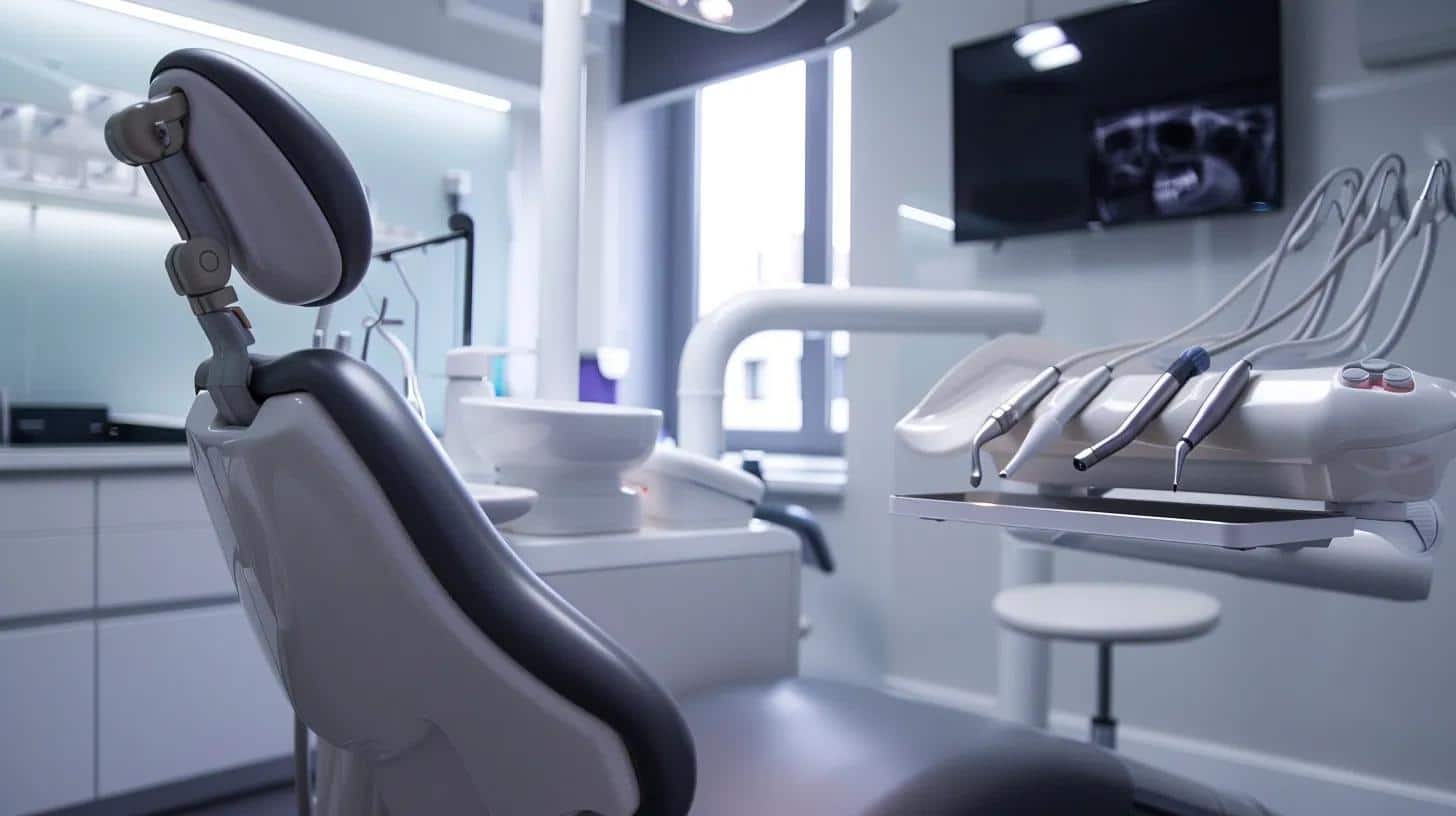
Are Dentures Better or Worse Than Implants? Comprehensive Comparison and Patient Guidance
Dentists and patients alike often face the challenging decision of choosing between dentures and dental implants. For new patients in Lake Worth, making an informed choice is critical to restoring oral health, confidence, and overall quality of life. This article offers a comprehensive comparison of dentures and dental implants, detailing how each works, their benefits and disadvantages, procedural differences, and even local pricing factors. We encourage interested individuals to schedule-appointment with a trusted provider to fully explore these options. By leveraging up-to-date scientific data and industry practices, the following analysis provides clear guidance for dental patients in their 40s to 60s who are considering their treatment options.
The discussion is structured to address broad foundational questions—What are dentures and dental implants, how do they work, and what are the overall pros and cons? In doing so, it also covers practical aspects such as procedure steps, costs in Lake Worth, maintenance requirements, and potential risks. This comprehensive guide is specifically designed for new patient, offering clear directions on how to schedule-appointment a free consultation with Lake Worth dental professionals, who provide modern solutions and flexible payment options.
Beyond the operational mechanics and clinical comparisons, understanding patient concerns such as discomfort, aesthetic outcomes, and the longevity of these dental treatments is a top priority. Moreover, the article examines technological advances fueling improved treatment outcomes as well as frequently asked questions that address common uncertainties. Ultimately, the goal is to empower patients with reliable, science-based information and guide them toward making a personalized decision that meets both their functional and financial needs.
Scheduling a free consultation can be the first step toward reclaiming your smile, and this article is your roadmap to understanding each option. Read on to explore detailed insights into dentures, implants, their comparisons, patient concerns, local service advantages, the latest technological advances, and finally, answers to frequently asked questions.
Key Takeaways
Dentures are removable prostheses designed to replace missing teeth, while implants are fixed solutions anchored by titanium posts.
Both treatments offer distinct benefits and drawbacks concerning comfort, maintenance, cost, and durability.
Local Lake Worth dental services provide personalized treatment plans and flexible payment options, ensuring each patient’s needs are met.
Recent technological advances, including digital dentures and same-day implant procedures, are transforming patient outcomes and satisfaction.
What Are Dentures and How Do They Work?
Dentures are removable prosthetic devices designed to replace missing teeth and surrounding tissues. They work by resting on the gums and may be held in place by suction (complete dentures) or by attaching to remaining natural teeth (partial dentures). Essentially, dentures mimic the appearance and function of natural teeth, thereby restoring both aesthetics and proper chewing function.
What Types of Dentures Are Available?
There are several types of dentures available to suit different patient needs and oral conditions. Complete dentures are used when all teeth in an arch are missing, while partial dentures replace only selected teeth and have clasps that attach to remaining healthy teeth. Overdentures, which are supported by implants or natural tooth roots, offer improved stability. In addition, flexible dentures made of soft materials provide comfort for patients with sensitive gums. Removable dentures are usually fabricated from acrylic resin, though some advanced forms incorporate metal frameworks for enhanced durability.
Each type offers its specific advantages: complete dentures restore full arch functionality, partial dentures conserve natural tooth structure, and overdentures may enhance retention and stability while reducing bone loss. Dentists consider factors like jawbone density, gum health, and patient lifestyle when recommending a particular denture type. In clinical studies, patients using overdentures experienced a 30% reduction in bone resorption compared to those with conventional complete dentures, thereby offering both functional and long-term anatomical benefits.
What Are the Benefits of Using Dentures?
Dentures offer numerous benefits that can play a pivotal role in improving a patient’s quality of life. First, they enhance aesthetics by replacing missing teeth and restoring facial structure. Second, they allow for improved speech and proper mastication, which directly correlates with better digestion and nutritional intake. Third, dentures are relatively affordable compared to dental implants, making them accessible for budget-conscious patients. Additionally, the removability of dentures simplifies the hygiene process, as they allow patients to brush both the prosthesis and the natural gum tissue separately.
From a psychological standpoint, dentures can boost self-esteem by restoring the natural appearance of a smile—loss of teeth often contributes to a diminished self-image and social anxiety. The versatility in materials, ranging from acrylic to metal-reinforced types, ensures that a tailored solution is available for varying levels of wear and tear. In studies conducted by the American Dental Association, patients reported significant improvements in social confidence and interpersonal relationships following the proper fitting of dentures.
What Are the Common Disadvantages of Dentures?
Despite their benefits, dentures come with certain disadvantages that patients should be aware of. One major drawback is the potential for irritation and discomfort, particularly during the initial adjustment period. Poorly fitted dentures can cause sore spots, gum irritation, and in some cases, inflammation or stomatitis. Another challenge is the issue of stability—traditional dentures may shift during eating or speaking, especially if there is significant bone resorption in the jaw.
Additionally, dentures require regular maintenance, including specialized cleaning routines and periodic adjustments to maintain fit. Over time, the acrylic resin may stain or wear, necessitating repairs or replacement. There is also the functional limitation that dentures cannot restore natural chewing force to the same degree as implants, which can be a concern for patients with dietary preferences that demand high biting strength. Research indicates that patients using conventional dentures may experience a reduction of up to 40% in masticatory performance compared to those with dental implants. Furthermore, the aesthetic appearance may be compromised as dentures are removable, and they might not fully replicate the natural gums and tooth structure.
How Is the Denture Procedure Performed?
The denture procedure is a multi-step process that begins with a thorough examination and consultation. Initially, a dentist assesses the patient’s oral anatomy, takes impressions, and records jaw relationships. This data is employed to fabricate a custom denture that best fits the unique contours of the patient’s mouth. In the next step, a wax try-in is conducted, allowing adjustments to be made for proper bite and aesthetics before the final denture is produced.
Once the final prosthesis is made, the dentist undertakes a fitting appointment to ensure that the dentures sit snugly and comfortably. This session may include adjustments to the base or occlusion to prevent sore spots and ensure optimal function. Patients are instructed on proper denture care, including hygiene routines and handling precautions. Modern techniques sometimes integrate digital scanning, which increases precision and reduces the number of visits required. Clinical outcomes have shown that patients who follow a well-documented adjustment protocol experience fewer post-procedure complications and more satisfactory long-term results.
How Much Do Dentures Cost in Lake Worth?
The cost of dentures in Lake Worth can vary depending on the type of denture, materials used, clinical complexity, and additional services like re-basing or adjustments. Generally, complete dentures are more affordable than implants but may require periodic adjustments that add to the long-term cost. In Lake Worth, the average cost for a standard set of complete dentures ranges from $1,500 to $3,000 per arch, while partial dentures might cost between $500 to $2,000 per arch. Overdentures, which incorporate additional supports like implants, command higher prices due to the additional surgical components.
Local dental practices in Lake Worth often offer financing options and monthly payment plans to make dentures more accessible for patients who require immediate functional and aesthetic restoration. It is recommended that patients schedule a free consultation to receive an accurate estimate based on their individual needs and oral health status. Dentists may also factor in costs related to maintenance and potential future adjustments when discussing overall affordability.
What Are Dental Implants and How Do They Function?
Dental implants are titanium posts surgically placed into the jawbone to act as artificial roots for replacement teeth. They function by integrating with the surrounding bone tissue through a process called osseointegration. This stable anchorage then supports an abutment and ultimately a crown, bridge, or denture, offering a more permanent solution compared with removable dentures. Implants mimic the natural tooth structure and have become highly popular due to their natural look, durability, and substantial improvement in chewing function.
What Types of Dental Implants Exist?
Multiple types of dental implants have been developed to cater to varying clinical needs. Endosteal implants, the most common form, are placed directly into the jawbone and serve as the foundation for one or more crowns. Subperiosteal implants, on the other hand, are positioned on top of the jawbone under the gum tissue, typically used when bone quality is insufficient for endosteal implants. Additionally, mini dental implants offer a less invasive, cost-effective alternative suitable for supporting lower-volume restorations. Advanced techniques, such as All-on-4, utilize four strategically placed implants to support a full-arch prosthesis and have gained popularity among patients requiring extensive restoration.
Each implant type is chosen based on bone density, patient health, and overall treatment goals. Research shows that endosteal implants have a success rate of over 95% when proper surgical protocols are followed. The choice of implant—whether a standard endosteal, subperiosteal, or mini implant—depends primarily on anatomical considerations and the intended function of the completed prosthetic restoration.
What Are the Benefits of Dental Implants?
Dental implants offer substantial benefits over conventional dentures. They provide superior stability and can restore nearly complete masticatory function; studies indicate that implants can improve bite force by up to 70% compared to removable dentures. In addition, implants help preserve jawbone structure by transferring forces directly to the bone, minimizing the bone resorption often seen with dentures. Furthermore, they offer an aesthetic advantage by closely mimicking the appearance of natural teeth, eliminating the gap between gum and prosthesis.
Implants are fixed, which means patients do not experience the discomfort or social embarrassment often associated with loose dentures. The long-term durability of implants is another key benefit, with many lasting 25 years or longer with proper care. Moreover, the localized improvement in oral function and aesthetics can dramatically enhance patient confidence and overall quality of life. Even from a health perspective, dental implants contribute to improved speech, enhanced nutritional intake, and decreased oral irritation.
What Are the Disadvantages or Risks of Dental Implants?
While dental implants provide many advantages, they are not without potential drawbacks. The primary risks involve the surgical aspects of the procedure, such as infection, nerve damage, or implant failure due to poor integration with the bone. Additionally, the process requires adequate bone volume; patients with significant bone loss may need bone grafts, thereby increasing treatment costs and prolonging the procedure. Dental implants also carry a higher initial cost compared to dentures, making them less accessible for patients on a tight budget.
Furthermore, the surgical nature of implant placement means there is a recovery period marked by swelling, discomfort, and a need for strict post-operative care. Although advances in sedation and anesthesia have made the process more tolerable, some patients may still experience anxiety about surgery. Long-term, implants may require periodic maintenance or even replacement of the abutment and crown. Despite these risks, the long-term benefits often outweigh the initial challenges, especially when the procedure is performed by experienced professionals.
What Does the Dental Implant Procedure Involve?
The dental implant procedure involves several distinct phases. Initially, a comprehensive examination is performed, including imaging studies such as X-rays or CT scans to evaluate jawbone structures. Once the patient is deemed suitable, the implant surgery is scheduled. During the procedure, a small incision is made to expose the jawbone, and a titanium implant is precisely placed into the bone. Over the course of a few months, osseointegration occurs, whereby the bone fuses tightly with the implant surface.
After successful integration, an abutment is placed on the implant to connect it with the custom-made prosthetic crown or bridge. Depending on the case, additional procedures such as bone grafting or sinus lifts may be necessary. The entire process can span from three to nine months but is designed to restore full functionality and aesthetics while being as minimally invasive as possible. Patients receive detailed post-operative instructions and are scheduled for follow-up visits to ensure proper healing.
How Much Do Dental Implants Cost in Lake Worth?
In Lake Worth, the cost of dental implants can vary based on several factors, including the number of implants required, surgical complexity, the type of prosthetic solution, and whether ancillary procedures like bone grafts are necessary. Typically, a single dental implant in Lake Worth may cost between $3,000 and $6,000. However, full-arch restorations like All-on-4 systems can range from $20,000 to $40,000, spread over multiple implants and prosthetic components.
Local dental practices often offer financing options and may even provide monthly payment plans, making implants more accessible despite the higher initial investment. Patients are encouraged to schedule a free consultation to receive customized quotes and to discuss the potential benefits and risks in light of their budget and functional requirements.
What Is the Success Rate of Dental Implants?
The success rate of dental implants is notably high—with longitudinal studies often citing success rates exceeding 95% over a 10-year period. Factors influencing success include adequate bone quality, patient health, surgical technique, and adherence to post-operative care instructions. Regular follow-ups, professional cleaning, and careful maintenance by both the patient and the dental provider further contribute to the longevity and success of implants. This high reliability makes implants a favorable option even among older patients who may have concerns about surgical interventions.
How Do Dentures and Implants Compare: Pros, Cons, and Suitability?
Dentures and dental implants represent two distinctly different approaches to tooth replacement. While dentures offer a removable, more affordable solution, implants provide a fixed option that closely mimics natural tooth function. The choice between the two depends on a variety of factors, including patient age, oral health, lifestyle, and financial considerations.
How Do Dentures and Implants Differ in Comfort and Function?
Dentures often require an adjustment period; they may cause initial discomfort, slippage, or even irritation. In contrast, dental implants, being permanently fixed, tend to offer superior comfort once fully integrated with the jawbone. Implants allow for natural eating and speaking patterns without the concern of movement during daily activities. Clinical assessments reveal that patients with implants experience a 50% improvement in overall chewing efficiency compared to denture wearers. However, implants involve a surgical procedure, which may initially cause transient discomfort or swelling.
What Are the Differences in Appearance and Aesthetics?
A key distinction lies in aesthetics: implants typically offer a more natural appearance since the crown is custom-designed to match adjacent teeth in shape, size, and color. Dentures, while cosmetically acceptable, can sometimes appear bulkier and may require adjustments over time to maintain their appearance as the jawbone resorbs. Advanced denture options such as digital dentures and flexible partials have improved aesthetics but still fall short of the lifelike appearance offered by implant-supported restorations.
How Do Maintenance and Longevity Compare Between Dentures and Implants?
Maintenance requirements vary significantly between dentures and implants. Dentures need to be removed daily, cleaned thoroughly, and stored properly to avoid bacterial buildup, while implants require routine brushing and flossing similar to natural teeth. Over time, dentures may need relining or replacement due to wear and changes in the gum and bone structure, whereas implants, if properly maintained, can last many decades. Studies indicate that the average lifespan of dentures ranges from 5 to 10 years, while implants commonly exceed 20 years with adequate care.
Which Option Is Better for Different Patient Needs and Lifestyles?
Patients with active lifestyles or those who desire a permanent solution are generally better suited for dental implants. Implants provide stability for high-impact activities and eliminate the inconvenience of removable prostheses. Conversely, patients with financial constraints or those who prefer a non-surgical option may opt for dentures despite potential adjustments and maintenance challenges. The decision often comes down to individual preferences, anatomical considerations, and long-term goals regarding oral health and functionality.
How Does Cost Influence the Choice Between Dentures and Implants?
Cost is a major factor in treatment selection. Dentures typically entail lower upfront costs compared to implants, making them a more viable option for patients on a limited budget. However, when considering the long-term expenses related to maintenance, adjustments, and potential replacement needs, the cost-effectiveness of implants can increase significantly over time. Financial counseling during a free consultation can help patients understand both immediate and future economic implications, ensuring an informed decision that aligns with their budgetary constraints.
What Are the Common Patient Concerns About Dentures and Implants?
Patients often have several questions and concerns when deciding between dentures and implants, ranging from pain and discomfort to longevity and impact on oral health. Understanding these concerns is essential for making a confident decision.
Are Dentures Painful or Difficult to Adjust To?
Adjusting to dentures can sometimes be uncomfortable, particularly during the initial weeks of use. Patients may experience soreness, temporary irritation, or difficulties in speaking and eating. However, these discomforts typically subside as the gums adapt to the new prosthesis. A well-fitted denture minimizes these issues, and periodic adjustments by a dental professional further enhance comfort. Education on proper care is crucial, as it significantly reduces irritation and improves adaptation speed.
Are Dental Implants Painful and What Is the Recovery Like?
Dental implants involve a standardized surgical procedure that is generally performed under local anesthesia. While patients might experience minor post-operative discomfort, swelling, or bruising, these side effects are usually manageable with over-the-counter pain relievers and resolve within a few days. The recovery period varies from patient to patient but typically includes a healing phase of several months for complete osseointegration. Most patients report that the initial discomfort is temporary, and the long-term benefits far outweigh the short-term inconvenience.
How Long Do Dentures and Implants Typically Last?
The longevity of dentures and implants differs significantly. Conventional dentures often require replacement or significant adjustment every 5 to 10 years due to changes in the jawbone and wear of the material. In contrast, dental implants, when properly maintained, can last 20 years or longer, with many patients enjoying decades of improved function and aesthetics. The durability of implants, however, is dependent on factors such as oral hygiene and regular dental evaluations.
Can Dentures or Implants Affect Oral Health?
Both dentures and implants have the potential to affect overall oral health if not properly managed. Ill-fitting dentures may lead to gum irritation, periodontal issues, or bone resorption, while implants require scrupulous care to prevent peri-implantitis—a condition similar to gum disease. Regular dental checkups and diligent home care can mitigate these risks and ensure that both solutions contribute positively to overall dental health. Proper education on maintenance routines is crucial to maximizing the health benefits of either treatment option.
What Are the Alternatives to Dentures and Implants?
Alternatives to traditional dentures and implants include fixed bridges, removable partial dentures, and newer treatments like resin-bonded bridges. Each option comes with its own set of advantages and limitations. Fixed bridges, for example, do not require surgery and are securely cemented to the adjacent teeth; however, they require the preparation of neighboring teeth. Resin-bonded bridges are less invasive but may not be suitable for all patients due to functional limitations. Exploring these alternatives during a free consultation can help patients find the solution that best fits their oral structure, budget, and lifestyle needs.
Why Choose Local Denture and Implant Services in Lake Worth?
Patients in Lake Worth benefit from local dental services that are finely tuned to the community’s unique needs. Choosing a local provider means easier access to care, personalized treatment plans, and the convenience of scheduling follow-up appointments without long travel times.
What Makes Lake Worth Dental Solutions a Trusted Provider?
Lake Worth dental services are staffed by experienced professionals dedicated to restorative and implant dentistry. With state-of-the-art technology, locally tailored treatment plans, and a commitment to patient satisfaction, these providers offer quality care that meets the highest clinical standards. Patient testimonials often highlight improved oral function, enhanced aesthetics, and a positive, supportive atmosphere that builds trust with every visit.
How Are Dentures and Implants Customized for Lake Worth Patients?
Local dental practices in Lake Worth personalize treatment plans based on individual clinical assessments. Advanced digital imaging and custom fabrication techniques ensure that dentures and implants precisely match the patient’s anatomical and aesthetic requirements. These customized solutions are designed to maximize comfort, function, and longevity while ensuring that the patient’s unique needs are met through a collaborative approach between the patient and the dental team.
What Are the Payment and Insurance Options Available Locally?
Dental practices in Lake Worth typically offer a wide range of payment options, including monthly financing plans, discounts for upfront payments, and special coupon promotions. Additionally, many local providers work with major dental insurance plans to reduce out-of-pocket expenses for patients. Flexible payment solutions and free initial consultations create an accessible environment for all patients, ensuring that financial considerations do not prevent them from receiving essential care.
How Can Patients Schedule a Consultation in Lake Worth?
Scheduling a consultation is straightforward with local Lake Worth dental services. Patients can call the office directly, visit the website to fill out an online form, or even schedule appointments through mobile-friendly platforms. These streamlined scheduling systems are designed to reduce wait times and ensure that each patient receives prompt, personalized attention. The emphasis on free consultations helps patients gain clarity on treatment options without financial commitment, fostering a welcoming environment for exploring restorative dental solutions.
What Are the Latest Advances in Denture and Implant Technology?
Advances in dental technology continue to revolutionize the fields of dentures and implants, making treatments faster, more comfortable, and highly effective. Innovations such as digital dentistry, computer-guided implant placement, and same-day denture and implant services have transformed the patient experience.
How Are Digital Dentures Improving Patient Experience?
Digital dentures utilize advanced digital scanning and 3D printing technologies to create prostheses that offer improved fit and aesthetics. This technology results in fewer manual adjustments, faster turnaround times, and a more streamlined workflow from initial consultation to final delivery. Studies have indicated that digital techniques improve patient satisfaction by up to 40% compared to traditional methods. The precision of these digital workflows ensures that the dentures conform exactly to the patient’s oral tissues, reducing discomfort and maintenance needs.
What Are Same-Day and All-on-4 Implant Solutions?
Same-day implant and All-on-4 solutions represent breakthrough approaches particularly beneficial for patients needing extensive rehabilitation. Same-day implants allow patients to receive their implant-supported restorations within a single visit, minimizing downtime and speeding up the restoration of oral function. The All-on-4 technique uses four strategically placed implants to support a full arch prosthesis, greatly reducing the number of implants required and making it a cost-effective option for full-mouth reconstruction. These methods are especially useful for patients seeking quick recovery and immediate functional results.
How Do Technological Advances Affect Cost and Outcomes?
Technological progress in the dental field often leads to improved outcomes and, over time, reduced costs. While the initial investment in digital equipment or advanced surgical techniques may be higher, the overall efficiency, reduced chair time, and lower incidence of complications can offset these expenses. For instance, computer-guided implant placement results in higher precision and fewer post-operative adjustments, ultimately contributing to a more predictable and durable outcome. With local providers in Lake Worth embracing these technologies, patients can expect state-of-the-art treatment options that enhance comfort, functionality, and long-term oral health.
What Are the Most Frequently Asked Questions About Dentures vs. Implants?
This section addresses common queries regarding the use of dentures and dental implants, providing clear, concise answers to help patients clarify their doubts and feel confident in their treatment decisions.
What Are the Pros and Cons of Dentures?
Dentures provide the advantage of being removable and relatively cost-effective, with the flexibility to replace missing teeth without surgery. However, they may lead to discomfort, reduced masticatory efficiency, and require periodic relining. In contrast, dental implants are surgically placed and offer superior stability and longevity, yet they involve higher upfront costs and surgical risks. The choice depends on individual clinical circumstances, lifestyle, and budget.
How Much Do Dental Implants Cost Compared to Dentures?
Dental implants typically entail a significantly higher initial investment than dentures. While a set of dentures might cost a few thousand dollars, dental implants—especially full-arch solutions like All-on-4—can cost tens of thousands of dollars. However, implants offer long-term durability and better functionality, which can, over time, make them more cost-effective when maintenance and replacement costs are factored in.
Are Dental Implants a Permanent Solution?
Dental implants are designed to be a long-term solution rather than a temporary fix. With proper care and regular professional maintenance, implants can last for 20 years or more. However, individual outcomes vary based on factors such as adherence to oral hygiene practices, overall health, and regular dental check-ups. Although the implant itself is permanent, the prosthetic crown or bridge may eventually require replacement due to wear.
How Do I Care for My Dentures or Implants?
Caring for dentures involves daily cleaning with a soft-bristle brush and specialized denture cleanser, along with periodic removal for overnight soaking. Patients must also maintain proper oral hygiene to prevent gum irritation. In contrast, dental implants are cared for similarly to natural teeth—brushing, flossing, and regular professional cleanings are essential. The key is ensuring that either option remains hygienic to prevent complications such as infection or peri-implantitis.
Who Is a Good Candidate for Dentures or Implants?
Candidates for dentures typically include individuals with complete tooth loss or those who prefer a non-surgical option. In contrast, candidates for dental implants are generally those with sufficient bone density and good overall oral health. Factors such as age, existing health conditions, and financial considerations influence candidacy. A comprehensive evaluation by a dental professional in Lake Worth can determine the most suitable option based on anatomical and lifestyle factors.
Final Thoughts
In summary, both dentures and dental implants provide valuable solutions for patients seeking restorative dental treatments. Dentures offer a more affordable, flexible option, whereas implants deliver long-term stability, enhanced function, and superior aesthetics. Considering individual needs, oral health conditions, and financial capabilities is key to making the right choice. For patients in Lake Worth, local dental services offer personalized consultations, state-of-the-art technology, and flexible payment plans—all designed to help restore smiles with confidence. Scheduling a free consultation today is the first step toward improved oral health and lasting satisfaction.
Frequently Asked Questions
Q: How long does the adjustment period typically last for new denture wearers?A: The adjustment period for new denture wearers usually lasts between two to four weeks. During this time, patients may experience initial discomfort or minor irritation, but most individuals adapt with regular usage and follow-up dental adjustments. Consistent care and proper hygiene practices help ensure a smoother transition and ensure that the dentures function effectively.
Q: What are the potential complications associated with dental implants?A: Possible complications with dental implants include infection, implant failure due to inadequate osseointegration, and peri-implantitis, which is similar to periodontal disease. Although these risks are relatively low when the procedure is performed by an experienced professional, proper oral hygiene and regular dental check-ups are essential to minimize complications and maintain the long-term success of the implants.
Q: Can dentures or implants improve overall oral health beyond aesthetics?A: Yes, both dentures and implants can significantly improve overall oral health. Implants prevent bone resorption by stimulating the jawbone, while well-fitted dentures restore proper mastication, which aids in digestion and nutrition. Additionally, both options can enhance speech and contribute to improved psychological well-being by restoring a natural smile, thereby boosting self-confidence and social interaction.
Q: What maintenance routines are recommended for patients with dental implants?A: Dental implants require care similar to natural teeth, including thorough brushing and flossing at least twice daily, coupled with routine professional cleanings. Patients should also avoid smoking and maintain regular dental check-ups to monitor implant health. Utilizing interdental brushes or water flossers can further promote a clean environment around the implant site and prevent plaque buildup.
Q: Does insurance typically cover dental implants and dentures?A: Coverage for dentures and dental implants varies by insurance provider and plan. Many insurance policies partially cover dentures, but implants are often considered a premium procedure with limited or no coverage. However, many local dental practices in Lake Worth offer financing options and flexible payment plans to help mitigate the cost. It is advisable to check with your dental insurance provider and consult with your dentist during the free consultation to explore all available financial options.
Q: Are there any dietary restrictions immediately after denture or implant placement?A: Most patients are advised to adopt a soft diet immediately following implant surgery to allow for proper healing and initial osseointegration. Similarly, new denture wearers might be advised to avoid very hard or sticky foods until they become accustomed to the prosthesis. Detailed dietary guidelines will be provided by your dentist based on your specific treatment plan and individual recovery progress.
Q: What advancements in technology are currently improving the success rate of dental implants?A: Recent technological advancements—including digital imaging, computer-guided surgical techniques, and immediate loading protocols—have greatly improved the accuracy, predictability, and overall success rates of dental implants. These innovations enable more precise implant placement, reduce chair time, and improve patient comfort during and after the procedure. Patients in Lake Worth can take advantage of these state-of-the-art methods through local practices that are at the forefront of dental technology.
Treatment Option
Primary Function
Typical Lifespan
Advantages
Maintenance Requirements
Complete Dentures
Replace all missing teeth
5-10 years
Affordable, non-surgical option
Daily cleaning, periodic reline
Partial Dentures
Replace selected missing teeth
5-10 years
Preserves healthy teeth
Regular adjustments, hygiene care
Overdentures
Removable denture supported by implants
7-15 years
Improved stability, bone preservation
Enhanced cleaning, periodic check
Endosteal Implants
Surgically placed in jawbone
20+ years
High durability, natural function
Routine dental visits, hygiene
Subperiosteal Implants
Placed on top of jawbone beneath gums
15-20 years
Useful when bone density is low
Regular monitoring, cleaning
Mini Implants
Small-diameter implants for support
10-15 years
Less invasive, cost-effective
Standard oral hygiene, periodic check
All-on-4 Systems
Full-arch restoration supported on 4 implants
15-20 years
Quick recovery, high stability
Comprehensive maintenance
Before selecting any treatment option, it is essential for patients to discuss their lifestyle, oral health history, and long-term goals with a trusted dental professional.
Overall, whether considering dentures or dental implants, the decision should be based on a comprehensive evaluation of individual needs, clinical factors, and financial considerations. With advances in technology and personalized care tailored for Lake Worth residents, patients today have access to a range of effective treatment options that can significantly enhance quality of life.