A Deep Dive Into Dental Implant Materials: What You Need to Know for a Successful Outcome
Dental implants have revolutionized restorative dentistry, providing a durable solution for tooth loss. Understanding the materials used in dental implants is crucial for patients seeking successful outcomes. This article delves into the primary materials—titanium and zirconia—highlighting their properties, advantages, and potential drawbacks. By exploring these materials, patients can make informed decisions about their dental health. We will also discuss biocompatibility, innovations in surface treatments, and the longevity of these implants. Finally, we will address common patient questions and provide guidance on finding expert dental implant services in Mansfield.
What Are the Main Types of Dental Implant Materials?
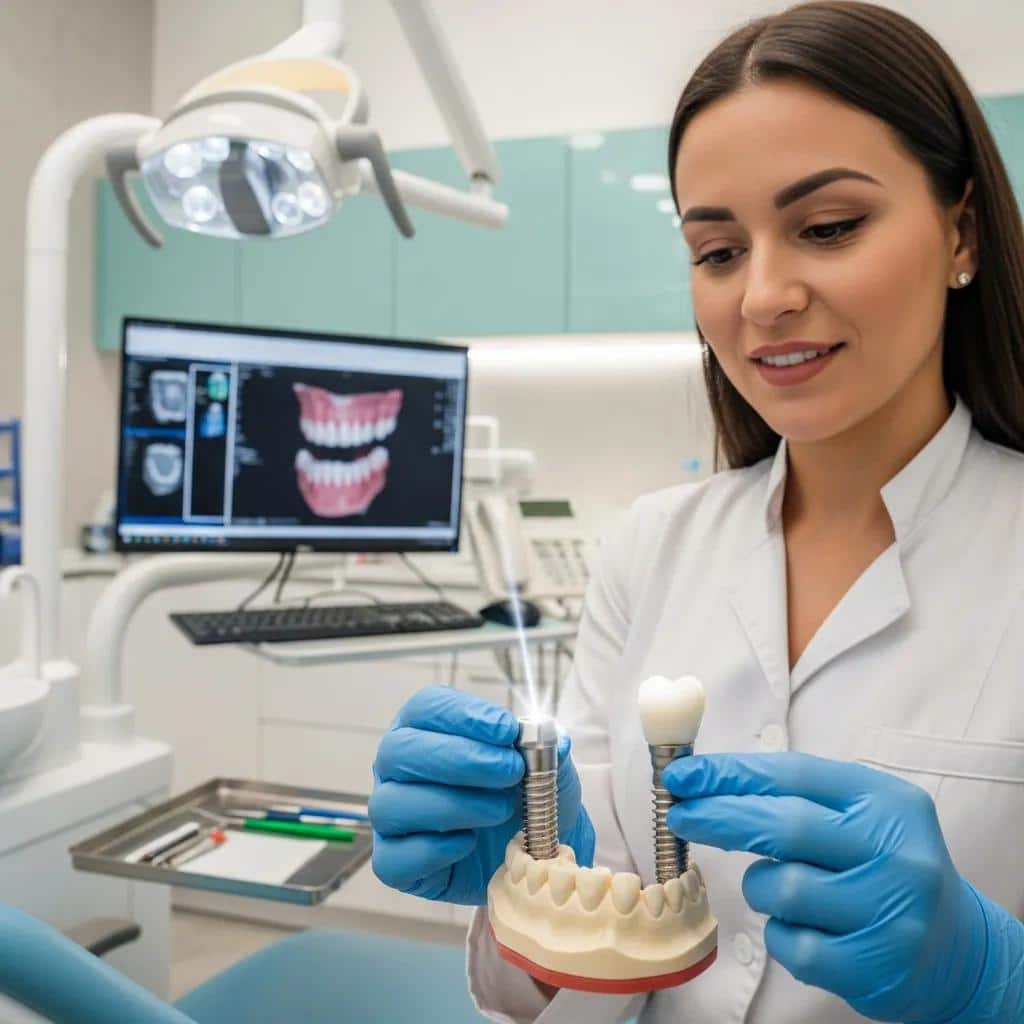
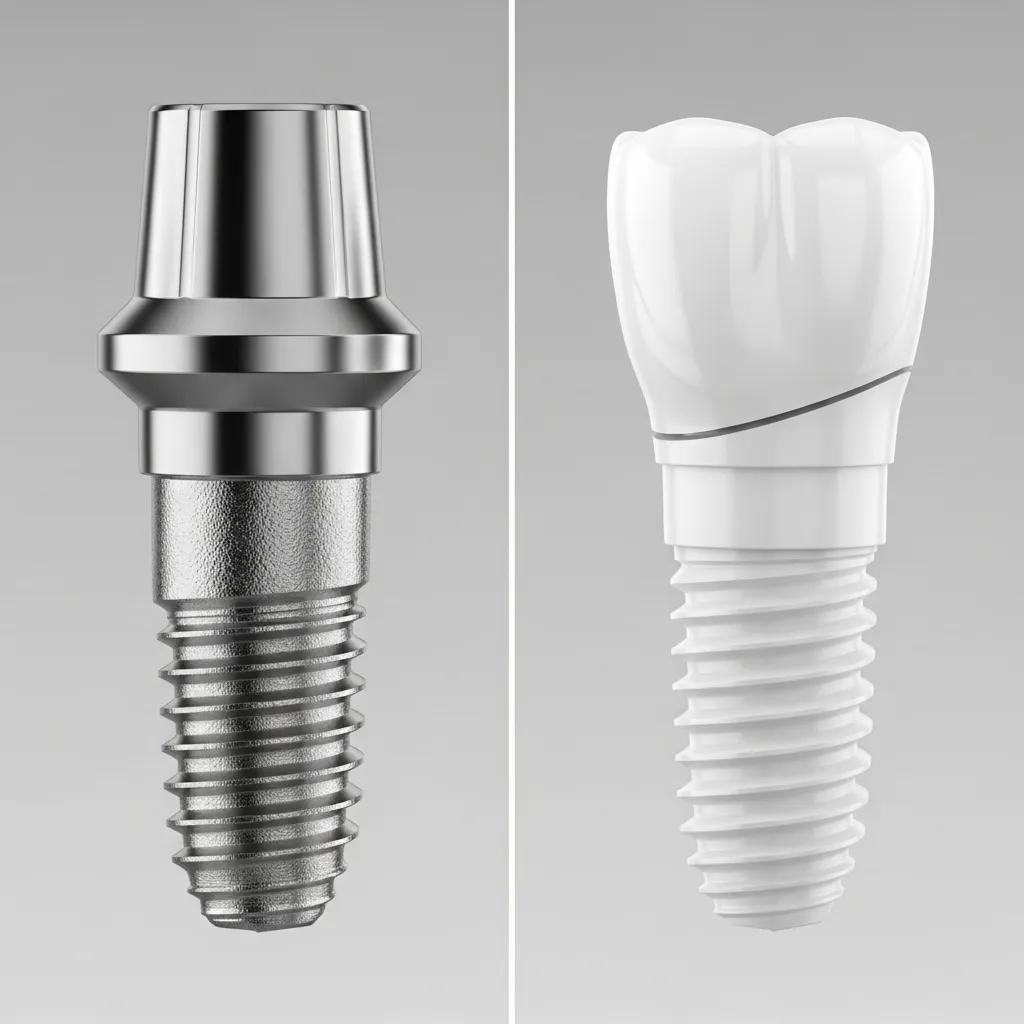
Dental implants are primarily made from two materials: titanium and zirconia. Each material has unique characteristics that influence their use in dental procedures. Titanium has been the gold standard for decades due to its strength, durability, and excellent biocompatibility. Zirconia, a newer alternative, offers aesthetic advantages and is often preferred by patients with metal sensitivities. Understanding these materials helps patients choose the best option for their needs.
How Do Titanium and Zirconia Implants Differ in Composition and Use?
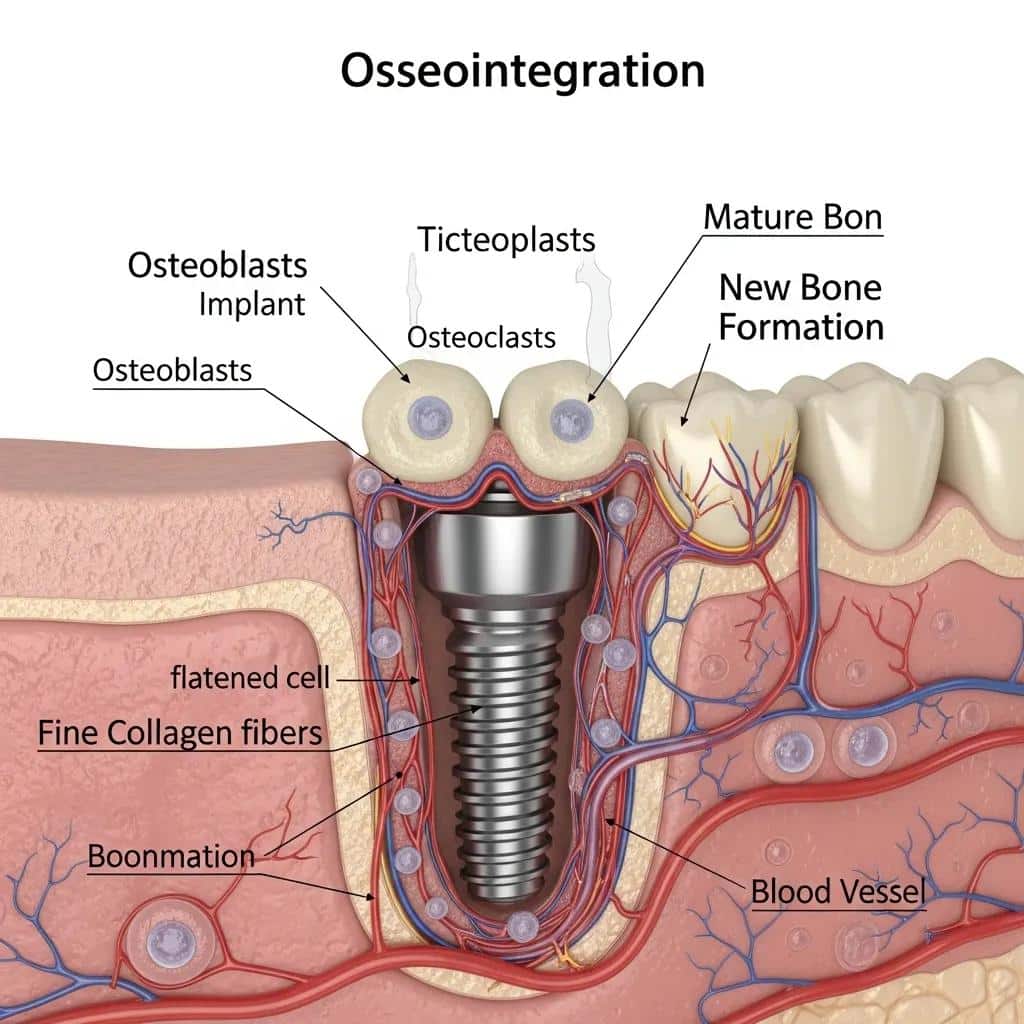
Titanium implants are composed of a titanium alloy, which provides strength and resistance to corrosion. This material is well-known for its ability to integrate with bone, a process known as osseointegration. In contrast, zirconia implants are made from a ceramic material that is white and tooth-like, making them more aesthetically pleasing. However, zirconia’s mechanical properties are not as robust as titanium, which can limit its use in certain clinical situations. Patients often choose titanium for its proven track record, while zirconia may be selected for its cosmetic benefits.
What Are the Advantages and Disadvantages of Each Implant Material?
Both titanium and zirconia implants have their pros and cons.
Titanium Implants:Advantages: High strength, excellent osseointegration, long-term success rates.Disadvantages: Metal allergies in some patients, potential for aesthetic concerns due to the metallic color.
Zirconia Implants:Advantages: Aesthetic appeal, metal-free option for patients with allergies.Disadvantages: Lower strength compared to titanium, limited long-term data on success rates.
Understanding these factors can help patients make informed choices about their dental implants.
How Does Biocompatibility Affect Dental Implant Success?
Biocompatibility refers to how well a material interacts with the body without causing an adverse reaction. It is a critical factor in the success of dental implants. Titanium is highly biocompatible, allowing for effective osseointegration, which is essential for implant stability. Zirconia also exhibits good biocompatibility, making it suitable for patients with metal allergies. However, the long-term effects of zirconia implants are still being studied.
Further research sheds light on the comparative osseointegration and clinical longevity of zirconia and titanium implants.
Zirconia vs. Titanium Implants: Osseointegration & Clinical Longevity
Osseointegration and soft tissue integration are, according to the reviews, similar between titanium and zirconia implants with similar surface topographies. Regarding the clinical outcome, a meta-review exists evaluating systematic reviews. The findings of the systematic reviews and the meta-review are that there are good short-term clinical results for one-piece zirconia implants. However, the data for two-piece implants is not robust.
Clinical longevity of zirconia implants with the focus on biomechanical and biological outcome, RJ Kohal, 2020
What Is Osseointegration and Why Is It Crucial for Titanium Implants?
Osseointegration is the process by which bone cells attach to the surface of the implant, providing stability and support. This process is crucial for the success of titanium implants, as it ensures that the implant becomes a permanent part of the jawbone. Successful osseointegration leads to improved durability and functionality of the implant, allowing patients to eat and speak normally.
Are Zirconia Implants a Better Option for Patients with Metal Allergies?
For patients with metal allergies, zirconia implants can be an excellent alternative. These implants are metal-free and reduce the risk of allergic reactions. However, it is essential for patients to discuss their specific health concerns with their dental professionals to determine the best material for their individual needs.
What Are the Latest Innovations in Implant Surface Treatments?
Recent advancements in implant surface treatments have significantly improved the integration and longevity of dental implants. These innovations focus on enhancing the surface characteristics of implants to promote better osseointegration and reduce healing times.
How Do Surface Coatings Enhance Implant Longevity and Integration?
Surface coatings, such as hydroxyapatite or titanium plasma spray, can enhance the surface properties of dental implants. These coatings promote faster osseointegration by providing a more favorable environment for bone growth. As a result, implants with advanced surface treatments often exhibit higher success rates and improved longevity.
What Clinical Outcomes Support These Implant Surface Innovations?
Clinical studies have shown that implants with enhanced surface treatments demonstrate improved osseointegration and reduced failure rates. For instance, research indicates that implants with a roughened surface texture can achieve better bone contact compared to smooth-surfaced implants. These findings underscore the importance of surface technology in modern dental implantology.
The importance of surface characteristics, such as roughness, in promoting successful osseointegration is further highlighted by research.
Dental implants are a usual treatment for the loss of teeth. The success of this therapy is due to the predictability, safety and longevity of the bone–implant interface. Dental implant surface characteristics like roughness, chemical constitution, and mechanical factors can contribute to the early osseointegration. The aim of the present article is to perform a review of the literature on surface roughness of dental implant and osseointegration.
Surface roughness of dental implant and osseointegration, 2021
How Do Titanium and Zirconia Implants Compare in Longevity and Success Rates?
When comparing the longevity and success rates of titanium and zirconia implants, titanium has a well-established track record. Studies show that titanium implants have a success rate of approximately 95% over ten years. In contrast, zirconia implants are still being evaluated, with early studies suggesting promising results but less long-term data available.
A recent systematic review further explores the survival, success, and aesthetic considerations when comparing zirconia and titanium implants.
Zirconia vs. Titanium Implants: Survival, Success & Aesthetics
Based on the 2 RCTs retrieved in the literature, similar survival rates were reported for zirconia and titanium implants in the short term (12 months of follow-up). Future RCTs are warranted to evaluate the long-term outcomes of zirconia implants. Zirconia implants may be the procedure of choice, particularly in the aesthetic zone, since they show a similar survival and success rate as titanium implants on a short-term follow-up.
Survival and success of zirconia compared with titanium implants: a systematic review and meta-analysis, NM Padhye, 2023
What Recent Clinical Studies Reveal About Implant Durability?
Recent clinical studies indicate that titanium implants consistently outperform zirconia in terms of durability and long-term success. For example, a study published in 2023 found that titanium implants maintained their structural integrity and osseointegration over a decade, while zirconia implants showed varying results based on individual patient factors.
What Factors Influence the Long-Term Success of Dental Implants?
Several factors can influence the long-term success of dental implants, including:
Patient Health: Overall health and oral hygiene play a significant role in implant success.
Material Choice: The choice between titanium and zirconia can impact durability and aesthetic outcomes.
Surgical Technique: The skill and experience of the dental surgeon are crucial for successful implantation.
Understanding these factors can help patients achieve the best possible outcomes with their dental implants.
Where Can You Find Expert Dental Implant Services in Mansfield?
Finding a qualified dental professional for implant services is essential for ensuring successful outcomes. In Mansfield, several dental practices specialize in implantology, offering comprehensive consultations and personalized care.
How to Schedule a Consultation for Dental Implants in Mansfield
To schedule a consultation for dental implants in Mansfield, patients should:
Research Local Providers: Look for dental practices with positive reviews and specialized training in implantology.
Contact the Office: Reach out via phone or email to inquire about consultation availability.
Prepare for the Visit: Bring any relevant medical history and questions to discuss during the consultation.
What Patient-Focused Care Practices Are Offered Locally?
Local dental practices in Mansfield often emphasize patient-focused care, including:
Comprehensive Assessments: Detailed evaluations to determine the best implant options.
Personalized Treatment Plans: Tailored approaches based on individual patient needs and preferences.
Post-Operative Support: Ongoing care and support to ensure successful healing and integration.
What Are Common Patient Questions About Dental Implant Materials?
Patients often have questions regarding the materials used in dental implants, particularly concerning their safety and effectiveness.
Which Material Is Best for My Dental Implant Needs?
The best material for dental implants depends on individual factors such as health status, aesthetic preferences, and any existing allergies. Titanium is generally recommended for its proven success, while zirconia may be suitable for those seeking a metal-free option.
What Are the Risks and How Can They Be Minimised?
While dental implants are generally safe, potential risks include infection, implant failure, and allergic reactions. To minimize these risks, patients should:
Choose a Qualified Provider: Ensure the dental professional has experience with implants.
Follow Pre- and Post-Operative Instructions: Adhering to care guidelines can significantly improve outcomes.
Maintain Good Oral Hygiene: Regular dental check-ups and proper oral care are essential for long-term success.
For those looking to schedule, book a consultation to discuss your options and receive personalized advice.