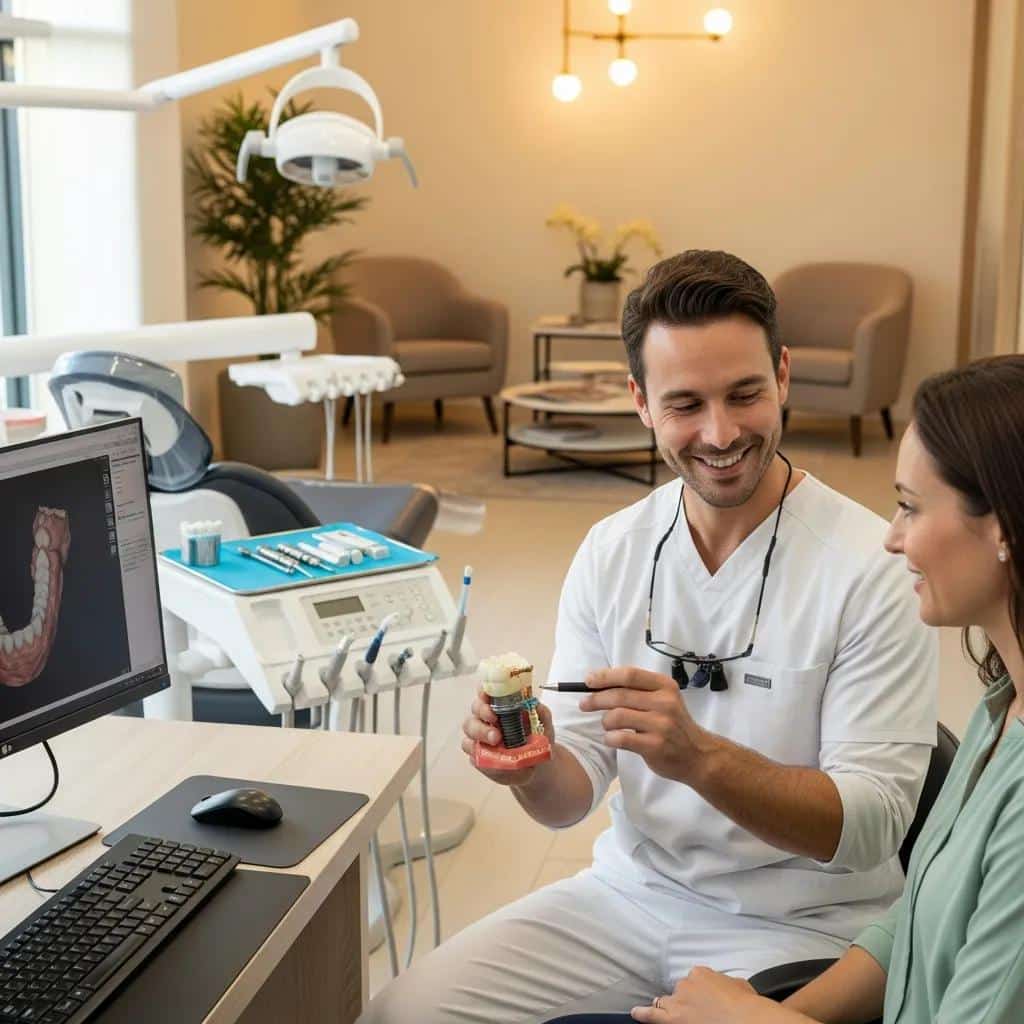
Dental Implant Costs Demystified: Understanding Your Total Investment in Waco
Dental implants are a restorative dentistry solution that replaces missing teeth by anchoring a titanium or zirconia post into the jawbone and restoring chewing function with an abutment and crown. Costs vary because implants combine surgical care, prosthetic lab work, and sometimes preparatory procedures like bone grafts or sinus lifts, so understanding each component helps you predict your total investment. This guide explains the anatomy of implant pricing, the high-impact factors that change quotes, practical ways Waco patients can make implants affordable, and how implants compare to dentures and bridges in long-term value. You’ll find clear cost ranges, comparison tables, financing and HSA/FSA strategies, and step-by-step instructions for scheduling a Free Dental Implant Consult in Waco with Affordable Dentist Near Me of Waco. Read on to learn what to ask at your consult and how to estimate realistic costs for single-tooth, multi-unit, and full-arch implant solutions.
What Are the Core Components of Dental Implant Costs?
A dental implant procedure cost is built from discrete components that each contribute to the final price: the implant post, the abutment, the prosthetic crown, surgical fees, and diagnostic/lab expenses. The implant post is the anchored fixture placed in bone; the abutment connects post to crown; the crown restores function and esthetics—together these elements form the typical single-tooth implant workflow and account for most material and lab costs. Imaging, anesthesia or sedation, surgical guides, and lab fabrication for custom crowns add predictable line-items to estimates, while additional items such as temporary prostheses or revisions can raise the total. Understanding these parts clarifies why some quotes look higher and helps you compare like-for-like proposals. The following table breaks down standard components, typical 2024 cost ranges, and notes that explain when a line item might be higher or lower.
This table outlines the typical implant cost components and what they mean for your estimate.
Component
Typical Cost Range (single-tooth, 2024)
Notes
Implant post (fixture)
$800–$1,800
Cost varies by brand, material (titanium vs zirconia), and warranty terms.
Abutment
$150–$600
Stock abutments cost less; custom titanium or zirconia abutments cost more.
Crown (final restoration)
$600–$2,000
Ceramic and layered zirconia crowns are pricier for esthetics and longevity.
Surgical fees (placement)
$400–$1,200
Includes clinician time, facility fees, and sedation if used.
Imaging & lab work
$150–$700
CBCT imaging and dental lab fabrication add predictable fees.
This component breakdown helps you compare itemized quotes and spot where savings or premium charges originate, which leads directly into how each clinical and material choice affects total cost.
What Does a Dental Implant Include: Post, Abutment, and Crown?
A dental implant includes three primary parts: the implant post that becomes the artificial tooth root, the abutment that connects the post to the visible restoration, and the crown that replicates a natural tooth’s shape and function. The post is typically made of medical-grade titanium or, in some cases, zirconia, and its price reflects brand and material choice as well as any specialized surface treatments that promote osseointegration. The abutment may be stock (lower cost) or custom-made for ideal emergence profile and esthetics; custom abutments increase lab and fabrication fees. The crown material—porcelain-fused-to-metal, layered zirconia, or full-contour zirconia—affects both appearance and cost, with higher-end ceramics carrying higher lab fees. Understanding each part clarifies where providers allocate cost and informs questions you should ask during a Free Dental Implant Consult.
This explanation of parts naturally leads to a practical sense of typical single-implant pricing in 2024 and what those ranges include.
What Is the Average Cost of a Single Dental Implant in 2024?
In 2024 the typical single dental implant — including the implant post, abutment, and crown but excluding extensive preparatory work — most commonly ranges between $3,000 and $5,000 depending on location, materials, and clinician expertise. This range reflects variability in crown material, choice of abutment, and whether imaging and surgical guides are included in the quote; regions with lower overhead often sit at the lower end, whereas specialist practices and high-end labs push toward the upper end. For Waco patients, expect estimates to fall within or slightly below national metro averages because local practices may emphasize value pricing; itemized quotes from Affordable Dentist Near Me of Waco will clarify exactly which components are included. If additional procedures such as bone grafts, sinus lifts, or extractions are needed, those add separate line items that increase the final investment.
Understanding typical single-tooth costs helps set realistic expectations and informs the next discussion on which factors most strongly change your total investment.
Which Factors Affect Your Total Dental Implant Investment?
Several high-impact variables determine the final cost of implants: the number of implants, implant materials, preparatory procedures like bone grafts, provider type and expertise, and the use of advanced technology or customization. Each factor interacts with others—more implants create economies of scale, while extensive grafting increases surgical complexity and healing time—so looking at them together clarifies how your case will be priced. The following numbered list highlights the top factors in order of typical impact to help you prioritize questions when comparing estimates.
Number of implants and whether you choose single-tooth, multiple, or full-arch solutions.
Need for preparatory procedures such as extractions, bone grafts, or sinus lifts.
Implant material and brand choice (titanium vs zirconia and high-end branded fixtures).
Provider expertise and whether a specialist or general dentist performs surgery.
Technology and customization: CBCT imaging, guided surgery, and custom abutments.
This prioritization makes it easier to anticipate where costs will rise and how multi-unit treatments can sometimes reduce per-tooth pricing.
Here is a focused table that compares these factors in an EAV-style to show how they commonly shift pricing and treatment timelines.
Factor
How It Changes Price
Practical Implication
Number of implants
Per-unit cost may decrease in multi-unit packages
Full-arch solutions often reduce per-tooth cost versus multiple single implants
Bone grafting
Adds $300–$2,000+ depending on type and volume
Extends healing time, increases surgical visits and total timeline
Implant material & brand
Premium materials/brands increase fixture cost by several hundred dollars
May offer longer warranties and perceived longevity
Provider expertise
Specialists often charge higher surgical fees
Higher fees may reflect advanced training or complex case management
Technology (CBCT, guides)
Adds imaging and guide fabrication fees
Improves precision and reduces risk of complications over time
Understanding how each factor contributes to price helps you evaluate quotes beyond headline totals and leads into specific scenarios like how per-unit costs change with multiple implants.
How Does the Number of Implants Impact Cost?
The number of implants directly affects total cost, but the pricing model can shift between rigid per-unit charges and discounted package pricing for multi-unit or full-arch cases. Single-tooth implants are priced per tooth, while placing multiple implants—especially for an implant-supported denture or All-on-4 style approach—often reduces the average cost per tooth because surgical setup and lab workflows are consolidated. For example, replacing a whole arch with an implant-supported prosthesis spreads lab costs and surgical fees across more teeth, creating economies of scale; however, the initial full-arch price is a larger up-front investment. When comparing scenarios, consider both total cost and per-tooth costs, as well as long-term maintenance and prosthetic replacement schedules that influence lifetime value.
This explanation sets the stage for material choices that also change pricing and esthetic outcomes.
What Are the Cost Differences Between Titanium and Zirconia Implants?
Titanium implants are the most common and are typically less expensive than zirconia fixtures, while zirconia posts are marketed for improved esthetics in the anterior zone and for patients seeking metal-free solutions. The material cost delta for the post itself can be several hundred dollars per fixture, and zirconia abutments and crowns commonly raise restoration fees as well. Clinically, titanium has a long track record and wide platform compatibility with labs, while zirconia is chosen selectively for allergy concerns or high esthetic demand; this clinical context influences whether the premium is justified. When evaluating value, weigh upfront material costs against long-term outcomes and whether esthetic benefits reduce the need for future cosmetic work.
Comparing materials naturally leads to preparatory procedures that frequently change overall timelines and costs.
How Do Preparatory Procedures Like Bone Grafts and Sinus Lifts Influence Costs?
Preparatory procedures such as bone grafts and sinus lifts increase both the financial cost and the treatment timeline because they restore adequate bone volume for predictable implant placement. Bone grafts can range widely in cost depending on graft material and complexity; they often require months of healing before implant placement, which can increase visits and interim prosthetic needs. Sinus lifts are more complex and typically add higher surgical fees plus healing time. These procedures improve long-term implant success and are sometimes unavoidable in patients with bone loss, so their additional cost must be weighed against the increased predictability and reduced risk of implant failure over time.
Understanding these prep procedures helps in choosing the right provider and anticipating how timeline interacts with pricing, which is the next consideration.
How Do Dentist Expertise and Clinic Location Affect Pricing?
Provider credentials, whether a case is managed by a general dentist, an oral surgeon, or a prosthodontist, and the clinic’s operating costs in a given geographic market all influence pricing. Specialists often charge higher surgical fees reflecting advanced training and complexity management, whereas general dentists who offer implants may price more competitively while coordinating specialist care for complex tasks. Clinic location affects overhead and thus fee schedules—practices that emphasize “Everyday Low Fees” in a market like Waco can offer transparent, value-focused pricing. When selecting a provider, evaluate clinical experience together with itemized costs to judge long-term value rather than choosing solely on the lowest price.
Evaluating provider choice leads to a discussion of technology and customization, which can raise costs upfront but improve outcomes.
What Role Does Technology and Customization Play in Implant Costs?
Technology such as 3D CBCT imaging, digital treatment planning, guided surgical stents, and CAD/CAM custom abutments increase upfront costs but typically enhance accuracy and reduce the likelihood of complications or restorative revisions. A guided surgical workflow may add imaging and guide fabrication fees, yet it can shorten chair time and improve implant positioning for ideal prosthetic outcomes. Custom abutments and high-end lab work raise restoration costs but deliver superior esthetics and function. The trade-off is clear: higher initial investment in precision technology can translate into fewer corrective procedures and better long-term ROI for patients who prioritize durability and esthetics.
This analysis of technology and customization naturally transitions into ways to reduce out-of-pocket expense in the Waco market.
How Can You Make Dental Implants Affordable in Waco?
Making implants manageable financially often combines verifying insurance benefits, leveraging tax-advantaged accounts (HSA/FSA), using third-party financing or in-house payment plans, and taking advantage of local specials such as free consultations. Start by learning what your dental or medical insurer will cover and whether preauthorization is required; next use HSA/FSA funds for qualified expenses to reduce taxable outlay. Third-party lenders and in-house plans spread cost across months or years, and local value practices advertise competitive packages or promotional consults to reduce initial friction. The list below outlines practical steps Waco patients can take to lower immediate out-of-pocket expense and structure payments over time.
Verify benefits and request preauthorization from your dental plan before scheduling any surgery.
Use HSA/FSA funds for eligible implant CPT codes and retain detailed receipts and itemized estimates.
Explore third-party financing and in-house payment plans to spread payments with predictable monthly amounts.
Schedule a Free Dental Implant Consult to obtain an itemized plan and discuss customized payment options.
This stepwise approach explains practical options; the next paragraphs unpack typical insurance coverage realities and financing specifics so you can apply each step.
What Dental Insurance Coverage Is Available for Implants?
Dental insurance commonly covers a portion of restorative work but often treats implants as a prosthetic with variable coverage—some plans reimburse a percentage for crowns or prosthetics while excluding the surgical component or limiting coverage to an alternative such as a bridge. Typical coverage for implant-related charges can range from minimal (10%) to partial (up to 50%) for prosthetic portions, but many plans exclude implant fixtures entirely. Verifying benefits involves obtaining an itemized treatment plan with CPT codes and submitting it for predetermination to learn the insurer’s specific policy. If coverage is limited, appeal processes or flexible payment strategies can bridge the gap, which we cover in the financing section that follows.
This clarification of insurance realities leads into payment plans and financing options that patients commonly use.
Which Flexible Payment Plans and Financing Options Can Help?
Patients commonly rely on third-party healthcare finance companies or a practice’s in-house payment plans to convert a larger implant bill into manageable monthly payments. Third-party options often offer promotional interest rates for a set term, while in-house plans let you pay over an agreed schedule directly to the clinic without external credit checks in some cases. When estimating monthly payments, divide the net cost after any insurance or HSA/FSA contribution by the financing term and include interest if applicable to get a realistic monthly estimate. Affordable Dentist Near Me of Waco discusses financing options during consults so patients can see example monthly figures tied to their personalized plan.
Knowing how to use tax-advantaged accounts complements financing strategies and reduces taxable cost burdens.
How Can HSAs and FSAs Be Used for Dental Implant Payments?
HSAs and FSAs can be applied to qualified dental expenses, including many implant-related charges, when substantiated by itemized invoices and appropriate CPT codes. To use these accounts effectively, confirm with your plan administrator that implant placement, restoration, and associated surgical fees are eligible, then retain detailed receipts and preauthorization letters if insurers are involved. Timing matters: FSAs are subject to plan year limits, while HSAs can be funded year-round up to IRS contribution limits, so plan contributions in advance of expected treatment. Proper documentation not only maximizes tax advantages but also simplifies reimbursement and reduces net out-of-pocket cost.
After assembling financing and tax strategies, the final practical step is to use a low-risk initial appointment—this practice’s Free Dental Implant Consult—to get a clear, itemized plan.
What Special Offers Does Affordable Dentist Near Me of Waco Provide?
Affordable Dentist Near Me of Waco advertises a Free Dental Implant Consult designed to provide an accessible first step for Waco residents evaluating implants or dentures, and the practice emphasizes “Everyday Low Fees” as part of its value proposition. During the consult patients receive a clinical review, discussion of options, and a personalized, itemized treatment estimate so they understand implant components and payment choices before committing to surgery. The consult also covers financing pathways, HSA/FSA use, and example monthly payment illustrations when applicable, helping patients make informed decisions. To schedule a Free Dental Implant Consult or to discuss payment arrangements, call the practice phone number to secure an appointment and receive a tailored estimate.
This description of local offers prepares readers to compare implant value against alternatives in the next section.
How Do Dental Implants Compare to Alternatives in Cost and Value?
Dental implants generally require higher upfront investment than dentures or bridges but often deliver superior long-term value through longevity, preserved bone structure, and improved function. Over a 10–20 year horizon, implants may cost more initially but result in fewer replacements and lower indirect costs such as diet-related health issues or additional restorative work on adjacent teeth. The EAV comparison below summarizes typical initial costs, expected lifespan, and maintenance factors to illuminate the lifetime cost picture and functional benefits of implants relative to alternatives.
Option
Initial Cost Range (typical)
Expected Lifespan / Maintenance
Dental implant (single tooth)
$3,000–$5,000
10–30+ years with proper care; occasional crown replacement possible
Dentures (partial/full)
$600–$3,000
5–8 years average before relining or replacement; more maintenance
Fixed bridge
$1,500–$3,500
7–15 years; alters adjacent teeth and may need replacement
This comparison clarifies that while implants require greater upfront investment, their lifespan and biological benefits—especially bone preservation—contribute to superior long-term value.
What Is the Cost Comparison Between Implants, Dentures, and Bridges?
When comparing direct costs, dentures have the lowest initial price but the highest ongoing maintenance and replacement frequency, bridges sit in the middle but cost adjacent teeth preparation, and implants are the most expensive up front yet typically the most durable. Consider a 10-year scenario: dentures may require relines and replacements multiple times, adding cumulative costs and functional compromises; a bridge may accelerate wear on neighboring teeth and require replacement when those teeth fail; an implant often preserves adjacent teeth and bone, reducing future restorative needs. Calculating total cost of ownership includes replacement intervals, maintenance, dietary or nutritional impacts, and quality-of-life metrics like comfort and chewing efficiency.
This cost-versus-value view leads to the health advantages that underpin many clinicians’ recommendations for implants.
Why Are Dental Implants a Better Long-Term Investment for Your Health?
Implants support bone preservation by transmitting chewing forces to the jaw, which helps maintain bone volume and facial structure—benefits not provided by removable dentures that can accelerate bone resorption. Clinically, implant success rates are high, and when implants integrate well and are maintained, they can last decades, reducing the need for future restorative cycles and preserving adjacent natural teeth. Functionally, implants restore near-natural chewing efficiency, improving nutrition and overall oral health. For many patients, these biologic and functional advantages justify the higher upfront cost as an investment in long-term oral and systemic health.
Understanding long-term benefits helps frame common patient questions about price and coverage, which the next section addresses in concise Q&A form.
What Are Common Patient Questions About Dental Implant Costs?
Patients often ask straightforward, practical questions about price ranges, the biggest cost drivers, insurance coverage, and whether implants are worth the cost versus other options. Clear short answers help capture featured snippets and provide fast clarity for readers deciding whether to pursue a consult. The list below answers common PAA-style questions succinctly so you can quickly assess next steps for your situation.
How much does a single dental implant cost in Waco? — Expect roughly $3,000–$5,000 for a single implant including post, abutment, and crown, with variations for material and clinic fees.
What factors most influence dental implant pricing? — Number of implants, preparatory procedures (bone grafts/sinus lifts), material choices, provider expertise, and technology used.
Is dental implant treatment covered by insurance? — Coverage is inconsistent; prosthetic portions sometimes receive partial coverage while fixtures and surgery may be excluded—verify with predetermination.
Are dental implants worth the cost compared to other options? — For many patients, yes: implants offer superior longevity, function, and bone preservation, which can lower lifetime costs and improve quality of life.
How Much Does a Single Dental Implant Cost in Waco?
For Waco patients, a realistic single-tooth implant estimate that includes the implant post, abutment, and crown commonly falls between $3,000 and $5,000 in 2024; city-level pricing, clinician choice, and material selections determine where in that range an individual quote will land. Itemized estimates differ—some quotes include imaging and surgical fees whereas others list them separately—so request a written, line-by-line treatment plan during any consult. If additional procedures such as extractions or grafts are necessary, add those itemized costs to estimate total outlay. For a precise, personalized figure, a Free Dental Implant Consult provides the necessary exam, imaging review, and an individualized cost plan.
This local cost framing leads into the highest-impact pricing influences in short form to help with quick comparisons.
What Factors Most Influence Dental Implant Pricing?
The top five factors that most influence implant pricing are the number of implants, the need for preparatory work (bone grafts/sinus lifts), implant material and brand, provider expertise or specialist involvement, and the use of advanced imaging and guided surgical technology. Each factor affects both the complexity and materials required and therefore the line items on your estimate. Knowing these factors helps you compare itemized proposals and prioritize which trade-offs are acceptable for your clinical goals and budget.
Having clarified influencing factors, the next brief answer addresses insurance coverage expectations.
Is Dental Implant Treatment Covered by Insurance?
Dental insurance coverage for implants varies widely; some plans cover a portion of prosthetic work or crowns but exclude fixtures or surgical fees entirely, while others may offer partial reimbursement for specific codes. The best approach is to obtain an itemized treatment plan with CPT or ADA codes and submit it for predetermination so you understand allowed benefits and out-of-pocket responsibility. If coverage is limited, plan financing or HSA/FSA use often bridges the gap.
This practical Q&A closes by answering whether implants justify their cost, which ties into long-term outcomes discussed earlier.
Are Dental Implants Worth the Cost Compared to Other Options?
Yes—when evaluated over a long horizon, implants are often worth the cost due to superior longevity, bone preservation, and restored function that improves nutrition and quality of life; in many cases they reduce future restorative needs and indirect health costs. For patients seeking short-term, low-cost solutions or who have medical constraints, dentures or bridges may be reasonable interim options, but for durable, tooth-preserving treatment implants are the preferred long-term investment. To determine appropriateness, obtain a personalized consult and an itemized comparison of projected 10–20 year costs.
With common questions answered, the next section explains exactly what happens during the Free Dental Implant Consult and how to schedule one in Waco.
How Can You Start Your Dental Implant Journey with a Free Consultation in Waco?
Starting with a Free Dental Implant Consult gives you a no-cost, low-risk way to get an exam, diagnostic imaging if needed, and a clear, itemized treatment plan outlining costs and payment options. During the consult clinicians evaluate oral health, review imaging, discuss restorative goals, and produce a personalized estimate that separates implant components and any preparatory procedures. The consult also covers financing alternatives, HSA/FSA applicability, and a stepwise timeline from surgery to final restoration so you understand both cost and recovery. Use the consult to compare comparable itemized quotes and to decide whether a phased treatment or bundled approach best meets your financial and clinical needs.
This overview leads into the specific clinical and administrative steps you can expect in the consult appointment.
What Happens During a Free Dental Implant Consultation?
During the Free Dental Implant Consultation you receive a clinical exam, a review of dental and medical history, and diagnostic imaging when indicated—often including CBCT if bone volume assessment is required. The clinician discusses restorative goals, evaluates the need for extractions or grafting, and outlines surgical and prosthetic phases with an itemized estimate for each component. The consult includes a conversation about financing, HSA/FSA eligibility, and proposed timelines so you leave with a clear plan and written cost estimate. This consult produces the information needed to seek predetermination from insurers or to pursue financing with clear monthly payment examples.
How to Schedule Your Free Implant Consult at Affordable Dentist Near Me of Waco?
To schedule a Free Dental Implant Consult with Affordable Dentist Near Me of Waco, call the practice phone number to book an appointment and request the implant consult specifically; be ready to provide basic personal and insurance information when you call. During scheduling you can mention any priority dates and request pre-visit forms to speed the appointment. At the consult bring any recent dental records and insurance cards to support benefit verification and predetermination. Calling to schedule secures a low-friction first step so you can obtain an itemized treatment plan and financing conversation at no charge.
This scheduling guidance naturally brings us to how Waco patients perceive cost and affordability based on local feedback and review signals.
What Do Waco Patients Say About Dental Implant Costs and Affordability?
Local review averages indicate that many Waco patients value transparent pricing and accessible financing, and these reputational signals help prospective patients gauge likely experience. The Waco page for the practice shows a strong overall review average that often correlates with patient satisfaction about cost clarity and staff support during financial planning. Rather than reproducing individual testimonials, common themes in local feedback include appreciation for clear itemized estimates, helpful discussion of payment options, and accessible consults that reduce initial anxiety about price. Summarizing these patterns offers social proof while avoiding invented quotes and naturally encourages readers to request a no-cost consult to see how estimates apply to their specific case.
These aggregated sentiments set the stage for examples of typical patient outcomes and the affordability benefits they report.
Which Patient Testimonials Highlight Affordability and Financing Success?
Public review metrics reflect consistent comments about affordability and financing flexibility, with patients frequently noting they were able to proceed with implant treatment after discussing payment options and HSA/FSA use at their consults. Rather than quote individuals, a summary of common feedback shows that many patients felt better informed, received clear itemized pricing, and appreciated practical monthly payment examples—factors that made implant treatment achievable. For readers, this pattern suggests scheduling a Free Dental Implant Consult to explore similar financing pathways and receive a personalized cost plan.
This paraphrased testimonial summary leads into typical patient benefits observed after choosing the local practice.
How Have Patients Benefited from Choosing Affordable Dentist Near Me of Waco?
Patients who proceed with implant care at Affordable Dentist Near Me of Waco commonly report practical benefits: clearer understanding of total cost through itemized estimates, access to payment plans that create predictable monthly obligations, and restored chewing function that improves diet and comfort. Clinically, restoring teeth with implants has produced improved confidence and reduced need for additional restorative procedures in several local cases, outcomes tied to careful planning and use of technology when appropriate. These typical benefits—cost clarity, manageable payments, and improved function—underscore why a Free Dental Implant Consult is a useful first step for many Waco patients.
From local outcomes we next examine broader market trends and technological impacts on cost and quality.
What Are the Latest Trends and Market Insights on Dental Implant Costs?
The dental implant market continues to grow through 2032, driven by an aging population, broader acceptance of implant solutions, and technological advances that improve predictability and esthetic results. Market expansion increases manufacturer options and competitive pricing for fixtures while simultaneously driving investment in digital workflows and advanced materials. As providers adopt 3D imaging, guided surgery, and CAD/CAM restorations, the short-term cost of these technologies may increase individual case fees but tend to improve long-term outcomes and reduce revision rates. Understanding these trends helps patients evaluate how technology choices influence both cost and clinical reliability.
This macro view leads to specific market growth drivers and what they mean for patient pricing options.
How Is the Dental Implant Market Growing Through 2032?
Market forecasts to 2032 indicate steady growth in implant procedures worldwide due to demographic shifts and increased demand for durable restorative solutions, with technology adoption and material innovation serving as key drivers. As the market grows, fixture manufacturers expand product lines across price tiers, creating more options for practices to balance cost and clinical performance. For patients, increased market competition can produce better value and more flexible pricing packages over time, particularly in markets where clinics emphasize accessible pricing structures.
What Are the Success Rates and Longevity of Dental Implants?
Reported success rates for dental implants commonly range from approximately 90% to 98% depending on patient factors and clinical protocols, and well-maintained implants frequently last decades—many patients experience 10–30+ years of function with proper oral hygiene and regular follow-up. Key factors influencing success include bone quality, systemic health, surgical technique, and prosthetic design. High success rates and long lifespans support the argument that implants are a cost-effective, long-term solution for tooth replacement compared with options requiring frequent replacement or compromising adjacent teeth.
How Do Technological Advances Affect Implant Costs and Quality?
Advanced technologies—CBCT imaging, digital scanning, guided surgical stents, and CAD/CAM prosthetics—raise upfront fees but increase precision, reduce operative risk, and often shorten restorative timelines; these benefits can lower lifetime costs by minimizing complications and remakes. Investment in technology also enables more predictable esthetic planning and better communication between clinician and lab, improving final prosthetic outcomes. Patients should weigh the marginal cost of technology-enhanced workflows against the value of fewer revisions and superior long-term performance when evaluating quotes.
This technology and market insight concludes the article and leads readers to consider scheduling a consult to receive personalized pricing and next steps.