Longevity of Dental Solutions: Comparing Dental Implant Longevity and Denture Lifespan for Best Tooth Loss Care
The longevity of dental solutions is a critical consideration for individuals facing tooth loss. Dental implants and dentures are two popular options, each with distinct lifespans and maintenance requirements. Understanding how these solutions compare can help patients make informed decisions about their oral health. This article will explore the longevity of dental implants versus dentures, detailing their typical lifespans, replacement needs, and factors influencing durability. Additionally, we will discuss maintenance practices that can enhance the longevity of both options, as well as the financial implications of choosing between them.
How Long Do Dental Implants Last Compared to Dentures?
Dental implants typically last significantly longer than dentures, making them a preferred choice for many patients. On average, dental implants can last 15 years or even longer with proper care, while dentures generally need to be replaced every 5 to 10 years. Factors such as oral hygiene, lifestyle choices, and the quality of the dental work performed can influence the longevity of both solutions. Understanding these differences is crucial for patients considering their options for tooth replacement.
What Is the Typical Lifespan of Dental Implants?
The typical lifespan of dental implants ranges from 10 to 30 years, with many lasting even longer. This durability is largely due to the integration of the implant with the jawbone, a process known as osseointegration. Factors that can affect the lifespan of dental implants include the patient’s oral hygiene practices, the quality of the implant materials, and the skill of the dental professional performing the procedure. Regular dental check-ups and proper maintenance can significantly enhance the longevity of implants.
Further research highlights how advancements in implant technology, such as bioactive surface modifications, are continually improving the long-term success and integration of dental implants.
Enhancing Dental Implant Lifespan Through Bioactive Surfaces
Bioactive surface changes significantly improved osseointegration and lifespan of dental implants. Collagen-based coatings consistently encouraged early bone integration, while BMP-2 combinations were effective for osseointegration. Optimizing bioactive agent doses and combinations was critical for achieving desired outcomes.
Bioactive surface modifications on dental implants: a systematic review and meta-analysis of osseointegration and longevity, 2024
Affordable Dentist Near Me offers high-quality dental implants designed to provide long-lasting solutions for tooth loss. Their focus on accessibility ensures that patients can receive the care they need without financial strain.
How Often Do Dentures Require Replacement?
Dentures typically require replacement every 5 to 10 years, depending on various factors. Over time, the fit of dentures can change due to bone resorption in the jaw, leading to discomfort and reduced functionality. Signs that dentures may need replacement include difficulty chewing, changes in speech, and visible wear. Regular dental visits can help monitor the condition of dentures and determine the appropriate time for replacement.
What Are the Key Differences in Durability Between Implants and Dentures?
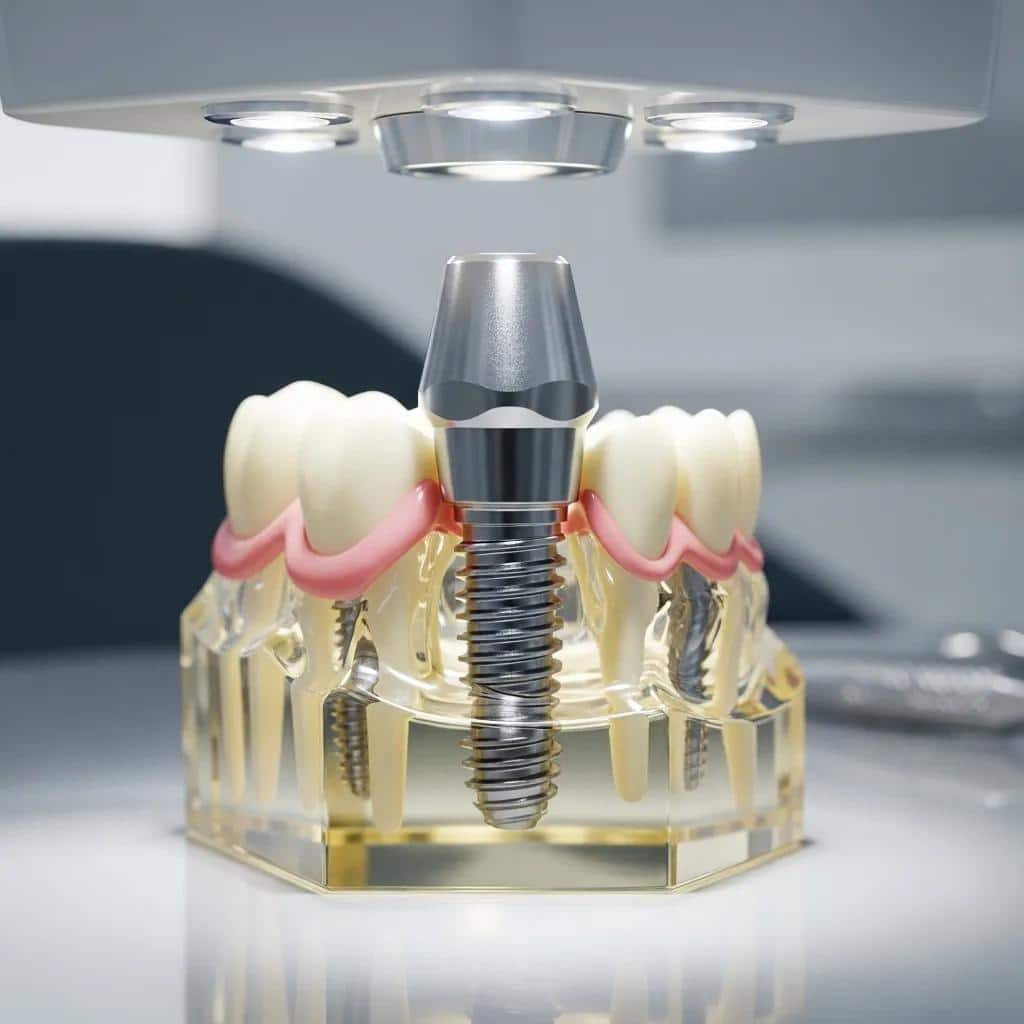
The durability of dental implants and dentures varies significantly due to their construction and the materials used. Dental implants are made of titanium and are surgically placed into the jawbone, providing a stable and long-lasting solution. In contrast, dentures are removable prosthetics that can wear down over time and may require more frequent adjustments or replacements. This fundamental difference in design leads to dental implants generally being more durable and longer-lasting than dentures.
How Does Implant Durability Affect Patient Outcomes?
The durability of dental implants positively impacts patient outcomes by providing a stable and functional solution for tooth loss. Patients with implants often report higher satisfaction levels, improved chewing ability, and enhanced confidence compared to those with dentures. The long-term success of implants can also lead to better oral health, as they help maintain jawbone density and prevent further tooth loss.
What Factors Influence Denture Durability and Replacement Frequency?
Several factors influence the durability of dentures and their replacement frequency. The quality of the materials used, the patient’s oral hygiene practices, and lifestyle choices such as diet and smoking can all play a role. Additionally, regular dental check-ups are essential for monitoring the condition of dentures and ensuring they remain functional and comfortable.
How Do Maintenance and Care Impact the Longevity of Dental Implants and Dentures?
Proper maintenance and care are crucial for extending the longevity of both dental implants and dentures. For implants, this includes regular brushing, flossing, and routine dental visits to check for any issues. Dentures require daily cleaning and proper storage to prevent damage. Neglecting maintenance can lead to complications, including infections for implants and discomfort or fit issues for dentures.
What Are the Recommended Implant Maintenance Practices?
To ensure the longevity of dental implants, patients should follow these recommended maintenance practices:
Daily Oral Hygiene: Brush and floss around the implant site to prevent plaque buildup.
Regular Dental Check-ups: Schedule routine visits to monitor the health of the implant and surrounding tissues.
Avoid Hard Foods: Be cautious with hard or sticky foods that could damage the implant or surrounding teeth.
These practices help maintain the integrity of dental implants and promote overall oral health.
How Should Dentures Be Cared for to Maximize Lifespan?
Caring for dentures properly can significantly extend their lifespan. Recommended care practices include:
Daily Cleaning: Clean dentures daily with a soft brush and non-abrasive cleaner to remove food particles and plaque.
Proper Storage: Store dentures in a moist environment when not in use to prevent warping.
Regular Adjustments: Visit the dentist for adjustments to ensure a proper fit and comfort.
By following these care guidelines, denture wearers can enhance the longevity and functionality of their prosthetics.
What Is the Cost Comparison Between Dental Implants and Dentures Over Time?
When considering the cost of dental implants versus dentures, it’s essential to factor in both initial costs and long-term expenses. While dental implants typically have a higher upfront cost, they often prove to be more cost-effective over time due to their longevity and lower replacement frequency. In contrast, dentures may require more frequent replacements and adjustments, leading to higher cumulative costs.
Approach
Initial Cost
Replacement Frequency
Long-Term Cost
Dental Implants
$3,000 – $4,500
10-30 years
Lower
Dentures
$1,000 – $3,000
5-10 years
Higher
This comparison highlights the financial implications of choosing between dental implants and dentures, emphasizing the potential long-term savings associated with implants.
How Does Initial Cost Differ Between Implants and Dentures?
The initial cost of dental implants is generally higher than that of dentures. Dental implants can range from $3,000 to $4,500 per implant, depending on various factors such as the complexity of the procedure and the materials used. In contrast, dentures typically cost between $1,000 and $3,000. While the upfront investment for implants is greater, their longevity can make them a more economical choice in the long run.
What Are the Long-Term Financial Considerations Including Replacement and Maintenance?
When evaluating the long-term financial considerations of dental implants versus dentures, patients should consider not only the initial costs but also the potential expenses associated with replacements and maintenance. Dental implants, while more expensive initially, often require fewer replacements and less frequent maintenance, leading to lower overall costs. Dentures, on the other hand, may incur additional costs over time due to their shorter lifespan and the need for adjustments.
What Financing Options Make Dental Implants and Dentures Affordable?
For patients concerned about the cost of dental solutions, various financing options can make dental implants and dentures more accessible. Many dental practices, including Affordable Dentist Near Me, offer payment plans and financing options to help patients manage their expenses. Additionally, some insurance plans may cover a portion of the costs associated with dental implants or dentures, further easing the financial burden.
Which Payment Plans and Insurance Options Are Available?
Patients exploring dental implants and dentures should inquire about available payment plans and insurance options. Many dental providers offer flexible financing solutions that allow patients to pay for their treatment over time. Additionally, insurance coverage may vary, so it’s essential to check with the provider to understand what is included in the plan.
How Can Patients Schedule Affordable Dental Implant Consultations?
Scheduling a consultation for dental implants is a straightforward process. Patients can contact Affordable Dentist Near Me to discuss their options and set up an appointment. During the consultation, the dental team will evaluate the patient’s needs, discuss potential treatment plans, and provide information on financing options to ensure affordability.
What Do Patients Say About Their Experiences With Implants Versus Dentures?
Patient experiences with dental implants and dentures can vary significantly. Many individuals who choose dental implants report higher satisfaction levels due to the stability and functionality they provide. In contrast, some denture wearers may express frustration with fit issues and the need for frequent adjustments. Understanding these experiences can help prospective patients make informed decisions about their dental solutions.
What Are Common Patient Testimonials Regarding Implant Longevity?
Patients often share positive testimonials regarding the longevity of dental implants. Many report that their implants have lasted well beyond the expected lifespan, providing a reliable solution for tooth loss. These testimonials highlight the importance of proper care and regular dental visits in maintaining the longevity of implants.
How Do Denture Users Describe Their Care and Replacement Experiences?
Denture users frequently describe their experiences with care and replacement as challenging. Common issues include discomfort due to poor fit and the need for frequent replacements. Many denture wearers emphasize the importance of regular dental visits to ensure their dentures remain functional and comfortable, as well as the need for diligent cleaning to prevent oral health issues.