Exploring Patient Satisfaction: How Do Dental Implants Stack Up Against Dentures?
Tooth loss affects chewing, speech, facial support and personal confidence, and the choice between dental implants and dentures shapes daily life for many patients. This article examines patient satisfaction directly, comparing how implants and dentures perform on comfort, function, aesthetics, longevity, maintenance, and cost so readers can make an informed choice. We explain what dental implants are (titanium implant post, abutment, prosthetic crown), what dentures are (full, partial, implant-supported), and why outcomes such as chewing efficiency, speech clarity, and bone preservation matter for quality of life. Readers will find evidence-based summaries, practical daily-life scenarios, structured comparisons, and clear checklists to guide decisions. The guide also maps financing realities and local care options so cost-conscious patients understand trade-offs. By the end you’ll have a practical decision framework and next steps to explore a personalized plan with a local practice that offers a $79 DENTAL CONSULTATION.
What Are Dental Implants and How Do They Improve Patient Satisfaction?
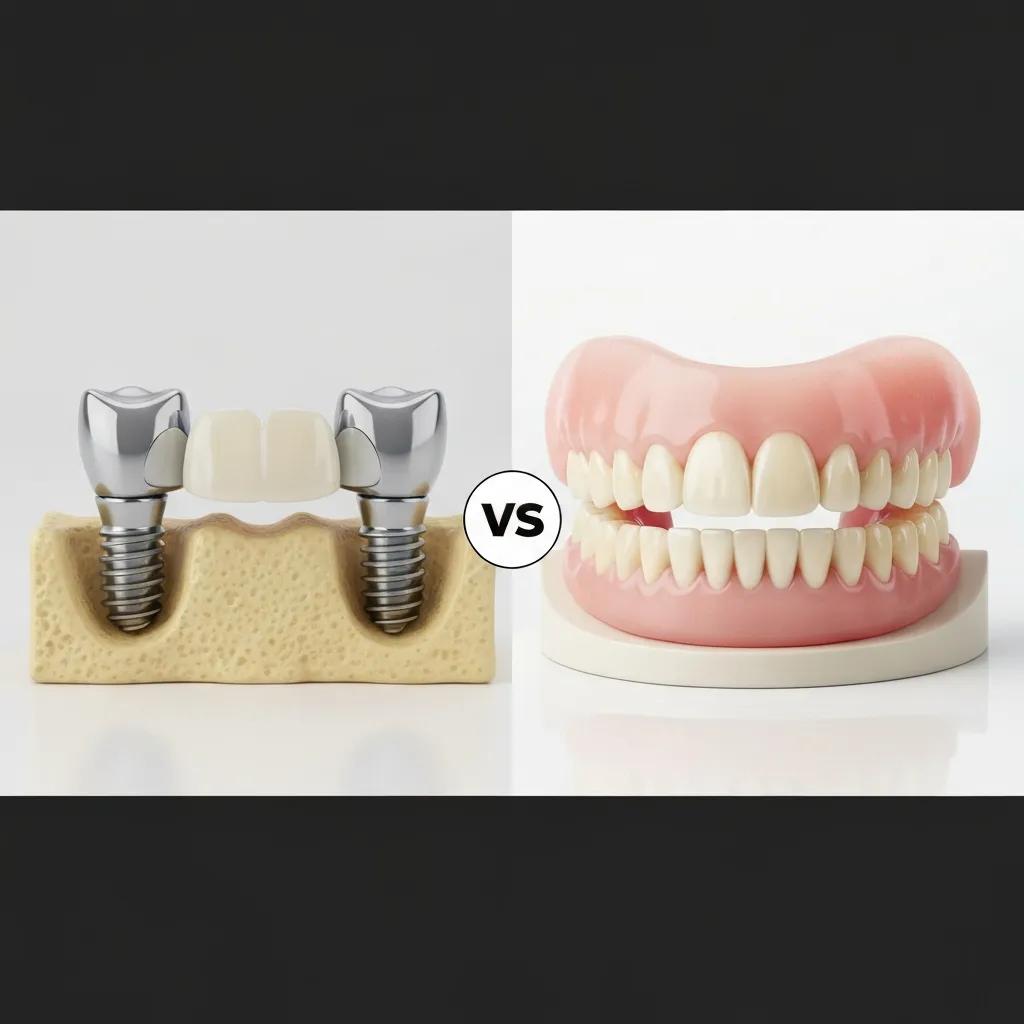
Dental implants are anchored tooth replacements consisting of a titanium implant post placed into jawbone, an abutment, and a prosthetic crown that is fixed in position. The mechanism, osseointegration, fuses titanium to bone so the implant acts as a stable root substitute, restoring chewing force and limiting bone resorption over time. Patients typically experience improved prosthesis stability, better chewing efficiency, and reduced movement compared with removable options, which directly translates to higher reported satisfaction and restored dietary choices. Implants also preserve adjacent tooth structure by avoiding the need to alter neighboring teeth, which contributes to long-term oral health and psychological comfort. Understanding these functional and biological mechanisms sets up a comparison with removable dentures that follows below.
What Are the Key Benefits of Dental Implants for Patients?
Dental implants deliver a combination of functional, biological, and psychosocial benefits that explain higher satisfaction in many outcome studies. Functionally, implants restore chewing efficiency closer to natural teeth, enabling patients to bite and chew firmer foods without fear of displacement. Biologically, implants help preserve alveolar bone through load transmission and osseointegration, reducing progressive ridge resorption that commonly occurs with long-term denture wear. Psychologically, the fixed nature of implants often improves self-confidence, social interactions, and willingness to smile, since patients report feeling the prosthesis is a permanent part of their mouth. These benefits make implants a preferred option within permanent tooth replacement options for patients prioritizing function and long-term oral health.
How Do Patients Experience Eating and Speaking with Dental Implants?
Patients with implants often describe a qualitatively different daily experience: biting into an apple or chewing nuts is possible with greater confidence, and speech clarity improves because the prosthesis does not shift during articulation. Implant anchorage removes much of the mucosal bearing that causes movement-related lisps and slurring that can occur with removable devices, so public speaking and eating in social settings are less stressful. Chewing efficiency metrics and patient-reported quality-of-life measures from contemporary studies indicate meaningful gains in diet variety and nutritional choices after implant placement. Because implants mimic natural tooth biomechanics, many patients report that implants “feel” more like their original teeth, which supports long-term satisfaction and social comfort.
What Are Dentures and How Do They Affect Patient Satisfaction?
Dentures are removable prostheses fabricated from an acrylic base with artificial teeth and can replace full arches (complete dentures) or segments (partial dentures); implant-supported overdentures combine implant anchorage with removable or fixed prosthetic designs. Dentures function by resting on oral mucosa and underlying bone; their retention relies on suction, adhesives, clasps, or implant attachments rather than osseointegration. Because dentures are non-surgical and typically have lower upfront cost, they remain common and accessible, but their removable nature introduces potential downsides: slippage, sore spots, dietary limitations, and maintenance burdens that can lower patient satisfaction for some users. Balancing the lower initial cost and ease of fabrication against functional compromises is central to assessing denture patient satisfaction.
What Types of Dentures Are Available and How Do They Differ?
This list summarizes denture types and characteristics:
Full (conventional) dentures: replace entire arch; rely on suction and fit.
Partial dentures: retain existing teeth; use clasps or precision attachments.
Implant-supported overdentures: use implants for improved retention and function.
How Do Patients Adapt to Dentures and Manage Their Maintenance?
Adapting to dentures typically follows a predictable timeline: initial insertion involves adjustment to bulk, speech changes, and potential sore spots, with most patients adapting within weeks but requiring several follow-up visits. Daily maintenance includes nightly soaking and brushing of the acrylic base, routine inspection for cracks or wear, and periodic professional relines to maintain proper fit as underlying bone remodels. Adhesives can improve short-term retention but do not prevent long-term bone changes that necessitate relines or eventual replacement; patients who rely heavily on adhesives may report decreased satisfaction over time. Regular follow-up with a dentist for adjustments and hygiene guidance helps mitigate common challenges and supports better functional outcomes.
How Do Dental Implants and Dentures Compare in Comfort and Daily Use?
Comfort and daily function hinge on stability, tissue interaction, and user expectations; implants provide fixed anchorage while dentures depend on mucosal surfaces and retention strategies. The implant components—the titanium post, abutment, and crown—work together to distribute occlusal forces into bone, which reduces soft-tissue irritation and improves comfort. Dentures, being mucosa-borne prostheses, can create pressure points, require adhesives, and sometimes interfere with taste or oral sensation because of acrylic coverage. Translating these mechanical differences into lived experience, implants often allow a broader diet and fewer speech adaptations, whereas dentures may impose dietary limitations and require acclimation. The functional contrast is a core determinant of satisfaction for many patients choosing between these restorative dentistry approaches.
Comfort-focused daily-use differences:
Implant-fixed restorations: stable, minimal movement during mastication.
Removable dentures: possible movement, pressure points, adhesive reliance.
Implant-supported overdentures: intermediate comfort with improved retention.
Which Option Offers Better Comfort and Natural Feel?
Implants typically provide a more natural tactile sensation and consistent fit because they anchor to bone rather than resting on soft tissues, which reduces friction and sore spots. The fixed emergence profile of implant crowns more closely mimics natural teeth, preserving phonetic function and minimizing interference with the tongue and cheeks during speech. Dentures, by contrast, can feel bulky, may reduce palate sensation (especially maxillary dentures), and can shift under load, prompting cautious chewing or avoidance of certain foods. Patient descriptors often emphasize the psychological relief of “not worrying” about prosthesis movement with implants, which underscores the link between mechanical stability and perceived comfort.
How Do Implants and Dentures Impact Eating and Speaking Abilities?
Implants restore occlusal efficiency by allowing higher bite forces and more effective mastication, which translates into the ability to eat a wider range of textures without concern about prosthesis displacement. Speaking benefits arise because implant prostheses do not shift unexpectedly, reducing the need to consciously adapt pronunciation or avoid certain consonant clusters; confidence when eating and talking in social settings tends to improve. Denture wearers may need to modify diet—favoring softer foods—and may encounter intermittent speech changes until they adapt to prosthesis contours. Rehabilitation goals should prioritize realistic expectations: implants often restore function closer to natural teeth, while dentures require habit adjustments and consistent maintenance to optimize speech and diet outcomes.
What Are the Aesthetic and Confidence Differences Between Implants and Dentures?
Aesthetics and facial support are central to how patients perceive their smiles and social presence; implants and dentures differ in how they restore tooth emergence, lip support, and facial height. Implants can support prosthetic crowns that recreate natural tooth contours and maintain soft-tissue contours over time, preserving smile esthetics and minimizing the sunken look associated with advanced ridge resorption. Dentures provide immediate tooth replacement and can be styled for pleasing appearance, but long-term bone loss under mucosal-borne dentures can change facial proportions and require periodic adjustment to maintain aesthetics. Psychological outcomes—self-esteem, willingness to socialize, and frequency of smiling—are influenced by both the visual outcome and the prosthesis’ reliability in social situations.
How Do Dental Implants Enhance Smile Appearance and Confidence?
Dental implants support crowns positioned to match neighboring teeth in color, contour, and emergence profile, creating a seamless look that often restores smile symmetry and natural spacing. The fixed nature of implants reduces anxiety about movement or the need for adhesives, which in turn encourages spontaneous smiling and greater engagement in social situations. Implant restorations also help maintain gingival architecture and papillae when planned correctly, preserving the natural esthetic relationship between tooth and gum. Studies and patient-reported outcomes frequently link implant therapy with improved psychosocial metrics such as self-image and social participation, making implants a strong option for patients whose primary concern is appearance and confidence.
What Are the Common Aesthetic Limitations of Dentures?
While dentures can be fabricated to look natural initially, some aesthetic limitations are common: acrylic flange visibility near the gumline can affect natural emergence appearance, and prosthetic teeth on removable bases may lack the exact translucency or contour of natural crowns. Over time, resorption of the alveolar ridge changes facial height and profile, which may produce a flattened or sunken appearance unless denture relines or redesigns are performed. Denture teeth can appear less life-like under close inspection compared with individualized implant crowns, though modern denture tooth materials have improved. Mitigation strategies include cosmetic denture teeth, careful shade and gum characterization, and, when feasible, converting to implant-supported options to stabilize facial support.
How Do Longevity and Maintenance Compare Between Dental Implants and Dentures?
Longevity and maintenance are fundamental to lifetime satisfaction because they influence ongoing costs, clinical visits, and functional outcomes. Dental implants typically have high long-term success rates when placed in healthy bone and well-maintained, with many studies showing favorable 10-year survival rates often exceeding 90% for the implant fixture. Dentures have more variable lifespans: prosthetic teeth, acrylic bases, and fit may require periodic relines, repairs, or full replacement every 5–10 years depending on bone remodeling and wear. Understanding failure modes—implant peri-implantitis vs. denture wear and fracture—and the maintenance routines required for each helps patients anticipate long-term needs and satisfaction trajectories.
Prosthetic Option
Expected Lifespan
Typical Maintenance Actions
Dental implant (fixture + crown)
10+ years for fixture; crowns 10–15 years (variable)
What Is the Expected Lifespan of Dental Implants Versus Dentures?
Implant fixtures can remain stable for many decades when osseointegration is successful and patients follow oral hygiene and maintenance protocols; crown and prosthetic components may need repair or replacement over time due to wear. Dentures, being exposed to occlusal wear, acrylic fatigue, and ongoing bone resorption, generally require more frequent professional intervention and replacement; expected lifespans vary widely based on use and care. Patient factors—smoking, systemic disease, bruxism, and oral hygiene—affect both implant prognosis and denture performance, so individualized risk assessment is essential. These longevity patterns influence perceived value and satisfaction: while implants may have higher initial cost, the reduced need for repeated replacements can improve long-term value perception.
What Maintenance Is Required for Each Tooth Replacement Option?
Both options require daily home care and periodic professional monitoring, but their maintenance focuses differ in specifics and frequency. Implant maintenance emphasizes meticulous oral hygiene to prevent peri-implant mucositis and peri-implantitis, including regular brushing, flossing or interdental cleaning around abutments, and professional peri-implant assessments. Denture maintenance centers on nightly cleaning, soaking, inspection for cracks, and relining as the ridge changes; adhesives may be used but do not eliminate the need for professional adjustments. A clear maintenance checklist helps patients understand responsibilities and supports better long-term outcomes.
Maintenance checklist summary:
Implant care: daily hygiene, periodic professional peri-implant checks, and timely repair of crowns.
Denture care: nightly cleaning and soaking, scheduled relines/repairs, and attention to sore spots.
Overdenture care: combine implant hygiene with prosthesis attachment maintenance and replacement as needed.
How Do Costs and Financing Options Affect Patient Satisfaction with Implants and Dentures?
Cost considerations strongly influence perceived value and satisfaction because financial stress or unexpected expenses can undermine clinical benefits. Dental implants generally require higher initial investment—surgical placement, materials, and lab fees—while dentures offer lower upfront cost but may incur recurring expenses for relines, repairs, and replacements. Financing and insurance realities alter out-of-pocket costs significantly: acceptance of PPO plans and access to flexible financing can make implant solutions accessible for patients who otherwise would choose dentures for cost reasons. Satisfaction tracks not only with clinical outcomes but with how well costs align with patient expectations and financial planning.
Cost Component
Implants (Typical Range)
Dentures (Typical Range)
Initial procedure
Higher (surgical placement, grafts, crowns)
Lower (fabrication, fewer clinical visits)
Recurring costs
Repairs/implant crown replacement possible; professional peri-implant care
Relines, repairs, replacement of dentures every few years
Financing/insurance impact
Financing and PPO coverage can reduce barriers
Often covered more readily by basic plans; cheaper upfront
What Are the Initial and Long-Term Costs of Dental Implants Compared to Dentures?
Initial implant costs include surgical placement, any necessary bone grafting, implant fixtures, abutments, and prosthetic crowns or bridges, which collectively result in higher upfront investment. Long-term costs for implants tend to be lower in frequency but may include crown replacement, occasional repairs, and peri-implant therapy; the fixture itself often remains stable, reducing repeated prosthetic replacement cycles. Dentures have lower entry cost but may require multiple relines, repairs, and periodic remakes due to bone resorption and wear, which accumulate over a patient’s lifetime. Example scenarios illustrate trade-offs: a patient replacing a full arch with implants may pay more initially but avoid repeated denture replacements and adhesive costs over time.
What Financing and Insurance Options Are Available at Affordable Dentist Near Me of Tyler?
Many cost-conscious patients benefit when a local practice accepts common insurance plans and offers flexible financing to spread payments; Affordable Dentist Near Me of Tyler accepts most PPO insurance plans and provides flexible financing options to help patients access treatments. For new patients considering options, the practice advertises a $79 DENTAL CONSULTATION that creates a low-friction first step to evaluate implants versus dentures with clinical exam and treatment planning. These local financing pathways reduce the financial barrier that often steers patients toward less costly but functionally limiting options, and they allow prospective patients to weigh satisfaction outcomes against realistic out-of-pocket commitments.
An immediate summary: cost influences satisfaction by shaping expectations and access, and local financing plus a low-cost consult can align treatment choice with patient budgets.
What Do Real Patients Say About Their Satisfaction with Dental Implants Versus Dentures?
Patient-reported outcomes synthesize functional, aesthetic, and psychosocial effects into practical satisfaction metrics that clinicians use to counsel new patients. Aggregated local feedback often emphasizes improved eating, fewer prosthesis-related anxieties, and increased confidence after implant therapy, while denture users commonly report satisfaction with cost and non-surgical nature but note issues with slippage, adhesives, and maintenance demands. Local aggregated ratings and practice-level reviews reflect overall perceptions that can guide expectations; understanding typical patient experiences helps new patients anticipate benefits and trade-offs before committing to a treatment pathway.
How Have Dental Implants Improved Patients’ Quality of Life?
Patients who transition to implants frequently report meaningful improvements in diet diversity, confidence in social settings, and reduced concern about prosthesis movement during conversations and meals. These real-life benefits map directly to clinical mechanisms—greater biting force, stable prostheses, and bone preservation—which together restore not only function but also psychological comfort. Local patients have communicated satisfaction with being able to enjoy foods previously avoided and feeling more at ease smiling and speaking publicly. This aggregated feedback suggests that for many individuals, implants offer a durable route to restoring both oral function and social well-being.
What Challenges Do Denture Wearers Commonly Report?
Denture wearers commonly face challenges such as occasional slippage during eating or speaking, the need for adhesives, sore spots from pressure on mucosa, and the ongoing chore of nightly cleaning and relines over time. Dietary restrictions and the social inconvenience of adjusting or removing dentures can reduce spontaneity in dining situations and undermine confidence. Some patients adapt well and value the lower initial cost and non-surgical pathway, but others eventually seek implant-supported solutions after experiencing maintenance burdens or functional limits. Recognizing these recurring themes helps prospective denture patients plan realistic maintenance and follow-up schedules to optimize satisfaction.
Summary of patient sentiment patterns:
Implant recipients: report improved diet, stability, and confidence.
Denture users: appreciate affordability but note maintenance and movement issues.
Overdenture users: often achieve a middle ground with improved retention and removable convenience.
How Can You Decide Between Dental Implants and Dentures for Your Tooth Replacement?
Choosing between implants and dentures requires balancing clinical factors (bone health, medical conditions), functional goals (chewing, speech), aesthetics, timeline, and budget. A structured checklist helps patients and clinicians map priorities and constraints to realistic options, and a consultation that includes clinical exam and imaging clarifies an individualized pathway. Decision-making should weigh long-term satisfaction metrics—comfort, appearance, maintenance burden, and cost—against immediate needs and tolerance for surgery. With a clear decision framework, patients can approach a dental consultation confident that they will evaluate options that meet health, lifestyle, and financial goals.
Decision checklist to guide patient choice:
Assess bone health and systemic conditions: adequate bone supports implants.
Define functional goals: prioritize chewing and speech needs.
Evaluate budget and financing: consider long-term cost vs upfront savings.
Consider timeline and willingness for surgery: implants require surgical phases.
Factor maintenance preferences: daily care for implants vs removable prosthesis routines.
What Factors Should Patients Consider When Choosing Between Implants and Dentures?
Patients should consider oral health status (remaining teeth, bone volume, periodontal stability), systemic health (conditions that affect healing), lifestyle preferences (diet, speech demands, social activity), budget and insurance/financing availability, and tolerance for surgical procedures. Smoking, uncontrolled diabetes, or bruxism can influence implant prognosis and must be discussed candidly with a clinician. Personal preferences—such as valuing a fixed restoration versus accepting removable maintenance—also weigh heavily, so candid conversations about daily routines and aesthetic priorities are essential. By ranking these factors, patients and clinicians can prioritize feasible, satisfaction-oriented solutions.
What Can You Expect During a Free Consultation at Affordable Dentist Near Me of Tyler?
A consultation typically begins with a clinical exam and discussion of the patient’s goals, including a review of medical history and specific functional or aesthetic concerns, followed by any imaging needs to evaluate bone and tooth structure. At Affordable Dentist Near Me of Tyler, the $79 DENTAL CONSULTATION is presented as an accessible first step where clinicians review treatment options and outline potential plans, discuss insurance coverage (the practice accepts most PPO insurance plans), and explain flexible financing available for qualifying treatments. The consult aims to deliver a clear treatment plan, estimated costs, and next steps tailored to the patient’s oral health and budget, allowing informed comparison between implant and denture pathways. This practical, education-based approach helps patients make choices aligned with their lifestyle and long-term satisfaction.