Understanding the Longevity of Dental Solutions: Dental Implants vs Dentures Lifespan and Durability Explained
Dental implants and dentures are two primary tooth replacement solutions that patients weigh when planning long-term oral restoration. This article explains how dental implant durability and denture replacement frequency compare, outlines long-term dental implant success rates, and clarifies how removable vs fixed dental prosthetics affect comfort, function, and oral health. Many readers want a clear verdict: which option lasts longer, what maintenance each requires, and how cost of dental implants over 10 years stacks up against denture upkeep. Over the following sections we define implants and dentures, describe biological mechanisms like osseointegration and bone loss, present side-by-side EAV comparisons and cost-over-time modeling, and give practical decision-making guidance for patients in Tyler, TX. Readers will also find detailed care protocols to maximize lifespan, common patient questions answered succinctly, and specific notes about local care options to help schedule a next step toward restoration.
What Are Dental Implants and How Do They Provide Long-Term Tooth Replacement?
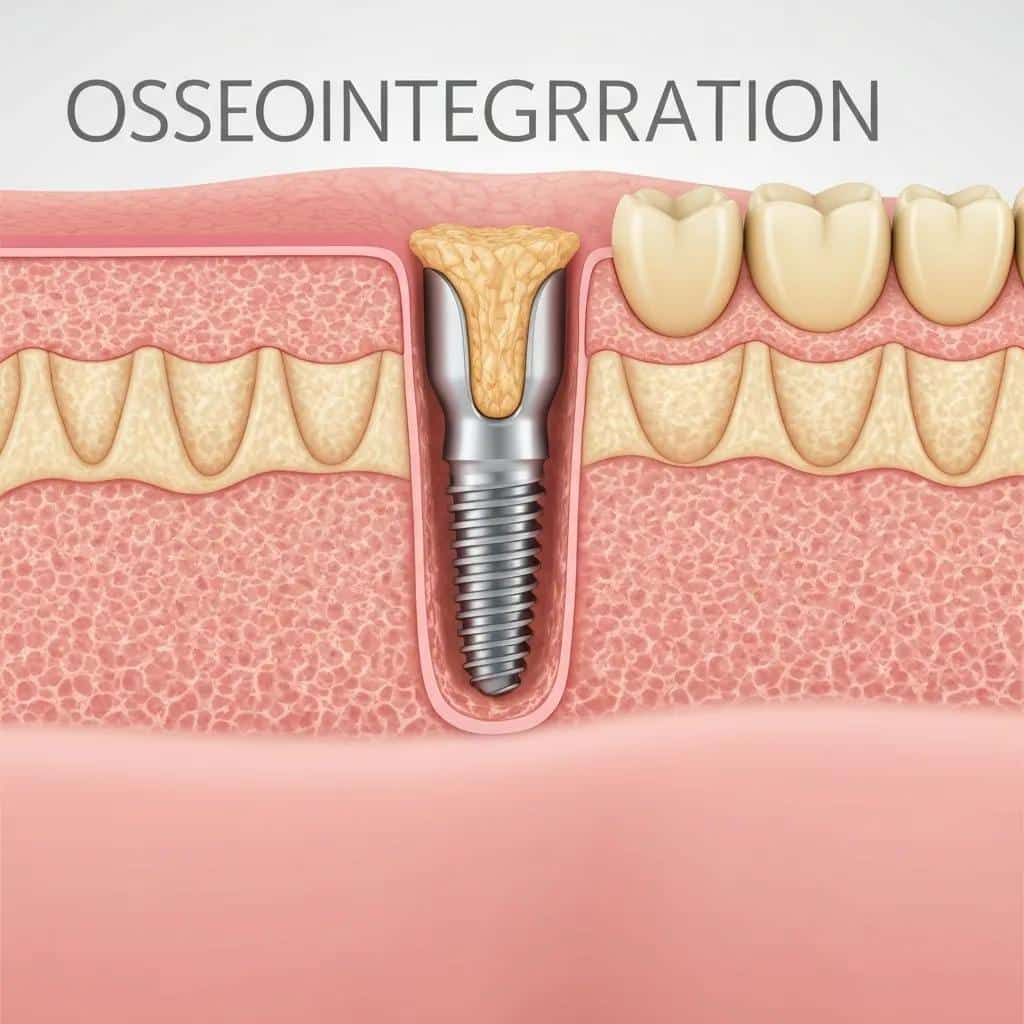
Dental implants are a tooth replacement solution consisting of a titanium or zirconia post surgically placed into the jawbone, an abutment, and a prosthetic crown that together restore form and function. The mechanism that makes implants durable is osseointegration: a biological fusion between bone tissue and the implant surface that stabilizes bite forces and preserves jawbone volume. This anchored design transfers chewing forces into the bone rather than the gums, reducing long-term bone resorption and maintaining facial structure. Implants are a fixed dental prosthesis option commonly used to replace single teeth, multiple adjacent teeth, or to support implant-supported dentures and overdentures. Understanding these components and the biological bonding process helps explain why implants often represent a long-term solution compared with removable options that rely on soft-tissue support.
Dental implant durability depends on material choice, surgical technique, and patient health, and modern implant systems use biocompatible titanium or increasingly zirconia posts for improved esthetics and corrosion resistance. The next section explains the surgical stages and the osseointegration timeline so readers can see how implants become stable over months and why early care matters for long-term dental implant success rates.
How Do Dental Implants Work and What Is Osseointegration?
A dental implant procedure begins with placement of a biocompatible post into prepared bone, followed by a healing interval during which osseointegration occurs as the bone remodels and adheres to the implant surface. Osseointegration is the critical mechanism: living bone grows tightly against the implant, creating a stable foundation that functions like a natural tooth root and supports an abutment and crown. This biological bond typically forms over 3–6 months, influenced by bone quality, surgical precision, and systemic health. Clinically, success hinges on minimizing micromotion during healing, using appropriate implant geometry and surface treatments, and addressing any grafting needs beforehand. Understanding these stages clarifies why implants achieve high long-term stability and how early interventions improve outcomes.
This mechanism directly affects expected lifespan, which we examine next to show typical durability ranges and key modifying factors.
What Is the Expected Lifespan of Dental Implants?
Dental implants are designed to be a long-term, often lifelong solution when patients maintain oral hygiene and attend professional monitoring; many studies report 10-year survival rates above 90–95% for single implants under proper care. Lifespan is not absolute—components like crowns or abutments may wear or need replacement, while the implant fixture embedded in bone can remain stable for decades if peri-implant tissues remain healthy. Factors that shorten implant lifespan include uncontrolled diabetes, heavy smoking, untreated periodontal disease, and bruxism, whereas good oral hygiene, regular dental visits, and smoking cessation improve longevity. Recent research through 2023–2024 continues to show high long-term dental implant success rates, particularly with modern surface technologies and digital planning that reduce complications and improve fit.
Dental Implant Life Span Analysis and Technology Development
Thus, this research identifies the life spans of dental implant (DI) key technologies using an ontology-based approach to support the development of new DI technologies and to provide a framework for DI life span analysis. Constructing a dental implant ontology for domain specific clustering and life span analysis, CV Trappey, 2013
Knowing realistic lifespan expectations helps patients weigh implants against dentures and anticipate maintenance; next we contrast dentures’ characteristics to complete the replacement options overview.
What Are Dentures and How Do They Function as Tooth Replacement Options?
Dentures are removable prosthetic devices that replace missing teeth and surrounding tissues, offering a non-surgical and cost-effective path to restore appearance and basic chewing function. They function by distributing occlusal forces across the mucosa and underlying alveolar ridge, and removable dentures rely on soft-tissue support, adhesives, and sometimes clasps for stability, whereas implant-supported dentures combine elements of both removable and fixed prosthetics. Dentures come in diverse formats from complete/full dentures that replace an entire arch to partial dentures that fill gaps and preserve remaining teeth. Because dentures interface directly with mucosa, ongoing reshaping of the jaw and ridge resorption can alter fit over time, necessitating relines, adjustments, or replacement.
What Types of Dentures Are Available and How Do They Differ?
Dentures include full (complete) dentures for edentulous arches, removable partial dentures that clasp to remaining teeth, immediate dentures inserted after extractions, and implant-supported overdentures which couple implants and removable prosthetics for improved stability. Materials typically include acrylic resin bases with acrylic or composite teeth, metal frameworks for partials, and newer digital resins for precision-milled prostheses; material choice affects durability, wear rates, and esthetics. Full dentures are best when many or all teeth are missing and provide a non-surgical option; partial dentures are indicated when some natural teeth remain to support the prosthesis. Implant-supported dentures reduce slippage and improve chewing efficiency versus tissue-supported removable dentures, while requiring surgical placement and periodic maintenance for attachments.
Knowing these distinctions guides selection based on clinical needs, budget, and the desired balance between stability and invasiveness. Next we explore denture lifespan and routine care so readers can plan for replacements and relines.
How Long Do Dentures Typically Last and What Maintenance Is Required?
Removable dentures typically last 5–8 years before significant wear or ridge changes require replacement, though interim relines and repairs are common to maintain fit and function during that period. Causes for replacement include acrylic wear of denture teeth, deterioration of occlusion, fractures, progressive bone resorption altering fit, and esthetic changes; regular relining every 1–3 years can extend functional life. Daily maintenance includes gentle brushing with a soft brush, overnight soaking in a non-abrasive solution, and handling precautions to prevent drops and fractures. Periodic dental visits for adjustments, occlusal checks, and relines help to manage sore spots and prevent mucosal irritation; proactive maintenance reduces emergency visits and preserves function.
Longevity of Complete Dentures: A Systematic Review
The purpose of this systematic review was to examine the literature describing the longevity of complete dentures and to review variations in longevity by denture type and duration of use. Longevity of complete dentures: A systematic review and meta-analysis, M Taylor, 2021
These maintenance behaviors contrast with implant care and influence long-term cost comparisons, which we examine next through direct longevity and durability comparisons.
How Do Dental Implants Compare to Dentures in Terms of Longevity and Durability?
Dental implants and dentures differ markedly in how they achieve retention, distribute forces, and age over time, making dental implant durability superior in many clinical scenarios while removable dentures offer lower initial costs and non-surgical accessibility. Implants become integrated with bone through osseointegration and thus resist mechanical wear related to mucosal movement, whereas dentures rely on soft tissue and adhesives, making them prone to slippage and reshaping as bone resorbs. Material durability also differs: implant fixtures of titanium or zirconia resist corrosion and mechanical fatigue, while denture bases and teeth, typically acrylic or composite, show abrasive wear and may need periodic replacement. Patient factors—bone density, oral hygiene, systemic health, bruxism—modulate longevity for both solutions, but the fundamental difference is that implants act as fixed prostheses transferring load to bone, whereas dentures load soft tissues and the residual ridge.
Below is an EAV-style comparison table summarizing lifespan, maintenance needs, initial cost tendencies, and replacement frequency to help synthesize these differences for decision-making.
Prosthetic Option
Key Attribute
Typical Value / Impact
Dental Implant
Typical Lifespan
20+ years to lifetime with proper care; high success rates (90%+ at 10 years)
Dental Implant
Maintenance Needs
Daily hygiene plus periodic professional checkups; crown or abutment may require repair/replacement
Denture (Removable)
Typical Lifespan
5–8 years average before replacement or significant relining
Denture (Removable)
Maintenance Needs
Daily cleaning, nightly soaking, periodic relining, more frequent adjustments
Implant-Supported Denture
Typical Lifespan
Attachment components may need replacement every few years; implants durable long-term
Implant-Supported Denture
Maintenance Needs
Combination of denture care and implant maintenance; periodic replacement of attachments
Which Dental Solution Offers Greater Longevity: Implants or Dentures?
Implants generally offer greater longevity than removable dentures because osseointegration creates stable, bone-anchored support that resists displacement and preserves jawbone, while dentures are susceptible to ridge resorption and material wear. The one-line verdict for longevity is that implants tend to last longer overall, but exceptions exist: medically complex patients with uncontrolled systemic disease, severe bone loss not amenable to grafting, or those preferring non-surgical options may find dentures a pragmatic long-term solution. Additionally, factors such as regular maintenance, smoking, and parafunctional habits change the expected durability of either option. Considering these caveats allows clinicians to align treatment with patient-specific risk profiles and long-term goals.
What Factors Affect the Durability of Implants and Dentures?
Durability of both implants and dentures is shaped by clinical and behavioral factors: jawbone density and volume, presence of periodontal disease, systemic conditions like diabetes, tobacco use, parafunctional habits such as bruxism, material quality, prosthetic design, and practitioner technique. For implants, adequate bone and lack of active infection are crucial for osseointegration; implant surface, placement angle, and surgical precision influence success. For dentures, rate of alveolar bone resorption, material wear, and fit management determine replacement frequency. Prosthetic maintenance—daily cleaning, routine dental visits, and timely repairs—reduces failure risk in both cases. Patients considering either option should evaluate these factors with their provider to estimate personalized longevity and plan preventive care.
How Do Comfort and Quality of Life Differ Between Dental Implants and Dentures?
Comfort and quality of life are often decisive for patients choosing between dental implants and dentures because daily functions—eating, speaking, smiling—are directly affected by prosthetic stability and tissue interaction. Implants usually restore chewing efficiency and speech patterns closer to natural teeth because their fixed support distributes forces into bone and prevents the movement that causes slippage and sore spots with removable dentures. Patients with implants frequently report higher satisfaction for eating certain textures and for social confidence due to reduced motion or need for adhesives. Conversely, dentures can cause mucosal irritation, sore spots, and require learning to speak and chew differently; modern adhesives and properly fitted prostheses mitigate some issues but do not fully replicate the biomechanical advantages of implants.
Why Are Dental Implants Considered More Comfortable and Stable?
Implants are more comfortable and stable because they mimic the natural tooth-root system by anchoring into bone, which allows bite forces to be transmitted physiologically and reduces mucosal pressure and movement that lead to sore spots. The fixed support eliminates the micro-movements that cause friction against the gingiva, and abutment-crown configurations recreate natural occlusal schemes for effective mastication. In addition, implants help maintain jawbone volume, which preserves facial support and prosthetic fit over time—factors that enhance long-term comfort. Real-world benefits include the ability to eat firmer foods without adhesives and fewer social interruptions caused by prosthesis movement, which collectively improve quality of life.
What Comfort Challenges Are Common with Dentures?
Denture wearers commonly experience sore spots, denture movement or slippage, reduced biting efficiency, altered taste or gag reflex in some cases, and the need for adhesives to improve retention; these issues stem from mucosal support and changing bony contours. Poor fit or occlusal imbalances can lead to localized inflammation and ulceration, and progressive ridge resorption necessitates relines or new prostheses to restore comfort. Mitigation includes careful initial prosthetic design, routine adjustments by a dental professional, nightly removal and soaking to reduce irritation, and considering implant-supported overdentures when stability is a primary concern. Patients should monitor persistent soreness or difficulty chewing because early intervention prevents larger repairs later.
What Are the Cost Differences Between Dental Implants and Dentures Over Time?
Comparing the cost of dental implants over 10 years with removable dentures requires assessing upfront investment, replacement cycles, maintenance visits, and possible adjunctive procedures like bone grafting or relines. Implants typically have higher initial costs because they require surgical placement, implant components, and laboratory-fabricated restorations; however, their longevity can lead to a lower cost-per-year than dentures that require replacements, periodic relines, and ongoing adhesive purchases. For many patients, the long-term cost advantage of implants emerges when factoring in reduced replacement frequency and improved function that lowers indirect costs related to diet or quality-of-life impacts. Financing options and insurance acceptance influence affordability; practices offering flexible payment plans and accepting most PPO insurance can reduce initial financial barriers for patients evaluating long-term value.
Below is an EAV-style cost table that models 1-year, 5-year, 10-year, and lifetime cost considerations to illustrate how investment and recurring expenses accumulate across options.
Prosthetic Option
1-year cost (estimate)
5-year cost (estimate)
10-year cost (estimate)
Single Dental Implant (fixture + crown)
Higher upfront (surgical + restoration)
Upfront plus minimal maintenance
Upfront; possible crown refurbish or replacement
Removable Full Denture (per arch)
Low upfront (prosthesis fabrication)
Additional relines/repairs, adhesive costs
Replacement likely within 5–8 years; cumulative cost rises
Implant-Supported Overdenture (per arch)
Moderate-high upfront (2+ implants + prosthesis)
Attachment replacements and periodic maintenance
Longer interval between major replacements; lower replacement frequency
How Does the Initial Cost of Implants Compare to Dentures?
Initial cost for dental implants tends to be higher because it includes surgical placement, the implant fixture, abutment, and laboratory-made crown, plus any necessary imaging or grafting; dentures require fewer clinical procedures and lower material costs at the outset. The implant workflow often involves separate fees for surgery and prosthetic fabrication, whereas a denture’s primary cost is prosthetic creation and fitting. However, prices vary by clinical complexity and materials, and patients should interpret averages cautiously. A precise estimate requires an individualized assessment at a consult, including imaging and treatment planning, to capture possible bone grafting or staged approaches that influence initial cost.
Cost-Effectiveness of Dental Implants Over 10 Years
The purpose of this systematic review was to examine the literature describing the longevity of complete dentures and to review variations in longevity by denture type and duration of use. Evaluating the health economic implications and cost-effectiveness of dental implants: a literature review., 2013
What Are the Long-Term Cost Considerations for Both Solutions?
Long-term costs include replacement cycles for dentures (commonly every 5–8 years), routine relines and repairs, adhesive supplies, and potential soft-tissue or mucosal treatments, while implants incur periodic maintenance, occasional component replacement (e.g., crowns, attachment parts), and the rare management of complications. Cost-per-year calculations often favor implants over extended horizons because fixed implants rarely need full replacement, whereas dentures may require recurrent prosthetic replacement and frequent adjustments. Patients should also factor in potential downstream procedures such as bone grafting required for implant candidacy, which raises initial costs but can be amortized over implant longevity. Discussing payment options and insurance acceptance—such as flexible payment plans and PPO coverage—can materially affect accessibility for patients comparing these lifetime costs.
How Can Patients Decide Between Dental Implants and Dentures for Their Smile in Tyler, TX?
Deciding between implants and dentures involves evaluating clinical suitability (bone health, periodontal status), lifestyle preferences (desire for fixed vs removable), budgetary constraints, and long-term oral health goals. Key decision factors include jawbone density, systemic conditions that affect healing, smoking status, desired permanence, and daily habits such as diet and oral hygiene diligence. Most patients begin with a self-assessment of these variables and follow with professional imaging and exam to determine candidacy; in many cases bone grafting or alternative implant strategies expand candidacy options for those with bone loss. For Tyler residents, local availability of both solutions and financing options makes a tailored consult especially valuable to reconcile medical, functional, and financial considerations.
Affordable Dentist Near Me of Tyler offers patient-centered evaluations, and Get Dental Patients to schedule a free consult is recommended as the next step for anyone seeking personalized guidance on implants versus dentures. A consult allows providers to assess bone loss, review lifestyle priorities, and model cost-over-time scenarios specific to the patient.
Bone health and imaging readiness: assess whether you can undergo CBCT or large-field imaging for planning.
Medical and dental history review: list systemic conditions, medications, and smoking status that affect healing.
Lifestyle priorities: note whether permanence, ease of care, or budget is most important for your choice.
What Patient Factors Influence the Choice of Implants or Dentures?
Patient factors that influence choice include jawbone density and volume, periodontal and oral health status, systemic health conditions (such as diabetes), smoking, medication use that affects bone remodeling, bruxism, cosmetic goals, and financial constraints. Age alone is not an absolute contraindication; rather, physiological health and healing capacity matter more for implant candidacy. For denture candidacy, the presence of soft-tissue health and ability to accept removable appliances is key. Lifestyle preferences—such as a priority for fixed restorations to avoid adhesives, or the desire for a non-surgical route—also guide selection. A clinician evaluates these criteria and, when needed, recommends adjunctive procedures like bone grafting or staged treatment to align the final plan with patient goals.
Why Choose Affordable Dentist Near Me of Tyler for Your Dental Solutions?
Affordable Dentist Near Me of Tyler provides both dental implants and dentures and emphasizes education-based care so patients understand options before committing to treatment. The practice reduces financial friction through flexible payment plans, accepts most PPO insurance, and features a $79 Free Dental Consultation for new patients to help discuss clinical candidacy and cost-over-time in a low-pressure setting. Their team focuses on helping patients evaluate implant benefits versus denture realities, explaining osseointegration, grafting requirements, and maintenance protocols tailored to individual health profiles. For Tyler patients seeking a convenient local evaluation, Get Dental Patients to schedule a free consult offers an explicit next step to receive personalized recommendations and an upfront discussion of financing options.
What Are the Best Practices for Caring for Dental Implants and Dentures to Maximize Longevity?
Maximizing implant and denture longevity requires an evidence-based maintenance routine that addresses daily care, periodic professional evaluations, and timely repairs. For implants, meticulous plaque control, interproximal cleaning, and regular periodontal assessments prevent peri-implant disease; for dentures, daily cleaning, proper storage, periodic relines, and professional adjustments reduce tissue irritation and prolong fit. Consistency in follow-up appointments allows early detection of complications such as loosening of attachment components or occlusal wear, enabling corrective action before major failure occurs. Understanding specific maintenance tasks and their recommended frequency empowers patients to reduce the risk of replacement and extend functional life.
The table below provides an EAV-style maintenance checklist outlining tasks, recommended frequency, and expected outcomes for both implants and dentures.
Prosthetic Type
Maintenance Task
Frequency / Tools / Expected Outcome
Dental Implant
Brushing & interproximal cleaning
Twice daily brushing + daily flossing or interdental brushes; prevents plaque buildup and peri-implant disease
Dental Implant
Professional exam and radiographic check
Every 6–12 months; monitors bone levels and prosthesis integrity
Denture (Removable)
Daily cleaning and soaking
Daily gentle brushing and nightly soak; reduces plaque, odor and extends prosthesis life
Denture (Removable)
Relining or adjustment
As needed (1–3 years); restores fit and prevents sore spots
Implant-Supported Denture
Attachment maintenance
Annual or biannual replacement of attachments as indicated; maintains retention and function
How Should Patients Maintain Their Dental Implants?
Patients should maintain dental implants with a daily routine of gentle, thorough brushing and interproximal cleaning using floss, interdental brushes, or water flossers to remove biofilm that can initiate peri-implant disease. Professional maintenance visits every 6–12 months are recommended to assess soft-tissue health, check prosthetic components, and perform periodic radiographic monitoring for bone stability; frequency may increase for patients with risk factors. Patients must watch for signs such as redness, bleeding, swelling, or mobility—early signs of peri-implantitis—and seek prompt professional care if they appear. Smoking cessation, glycemic control for diabetics, and managing bruxism (e.g., night guards when indicated) are lifestyle measures that protect implants and underpin long-term dental implant success rates.
What Are Effective Denture Cleaning and Maintenance Tips?
For removable dentures, effective care begins with daily mechanical cleaning using a soft brush and non-abrasive cleanser, rinsing after meals, and overnight soaking to control biofilm and staining without damaging acrylic surfaces. Patients should avoid hot water, which can warp acrylic, and handle prostheses over a sink or towel to prevent breakage from accidental drops. Regular dental visits for occlusal checks and relines preserve fit and chewing efficiency, and patients should report persistent soreness, persistent bad odor, or cracking immediately for repair. When relining or rebasing is recommended, acting promptly restores comfort and reduces ulceration risk, supporting denture longevity and consistent oral function.
What Are Common Patient Questions About the Longevity of Dental Implants vs Dentures?
Patients frequently ask whether implants are permanent, how often dentures need replacement, and whether bone loss disqualifies them from implants; clear, concise answers help set realistic expectations and guide next steps. Addressing these PAA-style queries with direct responses and short qualifiers targets featured snippets and equips readers with actionable guidance. In addition to direct answers, each response recommends follow-up actions such as scheduling imaging or a consult to evaluate individual candidacy or to plan maintenance schedules.
Are Dental Implants Permanent?
Yes—dental implants are effectively permanent for many patients when properly maintained; the implant fixture can remain integrated in bone for decades, although restorative components like crowns may need periodic replacement. This characterization reflects long-term dental implant success rates where 10-year survival commonly exceeds 90% in healthy patients, yet implants are not absolutely immune to failure from peri-implant disease, trauma, or systemic complications. Regular hygiene, professional monitoring, and lifestyle management significantly increase the likelihood that an implant will function long-term. If concerns arise, prompt evaluation allows for repairs or adjunctive management to preserve the restoration.
How Often Do Dentures Need to Be Replaced?
Dentures typically need replacement every 5–8 years, with relining or adjustments more frequently as bony contours change and prosthetic materials wear; factors such as bone resorption rate, wear patterns, and changes in occlusion influence timing. Signs that indicate a need for replacement or immediate attention include persistent sore spots, frequent dislodgement, fractures, noticeable wear of denture teeth, and difficulty speaking or chewing that previously was manageable. Proactive relines and repairs extend functional life, but eventual replacement restores optimal esthetics and occlusion to prevent secondary problems. Patients who notice fit changes should consult their dental professional for timely solutions.
Can Patients with Bone Loss Get Dental Implants?
Often yes: patients with jawbone loss may still receive dental implants through adjunctive procedures such as bone grafting, ridge augmentation, or alternative implant strategies that adapt to reduced bone volume. Modern techniques—including block grafts, particulate grafting, sinus lifts for upper posterior sites, and consideration of shorter or angled implants—expand candidacy for many patients who previously would have been limited to dentures. The decisional process requires imaging and individualized planning to match grafting needs, healing timelines, and the patient’s overall health profile. A consult with imaging and clinical assessment determines whether bone augmentation or other solutions make implants a viable option.
Get Dental Patients to schedule a free consult if you are considering implants or dentures; Affordable Dentist Near Me of Tyler offers a $79 Free Dental Consultation for new patients and can review candidacy, financing options, and a personalized treatment timeline through their new-patient appointment pathway.
Prepare relevant medical and dental history before your consult to speed evaluation.
Bring a list of priorities (budget, permanence, esthetics) so the treatment plan aligns with your goals.
Ask about financing and insurance acceptance during the consult to clarify out-of-pocket costs.