Dental Implants — Costs, Quality, and How to Make an Informed Choice
Dental implants are a long-term way to restore your smile and oral function. To judge their true value you need to look past sticker price and consider materials, procedure complexity, and expected longevity. This guide breaks down what matters — implant materials, typical costs and financing, the treatment timeline, and upkeep — so you can choose with confidence. If you want personalized advice, consider a free consultation for dental implants to compare quality and cost for your situation.
What Are the Key Dental Implant Materials and How Do They Differ?
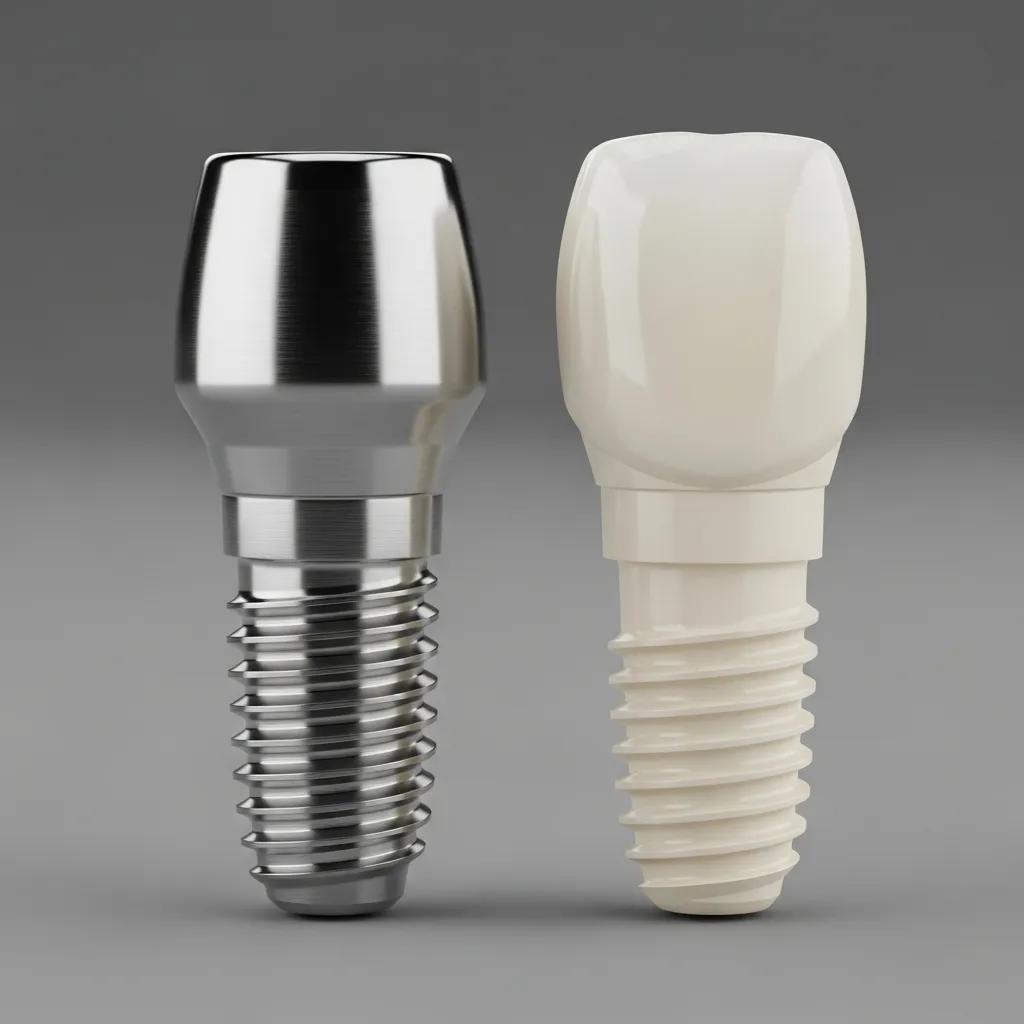
Most dental implants are made from titanium or zirconia. Each material brings different strengths and trade-offs that affect durability, compatibility with the body, and how the final restoration looks. Understanding those differences helps you pick the right option for your needs and expectations.
How Do Titanium and Zirconia Compare for Strength and Biocompatibility?
Titanium is proven, strong, and highly biocompatible — it bonds well with bone (osseointegration) and resists corrosion, which is why it’s long been the standard in implant dentistry. Zirconia offers a tooth-colored, metal-free alternative that many patients prefer for appearance and allergy concerns. Zirconia looks great and is biocompatible, but in some situations titanium still shows better long-term durability under heavy bite forces. Ongoing studies continue to compare their long-term outcomes.
In short: titanium’s material properties make it a go-to choice for many clinicians, while zirconia is often selected for aesthetic or metal-free priorities.
Metallic biomaterials are widely used to strengthen, repair, or replace bone tissue, and their characteristics directly influence short- and long-term implant performance. Titanium and its alloys are commonly used because of their corrosion resistance, biocompatibility, and mechanical strength—properties that benefit dental implants and other orthopedic devices. Advances in implant surface treatments also aim to improve osseointegration. G. Wang, 2021
Systematic reviews compare survival, aesthetic results, and complication profiles for zirconia versus titanium to help clinicians make evidence-based choices.
Zirconia vs. Titanium Implants: Survival & Aesthetic Outcomes
This systematic review evaluated available evidence on survival and success rates of zirconia and titanium implants. Secondary outcomes included aesthetic, radiographic, and clinical parameters, along with biological and mechanical complications. N. M. Padhye, 2023
What Are the Practical Pros and Cons of Each Material?
When choosing materials, weigh these common advantages and trade-offs:
Titanium Implants:Pros: Very durable, excellent bone integration, long clinical track record.Cons: Metallic color may be visible in certain cases; some patients prefer a metal-free option.
Zirconia Implants:Pros: Natural tooth color, metal-free, good tissue compatibility.Cons: Fewer long-term studies in some indications; may be less forgiving under very high bite forces.
Talking through these trade-offs with your dentist will help you select the material that best matches your functional needs and cosmetic goals. For local options, visit local dental implant providers to compare services and materials.
Beyond the core material choice, clinicians consider surface treatments, implant shape, and connection type (how the implant and abutment join). Surface textures and coatings are designed to encourage bone to bond to the implant more quickly, which can influence healing time and early stability. The final crown or bridge material and how the soft tissue is shaped around the implant also play a large role in the aesthetic result, especially in the front of the mouth.
For patients with thin gum tissue or a high smile line, the color and translucency of zirconia restorations can reduce the risk of a dark shadow showing near the gum. Conversely, in posterior teeth where chewing forces are higher, many clinicians still prefer titanium for its long record under load. Discussing expected function, smile appearance, and any allergy concerns with your clinician will clarify the best material for your case.
How Is the Cost of Dental Implants Broken Down and What Financing Is Available?
Implant costs vary depending on implant type, how many teeth are involved, any additional procedures (like bone grafting), and where the practice is located. Understanding the components that make up the total helps you plan and compare estimates meaningfully.
Financial planning is especially important for older patients or those on fixed incomes — knowing the cost picture helps avoid surprises.
Dental Implant Costs & Financial Considerations
Knowledge of costs for dental implants—especially in patients above retirement age, many of whom typically have limited financial resources—is important when evaluating treatment options and cost-effectiveness. Evaluating the health economic implications helps clinicians and patients weigh benefits versus expense. (Literature review, 2013)
What Adds Up to the Total Cost?
The main components you’ll typically see on an estimate include:
Component
Description
Estimated Cost Range
Surgical Costs
Fees for the surgical placement and related clinical time
$1,000 – $4,500
Implant Materials
The implant fixture and any specialized components
$400 – $2,000
Follow-Up Care
Post-op visits, adjustments, and routine checks
$200 – $500
These ranges show where your money goes and why different quotes can vary significantly.
In addition to the items listed in the table, estimates commonly include several other charges that can materially affect the final price. Typical additional line items to expect are:
Diagnostic Imaging: Panoramic X-rays, cone-beam CT scans, and digital impressions provide vital information for planning and are often billed separately.
Laboratory Fees: The custom crown or bridge is fabricated in a dental lab; lab quality and materials affect cost.
Temporary Restorations: If a temporary crown or denture is needed during healing, it may incur an extra fee.
Bone Grafting or Sinus Lifts: When jawbone volume is insufficient, grafting procedures add time and cost but are essential for a stable outcome.
Anesthesia or Sedation: Local anesthesia is typically included, but IV sedation or general anesthesia will add to the bill.
Specialist Fees: If an oral surgeon or periodontist performs part of the care, their professional fee may appear separately from the restorative dentist’s charge.
Asking for a detailed, itemized estimate lets you compare practices on the same basis and identify where savings are possible (for example, whether a clinic bundles services or separates them).
What Affordable Financing Options Should Patients Consider?
Several common ways patients manage implant costs include:
Payment Plans: Many clinics offer in-house financing or monthly plans to spread payments over time.
Dental Insurance: Some plans cover parts of the procedure—check with your carrier for specifics.
Health Savings Accounts (HSAs): Pre-tax HSA funds can be used for many dental procedures, including implants.
Discuss financing with your provider — they can often outline options that make treatment more affordable.
Other practical approaches include:
Requesting a phased treatment plan that spaces procedures over months so costs are spread out.
Comparing quotes from several qualified providers to find the best combination of experience and price; be sure the comparison is itemized.
Exploring community clinics, dental schools, or accredited training centers where care may be provided at reduced fees under supervision.
When evaluating offers, check whether warranties or post-operative follow-up visits are included, and clarify the clinic’s policy on complications or revisions. A lower upfront price may be offset by additional long-term costs if follow-up care or repairs are not covered.
What Does the Dental Implant Procedure Involve and What Should Patients Expect?
Implant treatment is typically staged and tailored to the patient. Knowing the steps and timeline helps reduce anxiety and set realistic expectations.
What Are the Typical Stages of Implant Treatment?
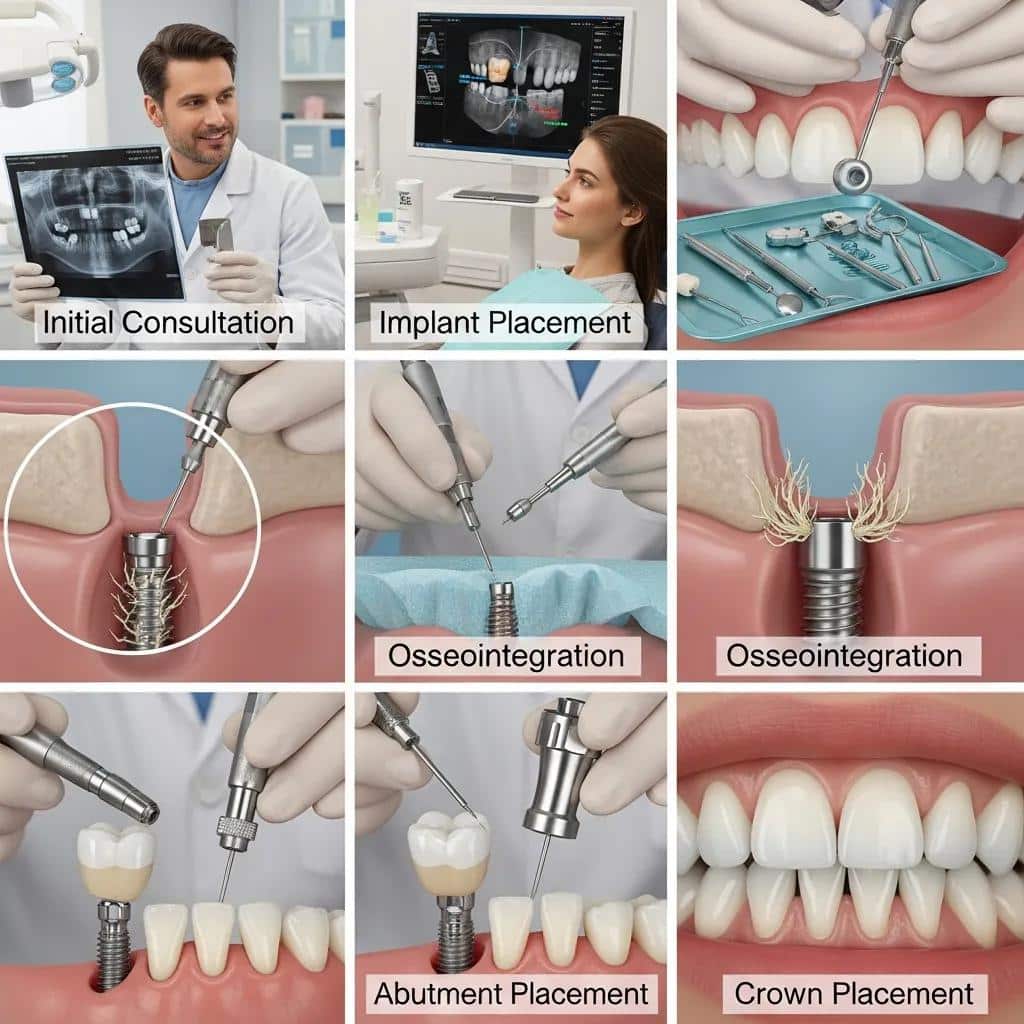
Most treatment plans follow these stages:
Initial Consultation: Oral exam, imaging, and a personalized treatment plan.
Implant Placement: The implant (titanium or zirconia) is surgically set into the jawbone.
Osseointegration: Over weeks to months the implant bonds with bone to become stable.
Abutment Placement: A connector is attached to the implant to support the crown.
Crown Placement: A custom crown is fitted to complete the restoration.
Timing can vary by patient — your dentist will outline a schedule based on your needs.
Before surgery, the dentist may request updated medical history, medication review, and imaging. Some patients benefit from pre-surgical treatments such as gum therapy to reduce bacterial load, or minor extractions to create an optimal foundation. For more complex cases bone grafting or sinus augmentation may be done as a separate step; in other cases these procedures are combined with implant placement. The sequencing depends on bone quality, anatomy, and the clinician’s judgment.
Sedation options range from minimal (oral sedation) to moderate (nitrous oxide or oral medications) and deeper options provided by qualified professionals. The clinic should explain what to expect during and after each option, including fasting instructions and transportation arrangements if you will be sedated.
What Is Recovery Like and What Do Patients Usually Experience?
Healing time varies but often includes a few days of soreness and several weeks to months for full integration. Most people manage discomfort with over-the-counter pain relief and report that it’s short-lived.
Common benefits patients notice after recovery:
Improved Function: Better chewing and clearer speech compared with missing teeth or loose dentures.
Boosted Confidence: Natural-looking results often improve appearance and self-esteem.
Knowing the likely recovery path helps patients plan time off work and arrange follow-up care.
Practical recovery tips that many clinicians recommend include:
Use cold packs intermittently during the first 24–48 hours to reduce swelling, then switch to warm compresses if bruising or stiffness persists.
Keep the head elevated for the first night to limit swelling, and avoid vigorous rinsing or spitting for 24 hours to protect clot formation at the surgical site.
Follow oral hygiene instructions carefully — gentle rinsing with a recommended antimicrobial mouthwash or warm salt water starting when advised by your clinician can reduce infection risk.
Avoid smoking and heavy alcohol while healing, as both can delay bone integration and increase complication risk.
Stick to soft foods in the early days and avoid chewing directly on the implant until your clinician confirms it is safe.
If you experience increasing pain, fever, persistent bleeding, or sudden looseness of a restoration, contact your provider promptly. Early intervention often prevents minor issues from becoming serious problems.
What Are the Long-Term Benefits and How Do You Maintain Implants?
When cared for properly, implants can be a lasting investment in oral health. Regular maintenance keeps them functioning and looking their best.
How Long Do Implants Last and How Does That Impact Value?
With good oral hygiene and regular dental visits, implants commonly last 10–15 years or longer. Because they offer stability and preserve bone, many patients find implants more cost-effective over time than removable dentures that need frequent replacement.
Implants support chewing function which helps maintain proper nutrition and overall health. They also preserve jawbone by transmitting functional forces into the bone, which helps limit the bone loss that commonly follows tooth loss. This preservation reduces the likelihood of future corrective procedures that would otherwise add cost and complexity.
What Maintenance Helps Implants Last?
Simple, consistent care makes a big difference:
Routine Check-Ups: Regular dental visits let your provider spot and treat issues early.
Daily Home Care: Brushing, flossing, and cleaning around the implant prevent inflammation and infection.
Watch for Changes: Report pain, swelling, or looseness to your dentist promptly.
Following these steps will help maximize implant lifespan and performance.
In addition to standard brushing and flossing, many clinicians recommend interdental brushes or water irrigators to clean around implants where a toothbrush may not reach. Professional maintenance visits typically include a careful exam of the soft tissues, removal of hard deposits near the implant, and assessment of the prosthetic components. If early signs of peri-implant inflammation are found, targeted cleaning and behavior changes (improved home care, smoking cessation) can often reverse the process before significant bone loss occurs.
How Can a Free Consultation Help You Decide?
A no-cost consultation is a chance to get clear, personalized information about your options and to compare providers on quality — not just price.
What Happens During a Free Dental Implant Consultation?
At a consultation you can expect:
Treatment Recommendations: The dentist will outline suitable implant options and a recommended plan.
Cost Estimates: You’ll get an estimate and learn about financing choices.
Questions Answered: Bring your concerns — the consult is the time to address them.
This meeting helps you understand next steps and whether the provider’s approach fits your priorities.
To make the most of a consultation, bring a list of questions and any recent dental records or X-rays. Useful questions to ask include:
How many implant procedures have you performed and what is your complication rate?
Who will perform the surgical portion and who will fabricate and place the final crown?
Can you provide before-and-after photos of similar cases?
Does the quoted price include all follow-up visits and any expected adjustments?
What is your policy if an implant fails or a restoration needs repair?
Getting clear answers on these points helps you compare clinicians on training, experience, and the completeness of care.
How Does a Consultation Help You Balance Quality and Price?
By reviewing materials, the dentist’s experience, lab partners, and the technology used, you can judge value beyond sticker price. A thorough consult reveals whether a lower cost means cutting corners or if you’re getting quality care at a fair price.
Frequently Asked Questions
What are the possible risks of dental implants?
Dental implants are generally safe, but risks include infection at the implant site, nerve irritation, sinus complications, or implant failure if osseointegration doesn’t occur. Certain health conditions — like uncontrolled diabetes or autoimmune disorders — can increase risk. Be sure to share your full medical history so your dentist can evaluate suitability and explain potential complications.
How long do dental implants usually last?
With proper care, many implants last 10–15 years or longer. Longevity depends on implant material, surgical technique, and your oral hygiene. Regular check-ups and consistent home care play a big role in keeping implants healthy over time.
Who is a good candidate for dental implants?
Good candidates have healthy gums, sufficient jawbone to support the implant, and overall good health. Smoking, uncontrolled systemic conditions, or poor oral hygiene can affect candidacy. A dental evaluation will determine if implants are right for you and whether preparatory treatments (like bone grafting) are needed.
What’s the difference between dentures and dental implants?
Traditional dentures are removable and rest on the gums, while implants are fixed fixtures anchored in bone. Implants provide greater stability, preserve jawbone, and feel more like natural teeth — often improving chewing ability and comfort compared with dentures.
How should I prepare for implant surgery?
Start with a full consultation and any required imaging (X-rays or CT scans). Follow your dentist’s pre-op instructions, which may include improving oral hygiene, pausing certain medications, and avoiding smoking. Clear preparation helps reduce complications and speeds recovery.
What is recovery like after implant surgery?
Expect some swelling, bruising, and soreness for a few days; full healing takes longer. Follow postoperative instructions on diet, oral care, and medications. Attend follow-up visits so your dentist can check healing and move forward with the next stages of treatment.
Are there dietary restrictions after implants?
Yes — start with soft foods (yogurt, smoothies, mashed potatoes, soups) while the surgical site heals. Gradually reintroduce firmer foods as your dentist advises. Avoid sticky or hard foods that could stress the implant site during early recovery.
How Much Do Dental Implants Typically Cost and Are Pricier Implants Always Better?
Per-implant costs commonly fall in the $3,000 to $6,000 range, depending on materials, clinician experience, and any extra procedures needed. Higher cost can reflect premium materials, advanced technology, or specialist expertise, but it doesn’t automatically guarantee better results. Look for a balance of proven materials, a qualified clinician, and transparent care planning.
When a quote sits at the high end of the range, investigate what extras are included: premium lab work, a more experienced surgical team, or additional follow-up care can justify higher fees. Conversely, a very low quote may indicate simpler materials, less experienced lab partners, or fewer included follow-up visits. Understanding the specifics helps you decide which estimate truly offers value.
What Factors Most Affect Implant Quality and Success?
Key factors include:
Material Quality: The implant’s design and material influence durability and tissue response.
Surgical Skill: Experience and technique significantly affect outcomes.
Patient Health: Overall health, smoking status, and conditions like diabetes influence healing and long-term success.
Understanding these elements helps you evaluate providers and expected results.
Other important considerations are the quality of the laboratory that makes the crown, the precision of the digital planning process, and the clinic’s track record for managing complications. A coordinated team approach between surgeon and restorative dentist often produces the most predictable results.
Where Can You Find Affordable Implants Nearby Without Sacrificing Quality?
Finding cost-effective care that still meets quality standards is a common concern — and entirely achievable with the right approach.
How Do You Spot Local Practices That Deliver Quality Implants?
Look for practices that:
Have Consistent Positive Reviews: Patient testimonials and before-and-after photos offer insight into real outcomes.
Show Credentials: Verify training and experience in implant dentistry.
Use Modern Technology: Digital planning, guided surgery, and quality labs often improve predictability.
These checks help you find reliable local providers who balance cost and care.
Visiting a practice, meeting the staff, and seeing the treatment environment can also inform your decision. A practice that takes time to explain the plan, shows clear before-and-after cases, and is transparent about costs is often a sign of reliable care. If possible, ask to speak with former patients or read a mix of recent reviews to confirm consistency over time.
Why Do Patient Reviews Matter When Choosing a Provider?
Reviews reveal patient experiences with comfort, communication, and long-term results. They can confirm whether a practice delivers on promises and handles follow-up care responsibly. Read a mix of recent reviews to get a clear picture.
Look for patterns in reviews rather than isolated comments. Consistent praise for thorough communication, predictable scheduling, and good post-operative care are strong indicators of a practice that will support you through the entire implant process.
How Do New Advances and Market Trends Affect Implant Value?
Innovation in materials and techniques can increase implant value by improving success rates, aesthetics, and healing times. At the same time, new financing models are making implants more accessible to more patients.
What Do Recent Studies Say About Implant Success?
Recent research shows that improvements in implant surface technology and surgical methods have generally improved integration and outcomes. These advances help shorten healing time and support more predictable long-term success for many patients.
How Are New Materials and Financing Shaping Patient Choices?
Emerging materials (like bioactive ceramics) and cosmetic-conscious options are expanding choices. Flexible financing and clearer pricing mean patients can prioritize oral health without delaying care because of cost concerns.
Conclusion
Knowing what goes into implant quality and cost lets you make an informed choice that fits your health goals and budget. Compare materials, surgeon experience, and long-term maintenance when weighing estimates. A free consultation is a practical next step to get personalized recommendations and clear pricing. Take that step toward a healthier, more confident smile by contacting a local dental provider today.