Dental Implant Benefits: How Dental Implants Improve Quality of Life Compared to Other Tooth Replacement Options
Dental implants have revolutionized the field of dentistry, offering a permanent solution for tooth loss that significantly enhances the quality of life for patients. Unlike traditional dentures or bridges, dental implants provide a stable and functional alternative that mimics the natural tooth structure. This article explores the various benefits of dental implants, how they compare to other tooth replacement options, and the impact they have on patients’ daily lives. Many individuals face challenges with self-esteem, eating, and speaking due to missing teeth, and dental implants present a viable solution that addresses these issues effectively. We will delve into the types of dental implants, the procedure involved, recovery times, and patient testimonials, providing a comprehensive overview of this transformative dental solution.
What Are Dental Implants and How Do They Work?
Dental implants are artificial tooth roots made of biocompatible materials, typically titanium, that are surgically placed into the jawbone. They serve as a foundation for replacement teeth, providing a strong and durable solution for individuals with missing teeth. The mechanism behind dental implants involves osseointegration, where the implant fuses with the jawbone, creating a stable base for the attached crown. This process not only restores functionality but also helps maintain the integrity of the jawbone, preventing bone loss that often occurs with missing teeth.
Understanding Dental Implant Types and Components
There are several types of dental implants, including single-tooth implants, implant-supported bridges, and full-arch implants. Each type is designed to cater to different needs based on the extent of tooth loss. The main components of a dental implant include the implant post, which is inserted into the jawbone; the abutment, which connects the post to the crown; and the crown itself, which is the visible part of the tooth. Understanding these components is crucial for patients considering dental implants, as it helps them grasp the overall procedure and expected outcomes.
Step-by-Step Overview of the Dental Implant Procedure
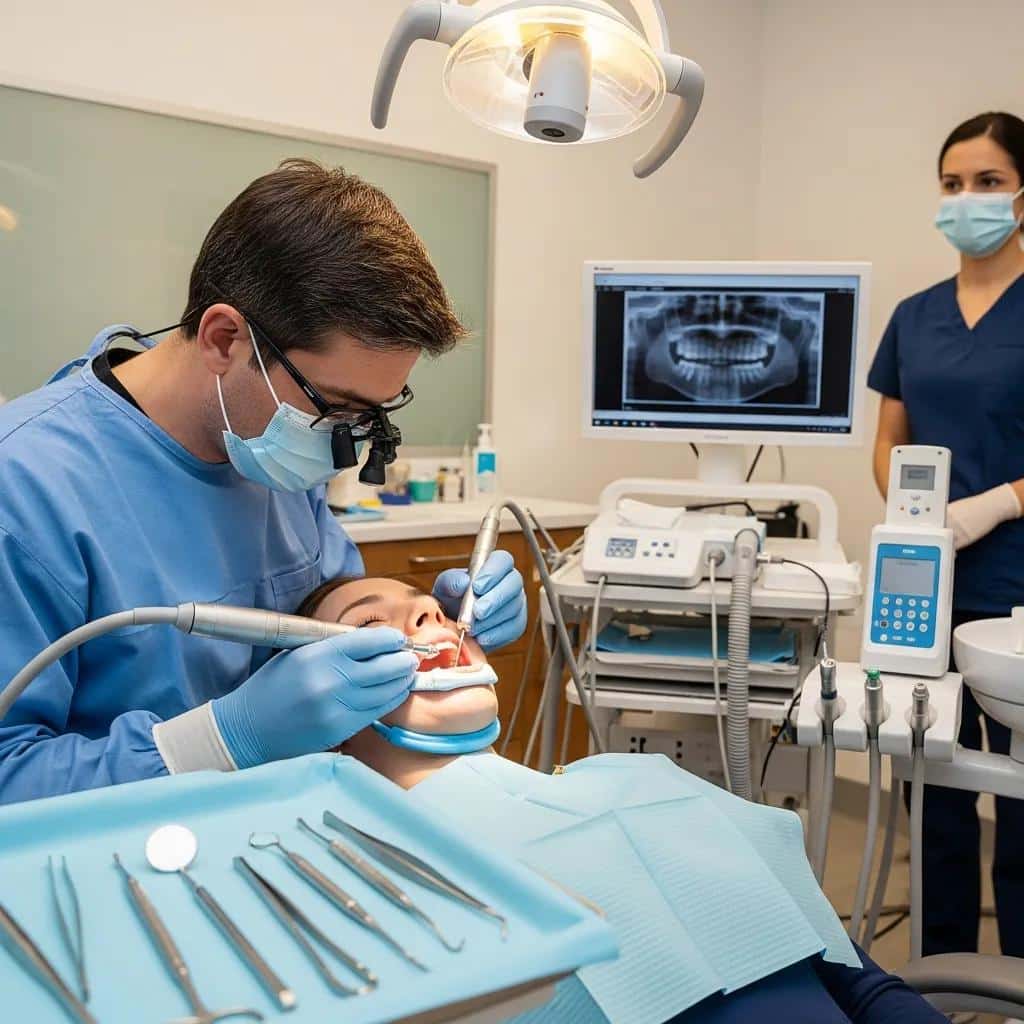
The dental implant procedure typically involves several steps, starting with a comprehensive consultation and imaging to assess the jawbone’s condition. Following this, the surgical placement of the implant post occurs, which is usually done under local anesthesia. After the implant is placed, a healing period of several weeks is necessary for osseointegration to take place. Once healed, the abutment is attached, followed by the placement of the custom-made crown. Post-operative care is essential to ensure proper healing and long-term success of the implant.
How Do Dental Implants Compare to Dentures and Bridges?
When comparing dental implants to traditional dentures and bridges, several key differences emerge. Dental implants offer superior stability and functionality, allowing patients to eat and speak without the fear of slippage. Additionally, they do not require alteration of adjacent teeth, as is necessary with bridges. This preservation of natural tooth structure is a significant advantage, contributing to long-term oral health.
Benefits of Dental Implants Over Dentures and Bridges
The benefits of dental implants over dentures and bridges are numerous. Firstly, dental implants provide improved functionality, allowing for better chewing and speaking capabilities. Secondly, they offer aesthetic benefits, as they closely resemble natural teeth and do not affect facial structure. Lastly, dental implants are a long-term solution, often lasting a lifetime with proper care, making them a cost-effective option in the long run.
Cost and Longevity Comparison of Tooth Replacement Options
When considering the cost of dental implants compared to dentures and bridges, it is essential to evaluate both initial expenses and long-term value. While the upfront cost of dental implants may be higher, their longevity and minimal maintenance requirements often make them more economical over time. The following table summarizes the cost and longevity of these options:
Tooth Replacement Option
Average Cost
Expected Lifespan
Dental Implants
$3,000 – $4,500
10-15 years (or longer)
Dentures
$1,000 – $3,000
5-10 years
Dental Bridges
$2,000 – $5,000
5-15 years
This comparison highlights the financial considerations patients should keep in mind when choosing a tooth replacement method.
What Is the Recovery Time and Aftercare for Dental Implants?
Recovery time after dental implant surgery varies among individuals but generally involves a healing period of 8-12 weeks for osseointegration. During this time, patients may experience some discomfort, which can be managed with prescribed pain relief. Proper aftercare is crucial for the success of the implant, including maintaining good oral hygiene and attending follow-up appointments.
Typical Healing Timeline After Dental Implant Surgery
The healing timeline can be broken down into several phases. Initially, patients may experience swelling and discomfort for a few days post-surgery. After about a week, stitches are typically removed, and patients can gradually return to normal activities. Full integration of the implant into the jawbone usually takes 2-6 months, after which the abutment and crown can be placed.
Tips for Maintaining Dental Implants for Long-Term Success
To ensure the longevity of dental implants, patients should adhere to the following maintenance tips:
Practice Good Oral Hygiene: Regular brushing and flossing are essential to prevent infection and maintain gum health.
Regular Dental Check-Ups: Routine visits to the dentist help monitor the condition of the implants and surrounding tissues.
Avoid Hard Foods: Patients should be cautious with hard foods that could damage the crown or implant.
These practices contribute significantly to the success and durability of dental implants.
How Do Dental Implants Impact Patient Quality of Life?
The impact of dental implants on a patient’s quality of life is profound. Many individuals report increased confidence and improved self-esteem after receiving implants, as they can smile and speak without hesitation. Furthermore, the ability to eat a wider variety of foods enhances overall nutrition and enjoyment of meals.
Clinical Evidence on Quality of Life Improvements with Implants
Research studies indicate that patients with dental implants experience higher satisfaction rates compared to those with dentures or bridges. A significant percentage of implant recipients report improvements in their ability to chew, speak, and engage socially, leading to a more fulfilling life.
Patient Testimonials and Case Studies from Mansfield
In Mansfield, numerous patients have shared their positive experiences with dental implants. Many describe the transformation in their daily lives, highlighting how implants have restored their ability to enjoy social interactions and participate in activities they once avoided due to embarrassment over missing teeth. These testimonials underscore the life-changing benefits of dental implants.
What Are the Costs and Financing Options for Dental Implants in Mansfield?
In Mansfield, the cost of dental implants can vary based on several factors, including the complexity of the case and the materials used. Understanding the financial aspects is crucial for patients considering this option.
Typical Price Range for Dental Implants Compared to Alternatives
The typical price range for dental implants in Mansfield is between $3,000 and $4,500, depending on the specific needs of the patient. This cost is generally higher than that of dentures or bridges, but the long-term benefits often justify the investment.
Affordable Dentist Services and Financing Plans in Mansfield
Many dental practices in Mansfield offer financing options to make dental implants more accessible. Patients can explore payment plans that allow them to spread the cost over time, making it easier to manage the financial commitment associated with this procedure.
What Are the Alternatives to Dental Implants and When Are They Recommended?
While dental implants are a popular choice, there are alternatives available for those who may not be suitable candidates for implants or prefer other options.
Overview of Dentures, Bridges, and Implant-Supported Dentures
Dentures are removable appliances that replace missing teeth, while bridges are fixed prosthetics that rely on adjacent teeth for support. Implant-supported dentures combine the stability of implants with the convenience of removable dentures, offering a hybrid solution for patients.
Factors Influencing the Choice of Tooth Replacement Method
Several factors influence the choice of tooth replacement method, including the patient’s overall health, the condition of the jawbone, and personal preferences. Consulting with a dental professional can help individuals make informed decisions based on their unique circumstances.
For those seeking dental implants, it’s essential to consider all available options.