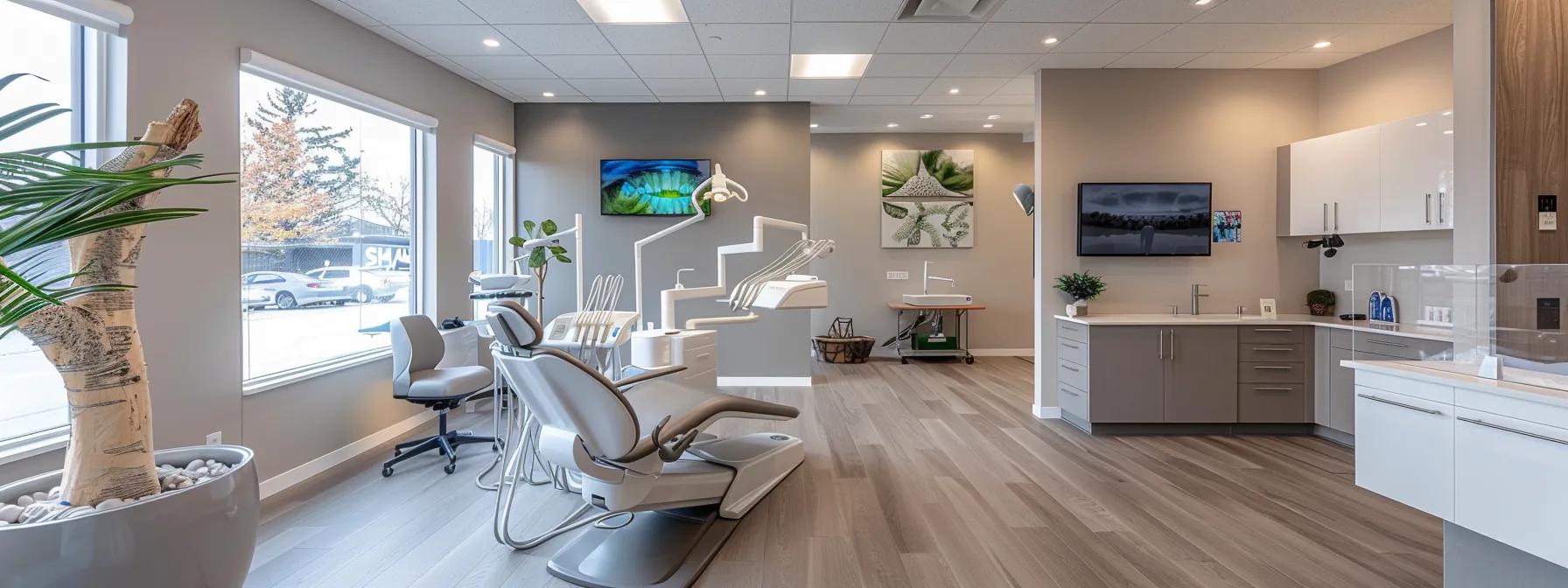
Dental implants in Mansfield, TX offer an effective solution for patients facing tooth loss and seeking a permanent, natural-looking replacement. Many patients in their 40s to 60s struggle with missing teeth due to decay, periodontal disease, or injury and are burdened by the cost and upkeep of bridges or dentures. This article explores the dental implant process in Mansfield, TX, explains the various implant types and materials used, and provides detailed guidance on the implant procedure, aftercare, financing options, and how these implants can boost confidence and oral health. With affordable monthly payment plans and a free initial consultation, local dental specialists ensure a smooth and accessible transition to dental implants.
The article helps patients understand every step of the dental implant journey—from the initial consultation to long-term maintenance—and highlights the benefits of implants over traditional dental prostheses. Readers will learn about the implant’s components, including the abutment, crown, and titanium screw, and how successful osseointegration prevents bone resorption. This guide also discusses gum health, proper post-surgical oral hygiene, and how to coordinate dental insurance benefits. Ultimately, dental implants in Mansfield restore a confident smile while improving chewing function and overall wellness. With simple language and a fun, casual tone, the reader is encouraged to take the first step toward a life-changing smile makeover.
Transitioning now to the main content, the following key takeaways summarize the core insights of the article.
Key Takeaways
Dental implants offer a stable, natural-looking solution for missing teeth, enhancing chewing function and self-confidence.
The procedure involves consultation, implant placement, healing (osseointegration), and crown attachment using modern techniques.
Maintaining gum health and proper oral hygiene post-surgery is critical to the implant’s longevity.
Mansfield dental specialists provide advanced technology, personalized treatment plans, and affordable financing options.
A comprehensive approach—from pre-surgery evaluation to aftercare—ensures safe, long-term success.
Understanding Dental Implants in Mansfield
Dental implants in Mansfield are a popular option for individuals who have lost one or more teeth and desire a permanent, aesthetically pleasing replacement. In simple terms, dental implants are titanium posts surgically inserted into the jawbone to serve as artificial tooth roots. Once integrated with the bone through osseointegration, a custom-made crown or bridge is attached to restore both function and appearance.
What Are Dental Implants?
Dental implants are small, screw-like devices primarily made of titanium, noted for its strength and biocompatibility. Their primary purpose is to replicate the structure and anchorage of a natural tooth, thereby improving chewing efficiency, preventing bone loss, and boosting self-confidence. Implants boast success rates exceeding 95% when performed under optimal conditions and replace both the visible tooth (crown) and provide stable support by counteracting bone resorption.
Components include the titanium implant, the abutment (connecting the implant to the crown), and the crown (the visible replacement). Digital imaging and modern surgical techniques in Mansfield clinics ensure that each component is custom-fitted to the patient’s facial structure and bite, minimizing complications and accelerating recovery.
Types of Dental Implants Available
Several implant types are available to suit varied patient needs: – Traditional Endosteal Implants: Inserted directly into the jawbone; available in cylindrical or conical shapes to match bone density. – Subperiosteal Implants: Placed on top of the jawbone but under the gum; suitable for patients with insufficient bone mass. – Zygomatic Implants: Designed for patients with severe upper jaw bone loss; these longer implants anchor in the cheekbone.
Dental specialists use digital scanning and 3D imaging to assess bone structure and select the ideal implant type. The development of All-on-4 and All-on-6 protocols also enables full arch restorations with fewer implants, reducing both surgery time and recovery.
Who Qualifies for Dental Implants in Mansfield?
Not every patient qualifies immediately. Adequate bone density and healthy gums are essential. Modern dental practices now incorporate bone grafting and sinus lifts to expand eligibility, allowing patients with moderate bone loss to qualify. In Mansfield, dentists evaluate each patient’s oral health, medical history, and lifestyle factors. Conditions such as uncontrolled diabetes, smoking, or certain medications may affect healing, but improved protocols have broadened candidate criteria. A thorough exam and imaging studies, including panoramic X-rays or CBCT scans, form part of the free initial consultation that clarifies the process and determines candidacy.
Benefits of Choosing Dental Implants
Compared to traditional bridges and dentures, dental implants provide: – Superior Stability and Function: Allow normal chewing and clear speech. – Bone Preservation: Help maintain jawbone integrity. – Aesthetic Appeal: Mimic the shape and color of natural teeth. – No Need to Alter Adjacent Teeth: Unlike bridges, implants work independently. – Durability: With proper care, implants can last a lifetime.
Regular maintenance through dental floss, brushing, and professional check-ups in Mansfield ensures lasting results and improved self-esteem.
Materials Used for Dental Implants
Titanium is the primary material used due to its durability and excellent integration with bone. Zirconia, a ceramic material, is an alternative for those preferring metal-free options. Both materials are supported by modern systems—such as smartpeg osstell devices—that monitor stability. Advanced treatments like sandblasting and acid etching enhance the titanium surface, promoting rapid and robust integration with the bone.
The Dental Implant Procedure in Mansfield
The dental implant process in Mansfield involves several stages, starting with a thorough consultation and diagnostic imaging. Patients are guided through each step—from the initial visit to the final attachment of the crown—to ensure clarity and comfort. The procedure is designed to be minimally invasive using modern technology to reduce discomfort and speed up recovery.
Your Initial Dental Implant Consultation
During the consultation, dental specialists perform a comprehensive evaluation that includes an exam, detailed imaging (e.g., CBCT scans), and a review of the patient’s medical history. This helps determine the optimal treatment plan and confirm that there is sufficient bone density and healthy gums for a successful implant.
Patients have the opportunity to ask questions regarding cost, recovery time, and the possible need for additional procedures such as bone grafting or sinus lifts. Free initial consultations in Mansfield ensure that financial concerns are addressed upfront. The dentist explains the surgical placement process, which involves inserting the implant into the jawbone and allowing several months for bone fusion before crown attachment.
Pre-surgical preparation is also discussed, including dental hygiene practices and necessary lifestyle modifications. Specific concerns, such as xerostomia (dry mouth) and inflammation, are addressed along with post-operative care instructions like using mouthguards and proper dental floss.
The Dental Implant Placement Process
After the consultation, the surgical placement begins with local anesthesia or sedation to ensure patient comfort. A small incision is made in the gum tissue to expose the jawbone, and a precise hole is drilled for the titanium implant. Modern tools like intraoral scanners and CAD/CAM technology ensure exact placement and alignment with adjacent teeth.
The procedure typically lasts one to two hours per implant, depending on the need for additional procedures like bone grafting. Once the implant is placed, the gum tissue is sutured, and patients receive detailed post-operative care instructions including guidelines on oral hygiene, dietary restrictions, and pain management.
Following placement, a healing period of three to six months is required for osseointegration, during which the bone bonds with the implant. Regular follow-up visits monitor healing and determine the optimal time for attaching the abutment and crown.
Healing and Osseointegration With Dental Implants
Osseointegration is the critical phase where the titanium implant fuses with the jawbone, creating a stable foundation for the replacement tooth. This process generally takes three to six months, during which patients must maintain excellent oral hygiene and adhere to dietary guidelines. Regular check-ups help identify any signs of infection or complications early.
Advanced diagnostic tools, including digital imaging and devices like the osstell, are used to assess bonding progress. Patients are informed about managing potential gum recession through techniques such as gum grafting. Once fully integrated, the implant provides a long-lasting foundation comparable to a natural tooth.
Attaching Your New Teeth to the Implants
Once osseointegration is complete, the abutment (connector) is attached to the implant. A minor procedure reopens the gum briefly to place the abutment, which is then secured firmly. A dental impression is taken to fabricate a crown that matches the patient’s natural teeth in shape, color, and size. The crown material may be porcelain, ceramic, or zirconia, chosen based on the patient’s specific requirements.
In Mansfield clinics, digital scanners and CAD/CAM technology help design a crown that not only looks natural but also withstands chewing forces. The final assembly—implant, abutment, and crown—functions as a natural tooth, eliminating the need for adhesives or removable dentures. With regular check-ups and proper care, the dental implant continues to perform effectively for many years.
Expected Recovery Time for Dental Implants
Recovery typically ranges from a few weeks to a couple of months, depending on the individual. Post-surgery discomfort and swelling are common, managed with prescribed pain medications and antibiotics. Patients are advised to follow a soft-food diet and avoid strenuous activities during initial healing.
Regular follow-up appointments monitor healing, and as the bone bonds with the implant, discomfort decreases and normal function gradually returns. Most implants are ready for abutment and crown placement within three to six months. Adherence to post-operative instructions is key for optimal recovery.
Addressing Gum Health: Do Gums Grow Back After Implants?
Gum health is crucial after dental implant surgery as the gums not only frame the new teeth but also protect the bone and implant. Many patients ask if gums can grow back after implants. While they do not fully regenerate, proper care and certain dental procedures can promote a healthy gum line that supports the implant.
Understanding Gum Tissue and Dental Implants
Gum tissue has limited regenerative capacity compared to bone. During implant placement, dental professionals carefully handle the surrounding gum tissue to cover the implant effectively, using techniques that minimize trauma. Although lost gum tissue may not fully regrow, procedures such as gum grafting can restore the natural ridge around the implant.
Factors Affecting Gum Regeneration Around Implants
Several factors influence gum regeneration, including age, genetic predisposition, general health, and existing periodontal conditions. Patients with conditions like gingivitis may experience more gum recession. Bone density also plays a role; a healthy jawbone supports stronger gum tissue. Surgical techniques and precise post-operative care further affect the healing process, and lifestyle factors such as nutrition and smoking habits are also important.
Techniques to Promote Healthy Gums With Dental Implants
Preventive measures such as deep cleaning, scaling, and routine check-ups help maintain gum health. For patients with significant recession, procedures like gum grafting or connective tissue grafts are recommended. Innovative treatments like platelet-rich plasma (PRP) injections may also stimulate tissue regeneration. Patients are advised to use a soft-bristle toothbrush, specialized mouthwashes, and interdental brushes to maintain cleanliness without damaging delicate tissue.
The Role of Gum Grafting With Dental Implants
Gum grafting involves transplanting tissue (often from the palate) to the implant site to build a thicker, more robust gum line. This not only enhances appearance but also provides better protection against bacterial invasion and inflammation. In Mansfield, gum grafting is routinely combined with implant procedures to optimize both function and aesthetics.
Maintaining Gum Health After Your Dental Implant Procedure
Ongoing maintenance is essential. Regular dental check-ups and professional cleanings, along with daily oral hygiene practices, help prevent complications such as peri-implantitis. Patients are taught to use specialized dental floss and interdental brushes, and to observe early signs of recession or infection so that intervention can occur quickly.
Why Choose Mansfield for Your Dental Implants?
Choosing Mansfield for dental implant surgery offers distinct advantages. Local specialists provide personalized care using advanced diagnostic and surgical techniques, ensuring optimal outcomes tailored to individual clinical needs.
Advantages of Local Dental Implant Specialists
Local specialists have a deep understanding of the unique dental challenges in the region. They use state-of-the-art equipment to assess bone density, gum health, and overall oral structure, crafting individualized treatment plans. Clear communication and free initial consultations help patients feel comfortable and informed from the start, while competitive pricing and flexible payment plans make treatment more accessible.
Advanced Dental Implant Technology in Mansfield Practices
Mansfield clinics employ advanced technologies such as intraoral scanners, 3D imaging, and CAD/CAM systems to create custom implants that fit perfectly. Real-time tools like smartpeg osstell monitor osseointegration during healing. High-quality materials like titanium and zirconia ensure durability and reduce complications such as bone resorption and gum recession. Digital planning minimizes error and shortens recovery times, further enhancing patient confidence.
Patient Experiences With Dental Implants in Mansfield
Patient testimonials in Mansfield reflect transformative outcomes in both function and appearance. Many report renewed confidence and improved ability to eat and speak comfortably. The friendly, knowledgeable staff and the use of state-of-the-art technology help make the implant process smooth and minimally invasive, with shorter recovery times.
Comparing Dental Implant Options in the Mansfield Area
Mansfield offers a variety of implant solutions—from single-tooth replacements to full arch restorations like All-on-4 or All-on-6. Each option is explained with its expected outcomes, recovery times, and costs to help patients make informed decisions based on their needs and budgets.
Implant Option
Procedure Type
Recovery Time
Durability
Aesthetic Outcome
Cost Range
Common Candidates
Traditional Endosteal
Single tooth implant
3-6 months
95+% success
Natural look
Moderate to High
Adequate bone density
Subperiosteal
Over jawbone implant
4-8 months
90+% success
Acceptable look
Moderate
Minimal bone mass
All-on-4/All-on-6
Full arch restoration
3-6 months
90+% success
High aesthetic
High
Full arch replacement
Zirconia Implants
Metal-free option
3-6 months
Comparable
Excellent color
High
Metal sensitivities
Mini Implants
Smaller diameter implant
2-4 months
Moderate
Acceptable
Lower
Narrow ridges or mild bone loss
Zygomatic Implants
For severe upper jaw loss
4-8 months
85-90% success
Improved aesthetics
Very High
Severe bone loss in the maxilla
Immediate Load Implants
Same-day crowns
1-2 months
Varies
Fast restoration
Varies
Rapid treatment candidates
This table illustrates how each implant option meets different needs and helps guide patient decisions.
Aftercare and Longevity of Your Dental Implants
Proper aftercare is essential for maintaining dental implant function and overall oral health. Diligent home care and regular dental visits significantly extend implant longevity.
Caring for Your Dental Implants Daily
Establish a routine that includes brushing at least twice daily with a soft-bristle toothbrush and non-abrasive toothpaste. Using a water flosser or interdental brushes helps remove plaque around the implant abutment and beneath the gums. Incorporating antimicrobial mouth rinses reduces bacterial load and protects delicate tissues. Avoid tobacco and limit alcohol to support healing.
Regular Check-Ups for Dental Implant Maintenance in Mansfield
Routine dental appointments are crucial for monitoring implant stability, bone density, and gum health. Regular cleanings and digital imaging allow early detection of complications such as peri-implantitis, enabling prompt treatment before issues worsen.
How Long Can Dental Implants Last?
With proper care, dental implants can last 15 to 20 years or even a lifetime. Their longevity depends on maintaining good oral hygiene, adhering to follow-up schedules, and managing risks like gum disease or bone loss. A balanced diet, lifestyle modifications, and advanced implant technology all contribute to long-term success.
Protecting Your Investment in Dental Implants
Preventive care, routine monitoring, and early intervention are key to protecting your dental implant investment. Clinics in Mansfield educate patients on risk factors—with flexible financing options and insurance support—to ensure that implants remain strong and functional over time.
Addressing Potential Complications With Dental Implants
Although dental implants have a high success rate, complications such as peri-implantitis, improper osseointegration, or gum recession can occur. Early warning signs like persistent pain, swelling, or changes in gum color should prompt immediate consultation with your dentist. Prompt treatment, including professional cleaning or localized antibiotics, often resolves issues before further complications arise.
Financing Dental Implants in Mansfield
Financing is an important consideration, as dental implants represent a significant investment. Mansfield dental offices offer various financing options, including flexible monthly payment plans, competitive pricing, and assistance with dental insurance claims.
Average Cost of Dental Implants in Mansfield
Costs vary based on the type of implant, number of implants needed, and any additional procedures such as bone grafting. While a single implant procedure (including consultation, implant placement, abutment, and crown) ranges from moderate to high cost, many clinics in Mansfield offer competitive rates that meet American Dental Association standards. Detailed treatment plans provide a transparent breakdown of costs, enabling patients to compare options and choose financing that works for them.
Insurance Coverage for Dental Implants
Dental insurance plans differ, with some partially covering implant procedures while many consider them elective or cosmetic. Mansfield dental offices work directly with insurance companies to maximize benefits, and they assist patients whose coverage is limited. Reviewing your policy in detail is essential to understand what is included.
Payment Plans and Financing Options for Dental Implants
Flexible payment plans—including interest-free or low-interest monthly installments—help make implants more affordable. Additionally, third-party healthcare loan services may offer rapid approvals and competitive rates. These options ensure that high-quality implant care is accessible for patients regardless of budget.
Making Dental Implants an Affordable Solution
Affordability is achieved through transparency in pricing, flexible payment plans, and comprehensive support with insurance claims. Free consultations help patients understand costs and available financing options, ensuring that advanced dental implant solutions remain within reach.
Frequently Asked Questions
Q: How soon can I expect to resume normal activities after dental implant surgery? A: Most patients resume normal activities within a few days, though avoiding strenuous exercise for at least a week is recommended. Recovery time varies based on overall health, the extent of surgery, and adherence to post-operative care. Gentle activities and a soft-food diet are advised initially.
Q: Can dental implants improve my chewing ability compared to dentures or bridges? A: Yes, dental implants function as artificial roots, restoring natural bite force and proper chewing function. This secure fixation prevents slippage and discomfort, improving digestion and overall oral health.
Q: What should I do if I notice any signs of gum inflammation after receiving my dental implant? A: Contact your dentist in Mansfield immediately if you observe redness, swelling, or tenderness around the implant. Early intervention can prevent complications like peri-implantitis, and your dentist may adjust your oral care routine accordingly.
Q: How does the cost of dental implants compare to other tooth replacement options? A: Although implants may have a higher upfront cost, they offer long-term benefits that make them cost-effective over time. Implants help preserve bone density and reduce future dental treatment needs, making them a wise long-term investment.
Q: Are there any risks or complications associated with dental implant surgery? A: As with any surgery, risks include infection, implant failure, or gum recession. However, experienced specialists using advanced techniques and proper aftercare substantially minimize these risks. Regular check-ups and excellent oral hygiene are key to success.
Final Thoughts
Dental implants in Mansfield, TX are a transformative solution for restoring natural function and aesthetics for patients with tooth loss. From the initial consultation and precise implant placement to comprehensive aftercare and flexible financing options, each patient receives personalized, effective care. By leveraging advanced technology and expert techniques, Mansfield dental specialists help patients achieve long-term oral health and renewed confidence in their smiles. With a commitment to affordability and satisfaction, dental implants provide a reliable, modern option that is both life-changing and cost-effective.