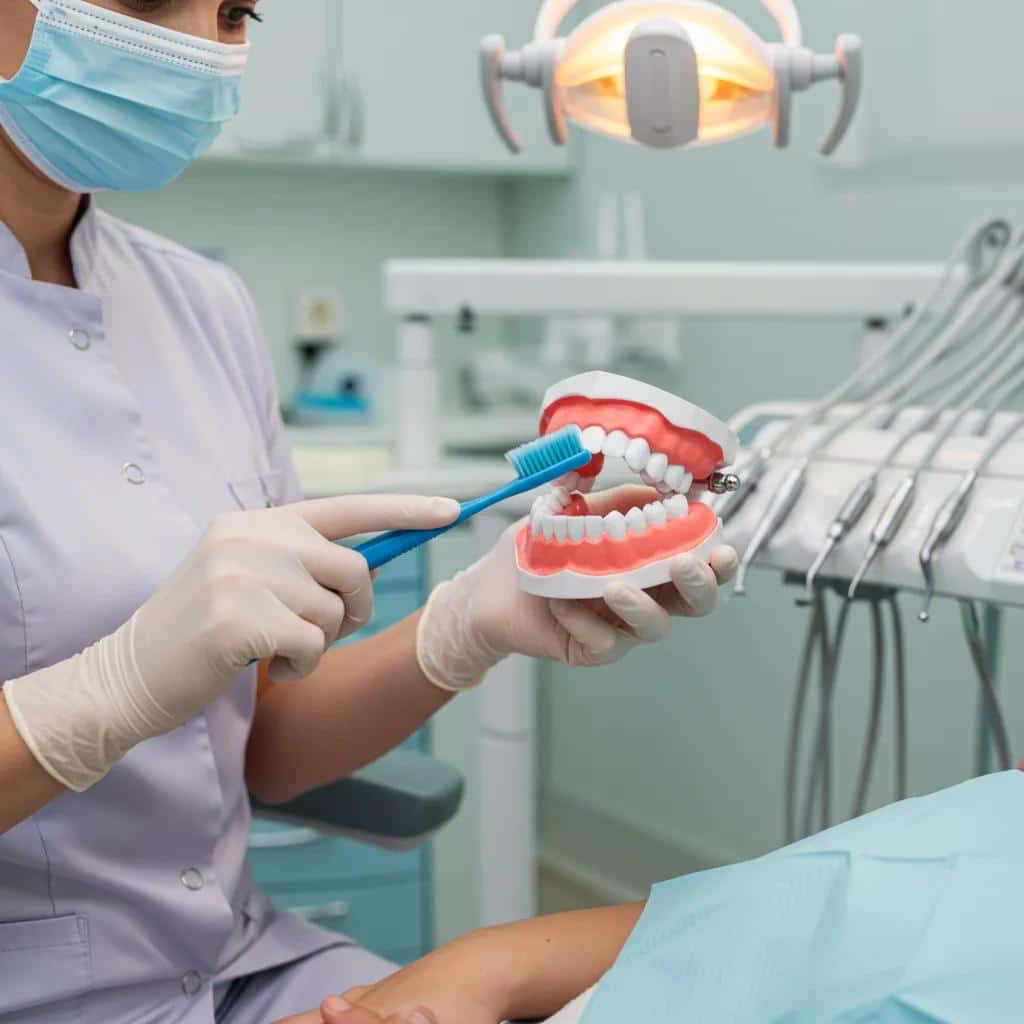
Essential Tips for Maintaining Implant Hygiene: A Complete Dental Implant Care Routine
Dental implants are precision dental prosthetics that replace missing teeth by osseointegration of an implant post into the jawbone, and implant hygiene is the single most important factor for preserving that integration and surrounding gum health. This article teaches practical, dentist-recommended daily and long-term routines for dental implant cleaning, signs of trouble such as peri-implantitis, and evidence-based strategies to prevent implant loss while maintaining healthy soft tissue and bone. Many patients worry about how implants differ from natural teeth and what tools to use; clear steps, specialized device comparisons, and nutritional guidance reduce risk and improve longevity. Below we map a complete care plan: daily cleaning techniques and product choices, the role and frequency of professional maintenance, how to recognize and prevent peri-implantitis, specialized interdental tools and electric toothbrush considerations, the impact of diet and nutrition, and long-term behavioral strategies. Read on for step-by-step routines, comparison tables of tools and foods, and concise answers to common implant-hygiene questions using current research perspectives and semantic clarity.
How Do You Clean Dental Implants Daily for Optimal Oral Hygiene?
Daily implant cleaning is a focused oral hygiene routine that prevents bacterial biofilm accumulation on the implant crown, abutment, and surrounding gum tissue by mechanical disruption and targeted interdental cleaning. Effective daily care reduces mucositis risk and supports the long-term stability of osseointegration, which is critical because plaque-driven inflammation causes peri-implant bone loss. The routine below combines brushing, interdental cleaning, rinsing, and self-checks so patients can detect early warning signs before clinical progression occurs. Follow these daily steps to maintain implant health and prepare for the next section on specific brushing and flossing techniques.
The core daily steps for implant care are:
Brush gently for two minutes twice daily with a soft-bristled or appropriate electric brush head to remove supragingival plaque.
Clean between teeth and around abutments once daily using interdental brushes, floss threaders, or water flossers to disrupt subgingival biofilm.
Rinse with an appropriate non-abrasive mouth rinse short-term if indicated; avoid long-term abrasive agents that damage restorative surfaces.
Perform a daily self-check for redness, bleeding, swelling, or unusual mobility and contact a clinician if symptoms appear.
These steps form a practical routine that minimizes biofilm accumulation and transitions directly into the detailed brushing techniques described next.
What Are the Best Brushing Techniques for Dental Implants?
Brushing technique for implants emphasizes soft contact, proper motion, and coverage to remove plaque without stressing the crown or abutment materials. Use a soft-bristled manual brush or a soft-headed electric brush, apply gentle circular or modified Bass technique strokes at a 45-degree angle along the gumline, and maintain two minutes total per session to ensure adequate plaque removal. Avoid aggressive horizontal scrubbing that can abrade restorative surfaces or traumatize soft tissue; gentle pressure with controlled strokes effectively displaces biofilm while protecting the implant meronyms: crown, abutment, and surrounding gum tissue. Regularly replace brush heads and monitor for wear, which reduces cleaning efficacy and leads into the importance of interdental cleaning discussed next.
How Should You Floss and Use Interdental Cleaners Around Implants?
Interdental cleaning prevents plaque accumulation in contact points and peri-implant pockets by physically disrupting biofilm where brushes cannot reach; floss threaders, superfloss, interdental brushes, and water flossers are all valid hyponyms in the interdental tool category. For single implants with normal contacts, use a floss threader or superfloss to pass floss beneath the embrasure and gently glide along the implant side, and for wider spaces or implant-supported bridges, choose an appropriately sized interdental brush held parallel to the contact and moved gently back and forth. When using a water flosser, direct the tip at a 45-degree angle to the margin and use a moderate pressure setting to flush debris without forcing fluid into deep pockets. Selecting the correct tool depends on contact tightness and prosthesis type, which we compare in the EAV table below to help you choose.
Tools compared for daily interdental and brushing choices:
Tool/Product
Key Feature
Best Use Case
Soft-bristled manual brush
Gentle filaments, broad coverage
Routine twice-daily brushing of crowns and gumline
Electric toothbrush (soft head)
Timed 2-min cycles, pressure sensors
Improved plaque control for patients with dexterity limits
Interdental brush (various sizes)
Stiff bristles, multiple sizes
Cleaning wide embrasures and around implant-supported bridges
Floss threader / Superfloss
Stiff end for threading
Accessing under pontics or tight abutment areas
Water flosser
Hydrodynamic biofilm disruption
Patients with shallow pockets or sensitive tissues
This comparison clarifies tool roles and leads into product-specific recommendations for implant maintenance in the next subsection.
Which Oral Care Products Are Recommended for Dental Implant Maintenance?
Product selection for implants centers on non-abrasive, antimicrobial where indicated, and device-appropriate features that protect restorative materials while reducing biofilm. Choose non-abrasive toothpaste formulations to avoid wearing implant crowns, select soft brush heads for electric brushes, and consider short-term antimicrobial rinses (chlorhexidine or povidone-based when prescribed) for high-risk episodes while avoiding long-term misuse that can disrupt the oral microbiome. For interdental cleaning, match interdental brush size to the embrasure and use floss threaders for bridges; water flosser tips labeled for orthodontic or implant care are preferable. These product choices preserve prosthetic components and support long-term tissue health, and the next section examines the complementary role of professional care in maintaining implants.
Why Are Regular Dental Check-Ups Crucial for Dental Implant Health?
Regular dental and periodontal evaluations serve as professional checkpoints to remove hardened calculus, evaluate peri-implant soft tissues, and detect mechanical or biological issues early, which preserves implant function and bone stability. Clinical maintenance differs from routine at-home care because professional instruments and diagnostic imaging detect subclinical bone loss, prosthesis loosening, and persistent biofilm that resists home cleaning. Consistent professional oversight supports individualized recall intervals and targeted interventions such as debridement, antiseptic therapy, or referral to a periodontist when necessary. Understanding what occurs during professional cleanings helps patients know what to expect and why recall frequency varies with risk profile.
What Happens During a Professional Dental Implant Cleaning?
A professional implant maintenance visit typically includes a thorough clinical exam, focused peri-implant probing when indicated, assessment of prosthetic components for mobility, and selective debridement of biofilm and calculus using non-abrasive instruments. Radiographic checks may be ordered periodically to assess crestal bone levels and osseointegration integrity, while clinicians use plastic or nylon scalers and ultrasonic devices with implant-safe tips to minimize surface damage. The process also involves reinforcement of at-home technique and tailored advice on interdental tools and occlusal forces; if infection or progressive bone loss is noted, clinicians will outline further management steps. These procedures reduce biofilm reservoirs and segue into how often such visits should occur.
How Often Should You Visit Your Dentist or Periodontist for Implant Care?
Recall frequency for implant maintenance is risk-based: routine patients often benefit from 6–12 month visits, while those with a history of peri-implantitis, uncontrolled systemic disease, smoking, or complex prosthetics typically need 3–6 month recall intervals. Regular monitoring allows clinicians to modify cleaning techniques, adjust supportive therapies, and detect mechanical complications such as screw loosening or excessive occlusal load early. Individualized scheduling reflects factors like oral hygiene performance, presence of periodontal disease, and systemic modifiers such as diabetes, with more frequent professional oversight reducing long-term failure risk. This rationale creates a natural bridge to recognizing peri-implantitis signs and how prevention ties into both home care and professional maintenance.
What Are the Signs and Risks of Peri-Implantitis and How Can You Prevent It?
Peri-implantitis is an inflammatory condition characterized by bacterial biofilm-driven soft tissue inflammation and progressive peri-implant bone loss, and it occurs when host defense and local hygiene cannot control pathogenic colonization. Clinically, peri-implantitis progresses from reversible peri-implant mucositis to bone-destructive peri-implantitis if unchecked, and prevention focuses on mechanical plaque control, professional maintenance, and modification of systemic and behavioral risks. Understanding early signs, causative mechanisms, and lifestyle contributors enables targeted prevention strategies that preserve osseointegration. Read the lists below for symptoms and prevention steps that clinicians commonly recommend.
Common clinical symptoms of peri-implantitis include:
Visible redness and swelling of the gum tissue around the implant.
Bleeding on probing and purulent discharge (suppuration) in infected pockets.
Increased pocket depths and radiographic evidence of crestal bone loss or implant mobility.
If symptoms appear, contact a dental professional promptly for assessment; early-stage mucositis is reversible with improved hygiene and professional care, which leads into how poor hygiene drives implant failure.
Peri-Implantitis: Causes, Prevention, and Treatment Strategies
Peri-implant inflammations represent serious diseases after dental implant treatment, which affect both the surrounding hard and soft tissue. Due to prevalence rates up to 56%, peri-implantitis can lead to the loss of the implant without multilateral prevention and therapy concepts. Specific continuous check-ups with evaluation and elimination of risk factors (e.g. smoking, systemic diseases and periodontitis) are effective precautions. In addition to aspects of osseointegration, type and structure of the implant surface are of importance. For the treatment of peri-implant disease various conservative and surgical approaches are available. Mucositis and moderate forms of peri-implantitis can obviously be treated effectively using conservative methods. These include the utilization of different manual ablations, laser-supported systems as well as photodynamic therapy, which may be extended by local or systemic antibiotics. It is possible to regain osseointegration. In cases with advanced peri-implantitis surgical therapies are more effective than conservative approaches. Depending on the configuration of the defects, resective surgery can be carried out for elimination of peri-implant lesions, whereas regenerative therapies may be applicable for defect filling. The cumulative interceptive supportive therapy (CIST) protocol serves as guidance for the treatment of the peri-implantitis. The aim of this review is to provide an overview about current data and to give advices regarding diagnosis, prevention and treatment of peri-implant disease for practitioners.
Definition, etiology, prevention and treatment of peri-implantitis–a review, O Jung, 2014
How Does Poor Hygiene Lead to Peri-Implantitis and Implant Failure?
Poor hygiene allows persistent bacterial plaque to mature into pathogenic biofilm that triggers a chronic host inflammatory response, causing soft-tissue breakdown and progressive bone resorption around the implant fixture. The mechanism follows a path from biofilm accumulation to mucosal inflammation (mucositis) and, without interruption, into peri-implantitis with bone loss that undermines osseointegration and may culminate in implant mobility or loss. Risk factors magnify this response: smoking compromises perfusion and immune response, uncontrolled diabetes impairs healing, and bruxism increases mechanical microdamage, all accelerating failure. Reducing these risks through hygiene, habit modification, and professional care is the core prevention strategy covered in the next section.
Which Lifestyle Habits Increase the Risk of Implant Complications?
Certain behaviors and systemic conditions elevate implant complication risk by impairing healing, increasing bacterial colonization, or applying excessive mechanical load to restorations. Smoking reduces blood flow and impairs immune defenses, making infection more likely; uncontrolled diabetes alters immune response and tissue repair; bruxism creates excessive occlusal forces that can microfracture bone-implant interfaces; and poor nutrition limits tissue resilience. Effective risk reduction includes smoking cessation programs, metabolic control for diabetic patients, occlusal guards for bruxism, and consistent hygiene routines—all of which feed into specialized tool selections discussed next.
What Specialized Tools Enhance Long-Term Dental Implant Cleaning?
Specialized tools—water flossers, interdental brushes, floss threaders, and electric toothbrushes—address different anatomical and prosthetic cleaning challenges by combining hydrodynamic action, bristle disruption, and access to embrasures. Choosing the right device depends on implant type (single implant, implant-supported bridge, all-on-X), interdental space, patient dexterity, and peri-implant tissue condition. Devices reduce microbial load in areas difficult to reach with a standard toothbrush, and correct selection and usage maximize benefit while minimizing trauma to soft tissues or restorative materials. The table below compares common devices with implant-specific advantages and precautions to guide selection.
Intro: The following table compares key specialized devices for implant hygiene, highlighting implant-relevant advantages and usage cautions.
Device
Advantage for Implants
Notes/Precautions
Water flosser
Hydrodynamic disruption of biofilm in peri-implant pockets
Use moderate pressure; direct tip at margin; not a sole replacement for mechanical cleaning
Interdental brush
Effective plaque removal at contact points and under bridges
Choose correct size; avoid forcing large brushes into tight contacts
Floss threader / Superfloss
Access under pontics and around abutments
Requires manual dexterity; use gently to avoid soft-tissue trauma
Electric toothbrush (soft head)
Consistent motion, timers, and pressure control
Use soft heads and pressure sensors to protect restorative margins
This comparison clarifies device roles and transitions into practical use cases for water flossers and interdental brushes.
How Do Water Flossers and Interdental Brushes Improve Implant Hygiene?
Water flossers and interdental brushes improve implant hygiene through complementary mechanisms: water flossers use pulsating fluid to flush debris and reduce bacterial counts in shallow pockets and embrasures, while interdental brushes provide direct bristle contact to physically disrupt plaque at contact points and beneath pontics. Clinical evidence indicates combined use enhances overall plaque reduction more than a single method for many patients, particularly for those with limited manual dexterity or complex prostheses. Practical tips include selecting an interdental brush that fits snugly without force and using the water flosser at a moderate setting directed along the margin; these recommendations lead into the role of electric toothbrushes as a foundational cleaning device.
Are Electric Toothbrushes Better for Cleaning Dental Implants?
Electric toothbrushes frequently outperform manual brushes in plaque reduction due to consistent oscillating or sonic motions, built-in timers, and pressure sensors that prevent excessive force against crowns and abutments. Use soft or implant-safe brush heads and avoid abrasive toothpaste formulations that can damage restorative surfaces; gentle, systematic coverage of all crowns and gumlines yields the best results. While electric brushes are valuable, they should be combined with interdental tools to address interproximal biofilm, creating a comprehensive routine that feeds into nutritional and lifestyle strategies discussed next.
How Does Diet and Nutrition Affect the Longevity of Dental Implants?
Nutrition influences implant longevity by affecting bone remodeling, soft-tissue healing, and systemic inflammatory status; adequate intake of bone-supporting nutrients and protein supports osseointegration and tissue resilience. Diets rich in calcium, vitamin D, protein, and vitamin C promote bone maintenance, immune competence, and collagen synthesis in peri-implant soft tissue, while diets high in sugar, excessive alcohol, or lacking in essential nutrients elevate infection and inflammation risk. Understanding which foods to favor and which to avoid helps patients support implant health from a metabolic perspective and prepares the reader for the nutrient-specific table below.
The following table outlines nutrients and foods that support implant health and practical recommendations for daily intake and avoidance.
Nutrient/Food
Benefit/Risk
Practical Recommendation
Calcium (dairy, fortified plant milk)
Supports bone mineral density
Aim for dietary calcium; supplement if dietary intake is inadequate
Vitamin D (fatty fish, fortified foods)
Enhances calcium absorption and bone remodeling
Maintain adequate levels via diet and safe sun exposure; test if deficient
Protein (lean meats, legumes)
Supports tissue repair and immune function
Include moderate protein in each meal to support healing
Vitamin C (citrus, berries)
Promotes collagen synthesis and gum health
Consume vitamin-C-rich fruits and vegetables daily
Sugary and sticky foods
Increase plaque substrate and risk of biofilm
Limit frequency; choose less adherent snacks to reduce plaque buildup
This nutrient overview leads naturally into specific foods and habits to choose or avoid in daily life.
Which Foods Support Healthy Gums and Jawbone Around Implants?
Foods supporting gum and bone health provide minerals, vitamins, and amino acids necessary for remodeling and immune defense; examples include dairy or fortified alternatives for calcium, fatty fish for vitamin D and omega-3s, lean proteins for tissue repair, and fruits and vegetables rich in vitamin C and antioxidants. Practical meal ideas include yogurt with berries, grilled salmon with a leafy green salad, or a legume-based soup with citrus fruit for dessert to combine these nutrients. Consistently incorporating these items supports osseointegration and soft-tissue integrity, which naturally leads into guidance on what to avoid.
What Foods and Habits Should Be Avoided to Protect Dental Implants?
Avoid mechanically stressful and highly adhesive foods—such as hard candies, ice, and sticky confections—that can fracture crowns or dislodge components, and limit frequent sugary snacks that fuel plaque formation and increase peri-implantitis risk. Smoking and excessive alcohol impair healing and immune response and should be minimized or ceased to protect implants, while extreme diets deficient in protein or micronutrients can hinder tissue maintenance. Substitute safer options like cut fruit instead of candy and cook tough foods to tender textures, which preserves implants and supports nutritional goals discussed earlier.
What Are the Best Long-Term Strategies to Maintain Dental Implant Success?
Long-term implant success rests on integrating consistent at-home care, scheduled professional maintenance, patient education, and lifestyle management to control biological and mechanical risks over time. A strategic, individualized plan addresses daily plaque control, periodic professional debridement, occlusal management for bruxism, and systemic risk reduction such as smoking cessation and metabolic control. This holistic approach acknowledges implants as dental prosthetics requiring ongoing maintenance within the broader hypernym category of dental prosthetic maintenance. The following checklist gives actionable long-term strategies patients can implement and review with their clinician.
Long-term maintenance checklist:
Daily Routine Adherence: Brush twice daily with a soft brush and perform daily interdental cleaning to prevent biofilm maturation.
Scheduled Professional Visits: Attend clinician-recommended recalls for clinical assessment, radiographs when indicated, and professional cleaning.
Habit and Health Management: Address smoking, bruxism, and systemic health issues like diabetes to reduce complication risk.
Consistent adherence to these strategies reduces cumulative risk and transitions directly into how at-home care specifically prevents complications.
How Can Consistent At-Home Care Prevent Implant Complications?
Consistent at-home care disrupts biofilm formation daily, preventing the inflammatory cascade that transforms mucositis into peri-implantitis and potential implant failure. Daily plaque control reduces the microbial load, maintains healthy peri-implant pockets, and allows patients to spot changes such as bleeding or recession early, prompting timely professional intervention. Small, routine actions—gentle brushing, correct interdental tool use, and self-examinations—compound over months and years to preserve osseointegration, and understanding the value of patient education enhances adherence, which is discussed next.
Why Is Patient Education Key to Implant Longevity?
Patient education empowers individuals to perform effective daily care, recognize early warning signs, and comply with recall schedules, all of which directly improve long-term outcomes for implants. Clear instruction on device selection, technique, dietary adjustments, and risk mitigation increases adherence and reduces delays in seeking care when problems emerge. Continual reinforcement from dental teams during visits builds competence and confidence, which supports sustained behavior change and leads to a discussion of professional evaluations’ protective roles.
How Do Regular Professional Evaluations Support Long-Term Implant Health?
Regular professional evaluations identify mechanical and biological issues—loose abutments, bone loss, persistent biofilm—that patients cannot always detect, and they provide therapeutic interventions such as debridement, local antimicrobials, occlusal adjustments, or surgical revision when necessary. Early intervention based on objective assessments reduces the extent of corrective procedures and preserves implant function, while clinicians tailor maintenance intervals according to risk modifiers. This professional oversight completes the maintenance ecosystem and frames the forthcoming concise answers to common patient questions.
What Are the Most Common Questions About Dental Implant Hygiene?
This FAQ-style section provides short, evidence-informed answers to common queries about implant care, addressing frequency, disease risk, and product safety to help patients quickly find authoritative guidance. Each answer focuses on practical recommendations and directs readers to contact their dental clinician for individualized advice when necessary. The format below is optimized for quick reference and featured-snippet visibility for typical patient queries.
How Often Should I Brush and Floss My Dental Implants?
Brush at least twice daily for two minutes and perform interdental cleaning at least once daily to disrupt plaque accumulation and prevent mucositis; frequency may increase for individuals at higher risk such as smokers or those with a history of peri-implantitis. Adequate technique is as important as frequency: gentle circular motions, correct interdental tool sizing, and attention to the gumline optimize mechanical plaque removal. For complex prostheses or limited dexterity, adjunctive tools like water flossers and electric brushes improve cleaning efficiency; consult your clinician about personalized frequency and device selection.
Can Dental Implants Get Gum Disease Like Natural Teeth?
Yes—implants can develop peri-implant mucositis and peri-implantitis, inflammatory conditions with similarities to periodontal disease in natural teeth but with distinct pathophysiology related to the implant-bone interface. Early mucositis is reversible with improved hygiene and professional care, while peri-implantitis includes bone loss and requires more intensive management. Preventive hygiene, monitoring, and prompt treatment of early inflammation reduce progression risk, and understanding these distinctions encourages proactive care and timely clinical follow-up.
Is It Safe to Use Mouthwash and Toothpaste on Dental Implants?
Using non-abrasive toothpaste and soft brush heads is safe for implants and helps remove plaque without damaging restorative surfaces; avoid abrasive whitening pastes that can abrade crown margins. Short-term antimicrobial rinses prescribed by clinicians can reduce microbial load during high-risk episodes, but long-term indiscriminate use may disrupt the oral microbiome and should be clinician-directed. When in doubt about medicated rinses or specialized products, consult your dental professional to balance antimicrobial benefits with material safety and microbiome considerations.