Recovering From a Failed Dental Implant: A Clear, Practical Guide to Treatment, Revision, and Alternatives
When a dental implant stops bonding to the jaw or becomes infected, it can cause pain, looseness, or loss of function. Acting quickly matters — early care preserves bone, limits infection, and keeps more options open for a long-term fix. This guide walks you through why implants fail, how dentists diagnose the problem using exams and imaging, treatment choices (from non-surgical care to revision surgery), realistic recovery timelines, and alternatives like bridges and dentures. You’ll learn common warning signs, the difference between early and late failures, the role of CBCT and cultures in diagnosis, step-by-step revision surgery plans including bone grafting when needed, and practical prevention tips to extend implant life. The article follows the patient journey from noticing symptoms to recovery and long-term maintenance, with clear lists, comparison tables, and timelines so you can make informed decisions. If you’re in Fort Worth and want a local review of a failed implant, schedule a free implants consultation at Affordable Dentist Near Me’s Fort Worth clinic to go over diagnostics and a treatment plan with Dr. Mike Tri Pham, DDS. This short, patient-focused visit can help you decide whether salvage, revision, or an alternative restoration is the right next step.
What Are the Signs and Symptoms of a Failing Dental Implant?
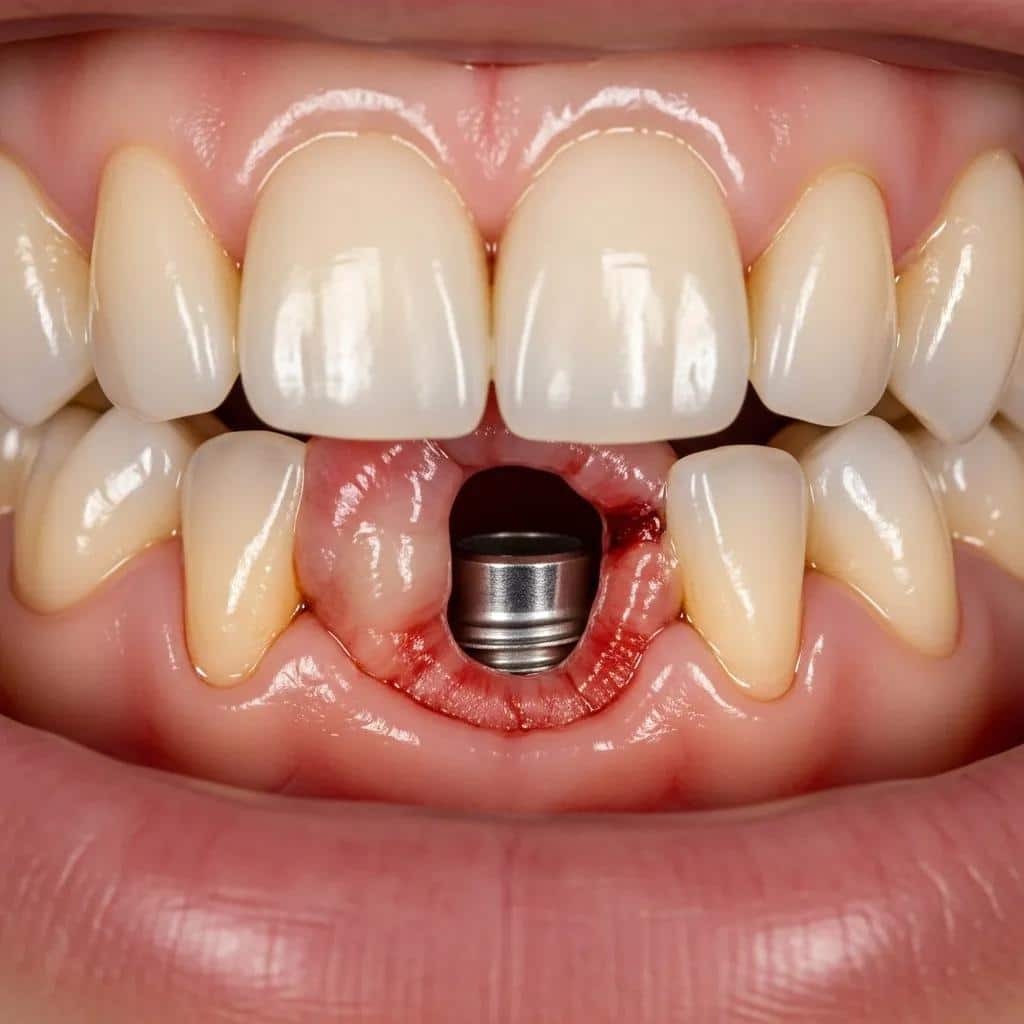
A failing implant most often shows as ongoing pain, movement of the crown or abutment, swelling, or drainage at the site. These signs point to loss of integration with the bone or an active infection around the implant. Finding problems early protects bone and makes it more likely the implant can be saved. Dentists combine what you report with objective checks — probing depths, X-rays showing bone loss, and soft-tissue changes — to confirm a failure. Below are common warning signs that should prompt a prompt dental exam.
Ongoing pain that is steady, getting worse, or feels different from normal post-op soreness.
Noticeable looseness of the crown, abutment, or implant when chewing.
Redness, swelling, bleeding, or pus near the implant.
Gums pulling back and revealing more of the implant or abutment than before.
New bite changes, trouble chewing, or unusual noises from the implant area.
Symptoms can appear at different times and with different intensity. If you notice any of these, schedule an evaluation so your dentist can decide whether conservative care or surgical revision is needed.
How Can You Recognize Common Symptoms Like Pain and Mobility?
Some discomfort is normal for a few days after placement, but persistent, sharp, or worsening pain over weeks usually signals a problem like infection or failed integration. Mobility is a clear red flag — patients often say a crown feels “wiggly” or food gets trapped. Any movement of the prosthesis relative to the bone usually means osseointegration has been lost and often requires removal. Your dentist will ask about when the pain started, how it feels, and whether the looseness is only in the prosthetic parts or the implant fixture itself. Early communication and a timely radiograph help match symptoms to what’s happening on the X-ray.
What Is Peri-implantitis and How Does It Affect Implant Health?
Peri-implantitis is inflammation and infection of the tissues around an implant, often with progressive bone loss and pocket formation. Bacterial biofilm builds up on implant surfaces and restorations, triggering an immune response that harms the supporting bone if not controlled. Clinically, peri-implantitis shows up as bleeding on probing, deeper pockets, pus, and visible bone loss on radiographs. Mild cases may respond to non-surgical cleaning, antiseptics, and antibiotics, plus close maintenance. Moderate to severe cases usually need surgical access, surface decontamination, and regenerative bone grafting to restore support. Recognizing peri-implantitis is a key step in choosing the right salvage or revision path.
Peri-Implantitis: Causes, Diagnosis, and Treatment Strategies for Dental Implant Failure
As implant care has become more common, problems like peri-implant mucositis and peri-implantitis have increased in frequency. Peri-implantitis is a serious inflammatory disease that can lead to bone loss and implant failure, and treating it carries a growing clinical and economic burden. Research highlights the role of bacterial biofilm—similar to periodontal disease—in many cases, though some infections may involve different or opportunistic organisms. Other contributing factors include genetics, occlusal overload, titanium particles, and excess cement. There is also evidence the body’s foreign-body response can play a role. This review summarizes current ideas about what causes peri-implantitis and how clinicians diagnose and treat it.
What Are the Main Causes of Dental ImplantFailure?
Implant failures fall into early and late categories, and knowing which you’re facing helps guide treatment. Early failures happen during healing when the implant never bonds to bone — often due to surgical trauma, poor primary stability, contamination, or health issues that block healing. Late failures occur after initial integration and are commonly driven by infection (peri-implantitis), mechanical overload from bite or prosthetic problems, or progressive bone loss tied to systemic disease or behavior. Pinpointing the cause requires looking at timing, clinical signs, and imaging so treatment targets the root problem. Fixing modifiable risk factors beforehand reduces the chance of recurrence after any revision.
Early failure causes: poor primary stability, surgical contamination, or impaired healing.
Late failure causes: chronic infection (peri-implantitis), occlusal overload, or progressive bone loss.
Contributing patient factors: smoking, poorly controlled diabetes, low bone volume, and bruxism.
These categories shape the diagnostic plan and the corrective path — whether that’s salvage, removal, grafting, or switching to another prosthetic option.
How Do Early and Late Failures Differ in Cause and Impact?
Early failures usually show up within weeks to a few months and point to surgical or biological problems that prevented stable integration. They tend to present as ongoing pain and instability. Late failures can appear months to years later and most often come from chronic inflammation, bacterial colonization, mechanical overload, or systemic issues eroding bone over time. Treatment differs: early failure often means removing the implant and re-evaluating for future placement after healing, while late failure usually requires treating infection and mechanical issues first and may need more complex grafting before replacement. Timing helps set realistic expectations for recovery and whether staged reconstruction will be needed.
What Role Do Factors Like Osseointegration and Smoking Play?
Osseointegration — the direct connection between bone and implant — is the foundation of implant success. When it fails, the implant can’t carry load and becomes prone to movement and infection. Smoking reduces blood flow and immune response, slows bone healing, and raises the risk of both early and late failures by impairing integration and increasing peri-implantitis. Other systemic conditions such as uncontrolled diabetes and low bone density also affect healing and long-term outcomes. Addressing these issues — quitting smoking, controlling medical conditions, and assessing bone quality — improves the chances of a successful revision or alternative restoration.
How Is Dental ImplantFailure Diagnosed and Assessed?
Diagnosis combines a focused clinical exam, probing around the implant, and targeted imaging to measure bone loss and exclude reversible causes. Clinicians check for mobility, ongoing pain, tissueinflammation, and pus; probing depths and bleeding help stage disease. Imaging starts with periapical or panoramic X-rays and may include CBCT 3D scans to see buccal and lingual bone, implant position, and sinus relationships — CBCT is especially helpful when planning revision surgery or grafting because it shows remaining bone volume precisely. When infection or systemic contributors are suspected, cultures or blood glucose checks may be used. Putting clinical findings, imaging, and health information together lets the dentist recommend either conservative management or staged surgical revision tailored to your situation.
What Diagnostic Tools and Imaging Are Used for Accurate Evaluation?
Periapical and panoramic radiographs give a first look at crestal bone and implant relationships. CBCT provides three-dimensional detail about bone volume, cortical plates, and proximity to important anatomy, which is vital for surgical planning. Clinicians also use bedside tests — probing depths, tapping, mobility checks, and soft-tissue inspection — to match symptoms to what the images show. If infection is suspected, sampling for microbiology or specialist cultures can guide antibiotic choice and local treatment. Modern diagnostics blend clinical exam, imaging, and health evaluation to create a clear plan for either conservative care or staged revision.
How Does Your Dentist Determine the Best Recovery Approach?
Choosing a path depends on bone quality, infection extent, prosthetic needs, overall health, and your goals. If bone loss is minimal and infection is limited, careful non-surgical cleaning, topical or local antibiotics, and close maintenance may restore health. With significant bone loss, fixture mobility, or repeated infection, removal followed by bone grafting and delayed re-implantation is often recommended. Your priorities — want chewing function back fast, or aiming for a long-term implant solution — will influence the plan. Clear diagnostic data help you and your dentist pick the most predictable and practical option.
What Are the Treatment Options for Failed Dental Implants?
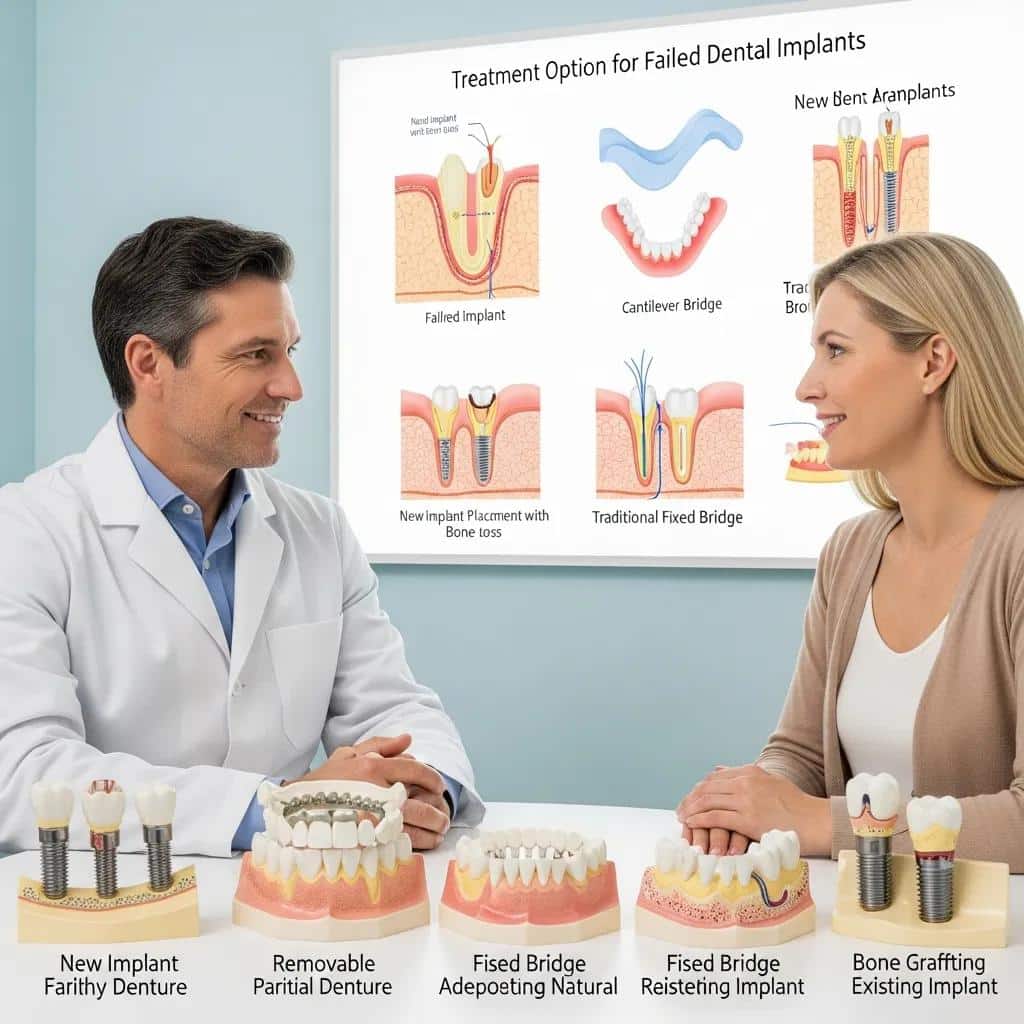
Treatment ranges from conservative non-surgical care to surgical removal with immediate or delayed replacement, and prosthetic alternatives. Non-surgical care focuses on controlling infection and preserving support with mechanical debridement, antiseptic rinses, and local or systemic antibiotics when appropriate. Surgical options include implant removal, site decontamination, regenerative procedures like bone grafting or guided bone regeneration, and later re-implantation once tissuehealth returns. Choosing the right option depends on the failure cause, available bone, medical history, and prosthetic goals. The table below compares common approaches to help with decision-making.
Different treatment approaches are summarized below to clarify expected outcomes and candidacy.
Treatment Option
Indication
Expected Outcome
Implant Revision Surgery (remove & replace)
Loose fixture or extensive bone loss but enough bone can be rebuilt after grafting
Restores implant-supported function after staged reconstruction
Bone Grafting / GBR
Not enough bone left for a new implant without augmentation
Rebuilds ridge height/width so delayed implant placement becomes possible
Early or mild peri-implantitis without severe bone loss
Can stop disease progression and preserve the implant in select cases
Conversion to Prosthetic Alternative (bridge/denture)
Poor prognosis for re-implantation or patient preference against more surgery
Restores appearance and function without adding implants
Surgical revision often gives the most natural long-term function but may take multiple stages. Non-surgical care is less invasive and may work when disease is caught early.
At Affordable Dentist Near Me’s Fort Worth clinic we offer implant revision services and a free implants consultation with Dr. Mike Tri Pham, DDS to review which option fits your situation. We focus on affordable care and clear guidance — a free consult helps you understand next steps and whether grafting or conservative salvage is the better route.
How Does Dental Implant Revision Surgery Work?
Revision surgery usually follows a staged plan: assessment and imaging, careful removal of the failing fixture, thorough site cleaning and decontamination, placement of bone graft or membrane if needed, and a healing phase before possible re-implantation or prosthetic conversion. Surgeons try to protect as much native bone as possible during removal and use mechanical and chemical methods to reduce bacterial load. When bone is lacking, graft materials and membranes rebuild the ridge; soft tissue is also managed so there’s enough healthy gum for future stability. After grafting, clinicians typically wait several months for bone to mature and confirm results with imaging before placing a new implant, often using guided techniques to optimize position and load distribution.
What Non-Surgical and Adjunctive Treatments Are Available?
Non-surgical care aims to control infection and stabilize tissues to avoid removal when possible. Treatments include mechanical cleaning of the implant surface, antiseptic irrigation, topical or systemic antibiotics, and adjuncts like photodynamic therapy or laser-assisted decontamination. These are most useful for early mucositis or shallow peri-implantitis when bone loss is limited and the patient can follow a strict hygiene and maintenance plan. Antimicrobial gels and professional cleanings between visits help reduce biofilm. If conservative therapy fails or bone loss advances, surgical treatment with regenerative techniques becomes necessary, so careful follow-up after non-surgical care determines whether escalation is needed.
How Long Is the Recovery Time After Dental Implant Revision Surgery?
Recovery time varies with procedure complexity, whether grafting was needed, and your individual healing. Expect stages: immediate soft-tissuehealing, intermediate graft consolidation, and long-term osseointegration if a new implant is placed. Soft tissues usually heal in 1–2 weeks with suture removal and reduced swelling. Bone graft sites and re-implantation areas generally need several months to mature. When grafting is performed, clinicians often allow 3–6 months for the graft to consolidate before placing a new implant, then another 3–6 months for osseointegration before the final restoration — so a complex revision path can take 6–12 months. Smoking, medical conditions, and following post-op instructions all affect the timeline. Plan for follow-up visits and possible staged procedures when grafting is required.
Staged revision with grafting and re-implantation is deliberate — taking time increases the chance of lasting success and lowers repeat-failurerisk.
What Can Patients Expect During the Healing Process?
In the first week you can expect swelling, minor bleeding, and controllable pain that responds to prescribed or over-the-counter medicine. Eating soft foods, resting, and careful oral hygiene help recovery. Sutures are usually removed at 7–14 days, and your dentist will check tissue contours and signs of infection. Over the next months, graft sites mature and X-rays track bone incorporation to decide when a new implant can be placed. Expect periodic visits for maintenance and to monitor osseointegration — knowing these milestones sets realistic expectations for when function and final restoration return.
How Can You Manage Pain and Prevent Complications Post-Surgery?
Manage pain with recommended medicines, use cold packs for the first 48 hours, and avoid heavy activity to limit swelling. Prevent infection by taking antibiotics when prescribed, following gentle oral hygiene instructions (soft rinses at first, careful brushing later), and keeping follow-up appointments. Stick to a soft, nutritious diet and avoid chewing on the surgical side until cleared. Call your dental team right away for fever, uncontrolled pain, persistent bleeding, or increasing swelling — these may signal complications that need prompt attention.
What Are the Alternatives to Dental Implants After Failure?
If re-implantation isn’t possible or you prefer a non-implant route, options include dental bridges, removable partial dentures, and full dentures. Each restores function and appearance with different pros and cons for care, longevity, and cost. Fixed bridges attach to neighboring teeth and offer a stable, tooth-like result but require altering those teeth. Removable partials and full dentures replace larger areas without surgery but can feel less stable and need periodic relining. Implant-supported prosthetics remain an option after successful grafting and healing and provide the closest feel to natural teeth. Your remaining teeth, ridge anatomy, preferences, and budget help decide the best choice.
Dentalbridge: a fixed option that relies on adjacent teeth for support.
Removable partial denture: a non-surgical, removable option for several missing teeth.
Full denture: replaces all teeth in an arch when implants aren’t feasible.
Talk with your clinician about trade-offs so you can pick the restorative path that fits your needs.
How Do Dental Bridges and Dentures Compare as Replacement Options?
Bridges give a fixed replacement with better chewing function than removable options and feel more like natural teeth, but they require preparing adjacent teeth and aren’t ideal if those teeth are weak. Dentures are less invasive and usually more affordable up front, making them a good choice when grafting or multiple implants aren’t wanted. Care differs: bridges are maintained like natural teeth (including cleaning beneath the pontic), while dentures are removed nightly and need regular relines and cleaning. Your clinical situation and priorities usually determine which path is best.
When Are Implant-Supported Prosthetics a Viable Alternative?
Implant-supported prosthetics are a strong option after enough bone is restored or when the ridge already supports additional implants. They offer the best stability and closest function to natural teeth and avoid altering adjacent teeth. Candidates should be in stable health, committed to maintenance, and prepared for realistic timelines for grafting and staged implant placement if needed. When these conditions are met, implant-supported solutions provide excellent long-term outcomes that often justify the extra steps.
How Much Does It Cost to Repair or Replace a Failed Dental Implant?
Cost varies widely depending on procedure complexity, whether grafting or a sinus lift is needed, prosthetic components required, and use of advanced imaging. Instead of fixed prices, look at the factors that drive cost so you can get an accurate local estimate. Major drivers include surgical time and technique, graft material and volume, number of implants, prosthetic complexity (single crown versus full-arch), and diagnostics like CBCT. Many insurances limit implant coverage, so a free implants consultation is the best way to get a personalized estimate and a plan that fits your budget and clinical needs. Affordable Dentist Near Me emphasizes transparent pricing and offers a free implants consultation at the Fort Worth clinic to review costs and financing options.
Component
Cost Factors
Relative Cost Range
Implant removal
Difficulty of removal, surgical time
Low–Medium
Bone grafting
Type of graft, volume, membranes, need for sinus lift
Medium–High
New implant placement
Number of implants, guided surgery, surgical time
Medium–High
Prosthetic restoration
Crown choice, abutment, complexity of multi-tooth prosthesis
Medium–High
Grafting and extra implants are the biggest cost drivers. Non-surgical care or converting to removable dentures is usually less expensive than staged re-implantation.
What Factors Influence the Cost of Dental ImplantFailure Treatment?
Costs depend primarily on whether bone grafting or sinus elevation is needed, how many implants are required, prosthetic complexity, and the need for advanced diagnostics like CBCT. Specialist care (oral surgeons or periodontists), premium graft materials, and custom prosthetics raise fees. Your medical condition can affect the need for extra treatments, which changes total cost. Discuss these drivers during a free implants consultation so you understand which parts of care can be phased or adjusted to fit your budget.
Does Insurance Cover Dental Implant Revision and Repair?
Insurance varies. Many dental plans limit or exclude implants, though they may cover related procedures like removal or limited grafting. Confirm benefits before treatment and bring insurance details to consultations so the team can identify billable items and give an out-of-pocket estimate. If coverage is limited, clinics often offer financing or phased plans to spread cost over time. A free implants consultation is a good chance to explore payment options and get a tailored estimate for your care.
How Can You Prevent Future Dental Implant Failures?
Preventing failure focuses on daily hygiene, regular professional care, and changing habits that impair healing. Key steps are brushing twice daily, using interdental brushes around implants, rinsing with antimicrobial solutions as recommended, and keeping scheduled cleanings to remove biofilm. Routine checkups catch early inflammation or pocketing before bone loss becomes severe. Lifestyle changes — especially quitting smoking and controlling diabetes — reduce biological risks. A clear prevention plan substantially lowers the chance of peri-implant disease and supports long-term success.
Brush and floss every day, paying special attention to implant restorations.
Use interdental brushes or a water flosser to clean around implants.
Attend professional maintenance visits every 3–6 months as your dentist recommends.
Following these steps is the most important way to protect implants from infection and mechanical problems over time.
What Are the Best Practices for Long-Term Implant Maintenance?
Long-term care blends good home hygiene with regular professional exams to watch tissuehealth and prosthetic fit. Cleanings are usually scheduled every 3–6 months depending on risk, using tools and antiseptic protocols that clean implant surfaces without damage. Use non-abrasive fluoride toothpaste, choose interdental brushes sized for your restoration, and avoid smoking to support blood flow and tissuehealth. Baseline radiographs and regular comparisons help catch subtle bone changes early so conservative treatment can prevent bigger problems.
How Does Lifestyle Impact Implant Success and Longevity?
Lifestyle factors — smoking, uncontrolled diabetes, bruxism, poor nutrition, and inconsistent oral care — change the biological environment around implants and increase the chance of early or late failure. Smoking reduces blood flow and immunity, harming integration and raising infection risk. Uncontrolled diabetes affects healing and bone turnover. Bruxism adds excess mechanical load and can cause prosthetic or bone problems. Addressing these issues — stopping smoking, managing medical conditions, using night guards for bruxism, and improving nutrition — greatly improves implant prognosis and reduces the need for repeat procedures.
If you’re ready to review a failed implant or set up a prevention plan, Affordable Dentist Near Me in Fort Worth offers a free implants consultation to assess risk factors, check local bone and tissuehealth, and propose a prevention or revision strategy that fits our everyday low fees. Meeting with Dr. Mike Tri Pham, DDS for a no-cost consult will clarify next steps to protect your existing implants or plan staged reconstruction when necessary.
If you’re dealing with a failing or failed implant, scheduling a free implants consultation is the next practical step to get accurate diagnostics and a local cost estimate. Affordable Dentist Near Me’s Fort Worth clinic can assess symptoms, review imaging, and advise whether conservative salvage, surgical revision, or a prosthetic alternative best matches your goals and budget. A focused, no-cost visit with Dr. Mike Tri Pham, DDS gives you actionable guidance and a clear plan to restore oral health and function.
Frequently Asked Questions
What are the potential long-term effects of dental implantfailure?
Long-term effects can include chronic pain, persistent infection, and significant jawbone loss. Without the implant’s stimulation, surrounding bone can shrink, which may complicate future restorations. Function can be affected — chewing and speaking may become harder — and more invasive treatments like bone grafting or additional surgeries may be needed to restore form and function.
How can patients prepare for a dental implant consultation?
Bring a summary of your medical history, current medications, and any records of prior dental work. Write down your symptoms and when they started, plus your goals for treatment (quick function vs. long-term implant solution). Note lifestyle factors like smoking or oral hygiene habits, and prepare questions so the visit is focused and productive.
What lifestyle changes can enhance the success of dental implants?
Quitting smoking is one of the most impactful steps — it improves blood flow and healing. Eat a balanced diet rich in vitamins and minerals to support bone health. Keep up rigorous oral hygiene and regular dental visits. Manage chronic conditions like diabetes to improve healing and reduce complications. These changes help implants last longer.
What should patients do if they experience pain after implant placement?
Mild soreness is normal at first, but persistent or worsening pain could signal infection or implant failure. Contact your dentist promptly to describe symptoms and arrange an exam. Early evaluation — often with imaging — helps catch problems before they get worse.
Are there specific foods to avoid after dental implantsurgery?
Avoid hard, crunchy, or sticky foods that could disrupt healing or dislodge components — nuts, popcorn, and chewy candies are common culprits. Very hot or spicy foods may irritate the site. Stick to soft, nutritious choices like yogurt, smoothies, mashed vegetables, and soups (cooled) during initial recovery.
How often should patients have follow-up appointments after implant surgery?
Your dentist will usually see you within the first week for suture checks and healing assessment. Follow-ups continue over the next months to monitor osseointegration and implant health — often every few months at first, then at regular maintenance intervals. The exact schedule depends on your healing and risk factors, so follow your dentist’s recommendations.
Conclusion
Knowing why implants fail and what treatment options exist helps you make confident choices about your care. Spot early signs, get timely evaluation, and you’ll improve the chances of successful recovery and long-term results. If you’re dealing with an implant problem, book a free consultation at Affordable Dentist Near Me’s Fort Worth clinic to explore personalized options. Let us help you take the next step toward restoring your smile and comfort.