Typical insurer review timelines vary, so submit documentation early and follow up with phone or portal inquiries to obtain an authorization reference or predetermination letter. Common reasons for denial include missing documentation, improper coding, or lack of demonstrated necessity; addressing these proactively increases approval likelihood. Keep a copy of all submissions and the authorization reference to include with claims and to appeal if needed.
Exploring Dental Insurance for Implants: How to Maximize Your Benefits and Coverage
Dental implants restore function and appearance by replacing missing tooth roots with a titanium post, an abutment, and a crown, but their high cost and insurance complexity create financial risk for many patients. This article explains how dental implant insurance works, how plans commonly classify implant services, and practical steps you can take to lower out-of-pocket cost while navigating waiting periods, annual maximums, and pre-authorization. You will learn what typical dental and medical plans cover for implant components, how to document medical necessity, and how to use HSAs or FSAs alongside coordination of benefits to stretch insurance dollars. The guide also compares implant-friendly plan features for 2025 using neutral examples from major insurers referenced in recent market analysis, and it outlines local search strategies for Fort Worth, TX. Each H2 section contains actionable checklists, EAV-style tables, and sample calculations so you can plan timing, claims, and payments with clarity. Read on to get concrete strategies, cost examples, and administrative templates to maximize dental implant benefits.
What Does Dental Implant Insurance Coverage Include?
Dental implant insurance coverage typically treats implants as a “major” restorative procedure, which affects coinsurance levels, waiting periods, and allowable benefit categories. Insurers break the implant into component parts—surgical fixture (post), abutment, crown, and any associated bone grafting—and each component may be billed and adjudicated differently, so understanding the classification improves claim success and benefit forecasting. Coverage often ranges from partial reimbursement for prosthetic components to limited or no coverage for surgical placement unless medical necessity is established, which means patients should verify billing codes and clinical coding prior to treatment. The next subsections define implant components, explain plan classification behavior, identify common limitations like waiting periods and annual maximums, and contrast when medical plans may accept implant-related claims.
What Are Dental Implants and Why Do They Need Insurance?
Dental implants are anchored by a surgically placed titanium post (fixture) that replaces tooth roots and supports an abutment and a dental crown; bone grafting may be necessary when bone volume is insufficient. This multi-stage, multidisciplinary treatment can involve oral surgery, prosthodontics, and restorative dentistry, so separate professional fees and facility charges commonly appear on itemized estimates. Because total fees for a single implant can span surgical, grafting, and prosthetic components, insurance helps shift a portion of risk from the patient to the plan and reduces financial barriers to restorative outcomes. Understanding component-level billing improves your ability to submit claims and to ask providers for itemized estimates that match insurer benefit categories.
How Do Dental Insurance Plans Classify and Cover Implants?
Most dental insurance plans classify implants and crowns under “major” restorative services, which typically pay at lower percentages than basic care and may subject patients to higher deductibles or separate benefit maximums. Coverage patterns vary: some PPO plans reimburse a percentage (often reported in ranges), DHMOs use fixed allowance schedules, and indemnity plans may cover a portion after deductible; this classification affects whether the implant post is treated as surgical or prosthetic. Knowing that insurers can apportion parts of the implant to surgical (oral surgeon) and prosthetic (restorative dentist) buckets helps you anticipate which provider submits which claim and how coinsurance applies. Confirming plan definitions and submitting itemized codes reduces the risk of misclassification and claim denial.
Component
Typical Coverage Treatment
Common Issues
Implant post (fixture)
Often viewed as surgical; may have limited coverage under dental plans
Billed as separate surgical code; may be excluded without medical necessity
Abutment
Frequently categorized as prosthetic component
Coverage depends on prosthetic benefits and may be capped
Crown (implant crown)
Treated as prosthetic; usually covered at lower ‘major’ percentage
Subject to annual maximums and material limitations
Bone grafting
Sometimes covered if medically necessary; otherwise often excluded
Requires documentation of graft necessity and separate coding
This EAV-style comparison clarifies where coverage gaps commonly arise and shows why itemized claims help align benefits to components.
What Are Common Coverage Limitations Like Waiting Periods and Annual Maximums?
Waiting periods and annual maximums are two of the primary constraints that affect implant affordability under dental plans, often meaning that even covered procedures leave substantial patient responsibility. Waiting periods for major procedures commonly span several months and can range from none to 6–12 months depending on plan type, which affects timing for elective implants. Annual maximums on dental plans are frequently in the low thousands per year and therefore may cover only a fraction of implant costs—requiring strategic timing or splitting stages across plan years. Understanding these limits helps you plan whether to schedule surgical placement and prosthetic restoration in the same plan year or across two years to maximize insurer payments.
How Does Medical Insurance Differ in Covering Dental Implants?
Medical insurance may cover implant-related services when a procedure meets medical necessity criteria—examples include facial trauma repair, oncology reconstruction, or congenital defect correction—and in those cases the surgical portion or related hospital charges can be billed to medical carriers. Medical plans typically require documentation such as surgeon reports, operative notes, imaging, and a physician’s statement of necessity; they evaluate claims under medical policy rather than dental benefit rules. When medical coverage is plausible, coordination of benefits is essential: medical may be primary for surgical aspects while dental covers prosthetic components. Knowing how to assemble clinical documentation increases the likelihood that medical insurance will accept implant-related claims.
How Can You Maximize Your Dental Implant Insurance Benefits?
Maximizing implant benefits requires timing procedures across plan years, pursuing pre-authorization with complete documentation, coordinating dental and medical payers, and using tax-advantaged accounts to cover residual costs. Each tactic reduces risk: timing leverages annual maximum resets, pre-authorization clarifies coverage before care, coordination of benefits shifts eligible charges to the appropriate insurer, and HSAs/FSAs lower taxable out-of-pocket spending. Practically, patients should request itemized estimates, ask providers to include diagnostic imaging and narrative justification for medical necessity, and plan treatment stages according to plan year boundaries. The following checklist and comparison table show stepwise actions and payment method trade-offs to optimize benefits and minimize net cost.
Key steps to maximize coverage:
Time treatment around plan-year resets: Schedule stages to use more than one year’s maximum when possible.
Obtain pre-authorization: Submit itemized estimates, radiographs, and clinical justification before surgery.
Coordinate dental and medical claims: Determine primary payer for surgical charges and submit appropriately.
Use HSA/FSA funds: Pay residual costs with pre-tax dollars to lower net expense.
These steps work together: timing sets the schedule, pre-authorization secures coverage clarity, coordination assigns responsibility, and tax-advantaged funds reduce remaining cost.
Payment Method
Tax Treatment
Ease of Use
Limitations
HSA
Tax-deductible contributions and tax-free qualified withdrawals
High if eligible (HDHP)
Requires HDHP eligibility; funds must be available
FSA
Pre-tax contributions reduce taxable income
Simple to use but use-it-or-lose-it rules apply
Annual use limits and potential forfeiture
Payment plan (in-house/third-party)
No tax benefit
Flexible monthly payments
Interest or fees may apply
Discount program
Not tax-advantaged
Immediate reduced fees
Savings vary; not insurance replacement
This comparison clarifies trade-offs when choosing HSA/FSA versus financing or discount options and helps determine which method best reduces net patient cost.
When Is the Best Time to Schedule Dental Implant Procedures for Maximum Coverage?
Scheduling implants to align with plan-year boundaries and annual maximums can dramatically reduce out-of-pocket cost by spreading major expenses across two benefit years. For example, performing surgical implant placement late in one plan year and completing the crown in the next can allow two separate maximums to apply, thereby increasing insurer contributions. This timing strategy requires coordination with your provider to separate chargeable stages and to secure pre-authorization for staged treatment. Confirm plan year dates, waiting period status, and whether splitting services affects clinical outcomes before finalizing schedules.
What Is the Dental Implant Pre-authorization Process and How Do You Navigate It?
The pre-authorization process involves submitting a comprehensive treatment plan and supporting clinical materials to the insurer for review.
Understanding Preauthorization in Dental Insurance
Preauthorization is the process of requiring a physician to obtain permission from a healthcare insurer to perform a diagnostic or therapeutic procedure. Preauthorization is widespread across health insurers, with the average physician performing 37 per week. The process occupies 20 h/week for the average physician and/or staff, for which there is no compensation for excess time spent. The mean cost of interacting with insurers has been estimated to be $83,000 per physician per year. Approximately 79% of preauthorizations are eventually approved, with 72% approved on initial submission and 7% on subsequent submissions.
Submit with appropriate codes: ICD/CPT or CDT codes as required.
Follow up: track authorization numbers and response timelines.
Completing these steps before scheduling reduces billing surprises and positions you to appeal any unfavorable decisions.
How Can Combining Dental and Medical Insurance Improve Implant Coverage?
Combining payers can shift appropriate charges to the plan most likely to cover them: medical plans may cover surgical or reconstructive components when medically necessary while dental pays for prosthetic restoration. Establishing primary versus secondary payer status requires verifying employer plan rules and understanding coordination-of-benefits policies, then submitting claims in the correct order with medical documentation attached. In practice, start with medical pre-authorization when surgery has trauma or medical indications and then forward remaining prosthetic charges to dental coverage. Clear documentation and timely submission maximize the chance that medical will assume surgical responsibility when criteria are met.
How Do Health Savings Accounts and Flexible Spending Accounts Help Pay for Implants?
HSAs and FSAs let you pay qualified dental expenses, including implants when eligible, using pre-tax dollars, reducing the effective cost of out-of-pocket payments. HSAs offer long-term tax advantages and roll over year to year if you have a high-deductible health plan, while FSAs often require annual use and have contribution limits; both require itemized receipts for reimbursement. Using these accounts for deductibles, coinsurance, and non-covered portions can lower net expense and be combined with payment plans for remaining balances. Keep documentation of receipts, Explanation of Benefits (EOBs), and itemized billing to substantiate reimbursements.
Which Are the Best Dental Insurance Plans for Implants in 2025?
Selecting an implant-friendly plan depends on four primary attributes: waiting period length, coverage percentage for major procedures, annual maximum, and network flexibility. Evaluating these attributes together—rather than focusing solely on premium—helps identify plans that minimize long-term implant expense. Recent market analysis references major insurers with varying plan structures, and while plan details change by product and geography, comparing these attributes side-by-side reveals which plans are likely to be more implant-friendly for a given patient. After this explanatory overview, a neutral EAV table compares reported plan attributes for named insurers referenced in industry summaries; verify exact plan details with each insurer.
What Key Factors Should You Consider When Choosing Implant-Friendly Dental Insurance?
When evaluating plans, prioritize these factors in this order: waiting period length for major services, annual maximum amount, percentage coverage for major restorative services, and network breadth for specialist access. Shorter waiting periods reduce delay for elective implants, higher annual maximums cover more of a multi-component treatment, and higher coinsurance for major services directly lowers patient share. Also consider whether plan reimbursements favor prosthetic components versus surgical claims and whether pre-authorization or predetermination is standard practice. Weighting these attributes relative to your clinical plan helps you choose the most cost-effective coverage.
How Do Delta Dental, MetLife, and Spirit Dental Compare for Implant Coverage?
Below is a neutral, high-level comparison of reported plan characteristics from insurer summaries and market resources; these entries reflect general plan behavior and should be verified with plan documents for accuracy. This table lists each provider, typical waiting period behavior, general coverage percentage ranges for major services, and typical annual maximum brackets as reported in public plan summaries.
Provider
Waiting Period (reported)
Coverage % for Major Services (reported)
Annual Maximum (reported)
Delta Dental
Some plans have waiting periods; others waive for employer groups
Coverage often in mid-range for major services (varies by plan)
Annual maximums vary by plan tier
MetLife
Waiting periods common for new enrollees on major procedures
Major procedure coverage typically moderate
Annual maximums depend on plan selection
Spirit Dental
Reported shorter waiting periods on select plans
Coverage percentages vary by plan and network
Annual limits vary; verify plan brochure
UnitedHealthcare
Waiting periods vary by product
Major coverage ranges differ across networks
Annual maximums vary by product
Anthem
Waiting periods typical for major procedures
Major coverage percentages differ by plan
Annual maximums set by plan
Guardian
Waiting periods dependent on plan
Coverage percentages for major vary
Annual maximums vary
Humana
Waiting periods vary by plan
Major coverage percentages vary
Annual maximums vary
Aflac
Additional dental products may have waiting periods
Coverage ranges vary
Annual maximums vary
This neutral comparison shows that plan-level details—waiting periods, coverage percentages, and maximums—vary within and across carriers; verify your specific employer or individual plan documents before purchasing.
Where Can You Find Local Dental Implant Insurance Options in Fort Worth, TX?
To locate implant-friendly plans and in-network providers in Fort Worth, TX, start with insurer provider directories and employer benefits portals to identify nearby specialists who accept specific plans, then confirm directly with the practice whether implant components are accepted and how claims are submitted. Call potential providers to ask which plans they accept, whether they submit medical claims for surgical components, and whether they will provide itemized estimates for pre-authorization. Use local business listings and patient reviews to vet provider experience with implants, and ask the office for recent examples of successful pre-authorizations to gauge administrative proficiency. These steps make local plan acceptance and administrative reliability transparent before committing to treatment.
What Are the Typical Costs of Dental Implants With and Without Insurance?
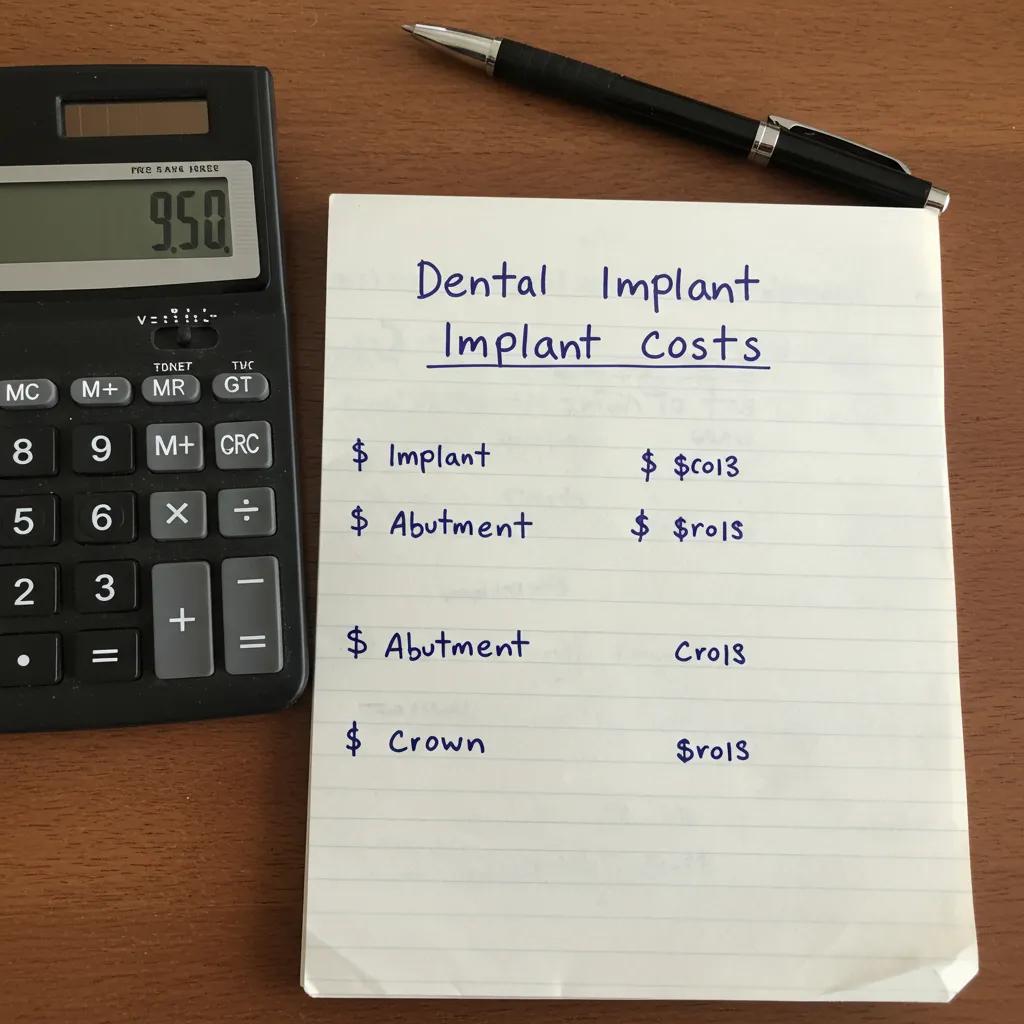
Out-of-pocket pricing for dental implants varies widely, but typical national ranges for a single implant (surgical placement, abutment, crown) provide a baseline for planning and for modeling insurance benefit impact. Insurance can reduce the prosthetic portion by reported coverage percentages, yet annual maximums and deductibles often limit insurer payment to a fraction of total cost. Detailed component-level cost awareness—implant post, abutment, crown, graft—helps you request itemized estimates and calculate likely insurer payments versus patient responsibility. The next subsections provide national cost ranges, example insurance math, and a component EAV-style cost table to support budgeting.
How Much Do Dental Implants Usually Cost Without Insurance?
Typical national cost ranges for a single implant procedure, inclusive of surgical placement and crown restoration, often fall within a broad range depending on location, clinician experience, and complexity—commonly several thousand dollars per tooth. Factors such as bone grafting, sinus lifts, use of implant systems, and need for sedation can increase total fees considerably; rural vs metropolitan pricing and specialist fees also affect cost. Obtaining itemized quotes from your provider that separate surgical, grafting, and prosthetic charges enables clear comparison across offices and clearer claim submissions. Ask providers to justify grafting necessity and to provide alternative staged approaches to reduce immediate out-of-pocket burden.
How Much Can Insurance Reduce Your Dental Implant Expenses?
Insurance can reduce implant expenses through coinsurance on covered components, but typical coverage for major services ranges broadly and annual maximums often cap insurer payment to a small portion of the total cost. For example, if a plan covers 40% of prosthetic charges and has a $1,500 annual maximum, an implant crown costing $1,200 would result in insurance paying $480 toward the crown but the annual maximum could be quickly consumed by other procedures. Realistic patient responsibility calculations therefore combine coverage percentages, unmet deductible amounts, and remaining annual maximums to estimate net cost. Running a sample calculation with your itemized estimate and plan percentages gives actionable clarity before scheduling.
Component
Average Cost Range (typical)
How Insurers Often Treat It
Implant post (fixture)
$1,000–$2,500
May be billed as surgical; coverage varies widely
Abutment
$300–$800
Often treated as prosthetic component
Crown (implant crown)
$800–$2,000
Usually prosthetic; subject to annual maximums
Bone graft
$200–$1,200
Covered if deemed medically necessary; otherwise often excluded
This breakdown helps you and your provider align billing codes to insurer categories and supports targeted pre-authorization requests.
What Are the Cost Breakdowns for Implant Components Like Abutments and Crowns?
Providers typically itemize implant costs into surgical fixture fees, abutment charges, crown fabrication/lab fees, and grafting or adjunctive procedures; insurance adjudication follows this separation, which means each line item can be evaluated under differing benefit rules. Knowing the expected cost range for each component lets you negotiate staging and payment plans, request lower-cost crown materials where clinically appropriate, and estimate which components will exhaust annual maximums. Always request an itemized estimate and compare predicted insurer payments line-by-line to determine the portion you must finance or pay from HSA/FSA funds. Itemized billing also simplifies appeals when a part of a claim is denied.
What Alternative Financial Options Exist for Dental Implants?
When insurance leaves substantial gaps, alternative financing methods—dental payment plans, third-party lending, discount programs, and charitable assistance—can make implants more accessible. Each option presents trade-offs: in-house plans may be interest-free for a period but require credit checks, third-party lenders offer extended terms with interest, and discount plans provide fee reductions without insurance-like adjudication. Grants and community clinic assistance are limited and competitive but can be a resource for qualifying patients. Use the following list and brief guidance to assess which non-insurance option aligns best with your financial situation.
Common alternative payment options:
In-house payment plans: Provider-arranged installment options that may be interest-free for short terms.
Third-party medical/dental lenders: Extend payments over months or years, typically with interest.
Dental discount programs: Membership-based fee reductions with immediate savings but no claims processing.
Grants and community assistance: Limited availability; typically require eligibility vetting and long lead times.
Evaluate APRs, total repayment cost, and impact on credit when choosing financing; discount programs may be preferable when immediate, low-cost care is the priority.
How Do Dental Payment Plans and Financing Work for Implants?
Dental payment plans can be offered by providers or third-party lenders; in-house plans may split cost into interest-free payments over months while third-party loans provide extended terms with an APR. Typical APRs for third-party medical/dental financing vary and can meaningfully increase total repayment, so calculate monthly payments and total interest before committing. Choose plans that allow deferred payments or short interest-free windows if available, and confirm whether providers apply partial payments to specific line items. Prioritize transparent contracts, clear refund policies, and written schedules to avoid surprises.
What Are Dental Discount Programs and How Can They Help?
Discount programs function as membership arrangements that reduce standard provider fees by a fixed percentage and are not insurance; they can lower the immediate out-of-pocket cost for implants but do not reimburse claims or cover staged procedures across years. Typical discounts range from modest to substantial depending on provider participation and negotiated fee schedules; they work best when you lack insurance or when insurance coverage is minimal. Evaluate provider networks within the discount program to ensure implant-trained specialists participate and request a fee schedule for comparison. Discount plans can be a practical alternative for patients needing predictable lower-cost care without claims complexity.
Are There Dental Implant Grants or Assistance Programs Available?
Charitable organizations, community health centers, and university dental programs occasionally provide subsidized implant services or grants, but availability is limited and often targeted to specific eligibility groups. Searching local community health resources, dental schools, and nonprofit oral-health funds may uncover assistance programs, but expect waiting lists and strict qualification criteria. Applications usually require documentation of financial need, clinical necessity, and sometimes proof of local residency; realistic expectations and early planning improve chances. When grants are not available, community clinics may offer lower-cost surgical or prosthetic alternatives.
What Are the Most Frequently Asked Questions About Dental Implant Insurance?
This section provides direct answers to common patient questions about implant coverage, waiting periods, annual maximums, medical necessity, and HSA/FSA use. Each Q&A is concise and focused to support rapid decision-making and to perform well as rich-answer content for search queries. Read these entries to get short, definitive guidance you can take to benefits administrators or your provider when planning care.
Does Dental Insurance Cover Implants?
Many dental insurance plans offer partial coverage for implant-related prosthetic components and may limit surgical coverage; coverage is highly variable and often depends on plan classification of major procedures. Verify your policy for specific exclusions and percentage schedules, and request pre-authorization to clarify expected insurer payment. Because coverage varies, plan documents and predetermination letters are the best sources for a definitive answer.
How Long Are Waiting Periods for Dental Implant Coverage?
Waiting periods for major procedures commonly range from 6 to 12 months on individual dental plans, though employer-sponsored group plans sometimes waive waiting periods for moving employees or large groups. If you need implants sooner, check for plans that waive or shorten waiting periods or explore medical coverage possibilities for urgent surgical needs. Planning scope and timeline should factor waiting periods into scheduling decisions.
How Do Annual Maximums Affect Implant Insurance Benefits?
Annual maximums cap the insurer’s financial responsibility for the plan year and are frequently much lower than total implant costs, meaning patients often face significant remaining balances even when services are partially covered. Strategies such as splitting surgical and prosthetic stages across two plan years can leverage two maximums to reduce net cost. Calculate insurer payments against the annual cap to determine likely out-of-pocket obligations.
Can Medical Insurance Cover Dental Implants If They Are Medically Necessary?
Yes—medical insurance can cover implant-related surgical components when there is a documented medical necessity, such as repair after trauma, reconstruction following tumor resection, or congenital defect correction; documentation and prior authorization are typically required. Submit surgeon notes, imaging, and a clear statement of medical necessity to obtain medical pre-authorization and reduce the risk of denial. When medical pays for surgical portions, dental insurance may still cover prosthetic elements.
How Do HSAs and FSAs Work for Dental Implant Expenses?
HSAs and FSAs reimburse qualified medical and dental expenses with pre-tax dollars, making them efficient tools to pay deductibles, coinsurance, and non-covered portions of implant care; HSAs roll over and FSAs have plan-year rules. Save itemized receipts, EOBs, and provider statements to substantiate reimbursement requests, and plan contributions to ensure sufficient funds are available when surgery is scheduled. Using these accounts reduces taxable income and effectively lowers the implant’s net cost.
How Can You Prepare and Plan for Dental Implant Insurance Coverage?
Preparing and planning requires assembling clinical documentation for pre-authorization, coordinating benefits when multiple plans exist, and following a stepwise administrative checklist before treatment begins. Advance preparation reduces denials and shortens appeals, and coordinated timing can maximize annual benefits. The following H3 subsections present detailed document lists, coordination steps, and a chronological pre-procedure checklist to manage administrative tasks effectively.
What Documentation Is Needed to Prove Medical Necessity for Implants?
Insurers typically request a clinician’s letter describing the diagnosis and rationale, operative notes or planned procedure descriptions, diagnostic imaging (panoramic radiographs, CBCT scans if used), and a treatment plan detailing anticipated stages and codes. Structure the clinical justification around functional impairment, risk of further oral disease, or reconstructive needs to align with medical necessity criteria. Including alternative treatment options and reasons implants are preferred strengthens the case for medical coverage. Providing organized records expedites review and supports appeals when needed.
How Can You Coordinate Benefits Between Multiple Insurance Plans?
Determine which plan is primary using birthday or employer-group rules, then submit the primary claim first and include the primary EOB when filing secondary claims to capture remaining liability. Communicate with both insurers and request clear instructions on claim submission order, necessary attachments, and how they handle overlapping benefits for surgical versus prosthetic components. Keep copies of all correspondence and EOBs to document the coordination process. Proper sequencing increases reimbursement and avoids duplicate submissions.
What Are the Steps to Take Before Starting Your Dental Implant Procedure?
Before scheduling surgery, obtain a fully itemized written estimate, submit for pre-authorization with supporting imaging and clinician notes, confirm network status for each provider, and verify whether your dentist or surgeon will submit medical claims when appropriate. Arrange payment by confirming HSA/FSA availability or securing financing if gaps remain, and request a written pre-authorization or predetermination number to include with claims. Communicate the planned staging with clinical staff to ensure billing aligns with insurer expectations. These administrative steps reduce surprises and strengthen appeal chances if claims are contested.
How Do Insurance Terms Like Deductibles, Waiting Periods, and Annual Maximums Affect Your Implant Coverage?
Understanding deductible, waiting period, coinsurance, and annual maximum terms is essential because they directly determine insurer payment, patient cost share, and scheduling strategy for implants. Deductibles establish patient responsibility before coinsurance applies; waiting periods may delay elective care; annual maximums cap insurer payout; and coinsurance percentages define how costs are split. The following H3 subsections define each concept, provide numeric examples, and show how to read plan documents to extract these critical figures for informed planning.
What Is a Deductible and How Does It Impact Implant Insurance?
A deductible is the amount the patient must pay out-of-pocket before the insurer begins paying on covered services; higher deductibles increase initial patient responsibility for implant phases. For example, a $50–$100 dental deductible is common, but some plans have separate surgical deductibles or higher thresholds for major services, which affects the timing of benefit payments. Knowing which deductibles apply to specific codes (surgical vs prosthetic) helps you estimate upfront costs and determine whether to use HSA/FSA funds. Confirm deductible application in the plan summary to avoid unanticipated charges.
Why Are Waiting Periods Important for Dental Implant Coverage?
Waiting periods delay coverage for certain categories, often major procedures, and thus can prevent new enrollees from immediately receiving implant benefits; this influences whether to enroll, switch plans, or wait to schedule care. Typical waiting periods for major services run 6–12 months, and exceptions may exist for employer-sponsored plans or special enrollments. Plan switching to avoid waiting periods requires careful timing to prevent coverage gaps and ensure continuity of care. When waiting periods apply, pursue medical pre-authorization for urgent cases that meet medical necessity criteria.
How Do Annual Maximums Limit Your Insurance Benefits?
An annual maximum is the cap on insurer contributions within a plan year and often is substantially lower than full implant costs, meaning insurers cover only a portion of multi-stage treatments. For instance, with a $1,500 maximum and prosthetic coverage of 50%, an implant with a $3,000 prosthetic bill could see only $1,500 paid even if percentage calculations would suggest more. To mitigate this, stage care across plan years or combine payers where medical eligibility exists. Read your plan document for exact maximums and apply them to itemized estimates to project realistic insurer payments.