Discover the Pros and Cons of Dentures Today: A Complete Guide to Benefits, Drawbacks, and Options
Dentures are removable dental prostheses designed to replace missing teeth and restore oral function, appearance, and facial support. We’ll explain what dentures are, how they work, the main benefits and common challenges, the different denture types available, how dentures compare with dental implants, and practical care and cost information tailored for Grand Prairie patients. Many people weigh comfort, affordability, and long-term oral health when choosing between dentures and other tooth-replacement options; understanding the trade-offs helps you make an informed choice. We’ll walk through restoration mechanics, lifestyle implications, maintenance routines, and decision criteria so you can decide if dentures are right for you. Along the way we cover typical local cost ranges, financing approaches, and the role of implant-supported solutions for bone preservation, and we close with clear steps to arrange a free denture consultation at Affordable Dentist Near Me – Grand Prairie.
What Are Dentures and How Do They Improve Your Oral Health?
Dentures are removable dental prostheses—artificial teeth set in a gum-colored base—designed to replace missing natural teeth and restore chewing, speech, and facial structure. They work by redistributing bite forces across the gums and remaining oral tissues, supporting lip and cheek contours to prevent a collapsed appearance, and re-establishing tooth contacts needed for clear speech. These effects reduce functional limitations and improve nutrition, social confidence, and oral hygiene options for people who cannot or prefer not to pursue surgical implant therapy. Understanding these benefits helps you see why dentures are a popular choice, and we’ll cover types, costs, and care next.
What Are Dental Dentures and Their Purpose?
Dental dentures are custom-crafted prosthetic devices that replace one or more missing teeth and their supporting structures, providing both function and aesthetics. Their primary purpose is to restore chewing efficiency, enable clearer speech by replacing teeth that shape sounds, and re-support facial soft tissues that can otherwise sag after tooth loss. Dentures may be full (replacing all teeth in an arch) or partial (replacing several teeth while attaching to remaining teeth), and they are recommended when saving natural teeth isn’t possible or if you prefer a non-surgical option. For many patients, dentures provide an immediate pathway back to normal eating and social interaction while offering predictable, affordable care compared with more invasive options.
How Do Dentures Restore Chewing, Speech, and Appearance?
Dentures restore chewing by recreating biting surfaces—artificial teeth that meet opposing teeth or dentures—to break down food and distribute forces across the jaw. Speech improves because the presence and position of teeth directly affect phonetics; replacing missing teeth helps your tongue make the right contact for clear speech. Aesthetically, the gum-colored base and tooth shape support lips and cheeks, reducing a sunken facial appearance and enhancing smile confidence. Early adaptation involves gradual changes to diet and practice speaking, and most patients experience meaningful gains in function and appearance within weeks of consistent use.
Why Are Dentures an Affordable Tooth Replacement Option?
Dentures are typically more affordable up front than surgical tooth-replacement options because they do not require implant placement, bone grafting, or extensive oral surgery. The lower initial cost and shorter treatment timeline make dentures accessible to patients with limited budgets, medical constraints, or urgent cosmetic needs. Financing and payment plan options further increase accessibility for many local patients, allowing staged treatment or monthly payments rather than a single large expense. For people prioritizing immediate restoration and lower upfront cost, dentures provide a practical balance of function, aesthetics, and affordability while we monitor suitability for longer-term solutions.
How Does Affordable Dentist Near Me – Grand Prairie Customize Dentures?
Affordable Dentist Near Me – Grand Prairie provides custom-crafted dentures tailored to each patient’s facial proportions, shade preferences, and functional needs while maintaining a focus on affordability and patient satisfaction. Our customization process includes impressions for a precise fit, selecting tooth shape and shade for a natural look, adjusting your bite, and follow-up visits to ensure comfort and stability. Patients are offered choices around size, shade, and type of teeth to match their goals for appearance and chewing. Ready for a personalized assessment? We invite you to schedule a Free Denture Consultation to review your options, see samples, and discuss payment plan possibilities.
What Are the Main Benefits of Wearing Dentures?
Dentures deliver multiple tangible benefits that extend beyond replacing missing teeth: improved appearance, restored function, and a boost in confidence. They re-establish oral function needed for balanced nutrition, reduce social anxiety tied to tooth loss, and support facial soft tissues that maintain youthful contours. Because conventional dentures are non-surgical, they are accessible to patients with medical concerns or limited bone volume. Modern fabrication methods and materials further enhance comfort and lifelike aesthetics, making them look and feel more like natural teeth.
Dentures offer several distinct advantages worth weighing in any treatment decision:
Dentures restore facial support and reduce the sunken look that follows tooth loss, enhancing your overall facial appearance.
Dentures restore chewing function and help patients maintain a balanced, varied diet for better nutrition.
Dentures improve speech clarity by helping you speak more clearly.
Dentures are a non-surgical option suitable for patients who cannot undergo implants due to health or bone limitations.
Modern denture materials and digital workflows produce more comfortable, natural-looking results than older techniques.
Dentures generally have a lower upfront cost than surgical tooth-replacement options, improving accessibility.
These benefits make dentures a powerful tool for restoring oral health and quality of life, particularly when patients need a practical, non-surgical solution that can be implemented within a limited budget.
How Do Dentures Improve Facial Support and Confidence?
By replacing missing teeth and restoring the vertical dimension of the face, dentures support the lips and cheeks that can otherwise collapse after tooth loss. This structural support reduces wrinkling and hollowing around the mouth, often creating a visibly younger and more balanced facial appearance. The psychological benefits include improved self-esteem and social confidence, as patients feel more comfortable smiling, speaking, and participating in social situations without concern about gaps or missing teeth. Careful selection of tooth size and shape by your dentist can further enhance natural aesthetics and the overall success of the restoration.
In What Ways Do Dentures Enhance Speech and Chewing Function?
Missing teeth alter how the tongue, lips, and cheeks interact to form sounds and manage food, so dentures re-establish those surfaces and contacts necessary for normal function. Chewing improves as artificial teeth recreate biting surfaces, enabling more efficient breakdown of food and safer swallowing. For speech, restoring incisors and premolars is particularly important for consonant clarity; with practice and minor adjustments, most patients regain intelligibility rapidly. A stepwise diet progression—from soft foods to firmer textures—combined with speech practice accelerates adaptation and functional recovery.
Why Are Dentures Considered a Non-Invasive Solution?
Conventional removable dentures require no oral surgery for placement: impressions, try-ins, and adjustments suffice to deliver a finished prosthesis. This non-invasive nature makes dentures suitable for medically compromised patients, those on anticoagulants, or individuals unwilling or unable to undergo implant surgery. Because the process is reversible and less medically intensive, denture therapy often serves as a first-line or interim treatment while patients explore long-term implant options. The lower medical risk and shorter treatment timeline are key reasons many choose dentures as a practical solution.
How Do Modern Denture Technologies Improve Comfort and Appearance?
Advances such as digital impressions, CAD/CAM milling, improved acrylics, and refined tooth characterization enable more precise fit and lifelike aesthetics than older methods. Digital workflows can reduce chair time and improve accuracy, while newer base materials reduce irritations and enhance durability. Lifelike tooth shapes and characterizations mimic translucency and texture of natural dentition, improving smile aesthetics. Collectively, these technologies make contemporary dentures more comfortable, stable, and natural in appearance for many patients.
What Are the Common Drawbacks and Challenges of Dentures?
While dentures restore many functions, they also present potential drawbacks that you should understand, including an initial adjustment period, maintenance responsibilities, potential for bone resorption over time, and occasional instability or slippage. Proper expectation-setting and proactive follow-up care can mitigate many of these drawbacks: relines and adjustments address fit issues, good hygiene prevents stomatitis and odor, and implant-supported options can reduce bone loss and improve stability when appropriate. Knowing what to expect and how to address problems helps patients maintain comfort and oral health with dentures.
Below is a concise list of common challenges associated with dentures and initial mitigation strategies:
Initial discomfort and speech or chewing adaptation are common but typically improve with practice and adjustments.
Daily maintenance and consistent hygiene are required to prevent odor, infection, and tissue irritation.
Traditional dentures do not stimulate jawbone, which can lead to progressive bone resorption over years without intervention.
Dentures may slip or lose retention due to weight changes, bone loss, or poor fit; adhesives and relines can help but implants offer a more secure solution.
Repairability and material wear mean dentures generally require relining or replacement over the long term.
These drawbacks do not negate the usefulness of dentures but highlight the importance of ongoing care, realistic expectations, and regular dental follow-up to manage long-term outcomes effectively.
What Discomfort and Adjustment Period Can Patients Expect?
In the initial days to weeks after receiving new dentures, patients commonly experience soreness, altered chewing patterns, increased salivation, and slight speech changes as the oral muscles adapt to the prosthesis. The first week often involves the most discomfort; by weeks two to four most patients notice steady improvement in comfort and function. We typically schedule follow-up visits for minor adjustments to eliminate pressure spots and optimize occlusion. If severe pain or persistent ulcers occur beyond a short adaptation period, prompt evaluation is necessary to prevent complications.
How Does Denture Maintenance Affect Daily Life?
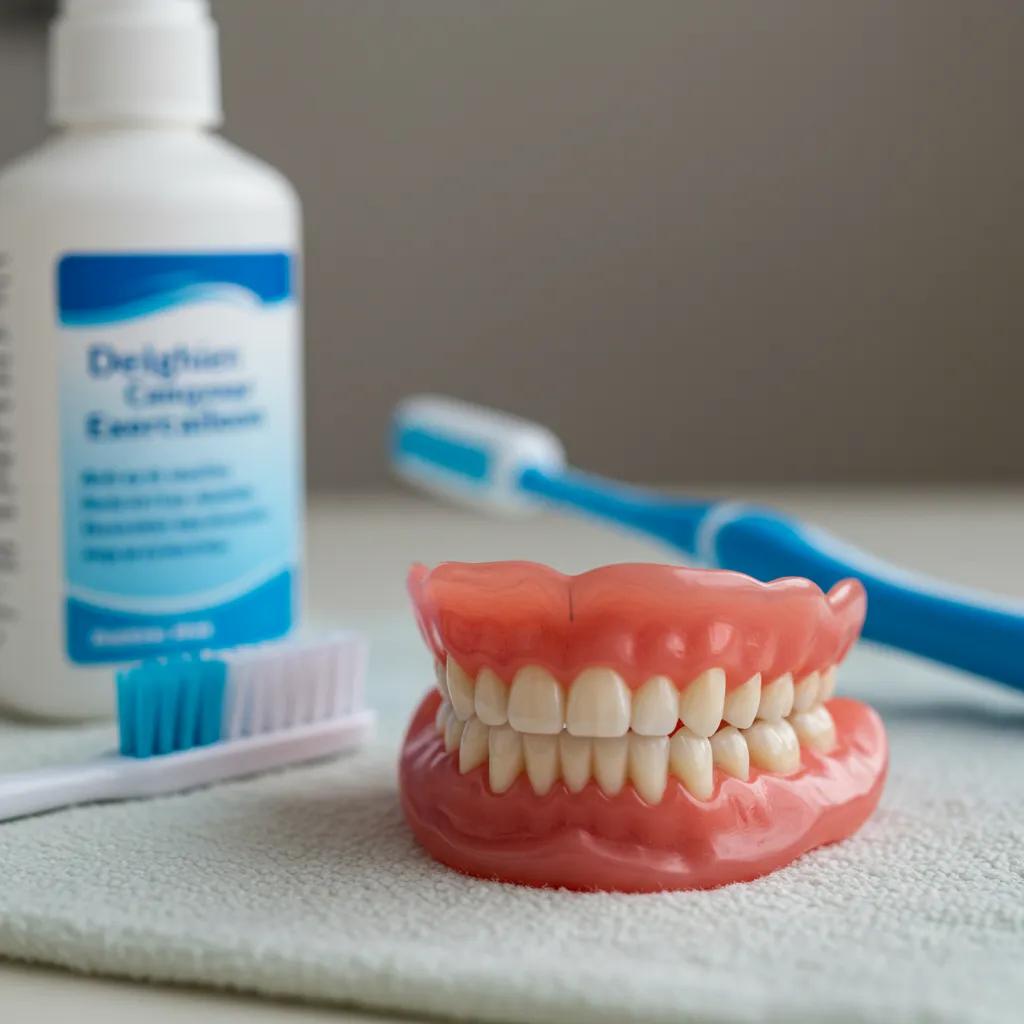
Denture maintenance requires daily cleaning to remove biofilm, food particles, and stains, plus overnight soaking when not worn to preserve shape and hydration. Adhesives may be used for added retention but should be chosen and applied according to instructions to avoid tissue irritation. Routine checkups allow us to assess fit and wear, and relines or adjustments should be performed when gaps or instability appear. While maintenance adds tasks to daily life, consistent routines prevent stomatitis, bad breath, and premature prosthesis deterioration.
Can Dentures Cause Bone Loss and Gum Irritation?
Traditional removable dentures rest on the gums and do not transmit functional loads to the underlying jawbone, which can accelerate bone resorption over time through lack of stimulation. This bone loss can change the fit of dentures and facial contours, necessitating relines or replacement. Gum irritation and denture stomatitis can develop when hygiene is inadequate or when ill-fitting prostheses rub soft tissues. Implant-supported options and regular monitoring offer strategies to mitigate bone loss and maintain tissue health over the long term.
Why Do Dentures Sometimes Slip or Feel Less Natural?
Denture instability often arises from changes in jawbone volume, weight fluctuations, or an initial fit that requires refinement; worn acrylic and occlusal changes can also reduce retention over time. Adhesives can offer temporary improvement, but long-term solutions include professional relines to reshape the base or implant-supported retention attachments for more predictable stability. Psychological factors such as awareness of the prosthesis and muscle control also influence perceived naturalness; targeted practice and small clinical refinements usually improve comfort and confidence.
What Types of Dentures Are Available and What Are Their Advantages and Disadvantages?
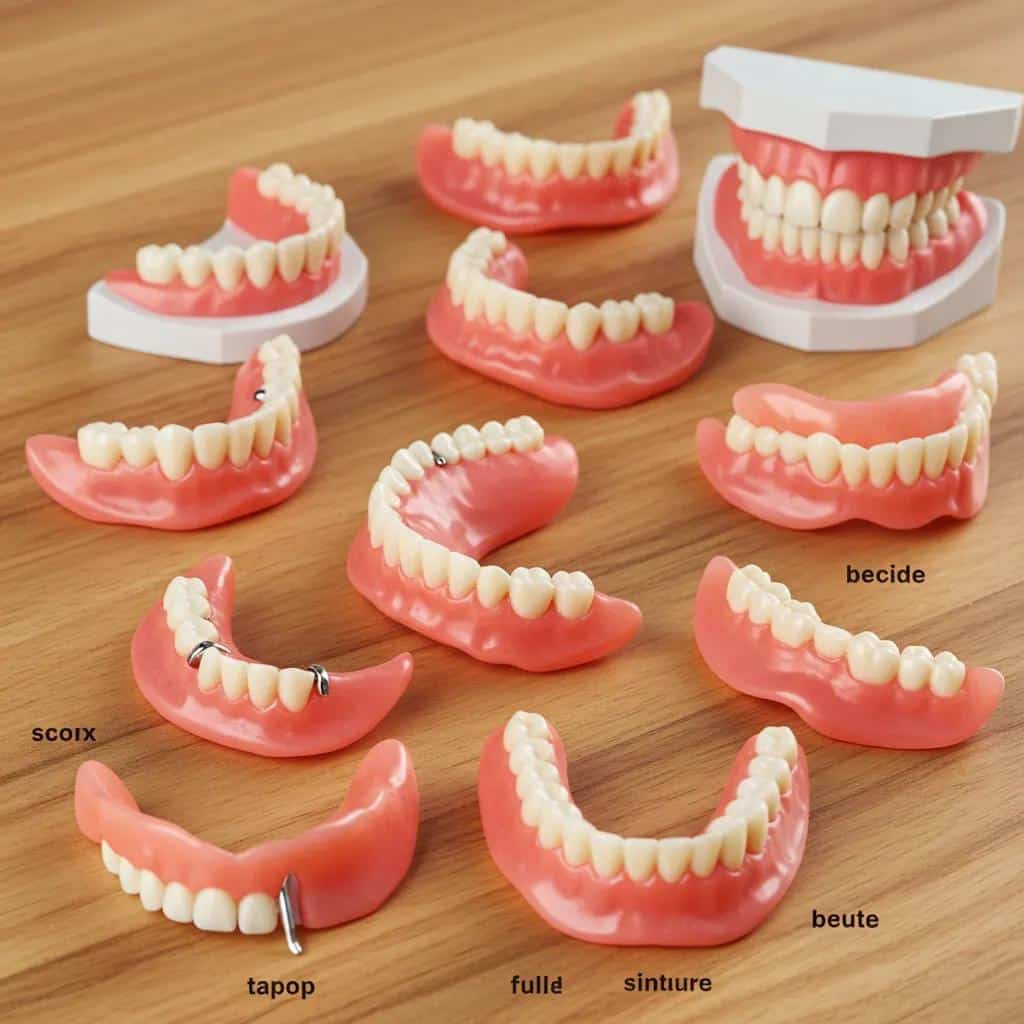
Dentures come in several distinct types—full dentures, partial dentures, immediate dentures, flexible dentures, and implant-supported dentures—each suited to different clinical scenarios and patient priorities. Selecting the right type involves assessing the number of missing teeth, bone volume, esthetic goals, budget, and desired longevity. Below is a practical comparison table that summarizes key attributes across denture types to help you quickly scan differences and identify likely candidates for each option.
Different denture types vary by cost, invasiveness, longevity, maintenance, and ideal candidate profile:
Denture Type
Typical Cost Range
Key Advantages
Full (Complete) Dentures
Lower upfront cost compared with implants
Restores whole-arch appearance and function for edentulous patients
Partial Dentures
Moderate, depends on materials and clasps
Preserves remaining teeth, replaces multiple teeth without surgery
Immediate Dentures
Moderate; may require future relines
Provides immediate esthetics post-extraction; avoids a gap period
Flexible Dentures
Moderate; material-dependent
Comfortable, flexible fit for partial replacements; good comfort
Implant-Supported Dentures
Higher upfront cost
Superior stability, preserves bone, improved chewing efficiency
This table highlights how different options trade off cost, invasiveness, and long-term benefits; choosing the best type involves prioritizing stability, bone preservation, and budget.
What Are Full Dentures and When Are They Recommended?
Full dentures replace an entire dental arch when all natural teeth are missing or have been extracted. They are recommended for patients who are edentulous or for those whose remaining teeth are not salvageable due to extensive disease. Full dentures restore facial support and provide a complete set of functioning teeth, but they can be subject to stability challenges on the lower jaw due to limited surface area for suction or retention. For patients seeking a complete non-surgical restoration with predictable upfront cost, full dentures remain a common solution.
How Do Partial Dentures Work and Who Benefits from Them?
Partial dentures replace multiple missing teeth while clasping onto remaining natural teeth or precision attachments to provide retention and stability. They benefit patients who still have healthy teeth that can support a removable prosthesis and who want to avoid more invasive alternatives like implant-supported bridges. Partials help maintain occlusion and prevent drifting of adjacent teeth, but they require meticulous oral hygiene to protect supporting teeth from decay and periodontal issues. When designed carefully, partial dentures can be an economical way to restore chewing and aesthetics for many patients.
What Are Immediate and Flexible Dentures?
Immediate dentures are fabricated in advance and placed on the same day as extractions to provide continuous esthetics and function; however, they often require relining as tissues heal and bone remodels. Flexible dentures use pliable thermoplastic materials that improve comfort and aesthetics for partial replacements but are more difficult to adjust or repair than rigid acrylic prostheses. Immediate dentures give instant results at the cost of likely follow-up adjustments, while flexible dentures prioritize comfort and reduced bulk at the cost of limited repair options.
How Do Implant-Supported Dentures Differ from Traditional Dentures?
Implant-supported dentures use dental implants and retention attachments to anchor the prosthesis, offering much better stability and retention compared with conventional removable dentures. The implants help transmit functional loads to the jawbone, preserving alveolar bone and reducing the rate of resorption over time, which enhances long-term fit and facial support. While implant-supported solutions carry higher upfront costs and require surgical placement, they often deliver superior chewing efficiency, comfort, and patient satisfaction. If you are considering implants, a clinical assessment and imaging determine candidacy; Affordable Dentist Near Me – Grand Prairie offers a Free Dental Implant Consult to evaluate whether implant-supported dentures are appropriate for your situation.
How Do Dentures Compare to Dental Implants? Pros, Cons, and Cost Differences
Comparing dentures and dental implants requires balancing upfront cost, invasiveness, longevity, maintenance, and long-term oral health impacts. Dentures are generally less expensive initially and are non-surgical, making them accessible and fast to deploy. Dental implants replace teeth with surgically placed titanium fixtures that integrate with bone, offering a more permanent restoration that preserves bone and functions more like natural teeth. The correct choice depends on patient health, bone volume, budget, timeline, and personal priorities regarding permanence and maintenance.
Option
Attribute
Value
Dentures (Conventional)
Procedure
Non-surgical, removable prosthesis
Dentures (Conventional)
Longevity
Requires relines/replacements every 5–7 years on average
Dentures (Conventional)
Bone Health
May accelerate bone resorption due to lack of stimulation
Dental Implants
Procedure
Surgical placement of implants that integrate with bone
Dental Implants
Longevity
Longer-term solution; often decades with proper care
Dental Implants
Bone Health
Stimulates bone, preserving alveolar ridge and facial support
What Are the Key Benefits of Dental Implants Over Dentures?
Dental implants provide durable, fixed tooth replacement that closely mimics natural tooth function and sensation, delivering superior chewing efficiency and comfort. Implants stimulate the jawbone, helping to preserve alveolar bone volume and the facial contours that support a youthful appearance. In many cases, implants reduce long-term maintenance and replacement cycles compared with removable dentures, making them cost-effective over the long term despite higher initial investment. For patients with adequate bone and systemic health, implants often represent the best option for long-term oral function and aesthetics.
How Do Dentures Offer a More Affordable and Non-Surgical Alternative?
Dentures avoid oral surgery and the accompanying preparatory phases such as bone grafting or extended healing time, making them quicker and less medically demanding to obtain. The lower upfront expense and availability of payment plans make dentures an accessible choice for patients with financial constraints or medical conditions that complicate surgery. Because dentures can be fabricated and fitted in a relatively short series of visits, they are often selected when immediate restoration and cost control are primary concerns. A free consult can help patients weigh these economic and medical trade-offs.
What Are the Differences in Comfort, Longevity, and Maintenance?
Implant-supported restorations generally feel more natural and provide superior stability compared with removable dentures, reducing need for adhesives and frequent relines. Dentures typically require periodic relining and eventual replacement due to wear and changes in jaw anatomy, while implants offer longevity measured in decades when well maintained. Maintenance for dentures involves daily removal, cleaning, and soaking, whereas implant restorations require routine hygiene around fixed components and routine professional checks. Choosing between the two depends on whether you prioritize non-surgical convenience and lower upfront cost or long-term stability and bone preservation.
Who Is a Good Candidate for Dentures Versus Implants?
A good implant candidate typically has sufficient jawbone volume, good general health, and the ability to undergo surgery and follow postoperative care, while dentures are suitable for patients with limited bone, medical constraints, or urgent aesthetic needs. Age alone is not a disqualifier for implants, but conditions like uncontrolled diabetes or certain medications can complicate implant success. For individuals prioritizing affordability or who need a rapid, non-surgical solution, conventional dentures remain a practical choice. A professional assessment can determine candidacy by evaluating bone volume, systemic health, and personal goals; scheduling a Free Dental Implant Consult can clarify options based on your clinical picture.
How Much Do Dentures Cost in Grand Prairie and What Financing Options Are Available?
Cost for dentures in Grand Prairie varies widely depending on type, materials, and whether implants are involved, but general local ranges help patients budget and decide on next steps. Conventional full or partial dentures often have lower upfront prices than implant-supported options, while implant-supported dentures carry higher surgical and restorative costs. Affordable Dentist Near Me – Grand Prairie emphasizes everyday low fees, custom-crafted dentures with choices for size and shade, and offers free consultations to provide exact pricing tailored to each patient’s needs. Below we present typical budget ranges and financing approaches relevant to Grand Prairie patients.
Typical price ranges for budgeting purposes include the following general estimates, which vary by complexity and materials:
Full (complete) conventional dentures: typically range from $600 to $1,500 per arch.
Partial dentures: typically range from $700 to $2,000 depending on materials and design.
Implant-supported dentures: typically range from $3,500 to $30,000 depending on number of implants and prosthesis type.
These ranges are illustrative; final pricing depends on individual treatment plans, materials, and whether implant surgery is required. The Free Denture Consultation offered by Affordable Dentist Near Me – Grand Prairie allows patients to receive an itemized estimate and discuss payment plan options tailored to their budget and clinical needs.
What Are the Typical Price Ranges for Different Denture Types?
Exact pricing varies by clinic and patient complexity, but placeholding ranges help guide initial budgeting: conventional full dentures generally sit at a lower cost tier than implant-supported prostheses, while partial and flexible dentures fall in between. Implant-supported dentures include surgical implant fees and restorative attachments, making them the most costly upfront option. Factors that influence price include number of implants required, need for extractions or bone grafting, material choices for teeth and bases, and any required laboratory work. A Free Denture Consultation provides an individualized estimate that accounts for these variables.
How Does Affordable Dentist Near Me – Grand Prairie Support Affordable Care?
Affordable Dentist Near Me – Grand Prairie emphasizes affordability through everyday low fees, customizable treatment options, and availability of payment plans to spread costs over time. The practice offers Free Denture Consultations and Free Dental Implant Consults so patients can compare options and receive tailored recommendations without upfront financial commitment. Custom-crafted dentures come with choices for size, shade, and tooth type to match aesthetic preferences while managing cost through material selections. For patients seeking transparent pricing and a no-obligation review, the free consult is designed to outline options and financing pathways suited to individual budgets.
Are Dentures Cheaper Than Dental Implants?
Generally, dentures are less expensive than dental implants in terms of upfront cost because they avoid surgical placement and implant hardware expenses. However, lifetime cost comparisons depend on maintenance cycles, relining and replacement needs, and the potential for additional treatments related to bone loss. Implants may require higher initial investment but can be more cost-effective over the long term due to durability and reduced need for periodic prosthesis replacement. Personalized financial comparisons are best made during a Free Denture Consultation or Free Dental Implant Consult to evaluate both short-term and projected long-term costs for your specific case.
How Should You Care for Your Dentures to Ensure Longevity and Oral Health?
Effective denture care combines daily cleaning, safe storage, periodic professional maintenance, and attention to oral tissues to prevent complications and extend prosthesis lifespan. Proper routines reduce biofilm buildup, minimize risk of stomatitis and odor, and maintain fit by allowing us to detect changes early. Below we outline best practices for cleaning and storage, recommend relining and replacement timelines, and show cleaning methods in a concise EAV table to guide everyday care decisions.
Start with a daily cleaning protocol: brush dentures with a soft-bristled brush and non-abrasive cleanser, rinse after meals, and soak overnight in a recommended solution to maintain hydration and shape. Complement denture cleaning with gentle brushing of oral tissues and tongue to remove plaque and stimulate circulation. Schedule professional checkups so relines, repairs, and occlusal adjustments can be performed before fit issues escalate. These steps preserve oral health, reduce bad breath, and prolong the useful life of your dentures.
Cleaning Method
Frequency / Technique
Benefit / Cautions
Brushing with soft brush and non-abrasive cleanser
Daily, brush both teeth and base gently
Removes biofilm and prevents staining; avoid household abrasives
Soaking overnight in denture solution or water
Every night, follow product directions
Keeps acrylic hydrated and disinfects; avoid hot water that warps base
Rinsing after meals
After eating
Removes debris and reduces odor
Professional check and relining assessment
Annually or as recommended
Detects fit issues early and prevents sores
What Are the Best Practices for Cleaning and Storing Dentures?
Clean dentures daily with a soft brush and a non-abrasive denture cleanser, paying attention to the underside and areas that contact gums where biofilm accumulates. Rinse dentures after meals and soak them overnight in an appropriate solution or plain water to preserve shape and hygiene; never use boiling water or bleach solutions that can damage the material. When handling dentures, work over a towel or basin of water to prevent damage if dropped, and store them in a labeled container away from children or pets. Good cleaning and storage habits prevent irritation, odor, and premature wear while supporting oral tissue health.
How Often Should Dentures Be Relined or Replaced?
Denture relines are commonly needed every one to three years depending on bone changes, tissue health, and prosthesis wear; full replacement is often considered every five to seven years as materials wear and occlusion shifts. Signs that relining or replacement is required include persistent soreness, shifting, open bite, or difficulty chewing despite adhesive use. Regular dental checkups help determine the optimal schedule for relines and replacement to maintain comfort and function. Proactive relining prevents tissue damage and maintains proper support of facial structures.
How Can Proper Denture Care Prevent Gum Disease and Bad Breath?
Removing biofilm from both dentures and oral tissues reduces microbial overgrowth that can lead to denture stomatitis and halitosis, so a combined routine of denture cleaning and gentle oral tissue care is essential. Rinsing after meals and nightly soaking lowers bacterial load, while brushing gums and tongue stimulates circulation and removes plaque. Addressing sore spots promptly with dental adjustments prevents ulceration and secondary infection. Regular professional examinations ensure early detection and treatment of tissue changes before they progress to more serious gum disease.
Frequently Asked Questions
What should I expect during the initial adjustment period with dentures?
During the first few weeks of wearing dentures, patients often experience some discomfort, soreness, and changes in chewing and speech patterns. This adjustment period typically lasts from one to two weeks, with most individuals noticing gradual improvements in comfort and function. Follow-up visits with your dentist can help address any pressure points and refine the fit, ensuring a smoother transition. If discomfort persists beyond this period, it’s important to consult your dentist for further evaluation and adjustments.
How can I ensure my dentures last as long as possible?
To maximize the lifespan of your dentures, establish a daily care routine that includes gentle brushing with a soft-bristled brush and a non-abrasive cleanser. Rinse your dentures after meals and soak them overnight to maintain their shape and hygiene. Regular dental check-ups are essential for assessing fit and wear, allowing for timely relines or repairs. Avoid using harsh chemicals or hot water, which can damage the material. Proper care not only extends the life of your dentures but also supports your oral health.
Are there any dietary restrictions I should follow while wearing dentures?
While wearing dentures, it’s advisable to start with a soft diet to allow your mouth to adjust to the new prosthesis. Foods that are hard, sticky, or chewy can be challenging and may cause discomfort or damage to the dentures. Gradually reintroduce firmer foods as you become more comfortable. Chewing slowly and using both sides of your mouth can help distribute pressure evenly. Always consult your dentist for personalized dietary recommendations based on your specific situation and comfort level.
What are the signs that my dentures need to be relined or replaced?
Signs that your dentures may need relining or replacement include persistent soreness, difficulty chewing, or noticeable shifting of the dentures during use. If you experience an open bite or find that adhesives are no longer effective, these may also indicate that your dentures require adjustment. Regular dental check-ups can help identify these issues early, allowing for timely relines or replacements to maintain comfort and function. Proactive care is key to ensuring your dentures continue to fit well over time.
Can I use regular toothpaste to clean my dentures?
It is not recommended to use regular toothpaste on dentures, as many types contain abrasives that can scratch the surface of the prosthesis. Instead, opt for a non-abrasive denture cleanser specifically designed for cleaning dentures. This will help remove plaque and stains without damaging the material. Additionally, using a soft-bristled brush will ensure a thorough yet gentle cleaning. Always follow your dentist’s recommendations for the best cleaning practices to maintain the integrity and appearance of your dentures.
What should I do if my dentures feel loose or uncomfortable?
If your dentures feel loose or uncomfortable, it’s important to schedule an appointment with your dentist as soon as possible. Loose dentures can lead to sore spots and difficulty eating or speaking. Your dentist can assess the fit and make necessary adjustments, such as relining the base or providing additional support options. Avoid using excessive adhesive as a long-term solution, as this may mask underlying fit issues. Regular follow-ups are essential to ensure your dentures remain comfortable and functional.
Are there any alternatives to traditional dentures that I should consider?
Yes, there are several alternatives to traditional dentures, including dental implants, fixed bridges, and implant-supported dentures. Dental implants provide a more permanent solution by integrating with the jawbone, offering improved stability and function. Fixed bridges can replace missing teeth without the need for removable prostheses, while implant-supported dentures combine the benefits of both implants and dentures for enhanced retention. Discussing these options with your dentist can help you determine the best choice based on your oral health, budget, and personal preferences.
Are Dentures Comfortable to Wear and How Long Is the Adjustment Period?
Most patients experience some soreness and altered chewing or speech initially, with the most noticeable discomfort during the first one to two weeks as oral tissues adapt to the prosthesis. Gradual improvements typically occur over several weeks, and by one to three months many patients achieve stable comfort with consistent use and minor adjustments. Follow-up visits to adjust pressure points and refine occlusion accelerate adaptation and reduce persistent soreness. If severe pain, persistent ulcers, or functional limitations continue beyond a short adaptation period, return to the dentist for an assessment and corrective adjustments.
How Long Do Dentures Typically Last?
With regular care, routine relines, and timely repairs, most dentures remain serviceable for about five to seven years before replacement is recommended due to material wear and changes in jaw anatomy. Longevity depends on material quality, how well the prosthesis is cared for, frequency of repairs, and changes in the patient’s oral tissues and bite. Maintaining good hygiene, avoiding abrasive cleaning methods, and attending scheduled dental reviews extend the life of dentures. Periodic relines help maintain fit and function between full replacement cycles.
Do Dentures Cause Bone Loss and How Can It Be Prevented?
Traditional removable dentures do not transmit chewing forces to the jawbone in the same way as natural tooth roots or implants, which can accelerate bone resorption over time in edentulous areas. To mitigate bone loss, clinicians may recommend implant-supported options that provide functional stimulation to the alveolar bone or discuss periodic monitoring and interventions to preserve bone and facial contours. Good nutrition, avoidance of excessive denture pressure, and regular professional monitoring also reduce the risk of progressive resorption and its impact on denture fit.
What Are the Alternatives to Dentures for Tooth Replacement?
Alternatives include dental implants, fixed implant-supported bridges, conventional fixed bridges, and implant-retained overdentures; each option varies by invasiveness, cost, and long-term outcomes. Dental implants offer a fixed, bone-preserving solution with high longevity, while fixed bridges replace missing teeth without removing a whole arch but may require altering adjacent teeth. The suitability of alternatives depends on bone volume, systemic health, and budget. Discussing these choices during a Free Dental Implant Consult or Free Denture Consultation helps clarify which alternatives align best with your clinical needs and finances.
How Can I Schedule a Free Denture Consultation at Affordable Dentist Near Me – Grand Prairie?
To schedule a Free Denture Consultation at Affordable Dentist Near Me – Grand Prairie, simply schedule a no-obligation assessment to review denture options, customization choices, and financing pathways; the practice also offers Free Dental Implant Consults for patients exploring implant-supported solutions. Visit the practice in person at 2501 I-20 Grand Prairie, TX 75052 to inquire about an appointment or book a free consult online through our local listing; the consultation will include an evaluation, discussion of size, shade, and type preferences, and a transparent review of payment plan options. This free consult is intended to give you clear pricing and a personalized plan so you can move forward with confidence.
Conclusion
Choosing dentures can significantly enhance your quality of life by restoring oral function, improving aesthetics, and boosting confidence. Understanding the benefits and challenges of different denture types helps you make informed decisions tailored to your needs. For personalized guidance and to explore your options, schedule a Free Denture Consultation with Affordable Dentist Near Me – Grand Prairie today. Take the first step towards a renewed smile and improved oral health.