Non-Surgical Options for TMJ Disorder: Practical Alternatives to Dental Implants for Jaw Pain Relief
Temporomandibular joint (TMJ) disorder causes jaw pain, limited movement, and disrupted daily life for many people. This article walks you through effective non‑surgical approaches that can relieve TMJ symptoms without resorting to dental implants. We explain what TMJ disorder is, common symptoms and causes, how specialists diagnose it, and the non‑invasive therapies that often work best. With clear information on oral appliances, physical therapy, injectable alternatives, and the role of consultations, you’ll be better equipped to choose the right path for your jaw health.
The guidance here emphasizes practical steps you can take now, what to expect from conservative care, and how to partner with clinicians to monitor progress. Where appropriate, the text notes typical timelines, likely outcomes, and how different therapies fit together to reduce pain, improve function, and restore everyday activities like eating, speaking, and smiling comfortably.
What is TMJ Disorder and How Does It Affect Jaw Function?
TMJ disorder is an umbrella term for problems affecting the jaw joint and the muscles that move it. The TMJ links your lower jaw to the skull and enables chewing, speaking, and other daily motions. When the joint or surrounding muscles aren’t working smoothly, you may experience pain, stiffness, or trouble opening and closing your mouth. Understanding how the joint works helps you and your clinician pick treatments that ease pain and restore normal function.
The joint itself contains bony surfaces, a small cartilage disc, and surrounding ligaments and muscles. Dysfunction can arise from mechanical issues with the disc, inflammation of joint tissues, muscular imbalance, or a combination of these factors. Because the jaw is used constantly for talking and chewing, even modest dysfunction can lead to persistent symptoms that affect sleep, mood, and daily routines.
Recognizing the difference between muscle‑based TMD (the pain originates primarily in the muscles) and joint‑based TMD (structural or inflammatory problems inside the joint) is helpful. Many non‑surgical treatments are effective for muscle‑based problems and can also improve joint‑based issues when inflammation and habit factors are addressed alongside targeted therapies.
What are the common symptoms and causes of TMJ disorder?
TMJ disorder can present in several ways that interfere with everyday life. Typical symptoms include:
Jaw pain: Ongoing soreness around the joint or nearby muscles.
Headaches: Tension-type headaches or migraine‑like pain from tight jaw muscles.
Clicking or popping: Audible sounds when the jaw moves, which can signal joint imbalance.
Limited movement: Difficulty fully opening or closing the mouth.
Ear pain: Earache or pressure that may be mistaken for an ear infection.
Common causes include:
Injury: Trauma to the jaw or head that disrupts joint alignment.
Arthritis: Degenerative or inflammatory joint disease affecting the TMJ.
Teeth grinding (bruxism): Nighttime or daytime grinding that strains the joint and muscles.
Stress: Chronic tension leading to jaw clenching and muscle fatigue.
Symptoms can vary in intensity and may fluctuate with daily activities, sleep quality, and stress levels. Some people notice worse symptoms upon waking (suggesting nighttime clenching), while others report flare‑ups triggered by prolonged chewing, yawning, or dental work. Identifying personal triggers and patterns helps clinicians design effective, individualized care plans.
How is TMJ disorder diagnosed by dental specialists?
Dental and jaw specialists use a mix of clinical assessment and imaging to pinpoint the problem. A typical evaluation includes:
Medical history: A review of symptoms, prior treatments, and contributing health factors.
Physical exam: Checking jaw range of motion, tenderness, bite alignment, and joint sounds.
Imaging: X‑rays, MRI, or CT scans when needed to view joint structures and soft tissues.
Together, these steps reveal the likely causes and help your care team tailor a treatment plan specific to your condition.
During the exam your clinician will often observe how your teeth meet (occlusion), palpate muscles for points of tenderness, and watch the jaw move on opening, closing, and side‑to‑side motions. Clinicians may also ask you to complete simple tasks, such as opening to the widest comfortable point or performing guided exercises, to evaluate function and pain response. When imaging is ordered, it helps clarify whether structural changes, disc displacement, or inflammatory findings are present and whether those findings correlate with symptoms.
What Non-Surgical TMJ Therapies Offer Effective Pain Relief?
Non‑surgical approaches focus on reducing pain, improving movement, and addressing underlying habits or muscle imbalance. Common, effective options include:
Physical therapy: Exercises and hands‑on techniques to strengthen and relax jaw muscles.
Oral appliances: Custom splints or night guards that protect teeth and ease joint strain.
Medications: Short courses of anti‑inflammatories or muscle relaxants to control pain and spasms.
Stress management: Behavioral strategies, relaxation, and biofeedback to reduce clenching.
These treatments are widely recommended as first‑line care for TMJ dysfunction because they target the cause without surgery.
In practice, clinicians often combine several of these approaches into a coordinated plan. For example, a patient may receive a custom splint to reduce grinding at night, attend a course of physical therapy for mobility and posture, and learn stress‑reduction techniques to lower daytime clenching. This multimodal approach addresses immediate pain while building resilience and preventing recurrence.
Non-Surgical TMJ Treatment Options & Efficacy
A 2024 systematic review found that non‑surgical care — including medications, splints, physical therapy, and behavioral approaches — is generally the most appropriate initial strategy for temporomandibular disorders. The review compares these non‑invasive options to help clinicians and patients understand which therapies are most effective for different presentations of TMD.
How do oral appliances help in managing TMJ disorder symptoms?
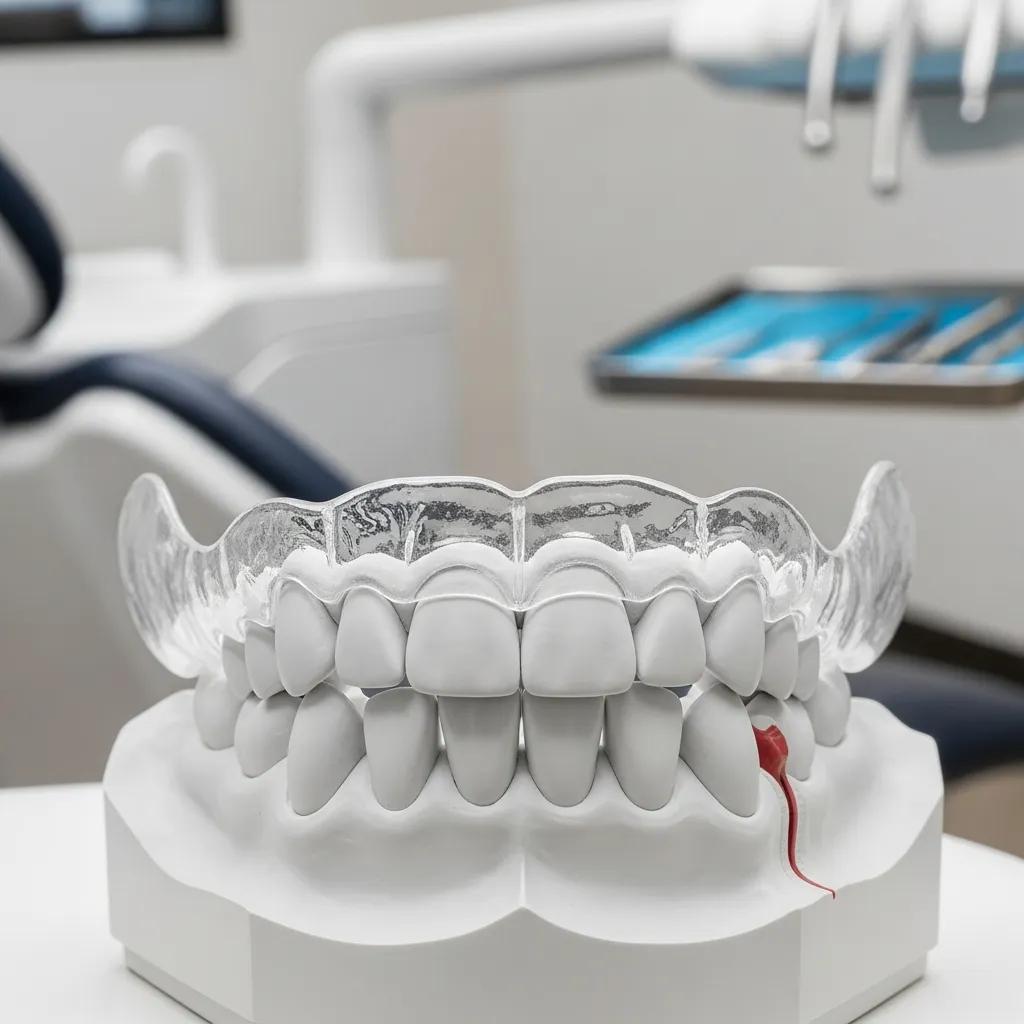
Oral appliances — sometimes called splints or night guards — are a cornerstone of non‑surgical TMJ care. Their main roles are to:
Improve jaw position: Gently repositioning the jaw to reduce joint stress.
Stop grinding: Acting as a barrier that prevents teeth grinding and protects dental work.
Lower muscle tension: Helping muscles relax so pain and fatigue decrease.
Many patients notice meaningful symptom relief when appliances are fitted and used consistently as part of a broader plan.
There are several common appliance styles. A stabilization splint provides a flat, even surface for the teeth to contact, which can reduce abnormal muscle activity. A repositioning splint is designed to guide the jaw toward a slightly different posture to unload a painful joint. Over‑the‑counter boil‑and‑bite guards may offer short‑term protection for teeth but are less precise than custom devices. Your clinician can explain the pros and cons of each and recommend the best option based on your exam.
Fitting an appliance typically involves taking dental impressions or digital scans so the device matches your bite. After delivery, follow‑up visits allow adjustments for comfort and to monitor symptom change. In many cases, appliance therapy is paired with exercises and behavior changes to maximize benefit and minimize the need for more invasive care.
What role does physical therapy and jaw exercises play in TMJ treatment?
Physical therapy and prescribed jaw exercises are key to restoring function and easing pain. Their benefits include:
Muscle strengthening: Targeted moves that build endurance and balance across the jaw muscles.
Better mobility: Exercises that increase range of motion and reduce stiffness.
Pain control: Manual therapy, heat, and massage techniques that relieve soreness and promote healing.
When combined with at‑home exercises and education, physical therapy produces measurable improvements in pain and mouth opening for many patients.
Research supports the effectiveness of postural and jaw exercises alongside manual therapy for reducing pain and improving function in TMD.
Manual Therapy & Exercise for TMJ Pain Relief
A systematic review and meta‑analysis found positive outcomes from manual therapy and therapeutic exercise for temporomandibular disorders. Postural correction and targeted jaw exercises reduced pain and improved mouth opening for both muscle‑based and joint‑based TMDs.
Typical physical therapy sessions may include hands‑on techniques to mobilize the joint, soft‑tissue work to ease trigger points, and modalities such as gentle heat, cold, or electrical stimulation for pain control. Therapists also teach ergonomic adjustments, neck and shoulder stretches, and simple posture corrections to reduce strain on the jaw. A home exercise program is an important part of success; clinicians usually provide clear, step‑by‑step instructions and modify the program as the patient progresses.
Below are several commonly prescribed exercises. Perform them only as instructed by your clinician and stop if pain increases significantly.
Controlled opening: Place the tongue on the roof of the mouth and open slowly to a comfortable limit, then close. Repeat several times to retrain smooth motion.
Resisted closure: Place the fist or thumb under the chin and close the mouth gently against the resistance to strengthen closing muscles.
Lateral movements: Move the jaw slowly side to side within a pain‑free range to improve symmetry and mobility.
Postural correction: Neck retractions and shoulder blade squeezes to improve head alignment and reduce forward‑head posture that stresses the jaw.
Consistency matters: performing prescribed exercises regularly and pairing them with habit changes often yields the best results over weeks to months. Many patients report steady improvement in pain and function when they follow a combined therapy plan and maintain communication with their therapist for adjustments.
How Do Dental Implant Alternatives Compare for TMJ Pain Management?
Comparing non‑surgical alternatives to dental implants helps you weigh benefits, risks, and practical considerations. The table below summarizes typical outcomes for common TMJ treatments:
Treatment Option
Effectiveness
Patient Outcomes
Considerations
Oral Appliances
High
Noticeable pain reduction for many patients
Non‑invasive and reversible
Physical Therapy
Moderate
Improved jaw function and mobility
Requires regular commitment to exercises
Botox Injections
Moderate
Temporary reduction in muscle hyperactivity
Benefits may require repeat treatments
Dental Implants
High
Long‑term structural solution when teeth are missing
Surgical, higher cost and longer recovery
This overview highlights that non‑surgical options can deliver meaningful relief for many patients while avoiding the invasiveness of implant surgery.
It is important to interpret the table in context: dental implants address tooth loss and the functional consequences of missing teeth, which in some cases may indirectly influence jaw mechanics. In contrast, oral appliances, therapy, and targeted injections are aimed directly at muscle and joint symptoms. Selecting the right pathway requires evaluating whether tooth replacement is necessary and whether symptoms are primarily muscular, articular, or mixed.
What are the benefits and limitations of oral appliance therapy versus dental implants?
Both oral appliances and implants have distinct roles depending on your needs. Here’s how they compare.
Benefits of Oral Appliance Therapy
Non‑invasive: No surgery required, lowering immediate risk.
Cost‑effective: Typically less expensive than implants.
Customizable: Adjustments can be made over time for comfort and fit.
Limitations of Oral Appliance Therapy
Often temporary: May control symptoms but not cure underlying structural issues for everyone.
Requires compliance: Success depends on consistent use.
Benefits of Dental Implants
Durable solution: Can restore missing teeth and long‑term oral function.
Natural function: Helps with chewing and speaking when tooth loss contributes to problems.
Limitations of Dental Implants
Surgical procedure: Involves surgery and a recovery period.
Higher cost: Typically more expensive upfront than non‑surgical care.
Choosing between these options depends on your diagnosis, goals, and willingness to pursue surgery if indicated. For many patients with primary muscle‑based TMD, a trial of appliance therapy and physical therapy precedes any surgical decision. If tooth loss is a primary driver of functional disturbance, implants may be part of a broader restorative plan that also includes conservative TMJ care.
How do Botox injections and other minimally invasive treatments fit as alternatives?
Botulinum toxin (Botox) and similar minimally invasive options can be helpful for certain TMJ cases. Botox reduces muscle overactivity by temporarily weakening the muscles that cause clenching, which can ease pain. Other less invasive choices include:
Corticosteroid injections: Used selectively to reduce joint inflammation.
Platelet‑rich plasma (PRP): A biologic approach intended to support healing in damaged tissues.
These treatments are useful when conservative measures aren’t enough or when patients prefer to avoid surgery. Clinical studies have examined Botulinum toxin A’s role in reducing muscle hyperactivity and symptom burden in TMD.
When considering injectables, clinicians evaluate whether the pain source is primarily muscular or articular, the patient’s goals, and their tolerance for procedures that may need repeating. Botox is typically targeted to specific jaw muscles and its effects are temporary, so repeat injections may be scheduled based on symptom recurrence. Corticosteroids may be used selectively in inflamed joints but are not a routine long‑term strategy because repeated steroid injections carry risks. PRP is an emerging biologic option that some clinicians use when tissue healing support is desirable; availability, costs, and evidence levels vary.
Botulinum Toxin A for TMJ Pain & Dysfunction
Reviews of Botulinum toxin type A show it can reduce muscle hyperactivity in targeted jaw muscles and help relieve symptoms in selected TMD patients. BTX‑A works by blocking acetylcholine release at the neuromuscular junction, which can decrease painful clenching and improve comfort in some cases.
What Patient Stories and Case Studies Demonstrate Success with Non-Implant TMJ Treatments?
Real patient experiences illustrate the range of successful non‑surgical outcomes. For example, one patient reported major pain relief and improved chewing after using a custom splint and following a physical therapy program. Another case showed lasting functional improvement after targeted Botox injections when other conservative measures failed. These stories show that non‑implant approaches can restore daily function and quality of life for many people.
Many clinics document stepwise approaches: starting with education, habit modification, and simple home measures; progressing to splint therapy and a structured physical therapy regimen; and reserving injections or minor joint procedures only for those who do not sufficiently respond. Monitoring outcomes at regular intervals — for example, documenting pain levels, function, and sleep quality — helps clinicians decide when to escalate or taper therapies.
How Can Patients Aged 40-60 Benefit from Free TMJ Disorder Consultations?
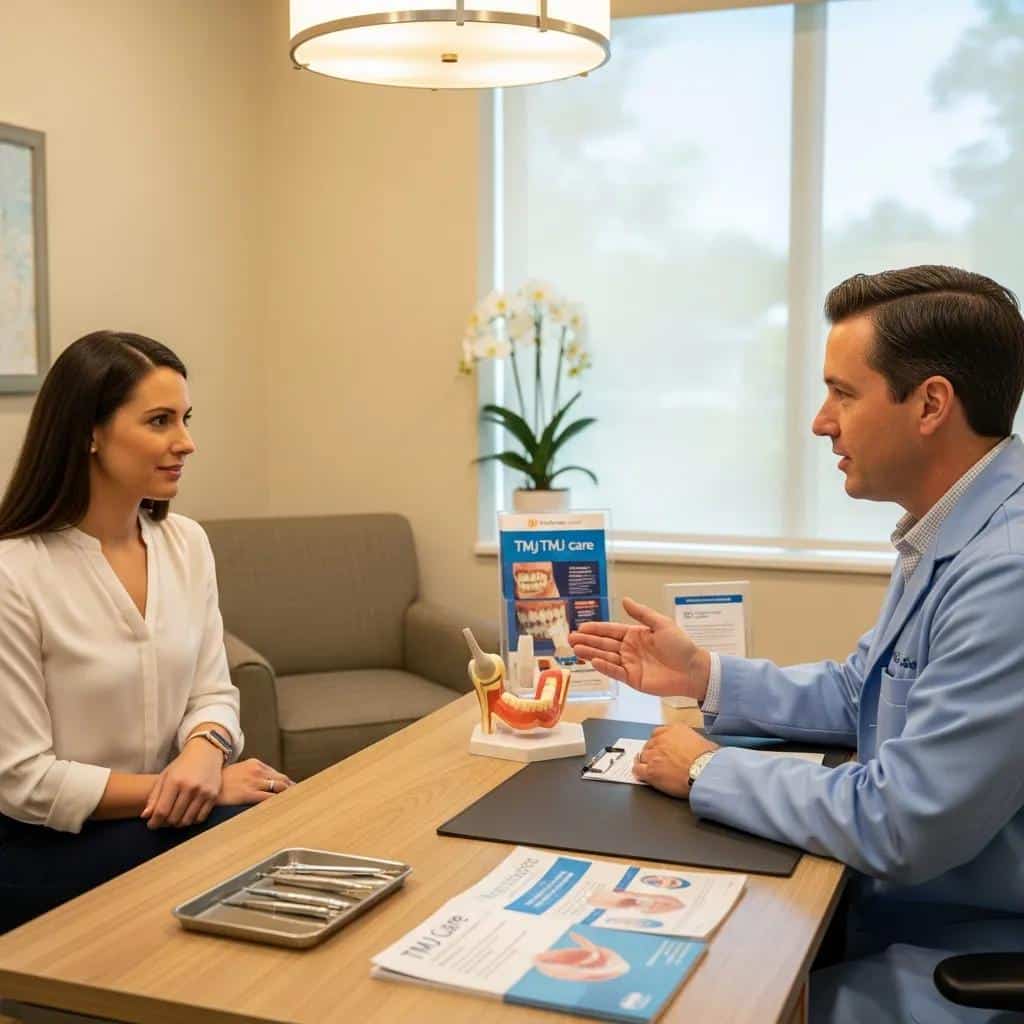
Free consultations are a valuable first step for patients aged 40–60 who are experiencing TMJ symptoms. In a no‑cost visit, our team can:
Assess your needs: Evaluate symptoms, medical history, and jaw function.
Explain options: Review non‑surgical and surgical pathways with clear pros and cons.
Answer questions: Address concerns about timelines, costs, and expected outcomes.
A free consult lets you explore options without pressure and helps you decide on the next best step for your care.
During the consult, clinicians often demonstrate simple self‑care techniques and provide a clear plan for follow‑up. They can also advise whether immediate imaging is likely to be helpful or whether a trial of conservative care is reasonable before ordering tests. Free consultations are especially useful for clarifying unclear symptoms and setting realistic expectations about recovery and the likely sequence of treatments.
What Are Common Questions About TMJ Disorder and Its Non-Implant Treatments?
Patients frequently ask similar questions when considering TMJ care. Here are clear answers to common concerns:
What causes TMJ disorder?TMJ issues can stem from injury, arthritis, grinding, stress, or a combination of factors.
How long does treatment take?Timeframes vary: some people feel better in weeks, while others need months of therapy and follow‑up care.
Are non‑surgical treatments effective?Yes — many patients gain lasting relief from splints, physical therapy, behavioral changes, and targeted injections.
Answers like these can guide expectations and support informed decision‑making.
Additional common concerns include whether treatments require long‑term maintenance, how to balance work and therapy schedules, and how quickly one can return to normal activities. Most patients can continue daily routines with modest modifications; clinicians tailor plans to minimize disruption while maximizing recovery.
What Are the Latest Advances and Insurance Coverage Trends for TMJ Alternatives?
Recent progress includes improved splint materials and design, more focused physical therapy protocols, and refined injectable techniques. At the same time, some insurers are expanding coverage for proven non‑surgical TMJ treatments. Coverage varies widely, so we recommend checking your plan for specifics and discussing potential costs with our staff before beginning treatment.
Clinics increasingly offer integrated care pathways that coordinate dental, physical therapy, and behavioral services, which may improve outcomes and simplify insurance claims. Asking about bundled programs or care coordination at the time of your consult can help you understand likely out‑of‑pocket costs and available financial options.
How to Choose the Best TMJ Disorder Treatment Option for Your Needs?
Selecting the right treatment depends on several factors. Consider:
Symptom severity: More severe or structural problems may need combined approaches.
Your preferences: Whether you prefer conservative care first or are open to surgical solutions.
Specialist guidance: An exam and imaging can clarify which options are likely to help you most.
For personalized advice, schedule a free consultation to review your case and next steps.
When you meet with a clinician, bring a brief symptom diary if possible — noting when pain occurs, what activities worsen or relieve it, sleep quality, and any known triggers. This information speeds diagnosis and helps identify the most promising conservative options to try first.
Frequently Asked Questions
What lifestyle changes can help manage TMJ disorder symptoms?
Simple lifestyle adjustments often reduce TMJ symptoms. Try stress‑reduction practices like deep breathing, mindfulness, or gentle yoga to cut down on clenching. Avoid hard, chewy foods and habits like gum chewing. Keep a mindful posture when sitting or working at a desk, and use short, regular breaks to relax neck and jaw muscles. These small changes can ease daily pressure on the joint.
Are there any dietary recommendations for individuals with TMJ disorder?
Choosing softer, easy‑to‑chew foods—yogurt, smoothies, steamed vegetables, and mashed dishes—can give your jaw a break while you recover. Stay well hydrated and limit stimulants like caffeine and alcohol if they increase tension or disturb sleep. For tailored guidance, a nutritionist can suggest diet choices that support healing.
How can stress management techniques aid in TMJ treatment?
Stress drives muscle tension and jaw clenching, so managing stress is a key part of treatment. Techniques such as diaphragmatic breathing, progressive muscle relaxation, and short daily walks can lower overall tension. Regular exercise and good sleep hygiene also support recovery. Integrating stress management into your routine often reduces the frequency and intensity of TMJ symptoms.
What role does patient education play in TMJ treatment success?
Education is central to long‑term success. Knowing the causes of your symptoms, how to use devices correctly, and which exercises to follow improves adherence and outcomes. Understanding when to seek follow‑up care and how to modify daily habits helps patients stay on track and avoid setbacks.
What are the potential side effects of non-surgical TMJ treatments?
Most non‑surgical treatments are low risk, but some side effects can occur. Splints may cause temporary discomfort or bite changes for a few patients. Physical therapy can produce mild soreness as muscles strengthen. Medications may cause drowsiness or stomach upset. Discuss risks and benefits with your provider so you can monitor and manage any side effects.
How can I find a qualified specialist for TMJ disorder treatment?
Start with referrals from your dentist or primary care physician. Look for clinicians who specialize in or frequently treat TMD—dentists with advanced training in occlusion or oral medicine, or physical therapists experienced with the jaw. Review credentials, read patient reviews, and schedule consultations to find a provider who listens, explains options clearly, and aligns with your goals.
Conclusion
Non‑surgical treatments for TMJ disorder — from oral appliances and physical therapy to targeted injections and behavioral care — offer effective ways to reduce pain and restore jaw function. These approaches let many patients avoid invasive procedures while improving daily comfort and function. If you’re considering treatment, book a free consultation to discuss options tailored to your needs and begin a plan that fits your life.
Early engagement with conservative care, adherence to prescribed exercises and habit changes, and regular follow‑up with your care team increase the likelihood of a positive outcome. With coordinated care, many patients regain comfortable jaw function and the ability to return to normal activities without surgery.