Fort Worth Dental Implant Specialists — Your Guide to Affordable, Lasting Smiles
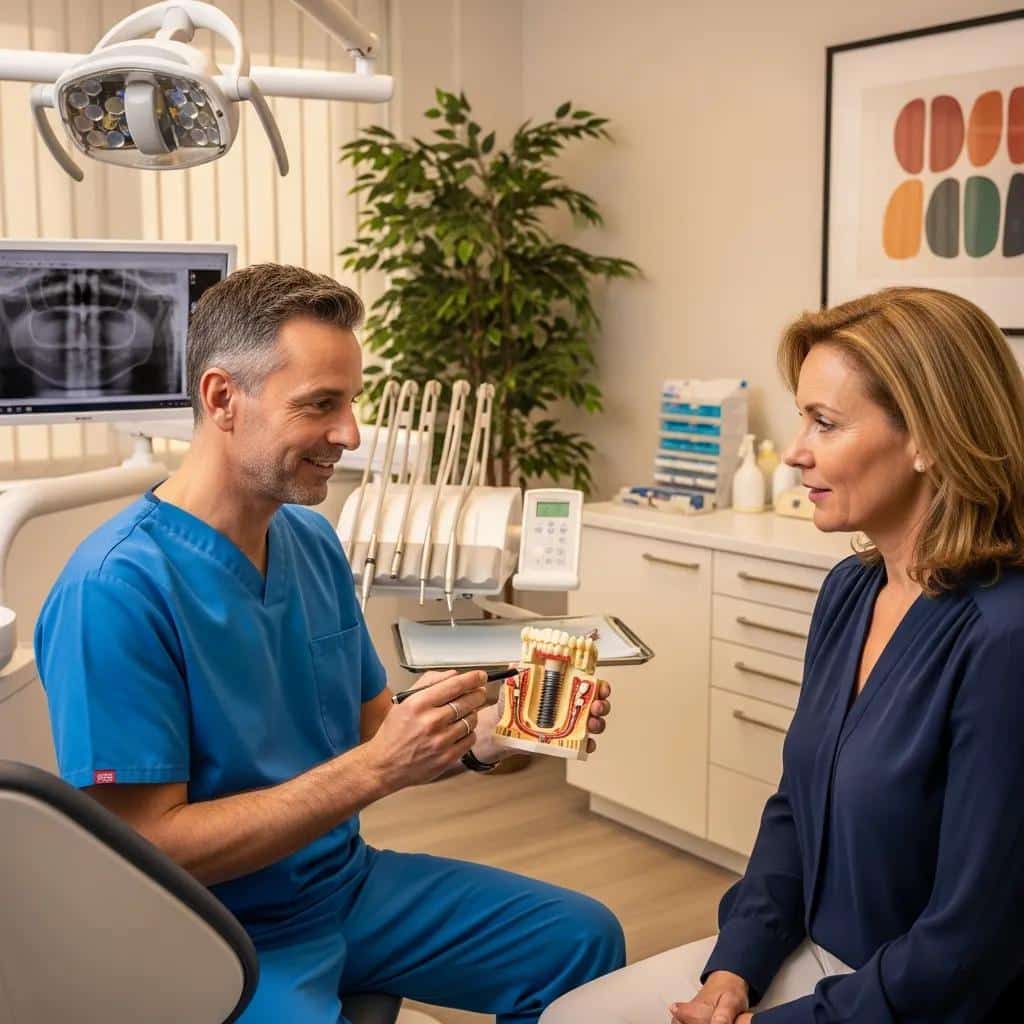
Dental implants are a dependable way to replace missing teeth and regain confidence. This guide walks you through what implants are, how the process works, what they cost in Fort Worth, and where to find trusted local care. Missing teeth can affect chewing, speech, and how you feel about your smile — implants restore function and look natural for years. Below we explain the procedure step by step, highlight advantages over dentures and bridges, and introduce Dr. Mike Tri Pham and Affordable Dentist Near Me, a Fort Worth practice focused on affordable, quality implant care.
Whether you are missing a single tooth or several, implants are used in a variety of restorative approaches — from single crowns to implant-supported bridges and full-arch restorations. The decision about which option fits you best depends on your oral health, bone support, and personal goals; your consultation will focus on the approach that balances predictability, appearance, and cost.
What Are Dental Implants and How Do They Restore Your Smile?
Dental implants are titanium posts placed into the jaw to act as artificial tooth roots. They anchor replacement teeth or bridges and behave much like natural teeth, giving you stability for chewing and speaking. Because implants fuse with the bone, they feel secure and help prevent the bone loss that comes with missing teeth — a key difference from removable dentures that can slip or irritate.
What Components Make Up a Dental Implant?
Titanium Post: The part surgically placed into the jawbone that serves as the implant’s root.
Abutment: A small connector attached to the post that supports the crown.
Crown: The visible tooth replacement made from materials such as porcelain, ceramic, or zirconia, matched to your smile.
Together these parts create a stable, long-lasting replacement for a missing tooth.
Implant restorations can be customized for color, shape, and function. Crowns are made to blend with adjacent teeth, while multi-tooth restorations are designed so chewing forces distribute across implants in a way that protects both bone and remaining natural teeth.
How Do Dental Implants Function Compared to Natural Teeth?
Because the titanium post integrates with the jawbone through a process called osseointegration, implants provide a strong foundation similar to a natural root. That bond lets you chew, speak, and smile with confidence. Implants also help keep the jawbone healthy by providing the stimulation it needs to maintain volume and shape.
Successful outcomes depend on careful planning and precise surgical technique.
There are different clinical timing approaches: some patients receive an implant and a temporary crown or prosthesis on the same day (immediate or “same-day” loading), while others follow a staged approach that allows more healing time before the final restoration. Your clinician will recommend timing based on bone quality, primary stability at placement, and overall treatment goals.
Key Factors for Dental Implant Success
Clinical studies show higher implant success when insertion torque exceeds 40 N·cm — a marker of initial stability that supports healing and long-term integration.
Factors affecting the success of dental implants, C.N. Elias, 2011
What Is the Step-by-Step Dental Implant Procedure in Fort Worth?
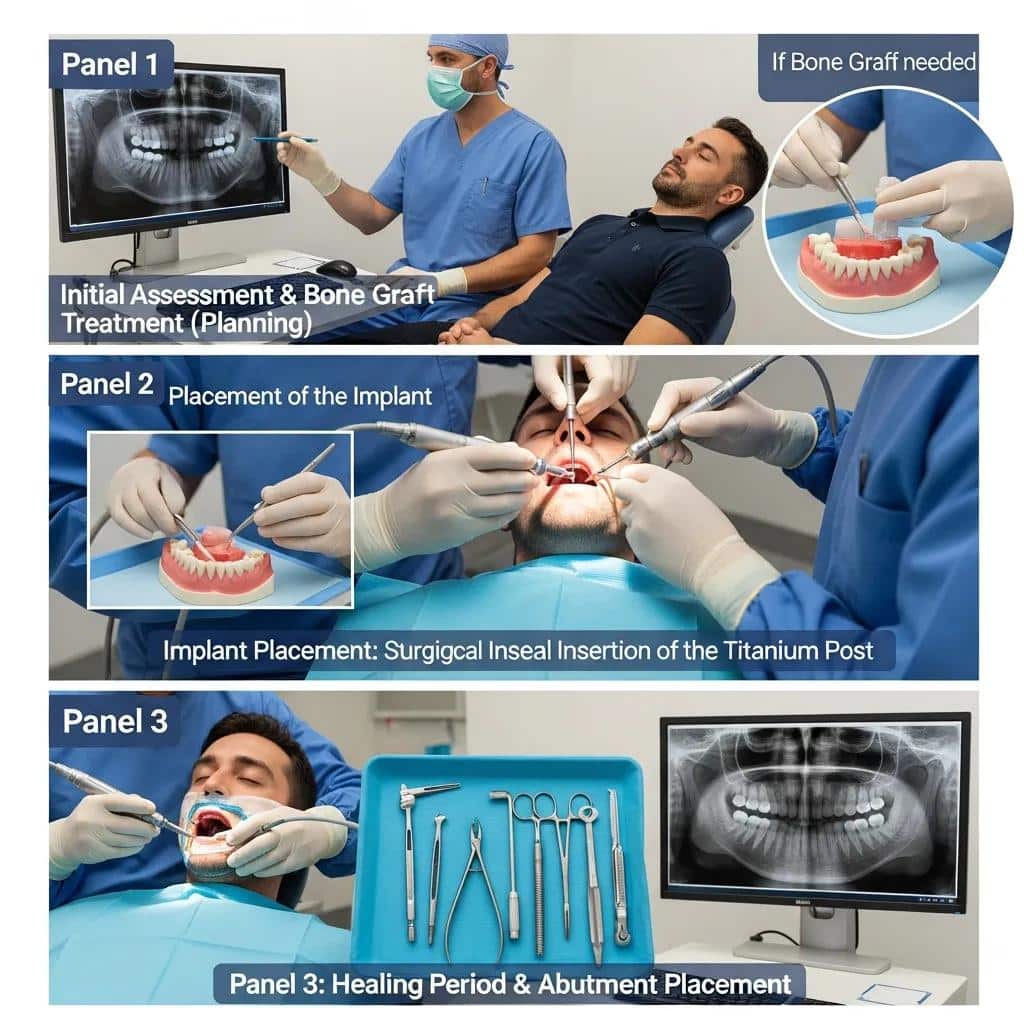
The implant process usually happens in clear stages so you know what to expect and can heal properly between steps.
Initial Consultation: We review your health, take X‑rays, and discuss goals. You can also book a Free Dental Implant Consultation with Affordable Dentist Near Me to get a personalized plan and cost estimate.
Placement of the Implant: The titanium post is placed into the jawbone, typically under local anesthesia for comfort.
Healing Process: Over several months the bone grows around the implant (osseointegration), securing it in place.
Final Restoration: Once healed, we attach an abutment and place a custom crown to complete your new tooth.
Before surgery, modern diagnostics such as digital X‑rays and, when indicated, 3D cone beam scans (CBCT) help map jaw anatomy and plan implant position. Some practices use surgical guides to precisely translate that plan into the procedure. These steps reduce surprises and improve cosmetic and functional outcomes.
Common pre-op instructions include arranging a ride if you choose sedation, avoiding certain medications as advised, and following fasting instructions if deeper sedation is planned. After placement, patients receive clear written aftercare steps to support comfort and healing.
How Does the Free Dental Implant Consultation Help You Prepare?
The free consultation is your chance to ask questions, review treatment options, and see X‑rays or scans so you understand the timeline and costs. Dr. Mike Tri Pham and the team will outline recommended steps and any preparatory care, so you can move forward with confidence.
Bring a list of medications and a summary of health conditions to your consultation. Practical questions to ask include: expected total timeline, whether bone grafting is likely, what types of crowns are used, estimated out-of-pocket costs, available payment plans, and what follow-up visits will look like.
What Are the Key Stages: Placement, Healing, and Restoration?
Placement: Surgical insertion of the titanium post into the jaw.
Healing: A critical 3–6 month period where the implant fuses with bone.
Restoration: Attaching the abutment and permanent crown to restore appearance and function.
Typical appointments vary in length: consultations are often 30–60 minutes, surgical visits range from 45 minutes to a couple of hours depending on complexity, and restoration appointments are usually shorter. Follow-up checks ensure healing proceeds as planned and let the team address any concerns.
How Much Do Dental Implants Cost in Fort Worth and What Financing Options Are Available?
Implant pricing in Fort Worth varies with case complexity and materials. Expect an average range of $3,000 to $5,000 per implant, which typically covers the surgical placement, abutment, and crown.
Complex restorative cases and premium materials can increase costs, while package pricing for multiple implants or full-arch work may change the per-tooth figure. Always request a written estimate that outlines what is included so you can compare options accurately.
What Factors Influence Dental Implant Pricing in Fort Worth?
Material Quality: Premium crowns (for example, zirconia) can raise the total cost.
Complexity of the Procedure: Additional services like bone grafts or sinus lifts increase treatment time and expense.
Location: Practice overhead and local market rates can affect pricing.
Other factors include the need for extra teeth extractions, the number of implants required, and whether temporary prosthetics are used during healing. Ask whether the quoted price includes follow-up visits, the final prosthesis, and possible revisions.
Which Affordable Payment Plans and Insurance Options Can You Use?
Affordable Dentist Near Me offers flexible payment plans and works with patients to explore financing that fits their budget. Some dentalinsurance plans may cover part of implant-related charges, but coverage varies — your free consultation is a good time to review payment options and any potential insurance benefits.
Common payment solutions include in-house monthly plans, third-party healthcare financing, using tax-advantaged accounts such as HSA/FSA where applicable, and spreading payments over time. Ask about promotional offers, low-interest plans, and whether treatment can be staged to fit a budget while still providing predictable outcomes.
What Are the Benefits of Choosing Dental Implants Over Dentures or Bridges?
Dental implants offer advantages that make them a preferred long-term solution for many patients.
Bone Preservation: Implants stimulate the jawbone and reduce the bone loss that follows tooth loss.
Natural Appearance: Well-made crowns match your teeth in color and shape for a seamless look.
Long-Term Durability: With regular care, implants can last 25 years or more — often a lifetime — making them a durable investment.
Compared with removable dentures, implants can restore biting force more effectively and avoid many of the adhesives or relining appointments dentures require. When a bridge is considered, implants avoid placing stress on adjacent healthy teeth because each implant supports its own replacement tooth.
How Do Dental Implants Preserve BoneHealth and Improve Function?
Implants provide the mechanical stimulation the jaw needs, similar to natural tooth roots, helping preserve bone volume and facial structure. Functionally, implants let you chew and speak without the slipping or discomfort that can come with removable dentures.
Maintaining good oral hygiene and regular dental checkups helps implants perform their role long-term. The peri-implant tissues need the same attention as natural teeth: daily cleaning, professional exams, and periodic hygiene care tailored to implants.
What Long-Term Advantages Do Implants Offer for Appearance and Durability?
Aesthetic Appeal: Crowns are custom‑matched so your implant blends naturally with surrounding teeth.
Durability: Unlike dentures that may require replacement every few years, implants are built to last with good oral care.
Patient Satisfaction: Many patients report feeling more comfortable and confident after choosing implants.
Over the long term, implants often reduce the need for repeated prosthetic replacements and can lower cumulative treatment costs when compared to appliances that need frequent adjustments. Routine maintenance and attention to oral health are the keys to reaching those long-term outcomes.
Who Are the Best Dental Implant Specialists in Fort Worth?
Choosing the right clinician is important. Dr. Mike Tri Pham at Affordable Dentist Near Me provides dental implant services in Fort Worth and focuses on clear communication, careful planning, and patient comfort.
Why Choose Dr. Mike Tri Pham and Affordable Dentist Near Me?
Dr. Pham combines hands‑on experience with a practical, patient-first approach. The practice emphasizes straightforward pricing and personalized treatment plans so patients get predictable results without surprises.
When evaluating a provider, look for clinicians who coordinate both the surgical and restorative phases of care or who work closely with a trusted restorative partner. A team approach that includes clear timelines and pre- and post-operative instructions typically yields better patient experiences.
What Do Patient Testimonials Reveal About Implant Success?
Patient stories often mention restored confidence, easier eating, and thoughtful care from the team. Those firsthand experiences highlight the real-life benefits of implants and the practice’s focus on follow‑through and support.
Reading multiple testimonials can reveal consistent themes — such as effective pain management, supportive staff, and satisfactory cosmetic results — which are useful when choosing a practice for implant care.
What Preparatory and Aftercare Procedures Support Successful Dental Implants?
Good preparation and aftercare increase the chance of a smooth recovery and long-term success.
Bone Grafting: Used when jawbone volume is low to create a stable foundation for implants.
Sedation Options: Multiple sedation choices help keep patients relaxed during surgery.
Aftercare Instructions: Clear post-op guidance — including hygiene, diet, and follow-up — helps healing and implant longevity.
Preparatory procedures are planned to maximize implant stability. When grafts are required, they are placed to rebuild bone volume and may use different grafting materials; the healing timeline is discussed at consultation so you know how grafting affects your overall treatment schedule.
When Is Bone Grafting or Sinus Lift Necessary for Implant Candidates?
When the jaw lacks sufficient bone to hold an implant, grafting or a sinus lift can rebuild the area and allow safe, stable implant placement. Your consultation will determine whether these preparatory steps are needed.
Grafting protocols vary by case: in some situations the graft is done months before implant placement to allow complete healing, while in others graft material can be placed at the same time as the implant. Your clinician will recommend the approach that best balances predictability, healing time, and overall treatment cost.
How Does Sedation Dentistry Enhance Patient Comfort During Treatment?
Sedation reduces anxiety and makes the procedure more comfortable for many patients. Options range from light oral sedation to deeper sedation, depending on the case and your comfort level.
Before sedation, patients receive instructions about fasting and medication management. After any moderate or deep sedation, plan for a responsible adult to drive you home and remain available during the initial recovery period. The team will explain the expected recovery timeline and any restrictions after sedation.
What Are the Most Common Questions About Dental Implants in Fort Worth?
Patients frequently ask about recovery time, costs, and whether implants are the best choice for them.
How Long Is Recovery Time After Dental Implant Surgery?
Initial recovery from surgery is usually a few days to a week for routine activities. Complete osseointegration — the bone bonding to the implant — generally takes 3–6 months, depending on individual healing.
During the first 48–72 hours expect swelling and some discomfort controlled with prescribed or over-the-counter medication. Ice, rest, and a soft-food diet help manage symptoms. Follow-up visits at set intervals confirm healing and inform the timeline for placing the final restoration.
Are Dental Implants Worth the Investment Compared to Alternatives?
Many patients find implants worth the upfront cost due to improved function, comfort, and longevity compared with dentures or bridges. Over time, implants often prove more cost‑effective because they require fewer replacements and provide better oral health outcomes.
Consider asking about service guarantees, the materials used, and maintenance expectations when comparing costs. Long-term value often depends on consistent oral care and timely professional maintenance rather than the initial price alone.
Research consistently supports the long-term safety and durability of dental implants.
Long-Term Dental Implant Survival & Success Rates
Long-term studies report high implant survival and minimal marginal bone loss over follow-ups of ten years or more.
Evaluation of survival and success rates of dental implants reported in longitudinal studies with a follow-up period of at least 10 years: a systematic review, V. Moraschini, 2015
Frequently Asked Questions
What Are the Risks Associated with Dental Implant Surgery?
As with any surgery, risks include infection, nerve irritation, sinus complications, and the small chance of implant failure. Careful planning, experienced technique, and following post-op instructions help minimize these risks. Discuss any medical conditions or concerns with Dr. Pham during your consultation so we can tailor a safe plan for you.
Early recognition of symptoms such as increasing pain, fever, or excessive swelling enables timely management. The practice will provide clear guidance on signs to watch for and when to contact the clinic.
How Do I Care for My Dental Implants After Surgery?
Proper care is key. Follow your dentist’s aftercare steps, keep good oral hygiene with regular brushing and flossing, avoid hard or sticky foods while healing, and attend scheduled follow-ups. Quitting tobacco and managing medical conditions like diabetes also improves healing and implant success.
Once fully restored, treat your implant similarly to a natural tooth: brush twice daily, clean between teeth with floss or interdental brushes, attend routine hygiene visits, and report any loosening, discomfort, or changes in surrounding gums as soon as they appear.
Can Anyone Get Dental Implants, or Are There Restrictions?
Many people are good candidates, but successful implants require adequate bone and overall good health. Uncontrolled medical conditions or heavy smoking may complicate healing. Your initial evaluation will determine whether implants are right for you and whether preparatory treatments are needed.
Age alone is not a barrier; candidacy depends on bonehealth, medical stability, and realistic expectations. Your provider will discuss risk factors and, where needed, coordinate care with your medical team to optimize outcomes.
What Should I Expect During the Healing Process?
Expect some swelling and mild discomfort that can be managed with medication. Over the following months the implant bonds with the bone. Regular checkups monitor progress. Most people return to normal activities within a few days, while full integration takes 3–6 months.
Follow-up care often includes a series of short visits: an initial post-op check within a week, a mid-healing review, and an evaluation before restoration. This staged monitoring helps ensure predictable results and timely intervention if needed.
How Do I Choose the Right Dental Implant Specialist?
Look for experience in implant dentistry, patient reviews, clear treatment plans, and a practice that communicates costs and options up front. A consultation lets you assess the clinician’s approach — Dr. Mike Tri Pham offers personalized plans and transparent answers to help you decide.
Helpful indicators include a clear explanation of alternatives, examples of before-and-after cases, technology used for planning and placement, and a willingness to explain risks and expected outcomes in plain language.
Are There Alternatives to Dental Implants?
Yes. Dentures and bridges can replace missing teeth and may be suitable in some cases. However, they don’t preserve bone the way implants do and may need more frequent replacement. Discuss pros and cons with your dentist to find the best fit for your needs and lifestyle.
Sometimes a hybrid approach is appropriate: using implants to stabilize a denture or placing fewer implants to support a bridge. Your provider can outline options that balance budget, function, and long-term oral health.
Conclusion
Dental implants in Fort Worth can restore looks, function, and confidence. With benefits like bone preservation, natural appearance, and long-term durability, implants are a strong choice for many patients. Working with experienced providers like Dr. Mike Tri Pham ensures a personalized plan and supportive care. Ready to learn more? Schedule your free dental implant consultation today and get a clear path to a healthier, more confident smile.
Scheduling a consultation is the best way to get a tailored assessment and an accurate cost estimate. Bring your questions and medical history, and expect a team that will walk you through each step so you can make an informed decision about your smile.