How Long Do Dental Implants Last: From Placement to Longevity Explained
Dental implants are a popular solution for tooth replacement, offering a durable and aesthetically pleasing option for those who have lost teeth. This comprehensive guide will explore the longevity of dental implants, detailing how long they last and the factors that influence their lifespan. Understanding the lifespan of dental implants is crucial for patients considering this option, as it directly impacts their long-term dental health and financial investment. Many individuals are concerned about the durability of dental implants and what they can do to ensure their longevity. This article will cover the key components of dental implants, their average lifespan, factors affecting longevity, care tips, signs of failure, and how they compare to other tooth replacement options.
For those exploring tooth replacement options, finding a trusted local dental provider is an important first step. Residents in areas like Mansfield can find comprehensive services tailored to their specific needs.
What Are Dental Implants and Their Key Components?
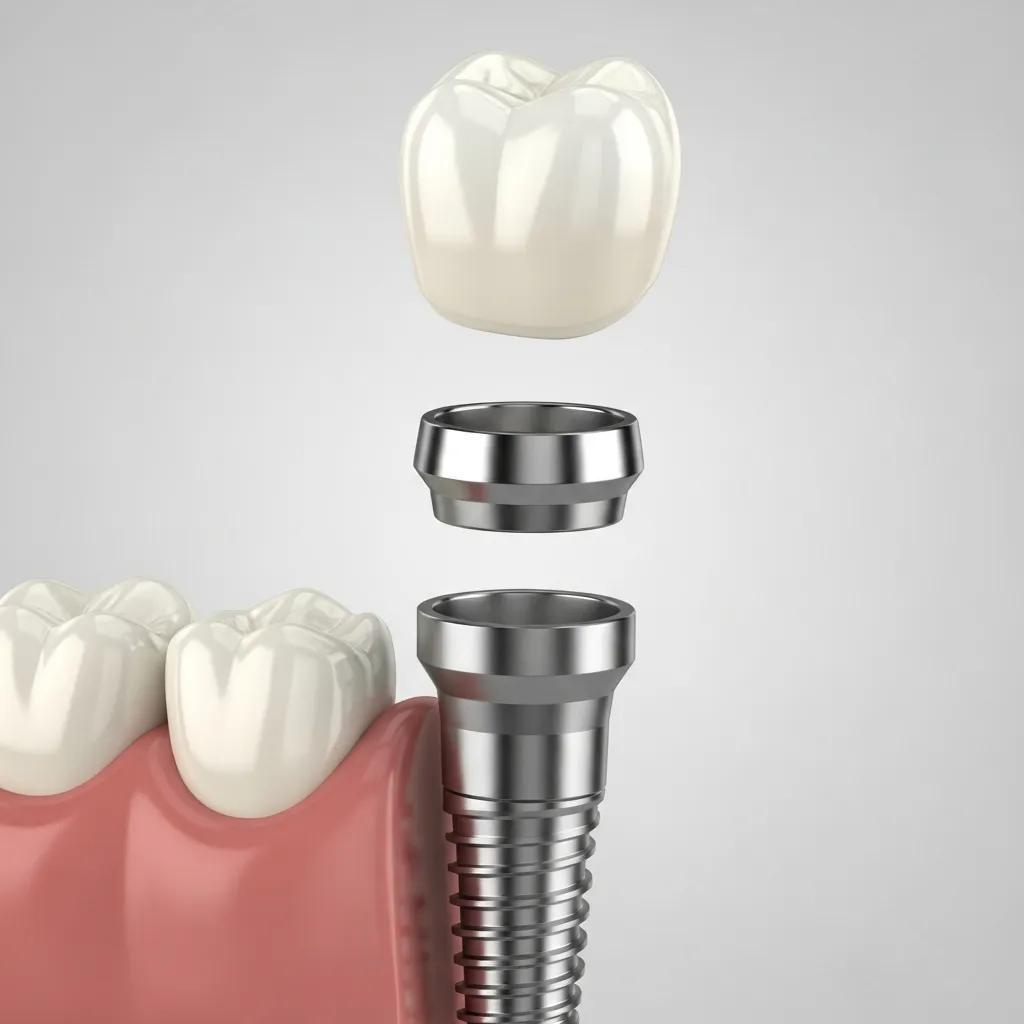
Dental implants are artificial tooth roots made from biocompatible materials, typically titanium or titanium alloys, that are surgically placed into the jawbone. They serve as a stable foundation for replacement teeth, known as crowns. The primary components of a dental implant include the implant post, abutment, and crown.
What is a dental implant and how does it work?
A dental implant functions by integrating with the jawbone through a process called osseointegration. This process allows the implant to become a permanent fixture in the mouth, providing a strong and stable base for the crown. The success of this integration is crucial for the longevity of the implant, as it ensures that the implant can withstand the forces of chewing and biting.
Innovations in implant technology, such as bioactive surface modifications, are continuously explored to further enhance this crucial integration and overall implant lifespan.
Enhancing Dental Implant Longevity Through Bioactive Surface Modifications
Bioactive surface modifications have been proposed to enhance osseointegration and longevity of dental implants. This study aimed to systematically review and perform a meta-analysis on the effectiveness of various bioactive coatings in promoting bone integration and improving implant longevity.
Bioactive surface modifications on dental implants: a systematic review and meta-analysis of osseointegration and longevity, 2024
What are the roles and lifespans of the implant post, abutment, and crown?
The implant post is the part that is embedded in the jawbone and can last a lifetime if properly cared for and if no complications arise. The abutment, which connects the post to the crown, may need replacement after 10 to 15 years due to wear or damage. The crown, made from materials like porcelain or ceramic, usually lasts between 10 to 15 years, depending on oral hygiene, material quality, and care practices. Understanding the roles and expected lifespans of these components is essential for maintaining overall dental health.
What Is the Average Lifespan of Dental Implants and Their Parts?
The average lifespan of dental implants can vary based on several factors, including the quality of the implant, the patient’s oral hygiene, and overall health.
How long does the titanium implant post typically last?
Titanium implant posts are designed to last many decades and potentially a lifetime, with studies showing a success rate of over 90-95% after 10 years. Factors such as bone quality, placement technique, and patient compliance with aftercare can influence this longevity. However, implant failure can still occur due to infection, bone loss, or mechanical issues.
What is the expected lifespan of the dental crown and abutment?
The dental crown typically lasts between 10 to 15 years, while the abutment may need replacement after 10 to 15 years. Regular dental check-ups and good oral hygiene practices can significantly extend the lifespan of these components, ensuring that they remain functional and aesthetically pleasing.
Which Factors Affect Dental Implant Longevity?
Several factors can influence the longevity of dental implants, including oral hygiene, bone health, and lifestyle choices.
How does oral hygiene impact implant lifespan?
Maintaining excellent oral hygiene is crucial for the longevity of dental implants. Regular brushing, flossing, and professional cleanings help prevent peri-implantitis, an infection that can lead to implant failure. Patients should adopt a diligent oral care routine to ensure their implants last as long as possible.
What roles do bone health, systemic conditions, and lifestyle play?
Bone health is vital for the success of dental implants, as sufficient bone density is required for proper integration. Systemic conditions such as uncontrolled diabetes can affect healing and implant stability. Lifestyle factors, including smoking and diet, also play a significant role in the longevity of dental implants. Patients should be aware of these factors and take proactive steps to mitigate risks.
How Can You Care for Dental Implants to Ensure Long-Term Success?
Proper care and maintenance are essential for ensuring the longevity of dental implants.
What daily oral hygiene practices improve implant longevity?
Brushing Twice Daily: Use a soft-bristled toothbrush and fluoride toothpaste to clean around the implant area.
Flossing Daily: Flossing helps remove plaque and food particles that can accumulate around the implant.
Using Antimicrobial Mouthwash: Rinsing with an antimicrobial mouthwash can help reduce bacteria in the mouth.
These practices are crucial for maintaining the health of both the implants and surrounding gum tissue.
Why are regular dental check-ups and professional cleanings important?
Regular dental check-ups and professional cleanings are vital for monitoring the health of dental implants. Dentists can identify potential issues early, such as signs of infection or bone loss, and provide necessary treatments. Patients should schedule check-ups at least once or twice a year to ensure their implants remain in optimal condition.
What Are the Signs and Causes of Dental Implant Failure?
Understanding the signs and causes of dental implant failure is essential for early detection and intervention.
How does peri-implantitis affect implant health?
Peri-implantitis is an inflammatory condition that affects the tissues surrounding the implant. It can lead to bone loss and, if left untreated, may result in implant failure. Symptoms include swelling, redness, bleeding, and sometimes pus around the implant site. Early detection and treatment are crucial to prevent further complications.
Further research highlights the complexities and outcomes of treating peri-implantitis to preserve implant health.
Peri-Implantitis Treatment: Impact on Dental Implant Longevity and Bone Preservation
Emerging long-term results found surgical outcomes after peri-implantitis therapy to remain unpredictable in arresting inflammation, but effective in preventing further bone destruction and implant loss. In the presence of further peri-implant breakdown, the need for rescue therapy and implant removal was observed in retrospective and prospective studies.
Current protocols for the treatment of peri-implantitis, C Garaicoa-Pazmino, 2019
What symptoms indicate potential implant complications?
Persistent Pain: Ongoing discomfort around the implant site may signal an issue.
Gum Swelling: Swelling or inflammation around the implant can indicate infection.
Mobility of the Implant: If the implant feels loose or mobile, it may be failing and requires immediate evaluation.
Patients should report any concerning symptoms to their dentist promptly to address potential issues.
How Do Dental Implants Compare to Other Tooth Replacement Options in Longevity?
When considering tooth replacement options, dental implants often stand out for their longevity compared to dentures and bridges.
What are the longevity differences between implants, dentures, and bridges?
Dental implants can last 25 years or more and potentially a lifetime with proper care, while dentures typically need replacement or relining every 5 to 8 years, and bridges may last 10 to 15 years. This significant difference in longevity makes implants a more cost-effective solution in the long run.
Why are dental implants considered a long-term solution?
Dental implants are considered a long-term solution due to their durability and the fact that they integrate with the jawbone, providing stability and support similar to natural teeth. This integration helps prevent bone loss, which is a common issue with other tooth replacement options.
Component
Average Lifespan
Maintenance Required
Titanium Implant Post
25+ years to lifetime
Regular check-ups
Dental Crown
10-15 years
Daily oral hygiene
Abutment
10-15 years
Regular check-ups
This table summarizes the average lifespan of dental implant components and the maintenance required to ensure their longevity.
Dental implants represent a significant investment in oral health, and understanding their longevity and care requirements is essential for patients. By following proper maintenance practices and being aware of the factors that influence implant health, individuals can enjoy the benefits of dental implants for many years to come.