From Placement to Longevity: How Long Do Dental Implants Last and Why?
Dental implants have revolutionized the field of dentistry, providing a durable solution for tooth loss. Understanding the longevity of dental implants is crucial for patients considering this option. This article will explore the lifespan of dental implants, the factors that influence their durability, and how to maximize their success. Many individuals are concerned about the long-term viability of dental implants, and this guide aims to address those concerns by providing comprehensive insights into their longevity. We will cover essential topics, including the components of dental implants, average lifespan, factors affecting longevity, lifestyle influences, common reasons for failure, and maintenance tips.
What Are Dental Implants and How Do They Work?
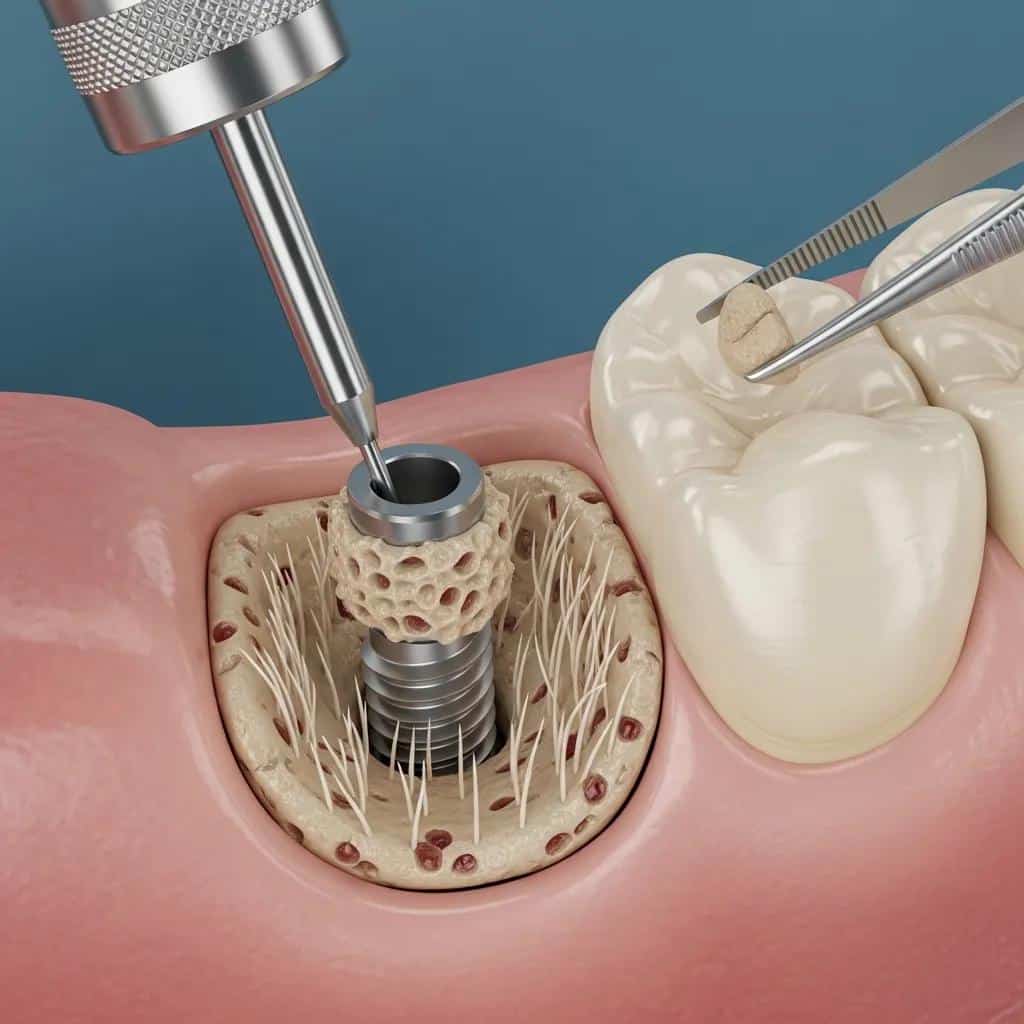
Dental implants are artificial tooth roots that provide a permanent base for fixed or removable replacement teeth. They are typically made of titanium or titanium alloys, which are biocompatible and integrate well with bone. The process involves placing the implant post into the jawbone, where it fuses through a process called osseointegration, ensuring stability and support for the dental crown that will be placed on top.
What Are the Main Components of a Dental Implant?
Implant Post: The titanium or titanium alloy screw that is surgically placed into the jawbone.
Abutment: A connector that holds the crown and is attached to the implant post.
Crown: The visible part of the implant that resembles a natural tooth.
These components work together to create a functional and aesthetically pleasing replacement for missing teeth.
How Does Osseointegration Ensure Implant Stability?
Osseointegration is the biological process where the implant post fuses with the jawbone, providing a stable foundation for the dental crown. This process typically takes 3 to 6 months and is crucial for the long-term success of the implant. Factors such as bone quality and density, as well as the surgical technique used, can significantly impact the effectiveness of osseointegration.
Indeed, the fundamental role of osseointegration in ensuring the long-term success and durability of dental implants is well-documented in dental literature.
Osseointegration: Key to Dental Implant Success & Durability
The purpose of this literature review is to collect the published data concerning factors affecting osseointegration. Popularity and large demand of dental implant makes this study essential because success of dental implant is directly related to the principle of osseointegration, a process of implant-bone interaction that finally leads to bone-implant anchorage.
Factors affecting osseointegration: a literature review, M Goutam, 2013
What Is the Average Lifespan of Dental Implants?
The average lifespan of dental implants can vary based on several factors, but they are generally designed to last many years, often exceeding 25 years or even a lifetime with proper care.
How Long Do Implant Posts Typically Last?
Implant posts can last a lifetime if they are well-maintained and the patient practices good oral hygiene. Studies indicate that the success rate of dental implants is around 90-95% after 10 years, and about 85-90% after 20 years, making them a reliable option for tooth replacement.
When and Why Do Dental Crowns Need Replacement?
While the implant post may last indefinitely, the dental crown typically needs replacement every 10-15 years due to wear and tear. Factors such as teeth grinding (bruxism), poor oral hygiene, and dietary habits can accelerate the need for crown replacement.
Which Factors Affect Dental Implant Longevity?
Several factors can influence the longevity of dental implants, including oral hygiene, bone health, and lifestyle choices.
How Does Oral Hygiene Impact Implant Success?
Maintaining excellent oral hygiene is critical for the success of dental implants. Regular brushing, flossing, and professional cleanings help prevent peri-implantitis, an infection that can compromise the implant’s stability. Patients should follow a diligent oral care routine to ensure the longevity of their implants.
Why Is Bone Health and Density Critical for Implants?
Bone health and density are essential for the success of dental implants. Adequate bone mass is necessary to support the implant post securely. Patients with bone loss may require bone grafting procedures before implant placement to ensure a stable foundation.
What Lifestyle and Health Conditions Influence Implant Durability?
Lifestyle choices and health conditions can significantly impact the durability of dental implants.
How Do Smoking and Diet Affect Dental Implant Longevity?
Smoking has been shown to negatively affect the success of dental implants. It can impair healing and increase the risk of complications. Additionally, a diet high in sugar can contribute to gum disease, which may jeopardize the health of the implant. Patients are encouraged to adopt a healthy lifestyle to enhance the longevity of their implants.
What Role Do Systemic Conditions Like Diabetes Play?
Systemic conditions such as diabetes can affect the healing process and increase the risk of infection. Patients with uncontrolled diabetes may experience a higher rate of implant failure. It is crucial for individuals with such conditions to manage their health effectively before and after implant surgery.
What Are Common Reasons for Dental Implant Failure?
Understanding the potential reasons for dental implant failure can help patients take preventive measures.
What Is Peri-implantitis and How Does It Affect Implants?
Peri-implantitis is an inflammatory condition affecting the tissues surrounding the implant. It can lead to bone loss and, ultimately, implant failure if not treated promptly. Regular dental check-ups are essential for early detection and management of this condition.
How Can Failed Osseointegration and Surgical Issues Lead to Failure?
Failed osseointegration can occur due to various factors, including infection, insufficient bone density, or improper surgical technique. Patients should choose experienced dental professionals to minimize the risk of surgical complications.
How Can You Maximize the Success and Longevity of Dental Implants?
To ensure the long-term success of dental implants, patients should adopt specific care routines and practices.
What Daily Care Routines Support Implant Health?
Brushing: Use a soft-bristled toothbrush to clean the implant and surrounding teeth twice a day.
Flossing: Floss daily to remove plaque and food particles from around the implant.
Mouthwash: Use an antibacterial mouthwash to help reduce plaque buildup.
These practices help maintain oral health and prevent complications.
Why Are Regular Dental Check-ups Essential?
Regular dental check-ups are vital for monitoring the health of dental implants. Dentists can identify potential issues early and provide necessary treatments to ensure the longevity of the implants. Patients should schedule check-ups at least twice a year.
Indeed, the importance of these supportive therapies, including regular professional care, is underscored by research demonstrating their effectiveness in preventing complications like peri-implantitis and ultimately, implant loss.
Preventing Dental Implant Loss: Efficacy of Supportive Therapies
ObjectivesTo study the efficacy of supportive peri-implant therapies in preventing clinical and radiological signs of peri-implantitis and implant loss.
The efficacy of supportive peri-implant therapies in preventing peri-implantitis and implant loss: a systematic review of the literature, A Ramanauskaite, 2016
What Are the Success Rates and Long-Term Outcomes of Dental Implants?
Dental implants have a high success rate, making them a popular choice for tooth replacement.
What Do Recent Studies Reveal About 10- and 20-Year Success Rates?
Recent studies indicate that dental implants have a success rate of approximately 90-95% after 10 years and around 85-90% after 20 years. These statistics highlight the reliability of dental implants as a long-term solution for tooth loss.
Further research supports these impressive long-term outcomes, detailing specific survival rates over extended periods.
The long-term implant cumulative survival rate up to 16 years was 82.94%. The prevalence of biological complications was 16.94% and the prevalence of technical
Long‐term implant survival and success: a 10–16‐year follow‐up of non‐submerged dental implants, 2010
How Do Implant Materials Like Titanium and Zirconia Affect Longevity?
The materials used in dental implants, such as titanium and zirconia, play a significant role in their longevity. Titanium is known for its strength and biocompatibility, while zirconia offers a more aesthetic option with excellent durability. The choice of material can influence the overall success and lifespan of the implant.
Why Choose Dentist In Mansfield- Dentures and Dental Implants for Your Implant Needs?
When considering dental implants, choosing the right provider is crucial for ensuring successful outcomes.
What Unique Benefits Does the Mansfield Clinic Offer?
Dentist In Mansfield– Dentures and Dental Implants provides quality dental care in a state-of-the-art facility. The clinic emphasizes patient comfort and affordability, ensuring that every patient receives personalized attention and care tailored to their needs.
How Do Patient Testimonials Reflect Long-Term Implant Success?
Patient testimonials highlight the clinic’s commitment to excellence in dental implant procedures. Many patients report successful outcomes and long-lasting results, reflecting the clinic’s expertise and dedication to patient satisfaction.