How Dental Implants Are Installed: Complete Procedure Steps and Patient Guidance
Dental implants have revolutionized the field of restorative dentistry, providing a durable and aesthetically pleasing solution for tooth loss. This comprehensive guide will delve into the installation process of dental implants, offering insights into the types of implants available, the surgical procedures involved, and the healing process that follows. Understanding these aspects is crucial for patients considering dental implants, as it helps alleviate concerns and sets realistic expectations for the journey ahead. Throughout this article, we will explore the step-by-step procedures, the roles of dental professionals, and the common complications that may arise during the process. Additionally, we will touch on the costs associated with dental implants and the financing options available to patients.
What Are the Types of Dental Implants and Their Materials?
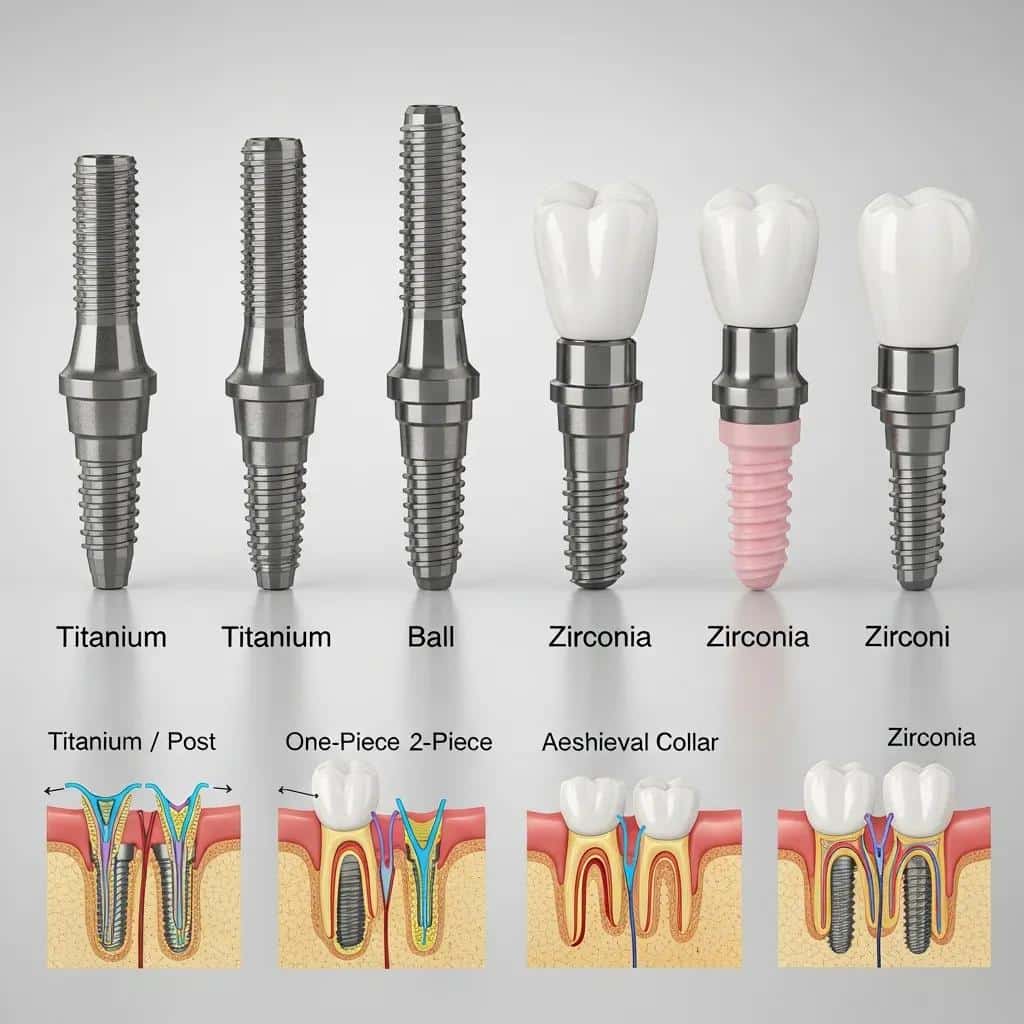
Dental implants come in various types and materials, each designed to meet specific patient needs and preferences. The most common types include endosteal implants, which are placed directly into the jawbone, and subperiosteal implants, which are positioned under the gum but above the jawbone. The materials used for dental implants primarily include titanium and zirconia, both of which have unique properties that influence their suitability for different patients.
Which Implant Materials Are Most Common: Titanium vs. Zirconia?
Titanium dental implants are the most widely used due to their biocompatibility and strength. They integrate well with the jawbone through a process called osseointegration, providing a stable foundation for artificial teeth. Zirconia implants, on the other hand, are a newer alternative that offers a tooth-colored option, making them aesthetically appealing. While titanium is often preferred for its proven track record, zirconia may be suitable for patients with metal allergies or those seeking a more natural appearance. However, zirconia implants are less commonly used and have less long-term clinical data compared to titanium.
Research continues to evaluate the clinical outcomes of different implant materials, providing valuable insights for both practitioners and patients.
The objective of this systematic review is to test the hypothesis that treatment with titanium, titanium-zirconium and zirconia dental implants has different clinical outcomes in survival rate, marginal bone loss, bleeding on probing, plaque control record, and probing depth.
Diagnostic and surgical guides for placement of dental implants, 1994
How Do Implant Types Affect Surgical Placement and Outcomes?
The type of dental implant selected can significantly impact the surgical placement process and the overall outcomes. Endosteal implants typically require sufficient bone density for successful placement, while subperiosteal implants may be used in cases where bone density is inadequate. The choice of implant also influences the surgical techniques employed, with different approaches tailored to the specific characteristics of each implant type. Understanding these factors is essential for patients to make informed decisions about their dental implant options.
What Are the Step-by-Step Surgical Procedures for Dental Implant Installation?
The surgical procedure for dental implant installation involves several critical steps, each designed to ensure the successful placement and integration of the implant. This section outlines the key phases of the procedure, emphasizing the importance of each step in achieving optimal results.
How Is the Surgical Placement of the Titanium Implant Fixture Perform ed?
The surgical placement of a titanium implant fixture begins with a thorough examination and imaging to assess the jawbone’s condition. An incision is made in the gum tissue to expose the bone, and a hole is drilled into the jawbone to accommodate the implant fixture. Once the fixture is placed, the gum tissue is sutured back into position. Post-surgical care is crucial, as it involves monitoring for any signs of infection and ensuring proper healing.
Advancements in technology, such as robotic assistance, are continually improving the precision and efficiency of these surgical procedures.
This study aims to compare the surgical efficiency (preparation and operation time) and accuracy of implant placement between robots with different human-robot interactions.
Accuracy and efficiency of robotic dental implant surgery with different human-robot interactions: An in vitro study, 2023
What Are the Roles of Oral Surgeons and Prosthodontists in Implant Surgery?
Oral surgeons and prosthodontists play vital roles in the dental implant process. Oral surgeons are responsible for the surgical placement of the implant, utilizing their expertise to ensure precise positioning and integration with the jawbone. Prosthodontists, on the other hand, focus on the restoration aspect, designing and fitting the artificial teeth that will be attached to the implant. Their collaboration is essential for achieving a successful outcome, as both professionals contribute their specialized knowledge to the procedure.
The collaborative effort between these specialists is crucial for determining optimal implant placement and ensuring successful outcomes.
Dental Implant Placement: Surgical Guides & Team Collaboration
on the part of the surgeon, the restorative dentist, and the patient. After collaboration between the restorative dentist and the surgeon to determine the optimum placement of the implant
Diagnostic and surgical guides for placement of dental implants, 1994
How Does the Healing and Osseointegration Process Work After Implant Surgery?
After the surgical placement of dental implants, the healing and osseointegration process begins. This phase is critical for the long-term success of the implant, as it involves the integration of the implant with the surrounding bone tissue.
What Is the Typical Healing Timeline and Osseointegration Duration?
The typical healing timeline for dental implants can vary, but most patients can expect the osseointegration process to take between 3 to 6 months. During this time, the bone gradually fuses with the implant, providing a stable foundation for the artificial tooth. Factors such as individual health, bone density, and adherence to post-operative care can influence the duration of this process.
Which Post-Operative Care Practices Support Successful Implant Integration?
Post-operative care is crucial for ensuring successful implant integration. Patients are advised to follow specific guidelines, including maintaining oral hygiene, avoiding hard foods, and attending follow-up appointments. Additionally, monitoring for any signs of complications, such as swelling or pain, is essential for addressing issues promptly and ensuring a smooth recovery.
What Are the Common Complications and How Are They Managed?
While dental implants are generally safe and effective, complications can arise during and after the surgical procedure. Understanding these potential issues and their management is vital for patients considering implants.
What Potential Complications Can Occur During and After Implant Surgery?
Common complications associated with dental implant surgery include infection, implant failure, and nerve damage. Infections can occur at the surgical site, leading to inflammation and discomfort. Implant failure may result from inadequate bone integration or excessive stress on the implant. Nerve damage, although rare, can lead to numbness or tingling in the surrounding areas.
How Are Complications Diagnosed and Treated Effectively?
Diagnosing complications typically involves clinical evaluation and imaging studies to assess the condition of the implant and surrounding tissues. Treatment options may include antibiotics for infections, surgical intervention for failed implants, or adjustments to the prosthetic components. Early intervention is crucial for managing complications effectively and ensuring the long-term success of the implant.
How Much Does Dental Implant Surgery Cost and What Financing Options Are Available?
The cost of dental implant surgery can vary significantly based on several factors, including the type of implant, the complexity of the procedure, and the geographic location of the dental practice. Understanding the cost breakdown and available financing options is essential for patients planning for this investment.
What Is the Cost Breakdown for Dental Implant Procedures?
The cost of dental implant procedures typically includes several components, such as the surgical placement of the implant, the abutment, and the crown. On average, patients in the United States can expect to pay between $3,000 to $5,000 per implant, depending on the specific circumstances and materials used. Additional costs may arise from preliminary procedures, such as bone grafting, if necessary.
Which Financing Plans Help Patients Afford Dental Implants?
Many dental practices offer financing options to help patients manage the cost of dental implants. These may include payment plans, dental credit cards, or third-party financing services. Patients are encouraged to discuss available options with their dental provider to find a plan that suits their budget and needs.
What Local Considerations Are Important for Dental Implants in Tyler, Texas?
When considering dental implants, local factors can significantly influence the procedure’s success and the options available to patients in Tyler, Texas. Understanding these considerations is essential for making informed decisions.
Which Tyler Dental Practices Specialize in Implant Installation?
Several dental practices in Tyler specialize in implant installation, offering a range of services tailored to meet patient needs. These practices often provide comprehensive consultations, advanced imaging, and personalized treatment plans to ensure optimal outcomes. Patients are encouraged to research local providers and read reviews to find a practice that aligns with their expectations.
For those seeking a new dental home, new patient resources are readily available.
How Does Local Bone Density and Patient Condition Affect Implant Success?
Local bone density and individual patient conditions play a crucial role in the success of dental implants. Adequate bone density is essential for supporting the implant, and patients with lower bone density may require additional procedures, such as bone grafting, to enhance their candidacy for implants. Additionally, overall health and lifestyle factors can influence healing and integration, making it important for patients to discuss their medical history with their dental provider.
If you’re looking for an affordable dentist, scheduling an appointment is the first step towards a healthier smile.