How Long Do Dental Implants Last? A Practical Guide to Implant Longevity and Durability
Dental implants are engineered replacements for missing teeth that act like artificial roots to restore chewing, support surrounding bone, and improve your smile. This guide breaks down how long each part of an implant typically lasts, why some components wear out sooner than others, and practical steps people aged 40–60 can take to get the best results. We’ll answer the common question, “Do dental implants last forever?” and explain how crown wear, abutment stress, or health issues can change the timeline. You’ll learn how osseointegration creates long-term stability, what to expect for posts, abutments, and crowns, and simple daily and professional care habits that help implants last. Want to know how long an implant might last for you? Get a free consult. By the end, you’ll have clear replacement timelines, signs that need attention, and guidance on repairs versus full-component replacement.
What Are Dental Implants and How Do They Work?
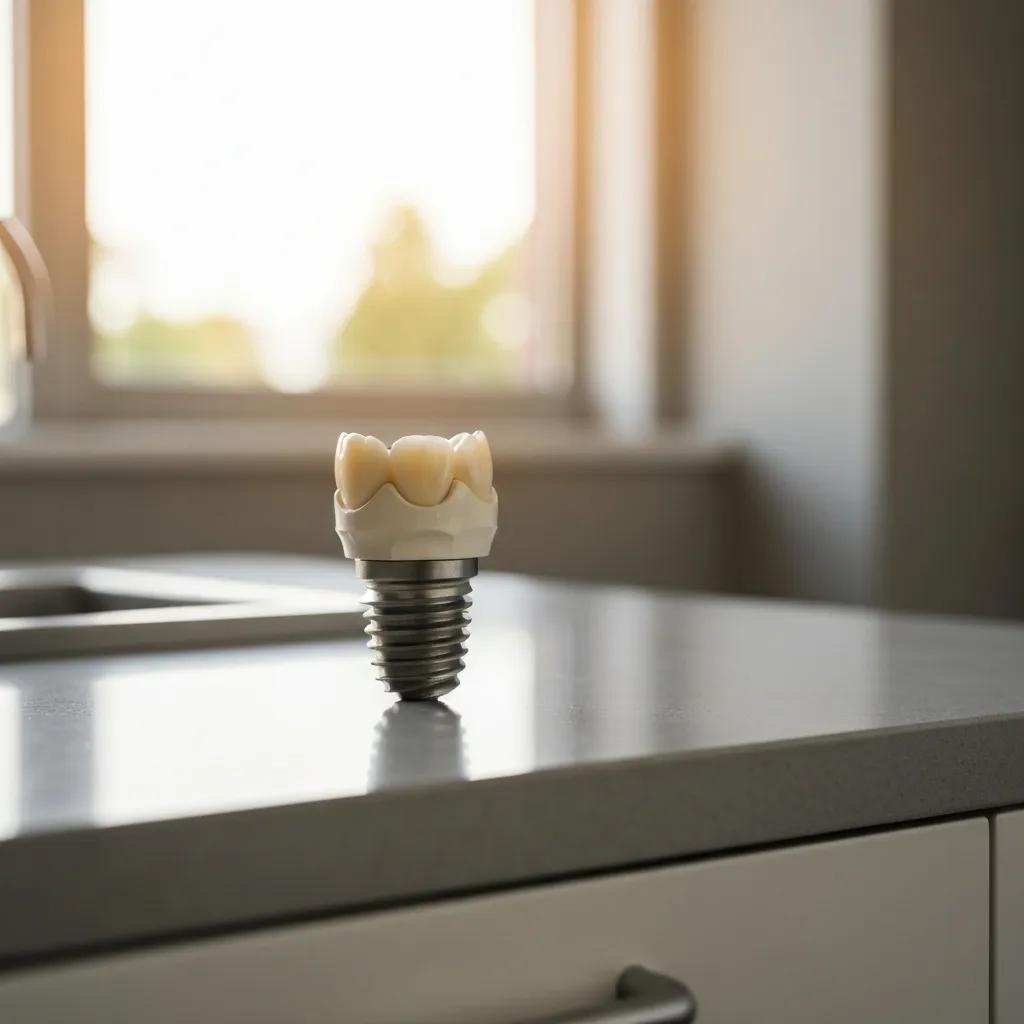
A dental implant replaces a missing toothroot with a biocompatible post that supports a prosthetic crown and helps preserve the jawbone. The common implant system has three parts: the implant post placed in the bone, the abutment that connects the post to the crown, and the crown—the visible part you chew with. The key biological process is osseointegration, where bone grows tightly around the implant surface to lock it in place and transfer bite forces into the jaw. When that bond is healthy, implants restore chewing, limit bone loss that follows tooth loss, and improve how your smile looks and functions. Understanding these parts and osseointegration sets up the rest of the guide about expected lifespans and maintenance steps that preserve them.
What Is a Dental Implant and Its Main Components?
A dental implant has three main parts that work together to replace a missing tooth: the implant post, the abutment, and the crown. The implant post (usually titanium or sometimes zirconia) is placed into the jaw and designed to fuse with bone. The abutment connects the post to the crown and must handle chewing forces and small movements. The crown provides the chewing surface and appearance and is commonly made from porcelain-fused-to-metal, all-ceramic, or layered porcelain designed for strength and aesthetics. Knowing these parts explains why crowns are the component most often replaced, while posts and abutments tend to last longer with good care and stable tissuehealth.
How Does Osseointegration Affect Dental Implant Success?
Osseointegration is the biological process where bone grows tightly around the implant surface, turning the implant into a stable part of the jaw. It’s the single most important factor for long-term success. Integration takes weeks to months and early stability depends on bone quality, surgical technique, and controlled loading. Long-term stability depends on keeping the tissues around the implant healthy and infection-free. Things that help osseointegration include enough bone volume, careful surgical placement, and avoiding early overloading. Things that hurt it include low bone density, infection, and systemic health problems that slow healing. Clinically, a well-integrated implant shows no mobility, no pain or ongoing infection, and stable bone levels on X-rays. Protecting osseointegration and the tissues around the implant is essential for lasting function.
What Is the Typical Lifespan of Each Dental Implant Component?
Looking at each component separately helps set realistic expectations: implant posts can last decades or even a lifetime when conditions are stable; abutments typically last many years but may need replacement with mechanical stress; and crowns most often need periodic replacement because of wear and fracture. Material choices matter: titanium posts have a long track record for osseointegration and durability, while zirconia offers a metal-free, aesthetic option for select cases. Crowns face mechanical wear, chipping, and cosmetic changes, making them the most commonly replaced part. Expected intervals depend on bite forces, grinding, and the crown material chosen.
The table below summarizes typical lifespans, how likely each part is to be replaced, and the main cost drivers to help you plan.
Component
Typical Lifespan
Common Materials
Replacement Likelihood
Implant post
Decades to lifetime (20+ years)
Titanium, Zirconia
Low unless peri-implantitis or trauma occurs
Abutment
Many years (10–20+ years)
Titanium, Zirconia, Gold alloys
Moderate if screw loosening or wear occurs
Crown
10–15 years (varies widely)
Porcelain, Ceramic, PFM
High: routine wear, chipping, occlusal changes
This table shows crowns are replaced most often, while posts and abutments are durable when peri-implant health is maintained. Knowing these differences helps you prioritize care and budget for long-term maintenance.
How Long Does the Implant Post Last and What Materials Are Used?
The implant post often lasts for many decades and can remain functional for a lifetime when osseointegration is stable and the surrounding tissues are healthy. Titanium is the most common choice because it’s biocompatible, strong, and predictable for bone integration. Zirconia is an aesthetic alternative for some patients with thin gums or metal sensitivities and offers good strength in selected cases. Post failure is uncommon but can happen with peri-implantitis (bone loss around the post), mechanical overload, or severe trauma that fractures the fixture. Those situations usually need specialist review and sometimes surgical replacement. Regular monitoring, excellent oral hygiene, and avoiding high-impact trauma reduce the chance of post failure and help preserve the implant foundation.
What Is the Lifespan of the Abutment Connecting Post and Crown?
Abutments act as the connector and take significant mechanical stress, so longevity depends on the material, prosthetic design, and bite forces. Titanium abutments are common for strength and screw-retained restorations; zirconia abutments are chosen for improved front-tooth aesthetics but may be selected carefully where loads are high. Reasons to replace an abutment include repeated screw loosening, stripped threads, wear at the connection, or aesthetic issues like color changes in zirconia. Often the abutment can be replaced without removing the implant post, making repair less invasive than full implant revision. Correct torqueing, thoughtful prosthetic design, and regular checks at maintenance visits lower the risk of abutment problems and prolong the restoration’s life.
How Often Do Dental Implant Crowns Need Replacement?
Crowns on implants typically last 10–15 years, though individual timelines vary depending on crown material, bite forces, grinding, and diet. Full-ceramic crowns look great but can chip, while porcelain-fused-to-metal crowns may resist fracture better in back teeth. Factors that speed up crown replacement include heavy lateral forces, bruxism, poor opposing teeth, and lack of maintenance. Conversely, conservative occlusal design and protective measures like night guards can make crowns last longer. When crowns chip, come loose, or show staining at the margins, replacing the crown is usually the fix rather than removing the implant post. Regular checks help spot wear early and prevent more complex problems later.
Which Factors Influence the Longevity of Dental Implants?
A mix of factors determines how long an implant system will function: your health and habits, local oral hygiene, surgical planning and technique, implant materials and prosthetic design, and ongoing professional maintenance. Each factor works through specific mechanisms—smoking reduces blood flow and raises infection risk, uncontrolled diabetes slows healing, and poor plaque control leads to peri-implantitis—so their combined effect can change survival odds. Knowing these links helps you and your clinician prioritize what can be changed before surgery and choose strategies that lower risks you can’t change, like age-related bone differences.
The table below lists top factors, how they act, and their likely impact so you can see the cause-and-effect clearly for pre-op planning and long-term care.
Factor
Mechanism
Impact on Lifespan
Smoking
Impairs blood flow, increases infection
Raises failure risk substantially
Poor oral hygiene
Promotes plaque and peri-implantitis
Shortens longevity via bone loss
Diabetes (uncontrolled)
Impairs wound healing
Increases early and late failure risk
Bone density (low)
Reduces primary stability
May require grafting and affects long-term load tolerance
How Does Oral Hygiene Impact Dental Implant Durability?
Oral hygiene is one of the most important factors for implant longevity. Plaque around the implant neck can cause mucositis and peri-implantitis, which lead to bone loss and possible implant failure if left untreated. A daily routine that includes good interdental cleaning and mechanical plaque control lowers the bacterial load and protects the tissues around the implant. Professional cleanings help remove hard-to-reach calculus and catch inflammation early. Early signs of peri-implant disease include redness, bleeding when probed, and deeper pockets; catching these signs at check-ups often lets us treat the problem non-surgically. Consistent hygiene preserves bone support and makes long-term implant survival much more likely.
Dental Implant Maintenance: Improving Long-Term Success with Proper Care
Clinical guidelines recommend patients learn how to brush twice daily and clean around the implant abutment effectively. Regular professional cleanings and check-ups are also key to keeping surrounding tissues healthy and preventing complications that could shorten implant life.
How Do PatientHealth and Lifestyle Choices Affect Implant Lifespan?
Health conditions and lifestyle habits affect healing and the immune response needed for implant integration and maintenance, especially for people in their 40s–60s who may face chronic conditions. Smoking has a dose-related negative effect on healing and raises the chance of peri-implantitis, so quitting before surgery and during healing is strongly advised. Uncontrolled diabetes and some medications that affect bone can slow osseointegration and increase late failure risk—medical clearance and good blood sugar control are recommended. Alcohol use, poor nutrition, and untreated bruxism increase mechanical and biological stress on implants; nutritional support and night guards can lower those risks. Addressing modifiable factors before and after surgery improves the odds of a durable outcome.
A literature review shows implants with improved surface treatments and those placed in patients with good oral hygiene and healthy habits tend to have better long-term outcomes. Implant design, surgical technique, and patient-specific factors all play important roles.
Why Is Surgical Expertise Important for Long-Term Implant Success?
Careful surgical planning and technique affect primary stability, implant positioning, and how forces are distributed—factors that matter for osseointegration and prosthetic longevity. Advanced imaging and guided surgery let clinicians place implants precisely to avoid anatomy problems, maximize bone contact, and set up a prosthetic design that manages biting forces well. A team experienced in bone grafting and soft tissue management lowers the chance of complications that could weaken the implant foundation. Prosthetic choices—screw-retained vs. cemented restorations, abutment selection, and occlusal design—also determine how the restoration performs over time. Choosing an experienced surgical and restorative team helps reduce mechanical problems down the road and improves durability.
How Does Implant Location in the Mouth Influence Durability?
Where an implant sits affects the forces it faces, the aesthetic needs, and material choices. Back teeth endure higher bite forces and side loads, so restorations there often use stronger frameworks and tougher materials. Front teeth demand high aesthetics, so zirconia or other high-quality ceramics are common, and soft-tissue shaping is important for a natural look. Posterior crowns may need stronger designs to resist fracture, while anterior restorations aim for translucency and appearance, sometimes at a small trade-off in toughness. Knowing these trade-offs helps guide material selection, prosthetic design, and protective measures like night guards for heavy bites.
What Are the Success Rates and Long-Term Outlook for Dental Implants?
Recent research and registry data continue to show high implant survival—commonly in the 90–98% range over 10–15 years—thanks to better materials, imaging, surgical protocols, and maintenance. Those numbers vary with patienthealth, implant type, and clinician experience, but overall they indicate a strong long-term outlook for well-planned and well-maintained implants. Market trends show wider adoption of implant therapy because it preserves bone and delivers predictable prosthetic results, offering patients more options. Understanding these success ranges helps set realistic expectations and plan for maintenance or component replacement as part of long-term care.
The table below summarizes key success statistics and what they mean clinically.
Metric
Typical Range
Clinical Interpretation
10–15 year survival rate
90–98%
High long-term predictability for well-managed cases
Crown replacement interval
10–15 years
Expected maintenance cost over lifetime
Abutment replacement incidence
Low–Moderate
Often manageable without implant removal
Long-Term Dental Implant Survival Rates: A 10-Year Review
A sensitivity meta-analysis of long-term studies found that dental implants have high survival rates, with pooled estimates often around 95% at 10 years. Patient factors like age, bone quality, and hygiene still influence individual outcomes.
What Are the Latest Dental Implant Success Rates and Market Trends?
Recent audits and literature syntheses (2025) continue to report survival rates above 90% at 10–15 years, with differences tied to comorbidities and implant site. Wider use of guided surgery, digital planning, and more aesthetic materials has made implants a standard option for single-tooth or full-arch rehabilitation. Long-term forecasts point to continued growth in implant therapy as aging populations seek fixed, durable replacements instead of removable options. For patients, that means more access to proven treatments but also a need to understand and commit to maintenance over time.
How Do All-on-4 and Other Implant Types Compare in Longevity?
All-on-4 and similar full-arch approaches provide efficient rehabilitation for people without teeth but have different maintenance patterns than single-tooth implants. While implant survival can be high, full-arch prosthetics may need more frequent servicing—occasional relines, repairs to acrylic or prosthetic screws, or remakes—compared with single crowns that can be replaced individually. All-on-4 emphasizes cross-arch support and often immediate function; when the foundation integrates and peri-implant health is kept, outcomes are good. Choosing between single-tooth implants, implant-supported dentures, and All-on-4 depends on cost, maintenance frequency, aesthetics, and long-term replacement paths tailored to each patient.
How Can You Maximize the Lifespan of Your Dental Implants?
To get the longest life from implants, combine solid daily hygiene, regular professional checks, and targeted lifestyle changes that reduce biological and mechanical stress. A disciplined home routine, protection for grinding, routine peri-implant assessments, and control of systemic conditions like diabetes create the best conditions for implants to last. Below is a practical checklist and recommended timelines you can start using today. If you want a plan tailored to you, we offer a free consultation to assess your needs.
Daily brushing and interdental cleaning: Use a soft-bristled brush and interdental brushes or floss to clean around implant necks.
Night-time protection: Wear a custom night guard if you grind or clench to protect crowns and abutments.
Risk control: Quit smoking and manage conditions like diabetes to improve healing and lower infection risk.
Professional maintenance: Schedule peri-implant assessments and cleanings every 3–6 months based on your risk profile.
What Daily Oral Hygiene Practices Extend Implant Durability?
Daily care focuses on removing plaque around the peri-implant margin with non-abrasive toothpaste, a soft brush, and interdental brushes sized to the restoration. Water flossers and specialized implant floss or threaders under bridges help clear biofilm at the crown–abutment junction—a common spot for irritation. Don’t scrub too hard; be gentle but thorough to avoid soft-tissue damage or roughening restoration surfaces. Inspect crowns for chips or looseness and report changes early. Good home care is the foundation for keeping both crowns and implant structures healthy for decades.
How Often Should You Schedule Professional Dental Check-Ups?
Professional maintenance should match your risk: many people do well with recalls every three to six months. If you have a history of periodontitis, smoke, or have systemic disease, three-month visits may be better. During maintenance we check pocket depths, do radiographs when needed, and remove calculus and mature biofilm that home care can’t. Early detection of mucositis or bone loss often allows minimally invasive treatment; delayed detection can mean surgery. Tailoring recall intervals to your specific risks preserves implant function and can save time and cost over the long run.
What Lifestyle Changes Help Prevent Implant Failure?
Key lifestyle steps include quitting smoking, keeping blood glucose well-controlled if you have diabetes, eating a balanced diet that supports healing, and treating bruxism with a night guard or other therapy. Quitting smoking significantly lowers post-op infection rates and peri-implant bone loss; many clinicians advise cessation before elective implant surgery. For grinders, a custom night guard protects crowns and reduces forces transmitted to the implant. Working with your primary care team for chronic conditions and seeking help for smoking cessation or sleep/appliance therapy for bruxism improves implant survival odds. These changes, combined with good hygiene and regular care, extend implant longevity.
For a personalized risk review and a tailored maintenance plan, Schedule a Free Dental Implant Consult with Affordable Dentist Near Me to assess your oral health, discuss financing, and set a maintenance timeline that fits your needs.
When and Why Might Dental Implant Components Need Replacement?
Component replacement happens for clear reasons: crowns are usually replaced for wear or fracture, abutments for mechanical or aesthetic failure, and implant posts only rarely for infection or catastrophic fracture. Diagnosis starts with an exam and X-rays to determine whether the problem is prosthetic, soft-tissue related, or structural. Solutions range from repair and abutment replacement to crown replacement or implant revision. Timely crown or abutment replacement can restore function without removing the implant, but advanced peri-implantitis with bone loss may require explantation and reconstruction. Recognizing warning signs early and getting prompt professional care lowers the chance a reparable issue becomes a major surgical case.
What Are the Common Signs of Dental ImplantCrownWear or Damage?
Signs a crown needs attention include visible chipping or cracking, a loose crown, changes in your bite, pain when biting, or staining at the margin if it’s cement-retained. You might feel a rough edge, hear an unusual sound while chewing, or have trouble chewing on one side. Any of these deserve prompt evaluation—early fixes might be a refit, occlusal adjustment, or crown replacement. Waiting can lead to secondary issues like damaged abutment screws or inflammation around the implant. Regular self-checks and reporting changes early preserve the implant and usually mean simpler, less costly repairs.
When Is Implant Post or Abutment Replacement Necessary?
Replacing the implant post is rare and usually only needed after severe trauma, persistent progressive peri-implantitis with bone loss, or when an implant is so malpositioned it can’t be restored. Abutment replacement is more common and is done when screws strip or loosen repeatedly, abutment material fails, or a different angle or connection is needed for a new prosthetic design. Decisions depend on the implant fixture condition, bone support, and patient factors. Many abutment problems can be fixed without removing the implant post. Complex cases with significant bone loss often need referral to a specialist or oral surgeon for revision.
For any crown looseness, pain, or visible damage, Schedule a Free Dental Implant Consult to find out whether a repair, abutment replacement, or more extensive treatment is required and to get a personalized plan.
How Do Dental Implants Compare to Dentures and Bridges in Longevity?
Compared with dentures and tooth-supported bridges, dental implants usually offer better long-term stability, preserve bone, and need less frequent replacement of the supporting structure—though prosthetic parts still need upkeep. Dentures often require relines and remakes as the jaw changes, commonly every 5–8 years, while bridges rely on neighboring teeth and can lead to problems with those abutments over time. Implants transmit load into the jaw and help prevent the bone loss that follows extractions, giving lasting structural and quality-of-life benefits. The table below compares average lifespans, replacement patterns, and maintenance so you can weigh long-term value.
Restoration Type
Average Lifespan
Replacement Frequency
Maintenance Requirements
Dental implant (post + crown)
15–30+ years for post; crowns 10–15 years
Crowns replaced periodically; post replacement rare
Daily hygiene, periodic professional maintenance
Denture
5–10 years (relines common)
Frequent relines and remakes as ridge changes
Regular adjustments, adhesives, relines
Bridge
7–15 years
Replacement when abutment teeth fail or decay
Care for adjacent teeth; possible root issues
What Is the Average Lifespan of Dentures and Bridges Versus Implants?
Dentures normally need relines and remakes as the jawbone remodels—often every five to ten years. Bridges can last but may stress adjacent teeth and need replacement if those teeth fail. Implants preserve bone and support teeth independently, which can lower lifetime maintenance even when crown replacement is considered. The right choice depends on your health, bone, budget, and whether you want a fixed or removable solution. For many patients, implants offer a durable long-term option when clinical conditions and maintenance commitments are in place.
Why Are Dental Implants Considered a More Durable Tooth Replacement?
Implants are more durable because they integrate with bone and restore how bite forces travel through the jaw, preserving structural integrity—unlike bridges that rely on neighboring teeth or dentures that sit on soft tissue. Osseointegration prevents the bone loss that often follows tooth extraction, supports facial contours, and gives a fixed platform able to resist normal chewing forces for decades when well cared for. Implants also avoid preparing healthy adjacent teeth as a bridge does, preserving natural dentition. These biomechanical and biological advantages explain why implants are a durable, long-term solution for many patients.
Why Choose Affordable Dentist Near Me Fort Worth for Your Dental Implants?
Affordable Dentist Near Me Fort Worth offers implant care that balances clinical quality with affordability, helping lower the financial barriers to lasting tooth replacement. We keep everyday low fees, offer a Dental Discount Plan, and provide financing options so patients can plan for both initial treatment and future prosthetic maintenance. You’ll work with a compassionate, experienced team focused on comfort—sedation options are available for patients who need extra relaxation—and coordinated care that brings diagnostics, surgery, and restoration together efficiently. If you want a personalized evaluation, Schedule a Free Dental Implant Consult to review your options, assess longevity factors, and get a treatment and maintenance plan tailored to you.
What Makes Our Dental Implant Services Affordable and Accessible?
Our approach combines transparent everyday low fees, a Dental Discount Plan to lower out-of-pocket costs, and flexible financing to spread payments. We coordinate care so evaluations, planning, and restorations happen efficiently, which can reduce appointments and costs. Patient comfort matters—we offer sedation where appropriate to ease anxiety and improve the experience. By pairing cost-conscious policies with comprehensive clinical services, we aim to deliver predictable, long-term implant care that fits patients’ budgets and comfort needs.
How Can You Schedule a Free Dental Implant Consultation?
Scheduling a Free Dental Implant Consultation is simple: call our Fort Worth office to speak with the team, share a short medical and dental history, and set a convenient appointment for evaluation and any needed imaging. At the consult, the clinician will examine your mouth, review images if available, discuss material and prosthetic choices, outline maintenance expectations, and explain payment and financing options. We’ll also walk you through what to expect during surgery and recovery so you can decide with confidence. For directions or more details, call the office number listed for the Fort Worth location to book a visit with Dr. Mike Tri Pham, DDS and our implant team.
Frequently Asked Questions
What Are the Signs That a Dental Implant Might Be Failing?
Warning signs include ongoing pain, swelling, or tenderness around the implant, any movement of the implant, changes in bite, or trouble chewing. Signs of infection—pus or persistent bleeding—also require urgent evaluation. If you notice any of these, contact your dentist promptly so we can diagnose and treat the issue before it becomes more serious.
How Can I Tell If My Dental ImplantCrown Needs Replacement?
Look for visible chips or cracks, a loose crown, shifts in bite, or discomfort when biting. Regular self-checks and professional exams catch these problems early. If you notice any of these signs, schedule an appointment so your dentist can recommend repair or replacement to keep function and appearance intact.
What Lifestyle Changes Can Help Extend the Life of Dental Implants?
Quitting smoking, keeping blood sugar under control if you have diabetes, eating a balanced diet rich in vitamins, and practicing good oral hygiene all help implants last longer. If you grind your teeth, using a night guard protects crowns and reduces stress on the implant. These steps improve healing and reduce the chances of complications.
How Do I Maintain My Dental Implants at Home?
Maintain implants with a consistent oral hygiene routine: brush twice daily with a soft brush and non-abrasive toothpaste, use interdental brushes or implant-friendly floss, and rinse as recommended. Inspect restorations regularly for chips or looseness. Good home care prevents plaque buildup and lowers the risk of peri-implantitis.
What Should I Expect During a Dental Implant Follow-Up Appointment?
At follow-up visits your dentist will examine the implant and surrounding tissues, take X-rays if needed to check bone levels, and perform professional cleaning to remove plaque and calculus. We’ll look for signs of infection or mechanical problems and advise on care or repairs. These visits are also a chance to ask questions and get tailored maintenance tips.
Are There Any Specific Foods I Should Avoid After Getting Dental Implants?
Avoid hard, crunchy, or sticky foods that place excessive force on the implant site—nuts, hard candies, and very tough meats can cause damage or discomfort. Very hot or spicy foods may irritate the surgical area early in healing. Start with soft, easy-to-chew foods like yogurt, smoothies, and mashed potatoes during the initial recovery.
How Often Should I Schedule Professional Cleanings for My Dental Implants?
Plan professional cleanings every three to six months based on your risk factors. If you have a history of periodontal disease, smoke, or have systemic health concerns, more frequent visits (every three months) may be recommended. Regular professional care removes buildup home care can’t and helps prevent peri-implantitis.
Do Dental Implants Last Forever?
Not exactly. Implant posts—especially titanium—can last a lifetime under ideal conditions, but prosthetic parts like crowns usually need replacement roughly every 10–15 years depending on wear and habits. Long-term retention of the post depends on preventing peri-implantitis and keeping good bone support, so implants aren’t automatically permanent but can function for decades when biological and mechanical risks are managed. Patients with controlled health conditions, strong home care, and regular professional maintenance have the best chance of lifetime retention. In short: implants offer durable, long-term tooth replacement, but prosthetic upkeep is typically an ongoing responsibility.
How Long Do Dental Implants Last in the Front of the Mouth?
Front (anterior) implants often do very well because these teeth face lower biting forces, but they also carry higher aesthetic expectations for soft tissue and material choice. Crowns in the front are usually ceramic for appearance; these can chip more easily than metal-backed options, so careful design and protection—like night guards—help preserve them. With good hygiene and thoughtful prosthetic planning, anterior restorations typically last as long as posterior ones, though crowns will still likely need periodic replacement over time. Discuss aesthetic goals and maintenance plans with your clinician so you get the right balance of looks and durability.
What Causes Dental Implants to Fail?
Implant failure can come from biological causes—like peri-implantitis and poor osseointegration—or mechanical causes such as overload, fracture, or prosthetic complications. Systemic issues like uncontrolled diabetes and smoking also increase risk. Peri-implantitis is inflammatory bone loss driven by biofilm and is a common cause of late failure if not treated. Early failures often relate to inadequate initial stability or impaired healing. Mechanical problems include loose abutment screws, crown fractures, or rare implant fractures, often associated with unmanaged occlusal forces or bruxism. Prevention focuses on hygiene, medical optimization, careful surgical planning, and sound prosthetic design.
How Often Do Dental Implant Crowns Need Replacement?
Crowns typically need replacement every 10–15 years, though bruxism, heavy bite forces, poor hygiene, or certain diets can shorten that timeframe. Watch for chipping, loss of chewing surface, staining at margins, or a loose crown. Preventive measures—night guards for grinders, timely professional maintenance, and quick repair of small chips—help crowns last longer. If you notice changes, schedule a professional evaluation to decide whether repair or replacement is the best option.
Key takeaway: Implant posts are designed for long-term durability, crowns usually need periodic replacement, and keeping peri-implant tissues healthy is the best way to extend overall system life.
Action step: Follow daily hygiene, attend scheduled maintenance visits, and address health risks early to protect your implants.
Next step: For personalized guidance, Schedule a Free Dental Implant Consult to review your individual longevity factors and build a tailored plan.
This article reviewed the biological basis of implants, expected lifespans for each component, factors that influence durability, practical maintenance steps, comparisons with other restorations, and local care options so you can make informed decisions about how to protect your implant investment.
Conclusion
Dental implants are a durable, effective option for replacing missing teeth when they’re planned carefully and cared for over time. Knowing how long each component typically lasts and what affects longevity helps you make smart choices and stay on top of maintenance. Prioritize good home care and regular professional check-ups to protect your investment. For a personalized plan to maximize implant life, schedule a Free Dental Implant Consult today.