What Affects How Long Dental Implants Last: Key Factors to Know
Dental implants are engineered replacements for missing tooth roots — usually a titanium or ceramic post placed into the jawbone that supports a crown, bridge, or implant‑supported denture. Knowing what affects implant lifespan matters because longevity depends on how well the implant fuses with bone, the condition of the prosthetic parts, your habits, and the clinical planning behind the treatment. This article breaks down those influences so you can set realistic expectations and protect your investment. You’ll find practical timelines for the implant fixture, abutment, and crown; the main biological and mechanical risks; how medical conditions affect healing; and everyday and clinical maintenance tips to extend implant life. We also compare materials and planning factors, outline prevention steps for peri‑implantitis, and explain how patients in Grand Prairie can get a personalized evaluation. Throughout, we pair current clinical evidence with real‑world practice advice so you can assess risk and follow a clear plan to keep your implants working well for years.
How Long Do Dental Implants Really Last? Understanding Implant Longevity Expectations
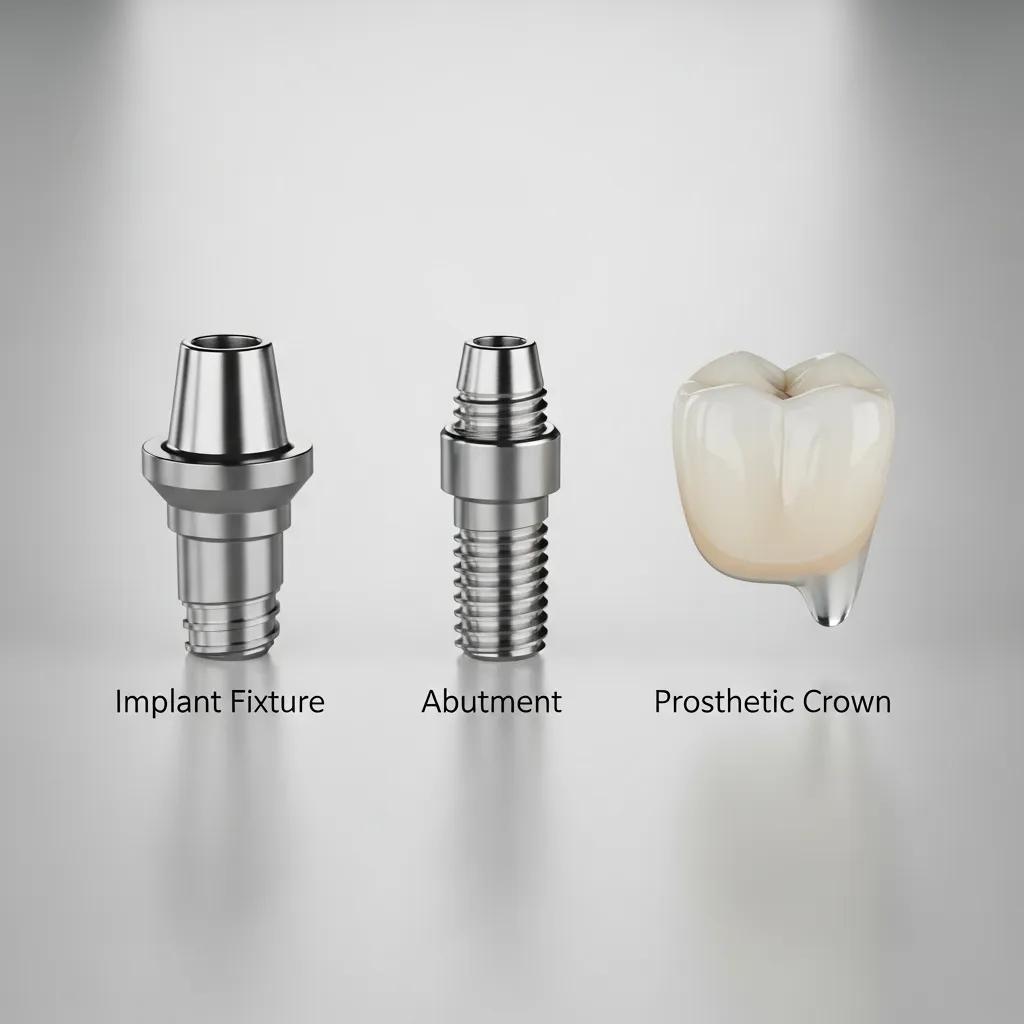
Implant longevity reflects two things: the biological survival of the fixture in the bone and the wear life of the prosthetic parts. When osseointegration — the stable bond between bone and implant — is achieved and maintained, implants can function for decades. The implant fixture (the screw in the bone) is usually the most durable part, while the abutment and crown face more mechanical stress and often need maintenance or replacement over time. Knowing typical timelines for each component helps you plan follow‑up care and budget for restorations. Below is a concise comparison of the main components and what you can generally expect.
Use this quick reference to understand how long each implant component commonly lasts, why replacements occur, and typical intervals based on clinical experience.
Component
Primary Durability Mechanism
Typical Longevity Estimate
Implant fixture (screw)
Osseointegration and bone remodeling around surface-treated titanium/ceramic
Often 20+ years; many last a lifetime with ideal conditions
Abutment (connector)
Mechanical wear and micro-movement at the prosthetic interface
5–15 years depending on load, design, and material
Prosthetic crown
Wear, fracture, esthetic change, and occlusal forces
8–15 years typical; can be longer with conservative wear and good hygiene
This table shows the fixture is usually the most long‑lasting component biologically, while abutments and crowns are more vulnerable to mechanical wear. Replacing a crown or abutment is typically simpler than treating a failed fixture, which is why protecting peri‑implant bone and soft tissue is essential for long‑term success.
After reviewing these timelines, many patients ask where to get a personal assessment. If you live near Grand Prairie, Affordable Dentist Near Me – Grand Prairie offers implant services and a current free implants consultation to give personalized longevity estimates and a treatment plan based on your oral and overall health.
What Is the Typical Lifespan of Dental Implant Components?
The fixture, abutment, and crown each face different biological and mechanical stresses, so their lifespans differ. With good bone health and appropriate loading, fixtures often last 20+ years and can last a lifetime. Abutments undergo connection cycles and micro‑movement and typically need attention or replacement in 5–15 years. Crowns suffer occlusal wear, chipping, and esthetic changes and often require replacement every 8–15 years depending on material, grinding (bruxism), and hygiene. Knowing these differences helps you focus on protecting bone and soft tissue to preserve the fixture and managing forces and hygiene to extend abutment and crown life.
Can Dental Implants Last a Lifetime? Facts and Realistic Outcomes
Yes — dental implants can last a lifetime for many patients, but that outcome depends on a mix of biological, behavioral, and clinical factors. Lifetime survival is more likely with stable overall health, excellent daily hygiene, avoidance of high‑risk behaviors like smoking, and precise surgical and prosthetic care that limits overload and inflammation. Clinical studies show many people keep well‑integrated implants for decades, while others encounter issues sooner because of peri‑implantitis, trauma, or poorly controlled medical conditions. The practical approach is to treat implants as long‑term restorations that require ongoing maintenance; with proactive care, very long‑term function is an attainable goal.
What Are the Critical Factors That Affect Dental Implant Lifespan?
Several interacting factors determine whether an implant stays healthy over time: oral hygiene and peri‑implant disease risk, lifestyle behaviors that affect healing or mechanical load, systemic medical conditions that change bone metabolism, and the quality of the surgical and prosthetic plan. Each factor has a clear mechanism — for example, plaque causes mucosal inflammation that can progress to peri‑implantitis and bone loss, and smoking reduces blood flow and immune response, raising failure risk. Understanding how these elements interact helps you and your dental team prioritize the most effective prevention and monitoring steps. Below is a practical list of the main factors with short explanations, followed by a comparison table summarizing mechanism and typical effects.
The following list highlights the main factors that influence implant longevity and explains how they act.
Oral hygiene and plaque control: Poor plaque control causes mucosal inflammation and can lead to peri‑implantitis and bone loss.
Smoking and tobacco use: Smoking reduces blood flow and impairs healing, increasing early and late failure rates.
Bruxism (teeth grinding): Excessive forces can overload the implant, loosen components, or cause fractures.
Systemic conditions (e.g., uncontrolled diabetes, osteoporosis): These change bone remodeling and immune response, making osseointegration harder.
Surgical and prosthetic planning quality: Poor implant positioning or prosthetic design raises biomechanical stress and hygiene challenges.
This summary helps you prioritize actions; the table below compares each factor to its mechanism and typical impact on longevity.
Risk Factor
Mechanism of Impact
Typical Effect on Longevity
Poor oral hygiene
Bacterial biofilm causes inflammation and bone resorption
Increases peri‑implantitis risk; may shorten lifespan by years
Smoking
Vasoconstriction and impaired immunity slow healing
Hyperglycemia impairs collagen synthesis and immune response
Delayed osseointegration, higher infection risk
Inadequate surgical planning
Malpositioning increases stress and hygiene difficulty
Higher complication and prosthetic failure rates
Both biological and mechanical factors matter. Focusing on modifiable behaviors and high‑quality clinical planning gives the biggest improvements in expected implant life. The next sections look more closely at oral hygiene and lifestyle choices.
How Does Oral Hygiene Impact Dental Implant Longevity?
Good oral hygiene prevents plaque buildup on implant surfaces and around soft tissue, cutting the risk of mucositis and progression to peri‑implantitis — the main biological cause of implant loss. Plaque triggers inflammation in the peri‑implant tissues that, if unchecked, destroys bone and undermines osseointegration. Practically, a daily routine of gentle brushing with a soft‑bristle brush, interdental brushes sized for the implant area, and a clinician‑recommended, non‑abrasive antimicrobial rinse can help. Professional maintenance removes hardened deposits and monitors probing depths and radiographs; combining home care with regular cleanings is the most effective way to preserve implant health and avoid costly corrective treatment.
What Lifestyle Choices Influence Dental Implant Durability?
Lifestyle factors — smoking, alcohol, diet, and parafunctional habits like bruxism — affect both healing and long‑term mechanical durability. Smoking lowers blood flow and immune response around the implant, raising infection and failure risk; quitting before surgery and staying tobacco‑free afterward reduces those risks. Hard or sticky foods increase mechanical stress on crowns and abutments, and excessive alcohol can impair tissue healing. Bruxism places repeated overload on implant components; strategies such as occlusal adjustment and a night guard can protect restorations. Addressing these factors before placement and during maintenance delivers high impact on implant life.
How Do Systemic Health Conditions Affect Dental Implant Success and Lifespan?
Systemic conditions shape the biological environment for osseointegration and long‑term bone support. Diseases or medications that impair bone quality, immune response, or wound healing can reduce success rates and increase late complications. The common mechanism is altered bone remodeling or weakened host defense, which reduces the bone’s ability to integrate with and maintain the implant. Clinically, assessing systemic health — including blood sugar control, bone density, medications, and immune status — helps with risk stratification and guides steps like bone grafting, medical optimization, or medical referrals. The table below summarizes common conditions, their impact, and recommended clinical steps to mitigate risk.
The following table summarizes common conditions, how they affect healing, and typical clinical recommendations.
Medical Condition
How it Affects Osseointegration/Healing
Recommended Clinical Action
Diabetes (poorly controlled)
Elevated glucose impairs immune function and collagen synthesis, slowing healing
Optimize glycemic control pre‑op; close monitoring and infection prevention
Osteoporosis
Reduced bone density can lower primary implant stability
Assess bone quality; consider grafting or modified protocols
Autoimmune disorders
Immune‑modulating disease or medications impair healing
Coordinate care with the patient’s physician; adjust timing if needed
Bisphosphonate therapy
Rare risk of osteonecrosis with invasive procedures
Careful risk assessment and conservative surgical planning; consult physician
This framework helps you identify a condition, understand its mechanism, and apply the right clinical mitigation. The next subsections cover diabetes and bone‑related conditions in more detail.
The effect of systemic diseases and medications on osseointegration is an important consideration in long‑term implant planning.
Systemic Health Factors Influencing Dental Implant Osseointegration
This study examines how systemic diseases and medications influence osseointegration — the process by which bone bonds to implant surfaces during oral rehabilitation. It notes challenges from factors such as age, hormonal shifts, and drugs like calcium‑channel blockers or cyclosporine, and emphasizes that many contraindications are relative. Careful, individualized evaluation is essential because patients who need implants often have preexisting health issues.
Impact of systemic diseases and medication on osseointegration, M Quirynen, 2003
Research into systemic disease effects on osseointegration continues to guide clinical decision‑making for implant therapy.
Impact of Systemic Diseases on Dental Implant Osseointegration Success
This review evaluated how systemic diseases and their treatments affect osseointegration success. It provides evidence to help clinicians balance risks and benefits and to plan care for patients with medical comorbidities.
What Role Does Diabetes Play in Dental Implant Healing and Longevity?
Diabetes affects implant outcomes mainly through impaired wound healing and higher infection risk: high blood sugar weakens neutrophil function and collagen formation, which can delay osseointegration. Studies show well‑controlled diabetes (reasonable A1c levels) generally allows predictable healing, while uncontrolled hyperglycemia is linked to more complications. The recommended approach is to optimize glycemic control with the patient’s medical team before surgery, use careful peri‑operative infection prevention when appropriate, and schedule more frequent follow‑ups to catch inflammation early. With these precautions, many patients with diabetes achieve successful long‑term implant function.
How Do Osteoporosis and Autoimmune Disorders Impact Implant Stability?
Osteoporosis lowers bone mineral density and can reduce primary stability at placement, while autoimmune diseases and immunosuppressive medications may impair bone remodeling and wound healing. For osteoporosis, decreased trabecular support and thinner cortical bone may require different implant choices or bone augmentation to get stable fixation. Autoimmune conditions can blunt the healing response, and medications such as corticosteroids or certain biologics may need peri‑operative planning with the patient’s physician. Clinical steps include assessing bone quality, considering grafting or staged approaches, and coordinating care with medical specialists. When these measures are used, predictable outcomes are often achievable despite higher baseline risk.
How Does the Quality of the Implant and Dentist’s Expertise Influence Longevity?
Implant material, surface design, and the skill of the surgical and restorative team have a major impact on outcomes. High‑quality implants with proven surface treatments support reliable osseointegration, while accurate placement and prosthetic planning reduce biomechanical overload. Surface topography that encourages bone contact improves early stability, and precise three‑dimensional placement preserves anatomy and balances occlusal forces. Understanding material choices and clinician capabilities helps you ask the right questions and choose a provider who uses appropriate imaging and guided planning when needed. Matching implant selection to the clinical situation and trusting a skilled team supports long‑term success.
What Implant Materials and Designs Offer the Best Lifespan?
Titanium implants have the longest clinical track record for osseointegration because of strong biocompatibility and mechanical resilience. Ceramic (zirconia) implants can offer esthetic benefits and avoid metal visibility, but they have a smaller evidence base in some scenarios. Surface modifications (roughening or coatings) increase bone contact and speed integration compared with smooth surfaces, improving early stability. Design features like tapered bodies, optimized thread geometry, and platform switching can lower crestal stress and help preserve bone. Choosing the right material and design depends on the site (esthetic zone, bone volume, occlusal load) and should follow evidence‑based guidance from your clinician.
Why Is Dentist Skill and Precision Crucial for Implant Success?
Clinician skill matters because accurate surgical technique, three‑dimensional planning, and careful prosthetic execution reduce complications that shorten implant life. Pre‑op assessment with CBCT and virtual planning identifies bone shape, vital structures, and the ideal implant position to minimize risk. Skillful placement secures primary stability while gentle technique protects surrounding tissues. Well‑designed prosthetics distribute forces evenly and allow effective hygiene access. Look for a team that offers comprehensive planning, modern imaging, and coordinated restorative and surgical care — these practices translate into longer implant lifespan.
Why Are Regular Dental Check-ups and Professional Maintenance Essential for Implant Longevity?
Professional maintenance catches early signs of peri‑implant disease and performs mechanical cleaning that home care can’t always achieve. Clinical exams and instruments reveal subgingival deposits, pocket changes, and early radiographic bone loss before these issues become irreversible. Regular visits allow non‑surgical debridement, targeted antimicrobial treatments, and occlusal adjustments that prevent escalation. Below we explain safe cleaning methods for implants and list warning signs to watch for, plus a brief note on how Affordable Dentist Near Me supports implant maintenance in Grand Prairie.
Professional implant maintenance uses specialized, non‑abrasive tools and protocols to remove biofilm while protecting implant surfaces and surrounding tissues.
Gentle mechanical debridement: Plastic or titanium instruments used when appropriate to avoid scratching implant surfaces.
Air‑polishing with subgingival‑safe powders: Effectively removes biofilm without damaging restorations.
Periodic radiographs and probing: Monitor bone levels and pocket depths to detect early changes.
These approaches preserve implant surfaces and catch disease early, lowering the chance of implant loss. Regular maintenance visits tailored to your risk profile are a cornerstone of long‑term success.
Affordable Dentist Near Me – Grand Prairie provides implant maintenance with routine check‑ups, implant‑specific cleanings, and recall schedules to monitor peri‑implant health; these services fit into a long‑term plan developed at your initial consultation.
How Do Routine Cleanings Prevent Peri-implantitis and Implant Failure?
Routine professional cleanings prevent peri‑implantitis by removing bacterial biofilm and calculus that home care may miss, stopping inflammation that leads to bone loss. Clinicians use instruments and techniques chosen to protect implant surfaces and soft tissue, avoiding damage that could hold bacteria. Maintenance frequency is individualized: higher‑risk patients may need visits every 3–4 months, while low‑risk patients might be fine with twice‑yearly care. Monitoring includes probing, soft tissue checks, and periodic x‑rays to catch subtle bone changes. Early intervention at the first signs of inflammation often allows conservative treatment that prevents fixture failure.
Preventing and treating peri‑implantitis is essential for keeping implants healthy long term.
Peri-implantitis: Causes, Prevention, and Treatment of Dental Implant Complications
Peri‑implant inflammation can affect both hard and soft tissues around implants and—if unchecked—may lead to implant loss. Prevalence estimates vary, and ongoing checkups with risk‑factor management (smoking cessation, control of systemic disease, treating periodontitis) are effective prevention. Treatment options range from conservative debridement and adjunctive therapies (lasers, photodynamic therapy, local/systemic antibiotics) to surgical approaches and regenerative techniques for advanced defects. The CIST protocol offers guidance on staged intervention. This review summarizes current evidence and practical recommendations for diagnosing, preventing, and treating peri‑implant disease.
Definition, etiology, prevention and treatment of peri‑implantitis – a review, O Jung, 2014
What Signs Should Patients Watch for to Detect Early Implant Issues?
Report signs such as persistent redness, bleeding with gentle brushing or probing, swelling, increasing pocket depths, implant mobility, pain beyond the normal healing window, or any discharge around the implant. These symptoms suggest mucosal inflammation or infection and need prompt evaluation because early peri‑implant disease is much easier to treat than advanced bone loss. Timely care — professional debridement, antimicrobial measures, occlusal adjustment, or targeted local therapy — can often reverse inflammation and protect the implant. Establishing a predictable recall schedule and learning these red flags helps catch problems early and improve long‑term outcomes.
What Practical Tips Can Help You Extend the Life of Your Dental Implants?
Simple, clinic‑backed habits deliver the biggest gains in implant longevity. Combine consistent home care, sensible lifestyle changes, and scheduled professional maintenance. The step‑by‑step routine below is easy to follow and protects implants from mechanical wear and bacterial overgrowth while supporting bone and soft tissue health.
Follow this daily and periodic routine to protect implants and restorations.
Daily gentle brushing and interdental cleaning: Use a soft‑bristle brush and interdental brushes sized for implant spaces to remove plaque each morning and night.
Nighttime protection if you grind: Ask about a custom night guard to reduce bruxism‑related overload while you sleep.
Avoid high‑risk habits: Cut back or quit smoking, and don’t use your teeth to open packages or bite very hard objects.
Attend scheduled professional maintenance: Keep recall appointments for implant‑specific cleanings and clinical checks based on your risk profile.
Which Daily Oral Care Practices Are Best for Dental Implant Health?
Daily implant care focuses on effective but gentle plaque removal and interdental cleaning tailored to the prosthetic contours. Brush twice daily with a soft‑bristle brush, use interdental brushes or implant‑safe floss as recommended, and rinse with a non‑abrasive, non‑alcoholic antimicrobial mouthwash if advised. The goal is to remove biofilm at the implant neck and prosthetic margins without abrading restorations or irritating tissues. Consistency matters: regular, correct home care lowers bacterial load and makes professional maintenance more effective. Discuss specific tools and techniques with your dental team because prosthetic designs vary.
How Can Lifestyle Adjustments Protect Your Dental Implants?
Lifestyle changes such as quitting smoking, moderating hard or sticky foods, and addressing bruxism with protective appliances directly protect implant survival. Stopping smoking improves blood flow and immune response in the tissues, reducing infection risk and improving healing. Avoiding very hard or abrasive foods lowers the chance of crown fracture and prosthetic wear. For bruxism, a custom night guard reduces destructive forces and protects crowns and abutments; your clinic can fit and adjust one as part of a maintenance plan. These adjustments, together with daily care and regular checkups, extend the functional life of implants and restorations.
How Can You Schedule a Free Dental Implant Consultation in Grand Prairie?
Scheduling a free implants consultation is the next step if you want a personalized longevity estimate and treatment plan based on an exam and health review. The complimentary consult includes a focused exam, a discussion of options, and tailored recommendations — a chance to ask about implant types, timelines, and maintenance before committing to treatment. Below are simple steps to schedule and what to bring, plus a short summary of what the free consult covers.
To schedule a free consultation at our Grand Prairie office, follow these steps:
Request an appointment online or call the Grand Prairie office and ask for the complimentary implants consultation.
Bring your dental history and concerns, including recent x‑rays or implant records if available, to help the clinician evaluate your baseline.
Attend the 30–60 minute consultation, which usually includes a focused oral exam, review of medical history, and initial treatment planning; diagnostic imaging may be recommended to refine the plan.
Receive a personalized plan and next steps, including recommended maintenance intervals and any preparatory needs such as medical optimization or bone grafting if required.
What to Expect During Your Free Implant Consultation?
The free consultation begins with an intake of your dental and medical history, followed by a targeted exam to assess soft tissue and bone conditions relevant to implant planning. Your clinician will explain treatment options — single implants, implant‑supported dentures, or other restorations — and how fixture, abutment, and crown choices affect function and maintenance. If needed, we’ll recommend diagnostic imaging to evaluate bone volume and anatomy and create a realistic timeline for surgery, prosthetic phases, and follow‑up. The consult typically lasts 30–60 minutes and ends with a clear plan, cost outline, and a maintenance schedule tailored to your risk profile.
How Does Affordable Dentist Near Me Support Long-Term Implant Success?
Affordable Dentist Near Me — Grand Prairie offers practical, clinic‑based support for long‑term implant care: a free implants consultation, routine implant maintenance visits, and restorative follow‑up to manage abutment and crown wear. We focus on affordable, evidence‑based care and use modern techniques to monitor implants, giving patients a clear continuity plan that begins at the consultation and continues through regular maintenance. Our team schedules recall visits for implant‑specific cleanings and coordinates prosthetic care as restorations age. For Grand Prairie residents, the free consultation is the first step toward a structured, clinic‑backed plan for implant longevity.
Frequently Asked Questions
What are the signs of potential dental implant failure?
Watch for persistent redness, swelling, or bleeding around the implant; increasing pocket depths; implant mobility; pain that lasts beyond normal healing; or any discharge. These signs warrant prompt evaluation because early problems are easier to treat than advanced bone loss. Regular checkups and self‑monitoring help protect implant health.
How often should I schedule professional maintenance for my dental implants?
Maintenance frequency depends on your risk profile. Higher‑risk patients (history of periodontal disease, systemic issues, or heavy smoking) often benefit from visits every 3–4 months. Lower‑risk patients may do well with semiannual care. Regular professional cleanings help spot early peri‑implant disease and keep tissues healthy.
Can I get dental implants if I have systemic health conditions?
Yes — many people with systemic conditions can receive implants, but careful evaluation and management are essential. Conditions like diabetes, osteoporosis, or autoimmune disorders can affect healing. Optimizing medical conditions, coordinating with your physician, and tailoring the surgical plan (including possible grafting) help reduce risks and improve success.
What lifestyle changes can enhance the longevity of dental implants?
Quitting smoking, avoiding very hard or sticky foods, and addressing bruxism with a custom night guard all help implants last longer. Pair these changes with consistent oral hygiene and regular professional care to create the best conditions for long‑term success.
How do I choose the right dentist for my dental implants?
Choose a dentist with specific implant experience, clear treatment planning, and evidence of successful outcomes. Ask about their use of advanced imaging and guided techniques, view patient reviews, and confirm how they handle follow‑up and maintenance. A skilled, communicative team improves the odds of a successful long‑term outcome.
What should I expect during the dental implant consultation?
Expect a review of dental and medical history, a focused oral exam, and a discussion of treatment options. Diagnostic imaging may be recommended to assess bone quality and anatomy. The consultation lasts about 30–60 minutes and ends with a personalized treatment plan, timeline, and maintenance recommendations.
Are there any specific cleaning techniques for dental implants?
Yes. Use a soft‑bristle brush and implant‑safe interdental brushes or floss to clean around restorations. A non‑abrasive, non‑alcohol mouthwash may be recommended. Regular professional cleanings are crucial because clinicians remove deposits and monitor tissue and bone health that home care can miss.
How Long Do Dental Implants Typically Last?
When osseointegration is stable and peri‑implant health is maintained, implants commonly function for 20 years or more, and many last a lifetime. Crowns usually need replacement sooner — often every 8–15 years — due to wear. Longevity depends on hygiene, medical conditions, and mechanical factors, so individual expectations should be set based on your risk profile and maintenance habits.
What Causes Dental Implants to Fail?
Failures arise from biological problems (like peri‑implantitis and insufficient bone), mechanical issues (overload or component fracture), and systemic factors that impair healing. Peri‑implantitis — bacterial‑driven bone loss — is the most common biological cause. Smoking, uncontrolled systemic disease, and poor prosthetic design raise risk. Preventing failure means strong hygiene, lifestyle changes, careful surgical and prosthetic planning, and consistent professional care.
How Can I Maintain My Dental Implants for Maximum Longevity?
Protect implants with daily plaque control, interdental cleaning, risk‑based professional cleanings, and treatment for parafunctional habits such as bruxism (night guard). Report warning signs like bleeding or mobility early and stick to a recall schedule set by your clinician. Following personalized guidance from your dental team gives the best long‑term outcomes.
Can Dental Implants Last a Lifetime?
Yes — implants can last a lifetime for some patients when biological factors, patient behavior, and technical care all align. However, lifetime survival isn’t guaranteed and requires ongoing maintenance and attention to risk factors. Aim for long‑term function through prevention and regular follow‑up rather than assuming indefinite survival without care.
What Factors Affect Dental Implant Success Rates?
Success depends on patient factors (hygiene, habits, systemic health), clinical factors (implant selection, placement, occlusion), and maintenance (professional care and timely repairs). Addressing modifiable risks and choosing a clinician with careful planning protocols increases the likelihood of long‑term success.
Maintenance: Regular professional cleanings and timely repairs.
These elements together shape the realistic prognosis for any implant case and show where patient action matters most.
Daily oral hygiene and interdental cleaning: Prevent plaque and peri‑implant inflammation.
Quit smoking: Improves healing and lowers infection‑related failure.
Attend scheduled professional maintenance: Enables early detection and conservative management of problems.
This FAQ provides concise, actionable answers to help you decide next steps and when to seek evaluation.
Understand component lifespans: The fixture is often long‑lasting; abutments and crowns may need replacement.
Address systemic and lifestyle risks: Control diabetes and stop smoking before surgery when possible.
Commit to maintenance: Combine daily care with risk‑based professional recalls.
These final recommendations summarize the most impactful steps to protect implant longevity and set realistic expectations for long‑term outcomes.
Conclusion
Knowing what influences implant lifespan lets you make smarter choices about care and planning. Prioritize daily hygiene, sensible lifestyle changes, and regular professional maintenance to give your implants the best chance of lasting. For guidance tailored to your mouth and medical history, schedule a free consultation with our Grand Prairie team — it’s the best first step toward a durable, healthy smile.