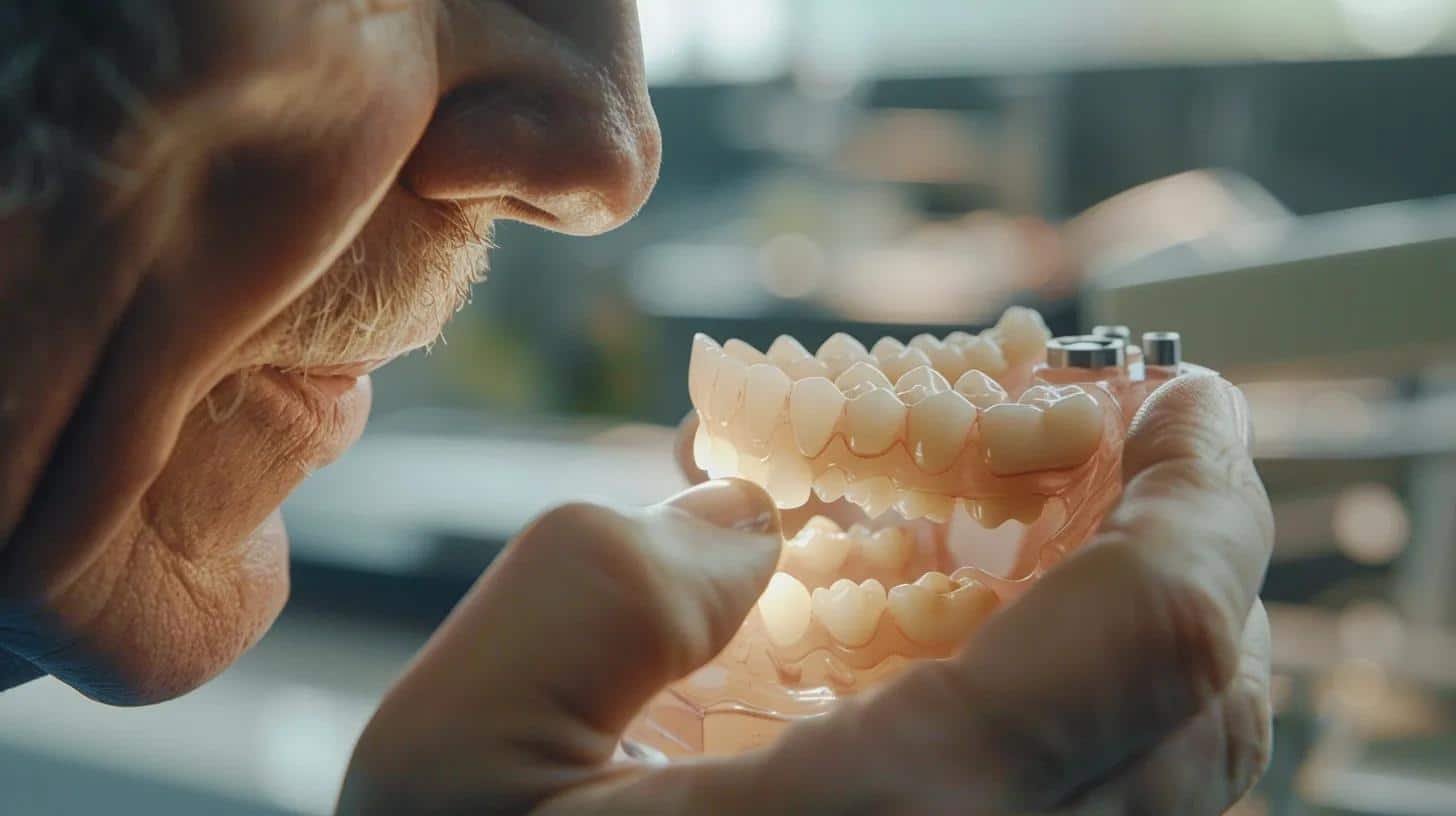
What Does It Feel Like to Wear Dentures? Understanding the Experience of Dentures
In today’s dental landscape, dentures offer an essential solution for patients who have lost some or all of their teeth due to age, decay, or injury. Dentures help restore a natural smile, rebuild confidence, and improve oral functionality. Many individuals begin the denture journey with mixed feelings—wondering if they will feel bulky, affect speech or eating, and what kind of adjustment to expect. To address these concerns, many professionals recommend that patients schedule appointment during their initial consultation. These concerns are common among dental patients in their 40s to 60s seeking solutions that provide affordability, comfort, and enhanced aesthetics.
Transitioning from natural teeth to dentures can significantly impact one’s quality of life. New patients typically experience a period of adjustment marked by sensations of foreignness, slight discomfort, and trial-and-error with different foods and speech patterns. It is important to schedule appointment with your dental specialist during this transition to ensure proper guidance and care. While dentures restore facial shape, chewing efficiency, and self-esteem, the emotional journey is equally important. Psychological well-being often improves as dentures recreate a natural appearance and foster social engagement without the embarrassment of missing teeth.
A notable improvement in oral hygiene occurs with dentures because they are removable, allowing for easier cleaning compared to fixed bridges that often demand intricate routines. It is advisable to schedule appointment for regular adjustments to ensure optimal fit and care. Additionally, advances in materials and production methods have made modern dentures more sophisticated. They are designed to mimic the appearance and function of natural teeth by considering the unique anatomy of the mouth, gums, and jawbone—ensuring both enhanced aesthetics and reliable functionality.
Patients report that although the initial sensation may be unusual, gradual adaptation leads to improved comfort and function—much like adjusting to new glasses or a hearing aid. We encourage patients to schedule appointment with their dentist to assess how modern dental technology and customized fabrication methods can help optimize comfort. Dentists are able to create dentures that optimize appearance and comfort while reducing issues such as sore spots or instability. Ultimately, dentures aim to restore patient confidence and quality of life by offering a solution that appears as natural and effective as possible.
Key Takeaways
Dentures restore natural appearance and function, boosting patient confidence.
Initial adjustments may involve bulkiness and some discomfort that typically improve over time.
Modern denture technology emphasizes proper fit, comfort, and aesthetics.
Routine care and professional follow-ups are essential for maintaining denture performance.
What Are Dentures and Why Are They Needed?
Dentures are prosthetic devices used to replace missing teeth, supporting the mouth’s structure and restoring natural appearance. Tooth loss can impair chewing, speech, and overall oral health; dentures alleviate these challenges while also enhancing psychological well-being. For patients experiencing significant tooth loss due to decay, periodontal disease, trauma, or age-related issues, it is essential to schedule appointment with their dental professional to ensure proper fit and function. Their primary function is to reestablish proper facial alignment and provide necessary support to the cheeks, lips, and jaw.
What Types of Dentures Are Available?
Dentures come in several forms to suit different needs: – Complete Dentures: Worn by patients missing all natural teeth. – Partial Dentures: Replace only a few missing teeth. – Immediate Dentures: Placed immediately after extractions as a temporary solution. – Implant-Supported Dentures: Fixed to dental implants for enhanced stability.
Each type is custom-made from detailed impressions of the patient’s mouth to ensure a snug fit that follows the natural contours of the gums and jawbone. For example, complete dentures distribute pressure evenly across the gum surface, while partial dentures attach to existing teeth and help maintain proper bite. Implant-supported dentures reduce movement and discomfort, making them a modern choice for improved stability. The choice of denture largely depends on tooth loss extent, the condition of the gums and jawbone, and long-term oral health goals.
Advancements in materials have expanded aesthetic options. High-impact acrylic resins, porcelain, and composite materials offer varying benefits in durability, appearance, and cost. While porcelain provides natural translucency, acrylic resins are lightweight and budget-friendly. Dentists often combine these materials to create dentures that closely resemble natural teeth while balancing cosmetic and functional needs.
How Do Dentures Replace Missing Teeth?
Dentures function by mimicking the anatomy of natural teeth and surrounding tissues. They consist of an acrylic base that fits snugly over the gums with artificial teeth embedded securely within. The process begins with detailed molds of the patient’s mouth that capture the gum shape, jaw curvature, and the spatial relationship between the upper and lower jaws. This enables the dentist to fabricate a denture that perfectly adheres to the patient’s oral structure for optimal performance in chewing, speaking, and supporting facial tissues.
Technically, dentures are designed to replicate key elements of natural dentition—the crown, which is visible, and a root analog that provides anchorage through tight suction. Although denture bases do not bond biologically with the tissue like dental implants, their precision fit creates effective suction and can even stimulate the underlying bone and gum tissue to reduce atrophy.
Moreover, dentures not only serve aesthetics but also restore functional capability and help prevent undesirable facial changes like sagging cheeks or a sunken appearance. Improved mastication contributes to better digestion, while realigned artificial teeth also enhance speech clarity by correcting bite discrepancies.
What Are the Benefits of Wearing Dentures?
Wearing dentures offers several key benefits: – Restored Smile & Self-Esteem: Dentures provide a natural-looking set of teeth that boost confidence. – Improved Functionality: They restore the ability to chew a broad range of foods, supporting better nutrition. – Enhanced Speech: Properly fitted dentures can improve clarity and pronunciation, countering issues that arise with missing teeth. – Facial Support: They help maintain the shape of the face by supporting the cheeks and lips, reducing sagging. – Oral Hygiene: Removability makes cleaning easier, reducing the risk of bacterial build-up and gum disease.
The table below summarizes these impacts:
Benefit
Explanation
Related Medical Term
Improved Aesthetics
Restores natural appearance and boosts self-confidence
Prosthodontics
Enhanced Mastication
Restores the ability to chew various foods
Chewing Function
Support of Facial Structures
Prevents facial sagging and maintains contours
Facial Biomechanics
Easier Oral Hygiene
Removable design allows thorough cleaning
Periodontal Health
Better Speech
Improves clarity by reconstructing a proper bite
Phonetics
Nutritional Benefits
Supports a varied diet and better nutrient absorption
Dietary Management
Improved Confidence
Enhances self-esteem through both function and aesthetics
Self-Esteem
Regular consultations with a dental professional help ensure that these benefits are maintained through ongoing adjustments.
What Does It Feel Like to Wear Dentures at First?
The initial experience with dentures can be a mix of curiosity and discomfort. Patients often describe the feeling as foreign or bulky because the dentures create an artificial layer over the gum tissue and palate. Upon insertion, the prosthesis might feel unbalanced, exerting pressure unevenly in the mouth, which is a natural part of the adjustment as the oral tissues gradually get used to the new appliance.
How Do Dentures Feel in the Mouth Initially?
Initially, dentures can feel heavy and occupy more space than natural teeth. Many patients note that the acrylic base seems thick and restrictive, similar to having a rigid appliance attached inside the mouth. This extra bulk can interfere with normal tongue movements, temporarily affecting speech and swallowing. However, with a proper fit and a few days of adjustment, the mouth adapts and the tongue learns to function around the new appliance.
Mild soreness around the gums is common in these early days, due to the pressure of the acrylic on soft tissue. Dentists often recommend gentle oral exercises to help the muscles accommodate the dentures. Over time, the cushioning effect of saliva and natural adaptation of the tissues make the dentures feel more natural.
Common initial sensations include: – A bulky, unfamiliar feeling. – Slight pressure on the gums, especially where teeth have been missing longer. – Restricted tongue movement causing temporary speech impediments. – Reduced taste sensitivity due to palate coverage. – Minor discomfort when chewing as the bite is relearned. – Gradual improvement in sensation and comfort over several days.
Patient education about proper usage—such as starting with soft foods and gradually reintroducing firmer textures—can help ease these early discomforts. Typically, noticeable improvement occurs within two to three weeks.
What Common Discomforts or Soreness Can Occur?
During the early adjustment phase, patients may experience various temporary discomforts: – Gum Irritation: Frequently occurs along the denture edges where the fit may not be perfect. – Soreness: Common during the initial days, as the gums adjust to the new appliance. – Minor Abrasions or Pressure Points: Result from uneven force distribution. – Reduced Taste Sensation: Caused by the denture covering part of the palate. – Mild Pain When Chewing: Particularly when eating firmer foods until proper bite force is relearned. – Increased Saliva Production: As the mouth attempts to hydrate the new appliance. – Temporary Speech Difficulties: Including slurred speech or a slight lisp as the tongue adjusts.
These issues typically subside with regular use and periodic adjustments. Persistent soreness may require further re-evaluation by a dentist to preempt possible complications.
How Long Does It Take to Get Used to Dentures?
The adaptation period for dentures varies based on factors such as age, overall oral health, and denture type. On average, significant improvements in comfort are noticeable within two to three weeks, though complete adaptation could take several months. During this period, patients learn to adjust chewing patterns, speech, and oral hygiene routines.
Key factors influencing adaptation include: – Quality of the initial denture fit. – Previous experience with dental prosthetics. – Consistency in following post-insertion care instructions. – Overall health and regenerative capacity of oral tissues. – Regular follow-up and adjustments by the dentist. – The type of denture used, with implant-supported options often adapting faster. – Patient-specific habits like dietary changes and oral exercises.
Maintaining a positive outlook and keeping a journal of daily experiences can help shorten the perceived adjustment time. Despite initial challenges, the long-term benefits in aesthetics, functionality, and self-esteem make continuing with dentures worthwhile.
How Do Dentures Affect Eating and Speaking?
The impact of dentures on daily functions such as eating and speaking is a major initial concern. Although dentures restore essential functions, adapting to a new bite and altered oral space can temporarily affect these activities, requiring adjustments in habits.
What Is Eating Like With Dentures?
Eating with dentures often requires modifications in chewing techniques and dietary choices. Many patients start with soft, easy-to-chew foods like mashed potatoes, soups, and yogurt before gradually reintroducing firmer textures. Initially, there may be a risk of cheek or tongue biting as the jaws relearn coordination. Chewing slowly using both sides of the mouth can help distribute pressure evenly and minimize sore spots.
Tips for eating with dentures include: – Begin with soft foods and gradually move to firmer textures. – Cut food into small pieces to ease mastication. – Chew slowly and evenly, alternating sides. – Avoid sticky or hard foods until comfortable. – Use a denture adhesive if recommended to improve stability. – Rinse the mouth with warm water after eating to clear residual particles.
Dietary adjustments combined with gradual practice are key, and most patients see improved mastication efficiency within four to six weeks.
How Can You Speak Clearly While Wearing Dentures?
Speaking with dentures may initially be challenging, as the mouth must adjust to the altered space. Patients might experience slurred speech or a slight lisp due to changes in tongue placement and the presence of the acrylic base. Regular practice—such as reading aloud and engaging in conversation—can help retrain the tongue and lips for clear speech. In some cases, professional speech therapy recommendations can further accelerate the adaptation process.
Effective strategies to improve speech clarity include: – Speaking slowly to allow for adjustment. – Practicing tongue and lip exercises in front of a mirror. – Reading aloud daily to build fluency. – Engaging in regular conversation to build confidence. – Consulting a speech therapist if difficulties persist. – Attending follow-up dental appointments for minor adjustments affecting speech.
Most patients experience a return to normal speech patterns within a few weeks as they adapt.
What Tips Help Improve Comfort While Eating and Speaking?
Maintaining overall comfort with dentures during daily activities involves a combination of dietary modifications, speech exercises, and proper cleaning routines. Using a denture adhesive during the initial phase can add stability and reduce movement. Regular cleaning after meals prevents irritation from debris buildup, and routine dental check-ups help spot and correct any issues early.
Actionable tips include: – Use denture adhesive in the early adjustment phase. – Start with soft foods, progressing to firmer textures gradually. – Practice daily speech exercises, such as tongue twisters or reading aloud. – Clean dentures immediately after meals. – Rinse with warm water to soothe irritation. – Schedule regular dental check-ups to address minor fit issues. – Keep a log of improvements and communicate with your dentist for ongoing adjustments.
The table below summarizes these tips:
Tip
Benefit
Impact Duration
Recommendation
Denture adhesive
Enhances stability and reduces shift
Initial adjustment phase
Use for first 2-3 weeks
Soft foods initially
Eases mastication, reduces gum pressure
Ongoing until stable
Gradually introduce firmer foods
Daily speech exercises
Improves clarity and muscle adaptation
Long-term improvement
Recommended by speech therapists
Cleaning after meals
Prevents irritation and debris build-up
Immediate and ongoing
Follow strict cleaning routine
Warm water rinsing
Soothes irritation
Immediate
Use post-meal
Regular dental check-ups
Early detection of pressure issues
Periodic
Every 3-6 months
Recording progress
Facilitates timely adjustments
Ongoing
Communicate regularly with dentist
Integrating these practices into daily routines enhances both comfort and the overall durability of dentures.
How Can You Ensure Comfort and Appearance With Dentures?
Achieving maximum comfort and a natural appearance with dentures is a multi-step process that starts with a precise fit and continues with regular care. The initial fitting process, where detailed impressions are taken and models are crafted, is critical for both aesthetics and long-term function.
How Are Dentures Fitted for Maximum Comfort?
The fitting process begins with a comprehensive dental examination that includes an evaluation of the gums, bone structure, and any remaining teeth. Detailed impressions are taken using high-precision materials to capture every nuance of the mouth. These impressions serve as the blueprint for a custom-fit denture designed to distribute pressure evenly and minimize irritation during chewing.
After the initial model is created, a try-in appointment allows the patient to test a temporary version of the denture. Any discomfort or pressure points are identified and corrected. In some instances, a relining process is recommended after initial use to fine-tune the fit. Research suggests that a well-fitted denture can reduce pressure-related discomfort by up to 40%, while also preventing complications such as chronic gum irritation.
What Can Be Done to Improve Denture Appearance?
Improving the aesthetic appeal of dentures involves customizing the color, shape, and size of the artificial teeth. Advances in cosmetic dentistry enable dentists to match the denture teeth to the patient’s natural shade and facial features. Additionally, the arrangement of the teeth and the design of the denture rim are carefully planned to support facial structure and ensure natural movement during speech and mastication.
What Are Common Problems and Solutions for Denture Comfort?
Even with careful planning, issues such as loose fit, sore spots, or irritation can arise. Common problems include: – Looseness: Often corrected with a reline. – Sore Spots: Managed with soft liners and precise adjustments. – Speech Difficulty: Addressed by refining the denture’s contours. – Aesthetic Issues: Resolved by adjusting tooth color or arrangement. – Debris Accumulation: Minimized through improved cleaning routines. – Chewing Discomfort: Alleviated by ensuring even pressure distribution. – Wear and Tear: Prevented with regular maintenance check-ups.
These solutions, combined with regular dental visits, help ensure that dentures remain comfortable and function efficiently over time.
How Should You Care for Your Dentures to Maintain Comfort?
Proper care is vital for the longevity and functionality of dentures. Daily cleaning and correct storage help minimize irritation, reduce infection risks, and maintain the denture’s fit.
What Are the Best Practices for Cleaning Dentures?
Denture cleaning should be carried out at least once daily using non-abrasive cleansing agents specifically designed for dental prosthetics. Since dentures lack the protective enamel of natural teeth, they require extra care to prevent scratches. The recommended routine includes: – Brushing with a soft-bristled toothbrush and non-abrasive cleanser. – Rinsing with lukewarm water after every meal. – Soaking in a denture-cleaning solution overnight. – Avoiding hot water and regular toothpaste, which may be too abrasive.
These practices help remove food particles and plaque buildup while maintaining overall oral hygiene.
How Should Dentures Be Stored When Not in Use?
When not worn, dentures should be stored in water or a specialized denture solution to prevent drying and warping. Proper storage maintains the denture’s flexibility and prevents brittleness. Using a dedicated denture case and regularly changing the storage water further help protect the appliance from bacterial buildup and damage.
The table below outlines key storage tips:
Storage Method
Benefit
Frequency
Soaking in water/cleaning solution
Prevents drying and warping
Every time not in use
Using a dedicated denture case
Protects from accidental damage
Continuous use
Avoiding direct sunlight
Prevents discoloration and degradation
During storage
Regular water changes
Reduces bacterial buildup
Daily
Occasional mild detergent use
Enhances cleaning without damage
Weekly, as needed
When Should You Visit the Dentist for Denture Maintenance?
Routine dental visits are essential to assess denture fit and condition. It is recommended that denture wearers see their dentist every three to six months for a comprehensive evaluation. Signs that warrant a visit include: – Persistent soreness or discomfort. – Noticeable loosening or instability. – Visible wear or chipping. – Increased plaque accumulation. – Changes in denture shape or color. – Difficulty speaking or eating.
Timely professional adjustments help prevent complications and ensure long-term functionality.
What Are the Emotional and Social Experiences of Wearing Dentures?
Beyond their functional benefits, dentures have a significant impact on emotional and social well-being. Transitioning to dentures often restores confidence and self-esteem, allowing patients to reengage socially and professionally.
How Do Dentures Affect Confidence and Self-Esteem?
Many patients report a significant boost in self-confidence after receiving dentures. The restoration of facial structure and a natural smile lead to improved self-image. Enhanced appearance often correlates with increased social participation and professional performance. Dental professionals also play a role by educating patients on the benefits of modern dentures, which further alleviates initial concerns.
Key psychological benefits include: – Enhanced self-confidence. – Reduced anxiety about appearance. – Improved mood and overall mental health. – Greater independence and social engagement. – Better communication and interaction in personal and professional settings.
What Are Common Patient Concerns About Wearing Dentures?
Despite the benefits, some patients initially worry about discomfort, denture slippage, and the need for ongoing maintenance. Aesthetic concerns, such as the dentures looking artificial, are also common. These concerns are usually addressed through thorough patient education and regular follow-up appointments that ensure proper fit and functionality.
How Can Support and Education Improve the Denture Experience?
Support from dental professionals is critical in making the denture experience positive. Pre-treatment counseling, detailed post-insertion instructions, and access to educational materials help patients understand and manage the adjustment process. Support networks and patient testimonials further contribute to a smoother transition and long-term satisfaction.
Strategies include: – Pre-treatment counseling. – Post-insertion follow-up sessions. – Access to informational brochures and videos. – Regular communication with the dental team. – Participation in patient support groups.
Where Can You Get Expert Help for Dentures in Lake Worth?
For those seeking expert denture care in Lake Worth, local dental practices offer tailored services. SmileWell Dental is renowned for its expertise in denture fitting and adjustments, using state-of-the-art technology to deliver personalized treatment plans that prioritize both comfort and aesthetics.
What Services Does SmileWell Dental Offer for Denture Wearers?
SmileWell Dental provides a comprehensive range of services for denture wearers, including: – Detailed clinical evaluations and consultations. – Custom-designed complete and partial dentures. – Implant-supported denture solutions for superior stability. – Routine adjustments, relining, and repair services. – Educational support on cleaning, storage, and maintenance of dentures. – Guidance on dietary adjustments and oral exercises. – Regular follow-ups to monitor progress and ensure satisfaction.
How to Schedule a Consultation for Dentures in Lake Worth?
Patients can easily schedule a free consultation with SmileWell Dental using several convenient methods: – Visit the SmileWell Dental website for online appointment booking. – Call the consultation hotline for personalized assistance. – Provide basic personal and dental history details for faster processing. – Confirm an appointment date and receive pre-appointment instructions. – Arrive at the clinic for a comprehensive evaluation and follow-up scheduling.
This streamlined process ensures access to expert care and affordable denture solutions in a patient-focused environment.
What Do Patients Say About Their Denture Experience at SmileWell Dental?
Patient testimonials highlight the transformative impact of high-quality dentures. Many express relief at regaining the ability to eat, speak clearly, and smile confidently. Key points often mentioned include: – Personalized attention and a perfect denture fit. – Detailed consultations and regular follow-ups that ease initial nervousness. – Flexible payment plans and free consultations making care accessible. – Noticeable improvements in speech and eating within a few weeks. – Ongoing education on maintenance enhancing daily routines. – A significant boost in confidence and overall quality of life.
Final Thoughts
The journey toward wearing dentures represents both a functional and emotional transformation. By restoring a natural appearance, enhancing chewing efficiency, and boosting confidence, dentures play a vital role in improving overall quality of life. Proper fitting, regular maintenance, and expert support are essential for maximizing these benefits. Patients are encouraged to schedule a free consultation at SmileWell Dental in Lake Worth to explore customized denture solutions tailored to their needs.
Frequently Asked Questions
Q: How long should I expect the initial adjustment period to last when first wearing dentures?A: Most patients experience noticeable improvements in comfort within two to three weeks, though complete adaptation may take several months. Duration depends on gum sensitivity, denture fit quality, and adherence to care routines. Regular follow-ups with your dentist are critical.
Q: What can I do at home to help reduce discomfort caused by new dentures?A: To ease discomfort, begin with soft foods, rinse with warm water after meals, and use a denture adhesive if recommended. Gentle oral exercises, such as reading aloud, help adjust speech and muscle memory. A strict cleaning routine with non-abrasive agents further minimizes irritation.
Q: Are there any dietary restrictions when I first begin wearing dentures?A: Initially, avoid hard, sticky, or overly chewy foods that may strain the dentures or create sore spots. Stick to soft vegetables, mashed potatoes, and soups, gradually reintroducing firmer textures as your comfort improves.
Q: What are the common maintenance tips to keep my dentures in good condition?A: Daily cleaning with a soft-bristled brush and non-abrasive cleanser is essential, along with soaking dentures overnight in water or a specialized solution. Regular dental check-ups every three to six months help prevent issues such as gum irritation and ensure the dentures remain well-fitted.
Q: Can wearing dentures improve my overall oral health or prevent further bone loss?A: While dentures do not integrate with the jawbone like implants, they help maintain facial structure and distribute chewing forces, which indirectly minimizes bone loss. Consistent professional care and proper maintenance are crucial for these benefits.
Q: How do implant-supported dentures differ in terms of comfort and functionality from conventional dentures?A: Implant-supported dentures provide superior stability and a more natural feel due to their anchorage to dental implants. They reduce slippage, improve chewing efficiency, and help preserve bone structure—even though the initial cost may be higher, long-term comfort and function justify the investment.
Q: What should I do if I experience persistent pain or discomfort with my dentures?A: While some discomfort is normal during initial adjustment, persistent pain should gradually subside. If discomfort continues beyond several weeks, contact your dentist for a thorough evaluation. They can adjust the fit—such as relining or smoothing pressure points—to ensure long-term comfort and function.