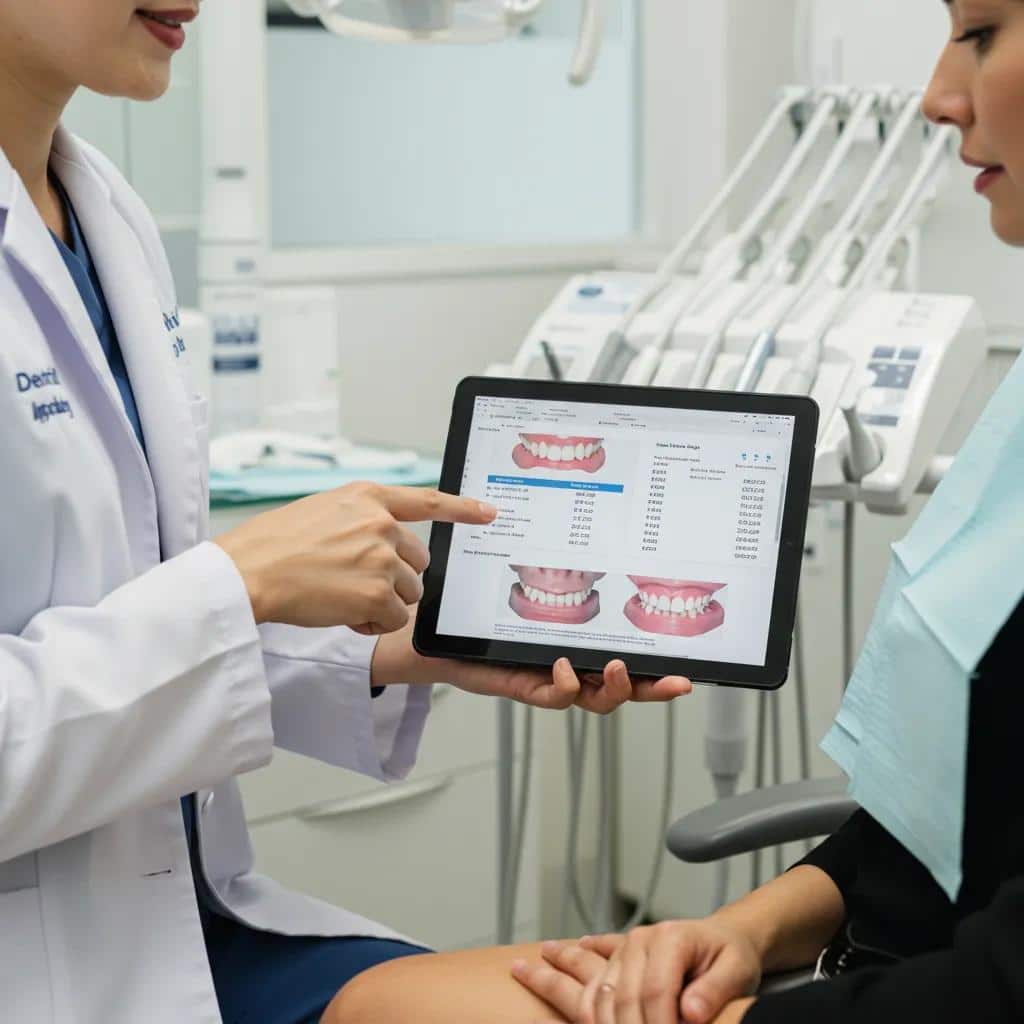
Understanding the Variability in Dental Implant Costs Across Clinics: Dental Implant Cost Mansfield TX and What You Need to Know
Dental implants restore missing teeth by replacing the implant post (fixture), abutment, and prosthetic crown, and their costs vary widely between clinics because of many interacting factors. This article explains why dental implant pricing is not uniform, how componentized expenses add up, and what patients in Mansfield, TX should expect when comparing quotes across providers. Readers will learn the primary drivers of cost, how geographic and clinic-level overheads influence pricing, which additional procedures commonly increase total bills, and practical strategies to read and compare implant quotes. The guide also maps a typical patient journey from consultation through aftercare, shows financing options, and explains why choosing higher-quality materials and experienced clinicians can be more economical over time. Finally, it provides step-by-step instructions for scheduling a no-cost consult to convert general ranges into a personalized plan. Throughout, the focus is on clear, actionable education with Mansfield-specific context to help you make informed decisions.
What Are the Main Factors Affecting Dental Implant Cost?
Dental implant cost is driven primarily by five interrelated factors: materials, procedural complexity, provider experience, geographic market forces, and laboratory fees. Each factor influences both the direct line items you see on a quote and the indirect costs related to time, risk, and expected outcomes, so understanding them helps explain price variability across clinics. Materials determine baseline hardware expense and aesthetic quality, while surgical complexity and need for adjunctive procedures increase chair time and specialist involvement. Provider experience affects fee schedules because skilled surgeons or prosthodontists bring additional training that reduces risk and improves long-term outcomes, which often justifies higher upfront costs. Laboratory fees and the choice of local versus premium dental labs influence final prosthetic appearance and durability; together, these elements create the bulk of variability patients see in quotes. Knowing these drivers makes it easier to evaluate whether higher cost reflects clear value rather than unnecessary upselling, and that leads into a focused look at material choices next.
How Do Dental Implant Materials Influence Pricing?
Implant materials and prosthetic choices establish much of the starting price because different materials carry different manufacturing costs, clinical indications, and longevity profiles. Titanium fixtures are the most commonly used implant posts due to strong evidence of osseointegration and cost-effectiveness, while zirconia implants and zirconia or porcelain crowns often command a premium for aesthetics and metal-free construction. Crown materials — for example, full zirconia versus porcelain-fused-to-metal — also shift lab fees and finish costs because of different fabrication steps and esthetic polishing. Brand and manufacturer selection (premium OEM parts vs. generic alternatives) impact price and warranty; premium components often come with documented success rates and longer support. Patients should weigh upfront cost against long-term durability and potential rework expenses, since better materials and reputable components can lower lifetime cost per year. Understanding material trade-offs helps prioritize which elements to negotiate and which to accept for predictable outcomes.
Different implant materials and crown options, how they compare on price and performance, are summarized below.
Material / Component
Typical Cost Range
Pros and Cons
Titanium implant post (fixture)
$1,000 – $3,000 (per implant)
Pros: Proven osseointegration, broad clinical support; Cons: Visible metal if gingival thinning occurs
Pros: Durable, cost-effective; Cons: Potential metal show-through on esthetic zones
Full-contour zirconia crown
$1,200 – $2,800
Pros: High strength, excellent esthetics; Cons: Higher lab fees and finish time
This table clarifies how material selection contributes to componentized pricing and why clinics present differing cost options; the next section discusses how provider credentials and experience further influence fee structures.
Why Does Dentist Experience Impact Dental Implant Costs?
Provider experience affects pricing because clinicians with advanced training, surgical expertise, or specialist certification deliver more predictable results and often charge higher professional fees to reflect that expertise. Specialists such as oral surgeons or periodontists typically set higher surgical fees compared with general dentists who place implants, which reflects additional years of surgical training and case complexity management. Experienced clinicians also tend to use advanced diagnostics and planning — for example, CBCT imaging and guided surgery — that increase upfront costs but reduce risk of complications and improve prosthetic outcomes. Higher experience often correlates with more rigorous follow-up protocols and warranty-like assurances for restorations, which can protect long-term value and reduce the chance of expensive rework. While paying more initially may feel costly, the reduced complication rate and improved longevity often make experienced providers more economical across the implant’s lifecycle, and that relationship between clinician quality and outcomes leads into the role geography plays in price differences.
How Does Geographic Location Affect Dental Implant Pricing in Mansfield, TX?
Geographic location shapes dental implant pricing through local cost-of-living, market competition, and logistical expenses related to labs and specialized equipment. Mansfield, TX sits within the larger Dallas–Fort Worth economic area where rent, staffing, and operational costs differ from rural markets, and those overheads are allocated across procedures and reflected in clinic fees. Local competition among clinics can lower advertised prices, while specialized centers with niche services may charge a premium for advanced technology or rapid turnaround. Supply-chain and laboratory logistics also matter: clinics that partner with nearby dental labs reduce shipping and remakes time compared with practices using out-of-area premium labs, which can add to final prices. Regional averages provide context, but individual case factors like bone loss or complex restoration needs create broader ranges that make direct price comparison difficult without a detailed quote. Recognizing how location drives overhead helps patients adjust expectations and probe whether price differences reflect real cost differences or variations in service scope and included items.
What Is the Average Cost of Dental Implants in Mansfield Compared to Other Areas?
Average cost ranges in Mansfield typically align with suburban prices in Texas rather than national extremes; conservative local ranges tend to sit in the mid-tier relative to urban centers with higher overhead. Exact averages vary by case complexity, but many single-tooth implant treatments in suburban Texas markets fall within a moderate range that reflects local labor rates and lab partnerships. Costs in large metropolitan centers may be higher due to increased rent and specialist fees, while rural practices sometimes advertise lower prices but may limit lab options or specialist availability. When comparing Mansfield quotes, patients should ask whether the estimate includes diagnostic imaging, lab fees, temporary restorations, and post-op visits to ensure apples-to-apples comparisons. Understanding that Mansfield pricing reflects a balance between metropolitan resources and suburban overhead helps patients interpret where a quote sits relative to broader Texas and national averages.
How Do Local Clinic Overheads and Market Factors Influence Prices?
Local clinic overheads—rent, staff wages, equipment purchase and maintenance, and technology investments—translate into per-procedure costs because clinics amortize these recurring expenses across patient volume. For example, practices that invest in in-office CBCT scanners, digital impression systems, or computer-guided surgery capabilities allocate those capital costs into procedure pricing to cover depreciation and service contracts. Staffing models also matter: clinics with dedicated surgical teams and experienced dental assistants may charge more but deliver faster, more efficient care. Market dynamics such as local demand, competition density, and insurance utilization patterns influence pricing strategies: in competitive markets clinics may promote bundled discounts, while in areas with fewer providers premium pricing can persist. Patients should therefore review what a quote includes—imaging, labs, follow-ups—and evaluate whether a lower price omits necessary services that would require paid add-ons later. Understanding overheads and market effects prepares patients to ask targeted questions about value versus sticker price.
What Additional Procedures Can Increase Dental Implant Costs?
Additional procedures often required before or during implant treatment—bone grafts, sinus lifts, extractions, and infection control—add both clinical complexity and cost. These adjunctive treatments restore adequate bone volume, manage pathology, or modify anatomy to make implant placement safe and predictable, yet each introduces separate fees, healing time, and occasionally staged approaches that spread costs across months. When a graft or sinus lift is required, it increases surgical time and materials, and sometimes necessitates specialist referral, which raises the out-of-pocket total. Extractions performed in infected or fully erupted teeth may require surgical techniques and antibiotic therapy that add to immediate costs and timeline. Because these procedures affect implant timing and financing needs, transparent itemization on quotes is essential; understanding typical ranges and timelines helps patients anticipate total investment and schedule care to manage cash flow. The next subsection shows common procedures and typical cost ranges to provide clearer expectations.
How Do Bone Grafts and Sinus Lifts Affect Overall Pricing?
Bone grafts and sinus lifts restore or augment deficient bone and typically add significant cost and healing time to implant treatment because they require additional materials, surgical time, and follow-up. Simple socket preservation grafts after extraction can be relatively modest in price and heal within a few months, while block grafts or large ridge augmentations are more costly and need longer healing before implant placement. Sinus lifts—performed to elevate the maxillary sinus floor to create vertical bone height for implants in the upper posterior—are among the more complex adjunctive procedures and usually increase both surgical fee and recovery monitoring costs. These procedures may be staged: a graft or sinus lift first, followed by implant placement months later, which spreads costs but also creates additional billing milestones. Patients should ask whether graft materials are autograft, allograft, xenograft, or synthetic and how that choice impacts cost and healing; understanding material and staging choices informs both timeline expectations and financial planning.
Procedure
Typical Cost Range
Notes
Socket preservation graft
$200 – $900
Often performed at time of extraction to preserve bone volume; shorter healing timeline.
Minor guided bone graft
$500 – $2,000
Used for localized defects; may allow implant placement in a single stage if sufficient stability.
Major ridge augmentation / block graft
$1,500 – $4,000
Requires larger donor or synthetic material; extended healing before implant placement.
Lateral window sinus lift
$1,500 – $3,500
Increases vertical bone height in posterior maxilla; often staged before implants.
This table demonstrates how bone augmentation procedures add material and clinical time to implant cases; next we cover extraction and preparatory treatment costs and billing practices.
What Are the Costs of Tooth Extractions and Other Preparatory Treatments?
Tooth extractions and preparatory treatments range from straightforward, low-cost procedures to surgical removals that demand specialist involvement and additional fees. Simple extractions of non-impacted teeth are generally less costly and may be bundled with implant treatment in some practices, while surgical extractions of broken or impacted roots require more time, potential referral, and higher charges. Infection control—such as treating active periodontal disease or periapical infections—may include antibiotics, debridement, or additional restorative care before implant placement, adding incremental costs and sometimes altering timeline. Some clinics provide bundled packages where extraction and implant components are combined, while others bill items separately, which can affect upfront affordability but may offer clearer itemization. Patients should ask whether quotes include preparatory steps and healing timelines, and whether staging is recommended to spread financial burden or to optimize biologic outcomes.
How Can Patients Navigate and Understand Their Dental Implant Quotes?
Decoding a dental implant quote requires reading componentized line items, asking targeted questions about inclusions and exclusions, and comparing bundled versus itemized billing models to reveal true cost differences. A clear quote should break out implant fixture, abutment, crown, lab fees, imaging, surgical fees, and any pre-procedural work such as grafts or extractions. Understanding these line items helps identify hidden fees—like separate anesthesia charges, interim restorations, or follow-up visits—that may not be obvious in an all-inclusive price. Patients should also consider warranty terms, component brands, and lab partners, because cheaper hardware or low-cost lab work can translate into repairs or remakes later. To help patients, the checklist and sample quote breakdown below provide practical steps and questions to bring to consultations; after reviewing these, the article explains how a free consult can decode a quote in real terms and facilitate next steps.
Patients should use the following prioritized questions to clarify any quote and reveal cost drivers:
What specific components are included in this price (implant post, abutment, crown, lab fees)?
Which implant brand and abutment type will be used, and do they carry manufacturer warranties?
Are diagnostic imaging, CBCT scans, or guided-surgery fees included or billed separately?
How are preparatory procedures (extractions, grafts, sinus lifts) estimated and staged?
What follow-up visits, restorations, or contingency fees are expected in the healing period?
These questions help cut through advertising claims and ensure comparisons are balanced; the next paragraph explains billing models and how lab fees are typically handled.
What Questions Should You Ask Your Dentist About Implant Pricing?
Asking the right questions clarifies whether a quote represents full value or hides later costs, and it helps compare clinics on substantive terms rather than headline price alone. Start by asking for a written, itemized estimate that lists implant components, materials, lab fees, imaging, and any anticipated pre-procedural work. Inquire about the implant brand and abutment manufacturer, warranty or service policies on restorations, and the lab that fabricates crowns or frameworks. Ask whether the clinic includes interim temporaries and how follow-ups or potential complication management are billed. Finally, request clarification on staged treatment payments and whether financing options or discount plans apply to each stage to plan cash flow; these questions prepare you to interpret lab and component pricing discussed next.
Research indicates that the decision to proceed with dental implant treatment, especially when it involves significant out-of-pocket expenses, is a complex negotiation between clinical necessity and financial resources.
Negotiating Dental Implant Costs: Patient and Clinician Decision-Making
The aim of this study is to examine how clinicians and patients negotiate clinical need and treatment decisions within a context of finite resources. Dental implant treatment is an effective treatment for missing teeth, but is only available via the NHS in some specific clinical circumstances. The majority of people who receive this treatment therefore pay privately, often at substantial cost to themselves. People are used to paying towards dental treatment costs. However, dental implant treatment is much more expensive than existing treatments – such as removable dentures. We know very little about how dentists make decisions about whether to offer such treatments, or what patients consider when deciding whether or not to pay for them.
Paying for treatments? Influences on negotiating clinical need and decision-making for dental implant treatment, CE Exley, 2009
How Are Laboratory Fees and Implant Components Priced Separately?
Laboratory fees and component sourcing are major contributors to variability because dental labs differ by material quality, technician expertise, turnaround time, and geographic proximity. Lab charges typically cover crown fabrication, color-matching, porcelain layering, and quality control; premium cosmetic labs with experienced ceramists charge more than generic mills but can deliver superior esthetics and fit. Component pricing depends on whether a clinic uses premium OEM parts, aftermarket alternatives, or a hybrid model; premium components often cost more but come with documented compatibility and long-term support. Turnaround time influences cost as well: rush cases or multiple remakes increase both lab fees and clinical chair time. Patients should request the lab name or a description of lab standards and ask whether the quote includes final prosthetic adjustments to avoid surprise fees after delivery.
After understanding quote components and questions to ask, many patients find it useful to obtain a no-cost consult to convert ranges into tailored estimates and discuss financing—details we cover next and include clinic-specific financing options available locally.
What Financing and Payment Options Are Available for Dental Implants in Mansfield?
Financing and payment mechanisms commonly include in-office payment plans, third-party healthcare financing, dental discount plans, and the use of pre-tax savings accounts; each approach affects monthly affordability and total interest costs. In-office payment plans let clinics spread staged treatments over time, often with low or no-interest terms for a defined period, which makes multi-phase implant care more accessible. Third-party financing introduces amortized monthly payments with terms that depend on credit and chosen plan; these can offer predictable monthly budgets but may include interest. Dental discount plans provide reduced fees on covered services for an annual membership cost and can lower out-of-pocket expenses for restorative care. Insurance typically limits coverage for dental implants, so many patients pair financing with flexible spending accounts (FSA/HSA) or negotiate staging to align with cashflow; understanding these mechanisms clarifies affordability options and leads to clinic-specific plan descriptions below.
How Do Affordable Payment Plans and Dental Discount Programs Work?
Affordable payment plans and discount programs reduce barriers to care by dividing total cost or providing negotiated fee reductions, and they involve trade-offs that patients should understand before committing. In-office plans often require a down payment followed by equal monthly installments during treatment stages; some programs offer interest-free periods while others apply modest interest. Dental discount plans operate as membership programs that apply predetermined fee reductions to services rendered by participating providers, lowering out-of-pocket costs without insurance claims. When evaluating offers, patients should check for deferred interest, origination fees, and what stages the plan covers—whether it applies only to prosthetic work or to surgical fees and imaging as well. Asking for example repayment scenarios and a written outline of what each plan covers helps patients compare true monthly obligations, and the example table below illustrates typical terms and monthly payment estimates for a mid-range single implant case.
Payment Option
Key Terms
Example Monthly Payment (Illustrative)
In-office payment plan
Down payment + interest-free installments for 6–12 months
$150–$300/month depending on down payment
Third-party healthcare loan
Fixed-term loan with APR based on credit
$100–$350/month for 12–36 month terms
Dental discount plan
Annual fee for percentage discounts on services
Varies; reduces per-service cost by 10–30%
This table gives a sense of how different financing structures translate into monthly obligations; next we review insurance coverage realities and limitations for implants.
Does Dental Insurance Cover Dental Implants and What Are the Limitations?
Most dental insurance plans provide limited or no coverage for dental implants because insurers often classify implants as elective or restorative beyond preventive care, and coverage typically depends on plan specifics and medical necessity documentation. When insurance does offer implant coverage, it is frequently partial and capped by annual maximums, leaving patients to cover substantial portions of the total cost. Patients should carefully review plan exclusions, pre-authorization requirements, and whether the insurer requires documentation of medical necessity or pre-procedural attempts at alternative treatments. Strategies to maximize benefits include filing pre-treatment estimates, bundling covered services (such as extractions or certain restorations), and using FSA/HSA funds to pay eligible portions. Discussing insurance limitations during a free consult helps align expectations and enables the clinic to present financing options that bridge coverage gaps.
After exploring financing and insurance mechanics, the article now turns to why investing in quality implants and clinician expertise can be a sound long-term decision and how clinic attributes support that value proposition.
Why Is Investing in Quality Dental Implants Worth the Cost?
Investing in quality dental implants often yields better functional and esthetic outcomes, higher long-term success rates, and lower cumulative costs compared with cheaper alternatives that require earlier replacement or more repairs. High-quality materials and precise surgical planning reduce the likelihood of complications such as peri-implantitis or prosthetic failure, thus avoiding expensive corrective procedures. Experienced clinicians use evidence-based protocols, advanced imaging, and validated components that improve predictability and patient satisfaction, which can translate into fewer unplanned costs over the implant’s lifetime. When evaluating value, consider cost-per-year metrics: a more durable solution that lasts decades may be more economical than frequently replacing cheaper prosthetics. Minor clinic-level factors—like comprehensive services, patient-centric care, and clear follow-up protocols—also contribute to maintaining outcomes and protecting your investment; the next subsection explores how materials and clinician skill improve results in more detail.
How Do High-Quality Materials and Experienced Dentists Improve Outcomes?
High-quality materials and experienced clinicians improve outcomes by reducing biological risk, improving prosthetic fit, and enabling predictable esthetic results through rigorous planning and execution. Premium implant components and well-fabricated crowns from skilled labs minimize micromovement, optimize occlusion, and reduce marginal gaps that can lead to biological complications. Experienced clinicians use diagnostic imaging, computer-guided planning, and established surgical protocols to position implants for optimal load distribution and soft-tissue support, which directly influences longevity. Skilled restorative dentists coordinate prosthetic design with surgical placement to ensure esthetic contours and functional occlusion, reducing the need for remakes. This combination of quality materials and clinician expertise results in measurable improvements in implant success rates and patient-reported outcomes, which supports the argument that higher upfront costs can translate into lower lifetime expenses.
What Are the Long-Term Benefits and Durability of Dental Implants?
Dental implants typically offer superior long-term function and bone-preserving benefits compared with bridges and removable dentures, which can translate into lower lifetime maintenance costs and a more natural chewing experience. Implants preserve adjacent teeth by avoiding the need to prepare neighboring teeth for a bridge and maintain alveolar bone through functional loading, reducing progressive bone loss common with dentures. Longevity metrics show that well-placed implants with proper maintenance can last decades, and prosthetic materials chosen for strength and esthetics extend service life; routine hygiene and follow-up care are essential to preserving these benefits. Comparing lifetime cost per year—factoring in maintenance, potential repairs, and replacement intervals—often demonstrates that higher initial investment in implants yields better value over time versus cheaper, short-lived alternatives. With that perspective, the article now moves to map the patient journey and identify cost milestones across treatment stages.
How Does the Patient Journey Influence Dental Implant Costs?
The patient journey from initial consultation to final restoration is segmented into distinct phases—consultation and planning, preparatory procedures, surgical placement, prosthetic restoration, and maintenance—each with its own cost milestones and timing implications. Staging treatments allows clinics and patients to manage biological healing and cashflow, but it also creates multiple billing events that patients should anticipate. Diagnostic imaging and planning are initial costs that inform the surgical approach and prosthetic design; preparatory procedures such as extractions and grafts create additional milestones and healing periods; implant placement entails surgical fees and component charges; and prosthetic delivery incurs lab fees and final restorations payments. Routine aftercare and maintenance visits incur lower recurring costs but are crucial to longevity and preventing expensive complications. Knowing these milestones allows for practical staging of payments and selection of financing or discount options aligned with each stage.
What Are the Typical Cost Milestones from Consultation to Aftercare?
Typical cost milestones begin with the consultation and diagnostic imaging, progress through any preparatory treatments, then the surgical placement and provisionalization, and conclude with prosthetic restoration and ongoing maintenance visits. At the consultation stage patients usually pay for imaging and the initial exam if not offered free; preparatory treatments such as extractions or grafting generate separate invoices and require healing time before implant placement. The surgical placement phase includes implant fixtures and surgical fees, and may include anesthesia or sedation charges; some clinics include a temporary crown or restoration in this phase or bill it separately. The prosthetic phase—abutment selection and final crown fabrication—generally triggers the largest lab fees and final payment. Aftercare typically involves a modest number of follow-up visits for monitoring, hygiene, and occlusal adjustments; these visits cost less than surgery but are essential for preventing costly complications. Knowing these milestones allows for practical staging of payments and selection of financing or discount options aligned with each stage.
How Does Post-Operative Care Affect Overall Investment?
Post-operative care protects the initial investment by reducing the likelihood of biological or mechanical complications that lead to rework, and consistent maintenance is often far less costly than corrective interventions. Routine follow-ups in the weeks and months after surgery enable early detection of healing issues, permit timely plaque control, and ensure occlusion is adjusted to avoid overload of the implant-supported restoration. Good oral hygiene, periodic professional cleanings, and adherence to recall schedules help prevent peri-implant disease, which if left unchecked can necessitate expensive treatments or implant removal. Complication management—should it occur—typically involves higher-cost procedures such as surgical debridement or grafting; therefore, investing modestly in preventive aftercare yields strong economic returns. Understanding maintenance requirements helps patients budget realistically and select a treatment plan that includes clear guidelines and follow-up commitments from the provider.
How Can You Schedule a Free Dental Implant Consultation in Mansfield?
Scheduling a free dental implant consultation is the practical next step for converting general ranges into a patient-specific plan with itemized costs, imaging, and a clear treatment timeline. The free consult typically begins with a medical and dental history review, an intraoral exam, and discussion of patient goals; diagnostic imaging (such as X-rays or CBCT when needed) and a conversation about materials, staging, and financing follow. Many clinics use the visit to present preliminary treatment options, illustrate likely costs for each approach, and outline projected timelines for staging and healing. For patients “Trying to schedule a free consult“, this no-cost visit is the single most effective way to get a personalized, itemized quote that incorporates preparatory needs, component choices, and financing considerations. Dentist In Mansfield- Dentures and Dental Implants offers Free Dental Implant Consultations at their Mansfield location to provide patients with a clear next step and preliminary personalized estimates; the consult also includes a discussion of financing alternatives and the clinic’s dental discount plan to help plan affordability.
What Should You Expect During a Free Dental Implant Consult?
During a free consult expect a structured visit that covers health history, targeted clinical exam, and a discussion of goals to align clinical recommendations with esthetic and functional expectations. The clinician will review your medical and dental history to identify risks that influence implant planning, perform an oral exam to assess soft tissue and residual bone, and recommend imaging—often a CBCT or sectional X-rays—to evaluate bone volume and anatomic constraints. The consult should include a conversation about material options, prosthetic designs, and staging needs, along with a preliminary, itemized cost outline showing which services are included and which may be additional. Time expectations typically range from 30 to 60 minutes for a thorough consult, and you should leave with actionable next steps, a clear timeline, and an explanation of financing and discount options if applicable. Preparing a list of questions and sharing any insurance details beforehand will make the consult more productive and allow the clinician to tailor a realistic, patient-specific estimate.
Understanding the financial implications of dental implant treatment is a crucial part of the patient’s decision-making process, especially when considering the substantial costs involved.
Understanding Dental Implant Treatment Costs and Patient Decisions
The aim of this study is to examine how clinicians and patients negotiate clinical need and treatment decisions within a context of finite resources. Dental implant treatment is an effective treatment for missing teeth, but is only available via the NHS in some specific clinical circumstances. The majority of people who receive this treatment therefore pay privately, often at substantial cost to themselves. People are used to paying towards dental treatment costs. However, dental implant treatment is much more expensive than existing treatments – such as removable dentures. We know very little about how dentists make decisions about whether to offer such treatments, or what patients consider when deciding whether or not to pay for them.
Paying for treatments? Influences on negotiating clinical need and decision-making for dental implant treatment, CE Exley, 2009
How Does a Free Consultation Help You Understand Your Personalized Implant Costs?
A free consultation converts broad regional ranges into a precise, personalized quote by combining diagnostic imaging, clinical assessment, and material choices into a tailored plan that accounts for your anatomy and treatment goals. For example, two patients with similar missing teeth might receive very different plans—one needing a simple single-tooth implant with a standard abutment, and another requiring grafting and a custom zirconia crown—resulting in distinct cost profiles; the consult reveals these specifics. The clinician uses imaging and exam findings to determine whether adjunctive procedures are required, estimates lab fees appropriate for the chosen prosthetic, and outlines staging to match healing biology and budget needs. This visit also allows you to discuss the clinic’s financing options, dental discount plan, and any promotional offers that apply to staged treatments. Armed with a personalized, itemized estimate, you can compare multiple offers objectively and decide on the combination of materials, clinician expertise, and financing that best fits your clinical and financial priorities.
Bring your current dental records or referral notes: these help expedite diagnosis and avoid duplicate imaging.
Prepare a list of priorities and questions: cover esthetics, timeline, warranty, and financing to get a comprehensive plan.
Ask for an itemized, written quote: verify what is included (imaging, lab work, temporaries, follow-ups).
Dentist In Mansfield- Dentures and Dental Implants provides Free Dental Implant Consultations designed to clarify material choices, staging, and financing options and to produce an itemized plan; their practice has a focus on comprehensive services, patient-centric care, affordable payment plans and financing options, and a dental discount plan to assist patients in Mansfield. The consult at their Mansfield address gives patients the opportunity to see treatment scope in person, discuss Affordable Payment Plans and Financing Options in detail, and understand how the Dental Discount Plan can reduce out-of-pocket costs for restorative care. Using a free consult at a local clinic converts uncertainty into a scheduled pathway with timelines and clear billing milestones, which helps patients plan both clinically and financially.
Confirm what the free consult includes: exam, imaging recommendations, preliminary quote, and financing discussion.
Bring insurance details and any prior imaging: this allows the clinician to assess coverage limitations and avoid redundant tests.
Ask about staging and billing milestones: get clarity on when payments are due and which services qualify for discount plans.
These final practical steps ensure you leave the consult with clarity on both clinical and financial fronts, enabling informed decision-making about implant care in Mansfield.