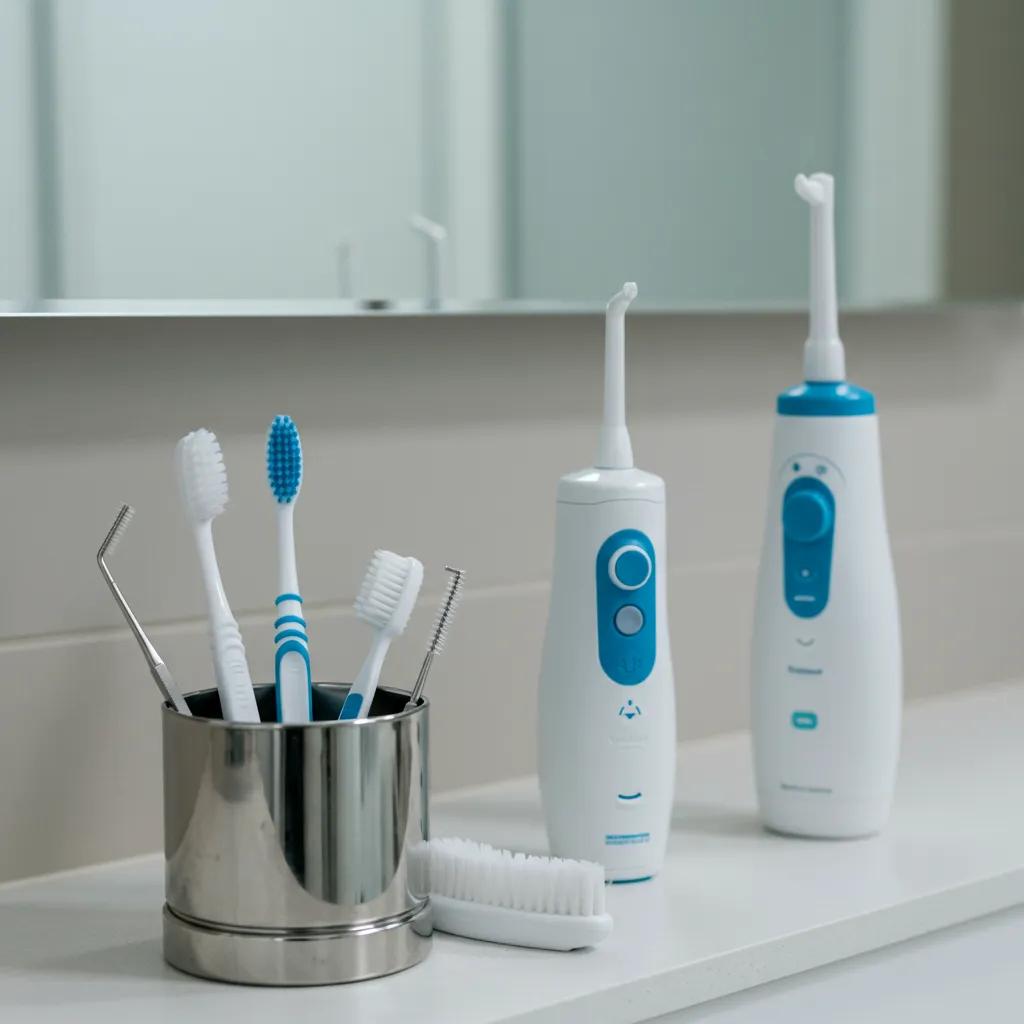
Your Ultimate Guide to Dental Implant Care: Simple Dos & Don’ts for a Healthy, Lasting Smile
Dental implants are amazing! They’re titanium ‘roots’ placed in your jaw to support beautiful crowns, bridges, or even full dentures. The secret to their long-lasting success and the health of your surrounding gums? Great care! Learning about implant maintenance – from your daily brushing routine to the right products, what you eat, and regular check-ups – helps prevent issues like peri-implantitis and keeps your smile looking and feeling fantastic. We know many patients appreciate clear, easy-to-follow steps that combine gentle home care with professional visits to keep plaque at bay, control inflammation, and catch any concerns early. This guide covers everything: essential daily routines, safe toothpaste and mouthwash options, what to do right after surgery, and how to spot warning signs. You’ll get practical ‘how-to’ steps for brushing, flossing, and using water flossers, helpful product comparison tables, a peri-implantitis symptom checklist, and a realistic maintenance schedule. Keep reading for our expert-backed dos and don’ts to help your implants last a lifetime and keep infections or problems away!
Your Daily Essentials: Top Oral Hygiene Practices for Healthy Dental Implants
Your daily oral hygiene routine for dental implants is all about keeping that bacterial biofilm (plaque!) under control around your implant crown, abutment, and surrounding gums. This helps reduce inflammation and supports your implant’s long-term stability. Effective daily care means gentle brushing, thorough interdental cleaning, and using the right rinses. These simple actions reduce plaque buildup and keep your peri-implant tissues healthy. Sticking to a consistent routine is key to preventing issues like mucositis from turning into peri-implantitis, ensuring your prosthetic stays strong – that’s the main benefit of disciplined daily care! Below, we’ll share clear ‘dos’ for your morning and evening routines, explain how to pick the best tools, and give you practical steps so you can keep your implants sparkling clean without any damage.
To keep your implants healthy and happy, focus on these three core actions every single day to control plaque and inflammation:
Brush gently twice daily with a soft-bristled brush and a low-abrasive toothpaste. Use light pressure to carefully remove plaque from your implant crowns and along your gum lines.
Clean between your teeth once daily using an appropriately sized interdental brush or special implant floss. This helps disrupt plaque buildup between your implant and natural teeth.
Consider a water flosser or an alcohol-free antimicrobial rinse as an extra step. These can really boost your soft-tissue health and flush away debris from under your implant margins.
These simple steps are the foundation of great implant maintenance and pave the way for the next layer of prevention: choosing the right brushing technique and tools, which we’ll dive into next!
Brushing Your Dental Implants: The Best Way for a Sparkling Clean!
Brushing your implants effectively means using the right technique and tools to gently remove plaque without scratching your crowns or irritating your gums. Start with a soft-bristled manual toothbrush or a soft brush head on an electric toothbrush. Angle it at 45 degrees towards your gum line, using light, controlled pressure and short strokes across the crown edges and surrounding gum tissue. An electric toothbrush with a pressure sensor can be a great help, preventing too much force that could wear down your prosthetic or harm your soft tissues. Manual brushing works wonderfully too, as long as you’re careful! The big plus with electric brushes is consistent plaque removal in less time. Be sure to avoid abrasive whitening pastes and hard-bristled brushes, as these can scratch your implant surfaces and inflame your gums. Instead, opt for low-RDA formulas and remember to replace your brush heads regularly for the best cleaning power. Once your implants are properly brushed, you’re ready for interdental cleaning – the next vital step in your daily implant hygiene!
Flossing & Interdental Cleaning: Your Best Methods for Implants
Cleaning between your implants is a bit different from natural teeth because the unique shapes of your prosthetic and abutment can sometimes trap food and plaque. That’s why it’s so important to choose tools that fit perfectly and clean effectively without damaging your implants. Interdental brushes are often a top recommendation for wider spaces. Make sure to pick the right size – usually small, tapered brushes work best for implant crowns – and use a gentle back-and-forth motion to avoid forcing them. For those tighter spots or under bridges, special implant floss or tufted floss can be carefully threaded around your crown and abutment to remove trapped debris. Water flossers, used on a low-to-moderate setting, are also fantastic for flushing out areas and are especially helpful if you have limited dexterity. If you notice any bleeding or discomfort, try switching brush sizes. And if your contacts feel different or your implant margins seem rough, please don’t hesitate to chat with your clinician – this leads us right into professional maintenance!
The Best Toothpastes & Mouthwashes for Your Dental Implants
Picking the perfect toothpaste and mouthwash for your implants means focusing on low abrasivity and gentle, tissue-friendly antiseptic action. This helps protect your crowns from wear and prevents irritation of your gums, all while keeping plaque and sensitivity in check. Non-abrasive fluoride toothpastes with low Relative Dentin Abrasivity (RDA) values are ideal, safeguarding both your implant surfaces and natural teeth. If you experience sensitivity around your implant margins, special sensitivity formulas can offer relief. When it comes to rinses, alcohol-free antimicrobial mouthwashes are great for reducing bacteria without drying out your mouth. While chlorhexidine is effective for short-term use after surgery, it’s generally not recommended for long-term daily use due to potential staining and taste changes. Our handy table below compares different toothpaste and mouthwash options to help you choose products that offer both powerful cleaning and implant safety.
Steer clear of implant crowns to prevent surface damage
Alcohol-Free Antimicrobial Mouthwash
Fights germs without drying your mouth
Excellent for daily use to reduce plaque
Chlorhexidine Rinse (Prescription Only)
Powerful antiseptic, short-term use
Only use short-term after surgery or as directed by your dentist
Choosing the right combination helps keep your implant surfaces pristine and your gums healthy. Next, we’ll dive into specific toothpaste formulations and share some smart shopping tips to make these choices even easier for you!
Safe & Effective Toothpastes for Your Dental Implants
When choosing a safe toothpaste for your implants, look for formulas that clean effectively without scratching your restoration surfaces, all while giving your natural teeth fluoride protection. Non-abrasive, low-RDA toothpastes are perfect for daily use, as they minimize wear on your crowns. If you’re experiencing sensitivity around your implant margins, desensitizing pastes with ingredients like potassium nitrate or strontium chloride can be very helpful and are still non-abrasive. It’s best to avoid products with baking soda abrasives or aggressive whitening agents for routine use, as these can roughen your implant surfaces and make them more prone to plaque buildup. For smart shopping, always check product labels for RDA values if available, choose low-abrasivity formulas recommended by dental professionals, and don’t hesitate to ask your dentist if you have any questions about your implant materials and compatible products.
Picking the Perfect Mouthwash for Your Implant Care
When choosing a mouthwash for your implant care, you want to find one that effectively fights germs while being gentle on your mouth. This helps prevent dry mouth and changes in taste, which can make it harder to stick to your routine. Alcohol-free antimicrobial rinses are usually the best choice for daily use because they reduce bacteria without drying out your delicate oral tissues. Ingredients like cetylpyridinium chloride or essential oils can also be beneficial for extra plaque control. Chlorhexidine is a powerful antiseptic, great for short-term use right after surgery or for acute inflammation, but always under professional guidance. It’s not meant for long-term daily use due to potential side effects like staining and altered taste. Remember, mouthwash is a helpful addition to your brushing and flossing, not a replacement! Always chat with your dental provider about any prolonged use to ensure it’s the right fit for you.
Diet & Lifestyle: Key Habits for Healthy Dental Implants
What you eat and how you live play a huge role in how well your implants heal and their long-term stability. They directly impact wound healing, bacterial exposure, and the forces on your new teeth. So, taking a thoughtful approach right after surgery and continuing long-term can really cut down on complications. During that initial healing period, soft, nutrient-packed foods and plenty of water help your tissues repair and prevent any disruption to the surgical sites. Long-term, try to avoid super hard or sticky foods to prevent unnecessary stress on your crowns and implants. And remember, lifestyle factors like smoking and heavy alcohol use significantly increase the risk of peri-implantitis and implant failure by hindering healing and weakening your immune system. Our handy table below gives you a quick reference for foods and behaviors to embrace or avoid, both immediately and in the long run.
Highly recommended for the first 1–2 weeks after surgery
Hard/Crunchy Foods (nuts, hard candy)
Can put a lot of stress on implants
Avoid long-term; reintroduce slowly after healing
Sticky/Sugary Foods (caramels, gum)
Sticks to implants, high cavity risk
Avoid to prevent plaque buildup around implants
Plenty of Water & Protein-Rich Diet
Helps tissues heal, boosts immune system
Encourage during healing and for ongoing maintenance
Smoking & Heavy Alcohol Use
Slows healing, increases inflammation
Strongly discourage before and after your surgery
These simple dietary and lifestyle principles help reduce mechanical risks and support your body’s natural healing. Next, we’ll dive into more detail on immediate post-surgery food suggestions and long-term cautions.
Foods to Enjoy & Avoid for Your Dental Implants
Right after your surgery, focus on soft, nutrient-rich foods that give you plenty of protein, vitamins, and fluids. This helps minimize chewing forces that could disturb your sutures or new implants. Think blended soups, creamy yogurt, mashed potatoes, protein-packed smoothies, and soft-cooked eggs – these choices provide the building blocks for tissue repair without stressing your surgical site. For the first one to two weeks, definitely avoid hard, crunchy, or chewy items that could dislodge sutures or put pressure on your healing implants. Reintroduce firmer textures slowly, always following your clinician’s advice. Long-term, try to limit very hard foods and sticky candies to reduce repetitive stress and protect your implants from damage. And remember to stay hydrated and maintain balanced nutrition to keep your gums healthy and your immune system strong!
Smoking & Alcohol: What They Mean for Your Dental Implants
Smoking and heavy alcohol consumption can really impact your implant’s success in several ways. Both tobacco and alcohol reduce blood flow, weaken your immune system, and slow down bone healing and osseointegration. All of this together significantly increases your risk of peri-implantitis and implant failure. Our evidence-based guidance strongly recommends quitting before surgery and continuing to avoid them during the crucial healing period to give your implant the best chance at success. Quitting tobacco long-term also dramatically improves both soft-tissue and bone health around your implants. Alcohol can also interfere with prescribed medications and delay healing, so keeping your intake minimal after surgery and discussing any alcohol use with your provider is key to reducing complication risks. If you need help quitting, we can offer practical advice, including clinician resources, behavioral support programs, and tips for scheduling your surgery when you’re ready to commit to temporary lifestyle changes.
How Often Should You See Us? Professional Maintenance for Your Dental Implants
Regular professional maintenance visits are absolutely essential! They help us catch early signs of peri-implant disease, manage any wear on your prosthetic, and perform a thorough, implant-safe cleaning that you simply can’t do at home. The recommended schedule varies depending on your individual risk factors. For many patients, a routine check-up every three to six months is common. However, if you’re at higher risk – perhaps with a history of periodontitis, if you smoke, or have certain systemic conditions – more frequent three-month visits might be best. During these appointments, our clinicians will carefully assess your gum health, check your implant’s fit and bite, and may take X-rays if needed to evaluate bone levels. We use special implant-safe instruments and targeted cleaning techniques to remove plaque and calculus without harming your titanium or restorative materials. Our table below gives you a clear idea of suggested intervals for common implant situations to help you plan your visits.
Your Scenario
What It Means
Suggested Visit Interval
Routine, Low-Risk Patient
Healthy gums, great home care
Every 6 months
Higher Risk (history of gum disease, smoker)
Needs closer monitoring
Every 3 months
Just After Surgery or New Restoration
Healing phase, bite adjustments often needed
Every 4–8 weeks initially, then move to regular recall
Healing Concerns or Symptoms
Signs of inflammation or implant movement
As directed by your dentist; urgent evaluation recommended
Knowing your category helps us create a personalized schedule that balances prevention with your needs. A free consult can help us determine your unique plan, which we’ll talk about next!
What to Expect During Your Professional Dental Implant Cleaning
When you come in for a professional implant maintenance visit, we typically start with a focused clinical exam. We’ll carefully check your gum tissues around the implant, assess how your prosthetic fits, and ensure everything is functioning well. This might include gentle periodontal probing with special implant-specific techniques and targeted X-rays if needed to check your bone levels. After the exam, our clinicians will perform an implant-safe cleaning using non-metallic or titanium instruments and ultrasonic devices with special tips. This gently removes plaque and calculus without scratching your implant surfaces. We’ll then polish your implants with non-abrasive pastes and provide personalized oral hygiene coaching. If necessary, we can also make small bite adjustments to reduce any traumatic forces. Your appointment will wrap up with a personalized recommendation for your next visit based on our findings. If we spot any signs of peri-implantitis, our clinicians will clearly outline the next steps, which could involve localized therapy, antimicrobial strategies, or a referral for advanced care.
How Our Free Dental Implant Consultations in Fort Worth Can Help You!
Our Free Dental Implant Consult is a fantastic, no-cost clinical assessment designed to help our clinicians understand your implant maintenance needs, identify any risk factors, and create a personalized recall and hygiene plan just for you, tailored to your specific implant type and oral health. During this consult, you can expect us to review your dental and medical history relevant to your implants, perform a focused oral exam to check your soft tissues and prosthetics, and have a clear discussion about your maintenance options and the estimated frequency of professional cleanings. This consult is also a perfect opportunity to ask about cost estimates, different prosthetic options, and our sedation dentistry choices for your comfort – all important factors for many patients looking for affordable implant care. If you’re in or near Fort Worth, scheduling a free consult at our local clinic can truly clarify your personalized maintenance schedule and next steps, all without any upfront cost. This makes it so much easier to commit to a prevention-focused plan for your smile!
Now that you know what to expect during your professional visits, let’s talk about the next crucial step: recognizing complications early and understanding how to prevent them.
Common Dental Implant Complications & How to Prevent Them
While dental implants are incredibly successful, it’s good to be aware of common complications like peri-implant mucositis and peri-implantitis (which are inflammatory conditions affecting your soft tissue and bone). Other issues can include prosthetic complications, such as a loose screw or a fractured crown, and sometimes late implant failure linked to systemic or local risk factors. Spotting early warning signs – like persistent bleeding, swelling, pus, deeper gum pockets, pain, or any movement – allows for quick action that can often save your implant or restore your tissue health. Prevention is key! It focuses on diligent home care, choosing the right products, keeping up with scheduled professional maintenance, and managing systemic risk factors like smoking and uncontrolled diabetes. Below is a clear list of common complications and simple preventive actions to help reduce their likelihood and ensure your implants last for years to come.
Here are some common implant complications and how you can help prevent them:
Peri-implant mucositis and peri-implantitis: Prevent these with consistent cleaning between your teeth, professional cleanings, and by quitting smoking.
Prosthetic complications (like loose screws or fractured crowns): Prevent these with regular bite checks and by avoiding excessive chewing forces or biting on hard objects.
Late failure due to systemic factors: Prevent this by managing your overall health and always sharing your medical history with our dental team.
These prevention steps naturally lead us to understanding the specific signs of peri-implantitis, so you can act quickly if needed. We’ll explain more next.
This section dives into peri-implantitis, a key concern in implant dentistry, and why it’s so important to understand.
Peri-Implantitis: Etiology, Prevention, and Treatment Strategies
Peri-implant inflammations represent serious diseases after dental implant treatment, which affect both the surrounding hard and soft tissue. Due to prevalence rates up to 56%, peri-implantitis can lead to the loss of the implant without multilateral prevention and therapy concepts. Specific continuous check-ups with evaluation and elimination of risk factors (e.g. smoking, systemic diseases and periodontitis) are effective precautions. In addition to aspects of osseointegration, type and structure of the implant surface are of importance. For the treatment of peri-implant disease various conservative and surgical approaches are available. Mucositis and moderate forms of peri-implantitis can obviously be treated effectively using conservative methods. These include the utilization of different manual ablations, laser-supported systems as well as photodynamic therapy, which may be extended by local or systemic antibiotics. It is possible to regain osseointegration. In cases with advanced peri-implantitis surgical therapies are more effective than conservative approaches. Depending on the configuration of the defects, resective surgery can be carried out for elimination of peri-implant lesions, whereas regenerative therapies may be applicable for defect filling. The cumulative interceptive supportive therapy (CIST) protocol serves as guidance for the treatment of the peri-implantitis. The aim of this review is to provide an overview about current data and to give advices regarding diagnosis, prevention and treatment of peri-implant disease for practitioners.
Definition, etiology, prevention and treatment of peri-implantitis–a review, O Jung, 2014
Signs & Symptoms of Peri-implantitis: What to Look For
Peri-implantitis can show up with a mix of signs you might notice and things we’ll see clinically. These include bleeding when probed, ongoing inflammation of the gums around your implant, deeper gum pockets, pus or discharge, pain or tenderness in some cases, and X-ray evidence of bone loss. Early mucositis might just be redness and bleeding, which can often be reversed with better hygiene and professional care. However, if it progresses to peri-implantitis, it means bone loss is involved and requires more focused therapy. Big red flags that need urgent clinical evaluation include any new movement of your implant, increasing pain, persistent pus, or a sudden change in your bite. These can all point to rapid deterioration. Catching these symptoms early and getting a prompt evaluation significantly improves the chance of successful intervention and saving your implant!
Preventing Dental ImplantFailure & Infection: Your Best Defense
Preventing implant failure and infection is all about a smart, layered approach! This includes meticulous home hygiene, regular professional maintenance, careful material and prosthetic selection by our clinicians, and managing any systemic risk factors that could affect healing. Make sure to keep up with daily plaque control using soft brushing, interdental cleaning, and helpful rinses. Always attend your scheduled professional cleanings and X-ray monitoring as recommended. And definitely avoid harmful behaviors like smoking, which can compromise blood flow. Plus, we’ll help address any bite overload by having our clinicians check your bite forces periodically. Always communicate any changes in your overall health with our dental team so we can make proactive adjustments to your maintenance plan. Consistently following these prevention strategies will minimize infection risk and help your implants last a lifetime!
Right After Surgery: Your Essential Dental Implant Aftercare Steps
Right after your implant placement, your immediate post-operative care is all about controlling bleeding, keeping swelling down, managing any pain safely, and preventing infection while your implant integrates with your bone. Following your clinician’s instructions carefully will truly speed up healing and reduce complications. Those first 24–72 hours are super critical: gently control bleeding with sterile gauze, use cold compresses to minimize swelling, take any prescribed or recommended pain relievers exactly as directed, and keep physical activity and biting forces to a minimum to avoid disturbing the surgical site. Your nutrition should focus on soft, nutrient-rich foods to support repair, and your oral hygiene should be very gentle around the surgical area while keeping the rest of your mouth clean. Here are the practical, numbered steps to follow right after your implant surgery:
Control bleeding by applying gentle pressure with sterile gauze and keeping your head elevated for the first few hours.
Use cold compresses intermittently (on for 20 minutes, off for 20 minutes) during the first 48 hours to reduce swelling. Then, switch to warm compresses if your clinician recommends it.
Take your pain medication exactly as directed and avoid strenuous activity for 48–72 hours to prevent increased bleeding or swelling.
Stick to soft, protein-rich foods and stay well-hydrated. Definitely avoid hot, spicy, or crunchy items that could irritate your surgical site.
Maintain gentle oral hygiene – carefully clean non-operated areas and always follow your clinician’s instructions for cleaning near your implant until sutures are removed or the site fully heals.
Following these steps will help reduce early complications and get you ready for a gradual return to your normal diet and activities. Next, we’ll go into more detail on managing pain and swelling, plus helpful timeline guidance.
Managing Pain & Swelling After Your Implant Surgery
Effectively managing pain and swelling after your implant surgery involves a combination of prescribed medications and non-drug methods, all tailored to your specific situation and comfort level. Ice therapy is often a great first step! Apply cold packs intermittently (20 minutes on, 20 minutes off) for the first 48 hours to help limit swelling. Keep your head elevated while resting, and take any prescribed or recommended pain relievers exactly as your clinician instructs to keep discomfort under control. Non-pharmacologic strategies like gentle jaw rest, sticking to soft foods, and avoiding smoking can really help with healing and reduce inflammation. Always keep an eye out for increasing pain, swelling that spreads, fever, or pus, as these need urgent evaluation. Good pain control helps you maintain your oral intake and stick to your hygiene routine, which ultimately leads to better healing!
Diet & Activity: What to Limit After Your Implant Surgery
After your surgery, we recommend a gradual approach to both your diet and activities. For the first 24 hours, stick to liquids and very soft foods. The first week should include soft, nutrient-packed options, and then you can slowly reintroduce firmer foods over 2–6 weeks, depending on your healing progress and your clinician’s guidance. It’s crucial to avoid heavy lifting and strenuous exercise for at least 48–72 hours to reduce bleedingrisk and inflammation. Also, please refrain from smoking and alcohol during the entire healing period, as they can impair blood flow and your immune response. A sample meal progression might look like this: broths and smoothies (first 24 hours), then mashed vegetables and soft proteins (days 3–7), and slowly reintroducing chewier foods as you feel comfortable and your clinician approves. Following these timelines carefully protects your surgical site and helps ensure predictable osseointegration!
Why Choose Affordable Dentist Near Me in Fort Worth for Your Dental Implants?
Affordable Dentist Near Me in Fort Worth is your local go-to for dental implant and denture services! We truly focus on affordability, your comfort, and convenient scheduling to support excellent preventive maintenance and long-term success. Our practice proudly offers patient comfort options like sedation dentistry and even Saturday hours to fit your busy life. Plus, we provide a Free Dental Implant Consult, so both new and existing implant patients can get an initial assessment and a personalized plan at absolutely no charge. These thoughtful features – combined with our experienced dental team right here in Fort Worth – ensure you get timely evaluations and tailored maintenance strategies without any upfront consultation cost.
Our clinic’s local presence also makes it easier to follow through on your recommended check-ups and professional maintenance. If you’re considering a free implant consultation, you can meet with our friendly clinical staff to discuss your individualized care plan and what comes next. For anyone exploring their options, our Free Dental Implant Consult is a simple, straightforward way to confirm your ideal recall schedule, review your implant’s condition, and get clear cost estimates before you commit to any treatment.
Meet Dr. Mike Tri Pham, DDS: Your Expert in Dental Implant Care
Dr. Mike Tri Pham, DDS, is our lead clinician at the Fort Worth location and plays a central role in all aspects of implant planning, restorative care, and patient education for our implant services. We love mentioning Dr. Pham by name because it helps you connect with a clear expert on your care journey! It also reinforces that your implant planning and maintenance are expertly managed by a dedicated dental professional who works closely with our entire clinical team. Our practice always emphasizes experienced clinicians and a truly patient-centered approach to implant evaluation and maintenance. This expert-led care is the foundation of our Free Dental Implant Consult, which helps you develop a personalized prevention and treatment plan for your smile.
Ready to Schedule Your Free Dental Implant Consultation Today?
Ready to schedule your Free Dental Implant Consult at our Fort Worth location? It’s easy! Just contact our friendly local clinic to request your no-charge consult. During that appointment, you’ll receive a thorough assessment, personalized maintenance recommendations, and clear information about our affordable care options. This consult is designed as an educational, no-cost visit where our clinicians will review your implant status, discuss how often you should come in for maintenance, and outline any necessary follow-up or treatment options to keep your implants healthy. When you call to arrange your consult, please mention your interest in implant maintenance or any recent symptoms so our team can set aside the perfect amount of time for you. This free consult truly simplifies access to care planning and empowers you to make informed decisions about your long-term implant maintenance and what to expect regarding costs.
Your Frequently Asked Questions About Dental Implants
What Are the Signs My Dental Implants Might Be Failing?
Signs that your dental implant might be having trouble include persistent pain, swelling, or bleeding around the implant site, any increased movement of the implant, and changes in how your bite feels. Also, if you notice pus or a bad taste in your mouth, these could definitely point to an infection. Catching issues early is super important, so if you experience any of these symptoms, please contact your dental professional right away for an evaluation and possible treatment.
How Can I Handle Sensitivity Around My Dental Implants?
If you’re noticing sensitivity around your dental implants, try using a desensitizing toothpaste that contains ingredients like potassium nitrate or strontium chloride. These can really help calm nerve endings and reduce that discomfort. Also, make sure your oral hygiene routine is gentle but still effective, and steer clear of abrasive products that could make sensitivity worse. If the problem continues, please chat with your dentist to rule out any underlying issues or to explore further treatment options.
Are There Foods That Can Help My Implants Heal?
Absolutely! Certain foods can definitely help support your healing after dental implantsurgery. Focus on soft, nutrient-packed options like delicious smoothies, creamy yogurt, mashed vegetables, and soft-cooked proteins. These foods give you essential vitamins and minerals that promote tissue repair without putting any stress on your surgical site. Staying well-hydrated is also super important, so drink plenty of fluids. And remember to avoid hard, crunchy, or sticky foods during that initial healing phase to prevent any complications.
What Should I Do If I See Bleeding Around My Implants?
Bleeding around your dental implants can sometimes signal inflammation or even an infection. If you notice it, first double-check that you’re keeping up with your proper oral hygiene. Gently clean the area with a soft toothbrush and avoid brushing too aggressively. If the bleeding continues or comes with pain or swelling, please contact your dentist for an evaluation right away. They might recommend a professional cleaning or other treatments to get to the bottom of any underlying issues.
How Does Smoking Impact the Life of My Dental Implants?
Smoking seriously increases your risk of complications with dental implants, including slower healing and a much higher chance of peri-implantitis. Nicotine restricts blood flow, which can really hinder the healing process and how well your implant integrates with your bone. Plus, smoking can lead to more inflammation and a greater risk of infection. For the best possible implant success, we strongly recommend quitting smoking before and after your procedure to boost healing and ensure your implants last longer.
What Are the Benefits of Regular Professional Care for My Implants?
Regular professional maintenance is absolutely vital for the long-term success of your dental implants! These important visits allow your dentist to closely monitor the health of your surrounding tissues, check for any signs of infection, and perform thorough cleanings that you simply can’t achieve at home. Professional care helps prevent complications like peri-implantitis and ensures your implants stay functional and look great. Typically, we recommend visits every three to six months, depending on your individual risk factors.
Can I Use My Regular Toothbrush to Clean My Implants?
Yes, you can use a regular toothbrush for cleaning your dental implants, but it’s super important to choose a soft-bristled brush. This helps you avoid damaging the implant surface and your surrounding delicate tissues. Also, consider an electric toothbrush with a pressure sensor – it can give you a more effective clean without using too much force. Always remember to pair your brushing with special interdental cleaning tools designed for implants to ensure you get comprehensive plaque removal and maintain the best possible oral health!
How to Properly Clean Your Dental Implants Every Day
Here’s a concise daily cleaning checklist for your implants, focusing on three main mechanical steps plus an extra rinse to control plaque and keep your gums healthy. First, brush twice daily with a soft-bristled brush or a soft electric brush head and a low-abrasive toothpaste. Use gentle strokes along your gum line and around your implant margins. Second, perform daily interdental cleaning with the right-sized interdental brush, tufted floss, or special implant floss to remove any trapped debris between your implants and natural teeth. Third, use a water flosser on a moderate setting or an alcohol-free antimicrobial rinse as an extra boost to flush under your gums and reduce bacteria. Sticking to this routine consistently will significantly reduce plaque buildup and support healthier peri-implant tissues!
What to Avoid When You Have Dental Implants
Knowing what to avoid is just as important as knowing what to do for your dental implants! Certain habits and products can speed up wear on your prosthetic or increase your risk of infection. So, please don’t chew on super hard or sticky foods that could create strong bite forces or dislodge your crowns. Avoid abrasive whitening pastes and hard-bristled brushes that can roughen your implant surfaces. And definitely don’t smoke or consume heavy alcohol around the time of your surgery and during healing, as these can really impair tissue repair. Also, never skip your recall appointments or delay getting an evaluation if you notice bleeding, swelling, or any movement. Early professional intervention can often prevent irreversible complications. By avoiding these behaviors, you’re complementing your daily hygiene and helping to preserve both your implant’s function and the health of your surrounding tissues!
If you’re looking for a personalized maintenance plan or have any concerns about symptoms or scheduling, we invite you to arrange a Free Dental Implant Consult at our Fort Worth clinic! You’ll receive an individualized assessment and clear next steps, all at no cost. This free consult can help us determine your ideal recall interval and clarify any recommended professional care. Our friendly local team is always here to discuss patient comfort options, affordability, and scheduling preferences to make preventive care practical and easy for your lifestyle and needs.
Your Healthy Smile: A Final Word
Keeping your dental implants in top shape is absolutely crucial for their longevity and the health of your surrounding tissues, ensuring you enjoy a functional and beautiful smile for years to come. By consistently following our recommended daily care routines and scheduling regular professional check-ups, you can significantly reduce the risk of complications like peri-implantitis. Ready to take the next step towards optimal implant health? Schedule your free dental implant consultation with us today! Our dedicated team is genuinely here to provide personalized care and support throughout your entire dental journey.