How to Navigate the Dental Implant Healing Journey: Complete Recovery Timeline and Aftercare Guide
The journey of healing after dental implant surgery is crucial for ensuring the long-term success of the procedure. Understanding the dental implant healing journey can significantly impact recovery outcomes and overall satisfaction with the results. This comprehensive guide will explore the stages of healing, the importance of aftercare, and how to manage pain and prevent complications. Many patients may feel anxious about the recovery process, but with the right knowledge and support, they can navigate this journey with confidence. We will cover essential topics, including the stages of healing, osseointegration, abutment placement, pain management, and long-term care practices.
What Are Dental Implants and Why Is Understanding the Healing Journey Important?
Dental implants are artificial tooth roots that provide a permanent base for fixed, replacement teeth. They are designed to restore both the functionality and aesthetics of missing teeth, making them a popular choice for individuals seeking a long-term solution. Understanding the healing journey is vital because it directly influences the success of the implant and the patient’s overall experience.
What Is a Dental Implant and How Does It Restore Missing Teeth?
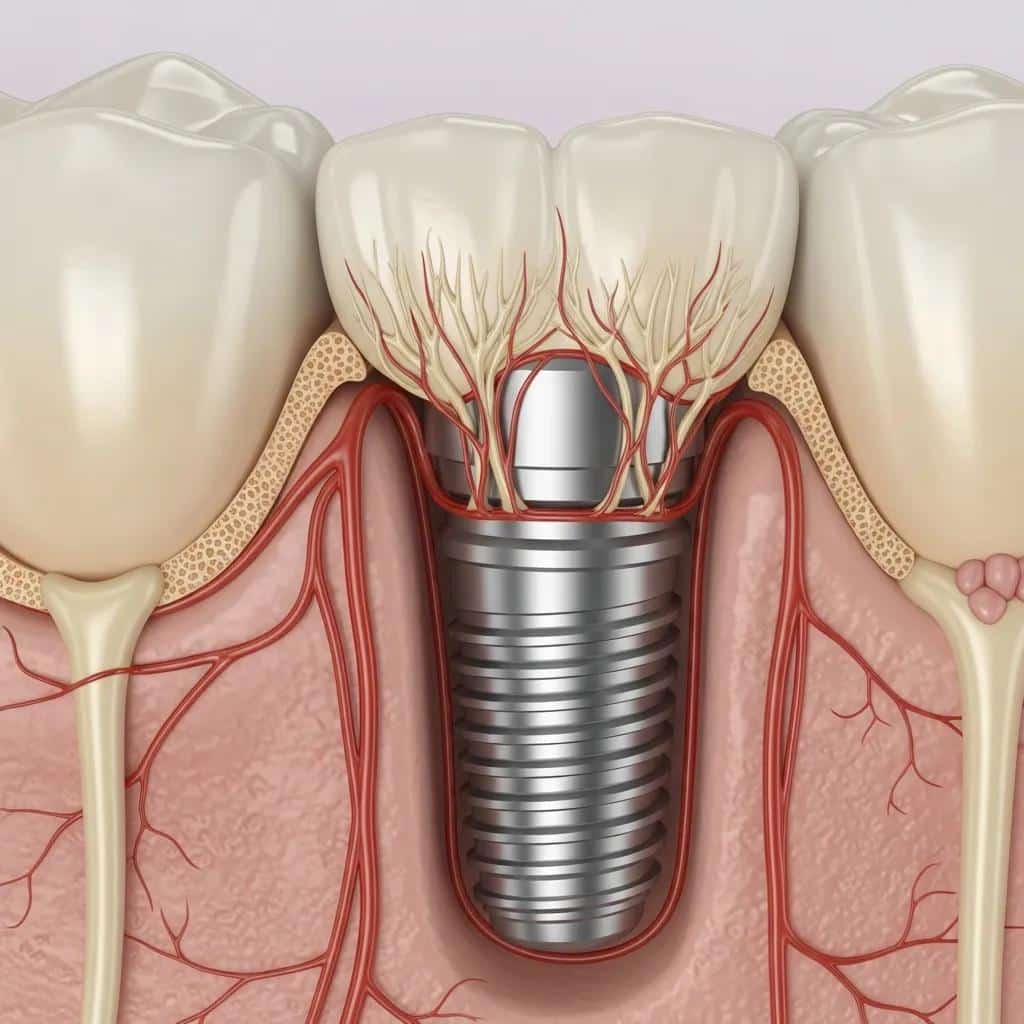
A dental implant consists of three main components: the implant fixture, the abutment, and the crown. The implant fixture is surgically placed into the jawbone, serving as a sturdy foundation. Once integrated, it allows for the attachment of the abutment, which connects the fixture to the crown. This restoration not only restores functionality, enabling patients to eat and speak normally, but also enhances aesthetics, providing a natural-looking smile.
Why Is Patient Education Crucial for Successful Dental Implant Recovery?
Patient education plays a critical role in the recovery process. Studies show that informed patients are more likely to adhere to post-operative care instructions, leading to better outcomes. Resources such as informational brochures, consultations, and follow-up appointments can empower patients to understand their healing journey, recognize potential complications, and maintain optimal oral hygiene.
What Are the Key Stages of the Dental Implant Healing Process?
The healing process after dental implant surgery can be divided into several key stages, each with its own characteristics and requirements. Understanding these stages helps patients manage their expectations and adhere to care protocols.
What Happens During Immediate Post-Surgery Recovery?
In the immediate post-surgery phase, patients may experience swelling, discomfort, and minor bleeding. Pain management is essential during this time, and dentists often recommend over-the-counter pain relievers or prescribed medications. Patients should rest and avoid strenuous activities to promote healing.
How Does Early Healing Progress in Week 1 to 2 After Implant Surgery?
During the first two weeks, the body begins to heal around the implant. Patients are advised to follow a soft diet to avoid putting pressure on the surgical site. Regular follow-up appointments are crucial to monitor healing progress and address any concerns. Patients should also maintain good oral hygiene, avoiding the surgical area while brushing.
How Does Osseointegration Support Long-Term Dental Implant Success?
Osseointegration is the process by which the implant fixture fuses with the jawbone, providing stability and support for the artificial tooth. This biological process is essential for the long-term success of dental implants.
What Is Osseointegration and Why Is Bone Fusion Essential?
Osseointegration involves the direct structural and functional connection between the living bone and the surface of the implant. This fusion is critical because it ensures that the implant can withstand the forces of chewing and biting, mimicking the function of natural teeth.
How Long Does Osseointegration Take and What Should Patients Expect?
Typically, osseointegration takes about 3 to 6 months, depending on individual healing rates and bone quality. During this time, patients may be fitted with a temporary crown or a healing abutment to maintain aesthetics and function. Regular check-ups are essential to assess the integration process and make any necessary adjustments.
What Should Patients Expect During Abutment Placement and Final Crown Restoration?
Once osseointegration is complete, the next steps involve placing the abutment and fitting the final crown. These procedures are crucial for completing the dental implant process.
What Is Abutment Placement and How Does It Affect Healing?
Abutment placement involves attaching a small connector to the implant fixture. This procedure is typically performed under local anesthesia and may cause some discomfort. Proper healing at this stage is vital, as it sets the foundation for the final crown.
How Is the Final Crown Fitted and What Is the Appearance Outcome?
After the abutment is placed, impressions are taken to create a custom crown that matches the patient’s natural teeth. The final crown is then fitted, providing a seamless and aesthetically pleasing result. Patients can expect a significant improvement in their smile and overall oral function.
How Can Patients Manage Pain and Prevent Complications During Recovery?
Effective pain management and complication prevention are essential for a smooth recovery after dental implant surgery.
Research further emphasizes the importance of comprehensive pre- and post-operative strategies for managing pain and preventing complications during dental implant recovery.
Although dental implant placements have high success rates and a low incidence of morbidity, post-operative pain and complications with the healing process have been reported. There is little guidance available regarding optimal pre- and post-operative management of dental implant placement. This first paper discusses the mechanisms of pain associated with dental implant placement and offers guidance to clinicians on optimal pre- and post-operative pain management regimes. The second paper aims to discuss pre- and post-operative means of reducing the risk of early healing complications.
Pre-and post-operative management of dental implant placement. Part 1: management of post-operative pain, 2014
What Are Effective Pain Relief Strategies After Dental Implant Surgery?
Patients can manage pain through a combination of prescribed medications and over-the-counter pain relievers. Ice packs can also help reduce swelling and discomfort. It is important to follow the dentist’s recommendations regarding medication and to avoid self-medicating.
Further studies provide specific insights into effective pharmacological approaches for post-operative pain management.
Effective Pain Management After Dental Implant Surgery
Individual studies and meta-analysis of two studies indicated that nonsteroidal anti-inflammatory drugs (NSAIDs) significantly reduced POP and consumption of rescue analgesics after dental implant placement compared to placebo. Transdermal administration of NSAIDs may be superior to the oral route as it was similarly effective for POP control and resulted in fewer side effects. Glucocorticoids administered as primary analgesics or NSAID adjuvants resulted in comparable pain sensation compared to NSAIDs alone. Caffeine-containing analgesics were reported as acceptable and effective for the treatment of POP and swelling when compared to codeine adjuvants. With regard to analgesic dosing schedules, pain modulation may be most critical during the first 72 h following dental implant placement.
Post-operative pain management in dental implant surgery: a systematic review and meta-analysis of randomized clinical trials, I Khouly, 2021
What Signs Indicate Infection or Implant Failure and When to Contact Your Dentist?
Patients should be vigilant for signs of infection, such as increased swelling, persistent pain, or discharge from the surgical site. If any of these symptoms occur, it is crucial to contact the dentist immediately to address potential complications.
What Are the Best Practices for Long-Term Care and Maintenance of Dental Implants?
Long-term care is essential for ensuring the longevity of dental implants. Patients should adopt specific practices to maintain their oral health.
How Should Patients Maintain Oral Hygiene to Protect Their Implants?
Maintaining excellent oral hygiene is vital for the health of dental implants. Patients should brush twice daily with a soft-bristled toothbrush and use non-abrasive toothpaste. Flossing or using interdental brushes around the implant area is also important to prevent plaque buildup.
Why Are Regular Dental Check-Ups Important for Implant Longevity?
Regular dental check-ups allow for professional cleaning and monitoring of the implant’s condition. Dentists can identify potential issues early and provide necessary interventions to ensure the implant remains healthy and functional.
How Does Affordable Dentist Near Me of Dallas Support Patients Through the Healing Journey?
What Free Consultations and Affordable Options Are Available for Dental Implants?
The practice offers free consultations to discuss dental implant options and pricing. This ensures that patients can make informed decisions about their treatment without financial pressure.
How Does Dr. Mike Pham Ensure Patient-Centric Care During Recovery?
Dr. Mike Pham emphasizes a patient-centric approach, ensuring that each patient receives personalized care tailored to their unique needs. His commitment to community service and patient education enhances the overall experience, making recovery smoother and more manageable.
What Are the Most Common Patient Questions About Dental Implant Healing?
Patients often have questions regarding the recovery timeline and dietary restrictions following dental implant surgery.
How Long Is the Typical Dental Implant Recovery Timeline?
The typical recovery timeline for dental implants varies but generally spans several months. Initial healing occurs within the first two weeks, while complete osseointegration may take up to six months.
What Foods and Activities Should Be Avoided After Implant Surgery?
After implant surgery, patients should avoid hard, crunchy, or sticky foods that could disrupt the healing process. Activities that involve heavy lifting or intense exercise should also be limited during the initial recovery phase to prevent complications.