Overcoming Fear: The Truth About Dental Implants Pain
Patient Perspectives: The Truth About Dental Implant Pain and Recovery in Waco
Dental implant treatment can transform chewing, speech and confidence, but concerns about pain and recovery often stop patients from pursuing care. This article explains what causes discomfort after implants, how intense it typically is, and which strategies reduce pain so you can set realistic expectations and plan effectively. Drawing on patient perspectives and current clinical reasoning, the guide covers anesthesia and sedation, medication and non-pharmacologic pain control, a week-by-week recovery timeline, and practical self-care steps that shorten recovery and lower discomfort. You will also read anonymized patient experiences describing soreness, swelling and return to normal eating, plus an objective comparison between immediate-load 48-hour workflows and traditional staged implant methods. Finally, where appropriate, the piece highlights how clinic protocols can influence comfort and recovery and suggests next steps for readers in Waco who want a personalized plan.
How Painful Are Dental Implants? Understanding Post-Surgery Discomfort
Dental implant surgery causes predictable surgical pain because the procedure moves soft tissue and places a titanium fixture into bone; local trauma and inflammatory response produce soreness and swelling during the acute phase. Pain intensity is typically described as mild to moderate and is generally less severe than the pain after complex oral surgery such as multiple extractions, though individual variation is large based on procedure complexity and medical history. Understanding the expected sensations — pressure, aching, localized throbbing and transient numbness — helps patients interpret normal healing versus complications. The next paragraphs break down typical patient-reported pain levels and explain how anesthesia and sedation affect the experience.
What Levels of Pain Do Patients Typically Experience After Dental Implants?
Most patients report pain that peaks within the first 24–72 hours and then declines steadily as inflammation subsides and soft tissues begin to heal. Descriptions commonly include soreness comparable to a tooth extraction, intermittent sharp twinges when chewing, and a baseline dull ache controlled effectively with over-the-counter analgesics for straightforward cases. Peak pain intensity is influenced by the number of implants placed, whether bone grafting occurred, and individual pain sensitivity; patients with bone grafts often describe a higher initial discomfort that resolves on a similar timeline. Typical expectations to communicate are: manageable pain with medication during the first three days, meaningful improvement by day seven, and continued reduction of tenderness over the following weeks. If pain intensifies after an initial improvement or is accompanied by fever, spreading swelling, or numbness, patients should contact their dentist promptly because these signs may indicate complications.
How Does Anesthesia and Sedation Reduce Dental Implant Pain?
Local anesthesia combined with sedation when needed provides an essentially pain-free surgical period by blocking nerve signals from the operative site and reducing anxiety that amplifies pain perception. Local anesthetics numb the tissues for several hours post-op, creating a comfortable “tail” before oral or topical analgesics are needed, while conscious sedation options — oral sedatives or IV sedation — lower procedural stress and reduce recalled discomfort. Sedation dentistry also allows clinicians to perform precise, efficient surgery with less patient movement, which can minimize surgical trauma and downstream pain. Safety considerations include preoperative assessment of medical history and monitoring during sedation, and patients should arrange a responsible adult to accompany them home if sedatives are used. Understanding how anesthesia modifies the immediate experience helps patients plan analgesic timing and post-op logistics so early discomfort is anticipated and controlled.
Sedation for Dental Implant Surgery: Managing Pain and Discomfort
patient is expected to lead to better management of pain and discomfort during implant surgery. This review focused on local anesthesia and sedation and the factors related to them.
Considerations for satisfactory sedation during dental implant surgery, 2023
What Are the Most Effective Pain Management Strategies for Dental Implants?
Effective pain management after dental implants combines preemptive planning, appropriate medications, and non-pharmacologic measures that reduce inflammation and support tissue healing. Pre-emptive analgesia — taking an NSAID or acetaminophen before local anesthetic wears off — can blunt the initial inflammatory cascade, while scheduled dosing during the first 48–72 hours maintains steady blood levels to avoid breakthrough pain. Complementary measures such as cold packs, head elevation, soft diet and gentle oral hygiene reduce swelling and mechanical irritation, making recovery smoother. The following sections compare medication options and outline home-care routines, and a practical medication table provides onset, duration and common side-effect notes for typical analgesics.
Patients should follow clinician instructions about antibiotic use when prescribed and avoid smoking or heavy alcohol that delay wound healing; following a clear, scheduled plan reduces pain perception and lowers complication risk. The next subsection details medications commonly used and how patients can use them safely to control post-op discomfort.
Which Medications Help Manage Dental Implant Pain and Discomfort?
Below is a concise medication comparison to help patients and clinicians plan analgesia based on expected onset, duration and side effects. This table is informational and not a prescription; always follow specific instructions from your dental provider.
Reserved for severe acute pain not controlled by NSAIDs
Drowsiness, constipation, potential dependency
This medication overview shows common options and their trade-offs; many patients find scheduled NSAID plus acetaminophen most effective for routine implant recovery. The next paragraph outlines complementary home-care measures that support medication effectiveness and reduce swelling without additional drugs.
What Home Remedies and Care Practices Reduce Swelling and Soreness?
Non-drug measures augment medication by controlling inflammation, minimizing mechanical irritation and creating an environment that supports tissue repair and comfort during the acute post-op window. Apply cold packs intermittently during the first 48 hours to reduce edema and then transition to warm compresses after 48–72 hours to promote circulation and muscle relaxation; keep the head elevated while sleeping to lessen swelling. Gentle salt-water rinses starting 24 hours after surgery help clear food debris and lower bacterial load without disrupting the healing site, and soft, nutrient-dense foods reduce chewing forces that could aggravate tenderness. Rest, limited strenuous activity, and avoiding smoking or vigorous rinsing preserve the surgical clot and speed recovery. These measures, combined with the medication strategies above, make postoperative discomfort predictable and manageable, and the next section maps the typical recovery timeline so patients know when to expect specific improvements.
Post-Operative Pain Management in Dental Implant Surgery: A Systematic Review
To evaluate the clinical efficacy of various analgesic medications in mitigating orofacial pain following dental implant surgery.
2. A systematic search was conducted to identify randomized controlled clinical trials (RCTs). The primary outcomes examined were post-operative pain (POP) and consumption of rescue analgesics following implant placement; secondary outcomes included adverse effects, post-operative inflammation, infection, swelling, bleeding, patient satisfaction, and quality of life. Random effects meta-analysis was conducted for risk ratios of dichotomous data.
3. Nine RCTs fulfilled the eligibility criteria. Individual studies and meta-analysis of two studies indicated that nonsteroidal anti-inflammatory drugs (NSAIDs) significantly reduced POP and consumption of rescue analgesics after dental implant placement compared to placebo. Transdermal administration of NSAIDs may be superior to the oral route as it was similarly effective for POP control and resulted in fewer side effects. Glucocorticoids administered as primary analgesics or NSAID adjuvants resulted in comparable pain sensation compared to NSAIDs alone. Caffeine-containing analgesics were reported as acceptable and effective for the treatment of POP and swelling when compared to codeine adjuvants. With regard to analgesic dosing schedules, pain modulation may be most critical during the first 72 h following dental implant placement. Risk of bias assessment indicated an overall low risk of bias across the included trials.
4. Within the limitations of this review, POP following implant surgery may be effectively treated with the short-term use of analgesic medications. However, given the heterogeneity in the available RCTs, there is insufficient evidence to recommend an analgesic regimen following dental implant surgery.
5. Short-term use of analgesic medications may be sufficient for post-operative pain management in dental implant surgery. Ultimately, the clinician’s analgesic prescript
Post-operative pain management in dental implant surgery: a systematic review and meta-analysis of randomized clinical trials, I Khouly, 2021
What Is the Typical Dental Implant Recovery Timeline? What Should Patients Expect?
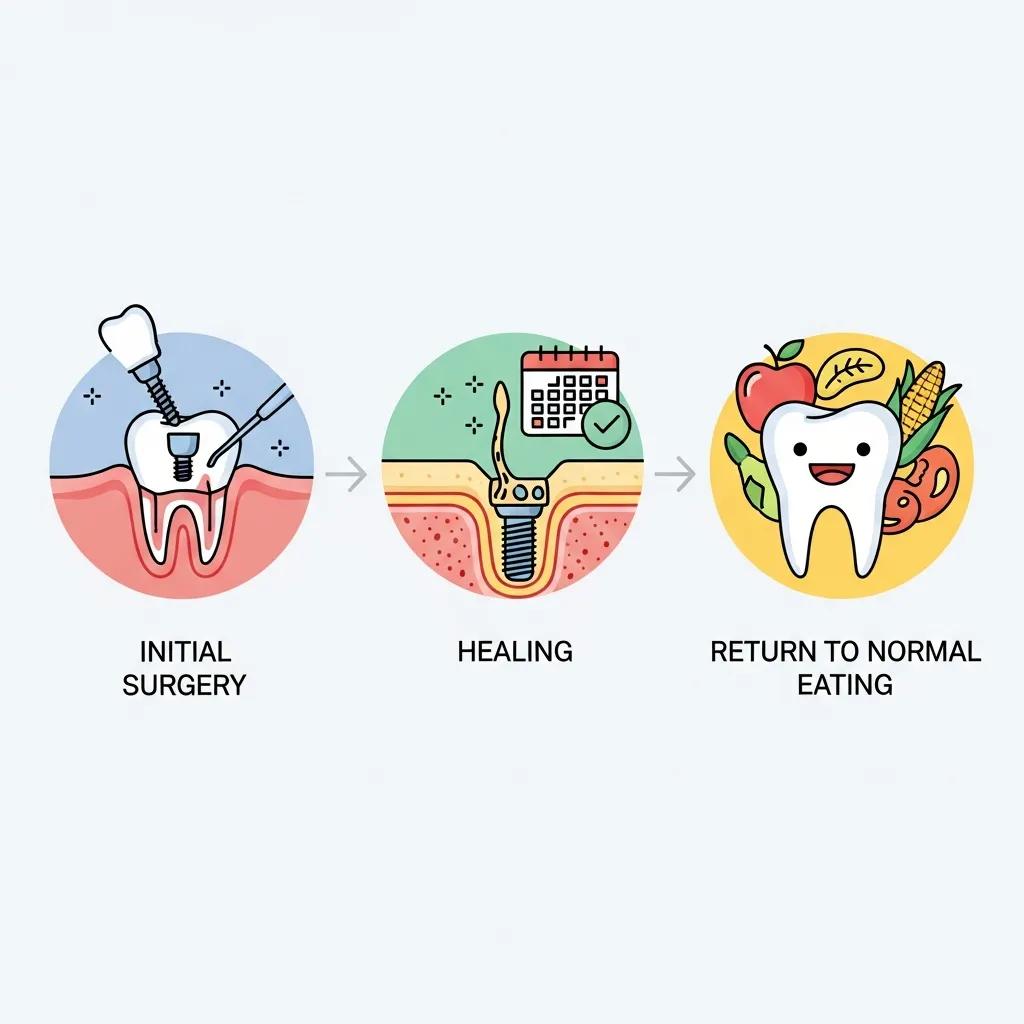
Recovery after dental implant placement follows a predictable series of stages from acute inflammation to long-term osseointegration, and understanding these stages helps patients set expectations for pain, function and follow-up. The immediate phase focuses on bleeding control and peak pain, the early healing phase involves soft tissue closure and reduced soreness, and the longer months are dedicated to bone integrating with the implant fixture. Knowledge of milestone actions such as when to resume brushing near the site, when to shift diet textures, and when to expect follow-up appointments reduces anxiety and improves adherence to care instructions. The table below maps common timeline stages to expected symptoms, care actions and red flags to watch for.
Stage
Typical Symptoms
Care Actions
Day 0–3
Peak swelling and soreness, mild bleeding, bruising possible
Use prescribed meds, cold packs, rest, avoid spitting or rinsing first 24 hours
Week 1–2
Reduced pain, sutures may loosen or be removed, soft tissue healing
Begin gentle rinses, soft diet, attend 1-week follow-up if scheduled
Month 1–3
Soft tissue maturation, gradual return to firmer foods, decreasing tenderness
Progressive loading as directed, continued oral hygiene, routine check-ups
Month 3–6+
Osseointegration progresses, final restorations placed when integration adequate
Long-term hygiene, periodic professional evaluation, prosthetic maintenance
This timeline clarifies when different symptoms typically appear and what patients should do at each stage; the next subsections provide a tighter day-by-day plan for the first 72 hours followed by a week-to-month progression so patients can prepare practical supplies and expectations.
What Happens During the First 3 Days After Implant Surgery?
The first 72 hours are when pain and swelling most often peak due to the inflammatory response; patients should expect manageable but noticeable discomfort that responds to scheduled analgesics. Immediately after surgery, biting on gauze controls bleeding, and cold packs applied intermittently reduce edema; patients should keep their head elevated and avoid heavy physical exertion. Pain typically climbs for the first 24 hours before plateauing and then decreasing each day with proper care; maintain the medication schedule rather than taking pills only when pain spikes to prevent breakthrough pain. Eating soft, cool foods and avoiding hot liquids or foods that require forceful chewing protect the surgical site, and sleeping with the head elevated reduces nocturnal swelling. Contact the dental office promptly if bleeding is heavy despite pressure, if severe increasing pain occurs after initial improvement, or if systemic symptoms such as fever develop.
How Does Recovery Progress Over Weeks and Months?
Across weeks, soft tissues close and tenderness fades as epithelialization and collagen remodeling occur; most patients notice meaningful comfort gains by week two and near-normal soft-tissue resilience by six weeks. Bone healing — osseointegration — is slower and typically takes several months; during this period the implant fixture becomes rigidly anchored in bone, enabling definitive prosthetic loading when the clinician confirms stability. Patients should gradually reintroduce firmer foods between weeks 4–12 following clinician guidance, monitor the site for persistent redness or discharge, and keep scheduled follow-ups so the dentist can assess integration. Long-term, implants function like natural teeth with routine hygiene and periodic professional maintenance; adherence to the early care plan greatly reduces the risk of complications that would prolong pain. As osseointegration completes, most patients report only mild awareness of the implant, primarily tactile sensations during chewing rather than pain.
How Do Real Patients Describe Their Pain and Recovery Experiences With Dental Implants?
Patient narratives consistently highlight a pattern: initial anxiety about expected pain, followed by relief when early discomfort proves manageable with proper planning and medication. Many patients say their experience was less dramatic than feared and emphasize that predictable soreness and swelling were the main early complaints rather than severe, unrelenting pain. Emotional aspects — relief at having a plan for eating, improved self-image after provisional restorations, and gratitude for clear post-op instructions — frequently appear in patient accounts and explain why perceived pain often becomes less distressing when expectations are set. The next subsection synthesizes specific patient-reported strategies that helped and then transitions to how clinic protocols can influence these outcomes.
What Do Patient Stories Reveal About Managing Pain and Healing?
Aggregated patient stories show recurring themes: patients who prefilled prescriptions and scheduled doses experienced fewer pain spikes, those who used ice packs and consumed nutrient-rich soft foods healed more comfortably, and patients who had clear communication with their care team worried less about normal sensations. Practical patient tips include preparing soft meals ahead of time, arranging help for the first 48 hours, and keeping simple aids like extra pillows and a soft toothbrush on hand. Emotionally, patients often report that knowing what is normal — expected swelling, short-term numbness, and a defined improvement curve — reduced anxiety and improved adherence to instructions. These experiential lessons align with clinical guidance: predictable preparation and consistent post-op care minimize pain and speed functional recovery, which leads into a short note on how a practice’s protocols can contribute to patient comfort.
How Has Affordable Dentist Near Me of Waco Improved Patient Comfort and Recovery?
Some practices reduce the procedural burden on patients by integrating technology and rapid workflows that limit time spent in provisional states and reduce the number of disruptive appointments. Affordable Dentist Near Me of Waco offers Rapid Restoration (first and final implant teeth in 48 hours), Advanced Digital Design (space-age facial recognition software and handcrafted finishing), and No Temporary Dentures, and these elements can shorten the period of provisional prosthesis-related discomfort and reduce adjustment visits. Patient-Centric Care emphasizing comfort, advanced safety tech and post-treatment care, along with Affordable Pricing and Free Consultations, are cited by clinicians as organizational strategies that support smoother recoveries by streamlining treatment steps and improving prosthetic fit. If you want to explore whether this approach suits your case, scheduling a free consultation can clarify candidacy and set an individualized plan that anticipates pain control and recovery expectations.
Pre- and Post-Operative Management of Dental Implant Placement: Pain Control
Provides dental practitioners with an overview of the mechanisms of post-operative pain following dental implant placement.
2. Discusses the benefits and limitations of commonly employed pain medications for the control of post-operative dental implant pain.
3. Provides practical recommendations for the prescription of pain medications post-dental implant placement.
4. Although dental implant placements have high success rates and a low incidence of morbidity, post-operative pain and complications with the healing process have been reported. There is little guidance available regarding optimal pre- and post-operative management of dental implant placement. This first paper discusses the mechanisms of pain associated with dental implant placement and offers guidance to clinicians on optimal pre- and post-operative pain management regimes. The second paper aims to discuss pre- and post-operative means of reducing the risk of early healing complications.
5. Gain free access to this article, as well as selected content from this journal and more onnature.com
Pre-and post-operative management of dental implant placement. Part 1: management of post-operative pain, 2014
How Do 48-Hour Dental Implants Compare to Traditional Methods in Pain and Recovery?
Immediate-load or 48-hour workflows aim to provide permanent prostheses quickly and can reduce the cumulative discomfort associated with multiple provisional stages by combining surgical placement and prosthetic delivery into a condensed timeline. Traditional staged implant methods separate fixture placement, healing and final prosthesis over months, which may involve temporary dentures and additional adjustment appointments that cause repeated soft-tissue irritation and intermittent soreness. Selection criteria such as bone quality, systemic health and occlusion determine candidacy for immediate loading; when appropriate, immediate-load protocols can minimize the number of surgical events and shorten the overall period of prosthetic transition. The following table compares key attributes side-by-side so prospective patients understand differences in visits, temporary restorations and common comfort considerations.
Approach
Visits & Prosthesis
Typical Pain Profile
Patient Comfort Considerations
48-Hour Permanent Implants
Fewer visits; first and final implant teeth delivered in ~48 hours; no temporary dentures
Often lower cumulative discomfort due to fewer provisional changes; acute surgical pain similar initially
Immediate function reduces psychological discomfort from missing teeth; precision prosthetics can lower sore spots
Traditional Staged Implants
Multiple surgical and prosthetic appointments; temporary dentures often used
Multiple adjustment-related discomforts over treatment duration; initial surgical pain similar
Temporary dentures may cause sore spots and dietary limitations, and repeated adjustments prolong inconvenience
Selection Notes
Candidacy depends on bone quality and overall health; clinician judgment required
Immediate loading not universal; individual response varies
Clinician planning and digital design improve outcomes across both approaches
This comparison shows that immediate-load 48-hour workflows can reduce the period patients endure provisional restorations and repeated adjustments, potentially lowering total discomfort over the treatment course. The next subsections unpack the specific short-term benefits of immediate load and why avoiding temporary dentures matters for comfort.
What Are the Pain and Recovery Benefits of Immediate Load Implants?
Immediate-load implants reduce the number of discrete surgical events and limit the interval patients must manage provisional prostheses, which can translate into fewer episodes of acute postoperative soreness from repeated adjustments. Because fewer interim prosthetic fittings are required, patients often avoid the soft-tissue irritation and sore spots associated with removable temporary dentures and multiple chair-side refinements. Immediate function also supports psychosocial comfort by restoring a confident smile rapidly, which reduces stress-related factors that can amplify pain perception. Careful patient selection and precise digital planning are essential to minimize mechanical overload and ensure successful osseointegration under immediate loading conditions. For eligible patients, the condensed timeline reduces the cumulative inconvenience and may lower the overall burden of discomfort compared with traditional staged workflows.
How Does Avoiding Temporary Dentures Improve Patient Comfort?
Temporary dentures frequently cause sore spots, mucosal irritation, speech alterations and dietary limitations that prolong discomfort while the mouth adapts; these issues can recur each time an interim prosthesis is adjusted. Moving directly to a permanent hybrid bridge or a definitive prosthesis in an immediate or 48-hour workflow eliminates the cycle of fitting, relining and sore-spot management that accompanies temporary dentures. Permanent restorations fabricated with precise digital design and thoughtful finishing often produce a better initial fit and require fewer adjustments, reducing post-prosthetic soreness and the need for repeated office visits. As a result, patients who avoid temporary dentures generally report a quicker return to normal eating, clearer speech and fewer soft-tissue complaints during the early healing window.
What Are Common Patient Questions About Dental Implant Pain and Recovery?
Patients typically ask about the duration of pain, how soon they can eat normally, and what signs require urgent attention; answering these clearly helps set expectations and reduce anxiety. Short direct answers are valuable for common queries, followed by concise action steps that patients can use immediately after surgery. The next subsections address typical timeframes for pain resolution and guidance on reintroducing normal activities and diets, with a brief invitation to schedule a free consultation for personalized guidance where needed.
How Long Does Dental Implant Pain Usually Last?
Peak acute pain most commonly occurs within 48–72 hours after surgery and then declines steadily when patients adhere to medication schedules and home-care recommendations. Most patients note meaningful reduction in soreness by day seven and minimal baseline tenderness by weeks two to four, though bone integration continues for several months and some sensitivity during chewing can persist until osseointegration is complete. Persistent or worsening pain after an initial improvement window, increasing swelling, fever, or signs of infection are red flags that should prompt prompt evaluation. For most uncomplicated cases, pain is time-limited and manageable with scheduled analgesics and conservative care, allowing patients to resume most normal activities within a few weeks.
When Can Patients Resume Normal Eating and Activities After Implants?
Diet progression follows a staged pattern: liquids and very soft foods for the first 24–72 hours, soft solids for days 4–14, and gradual return to normal chewing by weeks 4–12 depending on clinician guidance and whether bone grafts or additional procedures were performed. Sample safe foods early on include smoothies, yogurt, mashed potatoes and blended soups; later reintroduction of firmer foods should be staggered while bite forces are monitored. Light physical activity such as short walks is acceptable soon after surgery, but heavy lifting or vigorous aerobic exercise is best limited for the first 3–7 days to minimize bleeding and swelling. Clear communication with your dentist about when to advance diet and activity ensures you balance progress with protection of the healing site. If you have specific concerns about your work, travel or exercise schedule, asking about timing at a preoperative visit helps plan a comfortable recovery.
If you would like individualized answers tailored to your dental history and treatment options, Affordable Dentist Near Me of Waco provides Free Consultations to discuss candidacy, timelines and pain management strategies so you can make a well-informed decision about next steps.
How Can Patients Prepare for a Comfortable Dental Implant Procedure and Recovery?
Preparation before surgery reduces intraoperative stress and postoperative pain by ensuring medical stability, organized logistics and clear expectations; a thoughtful pre-op plan is a major predictor of a smooth recovery. Important elements include providing a complete medical and dental history, confirming necessary imaging and treatment sequencing, arranging transportation for sedated appointments and stocking a soft-food pantry at home. Mental preparation, including discussing sedation options and expected sensations with your clinician, reduces anxiety that otherwise heightens pain perception. The subsections outline a practical pre-op checklist and describe how advanced digital design contributes to shorter surgical times and better prosthetic fit, both of which reduce postoperative discomfort.
What Should Patients Know Before Their Dental Implant Surgery?
Before surgery, patients should review their medical history, current medications, allergies and any conditions (for example, diabetes or immune suppression) that affect healing, and discuss necessary medication adjustments with their clinician. Ask targeted pre-op questions such as: What is the detailed timeline for healing? Will bone grafting be required? What sedation options are available and which is recommended for me? Arrange transportation and plan for at least 24–48 hours of reduced activity and helper support if sedation is used, and prepare soft foods and cold-pack supplies in advance. Smoking cessation is strongly advised because tobacco delays healing and increases complication risk; patients should also confirm any preoperative antibiotic or antiseptic mouthwash instructions. Clear logistical and medical preparation reduces stress and avoids last-minute changes that could complicate recovery.
How Does Advanced Digital Design Enhance Patient Safety and Comfort?
Digital planning and precision fabrication reduce intraoperative surprises by allowing clinicians to visualize bone anatomy, plan implant positions and pre-design prostheses that match intended occlusion and soft-tissue contours. Advanced digital design enables fabrication of well-fitting provisional or definitive restorations that lower the risk of sore spots and reduce chair time for finishing adjustments. In practices that combine digital planning with skilled ceramist finishing, the result is a prosthesis that requires fewer postoperative refinements, which translates into less nuisance soreness and fewer follow-up visits for the patient. This precision often shortens surgical and restorative appointments and supports more predictable early comfort, which improves the overall patient experience and aids quicker functional recovery.
What Post-Operative Care Practices Support Faster Healing and Less Pain?
Post-operative care practices that support healing and reduce pain focus on diet progression, gentle oral hygiene, activity modification and knowing clear red-flag symptoms that require prompt contact with the dental team. A structured approach to eating, careful rinsing protocols, and measured resumption of exercise protect the surgical site while promoting circulation and tissue repair. The following list and table offer concrete diet examples and hygiene timing, followed by guidance on which symptoms indicate a need for urgent attention.
Introductory paragraph for the list that follows: The list below presents a practical diet progression and hygiene routine that patients can follow from day one through the early weeks of recovery to reduce irritation and support healing.
Day 0–3: Consume cool or room-temperature liquids and blended meals and avoid hot, spicy or crunchy foods that irritate the site.
Days 4–14: Shift to soft foods like mashed vegetables, scrambled eggs and soft pasta while avoiding tough meats and seeds that can lodge near the implant.
Weeks 3–6: Reintroduce firmer foods gradually, testing chewing on the opposite side first and advancing as comfort allows.
Oral hygiene timing: Avoid vigorous brushing near the implant for 24 hours, begin gentle saline rinses at 24 hours, and resume soft brushing after a week unless otherwise instructed.
This staged diet and hygiene strategy reduces mechanical irritation and supports optimal healing; the next paragraph explains timing and technique in more detail and highlights foods and behaviors to avoid for at least the first two weeks.
Which Diet and Oral Hygiene Habits Promote Recovery?
Adopting measured oral hygiene and a progressive diet preserves the surgical clot and prevents irritation that prolongs pain. Gentle salt-water rinses (half teaspoon of salt in 8 ounces of warm water) started 24 hours after surgery help keep the area clean without disturbing sutures, and patients should use a soft-bristled toothbrush and avoid aggressive scrubbing near the implant for at least 7–10 days. Avoid hard, crunchy, sticky or seedy foods that can abrade tissue or become trapped; carbonated beverages and alcohol can be drying and irritating and are best limited initially. Adequate protein and micronutrient intake supports healing, so choose nutritious soft options like blended soups, yogurt and mashed legumes. Following these habits reduces local inflammation and complements analgesic strategies to shorten painful symptoms and accelerate return to normal function.
When Should Patients Contact Their Dentist About Pain or Complications?
Clear red-flag criteria help patients distinguish expected healing from conditions needing immediate attention, and prompt evaluation can prevent minor issues from becoming major complications. Contact the dental office promptly if you experience uncontrolled bleeding despite pressure, fever above 101°F (38.3°C), increasing pain after an initial improvement, spreading swelling or difficulty breathing, or numbness that does not improve and interferes with normal function. For non-emergent concerns such as persistent moderate discomfort or issues with sutures or provisional restorations, contact your dentist within the next business day for advice; early minor adjustments often prevent escalation. Emergency versus routine responses should be discussed preoperatively so patients know when to seek immediate care versus scheduling a same-day or next-day appointment. Knowing these thresholds reduces anxiety and ensures appropriate, timely intervention when necessary.
Immediate red flags: Uncontrolled bleeding, breathing difficulty, spreading numbness or high fever.
Urgent but non-emergent: Increasing pain after initial improvement, persistent drainage, or prosthetic looseness.
Routine follow-up: Mild soreness, predictable swelling, and normal post-op healing milestones.
These contact guidelines make it easier for patients to monitor recovery and act appropriately if symptoms diverge from the normal healing curve. If you want a personalized plan and to discuss how these red flags apply to your health status, consider scheduling a free consultation to review individual risks and post-operative protocols with a dental team.
Prepare ahead: Stock soft foods, arrange transportation for sedated visits, and prefill medications if recommended.
Follow schedules: Take analgesics and antibiotics (if prescribed) on a timed schedule rather than as-needed.
Monitor progression: Note improvement day-to-day and report deviations early to reduce complication risk.
Each of these practical steps reduces the likelihood of prolonged pain and speeds a safe return to normal life.