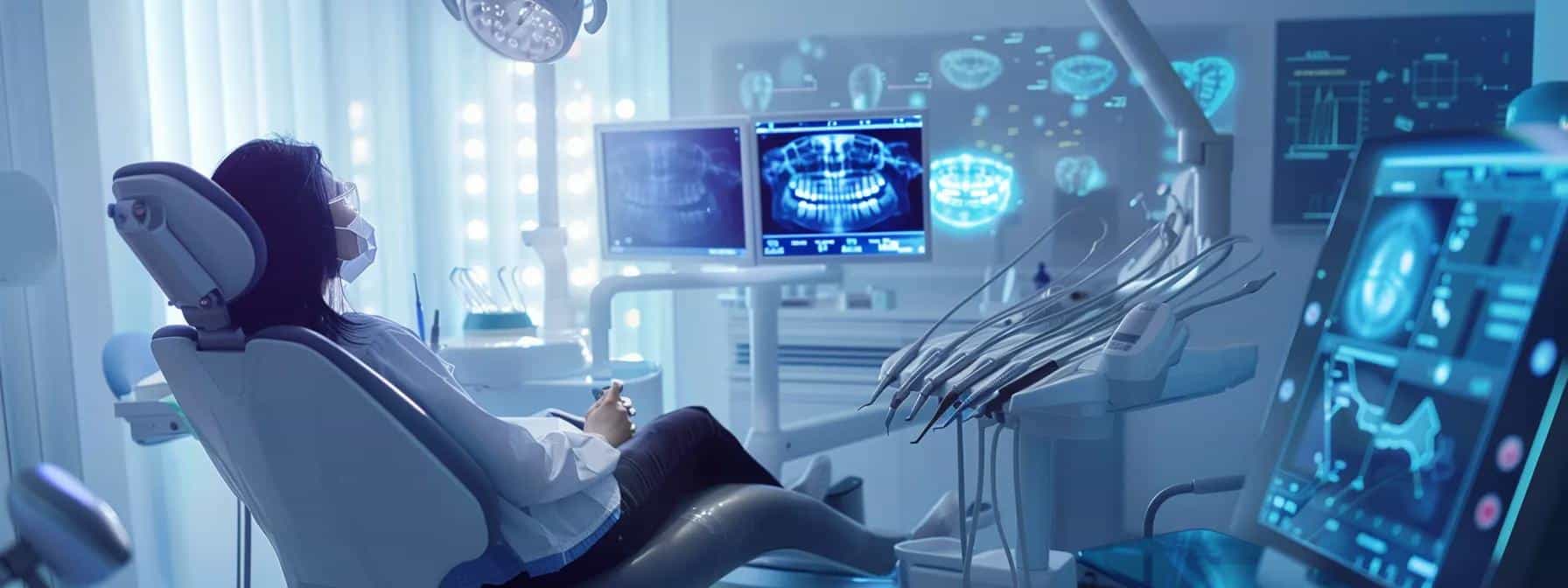
Maintaining proper oral hygiene after a tooth extraction is crucial for healing and preventing infections. Patients often struggle with knowing how to care for their teeth and gums following the procedure, especially with concerns about disrupting the healing blood clot and damaging nearby dental work. This article provides step‐by‐step guidance on brushing your teeth after a tooth extraction, with specific instructions tailored for those with dental crowns or other restorations. By adhering to these practices, patients can minimize pain, reduce the risk of infection, and protect their smile. The advice herein helps in managing aesthetics, disease prevention, and overall oral health while still accommodating the need for gentle cleaning. Additionally, the article offers insight into which dental products—such as those containing dental cement, zirconium dioxide, or porcelain for crowns—are best suited for the post‐extraction environment. As a dental marketer focusing on affordable dental implants, dentures, and restorative treatments, the tips provided here also encourage patients to schedule appointment for follow-up care, ensuring their long-term oral health is maintained.
Key Takeaways
Maintaining a gentle brushing technique after tooth extraction is essential to protect the healing blood clot and avoid pain.
Specific strategies are recommended for cleaning around dental crowns and restorations to prevent issues like bad breath and tooth discoloration.
The article offers detailed guidelines and lists on brushing practices, safe oral hygiene routines, and professional follow-ups in Fort Worth to ensure optimal recovery.
Patients are advised to consult with their dentist regarding personalized care instructions to prevent complications and secure lasting dental health.
Initial Oral Care Steps Immediately Following Extraction
Immediately after an extraction, your oral care routine should prioritize protecting the blood clot in the extraction site. During the initial hours, gentle care is crucial to minimize the risk of a painful condition called dry socket.
Protecting the Blood Clot When Cleaning Your Mouth
Right after an extraction, the blood clot forms a natural barrier that protects the underlying tissue and assists with healing. The first step in oral hygiene is to avoid any practices that could dislodge this clot. It is strongly recommended that patients do not rinse vigorously or brush near the extraction site for at least the first 24 hours. Instead, if your dentist advises gentle rinsing, use a mild saline solution without swishing forcefully. Research shows that any disturbance in the clot can lead to prolonged pain and increased risk of infection. As part of your care plan, consider using a damp gauze pad to gently dab around the area rather than a toothbrush during the early hours.
Using a Soft-Bristled Toothbrush on Other Teeth
While you must be cautious around the extraction site, keeping the rest of your mouth clean is also important. Use a soft-bristled toothbrush to clean the other teeth carefully. With advancements in dental technology, brushes made of ultra-soft nylon fibers are now widely available. When brushing areas distant from the extraction site, apply minimal pressure to avoid transferring any bacteria to the vulnerable area. This method not only supports overall oral hygiene but helps avoid issues like dental plaque accumulation, which can contribute to gingivitis and tooth decay. Additionally, this practice aids in decreasing bad breath, a common post-extraction complaint.
Avoiding the Extraction Area for the First Day
It is advisable to steer clear of the extraction site entirely for the first day. Any vigorous brushing in this area might dislodge the clot and lead to complications. Preventing irritation is crucial, and using any cleaning instrument near the extraction socket may result in discomfort or delayed healing. Instead, focus on brushing the more accessible areas and use a gentle dabbing motion if absolutely necessary in the region surrounding the extraction. This careful routine will help ensure that the extraction site remains undisturbed during the critical initial healing stage.
Gentle Rinsing Techniques if Advised by Your Dentist
If your dentist instructs you to rinse your mouth, it should be done very gently. Instead of forceful swishing, create a gentle motion by letting a small amount of lukewarm water or a prescribed mouthwash trickle over your teeth. This soft rinsing helps in clearing away food particles and bacteria while protecting the healing clot from mechanical disruption. Studies indicate that patients who follow gentle rinsing protocols experience fewer complications and show signs of improved comfort during recovery. Incorporating these techniques will set the stage for a smooth transition to more active oral hygiene routines after the initial 24-hour period.
Safe Brushing Practices Around the Extraction Site After 24 Hours
Once 24 hours have passed, you can begin to resume brushing with more attention to the extraction site. However, the strategy must remain gentle. This period marks the transition from immediate post-operative care to safe maintenance of overall oral hygiene. The gradual reintroduction of brushing near the extraction site is critical to avoid irritating the healing tissue or disturbing the delicate blood clot.
Carefully Cleaning Teeth Adjacent to the Healing Socket
After the first day, it is safe to gently clean the teeth that are adjacent to the extraction socket. This is crucial in preventing the buildup of dental plaque, which can harbor bacteria and lead to further complications like periodontal disease or abscess formation. Use a soft-bristled brush and avoid any aggressive movements that could disturb the healing area. The precise technique is to lightly brush the other teeth while maintaining a safe distance from the extraction site. Utilizing dental floss on neighboring teeth is also beneficial, but be extra careful to avoid tugging on the gum tissues near the socket.
Employing Minimal Pressure to Avoid Irritation
It is important to use minimal pressure around the extraction site during brushing. High-pressure brushing can irritate the healing tissues and may even lead to inflammation, increasing the risk of pain or infection. A lighter touch with your soft-bristled toothbrush is recommended, and special dental brushes designed for sensitive mouths might also be considered. Minimal pressure helps protect the integrity of any remaining dental cement or restorations like porcelain crowns and zirconium dioxide bridges nearby, ensuring that they remain securely in place while your mouth heals.
What Kind of Toothpaste Is Suitable Post-Extraction
For patients recovering from a tooth extraction, choosing the right toothpaste is essential. Dentists recommend using a toothpaste formulated for sensitive teeth that contains mild ingredients and lacks abrasives. Toothpaste with a low concentration of sodium lauryl sulfate is often preferable since strong detergents may irritate the healing gums. Additionally, formulas enriched with fluoride can help protect the remaining tooth structure against decay without overwhelming the delicate post-extraction tissues. This careful approach also protects against diseaserisk factors such as bacterial contamination that could lead to tooth decay and periodontal problems.
Observing the Site for Any Signs of Trouble While Brushing
While brushing around the healing site, patients should make it a point to observe for any signs of complications. These signs may include persistent bleeding, unusual swelling, or the development of sharp pain near the extraction socket. If any of these issues arise, it is important to discontinue brushing in that specific area and promptly consult your dental professional. Monitoring the area frequently ensures that any potential issues are detected early, preventing further complications that could affect the overall aesthetic and functional outcome of your dental restorations. In addition, keeping a close eye on the health of the soft tissues also supports the prevention of bad breath and tooth decay.
Special Considerations for Existing Dental Crowns During Healing
Patients with existing dental crowns need to take extra precautions during the post-extraction phase to maintain both the newly healing site and the integrity of their crowns. Crowns crafted from materials such as porcelain, stainless steel, or zirconium dioxide require gentle care to avoid damaging their delicate margins. This section focuses on strategies to brush safely around your dental crowns while allowing the extraction site to heal.
Gently Brushing Around Your Dental Crowns
For those with dental crowns, particularly cosmetic restorations, gentle brushing becomes even more critical. A toothbrush with ultra-soft bristles should be used to slowly and carefully clean around the crown border. The goal is to remove any food debris and plaque while ensuring that the contour of the crown remains intact. Use a circular motion rather than a back-and-forth scrubbing technique to minimize the risk of damaging fragile dental cement that secures the crown. By doing so, you benefit from improved oral hygiene and a reduced risk of developing issues such as tooth discoloration and periodontal disease.
Ensuring No Food Particles Lodge Near Crown Edges
It is essential to focus on the areas where the crown meets natural tooth structure, as food particles can easily get trapped along the margins. Over time, these trapped particles may lead to decay in the underlying tooth or compromise the seal of the crown. Patients should use an interdental brush or floss specifically designed for crowned teeth. These tools are crafted to clean narrow spaces effectively, ensuring that no harmful residue remains that could foster bacteria growth. Consistent practice in removing these particles assists in maintaining the aesthetics and structural integrity of the crown as well as overall oral health.
Flossing Techniques Adapted for Areas With Dental Crowns
Flossing around dental crowns requires a modified technique to ensure that the edge of the crown is not disturbed. A waxed dental floss or one designed for sensitive areas is ideal as it glides between the crown and adjacent tooth surfaces without causing friction or damage to the gum line. The correct technique involves gently sliding the floss into the gap and bending it around the tooth in a “C” shape, rather than forcing it, to avoid altering the dental cement bond. This meticulous approach helps in maintaining a clean environment and significantly reduces the risk of plaque buildup and subsequent gingivitis around the crowned tooth.
Maintaining the Integrity of Your Dental Crowns While Your Mouth Heals
Overall, protecting your dental crowns during the healing period is paramount. Beyond brushing and flossing, consider using a non-alcohol based mouth rinse that does not harm the crown surfaces or the underlying tooth structure. Over the healing period, these crowns will be part of your long-term restorative dental work, so proper care now can prevent premature wear or failure. Partnering this routine with regular dental check-ups ensures that both the extraction site and the crowns continue to receive professional attention, balancing aesthetics with functional dental health. Maintaining your crowns not only preserves the appearance of your smile but also upholds the long-term success of your cosmetic dentistry efforts.
Progressing Your Oral Hygiene Routine as Healing Continues
As the healing process continues, patients can gradually progress to a regular oral hygiene routine. Transitioning to a more comprehensive cleaning regimen is important to fully restore oral health while ensuring that disrupted tissues and dental restorations remain unharmed. This stage typically begins a few days after your extraction, and patients should monitor their comfort levels and adjust their techniques accordingly. Progressively reintroducing brushing near the extraction site will help clear away residual debris and support the natural restoration of your gums and tooth enamel.
When to Start Brushing Closer to the Extraction Area
Once you are past the initial healing phase, usually after 24 to 48 hours, you may begin brushing slightly closer to the extraction area. However, it is imperative that you do this very gradually. In the first few days, you might only gently dab or lightly brush the outer parts of the socket’s periphery. Over time, as the tissues strengthen and healing advances, you can more confidently use your normal brushing techniques. Consistent consultation with your dental professional during this period is essential, as they can assess your progress and recommend personalized adjustments based on recovery rates and individual healing responses.
Gradually Returning to Your Normal Brushing Force
As the extraction site continues to heal, most patients can slowly reintegrate their normal brushing force into their routine. However, it is important to ensure that this increase in pressure is gradual and monitored closely. Even when you feel ready to resume regular brushing, continue to use a soft-bristled toothbrush to avoid any accidental trauma to the healing tissue. Consistent, gradual improvement in brushing force helps replenish the overall cleanliness of your mouth while reducing the risk of creating gaps where bacteria can proliferate. This strategy also benefits the surrounding teeth, including those with restorative work like dental crowns or inlays and onlays.
How Long to Maintain Modified Brushing Habits
The question of duration for maintaining a modified brushing technique depends on the individual’s healing progress. Typically, patients should continue with a gentler brushing method for at least one to two weeks, or as advised by their dentist, before transitioning fully back to their original routine. Healing often varies depending on many factors including age, health status, and overall oral hygiene practices prior to the extraction. Continual assessment of the extraction site for any signs of irritation or infection is necessary during this time. If any complications arise, this gentle routine might need to be extended to protect against further risk.
Incorporating All Teeth Back Into Your Full Cleaning Regimen
After ensuring that the extraction site has healed properly and that your gums have stabilized, you can reintroduce all teeth into your regular full cleaning regimen. At this stage, it is best to blend your modified habits with a more traditional method of brushing and flossing. Reintegrating those areas gradually not only helps maintain overall oral cleanliness but supports the natural regeneration of the tissues. In addition, continuing to use a toothpaste designed for sensitive teeth helps safeguard the delicate balance of your oral ecosystem. This comprehensive approach—combining gradual reintroduction, careful observation, and support from dental products—ensures a smooth transition to full oral hygiene, ultimately aiding in the long-term prevention of dental diseases such as gingivitis and tooth decay.
Maintaining Overall Oral Health and Protecting Restorations
Long-term oral health after a tooth extraction involves a combination of proper hygiene practices and diligent care for existing restorations like crowns, dental implants, and bridges. By integrating professional guidance with a personalized at-home routine, patients can continuously protect their investments while nurturing overall dental health. This section emphasizes consistent practices that help prevent complications such as bad breath, tooth decay, and risks associated with dental cement failure, while also maintaining the aesthetics and function of dental restorations.
The Role of Consistent Hygiene in Preventing Complications
Consistent oral hygiene is a bulwark against many common dental complications. Regular brushing and flossing not only prevent plaque buildup but also reduce the accumulation of harmful bacteria that can lead to periodontal disease, cavities, and infections. For patients recovering from an extraction, adherence to a reliable routine helps avoid complications such as infection in the extraction socket—a critical factor that can jeopardize surrounding restorations. Scientific studies show that regular dental care lowers the risk of disease by up to 40%, underscoring the importance of daily hygiene in maintaining long-term oral health. Furthermore, using therapeutic mouthwashes can support this routine by reducing bacterial load without risking irritation to healing tissues.
Protecting Your Investment in Dental Crowns Through Proper Care
For individuals with dental crowns, careful oral hygiene is essential to preserve both the crown and the underlying tooth. Restorations constructed from materials like dental porcelain, stainless steel, and zirconium dioxide rely on a meticulous cleaning regimen to prevent issues such as staining, plaque accumulation, or even crown loosening. Ensuring that your crowns remain undisturbed during the initial healing is important; however, as your mouth heals, you must continue extra care around these restorations to safeguard their longevity. Regular visits to your dentist combined with proper at-home techniques—such as the use of non-abrasive toothpaste and flossing tools designed for crown care—can help prevent deterioration and ensure that your dental investments remain functional and aesthetically pleasing for years to come.
Understanding How Post-Extraction Care Affects Nearby Teeth
The area surrounding a tooth extraction is particularly vulnerable. Post-extraction care can influence not only the healing of the extraction socket but also the condition of neighboring teeth and restorations. Applying gentle cleaning techniques reduces the risk of accidental damage to adjacent tooth enamel or dental fillings. Moreover, poor care can lead to the transfer of bacteria, potentially affecting the composite structure of neighboring teeth. Integrating a step-by-step approach that includes gentle brushing, careful use of interdental cleaners, and appropriate rinsing methods helps maintain the health of all teeth in the vicinity. This strategy is critical for avoiding complications such as decay, gum disease, or discoloration, ensuring that both the extraction site and the surrounding dentition remain healthy.
Long-Term Strategies for a Healthy Mouth After Tooth Removal
Maintaining a healthy mouth after a tooth extraction requires not only immediate post-operative care, but also long-term habits that support sustained oral health. Incorporating proper brushing techniques, complemented by dietary choices that minimize sugar and acidic foods, plays a significant role in promoting dental health. In addition, the use of dental floss, prescribed mouthwash, and regular dental visits are integral components of this strategy. Advances in dental technology have improved bonding materials and dental cements, which help secure crowns and bridges longer, even under the stresses of daily chewing and brushing. Establishing a routine that emphasizes gentle but consistent care, while also accommodating restorative needs, reduces the risk of complications like gingivitis and bacterial infections. This holistic approach not only optimizes the healing process but also supports long-term oral function and aesthetics.
Consulting Your Fort Worth Dentist About Post-Extraction Care and Dental Crowns
For personalized advice on post-extraction care, especially when dental crowns are involved, it is always best to consult a professional. Fort Worth dental experts are well-versed in the nuances of oral restoration and can provide tailored guidance to ensure optimal recovery. This section covers when and why you should seek professional intervention, as well as what treatments and follow-up care options are available for maintaining your dental health after a tooth extraction.
When to Seek Professional Advice Regarding Your Brushing Technique
It is important to know when your at-home care needs to be supplemented by professional guidance. If you experience prolonged pain, notice signs of infection such as swelling or persistent bleeding, or observe any complications around your crown or extraction site, you should consult your Fort Worth dentist immediately. Professional evaluations not only confirm that your healing process is on track but also provide opportunities to adjust your brushing technique through personalized demonstrations. Dental professionals can also recommend specialized toothbrushes and dental products designed specifically for post-extraction care, ensuring that your brushing technique is effective without compromising the healing tissue.
Addressing Concerns About Healing or Your Existing Dental Crowns
Patients with existing dental crowns are often concerned about how the healing process might affect their restorations. Fort Worth dentists are experienced in managing such cases, providing advice on adjustments to your cleaning regimen during the vulnerable healing period. When dental crowns are involved, thoughtful care is needed—not only to protect the crown but also to avoid any gap formation or contamination near the crown margins. If you notice any chipping, loosening, or changes in the appearance of your dental crowns, it is imperative to schedule an appointment to ensure that these issues are addressed promptly. This professional oversight helps maintain the longevity and aesthetic appeal of your crowns while avoiding potential complications.
Discussing Future Restorative Options Like Dental Crowns in Fort Worth for the Space
In some cases, the extraction not only requires careful healing but may also lead to considerations for future restorative options. Fort Worth dental professionals can discuss subsequent procedures such as dental crowns, inlays and onlays, or even dental implants to restore function and aesthetics to your smile. When planning for such restorations, understanding the timing and condition of your extraction site is crucial. Modern breakthroughs in dental materials, like lithium disilicate and zirconium dioxide-based ceramics, offer durable and aesthetically pleasing options for restoration. Your dentist will advise on the optimal time frame for these procedures and how best to integrate them with your ongoing oral hygiene routine.
Follow-Up Appointments and Professional Cleanings in Fort Worth
Regular follow-up appointments and professional cleanings after a tooth extraction are essential to monitoring your progress and ensuring that both the healing site and any existing dental restorations remain in optimal condition. These appointments allow your dentist to remove bacterial plaque that may have built up in hard-to-reach areas and to provide a comprehensive evaluation of the entire oral cavity. In Fort Worth, many dental offices offer complimentary consultations and affordable cleaning plans as part of their restorative dentistry services. Such professional interventions not only support recovery but also educate patients on best practices for long-term oral health, ensuring that complications like dental cement breakdown or tissue irritation are addressed promptly.
Final Thoughts
In summary, brushing your teeth after a tooth extraction requires a careful balance between maintaining cleanliness and protecting the healing site. The outlined steps, from initial gentle care to gradually reintroducing full brushing routines, ensure that the extraction site, as well as existing restorations like dental crowns, are safeguarded during the healing process. Patients are encouraged to use gentle techniques, select appropriate dental products, and consult their Fort Worth dentist when in doubt. This balanced approach not only minimizes the risk of complications but also supports long-term oral hygiene and aesthetics. Scheduling a follow-up appointment ensures continuous improvement and professional oversight, paving the way for a healthy mouth and restored smile.
Frequently Asked Questions
Q: How soon can I resume brushing near the extraction site? A: You can begin gently brushing near the extraction site approximately 24 to 48 hours after the procedure. However, it is essential to use a soft-bristled toothbrush and avoid vigorous motions to prevent dislodging the blood clot.
Q: What kind of toothpaste should I use after a tooth extraction? A: It is best to use a toothpaste formulated for sensitive teeth. Look for a gentle formula without harsh abrasives and minimal sodium lauryl sulfate to avoid irritation while still promoting oral hygiene.
Q: How do I know if my dental crown is being affected by the extraction? A: Signs of complications may include noticeable changes in the crown’s position, loosening, or discomfort when brushing near it. If these issues arise, you should consult your Fort Worth dentist promptly for an evaluation.
Q: Is it necessary to modify my entire oral hygiene routine after a tooth extraction? A: Yes, it is advisable to adopt a modified routine initially to protect the healing area. As healing progresses, gradually reintroduce your normal cleaning techniques while being extra cautious around the extraction site and any dental restorations.
Q: When should I schedule a follow-up appointment after my extraction? A: Typically, a follow-up appointment should be scheduled within one to two weeks after the extraction. This allows your dentist to assess the healing process and ensure that all restorations, including dental crowns, are maintained properly while addressing any post-operative concerns.