What Real Patients Are Saying: Dental Implant Patient Reviews Dallas to Help You Choose the Best Dental Implants
Introduction
Real patient reviews offer a practical window into the lived experience of dental implant treatment, translating clinical details into everyday outcomes that matter when choosing a provider. This article synthesizes firsthand patient perspectives on dental implant success stories, pain and recovery, cost and financing, provider selection, long-term durability, common concerns, and how to book a Free Dental Implant Consult in Dallas. By grounding each section in patient-centered evidence—what people report about chewing, speech, confidence, and maintenance—readers gain actionable criteria to compare options and set realistic expectations. The goal is to help you make a confident decision about dental implants in Dallas by highlighting recurring patient insights, practical timelines, and selection checklists that mirror how real patients evaluated their choices. We cover success narratives and before/after signals, recovery timelines and pain management strategies, cost drivers and financing approaches, criteria patients use to choose an implant dentist, long-term satisfaction reports, how patients overcame fears and complications, and step-by-step guidance to schedule a Free Dental Implant Consult in Dallas.
What Do Dallas Patients Say About Their Dental Implant Success Stories?
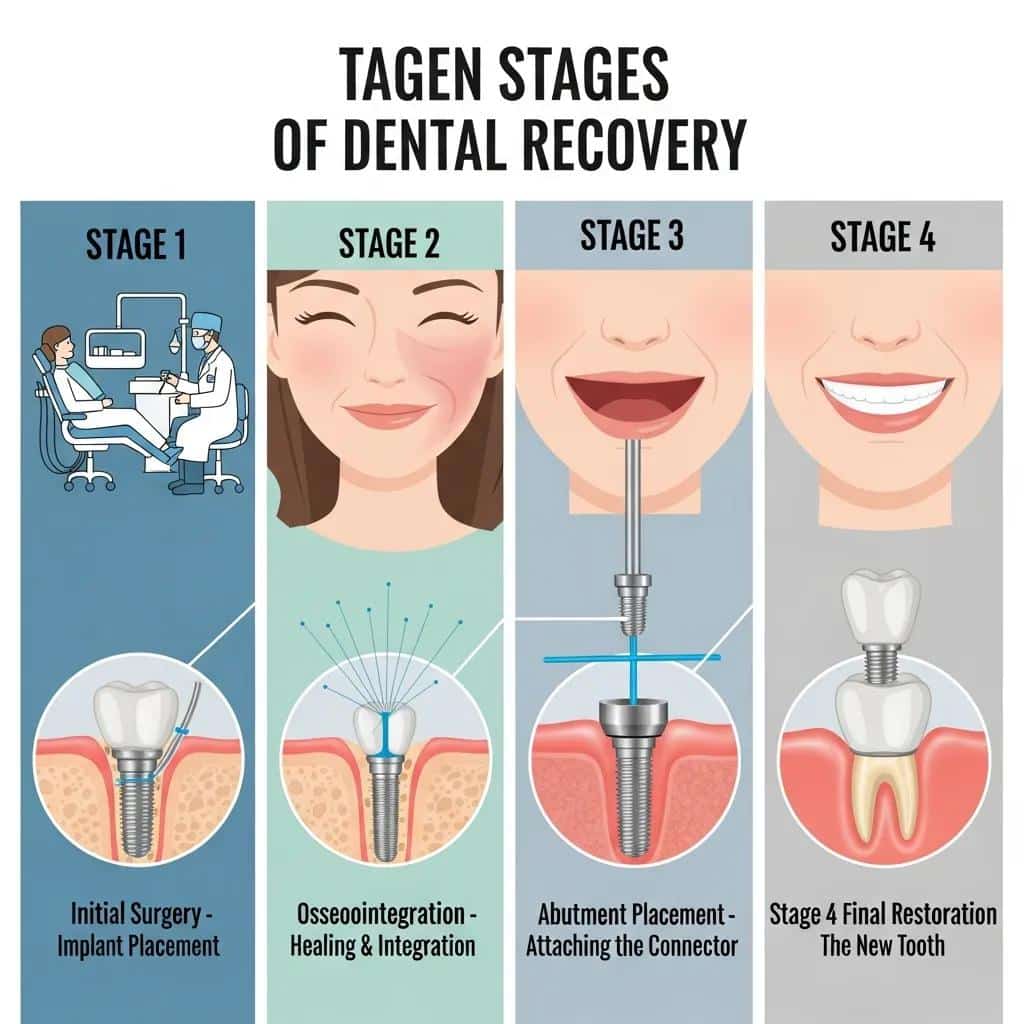
Dental implant success stories from Dallas patients center on restored function and renewed confidence: patients report that tooth replacement with implants improves chewing, speech, and appearance because the implant fixture integrates with jawbone (osseointegration) and supports a natural-feeling implant crown. Mechanically, a titanium post (implant fixture) replaces the tooth root, an abutment connects the post to a crown, and the new crown restores form and function; patients emphasize the practical benefit of eating without restrictions and smiling without self-consciousness. These narratives typically highlight stepwise treatment—diagnosis, implant placement, healing, and final restoration—and demonstrate how restorative dentistry translates into daily life benefits for single-tooth cases and for full-arch solutions. The patterns in patient reviews make outcomes easier to anticipate, and the next subsection breaks these broad successes into representative case vignettes that illustrate common scenarios.
Which Real Patient Stories Highlight Successful Dental Implant Outcomes?
Representative patient vignettes show common pathways to success across several scenarios and age ranges, helping prospective patients map likely results to their own situation. For example, many patients with a single missing tooth report returning to normal chewing and regaining confidence after a sequence of implant placement, a healing period, and final crown restoration; the outcome emphasizes discreet aesthetics and durable function. Patients needing multiple replacements or implant-supported dentures describe substantial diet improvement and simplified maintenance compared with removable dentures, citing fewer slip issues and clearer speech. Full-arch cases, including all-on-4 style approaches, are often framed as life-changing by patients who previously struggled with poor-fitting prostheses; these stories emphasize a fast return to social activities. Collectively, these vignettes reveal that treatment planning, clear communication, and predictable timelines are central to patient satisfaction, which sets up how visual evidence and before/after comparisons reinforce those perceptions.
How Do Before and After Transformations Reflect Patient Satisfaction?
Before-and-after transformations serve as both visual proof and a proxy for functional improvement, with patients frequently noting that visible restoration of tooth form correlates with regained confidence and easier eating. In many reviews, patients describe before images showing gaps, broken crowns, or unstable dentures and after images with natural-looking crowns or stable implant-supported prostheses; this visible change often matches reported gains in speech clarity, bite force, and self-esteem. Beyond aesthetics, patients link restored occlusion to concrete improvements like being able to chew tougher foods or speak without lisps, making before/after comparisons a direct measure of treatment value. Viewing transformation examples typically reduces uncertainty for prospective patients, which naturally leads readers to seek a personalized evaluation—many Dallas patients recommend scheduling a Free Dental Implant Consult to see how similar outcomes would apply to their case.
Patient-Centered Outcomes in Implant Dentistry: A Systematic Review
The current use of patient-centered/reported outcomes in implant dentistry is a critical area of research. Clinicians traditionally assess the outcome of dental implant treatment based on clinical parameters, but patient-reported outcomes provide a more holistic view of treatment success. The eighth European Workshop on Periodontology highlighted the importance of patient-reported outcomes in implant dentistry, emphasizing their role in evaluating treatment in systemically healthy patients.
The current use of patient‐centered/reported outcomes in implant dentistry: a systematic review, 2015
Affordable Dentist Near Me of Dallas offers a Free Dental Implant Consult at its Dallas location (6301 Abrams Rd Ste 125, Dallas, Texas 75231), and patients inspired by success stories often use a consult to review case examples and receive individualized planning without an initial fee. This free consult functions as a low-friction next step for those who want to compare expected outcomes against their own before/after possibilities.
How Do Patients Describe Pain and Recovery During Dental Implant Procedures?
Patients commonly describe dental implant pain as manageable and concentrated in the immediate post-operative window because local anesthesia and modern techniques reduce intraoperative discomfort and medications control short-term pain. The mechanism is straightforward: surgical placement of the implant transmits trauma to soft tissue and bone that triggers inflammation and soreness, but these symptoms typically peak early and subside as osseointegration progresses; the reported benefit is predictable healing that allows return to normal activities in stages. Reviews emphasize that following post-op instructions—rest, cold packs, prescribed or recommended analgesics, and soft-food diets—shortens discomfort and prevents complications. The next two subsections unpack patient experiences with specific pain-management approaches and a practical recovery timeline drawn from multiple patient reports.
What Are Real Patient Experiences With Dental Implant Pain Management?
Patients report that pain is generally well-controlled when clinicians provide clear analgesic plans and realistic expectations, with most noting that discomfort after implant surgery is less severe than anticipated when following guidance. Common pain-management elements include use of local anesthesia during the procedure, short courses of prescription analgesics or over-the-counter options afterward, and adjunctive measures such as ice, elevation, gentle oral rinses, and avoiding strenuous activity; some patients who had sedation during placement describe reduced perioperative anxiety and minimal recall of discomfort. Reviews also point out that procedures involving bone grafting or sinus lifts tend to produce more post-op soreness and a longer acute recovery, which patients say was explained to them in advance. Effective communication about pain control and what to expect often correlates with higher satisfaction, which prepares readers for the typical timeline described next.
Patient-Reported Outcomes in Dental Implant Surgery: Pain and Recovery
The influence of implant characteristics on patient-reported outcomes (PROs) has been investigated, with studies examining factors such as pain, discomfort, and satisfaction. Patient-reported outcome measures (PROMs) are crucial for understanding the real-world impact of dental implant surgery and for guiding treatment decisions. Factors influencing pain threshold and the use of pain medication within 1 day post-surgery are also important considerations for patient comfort and recovery.
Patient-reported outcome measures following surgeries in implant dentistry and associated factors: a cross-sectional study, 2022
How Long Is the Typical Dental Implant Recovery Timeline According to Patients?
Patients typically report a staged recovery: acute symptoms subside within a few days, soft-tissue healing improves over a few weeks, and full osseointegration takes several months before final restoration; this phased timeline helps set expectations for function and follow-up visits. Immediately after surgery, many patients experience swelling and soreness that peak in the first 48–72 hours and respond to icing and medications; by one to two weeks most report reduced tenderness and return to everyday activities. Short-term recovery across 1–4 weeks usually includes suture removal (if used) and progressive restoration of chewing comfort, while the long-term integration phase of about 3–6 months allows bone to fuse to the implant fixture prior to placing the final crown or prosthesis. Patients who follow oral hygiene and clinic instructions typically report smoother progression through these stages, which leads into a structured EAV table below summarizing procedure stages, symptoms, and patient-reported timelines.
Patient Perceptions of Recovery After Dental Implant Placement
Patients’ perception of recovery after dental implant placement is a significant aspect of the overall treatment experience. This includes managing post-operative pain, which may require analgesics, and adhering to specific recovery protocols such as rinsing with chlorhexidine mouthwash, maintaining a liquid to soft diet, and using pain control medications as needed.
Patients’ perception of recovery after dental implant placement, 2021
Different stages of recovery show predictable symptoms and methods patients used to manage them.
Procedure Stage
Typical Symptoms / Management
Patient-Reported Timeline & Relief Methods
Immediate (0–72 hours)
Swelling, localized pain, minor bleeding; manage with ice, rest, soft diet, prescribed/OTC analgesics
Patients report peak discomfort in first 48–72 hours, with ice and analgesics providing notable relief
Early healing (1–4 weeks)
Soft tissue healing, reduced swelling, gradual return to normal eating; manage with gentle oral hygiene and follow-up checks
Most patients feel comfortable eating soft-to-moderate foods by 2–3 weeks and report minimal daily pain
Osseointegration (3–6 months)
Bone integration with gradual loading; maintain excellent hygiene and attend periodic assessments
Patients describe progressive confidence in chewing as months pass and final restorations are scheduled
What Are Patient Perspectives on Dental Implant Cost, Financing, and Affordability in Dallas?
Patients evaluate dental implant cost both as an up-front expense and as a long-term investment in oral health, viewing implants as higher initial cost compared with alternatives but often worth the durability and quality-of-life gains. The financial mechanism patients describe is weighing component costs—implant fixture, abutment, crown, and any grafting or sedation—against lifetime value like fewer replacements and improved function; many reviews frame implants as cost-effective over years despite early sticker shock. When affordability becomes a barrier, patients explore financing options, dental payment plans, or phased treatment approaches to spread cost while still achieving desired outcomes. The next subsections examine how patients rate value and catalog practical financing routes commonly used in Dallas.
How Do Dallas Patients Rate the Value and Affordability of Dental Implants?
Dallas patients frequently judge value by durability, aesthetic outcome, and daily function, with many stating implants exceeded expectations because they reduced future prosthetic maintenance and improved diet and confidence. While some patients initially report concern about the cost, a majority indicate that the long-term benefits—less frequent replacement and more natural chewing—justify the investment; a minority note that unexpected additional procedures (like bone grafts) affected affordability. Patients emphasize getting an itemized estimate and comparing alternatives, which reduces surprises. Practical next steps for cost clarity include requesting a detailed treatment plan and discussing phased care to match budget constraints, which leads directly into common financing methods patients report using.
Before presenting financing options, here are the main cost drivers patients should expect to ask about.
Cost Factor
What It Covers
Typical Patient Comment
Implant fixture (titanium post)
The root replacement surgically placed in bone
Patients see this as the core expense and a primary determinant of durability
Abutment and crown
The connector and visible prosthesis that restore appearance and bite
Patients often treat the crown as the cosmetic and functional portion worth investing in
Bone grafting / sinus lift
Additional procedures to enable implant placement when bone is insufficient
Patients consider grafting an extra but necessary cost to achieve stable outcomes
Sedation and imaging
Comfort options and diagnostic 3D imaging used for planning and placement
Some patients choose sedation for anxiety management and value clear imaging for accurate planning
Common financing approaches in Dallas include in-house payment plans, third-party medical financing, using savings, and leveraging insurance contributions when applicable; patients who used payment plans often stressed the importance of transparent terms and an itemized estimate. The practical takeaway is to request a written, itemized plan at a consult and ask specifically about available financing avenues and phased treatment scheduling.
Patients recommend asking these three financial questions during a consult:
What is included in the written estimate? Understand every component to avoid surprises. Are phased treatment options available? Phasing can improve affordability by spreading costs. What financing or payment plans does the office offer? Clear terms support better budgeting.
Patients often find that a Free Dental Implant Consult is the most efficient way to obtain an individualized cost estimate and learn about financing options; Affordable Dentist Near Me of Dallas explicitly offers a Free Dental Implant Consult so prospective patients can get an itemized plan and discuss payment approaches with the care team.
How Do Real Patients Choose the Best Dental Implant Dentist in Dallas?
What Qualities Do Patients Value Most in a Dallas Dental Implant Dentist?
Patients select implant dentists by comparing clinical competence, communication quality, visible evidence of outcomes, technology used in planning, and transparent financing—criteria that together reduce perceived risk and create trust. The mechanism patients use is iterative: read reviews to assess outcomes, inspect before/after evidence for similar cases, confirm that the provider uses appropriate imaging or guided-surgery tools, and evaluate how clearly the team explains risks and timelines. Reviews and patient narratives function as social proof and filter out practices that fail to communicate or document outcomes well. The following subsections rank the qualities patients prioritize and examine how reviews reflect confidence in the local Dallas practice and its lead clinician.
Clinical skill: Patients value consistent, successful outcomes in comparable cases.
Clear communication: Patients prefer clinicians who explain each phase and manage expectations.
Before/after evidence: Visual proof of results reassures patients about likely outcomes.
Transparent costs and financing: Clear estimates and payment options reduce financial anxiety.
Staff professionalism and convenience: Efficient scheduling and friendly care improve the overall experience.
Together, these criteria form a practical checklist for vetting providers and set up how local review patterns relate to specific practices.
How Do Patient Reviews Reflect Confidence in Affordable Dentist Near Me of Dallas and Dr. Mike Pham?
Public review aggregates provide a local signal of patient confidence: Affordable Dentist Near Me of Dallas shows an aggregate rating of 4.7 stars based on over 440 Google reviews, and patient review themes frequently mention trust, perceived affordability, and positive outcomes. While reviews are not clinical endorsements, recurring mentions of compassionate staff, transparent explanations, and successful restorations contribute to a pattern many patients cite when deciding where to consult. References to Dr. Mike Pham’s role and community involvement—such as volunteer work—appear in public information and can factor into trust judgments for some patients. For readers evaluating local options, the pragmatic step many patients recommend is to use a Free Dental Implant Consult to meet the dentist and confirm that the provider’s clinical approach, communication, and evidence align with their priorities.
What Long-Term Satisfaction and Durability Do Patients Report After Dental Implants?
How Do Patients Describe the Impact of Dental Implants on Their Quality of Life?
Patients consistently note psychosocial and functional gains after implant therapy, including increased confidence when smiling, greater willingness to engage socially, and a more varied diet due to restored masticatory strength. Functionally, patients report improved bite force and clearer speech compared with dentures, which often translates into tangible daily-life improvements such as eating previously avoided foods and feeling more comfortable in public settings. Emotionally, many describe a reduction in self-conscious behavior and an increase in wellbeing linked to the stability and natural appearance of implant crowns or implant-supported dentures. These quality-of-life testimonials form a key part of how patients assess long-term value when comparing implants to other tooth-replacement options.
What Do Patient Reviews Say About the Longevity and Maintenance of Dental Implants?
Patient reviews generally report long-lasting outcomes when routine maintenance is performed, and common maintenance tasks include periodic professional cleanings, monitoring of prosthetic components, and daily oral hygiene practices adapted to implant restorations. Minor issues such as crown wear or screw loosening are reported infrequently and are usually resolved with relatively simple adjustments or repairs, according to patient descriptions. Many patients emphasize the importance of follow-up visits and timely attention to any signs of irritation or mobility to prevent more serious complications. Below is a structured view of long-term attributes patients frequently mention and the maintenance tips they share.
Long-term patient experiences point to specific durability and upkeep practices.
Long-term Attribute
What Patients Report
Examples / Maintenance Tips
Longevity
Most report durable function over years with routine care
Schedule regular professional cleanings and check prosthetic fit annually
Maintenance frequency
Periodic recall visits and occasional prosthetic servicing
Replace worn crowns or tighten abutments as needed and maintain daily hygiene
Quality-of-life improvements
Sustained gains in diet, speech, and confidence
Use interdental brushes or water flossers designed for implants to protect soft tissue
What Are Common Patient Concerns and How Are They Addressed Through Real Experiences?
How Do Patients Overcome Fears About Dental Implant Surgery?
Patients commonly manage anxiety by seeking thorough explanations, viewing before/after examples, and choosing sedation or anxiolytic options when available; these strategies help reduce perioperative stress and improve the overall experience. Education during the consult—step-by-step walkthroughs of the procedure, expected sensations, and recovery timelines—emerges repeatedly as a key calming factor in reviews, as does meeting the care team beforehand. Peer stories and testimonials also help prospective patients gauge what to expect and normalize the process. Patients recommend preparing mentally by asking targeted questions, arranging transportation for sedation cases, and planning rest days after surgery to minimize stress.
Common anxiety-management strategies patients used:
Detailed consultations: Getting step-by-step explanations before surgery.
Sedation options: Using sedation or anxiolytics when recommended for comfort.
Peer examples: Reviewing before/after cases and hearing patient stories to normalize the process.
What Risks and Complications Have Patients Experienced, and How Were They Managed?
Patient narratives about complications tend to emphasize early recognition and prompt management: reported issues such as minor infections, transient nerve sensitivity, or graft setbacks were generally resolved with medication, close monitoring, or corrective procedures. Patients who experienced complications highlight the importance of responsive clinical teams that provide clear next steps, timely follow-up, and transparent explanations of corrective measures; such responsiveness often preserved trust and led to satisfactory final outcomes. Reviews also encourage asking during the consult about specific contingency plans and the process for managing complications so prospective patients understand escalation paths. Discussing risk openly during the consult reduces surprise and supports better decision-making, which prepares patients for the practical step of scheduling a consult based on peer recommendations.
How Can You Schedule a Free Dental Implant Consultation Based on Patient Recommendations?
Why Do Patients Recommend Taking Advantage of a Free Dental Implant Consult in Dallas?
Patients value a Free Dental Implant Consult because it removes the initial financial barrier to obtaining a personalized treatment plan, a written estimate, and the chance to meet the dentist and care team before committing to surgery. Reviews indicate that consults help patients compare options—single-tooth implants, implant-supported dentures, and full-arch solutions—by providing tailored assessments based on imaging and oral examination. The consult also gives patients the opportunity to discuss financing and phased treatment options, which many cite as decisive in moving forward. For those exploring options in Dallas, scheduling a Free Dental Implant Consult is commonly the practical next step patients take to replace uncertainty with a concrete, actionable plan.
How to Prepare for Your First Dental Implant Consultation According to Patient Advice?
Patients advise arriving at the consult prepared with basic medical history, a list of current medications, any prior dental records or imaging if available, and a prioritized list of questions about procedure steps, timelines, and financing to make the session efficient and informative. Practical items to bring include identification, a summary of dental concerns or photos of the smile area, and notes about functional goals such as eating preferences or aesthetic priorities. Patients also recommend preparing questions about alternative options, expected recovery timelines, maintenance needs, and contingency plans for complications to ensure the consult addresses real-life implications. Finally, many patients suggest asking for an itemized written estimate and clarification on available payment plans during the consult to evaluate affordability before making a decision.
Steps to prepare and schedule based on patient recommendations:
Book the Free Consult: Schedule a Free Dental Implant Consult at the Dallas office listed below to get an individualized plan.
Bring documentation: Collect medical history, current medications, and any prior dental imaging to speed assessment.
Prepare questions: Prioritize questions about treatment steps, recovery timelines, costs, and financing options.
For those ready to take that step, Affordable Dentist Near Me of Dallas offers a Free Dental Implant Consult at their Dallas location (6301 Abrams Rd Ste 125, Dallas, Texas 75231); patients often use this consult to obtain a personalized treatment plan, an itemized estimate, and to discuss financing or phased care options with the dental team.
What to expect during the Free Dental Implant Consult:
Personalized assessment: The dentist evaluates oral health and discusses implant suitability. Treatment planning: You receive a proposed sequence of care and expected milestones. Cost and financing discussion: The team outlines an itemized plan and available payment approaches.
This patient-centered consult model turns peer-recommended steps into practical next actions for anyone considering implants in Dallas.